Get your lawn back on track with first application FREE!* First Application FREE!* Call Now

When One Mound Turns Into More

Professional Fire Ant Control Services in Conway, AR

Fire ants can make a yard feel like a problem fast. One mound turns into a few. Then someone gets stung. Before long, you are paying attention to every step instead of just using the lawn the way you normally would.

For lawns dealing with repeated fire ant pressure, Fairway Lawns offers professional treatment in Conway, AR with service built around the activity happening across the property, not just the mound you noticed first.

A Smarter Response to Active Fire Ant Pressure

Fire Ant Control for Conway Lawns

Help for mounds, stings, and active colony pressure

Fire ant problems often look smaller than they really are. A mound gets sprayed, kicked over, or treated with something from the store, and for a short time it may seem like the issue is handled.

Then more ants show up.

The reason is usually below the surface. The visible mound is only part of the colony, and if the ants are still active underneath, the same issue can come back again in the same part of the yard or somewhere close by. That is why repeated fire ant activity often needs more than a quick surface treatment.

Fairway Lawns takes a more complete approach by checking the lawn, looking at how active the ants are, and treating the problem based on what is actually going on across the property. Homeowners can request a quote, schedule service, or check availability for fire ant control in Conway with targeted treatment, clear guidance, and a 100% money-back guarantee.

Why This Problem Affects the Whole Yard?

Why Fire Ant Control Matters?

Fire ants are aggressive. If a mound gets disturbed, they can come out fast and sting more than once.

That can make the yard harder to use for kids, pets, guests, or anyone mowing and walking through the lawn. Many people assume the mound is the full problem, but it usually is not. What shows on top can point to a much bigger colony underneath the lawn.

That is why short-term treatment often falls short. Real control means dealing with more than the visible mound.

Signs That Point to Fire Ant Activity

Signs of a Fire Ant Infestation

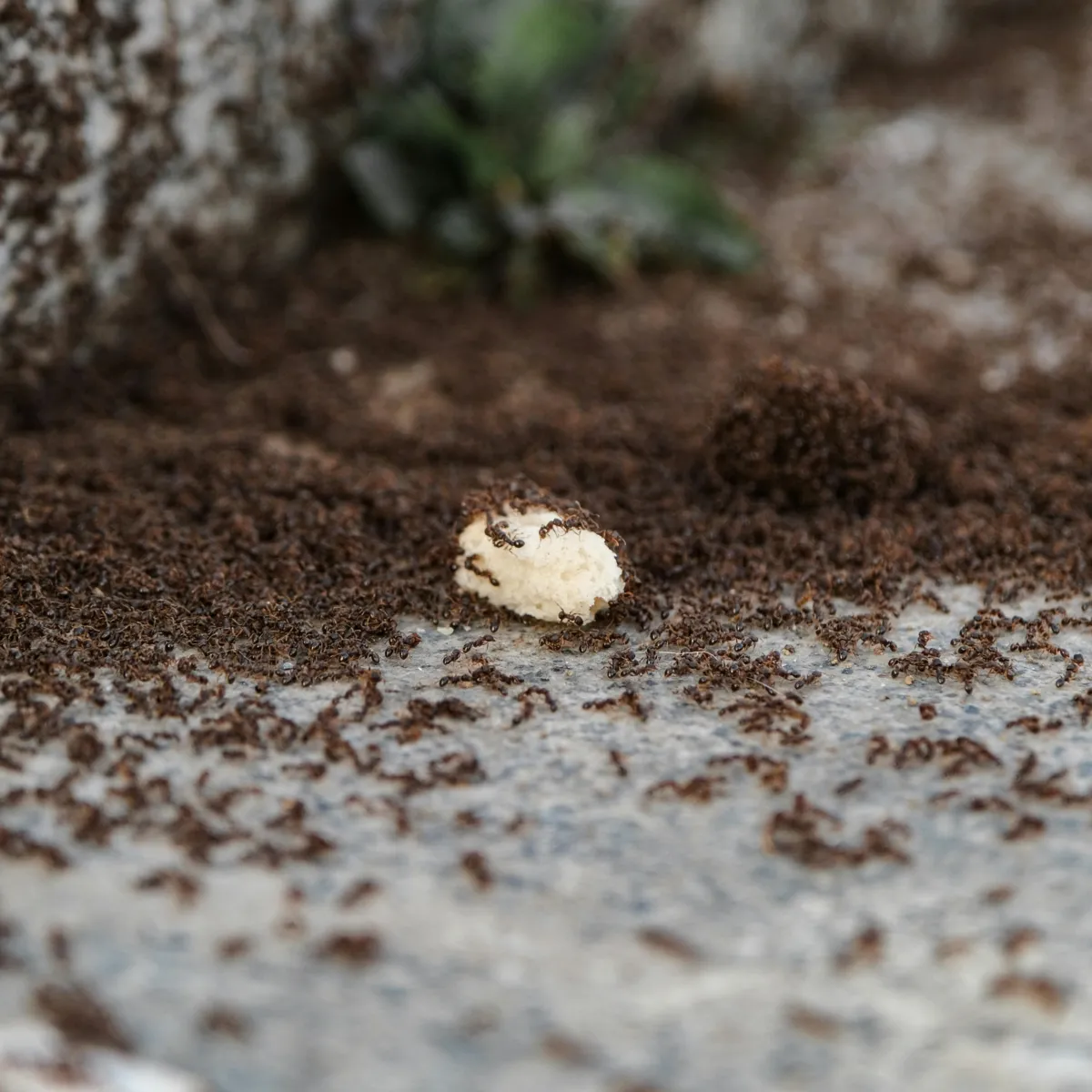
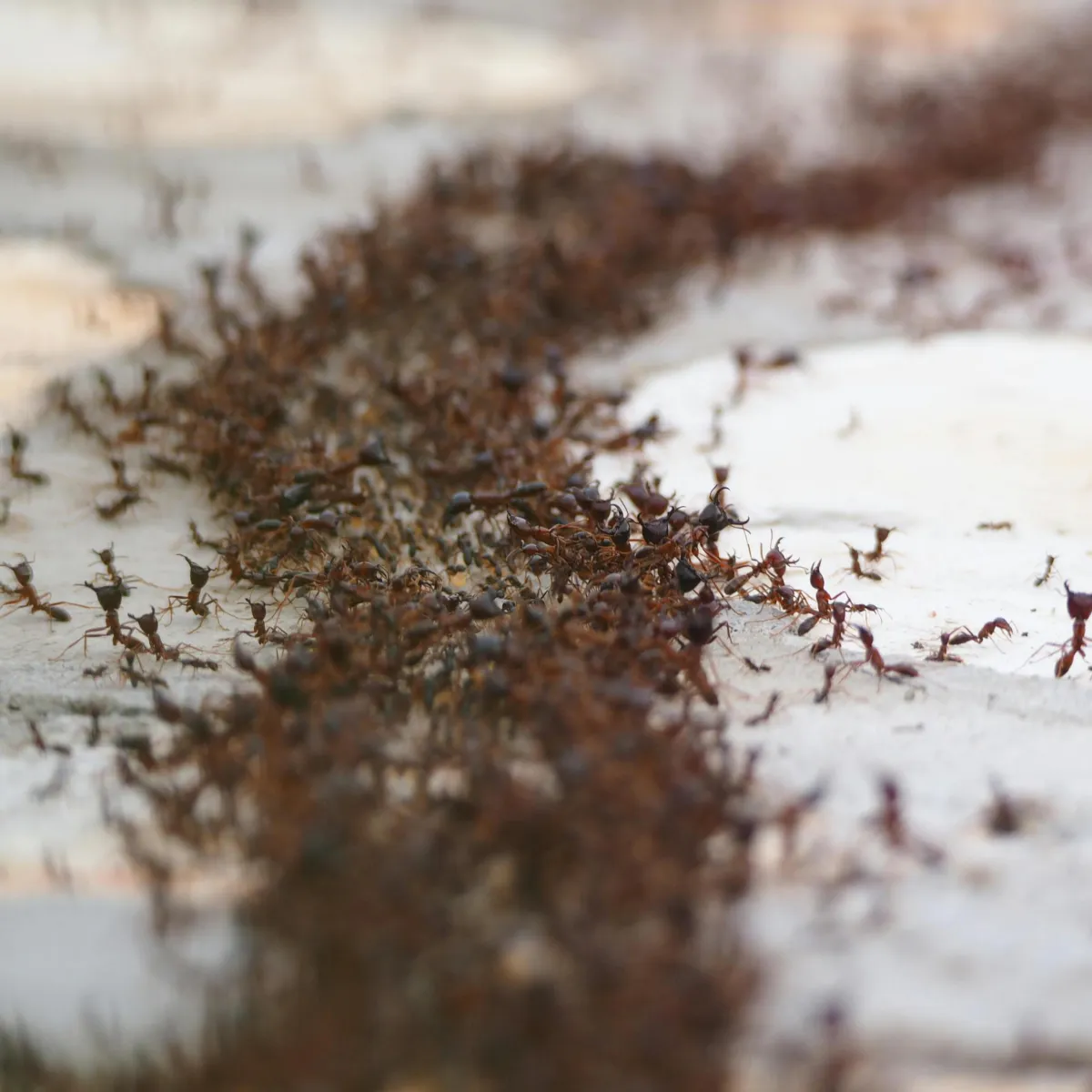
Sometimes the first sign is not the ants themselves. It is the way the yard starts changing. A stretch of grass that looked normal a few days ago suddenly has a loose mound of sandy soil, and then another appears somewhere nearby. You may also notice stings after walking through the lawn, or ants pouring out quickly when the mound is disturbed. In Conway, one of the strongest indicators is when mound activity starts showing up in more than one area of the property instead of staying isolated to one spot.

fire ants swarming on a wood plank

How to Recognize Fire Ants

What Do Fire Ants Look Like?

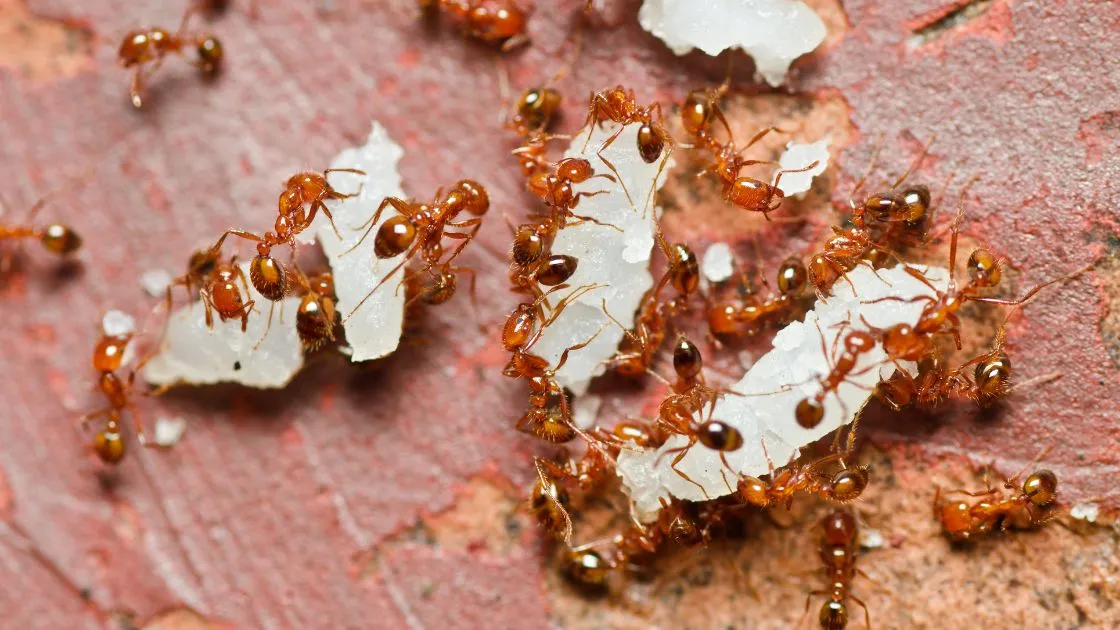
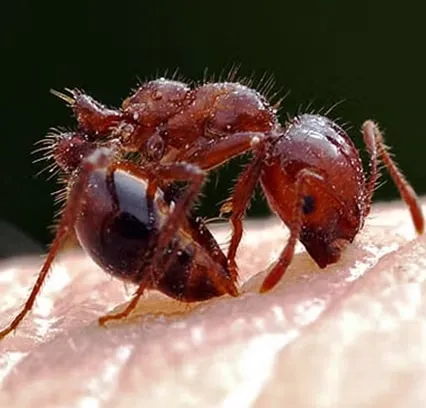
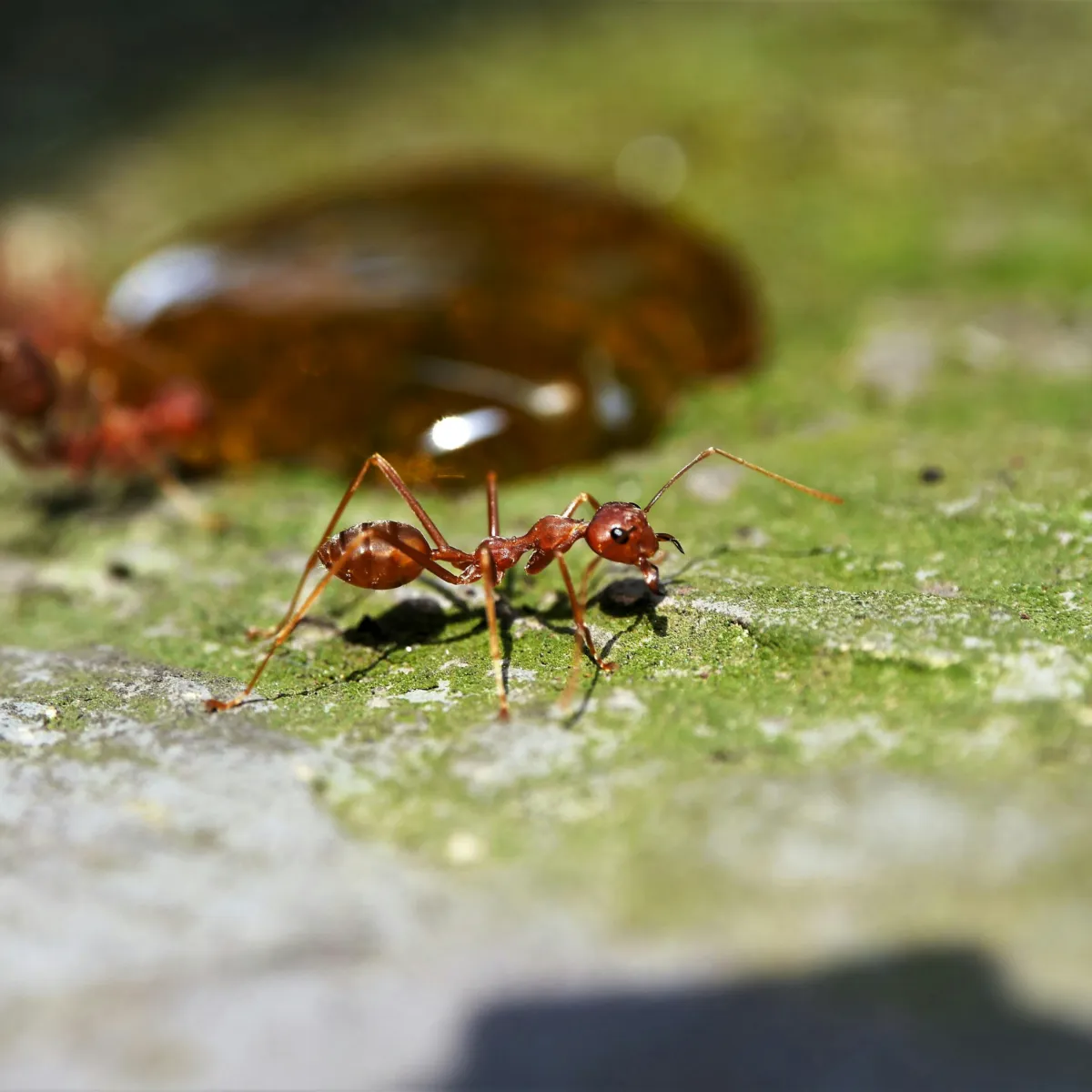
Fire ants are small, rust-colored ants that are often found around visible mounds in open sections of the yard. They are not large, but they become much easier to identify when the nest is disturbed and the ants begin moving rapidly across the surface. In many lawns, the mound and the fast swarm response are what make them recognizable.

Why They Are Hard to Get Ahead Of?

Why Fire Ants Are Difficult to Get Rid Of?

Fire ants are tough to control because most of the colony stays underground. What shows above the surface is often just a small part of the problem.

Some colonies are bigger than they look. Some may have more than one queen. Rain, watering, heat, and feeding patterns can all affect how well treatment works. That is one reason a surface spray may seem to help at first but still leave the colony going underneath.

So even when the mound looks better for a while, the infestation may still be active where you cannot see it.

What the Service Process Looks Like?

How Our Fire Ant Control Service Works?

The first step is figuring out how much of the lawn is really involved. Some properties have one or two problem spots, while others have activity showing up in several places. Once that is clear, treatment is applied according to how widespread the mounds are and how strong the colony activity looks. The goal is to bring down what is active now and help keep the same issue from rebuilding across the yard again.

Treatment Options Based on the Yard

Professional Fire Ant Treatment Options

Different lawns call for different treatment setups. A yard with a few isolated mounds may need focused work in those exact areas, while a property with repeated activity in several parts of the lawn may need a wider approach. Some Conway infestations are best handled with direct mound treatment, and others may call for bait as part of a larger strategy. The best option depends on how spread out the ants are and how active the colonies look at the time of service.

DIY Products vs Professional Treatment

DIY vs Professional Fire Ant Control

DIY fire ant products can be hit or miss. A spray may only kill the ants on the surface, while bait products can be affected by rain, dew, heat, and whether the ants are actively feeding.

Professional treatment is usually more complete because it is based on how big the infestation is and how the ants are behaving in the yard. That can make a real difference when mounds keep coming back.

Trying one product after another without reaching the colony underneath is one of the biggest reasons the problem keeps dragging on.

Are Fire Ants Dangerous?

Yes, they can become a real problem once they settle into everyday lawn areas.

The danger usually comes from repeated stings and the way those stings can affect comfort and safety at the same time. Burning pain, bumps, and pustules are common, and some reactions can be stronger than others. In Conway yards where people spend a lot of time outside, that is often the point where fire ants stop being “just ants” and start becoming something homeowners want handled quickly.

Can Fire Ants Damage Your Lawn?

Yes. Fire ant mounds can disrupt turf, create uneven spots, and make the lawn less comfortable to walk on, mow, or use. Even when the grass is still growing, repeated mound activity can make the yard look rougher and feel harder to manage.

The damage is not always about dead grass. Sometimes it is about how much less usable the yard becomes.

When Fire Ants Are Most Noticeable?

When Are Fire Ants Most Active?

Fire ants are easiest to spot in warm weather, especially in sunny lawns and after rainfall. Conway’s climate gives them the kind of conditions they like, which is one reason homeowners may notice repeated activity through much of the warmer season.

Fresh mound activity after rain is often when the problem becomes easiest to see.

What to Know About Re-Entry and Safety

Is Fire Ant Treatment Safe for Families and Pets?

Fairway Lawns says treatments are applied with customer satisfaction in mind and offers follow-up service when needed. Treated areas should be used again only after any post-treatment guidance has been followed.

Clear instructions after service help homeowners know when it is safe to return to normal lawn use. That matters most when kids and pets spend a lot of time in the yard.

Why Fairway Lawns Gets the Call?

Why Homeowners Choose Fairway Lawns for Fire Ant Control?

In Conway, one of the main reasons homeowners call Fairway Lawns is because repeated fire ant problems usually need more than a one-time reaction. The company highlights local service, straightforward pricing, and a satisfaction guarantee, which appeals to people who want help from a team that can look at the yard as a whole. For many properties, that kind of support matters more than trying another store treatment and hoping this time it holds.

Common Fire Ant Questions

Fire Ant Control FAQs

Get Fire Ant Control in Conway, AR

A lawn with recurring mound activity usually does not fix itself. If the same spots keep flaring up or new nests keep appearing after rain, Fairway Lawns can help treat the issue before it spreads farther across the property.

Book fire ant control in Conway, AR and take a step toward a yard that feels more usable, more even, and less like something you have to work around.