Get your lawn back on track with 50% OFF first application!* 50% OFF First Application!* Call Now

Fire ant treatment for Old Jenny Lind lawns that keep losing ground

Professional Fire Ant Control Services

A fire ant problem can make a yard feel like it keeps shrinking. Not literally, of course, but in the way people use it. One mound makes a section of grass off-limits for a while, then another changes a different part of the property, and before long the outdoor space no longer feels easy to move through. Fairway Lawns provides professional fire ant control in Old Jenny Lind, AR for homeowners dealing with active mounds, repeated fire ant pressure, and lawn areas that have stopped feeling comfortable to use.

Professional help for recurring mounds and active colony pressure

Fire Ant Treatment for Old Jenny Lind Lawns

A lot of fire ant trouble starts with a homeowner deciding to keep an eye on it. That is understandable. One mound does not always look urgent. The issue is that fire ants usually do not stay in one spot long enough to remain manageable. A new mound shows up near a walkway, another one turns up in open turf, and the lawn starts becoming something everyone has to think about instead of just use. That slow shift is one of the most frustrating parts of dealing with them.

Our service is designed to deal with the broader pattern, not just the mound that happens to be visible today. We inspect the lawn, locate the areas where fire ant activity is strongest, and treat the affected sections based on what the infestation is actually doing on the property. That gives homeowners a more complete way to respond instead of trying to react to each new mound as it appears. If fire ants are making your Old Jenny Lind yard harder to enjoy, Fairway Lawns can help. Call today, request a quote, schedule service, or check availability.

Why fire ants become a bigger issue than they first appear?

Why Fire Ant Control Matters?

Fire ants matter because they turn ordinary outdoor activity into something people have to think twice about. A person mowing, carrying something through the yard, or walking through the grass can get too close to an active mound without realizing it. Once the nest is disturbed, the ants can react fast and sting repeatedly, which is what makes them such a problem around the home.

They also affect more than the moment of contact. A yard with active fire ants becomes harder to use naturally. Families start avoiding one area, then another. Pets are steered away from places they used before. The lawn itself may still look decent, but the comfort of using it changes. That is why fire ant control matters. It helps restore the kind of everyday use the yard is supposed to have.

What usually tells homeowners the issue has settled into the lawn

Signs of a Fire Ant Infestation

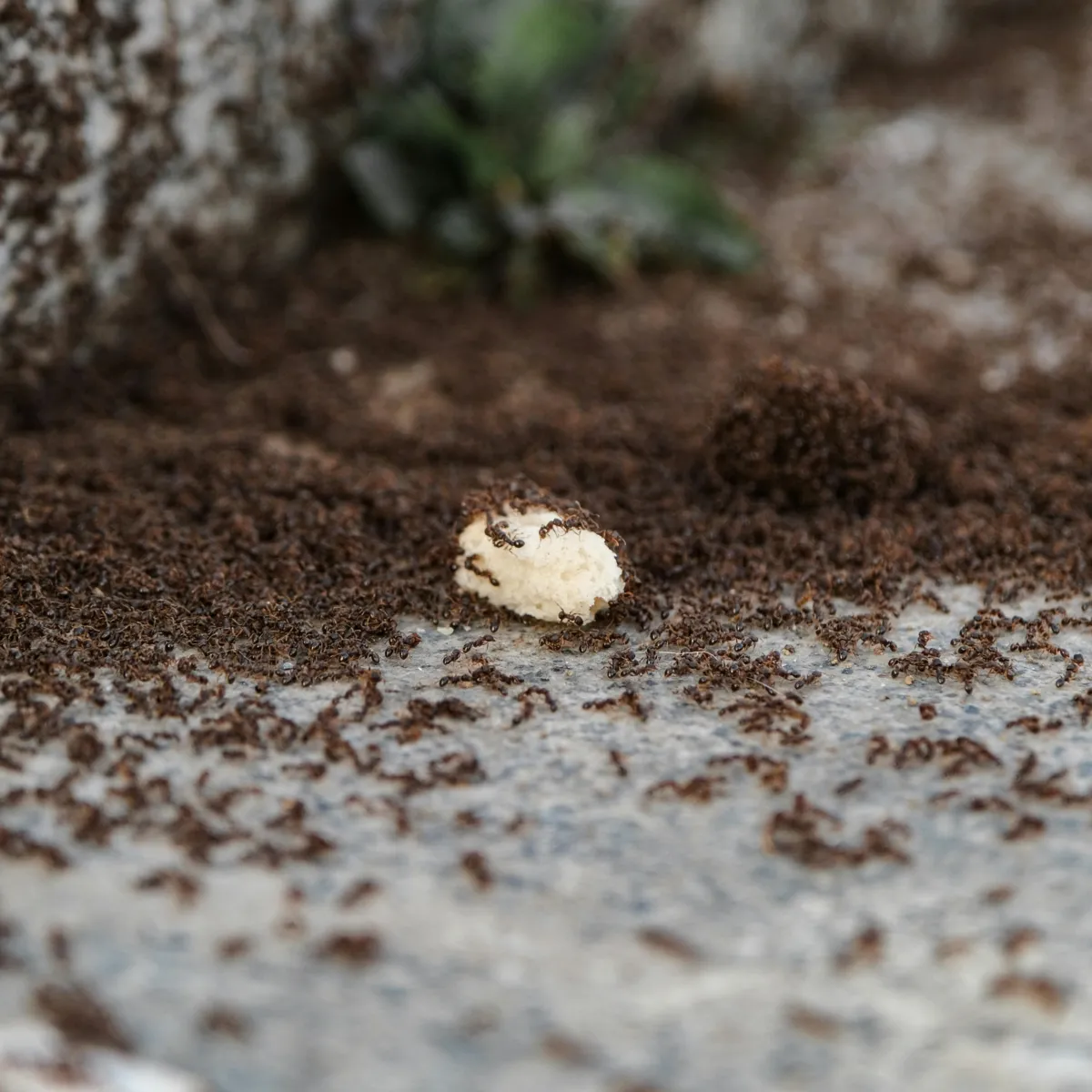
Many homeowners first notice a mound of sandy or loose soil in a sunny area of the yard. These mounds often stand out even more after rain because fresh soil is pushed upward and becomes easier to spot against the grass. In some cases, one mound appears and stays the only obvious sign for a short time. In others, fresh mounds begin showing up in several places quickly enough that the infestation becomes impossible to ignore.

Other signs include reddish-brown ants swarming quickly when the mound is disturbed. Painful stings, pets reacting to specific parts of the yard, or fresh mound activity appearing where the lawn seemed clear before can all point to active fire ant pressure. Those repeating signs usually mean the issue is strong enough that the yard needs more than a temporary fix.

What fire ants usually look like on a home property

What Do Fire Ants Look Like?

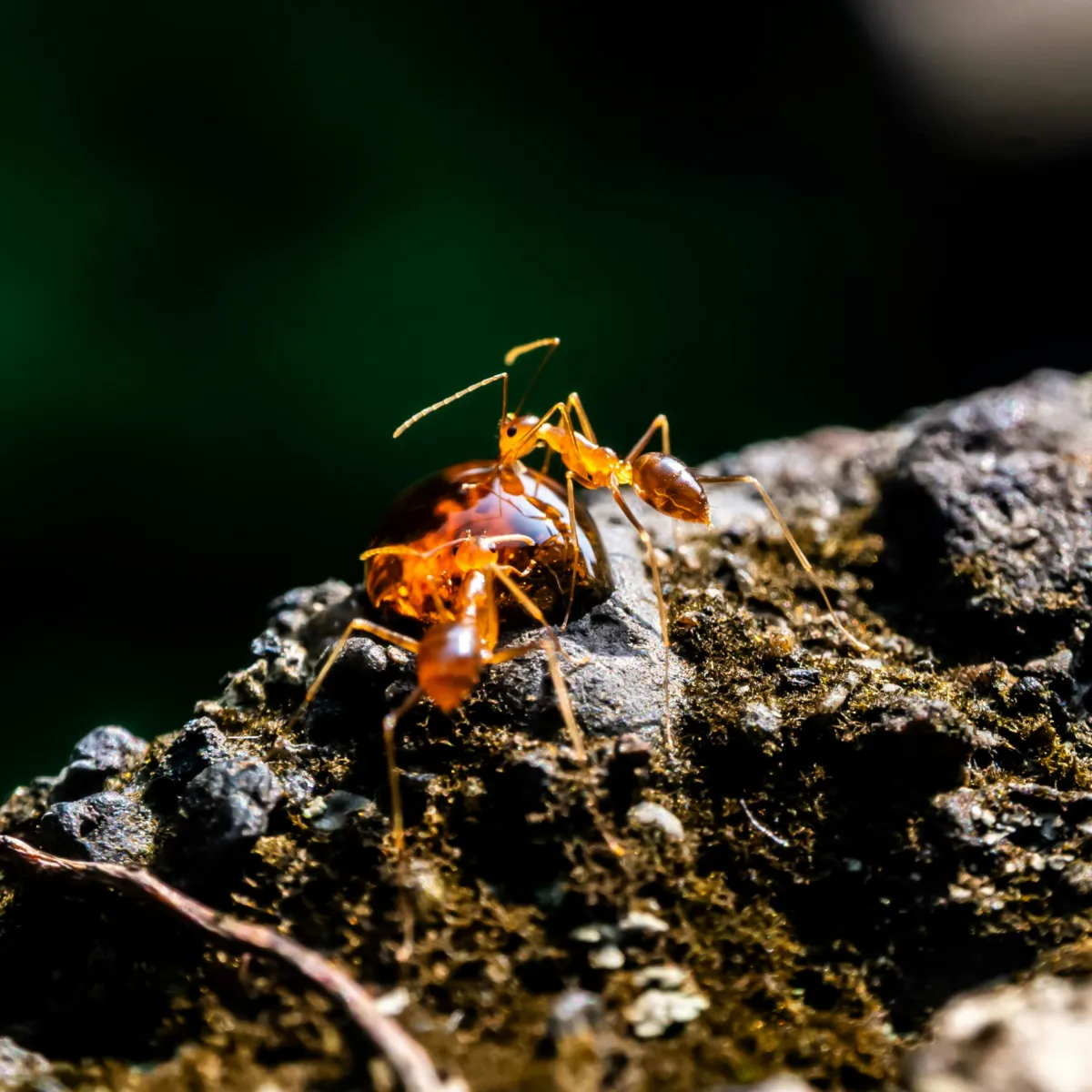
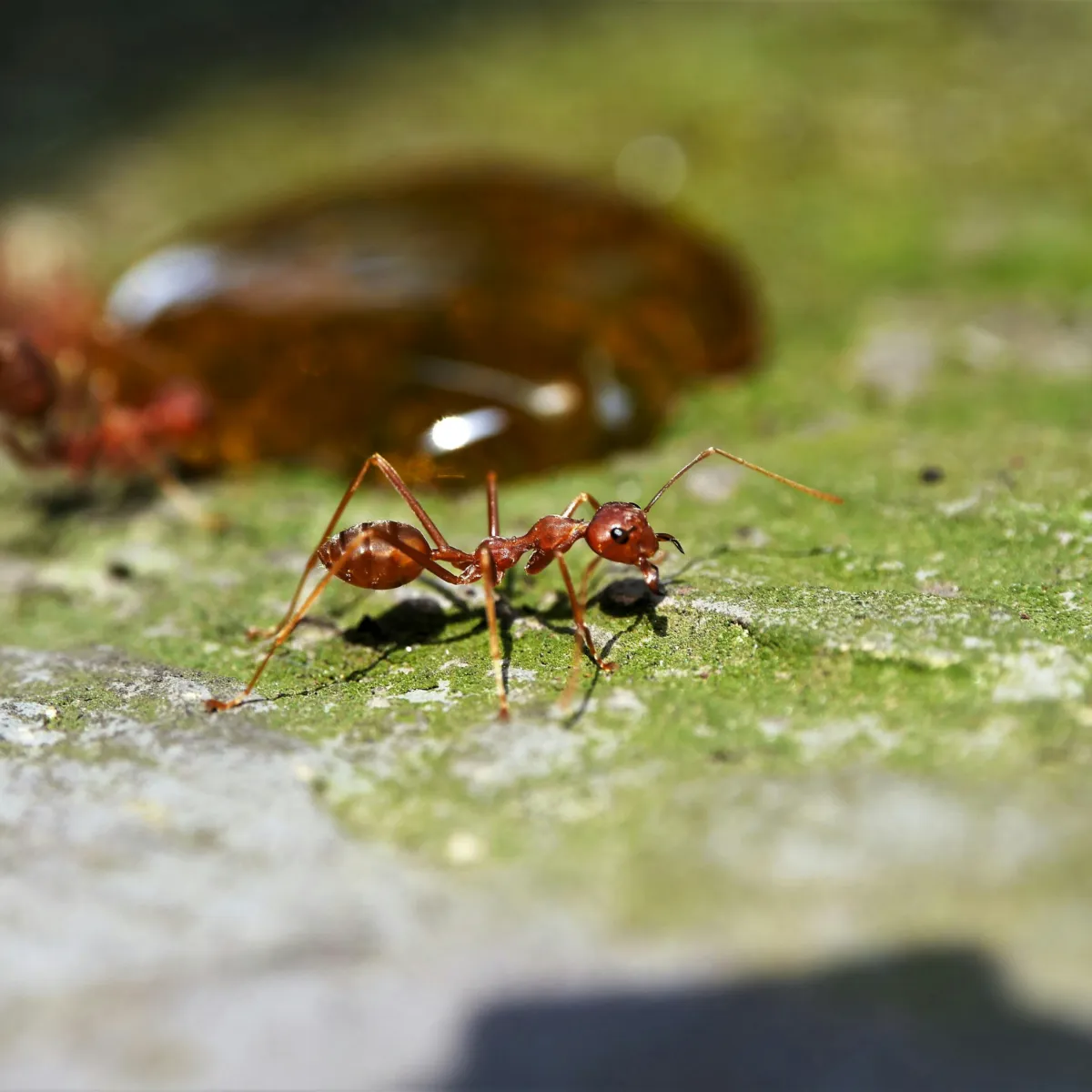
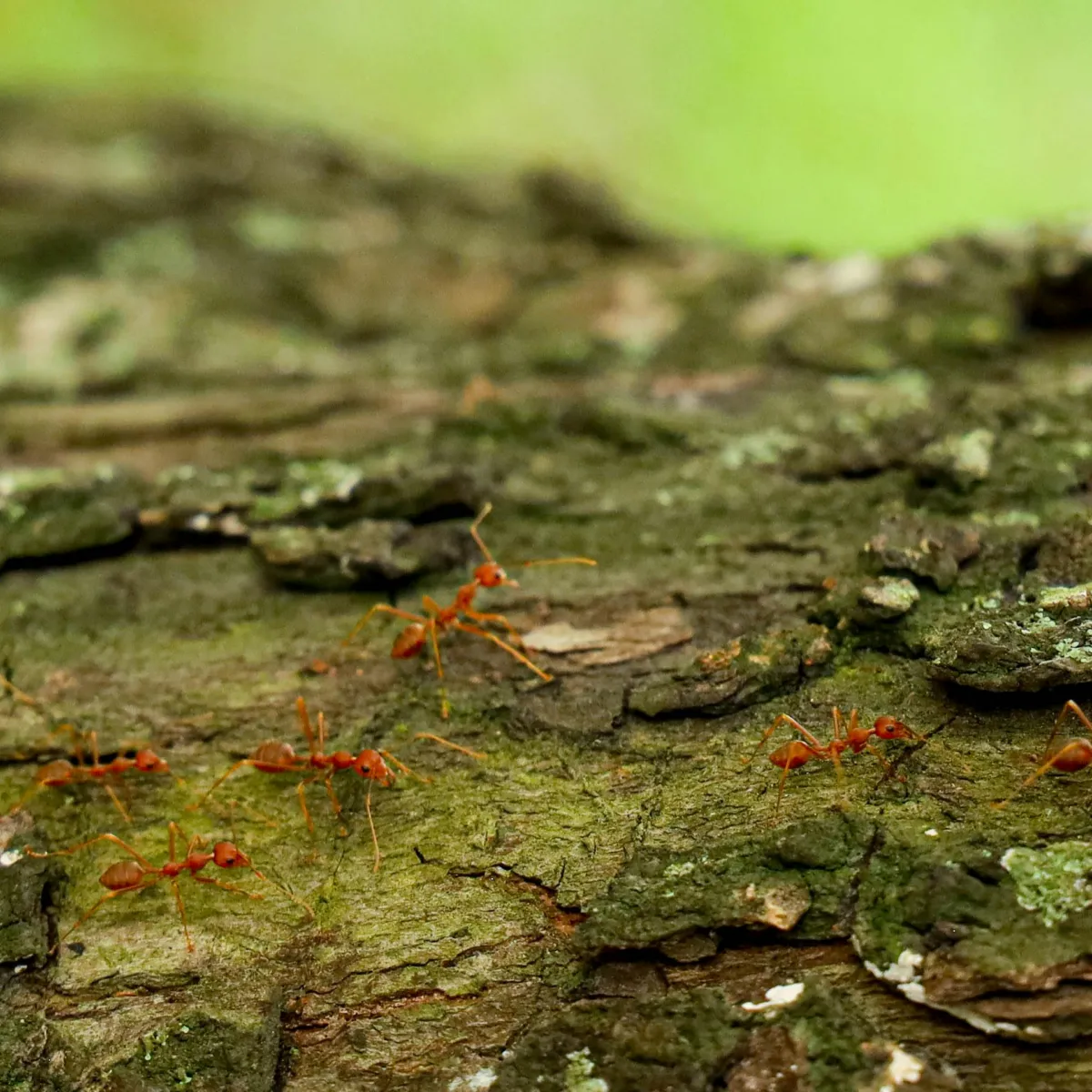
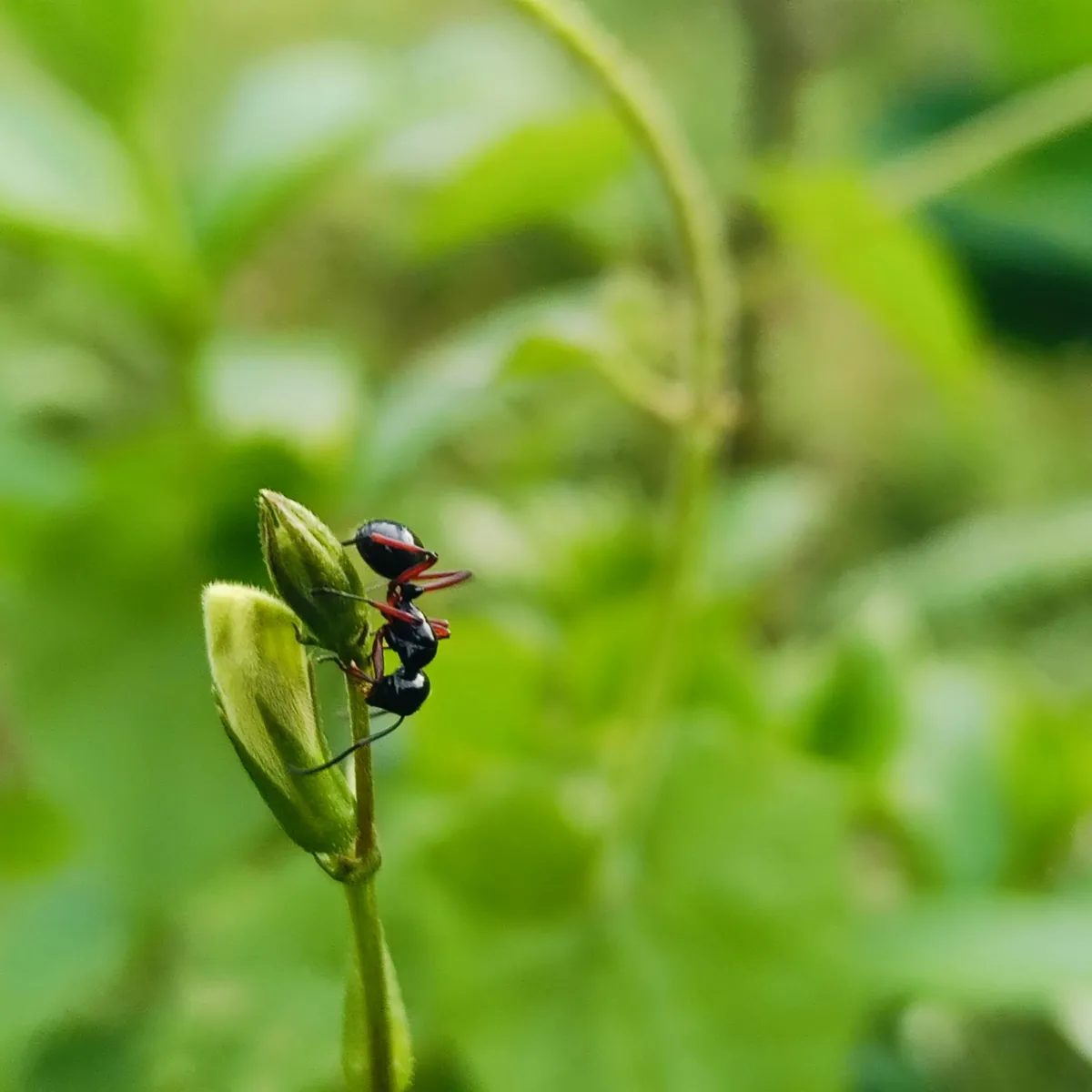
Fire ants are typically reddish or reddish-brown and small in size, often ranging from about 1.6 to 5 mm long. Workers from the same colony can vary in size, so they do not always look identical. Most homeowners notice them as much by their movement and the mound itself as by their size.

They are commonly found in open lawn areas, around driveways, beside sidewalks, near beds, or in exposed soil that gets steady sun. Even when the mound seems minor at first glance, the activity below may still be strong enough to keep causing problems. That is one reason fire ants are easy to underestimate early on.

Why fire ants are hard to fully remove from a yard?

Why Fire Ants Are Difficult to Get Rid Of?

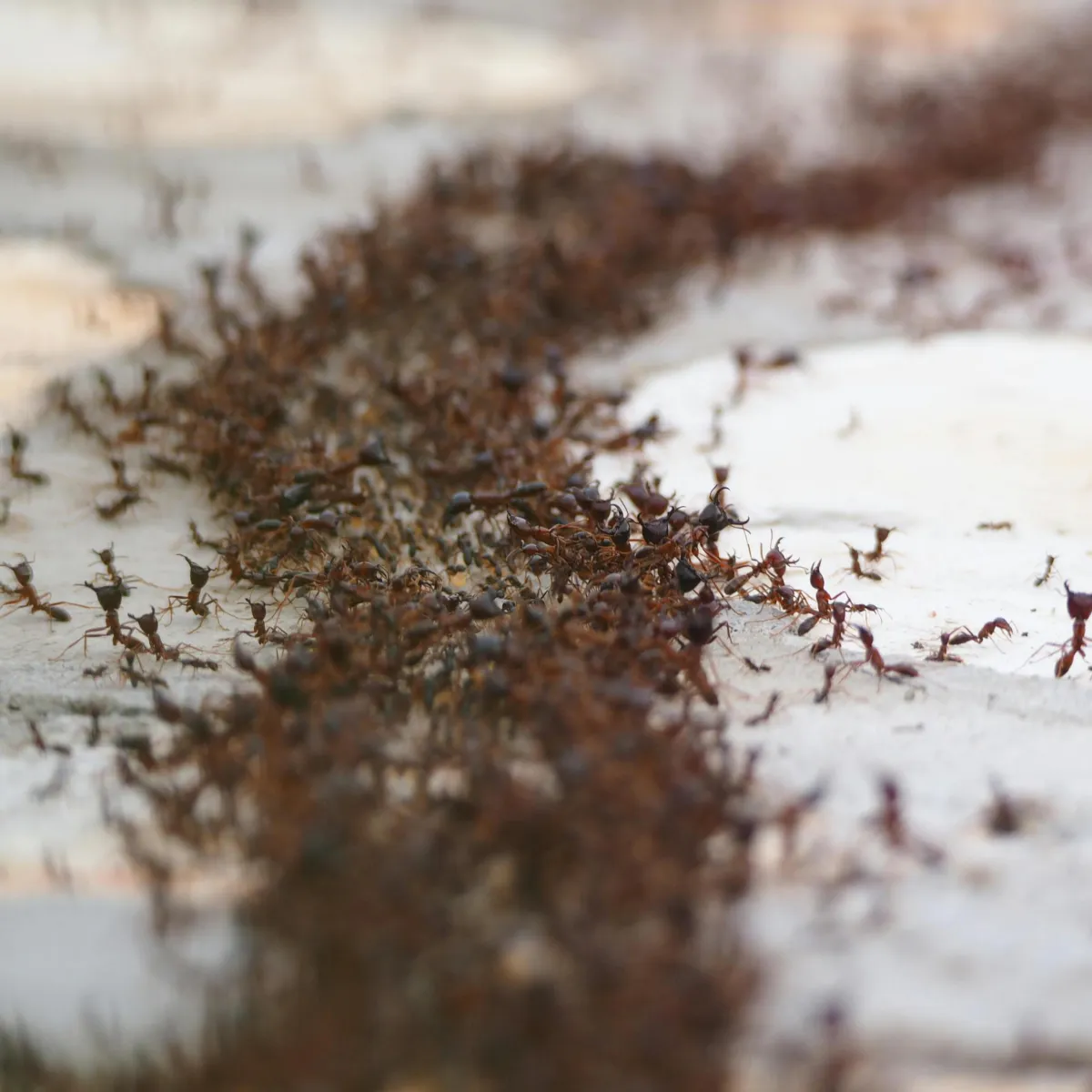
Fire ants are difficult to get rid of because most of the colony stays underground. What homeowners see on top of the lawn is only the surface part of the problem. Some infestations may also involve multiple queens, which makes them more persistent and harder to control with quick treatment attempts.

DIY options often disappoint homeowners for that reason. A spray may affect what is visible without reaching enough of the colony below to stop future activity. Baits depend on active feeding and can be affected by heat, rain, and lawn conditions. That is why fire ant problems often seem to settle down briefly and then reappear. Surface-level change does not always mean the real infestation is under control.

How our fire ant control service works

How Our Fire Ant Control Service Works

We begin by inspecting the lawn and the visible mound activity to see where fire ants are active and how widespread the problem appears to be. That helps us understand whether the issue is limited to a few problem spots or spread across more of the property. The inspection helps us build a treatment plan that fits the actual lawn instead of relying on assumptions.

After the inspection, we treat active mounds and the lawn areas tied to that activity. The goal is to reduce the current fire ant pressure and help keep continued mound formation from changing the way the yard gets used. Depending on what we find and how the property responds, follow-up or monitoring may also be recommended. The service is based on the way the infestation is behaving on that lawn.

Treatment options that fit the way the problem shows up

Professional Fire Ant Treatment Options

Some lawns need broader treatment because the activity is spread across more of the yard than one or two visible mounds suggest. In those situations, broadcast treatment may make more sense because it addresses wider fire ant pressure. Other properties may be better served by direct mound treatment when the issue is more concentrated and tied to specific visible spots.

In some cases, a two-step treatment plan may be the right fit. That can include bait-based treatment to help target colony activity and mound drench treatment where direct application is needed. We explain the available treatment options in a clear way so homeowners know why a certain approach fits the property. Professional service usually works better because it is chosen around the infestation itself, not a guess.

Why DIY treatment and professional treatment usually feel so different?

DIY vs Professional Fire Ant Control

DIY fire ant treatment can feel encouraging for a little while because it often changes the surface of the mound quickly. The problem is that the visible improvement can be misleading. A mound can seem quieter without the colony underneath being weakened enough to stop fresh activity later. That is one of the main reasons homeowners get tired of repeating the same treatment cycle.

There is also the issue of getting close to a live mound and trying to time products correctly. Baits need the right feeding conditions, and mound treatments can raise sting risk the moment the nest is disturbed. Professional service usually makes more sense because the treatment is chosen based on the actual infestation level and the lawn conditions rather than on trial and error.

Why fire ants can be dangerous around the home?

Are Fire Ants Dangerous?

Fire ants can sting repeatedly, and those stings may cause burning pain, swelling, red bumps, or pustules. What makes them especially unpleasant is how quickly they can react. Someone can be doing something completely routine outdoors and end up with multiple stings before they have time to figure out where the mound even was.

Some people may have stronger reactions that require medical attention. Children, pets, and anyone who spends regular time outside may be most exposed when active mounds are present in common-use areas. Fire ants can be dangerous because they bring repeated sting risk into the everyday spaces of the yard.

Can Fire Ants Damage Your Lawn?

Fire ant mounds can change the surface of the lawn enough to make it feel rougher and less useful. Their tunneling and mound-building can interfere with mowing, create uneven spots, and make the property less comfortable for walking or play. The grass may still look mostly healthy overall while the yard itself feels less practical.

That is often what makes the problem so aggravating. The lawn may not look ruined, but it no longer feels simple. Homeowners begin avoiding certain areas or treating sections of the yard like they belong to the ants. Fire ants often create a functional problem long before they create an obviously ugly one.

When Are Fire Ants Most Active?

Fire ants generally become more noticeable in warm, sunny weather. In Old Jenny Lind, that often means their activity stands out more during hotter stretches when open parts of the lawn stay warm and outdoor use is already high. Those are the times when mound activity tends to become more obvious.

Rain can also make fresh soil easier to see, which makes the mounds more noticeable afterward. During very hot weather, visible surface movement may shift depending on feeding patterns, but that does not mean the colony is inactive. Even if the top of the lawn looks quieter, the problem may still be present below.


What to know about treatment around family and pets

Is Fire Ant Treatment Safe for Families and Pets?

Treatments should always be applied according to label directions, and homeowners should receive clear re-entry guidance after service. That matters because people want the issue solved without having to guess about when the lawn can safely be used again. Clear instructions make the service more useful for real families.

Depending on the product used and the lawn conditions at the time of service, family members and pets may need to stay off treated areas until the application is dry or otherwise settled. Those directions should be specific and easy to follow so outdoor use can begin again safely.

Why homeowners choose Fairway Lawns for fire ant control?

Why Homeowners Choose Fairway Lawns for Fire Ant Control?

Homeowners choose Fairway Lawns because they want lawn and pest experience backed by a professional inspection and treatment recommendations that fit the property. We take time to understand where fire ants are active, explain the service plan clearly, and provide family- and pet-conscious guidance based on the actual conditions in the yard.

We also offer convenient scheduling, a free quote, and seasonal protection options where appropriate. If satisfaction guarantees apply in your area, we can explain those during the service conversation. For Old Jenny Lind homeowners who want more than another temporary workaround, Fairway Lawns is ready to help.

Common questions about fire ants in Old Jenny Lind lawns

Fire Ant Control FAQs

Get Fire Ant Control in Old Jenny Lind, AR

You should not have to keep giving up parts of your yard to fire ants.
Contact Fairway Lawns today for a quote and professional fire ant treatment in Old Jenny Lind, AR.