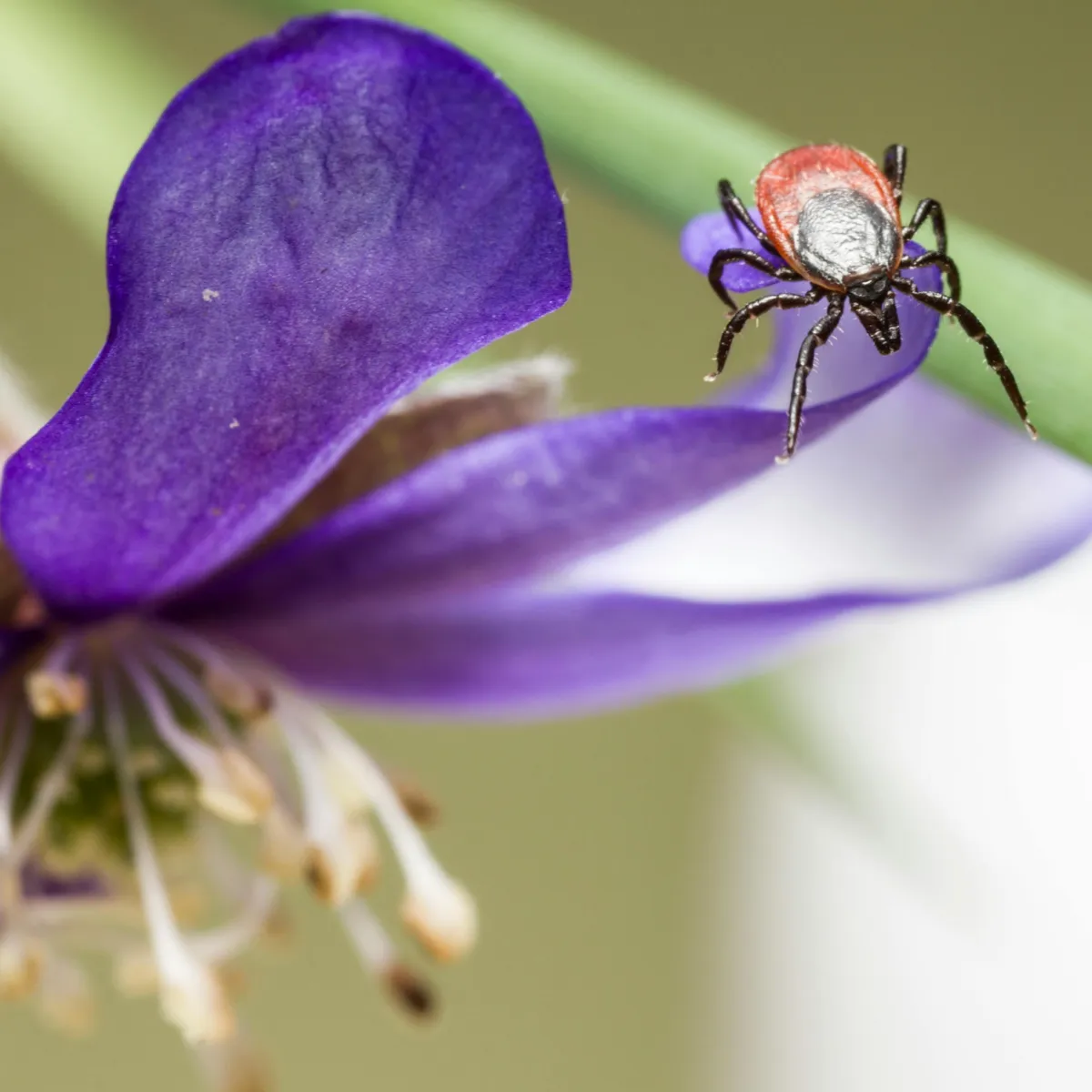
The trouble usually starts where the yard feels quiet, shaded, and easy to ignore
A yard does not have to look wild to become a tick problem. In many cases, the issue begins in a few protected places that seem harmless at first, then spreads into the parts of the property people use the most. Once ticks start showing up around pet paths, lawn edges, or outdoor seating, the whole yard can start feeling less relaxed than it used to.
Fairway Lawns provides professional tick control in Old Jenny Lind, AR for homeowners who want help reducing tick activity before it keeps returning to the same outdoor spaces. Our service is designed to address the sections of the yard where ticks are most likely to stay active, especially where cover, shade, moisture, and daily movement all come together. By focusing on those hidden conditions first, we help support a property that feels more comfortable for family time, pets, and everyday outdoor use.
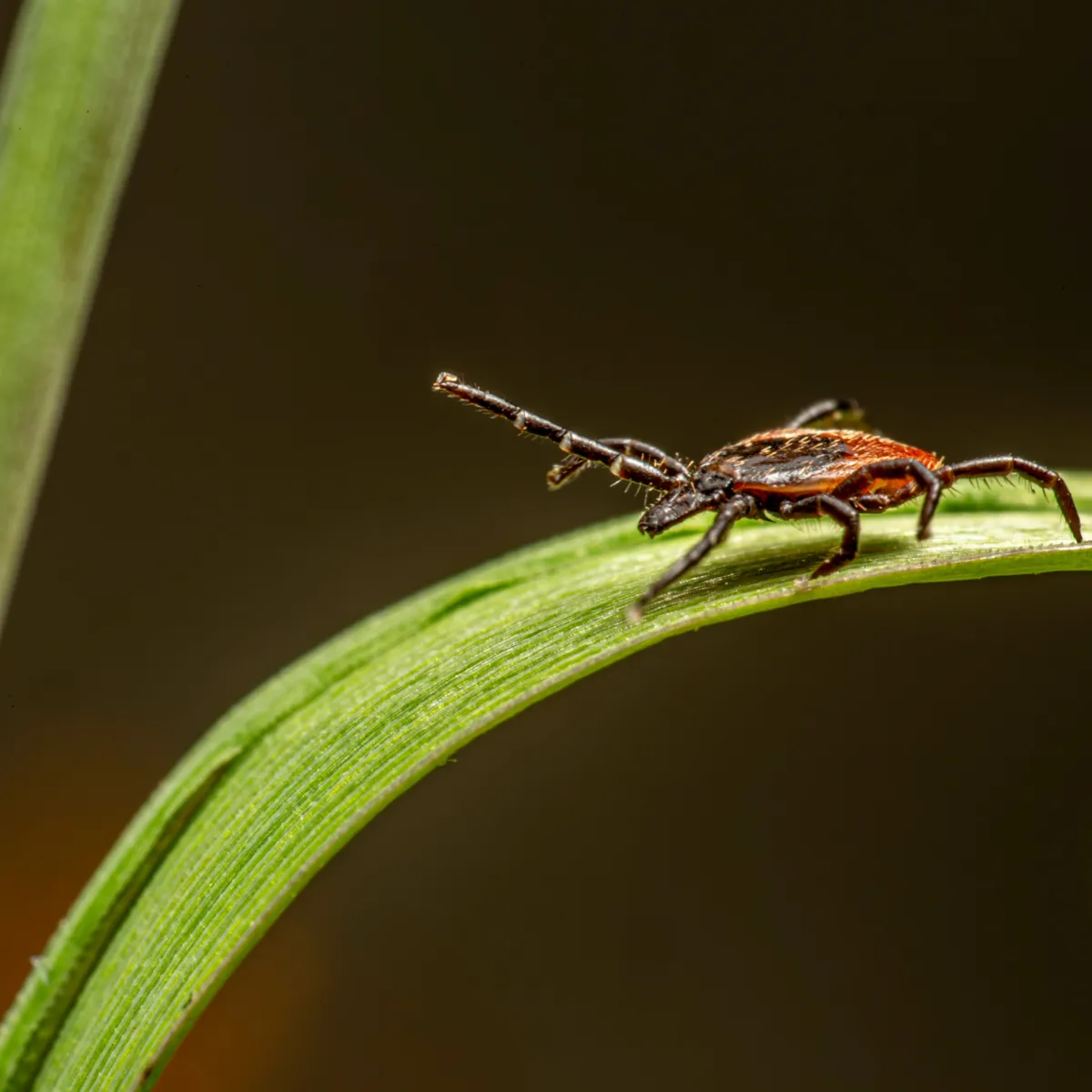
A property-specific plan works better than treating every yard like it has the same layout
The parts of a yard that create the most tick pressure are not always the biggest parts. One Old Jenny Lind property may have a narrow border behind the house that stays shaded and thick. Another may have a planting area near a walkway, a quiet stretch beside a fence, or a lower section that holds moisture after rain. Those kinds of areas often create more trouble than the open lawn people see first.
Our tick control service begins with a property assessment so treatment can follow the actual conditions of the yard. Once the likely source areas are identified, treatments are applied to those sections and to the nearby spaces homeowners want protected most. That may include lawns, patios, pet areas, play spaces, seating areas, border beds, perimeter grass, and other parts of the property where outdoor living overlaps with sheltered cover. The goal is to stop the cycle where the same yard conditions keep producing the same issue.
Strong yard protection comes from following a clear process from start to finish
We begin by reviewing the property to find the sections most likely to support tick activity. That includes looking at shade, retained moisture, dense vegetation, repeated pet movement, border growth, and the places where maintained turf changes into more sheltered cover.
After the inspection, treatment is applied to the parts of the yard most likely to hold ticks. This may include perimeter grass, bed lines, fence edges, low corners, side-yard stretches, and other protected sections where cover remains close to the ground.
Once the source areas are treated, we create a protective barrier around the outdoor spaces homeowners use most. That barrier may include lawn edges, the foundation perimeter, fence lines, shrubs, landscape beds, tall grass, wooded borders, areas under decks, spaces around sheds, pet areas, play areas, patios, outdoor seating spaces, and portions of the yard with heavy shade or moisture.
When the same favorable yard conditions remain in place, ticks can return. Continued service helps reduce that rebound and supports steadier long-term protection.
A tick problem is usually more established than it seems when people first notice it
Ticks are more than an occasional nuisance because they can affect both people and pets while remaining easy to overlook. Most homeowners do not see the problem as it develops. They usually notice it later, after a pet brings a tick toward the house or after someone finds one following time spent near a part of the yard that never seemed especially concerning.
Old Jenny Lind yards can support tick activity when warm weather, humidity, rain, and active vegetation all line up. Shade, brush, taller grass, wooded edges, wildlife movement, and damp spots can make certain sections of a property much more favorable than the rest. A yard can still look neat and maintained while holding enough low cover to keep recurring activity going. Professional service helps reduce the yard population itself, which is usually the most effective way to prevent the same problem from reaching the same outdoor spaces again.
The most active areas are often the places that stay coolest and most protected
Ticks usually stay where the property offers shelter from full sun and dry exposure. That often includes tall grass, brushy growth, wood piles, leaf piles, and landscape beds with heavier cover near the ground. They also tend to remain active along shaded lawn edges and fence lines where the air stays still and the vegetation stays thicker.
Other common hiding places include the ground beneath decks, the areas around sheds, and the borders near wooded sections or regular wildlife movement. Pet play spaces may also be important because animals often travel through the same narrow routes that ticks prefer. Damp or protected corners deserve close attention because they can stay favorable well after the open yard has dried out.
What homeowners usually want most is simple confidence in the spaces they already use every day
The need for tick control often becomes more obvious once pets and children are part of the routine. Dogs move through the same grassy runs, border edges, and shaded routes without hesitation. Children spend time in the lawn, around patios, and near play areas without paying attention to where hidden cover begins. Once those routines overlap with active tick zones, even a small problem can start affecting how the whole property feels.
Professional yard treatments help reduce exposure around patios, decks, pools, play areas, fire pits, lawns, pet areas, gardens, and outdoor dining spaces. That gives homeowners a better chance to enjoy the yard as part of daily life instead of treating the same sections like repeat problem zones.
Different seasons can shift the pressure from one section of the yard to another
Spring often brings quicker growth, softer ground, and a return to regular outdoor use. During this time, edge growth, landscape beds, and shaded corners may begin holding more activity as cover fills in.
Summer can keep the property warm, humid, and heavily used. While families spend more time outdoors, denser vegetation, pet spaces, and protected borders may continue creating favorable conditions for ticks.
Fall may cool things down, but it does not always remove the issue. Leaf buildup, quiet corners, and lingering cover can still support activity in the same familiar sections of the yard.
Moisture often creates the biggest contrast across the property. Open lawn may dry fairly fast, while lower patches, bed edges, and shaded strips can stay damp much longer and deserve more attention.
The best service comes from understanding how local properties build pressure in very specific places
Homeowners often need more than a general yard treatment. They need a plan that reflects how the property is actually used and where the real source areas sit. Often, the worst section of the yard is not the biggest one. It may be a damp edge, a sheltered strip near a fence, or a bed line that stays thick week after week.
Fairway Lawns provides licensed and insured service from locally trained technicians who understand how yard conditions contribute to tick pressure. Homeowners can request a free quote, choose recurring service options, and work with a company that focuses on prevention, transparent pricing, and treatment built around outdoor family spaces. The approach is shaped by how people really use their property, not by a one-size-fits-all routine.
The work done between visits can make it harder for ticks to settle back into the same spaces
Homeowners can support treatment by making the property less favorable to ticks. Keeping the lawn cut and trimming shrubs can help reduce some of the denser low cover ticks rely on. Removing leaf piles, yard debris, and stacked wood can also reduce protected shelter near the ground.
It also helps to reduce overgrown brush, maintain pet areas carefully, and avoid placing play spaces close to wooded or heavily sheltered sections when possible. Pets should be checked after time outside, and wildlife attraction should be limited where practical. If the same parts of the yard keep causing concern, recurring service is often the most effective next step.
Sometimes the first priority is simply getting one active spot under control quickly
A one-time tick treatment can be useful when one part of the property needs immediate attention. That may be after ticks are found near a patio, around a pet run, beside a bed edge, or in a section of the yard that is about to be used for an outdoor gathering.
This kind of service can help reduce short-term activity and provide faster relief in a clearly defined area. For some properties, it also serves as a starting point before deciding whether recurring treatment would be the stronger long-term choice.
Long-term results usually come from preventing the same yard conditions from recreating the same issue
Ongoing tick control usually works best when protection stays consistent across the season. Since ticks can reappear as conditions change, regular visits help keep new activity from rebuilding around the yard.
For Old Jenny Lind properties with pets, repeated shade, damp ground, thicker edges, and regular outdoor use, recurring tick control often provides the more dependable outcome. It helps keep the same source sections from repeatedly building the same pressure.
Nearby homes can face similar hidden risks when the yard conditions line up the same way
Fairway Lawns provides tick control for Old Jenny Lind-area homeowners who want help protecting lawns, patios, pet spaces, and other outdoor areas from recurring tick activity. Nearby homes with similar conditions, such as shaded boundaries, dense vegetation, retained moisture, and active family use of the property, may benefit from the same treatment approach.
The questions homeowners ask most often usually come from the same parts of the yard that keep causing concern
If ticks are making your outdoor spaces harder to enjoy, Fairway Lawns can help. Our tick control service in Old Jenny Lind, AR is designed to target the parts of the yard where activity tends to begin, so lawns, patios, pet areas, and family spaces can feel more comfortable again. Contact Fairway Lawns today to get a quote for tick control in Old Jenny Lind.