Fire ant treatment for Rudy lawns that keep getting new problem spots
Some yard problems stay in one place long enough to ignore for a while. Fire ants usually do not. A mound appears in one section of grass, then another pops up where people walk all the time, and before long the whole lawn starts feeling like something that needs too much attention. What makes it worse is that the yard may still look mostly fine from a distance, even while it becomes harder and harder to use normally. Fairway Lawns provides professional fire ant control in Rudy, AR for homeowners dealing with active mounds, recurring fire ant activity, and lawn areas that no longer feel as simple to enjoy as they once did.

Professional help for active mounds and ongoing colony pressure
A fire ant issue often becomes serious before homeowners really mean to treat it that way. One mound in a sunny patch may seem like something that can wait. Then another shows up near a walkway, another appears around open turf, and suddenly there are too many spots in the yard that feel off-limits. That is usually when people realize the problem is no longer just one mound. It is a pattern, and the pattern starts changing how the whole property gets used.
Our service is designed around that larger problem. We inspect the lawn, look for the areas where fire ant activity is strongest, and treat the yard according to the kind of pressure we actually see. That means we are not just trying to quiet one mound temporarily. We are trying to reduce the activity that keeps creating more of them. If fire ants are making your Rudy lawn more frustrating than it ought to be, Fairway Lawns can help. Call today, request a quote, schedule service, or check availability.
Why fire ants become such a disruptive yard problem?
Fire ants matter because they can react fast and sting more than once once their nest is disturbed. A person does not have to do much to run into trouble. Mowing, walking through the lawn, dragging something across the grass, or letting pets roam freely can all lead to the wrong step in the wrong place. That kind of fast sting risk is what turns a mound from a nuisance into a real yard problem.
They also change the feel of the property over time. Fire ant mounds can point to a larger underground colony, and that colony can affect how the lawn gets used week after week. People start warning family members about where not to step. Pets lose access to parts of the yard they use often. The lawn becomes something homeowners work around instead of use naturally. That is why fire ant control matters. It is about restoring the yard to a place that feels normal again.
What often shows up before homeowners know how active the colony is
A lot of homeowners first notice fire ants because of the mounds. These are usually loose, sandy-looking piles of soil that show up in sunny parts of the lawn. They often stand out more after rainfall, when freshly moved soil becomes easier to see against the surrounding grass. In some yards, one mound appears first and stays alone for a bit. In others, new mounds begin appearing in different sections quickly enough that the issue becomes obvious all at once.
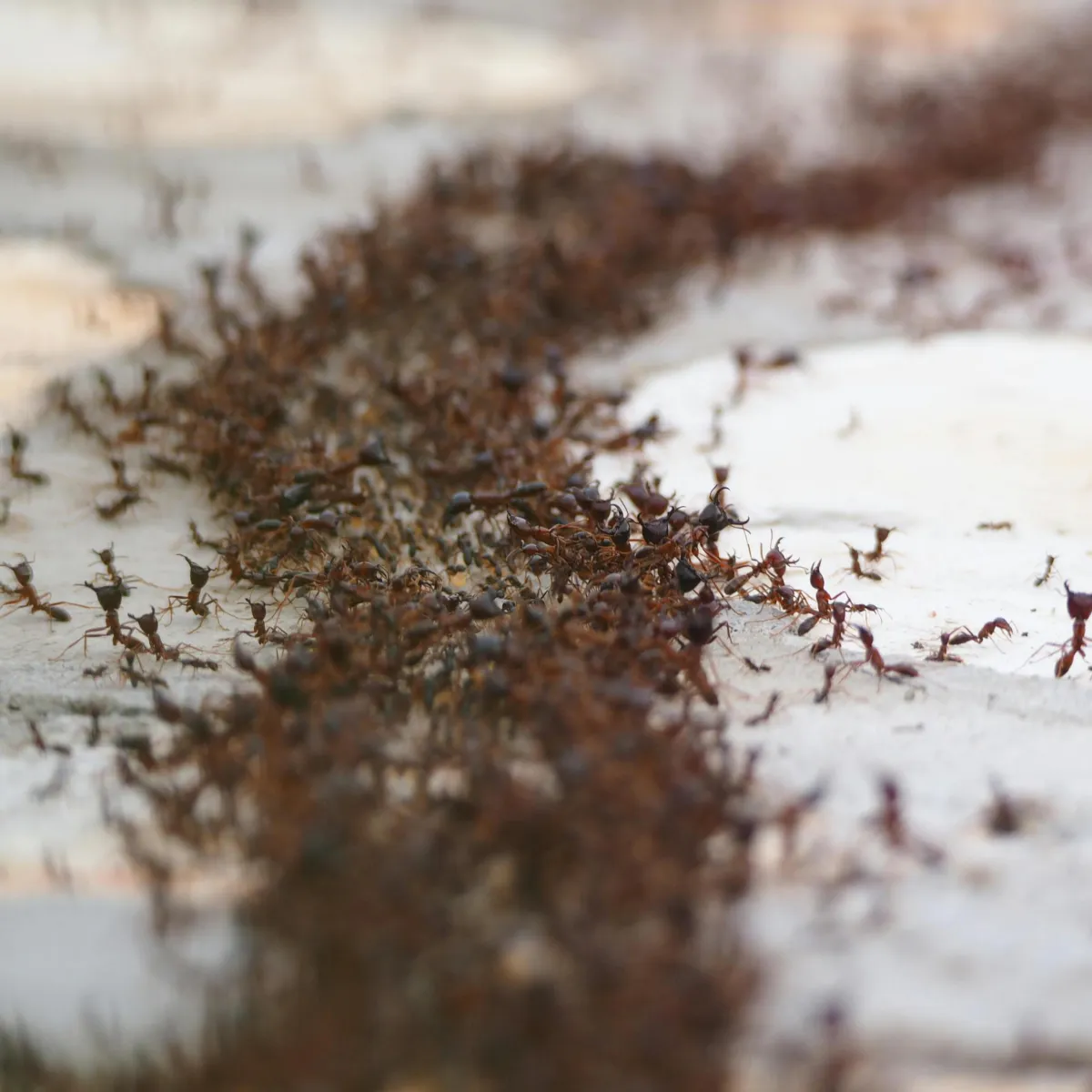
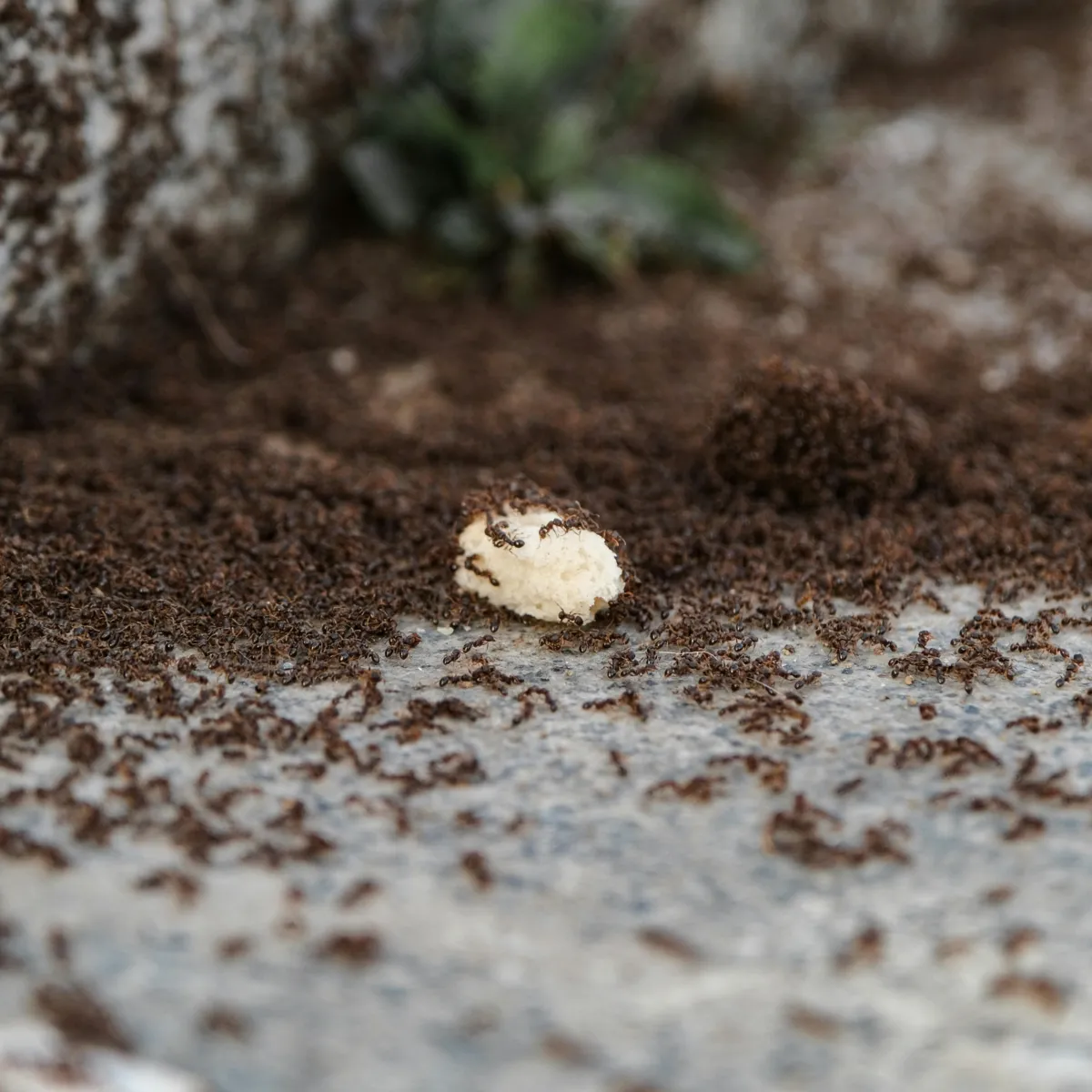
Other signs are harder to miss once you know what to look for. Fire ants are usually reddish-brown, and they swarm quickly when the mound is disturbed. Repeated stings, pets reacting to one specific patch of grass, or fresh mound activity appearing in areas that seemed clear not long ago can all point to an active infestation. When those things keep happening in the same lawn, the colony is usually doing more underground than the surface suggests.
What fire ants usually look like in a home lawn
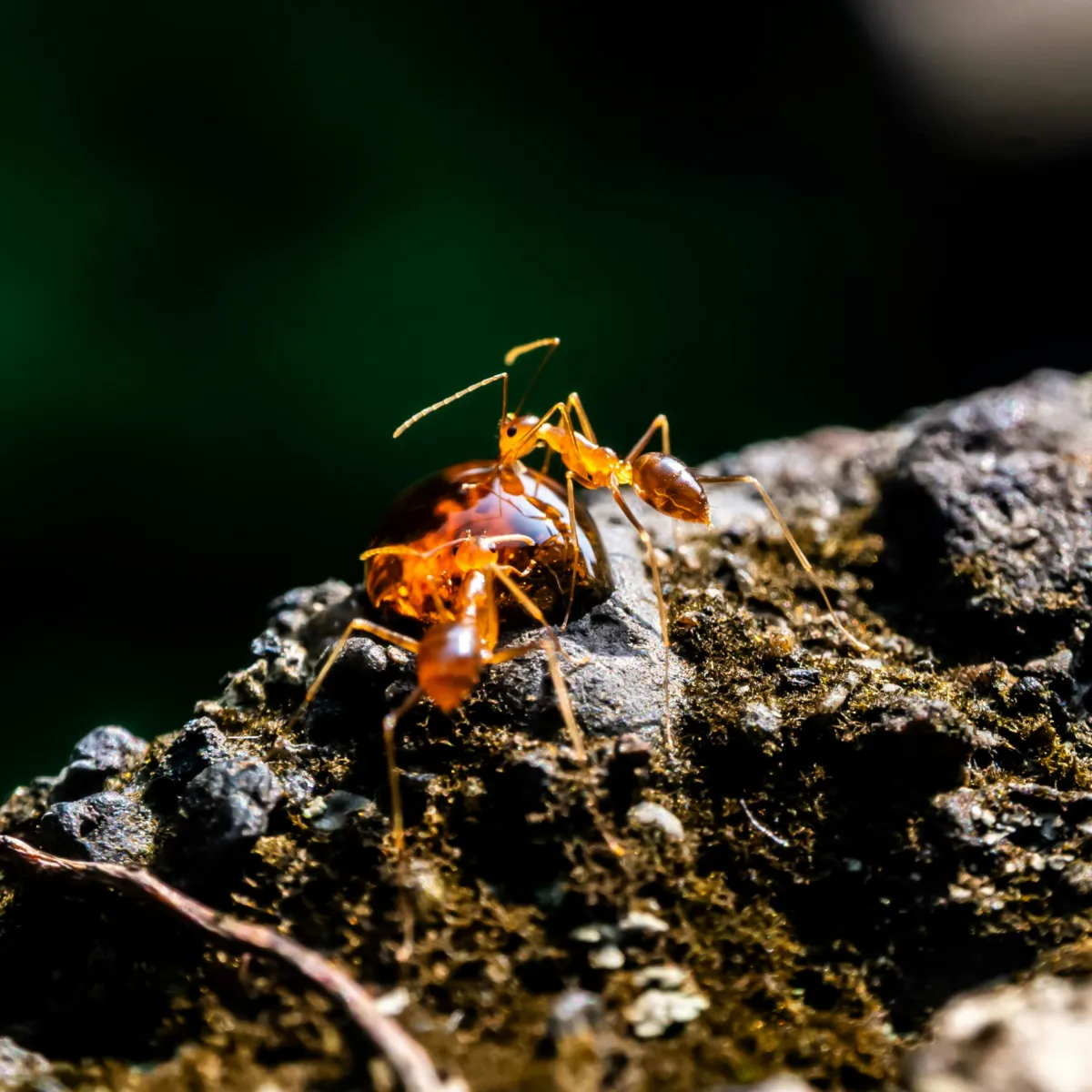
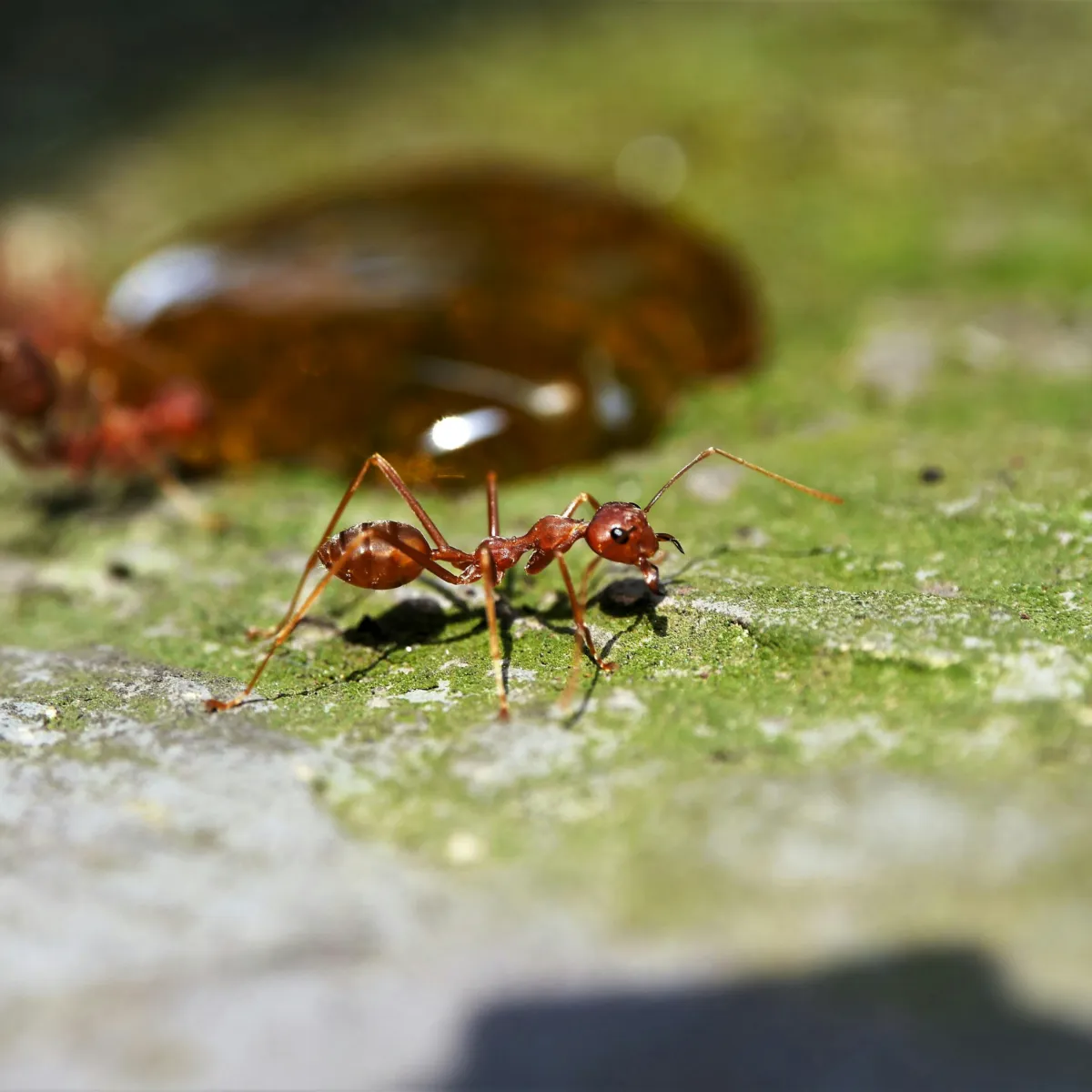
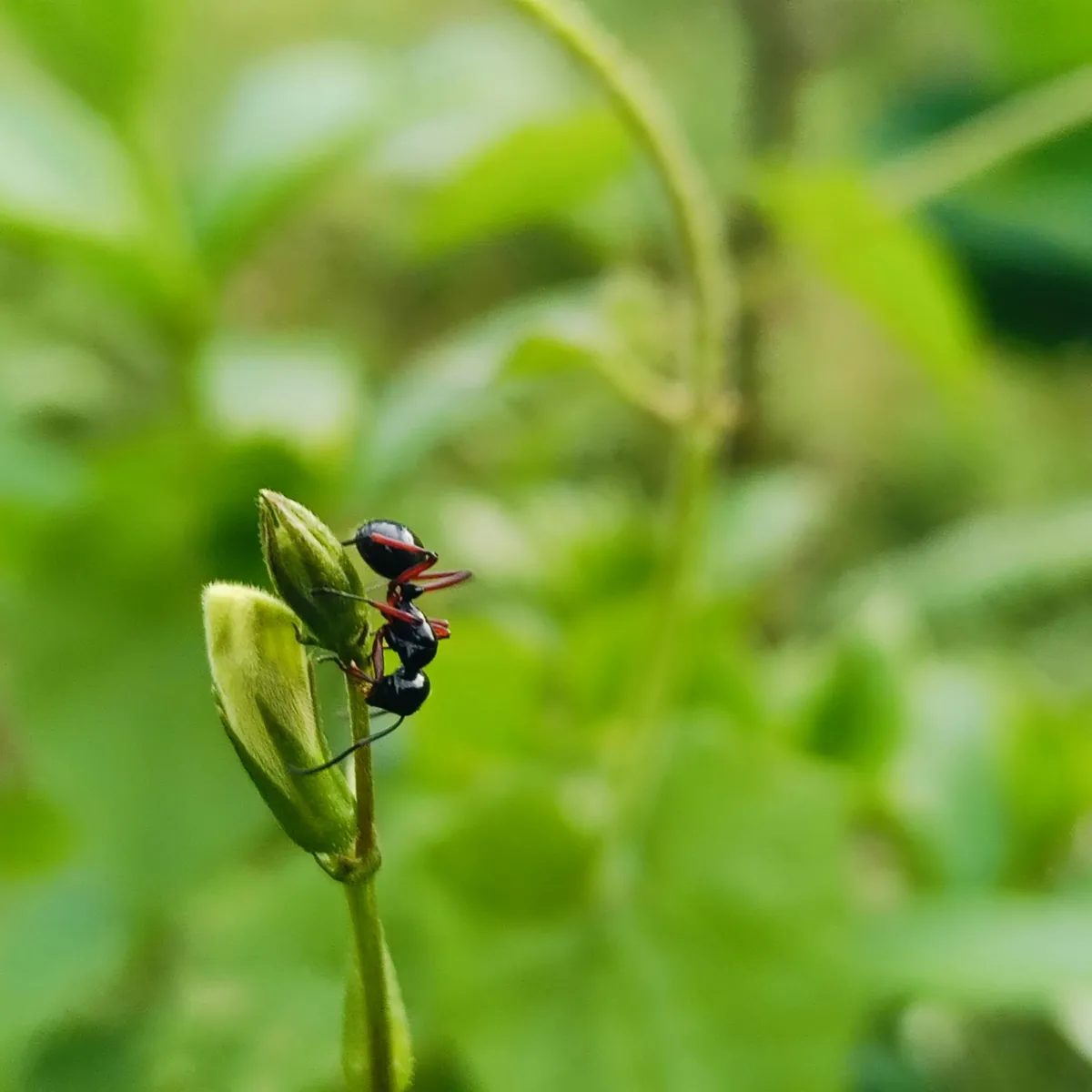
Fire ants are small ants that are generally reddish or reddish-brown in color. They often range from around 1.6 to 5 mm long, and workers from one colony may vary somewhat in size. Homeowners do not always recognize them by measurements, but the combination of their color, their mound, and the speed of their reaction once the nest is disturbed usually makes them stand out.
They commonly build in open lawn areas, around driveways, near sidewalks, along bed edges, and in exposed soil where the ground gets steady sun. Their mounds may not look especially dramatic at first glance, which is one reason people underestimate them. Even a mound that seems fairly small can still be tied to a colony active enough to keep making trouble across the yard.
Why fire ants can be difficult to fully get rid of?
Fire ants are difficult to get rid of because most of the colony is below ground, not in the mound you see on top. Some infestations may also involve multiple queens, which makes them more persistent than many homeowners expect. A mound can be flattened, sprayed, or changed at the surface and still be connected to a colony underneath that has enough strength to keep producing new activity later.
That is part of why DIY treatment often feels unreliable. Sprays may only affect visible ants, while bait products depend on the ants feeding under the right conditions. Rain, irrigation, heat, and timing can all affect the result. A homeowner may think the issue is gone, only to find new mound activity later because the deeper source of the problem remained active.
How our fire ant control service works
We begin by inspecting the lawn and visible mound activity to understand where fire ants are active and how broad the problem appears to be. That helps us see whether the yard is dealing with one or two obvious spots or a wider pattern affecting more of the property. The inspection also helps us choose treatment based on the actual lawn instead of treating every yard like the same fire ant situation.
After the inspection, we treat active mounds and the lawn areas tied to that colony activity. The goal is to reduce what is happening now and help limit continued mound formation going forward. Depending on the level of activity and how the lawn responds, follow-up or monitoring may also be recommended. The service is built around the way the infestation is behaving on that specific property.
Treatment options that fit the property instead of forcing the property into one plan
Some properties need wider coverage because the fire ant activity is spread across several areas of the lawn. In those situations, broadcast treatment may make the most sense because it addresses a broader pattern instead of focusing only on one or two visible mounds. Other lawns may be better suited to direct mound treatment when the issue is more concentrated in a few clear problem spots.
There are also cases where a two-step treatment plan may be the better choice. That can include bait-based treatment to help target colony activity and mound drench treatment where direct applications are needed. We explain the options clearly so homeowners understand why the plan matches their yard. Professional treatment usually works better because it is chosen around the actual infestation and not around guesswork.
Why DIY and professional treatment usually feel like two different things?
DIY treatment often looks promising because it can change what is visible pretty quickly. A mound may flatten out or seem less active, and for a little while that can feel like progress. The problem is that surface change does not always mean real control. If the colony underneath is still active, fresh mound activity can show back up later and make it feel like the whole process started over.
There is also the matter of sting risk and timing. Baits are not equally effective in every condition, and direct mound treatment means getting close enough to an active nest to disturb it. Weather and lawn moisture can complicate things even more. Professional service usually gives better results because the treatment is matched to the infestation level and the yard conditions instead of relying on trial and error.
Why fire ants can be dangerous around the home?
Fire ants can sting repeatedly, and those stings may leave burning pain, swelling, red bumps, or pustules. The bigger problem is how quickly it can happen. Someone can disturb a mound during a normal yard task and be dealing with multiple stings before they understand what they stepped near. That speed is part of what makes fire ants a much bigger issue than a typical ant problem.
Some people may also have stronger reactions that require medical attention. Children, pets, and anyone who spends regular time in the yard may be the most exposed when mounds are present in commonly used areas. Fire ants can be dangerous because they put repeated sting risk into everyday spaces around the house.
What to know about safety after treatment
Treatments should always be applied according to label directions, and homeowners should be given clear re-entry guidance after service. That matters because people want the fire ant issue solved without having to guess when the lawn is safe to use again. Clear aftercare instructions are part of making treatment useful for actual family life.
Depending on the product used and the lawn conditions at the time of service, pets and family members may need to stay off treated areas until the application has dried or otherwise settled. Those directions should be simple, specific, and easy to follow so normal yard use can safely begin again.
Why homeowners choose Fairway Lawns for fire ant control?
Homeowners choose Fairway Lawns because they want lawn and pest experience backed by a professional inspection and treatment recommendations that fit the property. We take time to understand how fire ants are affecting the yard, explain the treatment plan clearly, and provide family- and pet-conscious guidance based on the actual lawn conditions.
We also offer convenient scheduling, a free quote, and seasonal protection options where appropriate. If satisfaction guarantees apply in your area, we can explain those during the service conversation. For Rudy homeowners who want the lawn to feel easier to use again, Fairway Lawns is ready to help.
Common questions about fire ants in Rudy lawns
Your yard should not feel like a place you have to keep negotiating with fire ants.
Contact Fairway Lawns today for a quote and professional fire ant treatment in Rudy, AR.