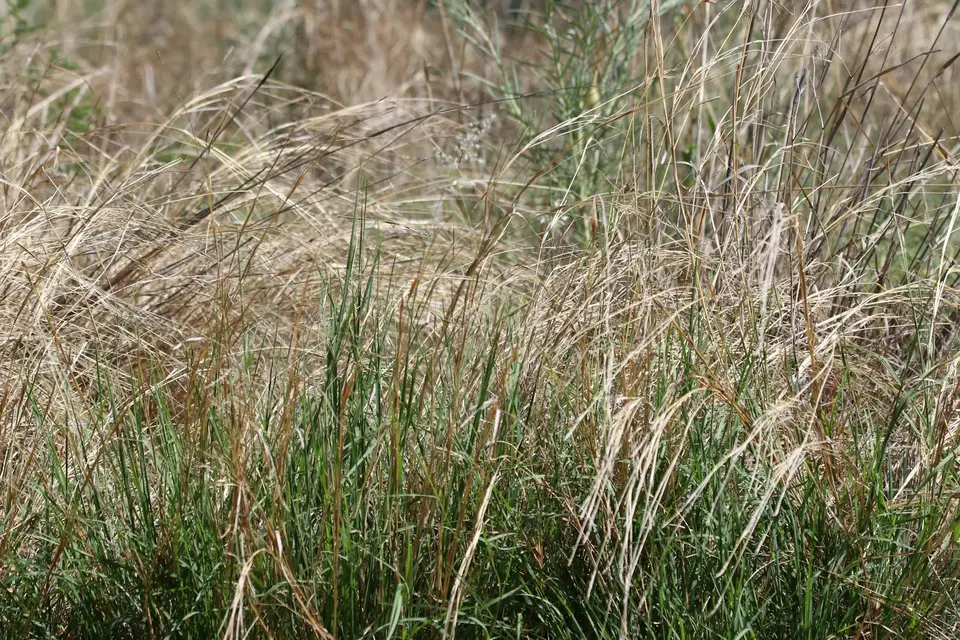
Fort Smith lawns can pick up weeds fast after rain, heat, or a stretch of drought stress.
Weed control services in Fort Smith, AR help reduce weed pressure, protect turf from competition, and keep your lawn looking more even through River Valley heat and seasonal changes.
In Fort Smith, weeds usually take hold where the lawn is stressed, worn down, or watered unevenly.
Fort Smith weather can be tough on lawns. Summers run hot and humid, storms can dump a lot of rain at once, and dry spells can follow right after. That kind of pattern puts turf under stress. When turf thins, weeds step in. It is that simple, and it is why weed control here needs to be consistent, not occasional.
Some of the most common weed pressure points in Fort Smith are easy to recognize once you know what to look for: the strip along the driveway, the edges near sidewalks, the gate path in the backyard, or the low corner where water sits after a storm. Add compacted soil around entrances, parking pads, or high-traffic areas, and weeds have plenty of opportunities.
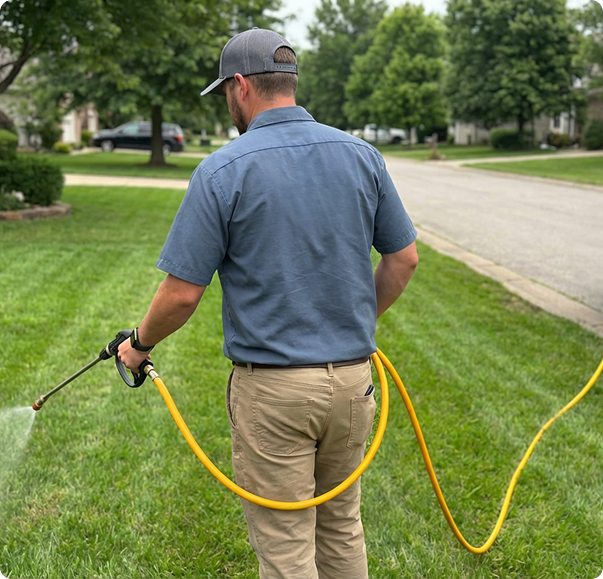
Fairway Lawns provides weed control services in Fort Smith, AR that focus on reducing weeds while helping the turf recover and compete better moving forward.

Weeds compete with grass for sunlight, water, nutrients, and space. When they spread, the lawn often starts looking thin and uneven, and mowing becomes a headache because the yard never looks uniform.
Professional weed control helps stop weeds from taking more territory and helps the lawn hold up better through seasonal stress.
In Fort Smith, DIY weed control can fail for a few predictable reasons:
· treatments are applied too late, after weeds are established
· the product does not match the weed type
· follow-up is skipped when results are partial
· the lawn stays thin, so weeds keep finding openings
Professional service helps match the approach to the weeds, the turf type, and the season. It also avoids the “spray everything and hope” pattern that can irritate turf during hot weather.
We focus on controlling weeds without creating extra stress for the lawn, especially during high-heat periods when turf is already trying to hang on.
Fort Smith lawns can see both broadleaf and grassy weeds depending on season and turf conditions.
Weed pressure in Fort Smith changes through the year, and it also changes based on the property. A sunny lawn in the open will behave differently than a shaded yard under mature trees.
Broadleaf weeds are usually the most noticeable because they interrupt the look of turf. Fort Smith lawns may see clover and other broadleaf weeds move in where turf is thin or nutrients are inconsistent.
Grassy weeds can spread quickly in hot weather and are often found along edges, thin patches, and stressed turf. Crabgrass and goosegrass are common examples.
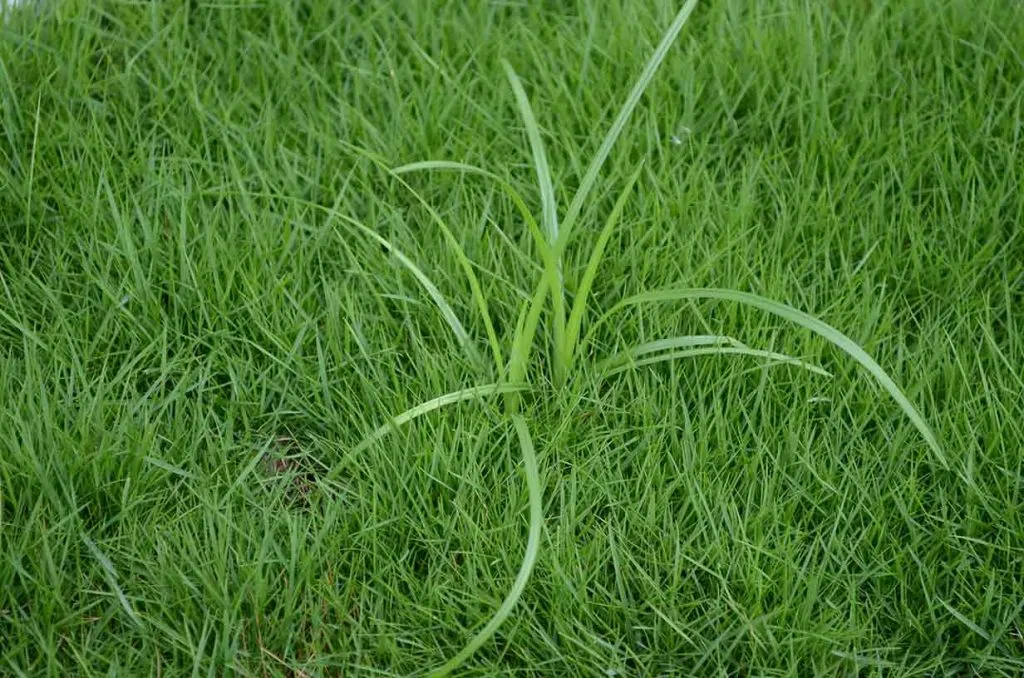
After heavy rain or in areas with poor drainage or overwatering, weeds like nutsedge can become stubborn and recurring.
Weeds along walkway seams, driveway edges, patio borders, and curb lines can make the whole yard look rough even if the center lawn is improving.
A Fort Smith weed plan works better when it looks at the whole yard, not just the worst patch.
We keep weed control structured and practical so it is easier to see progress over time.
We evaluate turf density, stress zones, drainage behavior, sun and shade patterns, and where weeds are actively spreading.
We identify the weed types present so the plan and timing are built around the right target.
The plan is based on your lawn’s needs, whether that is prevention, active control, spot treatment, or ongoing seasonal support.
We apply treatment in a way that makes sense for the lawn instead of using a generic blanket approach.
Follow-up helps reduce breakthrough and adjust the approach as weather and weed pressure change.
Some properties need help with a specific issue. Others do better with an ongoing plan because weeds return every time the lawn gets stressed.
Pre-emergent weed control helps reduce certain weeds before they establish. It is a preventative step that can make a major difference when timed correctly.
Pre-emergent treatments are designed to reduce certain weeds from germinating and taking hold. That can lower the amount of active weed pressure you have to fight later.
Weed cycles can move quickly once temperatures climb. With Fort Smith heat, prevention timing matters because weeds can establish fast and spread through thin turf.
Helps reduce early breakthrough as the lawn wakes up and weeds begin cycling.
Supports lawns during high-stress heat periods when turf can thin and weeds can surge.
Helps manage late-season weeds and supports cleaner turf heading into the next cycle.
Weed activity can still happen in mild stretches, especially in thin areas where sunlight reaches bare soil.
The River Valley season is long enough that weed control has to be seasonal, not occasional.
Weed pressure in Fort Smith does not stay the same through the year. A seasonal approach keeps the lawn from getting overwhelmed.
Spring is often about prevention and catching early breakthrough before weeds gain momentum.
Summer is where Fort Smith lawns can struggle most. Heat, humidity, drought stress, and heavy use can thin turf and create space for aggressive weeds.
Fall can bring another wave of weeds and is a good time to clean up lingering pressure after summer stress.
Even in winter, mild periods can allow weeds to appear, particularly in thin or shaded areas.
Fort Smith lawns tend to show weeds first in the spots that get walked on, parked on, or dried out.
Residential weed control should cover the full property, including common weed entry points.
Front lawns take the most visibility pressure. Weeds around sidewalks, mailboxes, and driveways tend to stand out.
Backyards often deal with pets, play, and foot traffic. Those patterns can wear turf down and make weeds more likely.
Side yards often struggle with shade, compacted soil, and uneven watering, which can create steady weed pressure.
Hard surfaces create seams where weeds can establish, especially after rain or during hot stretches.
Some homeowners prefer a one-time cleanup, while others want recurring service to keep weeds from cycling back.
Eco-conscious or reduced-input options may be possible depending on lawn condition, weed severity, and the outcome you expect.
If weed pressure is mild and turf is strong, a reduced-input plan may be a reasonable fit.
A hybrid approach can sometimes make sense when the lawn needs selective correction while also building density and resilience.
We can talk through options and what is realistic for your Fort Smith lawn, especially in a climate where weeds can surge quickly after weather changes.
Fort Smith weed control works best when your service plan matches local timing and local stress points.
We focus on weed control that fits Fort Smith lawn conditions instead of generic treatment.
Pricing should reflect what the lawn needs, not just a standard package.
Weed control pricing in Fort Smith can vary based on lawn size, weed coverage, turf condition, and whether the plan includes prevention and follow-up.
Common pricing factors include:
· lawn size and layout
· severity of visible weed pressure
· turf density and stress level
· treatment frequency
· prevention needs versus active correction needs
A lawn evaluation helps determine what is happening and what kind of plan makes sense.
We recommend what fits your lawn and your goals, without forcing a larger program than needed.
Fort Smith homeowners usually want the practical answers first, not the sales pitch.
If weeds are spreading, turf is thinning, or the same problem areas keep showing up after every weather swing, Fairway Lawns is ready to help. We will review your Fort Smith lawn, explain what we think is driving the weed pressure, and recommend a weed control plan that fits your property and the season.