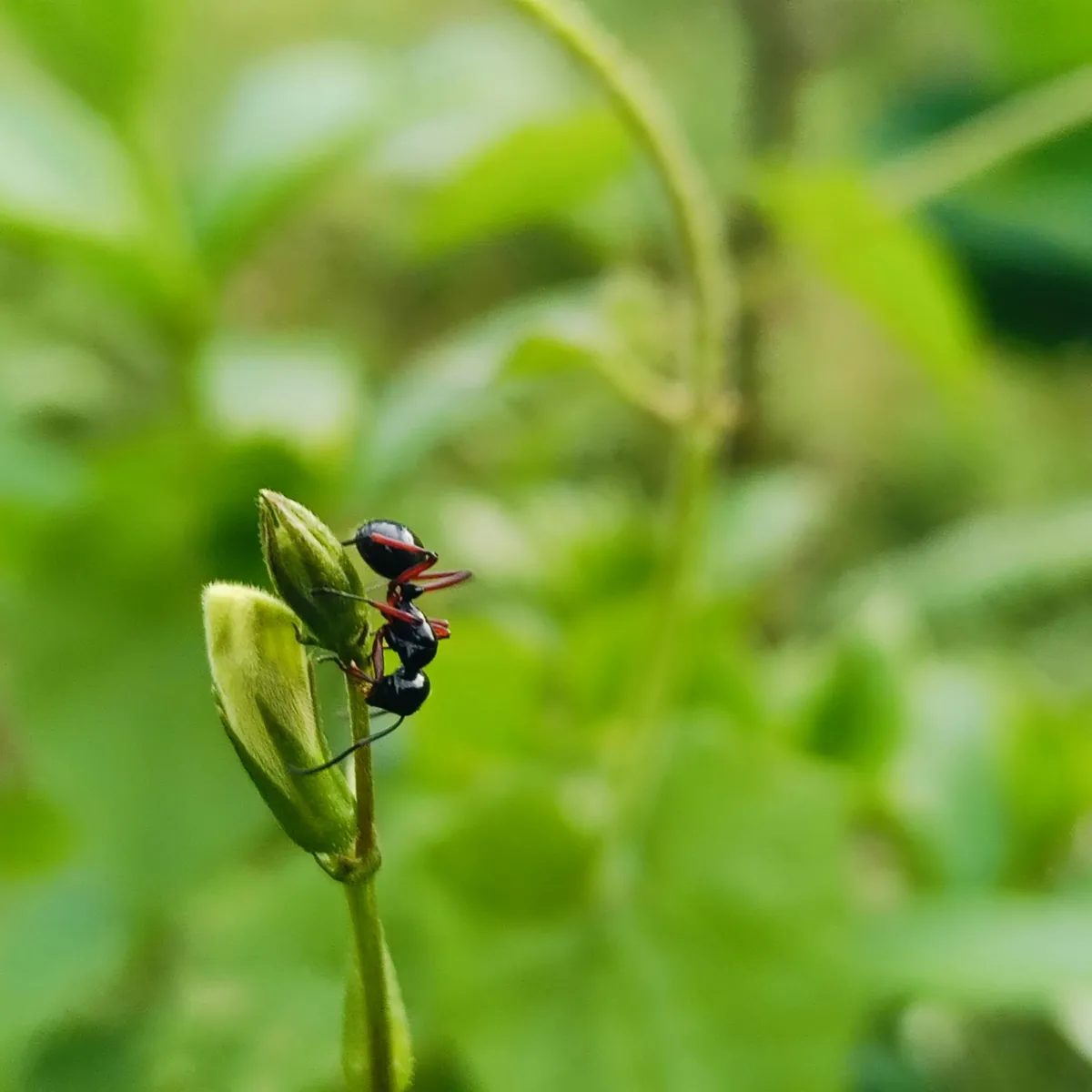
Fire ants have a way of turning a normal yard into a place people start avoiding. What looks like one small mound can quickly become a bigger issue when the ants spread, sting, and make the lawn harder to use without worrying about where you step.
In Duncan, SC, fire ant activity is common in warm, sunny lawns where the soil stays active through long stretches of hot weather. Fairway Lawns provides professional fire ant control in Duncan, SC to treat active mounds, target deeper colony activity, and help homeowners get ahead of recurring fire ant problems before they take over more of the yard.
A few visible mounds can be the part of the problem that happens to be above ground.
Fire ants are frustrating because they do not just stay tucked away in one quiet area of the yard. They build mounds in places families actually use, like open lawn areas, along walkways, near driveways, around play spaces, and close to landscape beds. Once they get established, even simple things like mowing, gardening, or walking across the grass can feel less comfortable.
That is part of what makes fire ants such a common concern in Duncan. Warm temperatures, sunny turf, and periodic rain create good conditions for mound activity. Homeowners often notice fresh mounds after a storm, after watering, or during stretches of steady heat when the lawn seems to bring the ants out more clearly.
It is also why DIY treatments often feel disappointing. Spraying the top of a mound may seem like it should solve the problem, but the visible mound is only one piece of a much larger underground colony. If the treatment does not reach the colony the right way, the ants often come right back or shift to another part of the yard.
Fairway Lawns offers a more complete fire ant control service. We inspect the lawn, identify where activity is strongest, treat active mounds and affected areas, and help homeowners choose a more practical path forward. If you want to request a quote, schedule treatment, or check service availability in Duncan, our team can help.

A better fire ant treatment plan starts by looking at the whole yard.
Fairway Lawns approaches fire ant control with the understanding that not every yard has the same level of activity. Some properties have one or two active mounds, while others have scattered colonies in several areas that all need attention.
We begin by inspecting the lawn for active mounds, visible ant movement, and the parts of the property where fire ant pressure appears strongest. That helps us understand whether the activity is isolated or more widespread.
After identifying the problem areas, we assess the severity of the infestation and how active the colonies appear to be. A lawn with repeated mound activity or multiple trouble spots may need a broader treatment approach than a lawn with a single colony.
Next, we treat active mounds and affected lawn areas using a professional fire ant control method that fits the infestation. The goal is not only to reduce what is visible above ground, but to address colony activity more effectively.
When needed, we provide follow-up recommendations or continued monitoring to help protect against future mound activity. Fire ants can return when conditions stay favorable, so ongoing attention can be especially helpful for lawns that deal with recurring pressure.
Fire ants become a real problem when they start affecting how the yard gets used.
Fire ants matter because they are not just a lawn nuisance. They sting, they spread, and they create stress around parts of the yard that should be easy to enjoy.
These ants are aggressive and territorial. When a mound is disturbed, they react quickly. That is what makes them different from the average ant problem. A child stepping near a mound, a dog sniffing around it, or a homeowner brushing against it while doing yard work can end up with repeated stings within seconds.
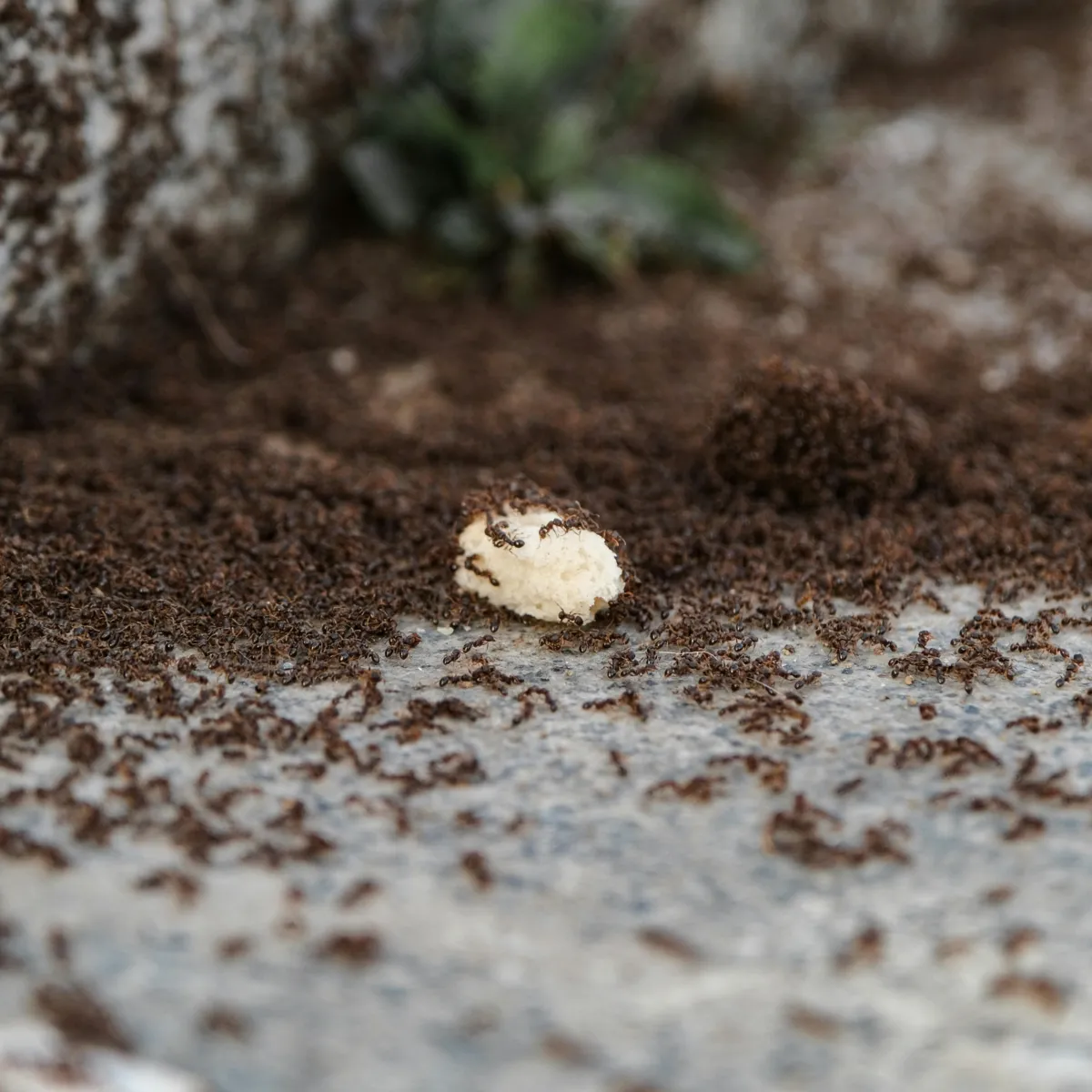
The mounds themselves are also misleading. One mound may point to a larger colony below the surface, and several mounds across the lawn may mean the problem is already more established than it first appears. Even when the yard still looks green and healthy, fire ants can make it feel much less usable.
Professional fire ant control matters because it addresses the colony, not just the mound on top. The goal is to reduce active pressure in the lawn and make the yard safer, easier to maintain, and more comfortable for the people and pets using it.
Most fire ant problems leave a few pretty obvious clues.
The most common sign of fire ants is loose, sandy-looking mounds appearing in sunny parts of the lawn. These mounds may show up in turf areas, along driveway edges, around sidewalks, near mailboxes, beside garden beds, or in open patches of soil.
In Duncan, many homeowners notice that mound activity becomes more visible after rain. One day the lawn looks mostly normal, and a day or two later there are fresh mounds standing out in places that were easy to walk across before.
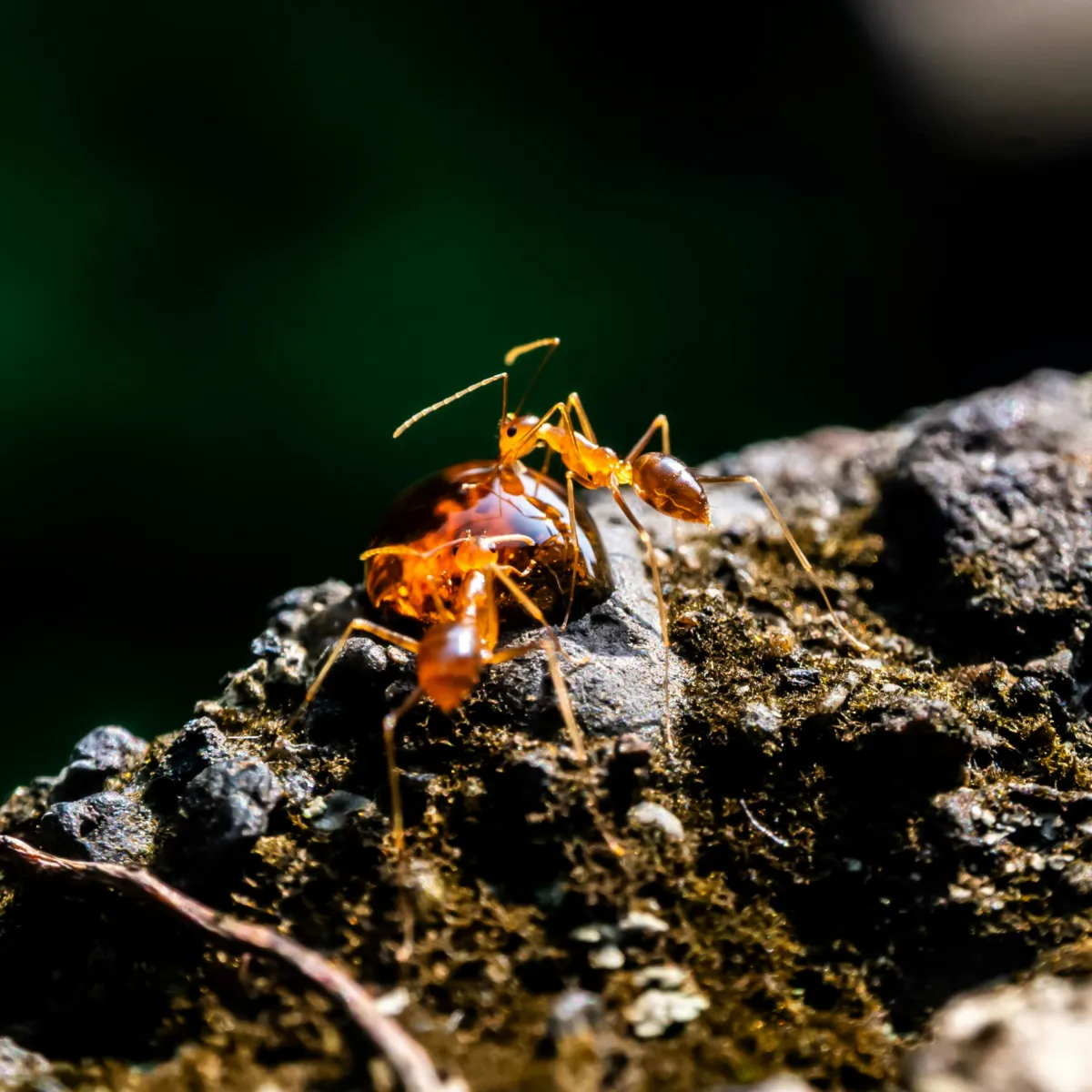
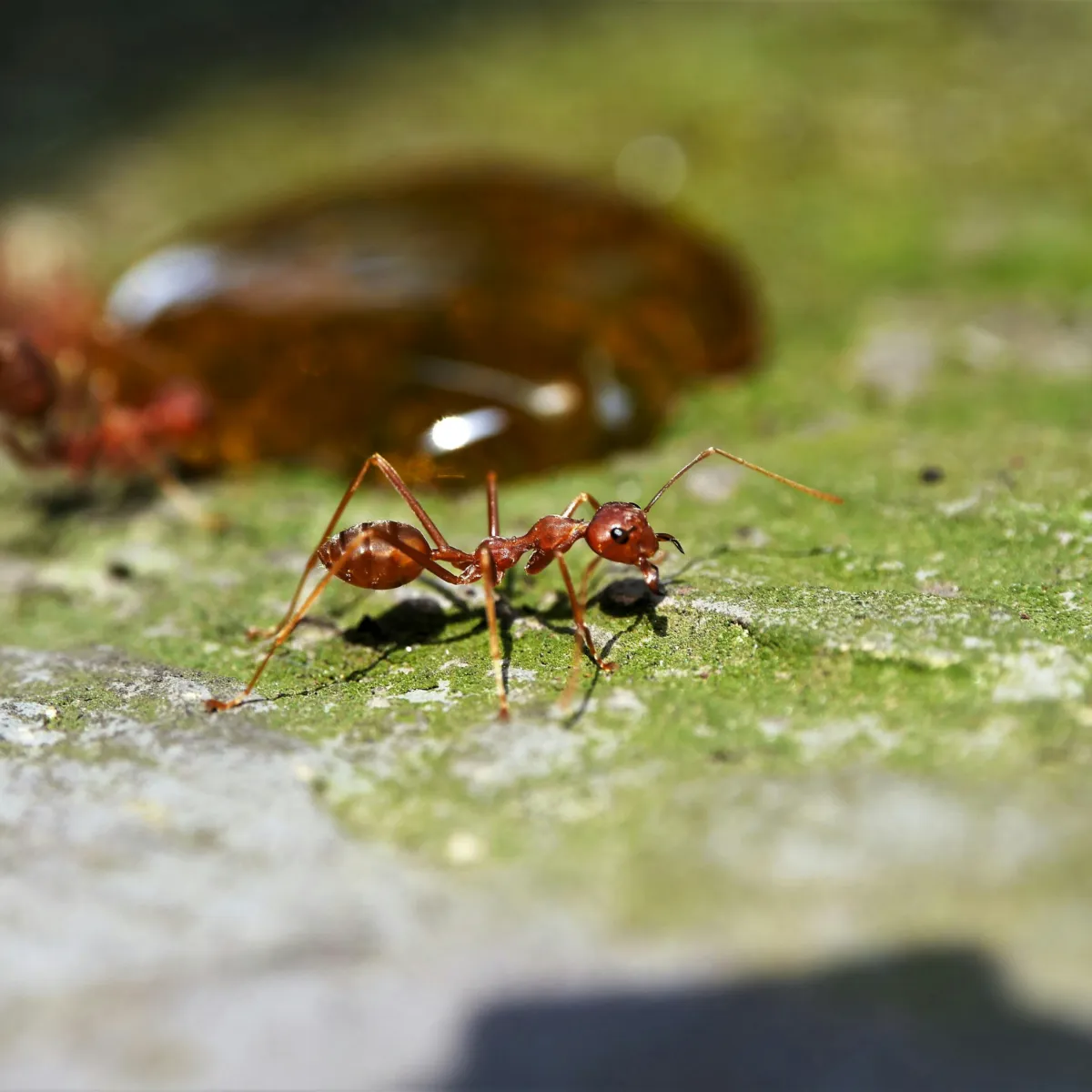
You may also notice reddish-brown ants moving quickly over the mound or swarming aggressively if the area is disturbed. Fire ant stings are another strong sign, especially when family members or pets keep getting tagged in the same part of the yard.
If multiple mounds are showing up across the property, or if the lawn is starting to feel like something you have to watch carefully, it is usually time for professional fire ant treatment rather than another spot fix.
Fire ants are tiny, but they are not hard to recognize once you know what to look for.
Fire ants are usually reddish to reddish-brown and fairly small, often ranging from about 1.6 to 5 mm. Because they are small, homeowners do not always notice them right away until they see a mound or disturb an active colony.
They are commonly found in sunny, open lawn areas and in places where bare soil or thin turf gives them room to build. Their mounds are often made of loose soil and may not have a clear center opening like some other ant nests.
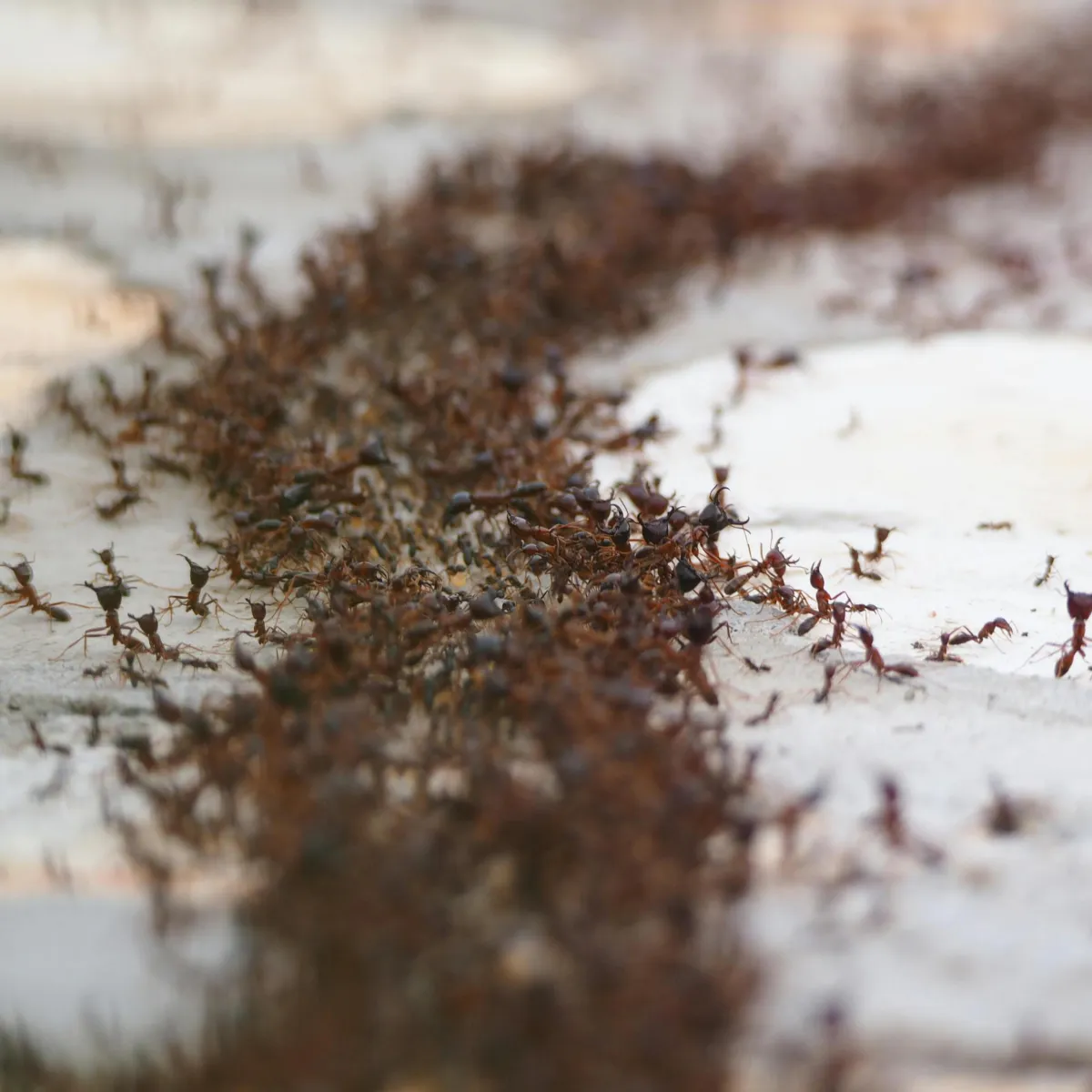
What really sets them apart is their behavior. Fire ants react fast when their mound is disturbed. Instead of slowly scattering, they tend to swarm. That aggressive response is often what tells homeowners they are dealing with fire ants and not just harmless outdoor ants.
The reason they keep coming back is usually the part people cannot see.
Fire ants are hard to get rid of because the visible mound is only the surface sign of a much larger colony underground. A colony may extend deeper into the soil than homeowners expect, and in some cases there may be multiple queens helping the infestation survive and spread.
That is why quick surface treatments often fall short. A product may kill ants near the top of the mound, but if the colony underneath remains active, the mound can recover or the ants can shift activity somewhere else in the yard.
Treatment timing also matters. Rain, irrigation, extreme heat, and normal foraging patterns can all affect how fire ants respond to treatment. Bait-based products, for example, work best when ants are actively foraging and carrying material back underground. If the conditions are wrong, the results may be slower or less complete.
Professional fire ant control helps because it takes those factors into account. Instead of treating every infestation the same way, it matches the treatment to the level of activity, the condition of the lawn, and how the colony is behaving.
The right treatment depends on how active the ants are and how spread out the problem has become.
Fire ant treatment is not always as simple as picking one product and applying it everywhere. Some lawns in Duncan need focused mound treatment, while others benefit more from broader coverage because fire ant activity is scattered across the turf.
Broadcast treatment can be useful when there is wider fire ant activity across the lawn. This helps address more than the obvious mounds and can reduce pressure in areas where smaller colonies may also be developing. For specific colonies, mound treatment may be used to target those high-activity spots more directly.
In some cases, a two-step treatment approach is the better fit. That may include bait-based treatment to help ants carry product back into the colony, along with mound-specific treatment in the areas that need more immediate attention. Mound drench treatment may also be appropriate in certain situations depending on the location and activity level.
Professional treatment is often safer and more complete than DIY because it is chosen based on the actual infestation, not just the biggest mound in sight.
A quick treatment from the store does not always tell the full story.
DIY fire ant products can seem like the easier option at first. The problem is that many of them only affect the ants that are active near the top of the mound. If the colony deeper in the soil stays alive, the problem may not change as much as it seems.
Baits can also be unpredictable for homeowners who are trying to time everything themselves. They depend on active foraging, and rain or heavy dew can interfere with how well they work. If conditions are off, the ants may not take the bait the way you hoped.
Then there is the sting risk. Fire ants do not sit still while you work on the mound. Disturbing an active colony up close can lead to quick swarming and painful stings, which is one reason many homeowners decide it is worth having the problem handled professionally.
Professional fire ant control works better because the treatment is matched to the infestation level, the lawn conditions, and the way fire ants are currently behaving across the property.
This is one pest issue that can become a real safety problem.
Fire ants can be dangerous because they sting repeatedly when disturbed. Their stings often cause burning pain, red bumps, and small raised pustules afterward, and multiple stings at once can be especially painful.
Some people may have stronger reactions than others. In certain cases, severe reactions can happen and medical attention may be needed. That is one reason fire ants should be taken seriously, especially when they are active in parts of the yard where people regularly walk, play, or work.
Children and pets are often the most exposed because they are more likely to spend time low to the ground or move through the lawn without noticing a mound until it is too late. For many families, that alone is enough reason to want the ants gone.
Families should not be left guessing about what comes after treatment.
Fire ant treatment should be applied according to label directions, with clear guidance on when treated areas can be used again. At Fairway Lawns, we make sure homeowners know what to expect after service and what re-entry guidance applies to the treated lawn.
Depending on the treatment, pets and family members may need to stay off treated areas until everything is dry or until the recommended wait time has passed. That guidance should be straightforward so there is no confusion.
The goal is to treat the infestation responsibly while helping make the yard safer and easier to enjoy. If you have children, pets, or questions about a specific part of the property, those details can be reviewed before treatment begins.
Homeowners usually want fire ant control that feels practical, clear, and worth the call.
Fairway Lawns combines lawn and pest experience with a more thoughtful approach to fire ant control. We inspect the yard, look at how widespread the mound activity is, recommend treatment based on the level of infestation, and help homeowners take a more realistic approach to long-term control.
People in Duncan choose Fairway Lawns because they want more than a quick mound spray. They want a treatment plan that makes sense for their lawn, clear guidance about what comes next, and service that feels professional from the first visit onward.
We also make scheduling simple, provide quote options, and offer treatment recommendations that consider the way families and pets use the yard. For homeowners tired of spotting new mounds every time the weather changes, professional fire ant control can be a much better fit.
These are some of the most common questions homeowners ask about fire ants.
If fire ant mounds are taking over parts of your yard, Fairway Lawns can help.
We treat active colonies, target mound activity across the lawn, and help reduce the conditions that keep fire ants coming back.
Schedule your fire ant control service in Duncan, SC and get a yard treatment plan built for real day-to-day use.