
Mauldin lawns need safer footing fast
Professional Fire Ant Control Services in Mauldin, SC
Get professional fire ant control in Mauldin, SC to treat active colonies, reduce mounds, and help protect your lawn from fire ants all season.

Mauldin lawns need safer footing fast
Get professional fire ant control in Mauldin, SC to treat active colonies, reduce mounds, and help protect your lawn from fire ants all season.
The real problem is usually deeper than the mound
Fairway Lawns Greenville provides professional fire ant control in Mauldin, SC for lawns with active mounds, painful stings, and outdoor areas that are getting harder to use. Fire ants are a real problem in open, sunny grass, especially in places where people mow, walk, garden, play, or let pets out without thinking much about it.
Our service is built to deal with active mounds and the colony underneath them. That starts with an inspection, then targeted treatment, then clear family and pet- conscious guidance after service. If mounds keep showing up, you can request a quote, schedule service, call the local team, or check availability and get a plan that fits the yard instead of guessing with another store- bought fix.
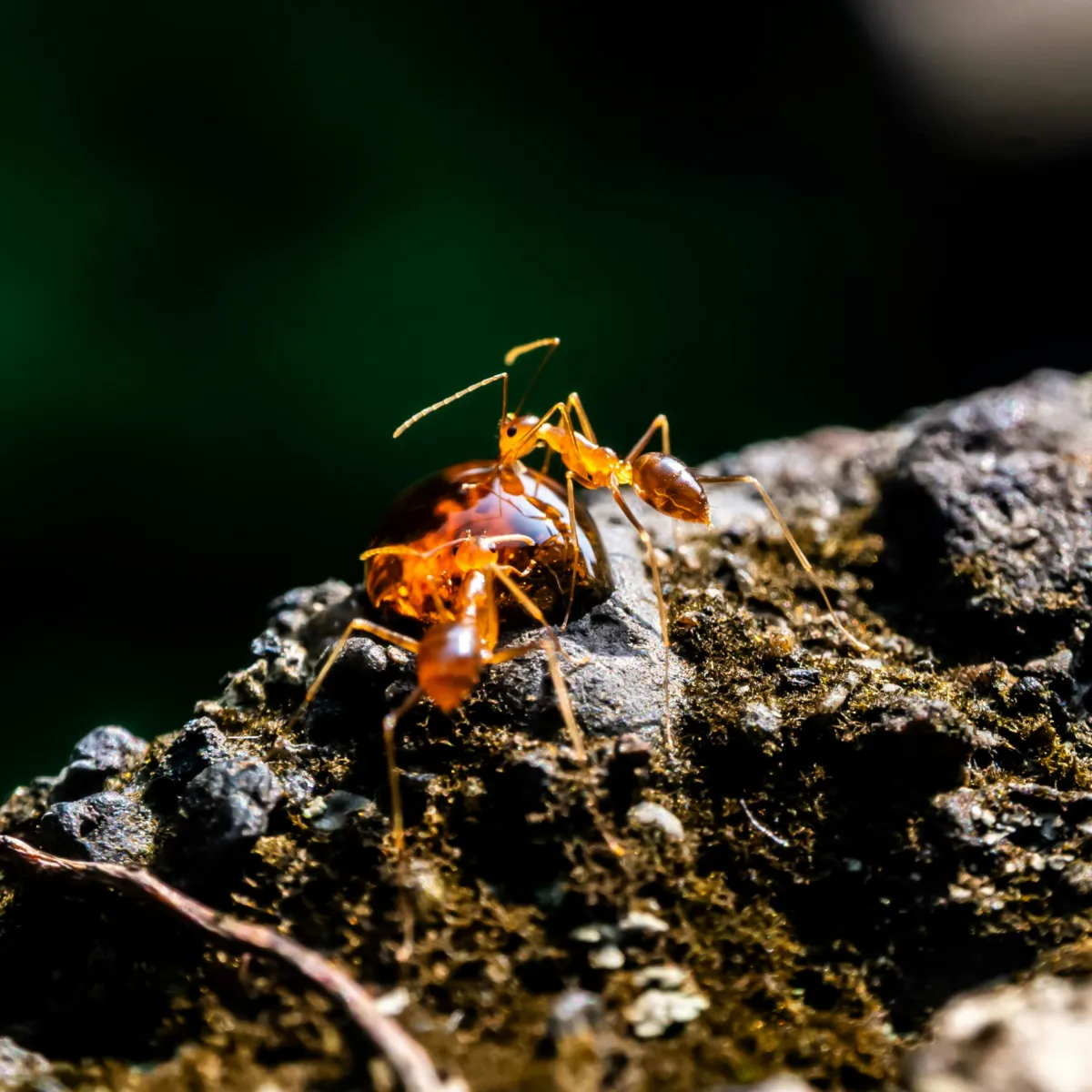
Fire ants make yards feel smaller
Fire ants are aggressive and territorial. When a mound gets disturbed, they do not hesitate. They swarm fast, and they can sting more than once.
That matters because mounds rarely show up in places nobody uses. They tend to pop up near driveways, play areas, sidewalks, garden edges, and other spots that people walk through every day. Kids, pets, and anyone mowing or working outside can end up right on top of them before they even notice the mound.
And the mound is not the whole story. It can point to a larger underground colony that is much more active than the surface makes it seem. Professional fire ant control matters because it targets the colony, not just the dirt pile sitting in the grass.
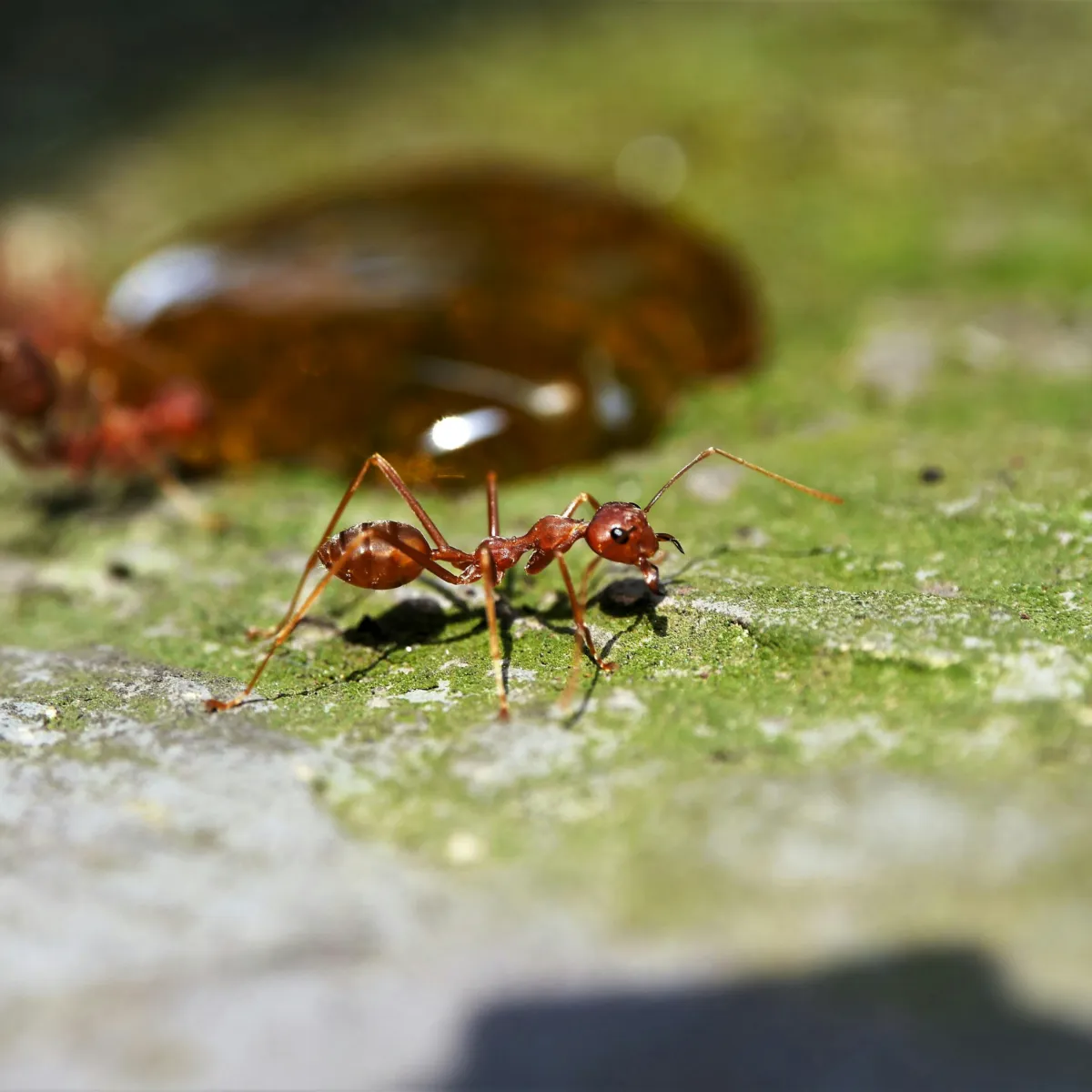
Watch the ground after warm rain
A fire ant mound usually looks like loose, sandy soil pushed up through the lawn. It may seem like it appeared overnight, especially after rain or irrigation.
If you disturb the mound, reddish- brown ants may rush out quickly. That fast, aggressive swarming is one of the clearest warning signs.
You may also notice painful stings, pets suddenly avoiding one part of the yard, or several mounds spread across the lawn instead of just one. When that starts happening, it usually means the infestation has moved beyond a single mound treatment problem.
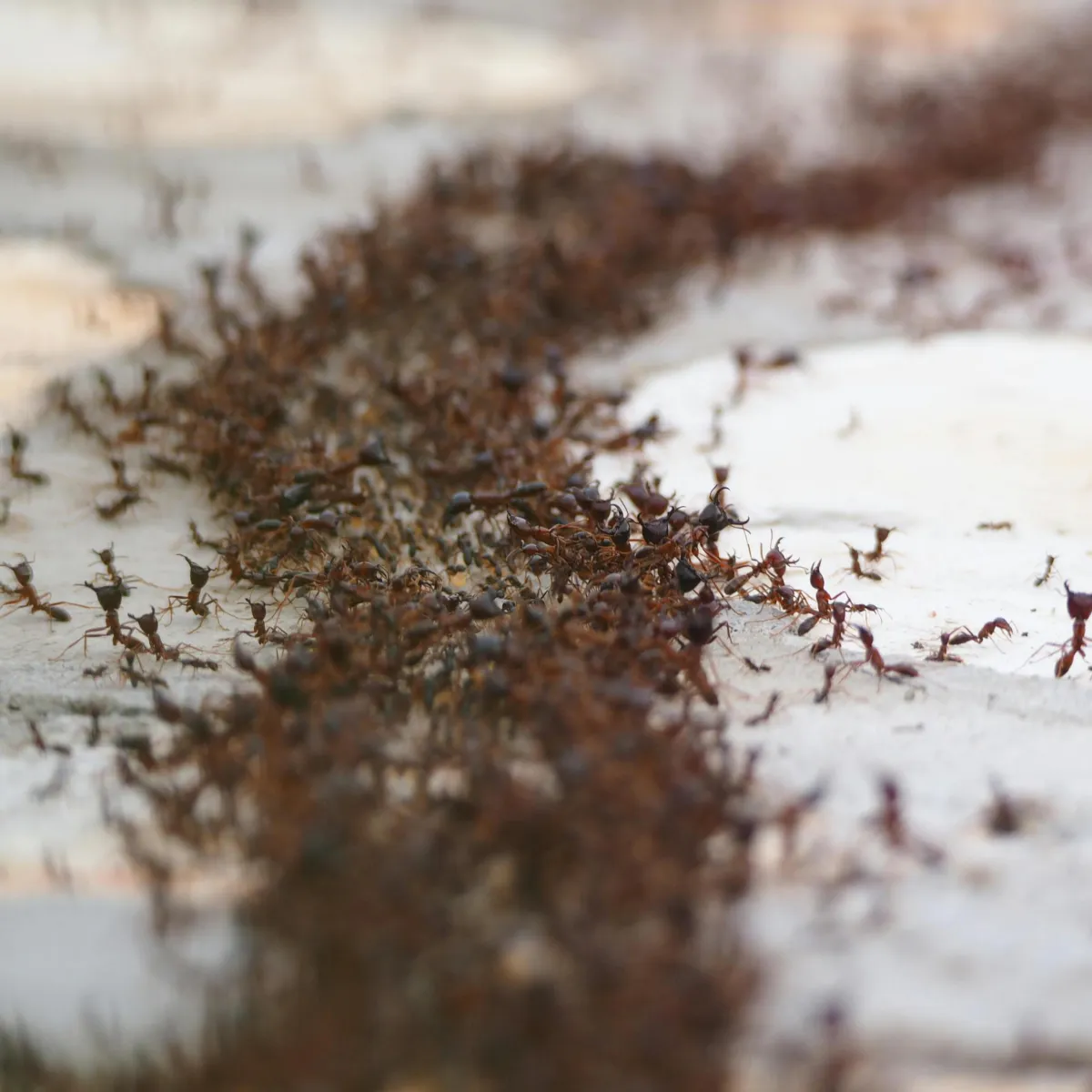
Their size hides the bigger problem
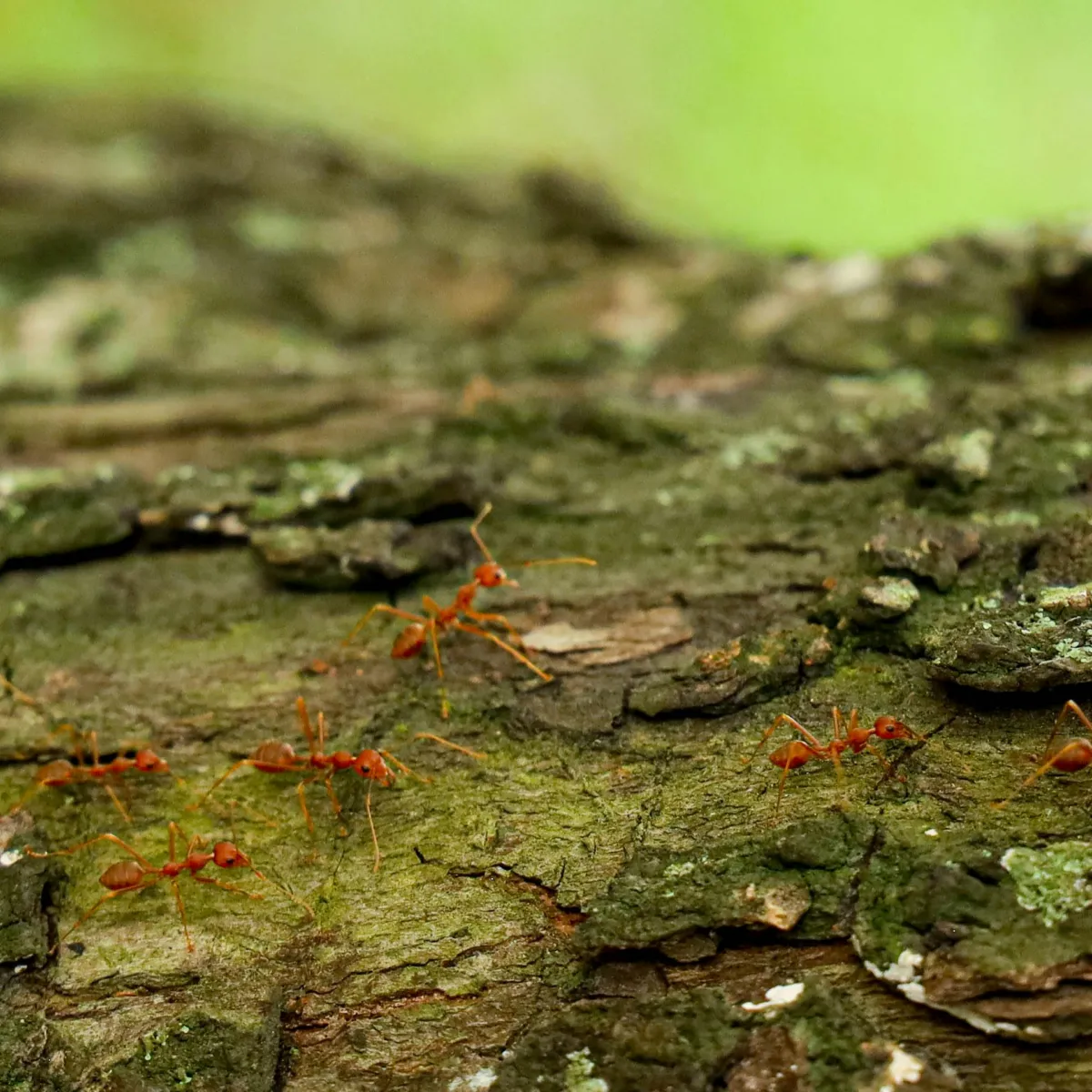
Fire ants are reddish or reddish- brown and fairly small, usually around 1.6 to 5 millimeters long. Most people notice the mound first, then the sting, and only after that do they really pay attention to the ants.
Their behavior is usually the easiest clue. They move quickly, react fast, and defend the mound aggressively when it is disturbed.
They are common in sunny, open lawn areas, fields, and exposed soil. Around Mauldin homes, that may mean the front yard, a strip near the curb, the side yard by the gate, or the grass around a back patio.
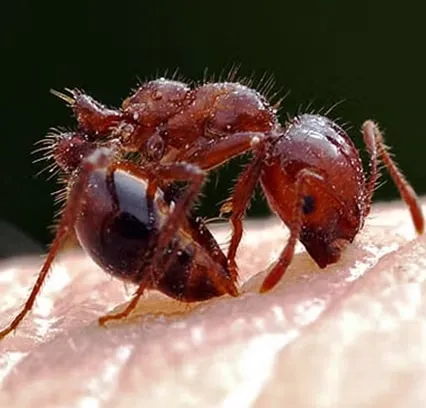
The mound is never the whole
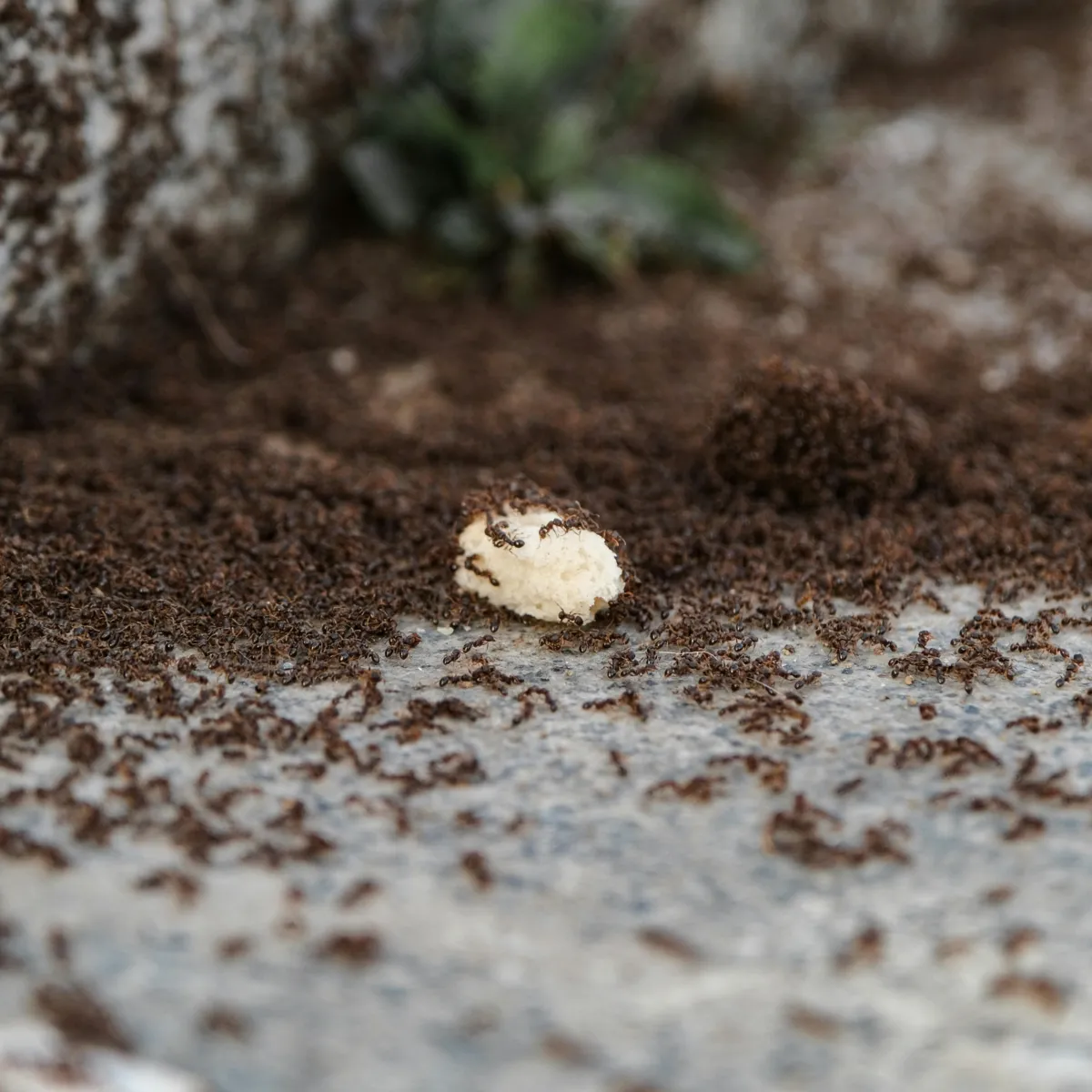
Fire ants are hard to get rid of because most of the colony is below the surface. The visible mound is only the top layer of what is going on underneath.
Some colonies can be large. Some may even have multiple queens. That means killing ants near the surface does not always solve the problem or stop the colony from rebuilding.
Weather can also work against DIY treatment. Rain, heavy watering, heat, and shifting foraging patterns all affect how ants respond. Surface sprays may only kill visible ants, while the deeper colony keeps going. That is why fire ant treatment needs to be more targeted than a quick spray.
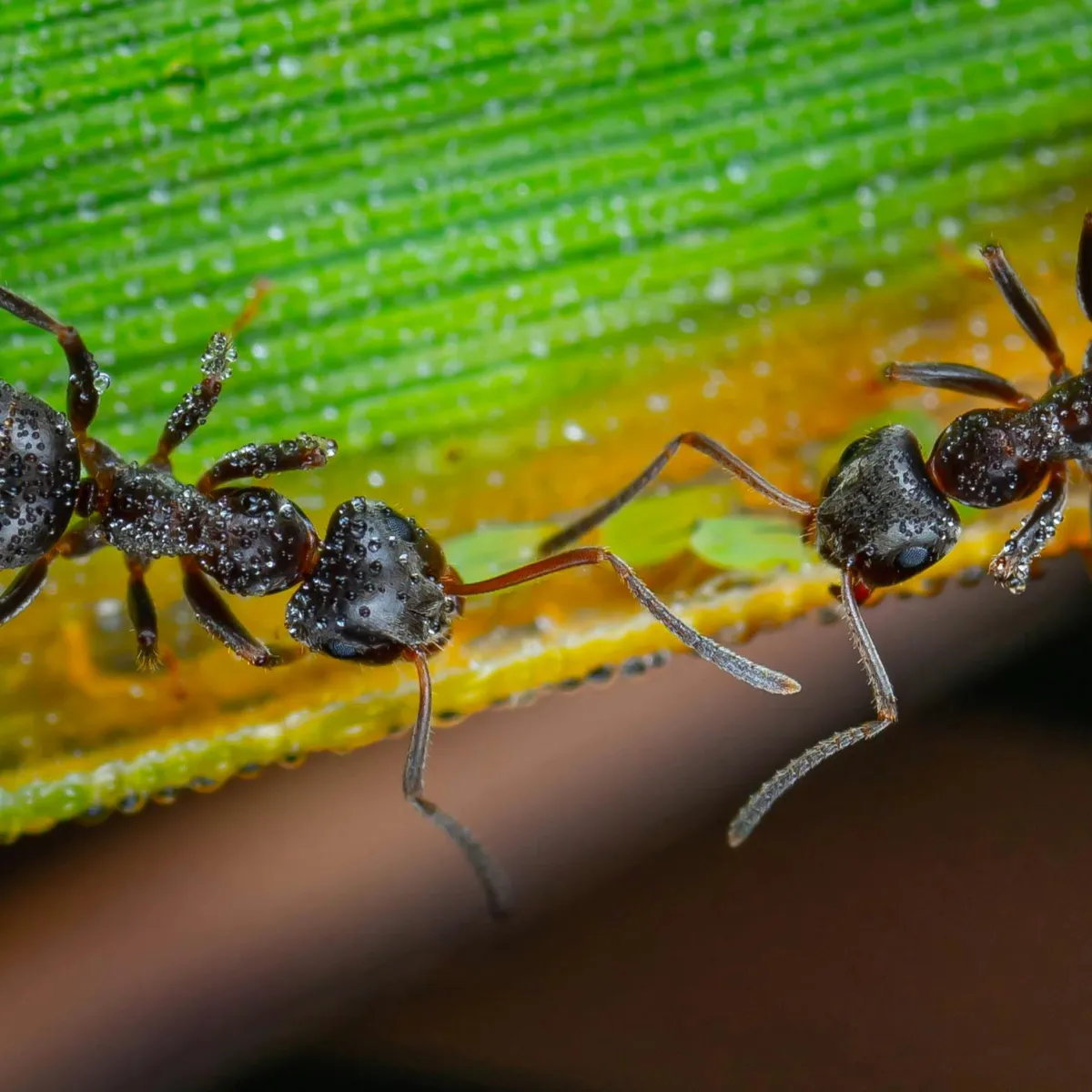
We treat what the yard reveals
We start by looking at the lawn and the mound activity that is already there. Your technician checks where mounds are showing up, how many are active, and whether the fire ant activity seems limited or spread across the property.
From there, we identify the level of infestation and where treatment should focus. One mound by the sidewalk is one thing. Several mounds across a backyard or shared lawn area is something else entirely.
Treatment is then applied to active mounds and affected lawn areas. The goal is to reduce colony activity and help protect the yard from ongoing fire ant pressure. If the activity keeps coming back, monitoring or follow- up may also be recommended.

Different lawns need different treatment plans
There is no single fire ant treatment that fits every yard. What works best depends on how active the ants are, how many mounds are present, and how much of the lawn is involved.
Broadcast treatment may be used when fire ants are active across a wider lawn area. Mound treatment may be used when specific colonies need direct attention. In some cases, a two- step treatment approach may make the most sense, especially when there is both visible mound activity and broader lawn pressure.
Bait- based treatment can be effective when ants are actively foraging. Mound drench treatment may be appropriate when direct treatment is needed. Your technician can explain the options at a high level and help you understand why a professional approach is usually safer and more complete than guessing with a fire ant killer from the shelf.
Store products can leave colonies behind
DIY sprays often seem like the quickest answer, but they may only affect ants near the surface. If the queen and deeper colony stay active, the mound may come back or shift to another spot in the yard.
Baits can help, but only when ants are actively foraging. Rain, dew, watering, or poor timing can all weaken results. Mound treatments can also increase sting risk because the colony may react the second it is disturbed.
Professional fire ant control works differently. Treatment is matched to the infestation level, the condition of the lawn, and the areas people and pets actually use. That usually makes it safer, more complete, and less frustrating than trial- and- error DIY work.

A sting can ruin the day
Fire ants can be dangerous because they may sting repeatedly when disturbed. Those stings can cause burning pain, red bumps, itching, and pustules.
For some people, the reaction may be more severe and may require medical attention. Children and pets are often the most exposed because they move quickly through the yard and may not see a mound until they are already on top of it.
That is why fire ants are more than just irritating. Once they are active in a lawn people use every day, they become an outdoor safety issue.
Clear instructions matter after every treatment
Fire ant treatments should always be applied according to label directions. After service, your technician will provide re- entry guidance so you know when treated lawn areas can be used again.
Depending on the treatment, pets and family members may need to stay off the grass until the product has dried or until the guidance has been followed.
That part matters. A good treatment should come with clear next steps, not guesswork. You should know what was treated, what to avoid for the moment, and when the lawn is ready to use again.
Local lawn experience helps here most
Homeowners choose Fairway Lawns Greenville because fire ants are not just a pest issue. They are a lawn- use issue. They change how a yard feels and how people move through it.
Our team brings lawn and pest experience, professional inspection, customized treatment recommendations, family and pet- conscious guidance, seasonal protection options, easy scheduling, and free quote availability. If you are searching for fire ant control near me in Mauldin, we can help you choose a treatment plan that fits the actual mound activity in your yard.

These are the questions we hear
If fire ant mounds are taking over the parts of your lawn you actually use, it is time to deal with them properly. Fairway Lawns Greenville can inspect your Mauldin yard, treat active mound areas, and help you stop working around the problem. Request fire ant control today and get back to using your lawn the way you want to.