
Taylors yards need fewer ant surprises
Professional Fire Ant Control Services in Taylors, SC
Get professional fire ant control in Taylors, SC to treat active colonies, reduce mounds, and help protect your lawn all season long.

Taylors yards need fewer ant surprises
Get professional fire ant control in Taylors, SC to treat active colonies, reduce mounds, and help protect your lawn all season long.
Colony treatment matters more than flattening one mound
Fire ants create painful stings, rough lawn mounds, and outdoor safety concerns that can change the way a yard gets used. In Taylors, they often show up in warm, sunny turf, around driveways, beside sidewalks, near patios, along fence lines, and in the open parts of the lawn where people walk every day.
Fairway Lawns Greenville provides fire ant pest control for active mounds and colony control. Your technician inspects the lawn, checks where mound activity is showing up, looks at how widespread the problem may be, and recommends a targeted fire ant treatment based on the condition of the yard.
If fire ants are starting to take over parts of the lawn, you can request a quote, schedule service, call the local team, or check availability. After treatment, your technician can explain family and pet- conscious guidance, including when treated areas can be used again. Fairway also brings satisfaction- focused support, so you are not left wondering what happens next.
Fire ants change lawn use quickly
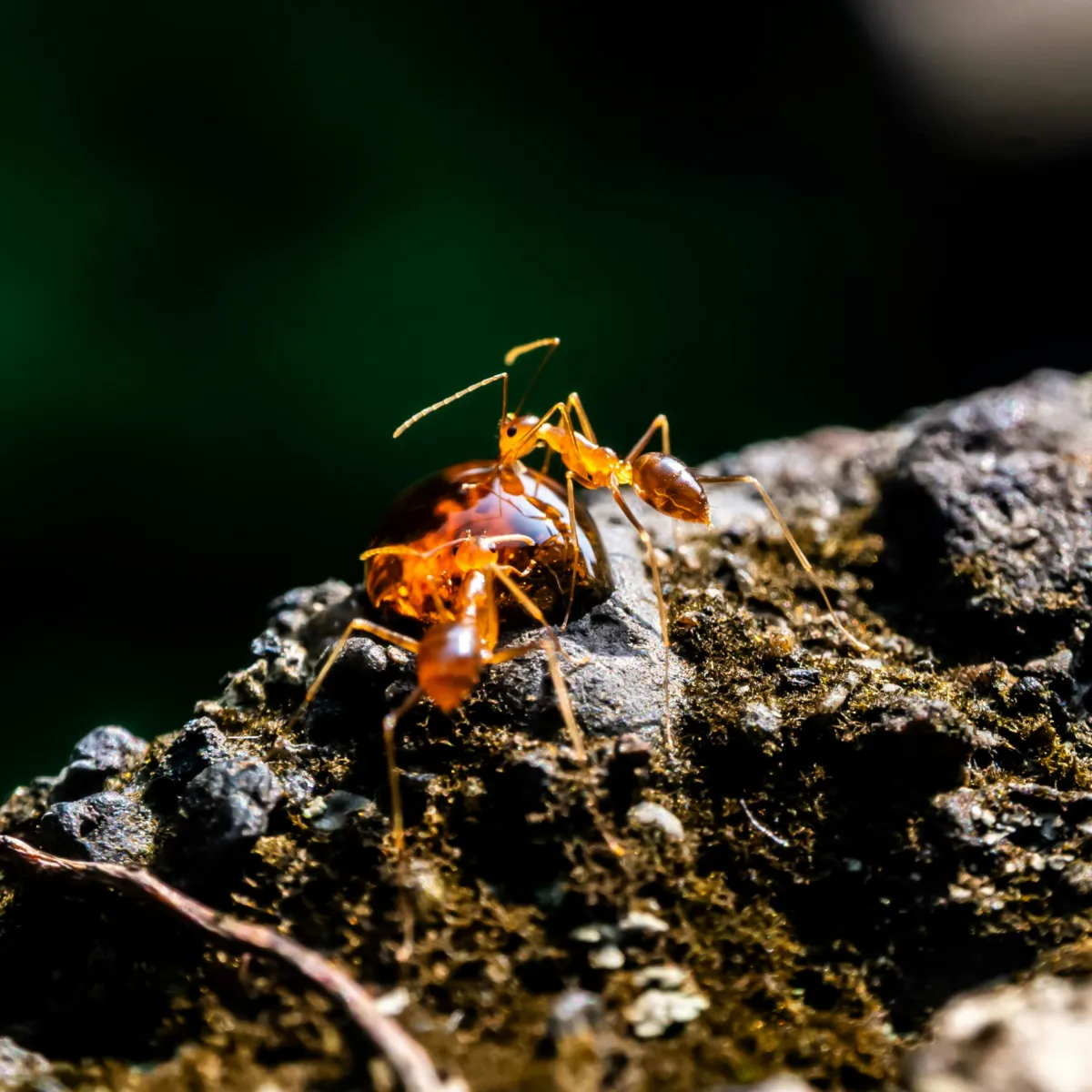
Fire ants are aggressive and territorial. Disturb the wrong mound with a mower wheel, a rake, a flip- flop, or a dog’s paw, and they can swarm fast.
They can sting repeatedly, which is why they are more than a simple nuisance. One mound in the wrong place can make a whole section of the yard feel off- limits. Children, pets, and anyone working outside may be the first to find it the hard way.
The mound you see on top of the grass may only be part of a larger underground colony. That is why professional fire ant control matters. It addresses the colony, not just the sandy soil sitting on the surface.
Fresh sandy mounds are the clue
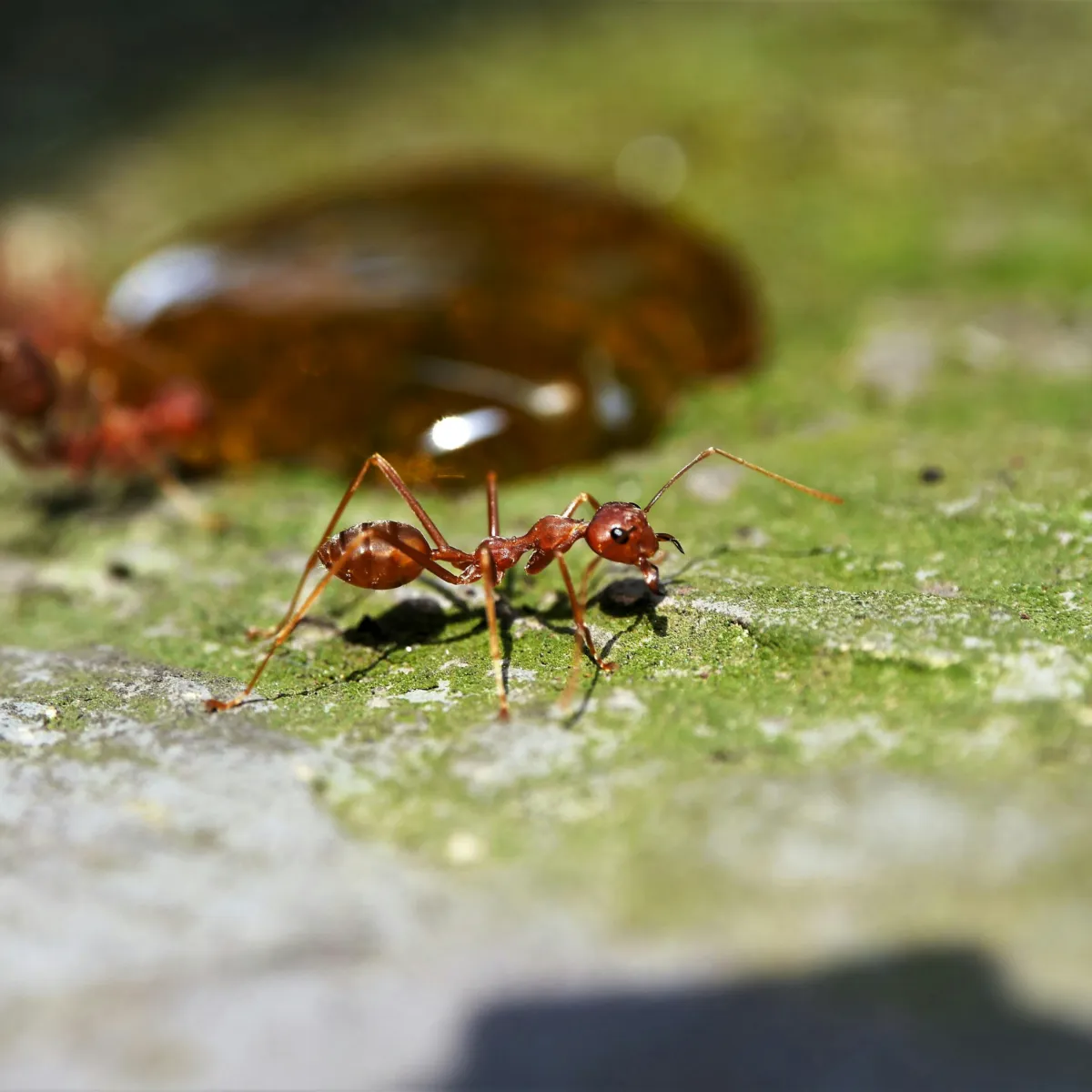
Fire ant mounds usually look like loose, sandy soil pushed up through the lawn. They often stand out most after rain or irrigation, when new mound activity seems to pop up overnight.
If you disturb one, reddish- brown ants may rush out quickly. That fast, aggressive swarming is one of the clearest signs you are dealing with fire ants instead of another kind of lawn ant.
You may also notice painful stings, pets avoiding certain parts of the yard, or several mounds showing up across the property instead of just one. When that starts happening, the infestation is usually more established than it first looks.
Small red ants move with speed
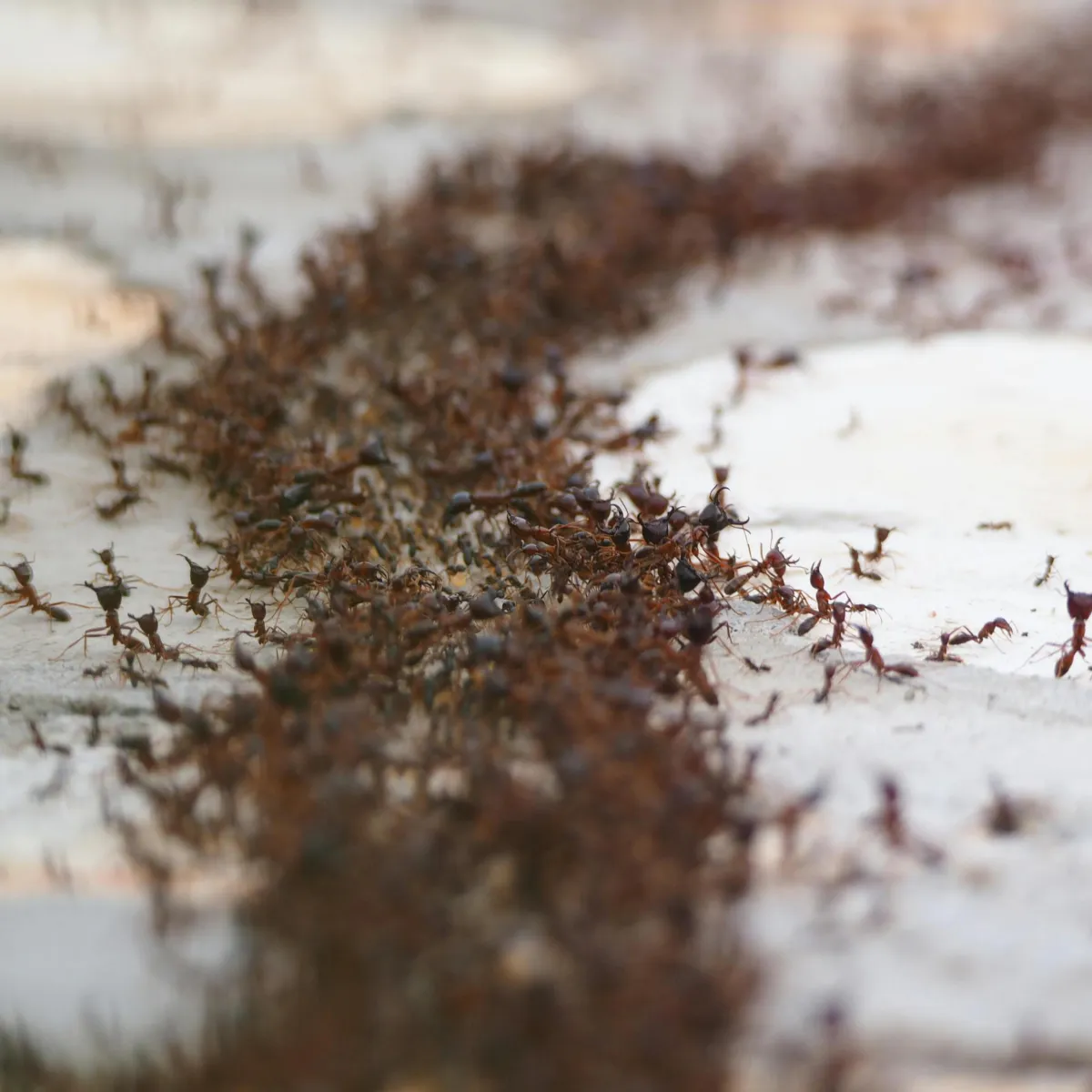
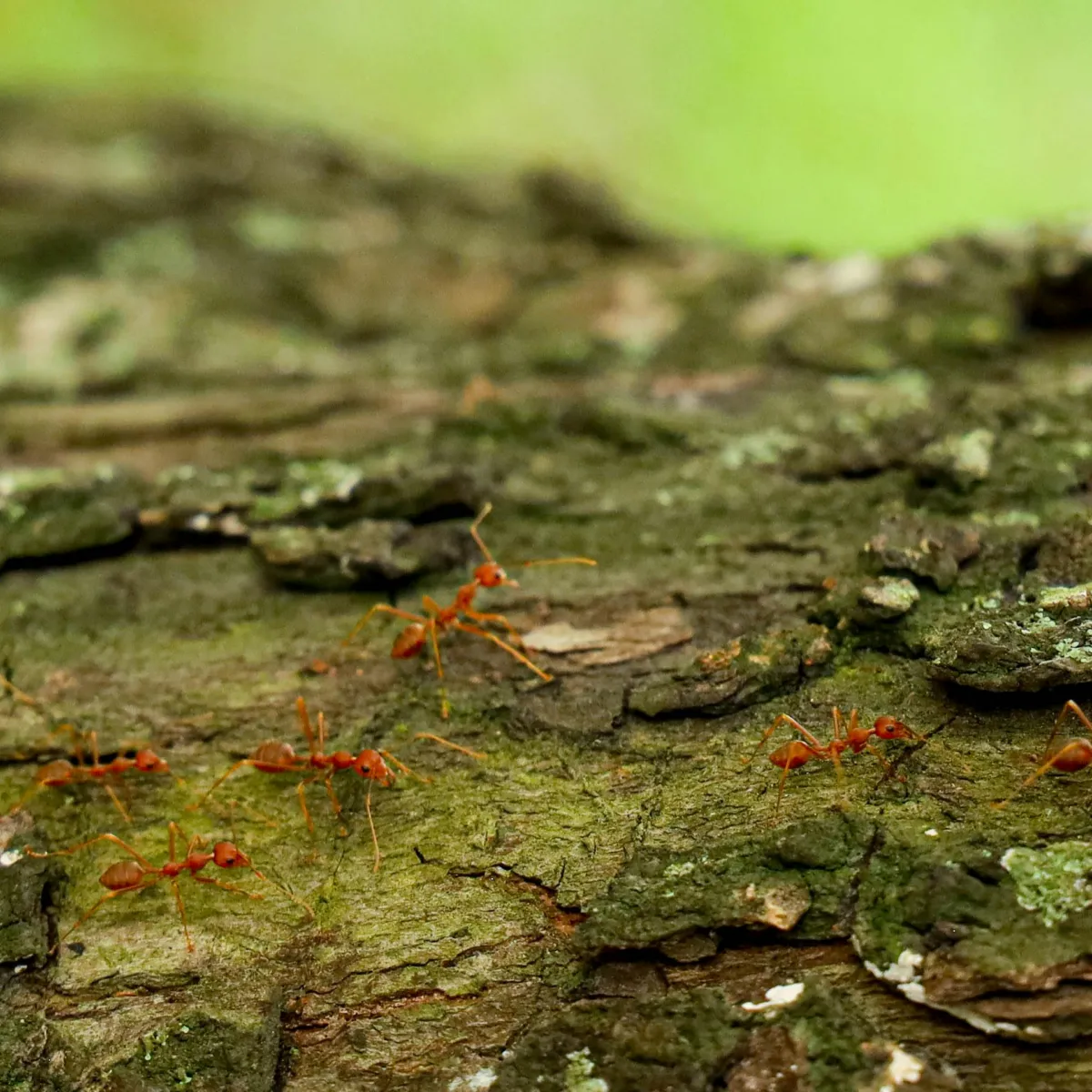
Fire ants are usually reddish or reddish- brown and fairly small, often around 1.6 to 5 millimeters long. Most homeowners notice the mound first and the sting second.
Their behavior is usually what confirms it. Fire ants move quickly, react aggressively, and pour out of the mound when it is disturbed.
They are common in sunny, open lawn areas, fields, and exposed soil. Around Taylors homes, that can mean the front yard, side yard, curb strip, lawn edge, or any open patch of grass near sidewalks and driveways.
Colonies stay hidden under the surface
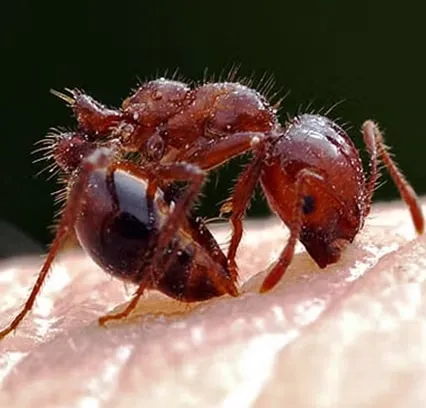
Fire ants are hard to eliminate because most of the colony is underground. The mound is only the part you can see.
Some colonies can be large, and some may have multiple queens. That means killing visible ants near the surface does not always solve the problem. The colony may survive, shift, or rebuild in another part of the yard.
Rain, watering, heat, and foraging behavior can also change how fire ants respond to treatment. DIY sprays may quiet one mound for a short time while deeper activity remains. Surface- level treatment often falls short, especially when mounds keep coming back after warm weather or rain.
We start with where they sting
Fairway Lawns Greenville starts by inspecting the lawn and visible mound activity. Your technician checks where fire ants are active, how many mounds are present, and whether the issue seems limited to one area or spread across the yard.
From there, we identify the severity of the infestation and decide how treatment should be focused. A single mound beside the sidewalk is one thing. Several mounds across a backyard, common area, or commercial lawn is something else.
Treatment is then applied to active mounds and affected lawn areas. The goal is to reduce colony activity and help protect against continued fire ant pressure where people and pets use the grass.
If the yard keeps producing new mound activity, follow- up or monitoring may also be recommended.

Different lawns need different treatment plans
Professional fire ant treatment depends on the lawn, the number of mounds, and how active the ants are. Broadcast treatment may be used when fire ants are active across a wider section of turf.
Mound treatment may be used for specific colonies that need direct attention. In some situations, a two- step treatment approach may be recommended to address both visible mounds and broader lawn activity.
Bait- based treatment can be useful when ants are actively foraging. Mound drench treatment may be appropriate where direct treatment is needed. Your technician can explain the treatment options in plain language and help you understand what fits the yard best.
Professional treatment is generally safer and more complete than guessing with a store- bought fire ant killer, especially when mounds are near patios, play areas, pets, or walkways.
DIY often stops at the mound
DIY sprays may knock down ants near the surface, but they often do not reach the colony below. If the queen and deeper activity stay alive, the mound may come back or show up nearby.
Baits can work, but timing matters. They depend on active foraging, and rain, dew, watering, or extreme heat can interfere with results.
Mound treatments can also increase sting risk because disturbing the mound may trigger swarming before the product has a chance to work. Professionals match the treatment to the infestation level, the weather, and the way the lawn is used.

Those stings can ruin a day
Fire ants can sting repeatedly when disturbed. Their stings may cause burning pain, red bumps, itching, swelling, and pustules.
Some people may have stronger reactions, and severe reactions may require medical attention. Children and pets are often the most exposed because they move quickly through the yard and may not notice a mound in time.
That is what makes fire ants more than annoying. Once they are active in a lawn people use every week, they become a real outdoor concern.
Safety starts with clear next steps
Fire ant treatments should be applied according to label directions. After service, Fairway Lawns Greenville technicians provide re- entry guidance so you know when treated lawn areas can be used again.
Depending on the treatment, pets and family members may need to stay off the grass until the product has dried or until the technician’s guidance has been followed.
That guidance should be simple and clear. You should know what was treated, what to avoid for the moment, and when normal lawn use can resume.
Local lawn experience makes treatment smarter
Homeowners choose Fairway Lawns Greenville because fire ant problems are not just about pests. They change how a lawn feels and how a family uses it.
Our team brings lawn and pest experience, professional inspection, customized treatment recommendations, family and pet- conscious guidance, seasonal protection options, easy scheduling, and free quote availability. If you are searching for fire ant control near me in Taylors, we can help you choose a plan based on the actual mound activity in your yard.

Good questions lead to better timing
Fire ant mounds should not decide how your family uses the yard. Fairway Lawns Greenville can inspect your Taylors lawn, treat active mound areas, and help you get ahead of the problem before it spreads further. Request fire ant control today and get back to using your lawn without second- guessing every step.