
Inman lawns should feel easier underfoot
Professional Fire Ant Control Services in Inman, SC
Get professional fire ant control in Inman, SC to treat active colonies, reduce mounds, and help protect your lawn from stings all season.

Inman lawns should feel easier underfoot
Get professional fire ant control in Inman, SC to treat active colonies, reduce mounds, and help protect your lawn from stings all season.
Good treatment starts below the mound, not just on top of it
Fire ants create painful stings, rough lawn mounds, and outdoor safety concerns that can make a property harder to use. Inman lawns often see fire ant activity in open sunny grass, along driveways, near patios, around mailbox posts, beside walkways, and in the strips of turf people cross every day.
Fairway Lawns Greenville provides fire ant pest control for active mounds and colony control. We inspect the lawn, check where the ants are working, look at how far the mound activity may have spread, and recommend targeted fire ant treatment based on the actual conditions in the yard.
If you are ready to stop working around fire ant mounds, you can request a quote, schedule service, call the local team, or check availability. After service, your technician can provide family and pet- conscious guidance, explain what to expect next, and help you decide whether seasonal protection makes sense for your lawn.
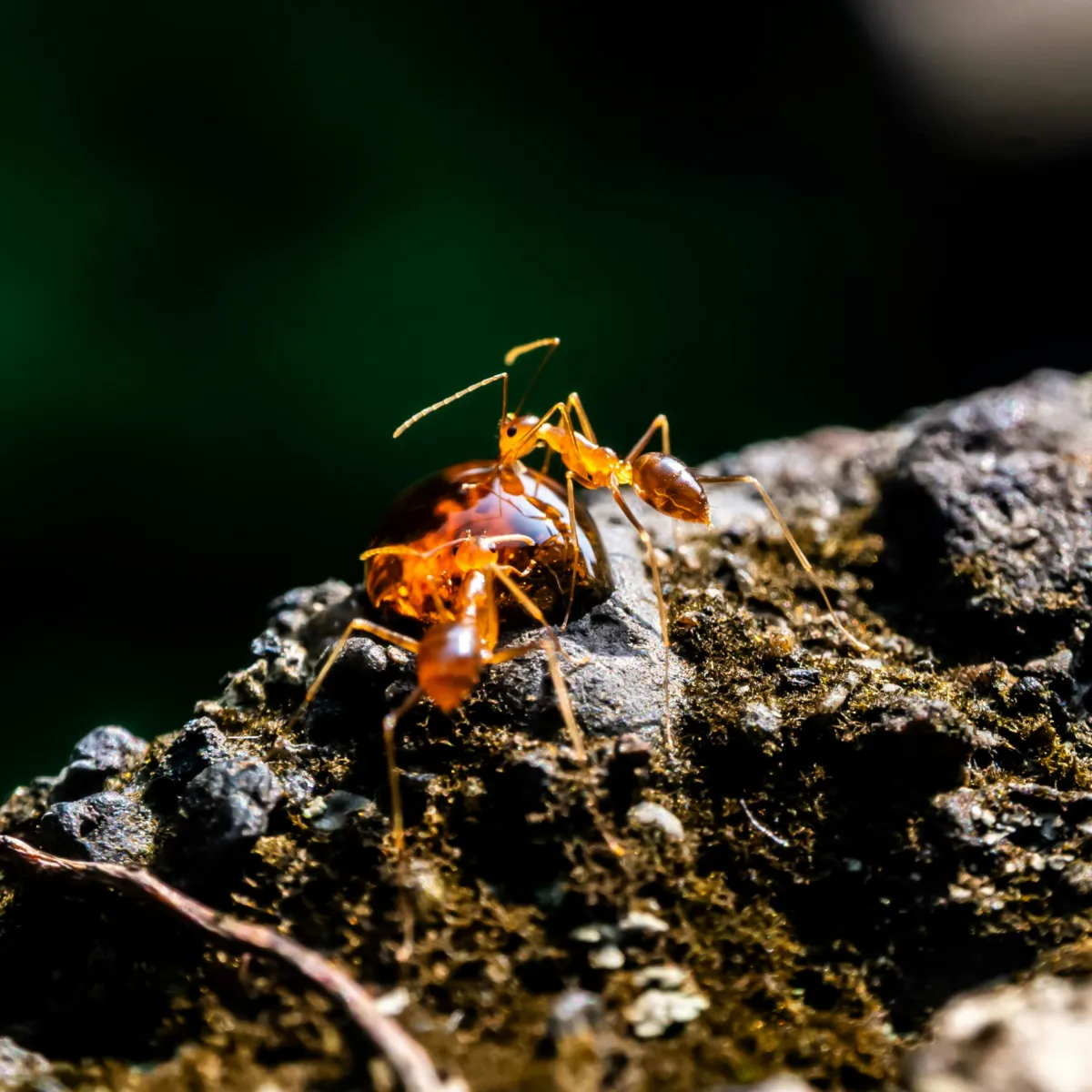
Fire ants change how yards are used
Fire ants are aggressive and territorial. Disturb a mound with a mower, a shoe, a dog paw, or a garden tool, and they can swarm quickly and sting more than once.
That matters because mounds rarely show up in places nobody touches. They often appear near the edge of a driveway, beside a play set, close to a patio, or in the exact part of the yard people use the most. Even one active mound can make a lawn feel harder to enjoy.
They are more than a nuisance because they affect children, pets, outdoor comfort, and the way the grass gets used. Professional fire ant control matters because it targets the colony beneath the mound, not just the loose soil sitting on top.
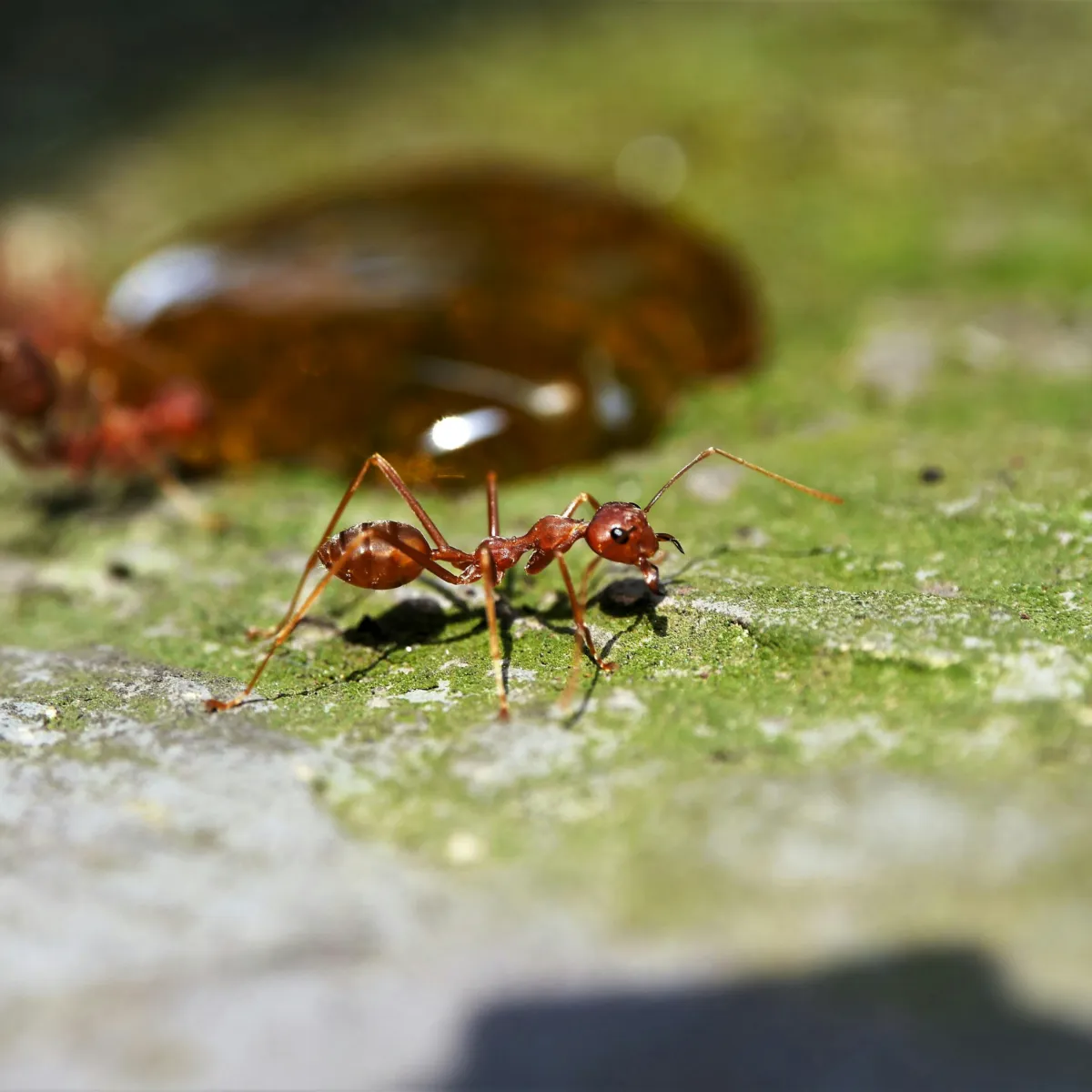
New mound activity is a warning
The most obvious sign is a loose, sandy- looking mound in the lawn. Fire ant mounds often become easier to spot after rain, irrigation, or a stretch of warm weather.
If the mound is disturbed, reddish- brown ants may rush out quickly. That aggressive swarming is one of the biggest signs you are dealing with fire ants instead of another kind of ant.
Painful stings are another clue. So are multiple mounds across the yard, pets avoiding one section of the lawn, or fresh mounds appearing in places that looked normal a few days earlier. When the same lawn keeps producing new mounds, the colony is usually active well below the surface.
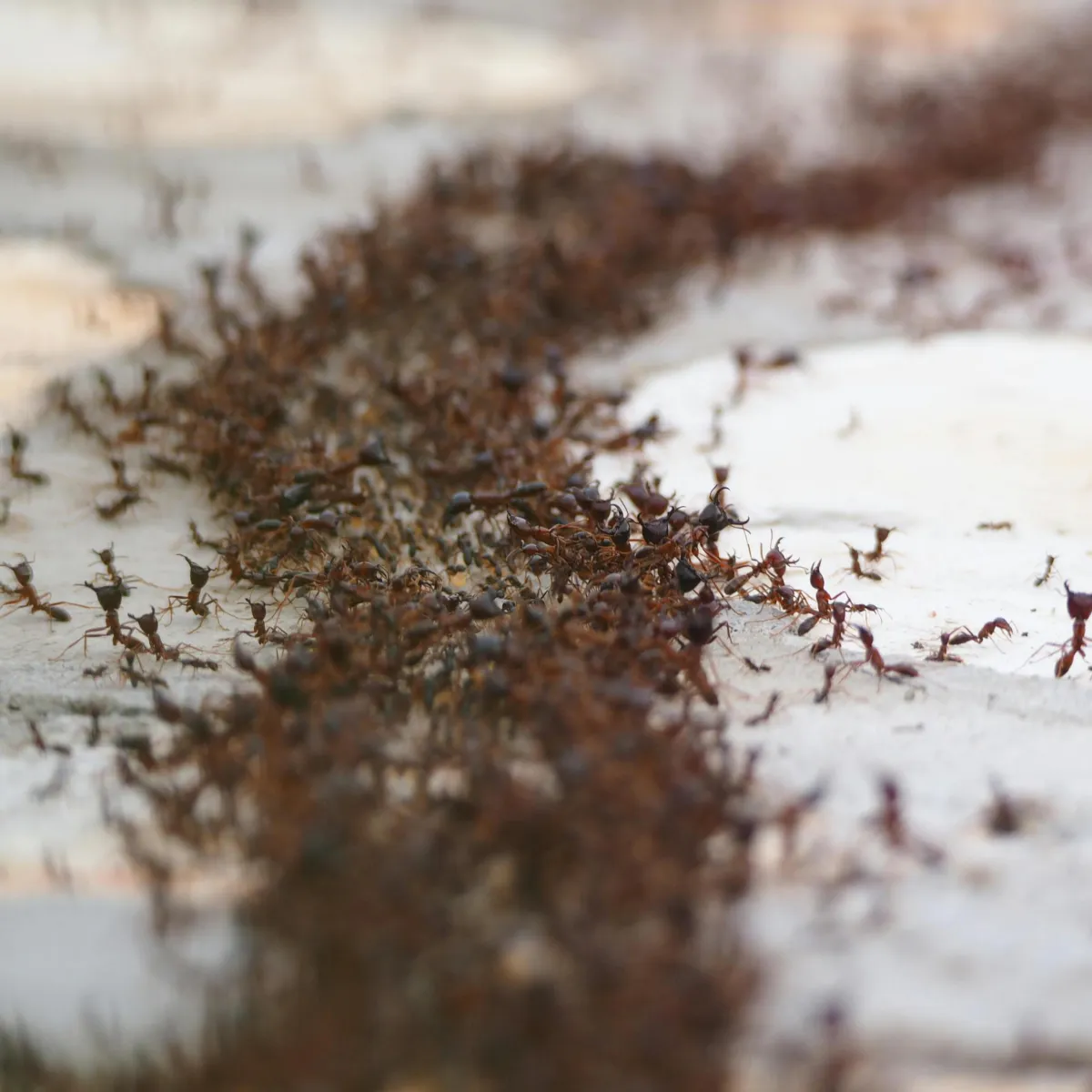
Their size hides their aggression well
Fire ants are usually reddish or reddish- brown and fairly small, often around 1.6 to 5 millimeters long. Most homeowners notice the mound before they really notice the ants themselves.
What stands out most is their behavior. Fire ants move quickly, react fast when disturbed, and defend the mound aggressively.
They are common in sunny, open lawn areas, exposed soil, and warm turf. Around Inman homes, that can mean the front lawn, the strip beside a sidewalk, the open grass behind a fence, or the warm patch near a detached building or garage.
The visible mound hides deeper colonies
Fire ants are difficult to get rid of because the visible mound is only part of the colony. Most of the activity stays underground, where the queen and much of the population are protected.
Some colonies can be large. Some may have multiple queens. That makes quick surface treatment less reliable, because the deeper colony can stay alive and keep rebuilding.
Rain, heat, watering, and foraging behavior also affect treatment. A store- bought spray may kill visible ants but leave the real colony active below. Surface- level treatment often falls short, which is why professional fire ant control is usually the better option for lawns with recurring mound activity.
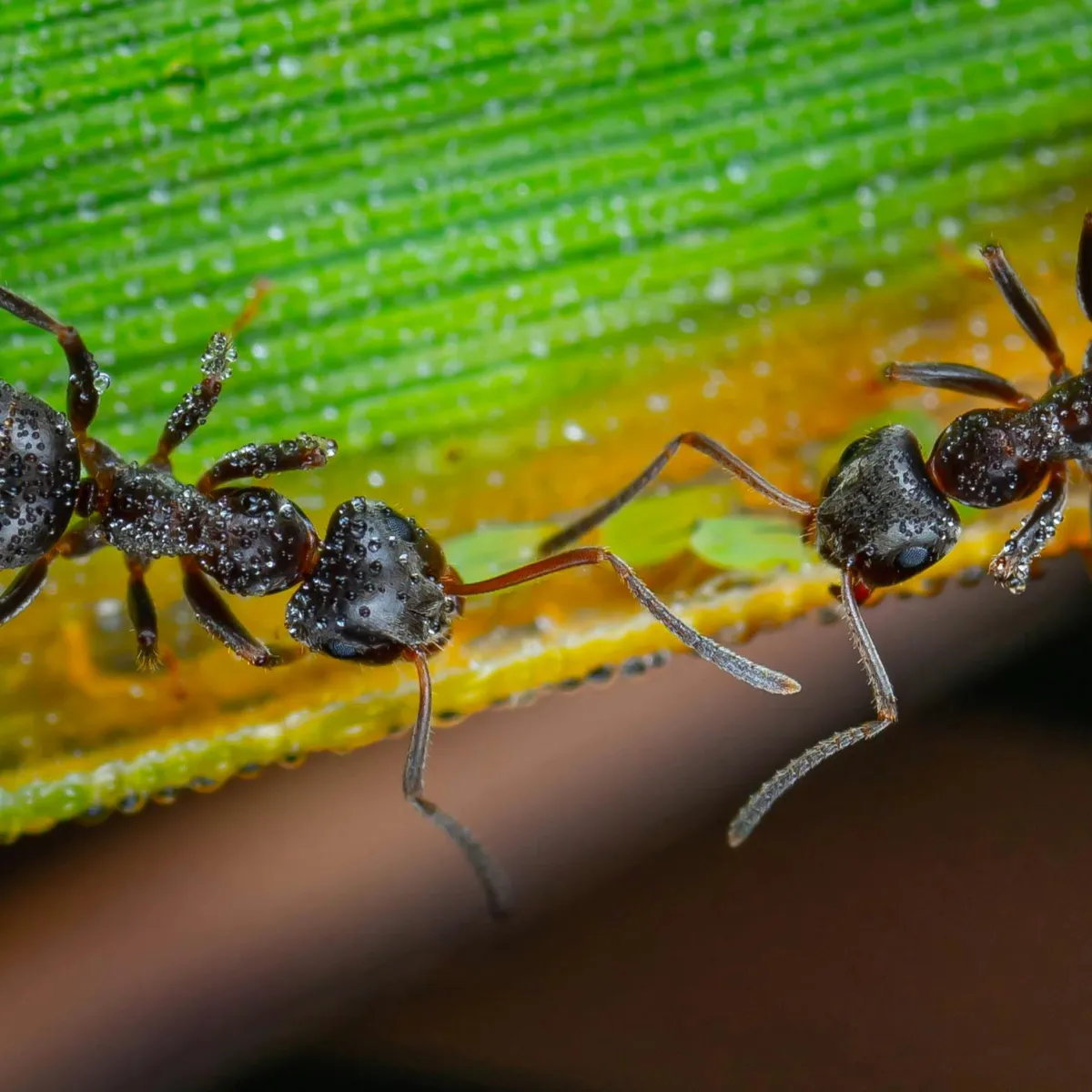
We inspect before choosing the method
Fairway Lawns Greenville starts by inspecting the lawn and the visible mound activity. We look at where the mounds are, how many appear active, and whether the infestation seems limited or spread across the property.
Next, we identify the severity of the ant activity. A single mound beside a walkway needs a different response than several active mounds across the lawn or around common- use areas.
Treatment is then focused on active mounds and affected lawn areas. The goal is to reduce colony activity and help protect the yard from continued fire ant pressure. If needed, follow- up or monitoring may also be recommended depending on how the lawn responds after treatment.

Different lawns need different treatment choices
Professional fire ant treatment depends on the level of activity and how far it has spread. Broadcast treatment may be used when fire ants are active across a wider section of turf.
Mound treatment may be used when specific colonies need direct attention. In some situations, a two- step treatment approach may be the best fit, especially when visible mounds are part of a broader lawn problem.
Bait- based treatment can be useful when ants are actively foraging. Mound drench treatment may be appropriate when direct treatment is needed. Your technician can explain the treatment options clearly and recommend what fits the property best.
Professional treatment is usually safer and more complete than relying on a store- bought fire ant killer, especially when mounds are near patios, play areas, pet zones, or walkways.
DIY usually misses what matters most
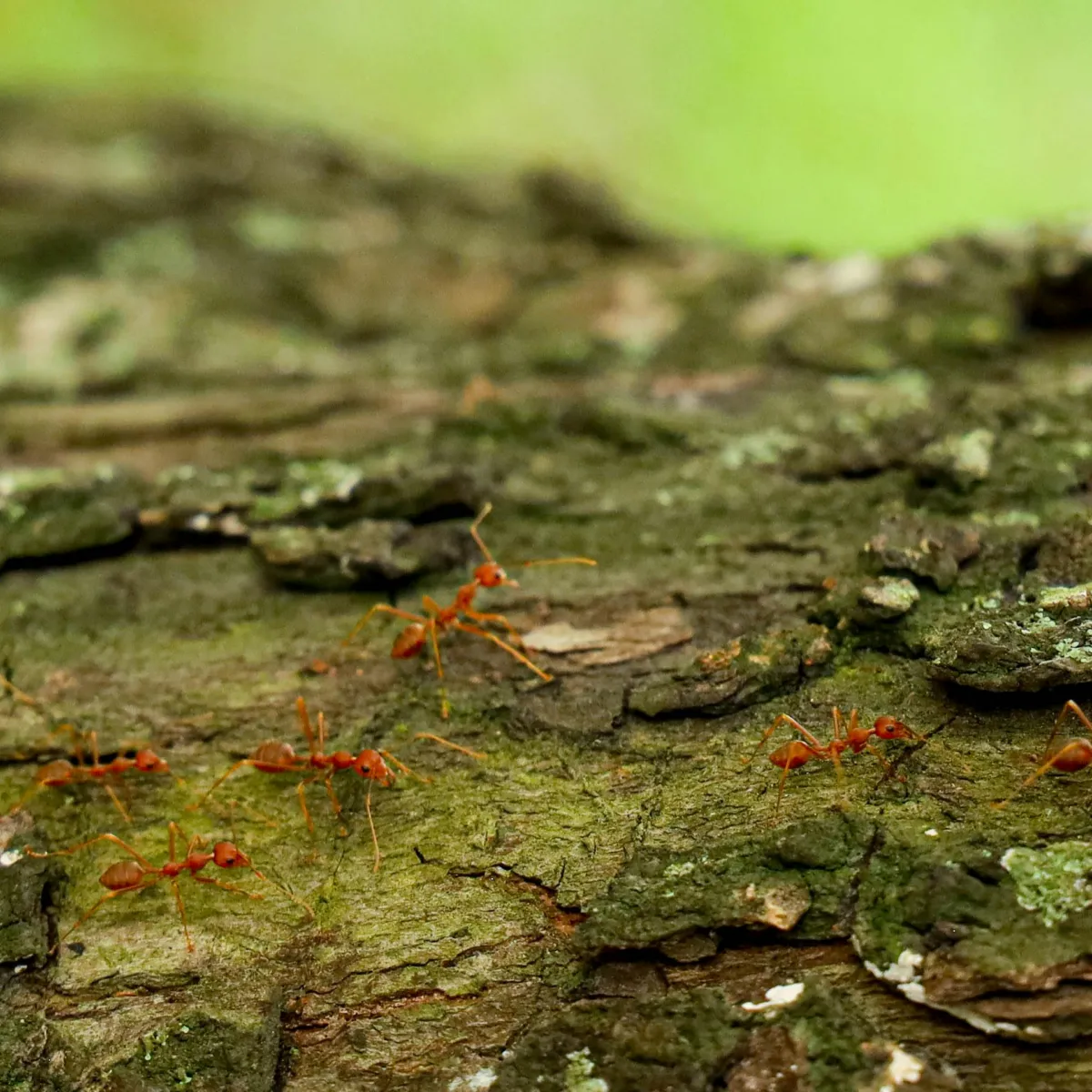
DIY sprays may quiet the ants at the top of the mound, but they often do not reach the queen or the deeper colony. That is why mounds can come back or show up somewhere nearby.
Baits can work, but only when fire ants are actively foraging. Rain, heavy dew, watering, or bad timing can limit how well they perform.
Mound treatments can also raise the sting risk because disturbing the colony may trigger a fast swarm. Professionals match the treatment to the infestation level, lawn conditions, and the areas people and pets use most, which usually leads to better results.
Stings can be more than irritating
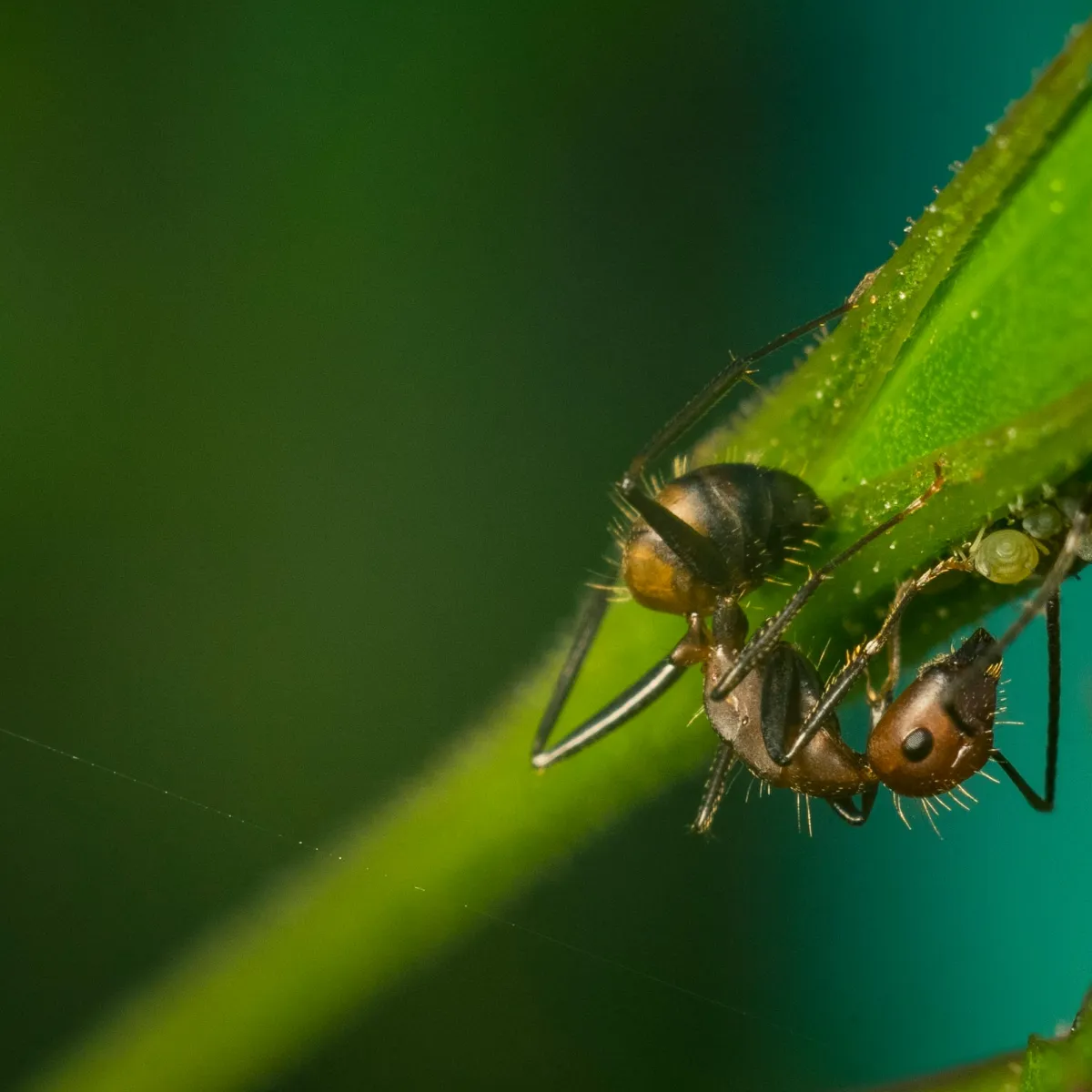
Fire ants can sting repeatedly when disturbed. Their stings may cause burning pain, red bumps, itching, swelling, and pustules.
Some people may react more strongly, and in certain cases medical attention may be needed. Children, pets, and anyone regularly using the lawn are often the most exposed because they may not notice a mound until they are already too close.
That is what makes fire ants more than just annoying. Once they are active in the yard, they become a real outdoor concern.
Clear steps help families feel informed
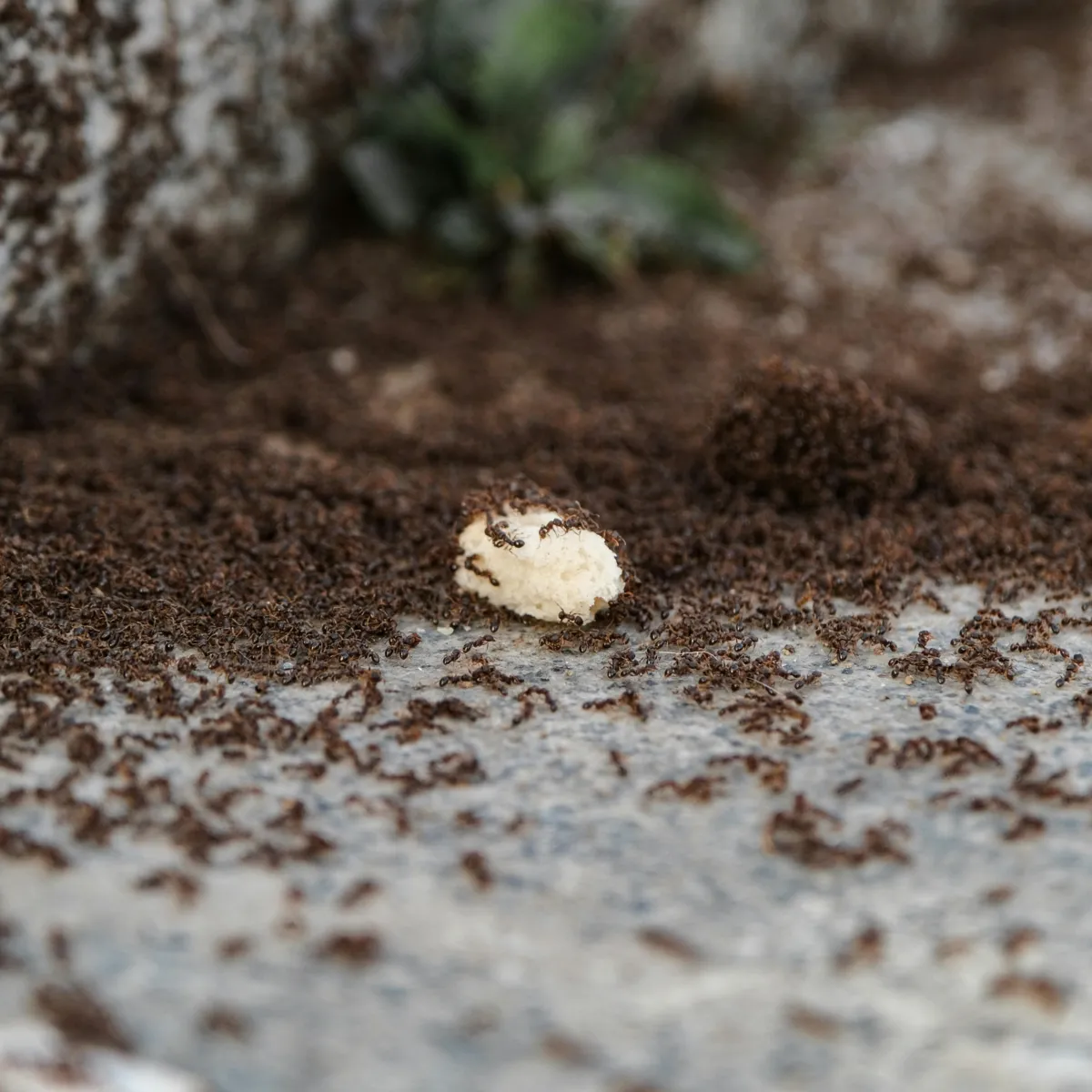
Fire ant treatments should be applied according to label directions. After service, technicians should provide clear re- entry guidance so you know when the treated lawn can be used again.
Depending on the treatment, pets and family members may need to stay off treated areas until the product has dried or until the technician’s instructions have been followed.
That guidance should be simple and useful. You should know what was treated, what to avoid for the moment, and when regular use of the yard can start again.
Inman homeowners want a real solution
Homeowners choose Fairway Lawns Greenville because fire ants are not just a pest issue. They affect how the lawn feels and whether people are comfortable using it the way they normally would.
Our team brings lawn and pest experience, professional inspection, customized treatment recommendations, family and pet- conscious guidance, seasonal protection options, easy scheduling, and free quote availability. If you are searching for fire ant control near me in Inman, we can help you choose a plan based on the actual mound activity in your yard.

The same questions come up often
If fresh mounds keep showing up in the parts of your yard people actually use, it is time to get ahead of the problem. Fairway Lawns Greenville can inspect your Inman lawn, treat active mound areas, and help you stop planning around fire ants.