Greer homes need calm spider solutions
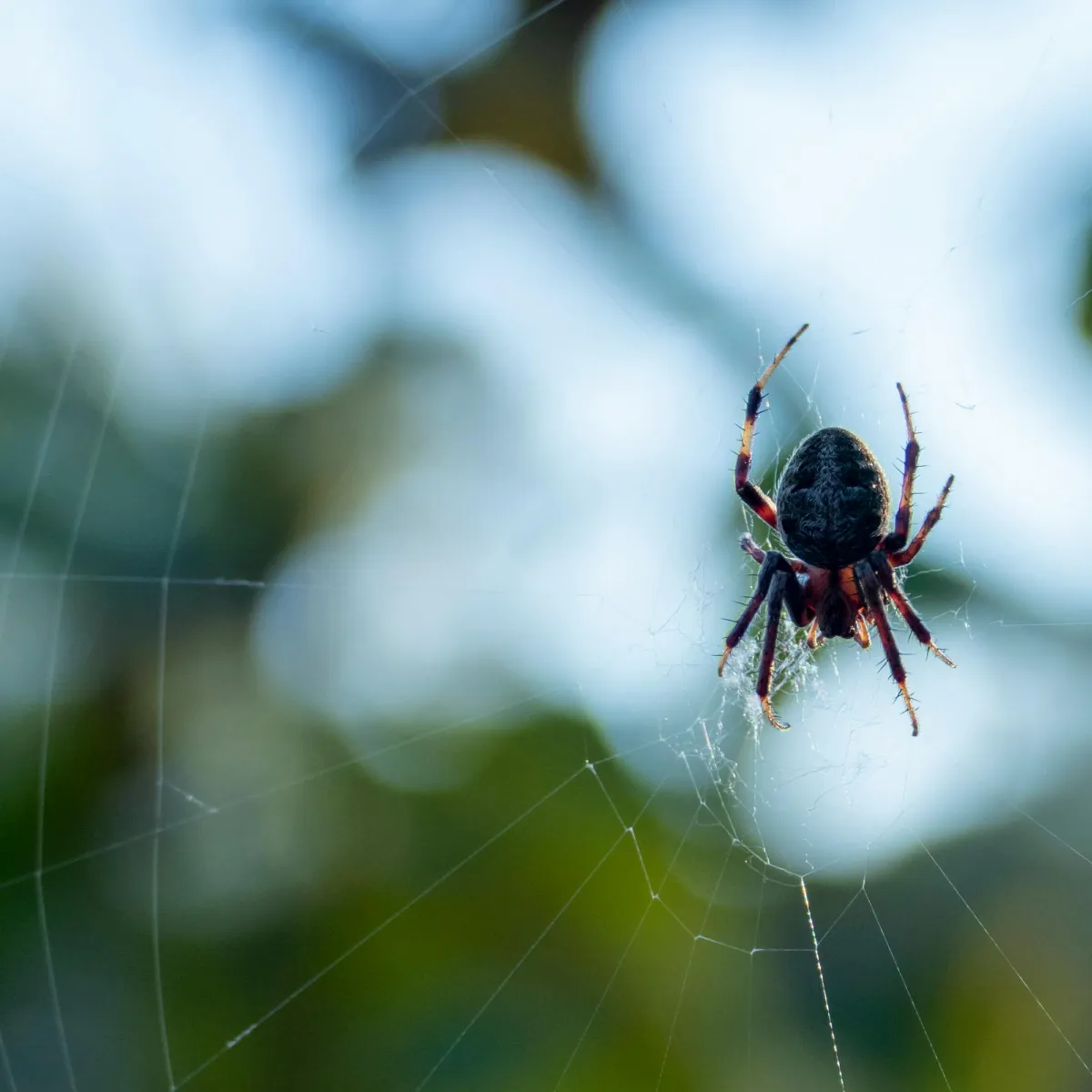
Seeing a spider now and then is normal. Seeing them every time you walk into the garage, open the back door, or sit on the porch is different.
Fairway Lawns Greenville provides spider control in Greer, SC for homeowners who are tired of webs, surprise sightings, and the uneasy feeling that more spiders may be hiding nearby. Our service focuses on the places spiders actually use: corners, eaves, crawl spaces, garages, window areas, entry points, and quiet storage spots.
Spider Control Built for Greer Homes and Businesses
Greer has the kind of weather spiders like. Warm afternoons, humid stretches, shaded yards, crawl spaces, mulch beds, porch lights, and steady insect activity all give spiders a reason to stay close. Once they find food and cover, they do not need much encouragement.
For homes and businesses, the problem often starts outside. Webs show up around eaves, door frames, deck rails, light fixtures, and garage openings. Then spiders begin turning up indoors, especially in places that stay quiet most of the week.
Fairway Lawns Greenville sends licensed technicians to inspect the property, identify spider activity, look for egg sacs, check entry points, and treat the areas where spiders are most likely to hide. We also look at what may be feeding the problem. If insects are gathering around lights, moisture, or landscaping, spiders may keep returning until those conditions are addressed.
DIY sprays can knock down a spider you see on the wall. The trouble is that most spider problems are not sitting out in the open. Egg sacs, cracks, crawl spaces, stacked storage, and exterior hiding spots can keep the issue going long after a store- bought spray dries.

Local spiders vary by season here
Brown widows are usually light brown or tan with banded legs and rounded bodies. They are a concern because they can bite, though they usually prefer to stay hidden. Around Greer homes, they may tuck themselves under patio furniture, porch railings, storage bins, outdoor toys, and shed corners.
They are more active in warm weather, especially when outdoor insects are easy to find. Their egg sacs can be a warning sign because they are often found in protected outdoor spots where people or pets may reach without noticing.
Black widows are glossy black spiders, often recognized by the red marking on the underside of the abdomen. They are one of the spiders homeowners worry about most because their bites can be serious.
They often stay in quiet, undisturbed areas: garages, crawl spaces, wood piles, sheds, utility corners, and storage areas. In Greer, they may be found where clutter, moisture, and insects overlap. They do not want attention, but they can become a risk when someone reaches into a hidden area.
Wolf spiders are large, fast, and often startling. They usually have brown, gray, or mottled coloring, and they hunt instead of waiting in a web. Most are nuisance pests, but their size makes them hard to ignore.
People often spot wolf spiders in garages, basements, laundry rooms, patios, and along floor edges. They may move indoors after rain, when temperatures change, or when insects are active around the home.
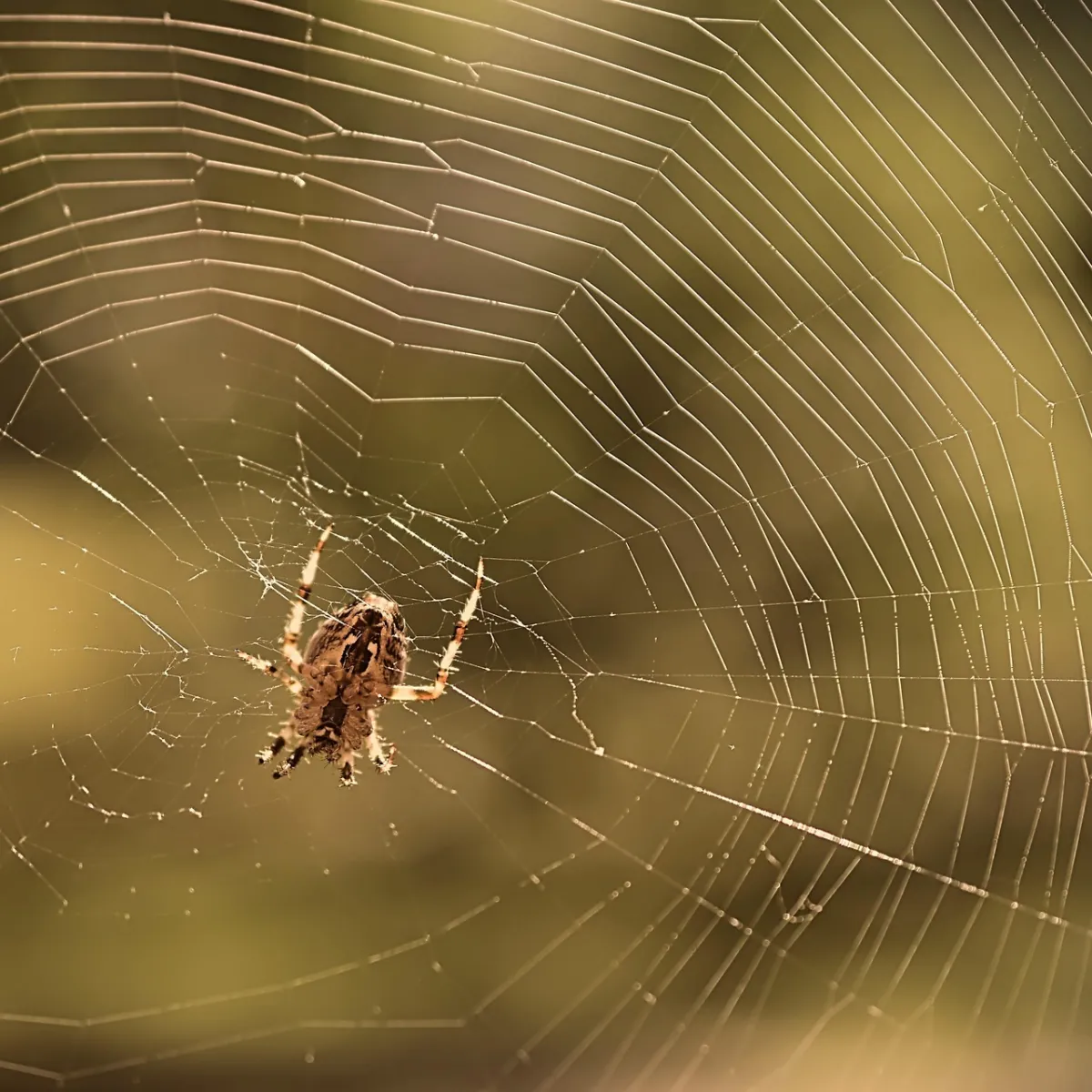
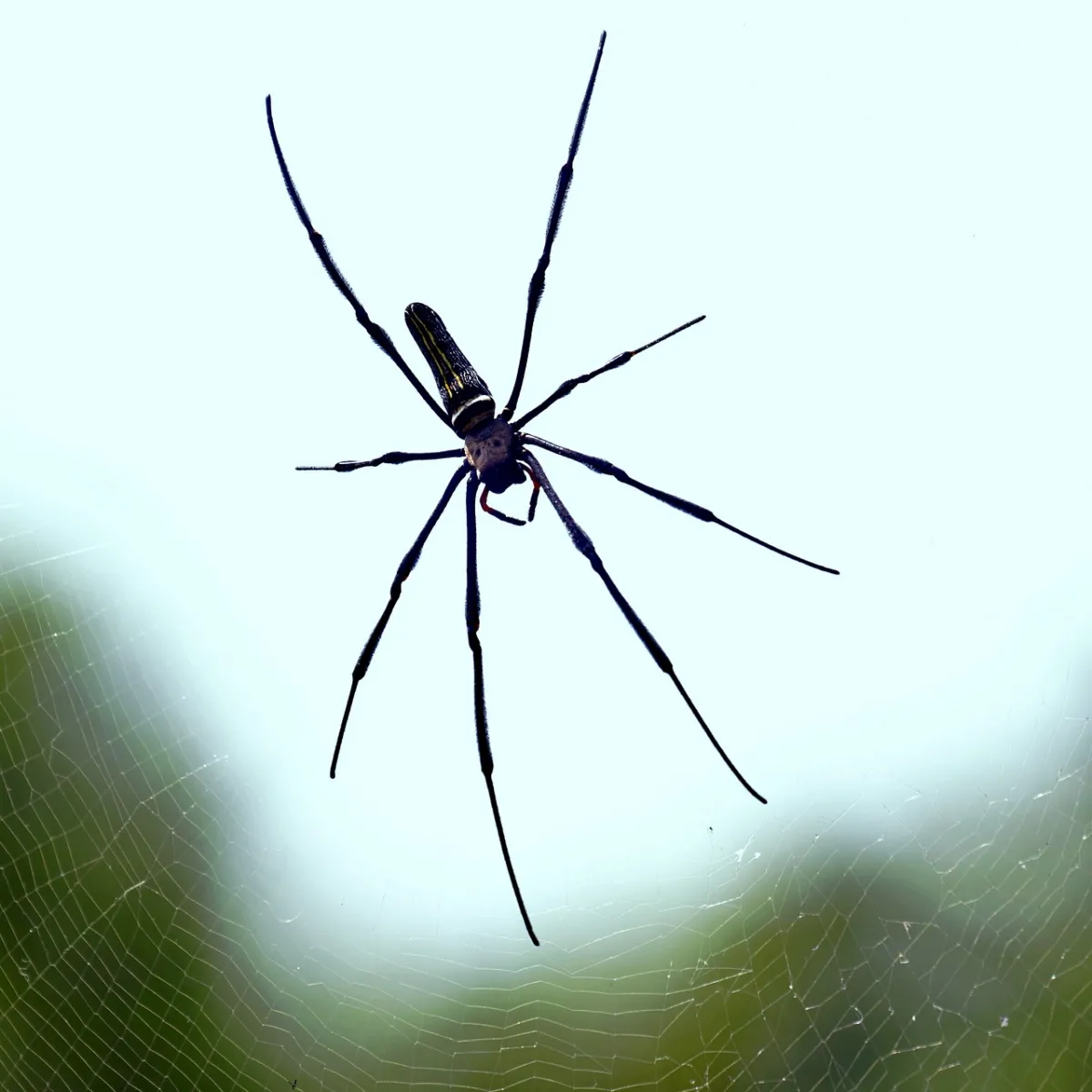
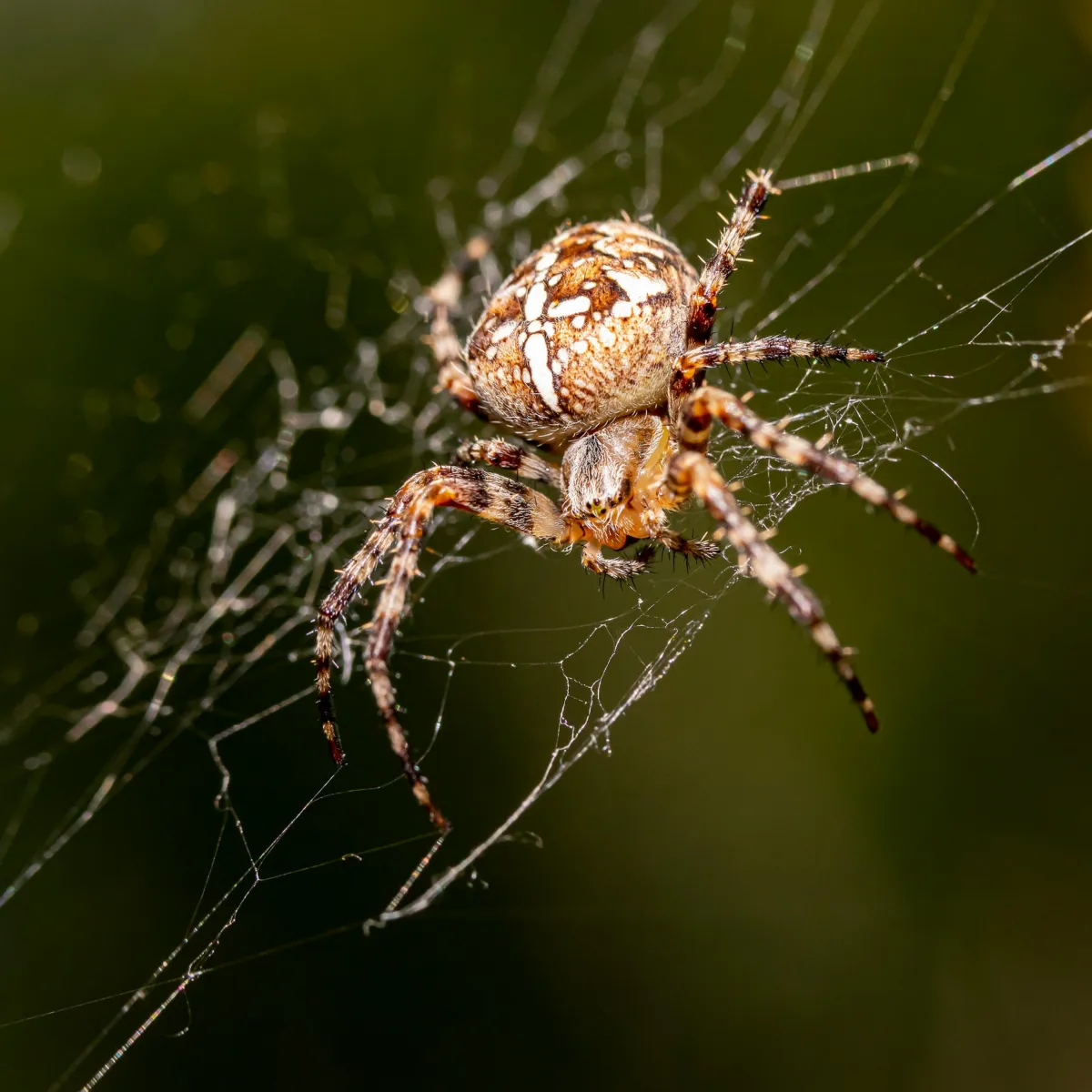
Orb weavers are the spiders that build large circular webs, often overnight. They are usually more of a nuisance than a danger, but their webs can make walkways, porches, and decks feel neglected.
In Greer, orb weavers commonly build webs near porch lights, shrubs, fences, eaves, and garden beds. They are most noticeable during warm months when flying insects are active.
Huntsman spiders are larger spiders with long legs and a flatter body shape. Their size can make them look more alarming than they usually are. They may hide behind stored items, outdoor furniture, wall decor, and garage clutter.
They are most likely to become noticeable when outdoor conditions change or when they follow insects closer to the structure. Homes with dense landscaping or shaded exterior walls may see more activity.
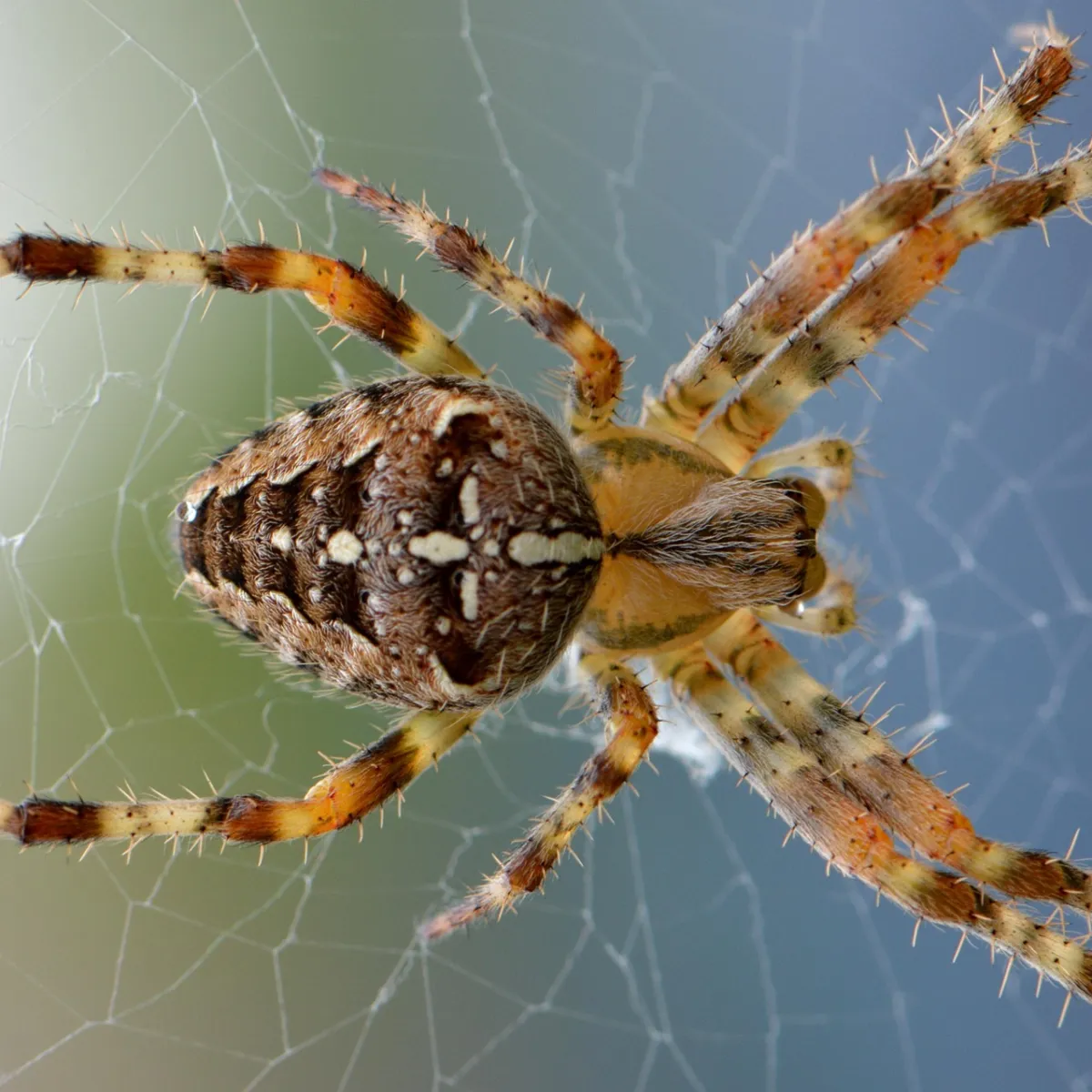
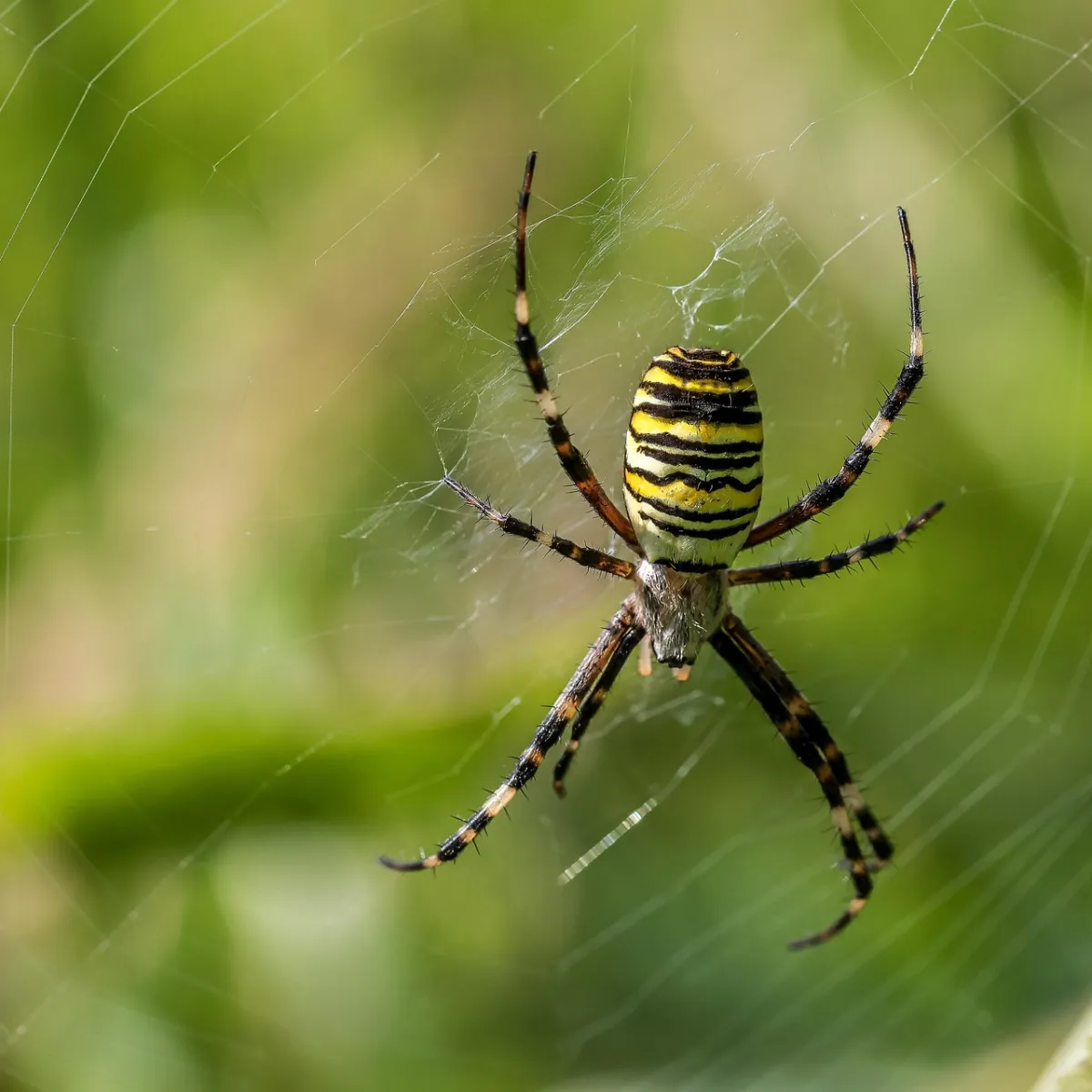
Garden spiders often stay outdoors, building webs in shrubs, tall plants, gardens, and sunny corners of the yard. They are generally not considered dangerous, but they can become frustrating when webs show up near patios, play areas, or places your family uses every day.
Their activity tends to pick up during warm weather. If your landscaping is full of insects, garden spiders may settle in and stay for the season.
Brown recluse spiders are not the most common spider people see, but they are one of the most concerning. They are usually brown and may have a violin- shaped marking behind the head.
They prefer quiet, undisturbed spaces such as closets, attics, storage boxes, basements, and rarely moved belongings. Because many harmless spiders are mistaken for brown recluse spiders, it is smart to have a professional check the issue instead of guessing.
Small clues point to bigger activity
Spider webs are the easiest sign to notice. If you clear the same corner on Monday and the web is back by Thursday, there is probably steady spider activity nearby.
You may also see more spiders in garages, basements, attics, closets, crawl spaces, or around windows and eaves. Egg sacs are another important clue. They can hold many young spiders, which is one reason the problem can feel like it suddenly got worse.
Other signs include dead insects caught in webs, small droppings near corners, shed exoskeletons, and recurring spider sightings even after using DIY sprays. When spiders keep coming back, the issue is usually bigger than one spider on the wall.
Food shelter and weather pull spiders
Spiders enter homes for simple reasons: food, shelter, warmth, moisture, and a safe place to lay eggs. If insects are active around the home, spiders have a reason to follow.
Greer’s humid weather can increase insect activity, especially around porch lights, mulch, shrubs, and damp areas. Rain can push spiders out of outdoor hiding places. Cooler fall nights can move them toward garages, crawl spaces, basements, and attics.
Landscaping can also play a part. Thick shrubs against the house, leaf buildup, wood piles, tall grass, and damp corners near the foundation can all create a spider- friendly path toward the home.
Quiet spaces give spiders easy cover
Spiders usually choose places that are quiet, dark, and rarely disturbed. Inside, that often means basements, crawl spaces, garages, attics, closets, storage rooms, window corners, and the space under furniture.
Outside, they may hide around sheds, wood piles, decks, roof eaves, dense vegetation, foundation cracks, porch lights, railings, and outdoor furniture. These areas give them shelter and put them close to insects.
If you keep seeing spiders in the same room or around the same entry point, there is probably a nearby reason they like that spot.
Our process starts before the spray
A good spider control service should not feel like someone simply sprayed and left. The work starts with figuring out what is happening on the property and why spiders are showing up there in the first place.
Your technician checks the areas where spiders commonly live and travel. This includes webs, egg sacs, corners, eaves, foundation edges, garages, crawl spaces, storage areas, and entry points.
We also look for moisture problems and insect activity because spiders usually stay where food is easy to find.
Treatment may include targeted applications, exterior perimeter service, web removal, egg sac removal, crack and crevice treatments, residual applications, and interior spot treatments when needed.
The goal is to treat the active areas without overcomplicating the service. We focus on the places spiders are using, not just the places where they were last seen.
After treatment, prevention matters. Your technician may recommend sealing gaps, trimming vegetation, moving wood piles, improving storage habits, managing moisture, or reducing conditions that attract insects.
Small changes around the home can make a real difference, especially when paired with professional pest control.
Some homes need one focused service. Others need seasonal maintenance because spider activity returns with weather changes.
Recurring inspections, seasonal service plans, follow- up visits, and re- treatment when necessary can help keep spider pressure from building back up.
Spider pressure shifts with Greer weather
Spring usually brings more insects, and spiders follow that food source. Webs may begin showing up around porches, shrubs, fences, and outdoor lights.
Summer is often the busiest time outside. Warm nights, humidity, and flying insects can lead to more webs around eaves, decks, patios, and doorways.
Fall is when many Greer homeowners notice spiders indoors. As nights cool down, spiders may move into garages, crawl spaces, basements, and storage areas. This is also when some species become more visible because of mating activity.
Winter does not always end the problem. Spiders can remain active in protected areas like attics, basements, garages, and wall- adjacent spaces, especially if insects are still present.
Professional service reaches hidden spider problems
DIY sprays can feel helpful in the moment, especially when a spider is right in front of you. But they usually only deal with what you can see.
The spiders hiding in cracks, under storage, near egg sacs, or around exterior nesting areas may never come in contact with the product. Store sprays also do not solve the food source problem. If insects remain active, spiders still have a reason to come back.
Professional spider pest control works better because it combines inspection, targeted treatment, web removal, prevention, and ongoing monitoring. It also creates a stronger barrier around the areas spiders use to move toward the home.
Simple habits make homes less inviting
Seal cracks and gaps around doors, windows, vents, utility lines, and the foundation. Replace torn screens and repair worn weather stripping.
Keep storage areas cleaner than spiders prefer. Reduce clutter in garages, closets, basements, and attics. Vacuum corners, remove webs when you see them, and avoid letting boxes sit untouched for long stretches.
Outside, trim shrubs away from the home, move wood piles away from the foundation, clear leaf buildup, and reduce dense vegetation. Moisture matters too, so check gutters, crawl space areas, and damp corners around the property.
Because insects attract spiders, reducing bug activity around exterior lights and entry points can also help. If you already use mosquito control or other pest management services, a technician can explain how those services may support spider prevention.
Careful applications respect your lived spaces
Your home is not just a treatment zone. It is where your kids play, your pets nap, and your family moves through daily routines.
Fairway Lawns Greenville uses trained technicians who apply treatments carefully and explain what was done. Your technician can walk you through any simple after- service instructions, including when treated areas can be used normally again.
The goal is straightforward: reduce spider activity while being thoughtful about the people and pets who live there.
Local experience matters for spider control
Fairway Lawns has served homeowners since 1979, and the Greenville team brings that experience to local lawns, homes, and outdoor spaces across the Upstate.
For spider control in Greer, local knowledge matters. A home near wooded edges may have different pressure than a home with heavy mulch, a damp crawl space, or bright exterior lighting near the garage. Fairway Lawns Greenville looks at the whole property before recommending a plan.
Customers choose Fairway for trained technicians, transparent pricing, dependable communication, local support, and a satisfaction guarantee that includes a no- charge service call if you are not satisfied with a treatment.
Straight answers for Greer spider questions
Schedule Spider Control in Greer, SC
You should be able to open the garage, sit outside, or walk through the house without watching every corner.
Fairway Lawns Greenville can inspect your Greer property, treat active spider areas, and help reduce the conditions bringing them back.
Schedule your spider control service today and get a plan that fits your home, not a one- size- fits- all spray.