Get your lawn back on track with 50% OFF first application!* 50% OFF First Application!* Call Now

Lyman garages deserve fewer web surprises

Spider Control Services in Lyman, SC

A spider outside is one thing. A spider hanging near the garage fridge, tucked beside the water heater, or sitting in the same porch corner every week is another.

Fairway Lawns Greenville provides spider control in Lyman, SC for homes and businesses that need fewer webs, fewer sightings, and a plan that looks at why spiders are showing up in the first place.

Spider Control That Fits Lyman Homes and Businesses

Spider problems usually have a nearby cause

In Lyman, spiders often start close to the places people use every day. Garages. Crawl spaces. Porch lights. Storage shelves. Sheds. Fence lines. Mulch beds. The quiet corner behind the things nobody has moved since spring.

Those areas can attract insects, and insects are the food source spiders follow.

Fairway Lawns Greenville provides spider pest control for residential and commercial services throughout Lyman. Our licensed technicians inspect the property, check common local spider issues, look for egg sacs and webs, identify spider species when possible, and review entry points around doors, windows, vents, garages, crawl spaces, and foundation gaps.

Inspections or estimates help us decide where treatment should focus. A business with webs near the front entrance does not need the same plan as a house with spiders coming from a crawl space. A garage problem may not be the same as activity around a shed.

Spiders are common in Upstate South Carolina because warm weather, humidity, and steady insect activity give them what they need. DIY treatments often fail because they only reach the spider in front of you. Egg sacs, cracks, crevices, nesting spots, and insects may still be there. Professional spider control matters because treatment and prevention work together.


Local spiders behave differently around homes

Common Spiders Found in Lyman and Upstate South Carolina

Brown Widows

Brown widows are usually tan, gray, or light brown with banded legs and a rounded body. They can bite, so they should not be treated like a harmless web in the corner.

Around Lyman homes, brown widows may hide under patio chairs, porch rails, grills, shed shelves, outdoor bins, and items stored outside for long periods. They are more active during warm months when insects are easier to find. Their egg sacs may sit in protected outdoor spots, which can be a concern around pets, children, and backyard storage.

Black Widows

Black widows are glossy black spiders often recognized by the red hourglass marking under the abdomen. They are considered dangerous because their bites can cause stronger symptoms than common nuisance spiders.

They prefer dark, protected places such as crawl spaces, garages, sheds, wood piles, utility corners, stacked boxes, and foundation gaps. Around Lyman properties, black widows may be found near firewood, tools, old storage, or outdoor supplies that have not moved in a while. Most problems happen when someone reaches into a hidden area and surprises the spider.

Wolf Spiders

Wolf Spiders are large, quick, and usually brown, gray, or mottled. They do not wait in a web. They hunt insects on foot, which is why they sometimes seem to race across the garage floor out of nowhere.

Most wolf spiders are nuisance pests, but their size makes them hard to ignore. They may hide under furniture, near baseboards, around crawl space openings, inside garage clutter, or near damp spots where insects are active. Rain, yard work, and cooler nights can make them more noticeable indoors.

Orb Weavers

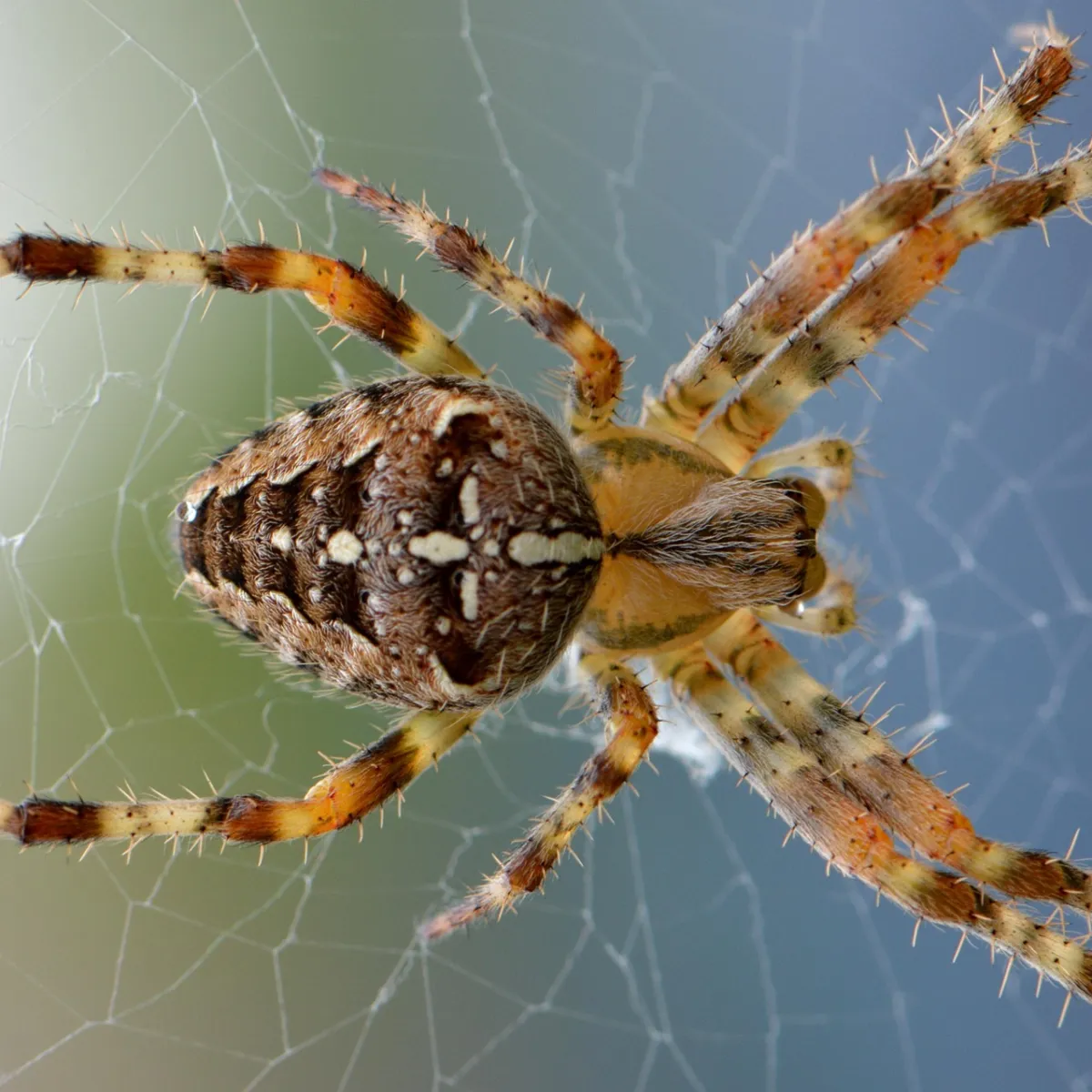
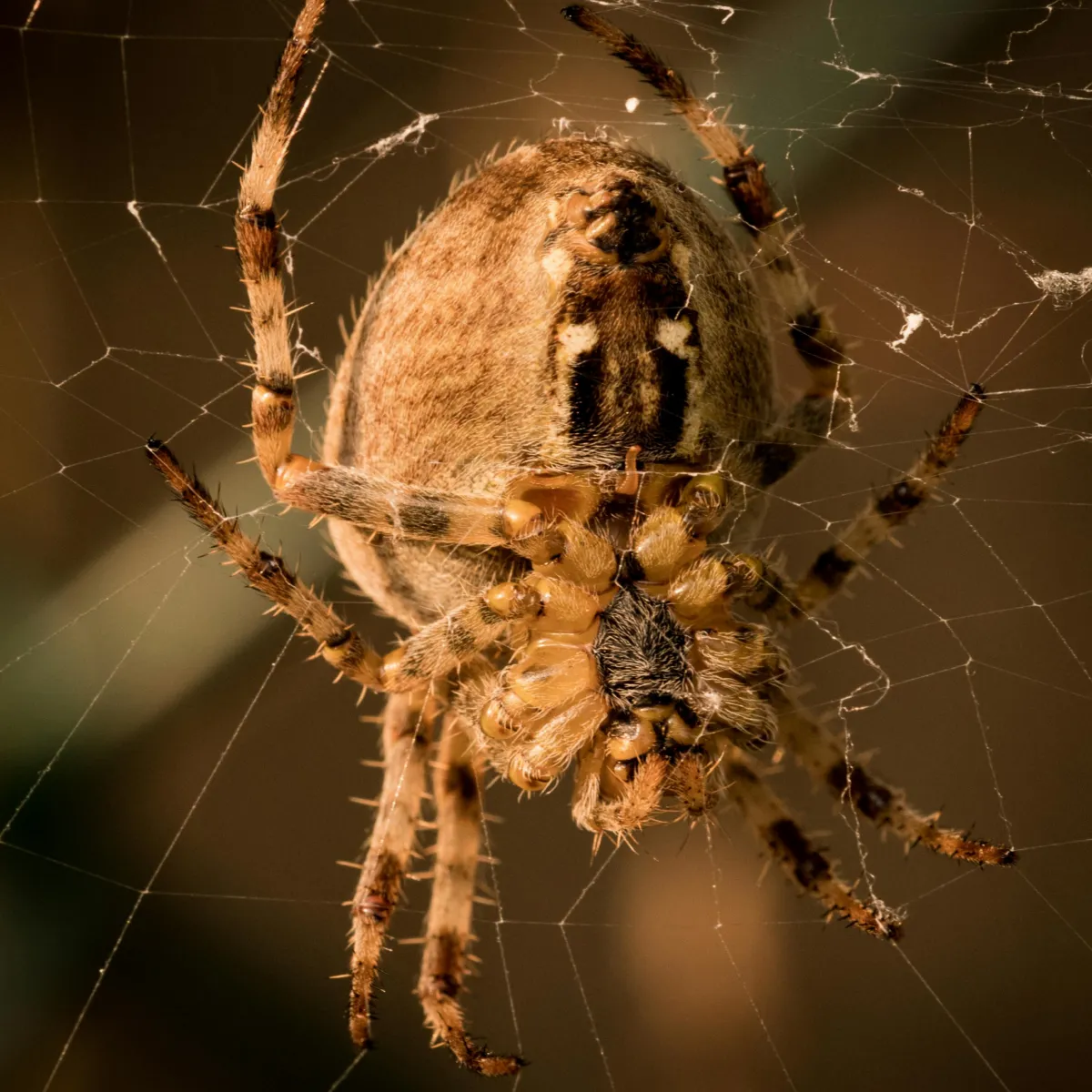
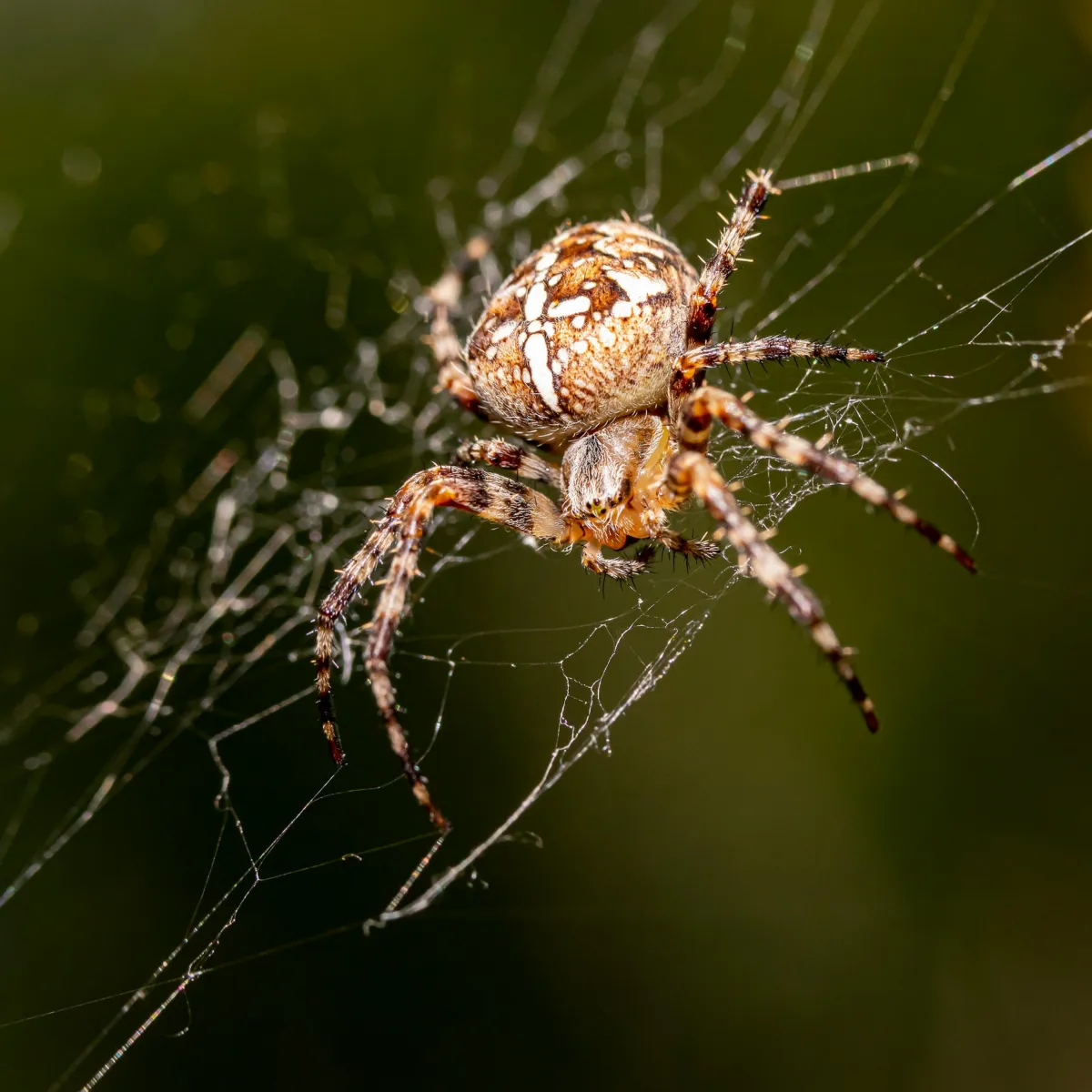
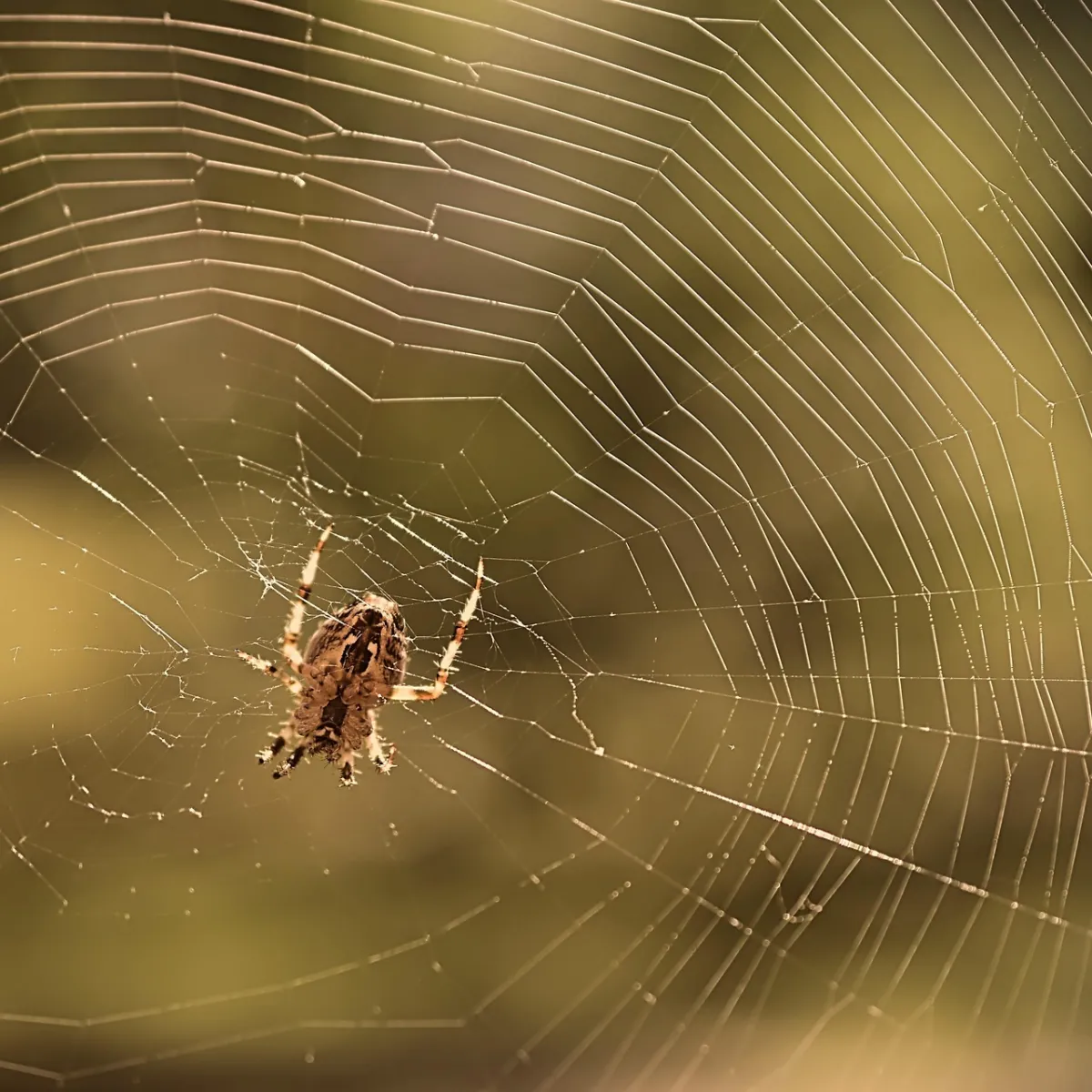
Orb weavers build the round webs people often find near porches, fences, shrubs, eaves, deck rails, garden beds, and outdoor lights. They are usually more annoying than dangerous.

In Lyman, orb weavers are most active during warm months when flying insects are plentiful. They often build near lights, windows, garden edges, fence lines, and outdoor seating areas. Their webs can make a porch or walkway feel messy even when the rest of the property looks fine.

Huntsman Spiders

Huntsman spiders have long legs and a flatter body shape, so they can look larger than expected. They are generally nuisance spiders, but that does not make it pleasant to find one inside.

They may hide behind outdoor furniture, garage shelving, shed items, wall decor, stacked boxes, and shaded exterior walls. Activity may rise during warm weather, after storms, or when insects move closer to the structure.

Garden Spiders

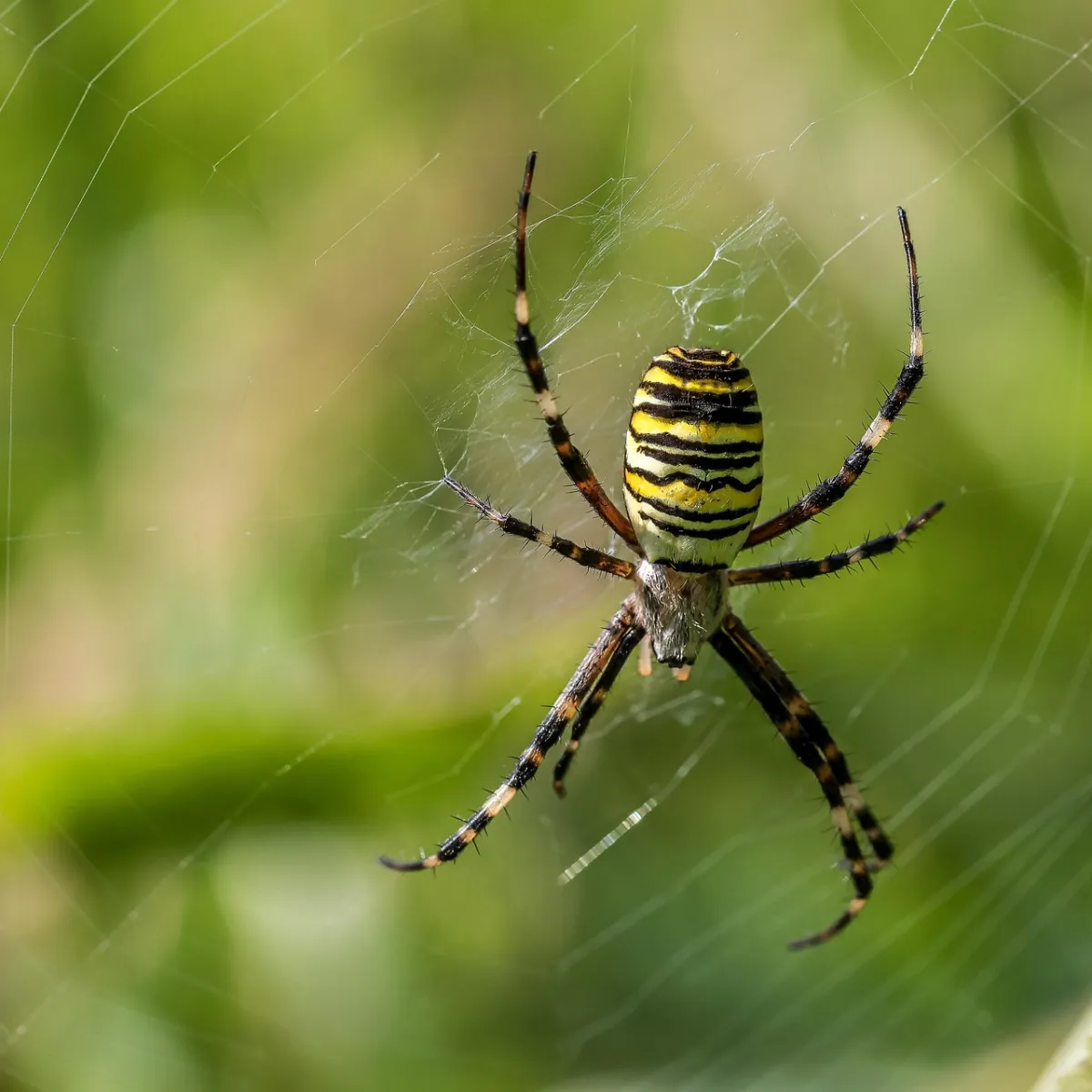
Garden spiders are outdoor spiders often found in shrubs, flower beds, tall grass, garden rows, fence lines, and sunny yard edges. They can catch insects outside, but most people still do not want webs across the back door or patio path.

Around Lyman homes, garden spiders may nest near hedges, vegetable gardens, deck corners, fence lines, and landscape beds close to the house. They are usually more of a nuisance than a danger, but repeated webbing near outdoor living areas can get old quickly.

Brown Recluse Spiders

Brown recluse spiders are usually light to medium brown and may have a violin- shaped marking behind the head. They are a high- concern spider because bites can become serious.

They are also commonly mistaken for other brown spiders. Brown recluse spiders prefer quiet, undisturbed spaces such as closets, attics, basements, crawl spaces, storage boxes, and items that rarely move. If you suspect brown recluse activity, professional identification is the safer first step.

Tiny clues often show bigger activity

Signs of a Spider Infestation

Webs are often the first sign. One web outside is not unusual. Webs that keep returning around porch lights, windows, garage doors, roof eaves, crawl space openings, basement corners, or attic rafters are worth paying attention to.

You may also notice spiders in closets, under furniture, around storage tubs, near laundry areas, along garage walls, or close to entry points. Egg sacs are another warning sign because they can lead to more spiders if left alone.

Dead insects caught in webs, spider droppings, shed exoskeletons, and spider activity that returns after DIY sprays can all point to a bigger issue. When the same corner keeps showing signs, the real problem is usually nearby.


Weather pushes spiders toward household shelter

Why Spiders Enter Homes

Spiders enter homes while searching for food, warmth, moisture, shelter, and safe places to lay eggs. If insects are gathering near your home or business, spiders may follow them toward doors, windows, garage openings, crawl spaces, vents, and foundation gaps.

Lyman’s humid weather can increase insect activity around mulch, shrubs, gutters, damp soil, shaded corners, and outdoor lighting. Rain can push spiders out of outdoor hiding spots. Cooler fall weather can move them into garages, basements, attics, and storage areas.

Vegetation close to the home can also make spider problems worse. Shrubs touching siding, leaf piles, tall grass, stacked wood, and overgrown beds give spiders and insects cover. When those areas sit near entry points, spiders have an easier route indoors.


Quiet storage spots let spiders settle

Where Do Spiders Hide?

Spiders usually choose places where they will not be bothered. Inside Lyman homes and businesses, that may mean basements, crawl spaces, garages, attics, closets, window corners, under furniture, laundry rooms, storage spaces, and utility areas.

Outside, they may hide in sheds, wood piles, decks, roof eaves, dense vegetation, foundation cracks, porch corners, railings, and around outdoor lighting. These spots give them shelter and keep them close to insects.

If spiders keep appearing in one room, one garage corner, one shed, or one doorway, the hiding place may be close. A damp crawl space, crowded shelf, shaded side yard, or small foundation gap can keep activity going longer than expected.


Our work starts by slowing down

Our Spider Control Process

Fairway Lawns Greenville starts by learning how spiders are using the property. A Lyman home with a crawl space and shed may need a different plan than a small business with webbing near exterior lights or a house with spiders around a detached garage.

Inspection

Your technician inspects for spider species, webs, egg sacs, nesting areas, and entry points. We check garages, crawl spaces, basements, window corners, roof eaves, porch areas, sheds, stored items, and foundation edges.

The inspection also includes moisture assessment and food- source identification. Since spiders feed on insects, nearby pest activity helps guide the control service.

Treatment

Treatment may include targeted applications, exterior perimeter spraying, web removal, egg sac removal, crack and crevice treatments, residual applications, and interior spot treatments when needed.

The service focuses on the areas spiders are actually using. That may include porch corners, garage edges, eaves, crawl space openings, window frames, foundation gaps, sheds, and other active areas.

Prevention

Prevention may include entry point sealing recommendations, vegetation reduction, moisture management, clutter reduction, and other changes that make the property less inviting to spiders.

Your technician may recommend trimming shrubs, moving wood piles, repairing damaged screens, improving garage storage, reducing moisture, or changing outdoor lighting habits. Ongoing maintenance plans may help when spider activity returns with the season.

Monitoring

Monitoring helps track spider activity after treatment. Fairway Lawns Greenville may recommend recurring inspections, seasonal service plans, follow- up visits, and re- treatment if necessary.

This can help Lyman properties with crawl spaces, sheds, heavy landscaping, shaded areas, outdoor lighting, or recurring webs after rain and warm weather.

Lyman spider seasons rarely match expectations

Spider Activity in Upstate South Carolina

Spring brings warmer weather and more insects. Spiders begin breeding, and outdoor web activity often picks up around shrubs, porches, fences, windows, deck rails, and stored outdoor items.

Summer can bring heavy spider activity in Lyman. Warm evenings, humidity, and insects around lights can lead to more webs near eaves, patios, garages, porch lights, outdoor seating areas, and garden beds.

Fall is when many people notice spiders moving indoors. Cooler nights push spiders toward warmer shelter, and mating activity can make several species more visible. Garages, basements, attics, crawl spaces, and storage rooms often see more activity.

Winter may slow outdoor activity, but spiders can stay active in protected places. Crawl spaces, attics, garages, basements, and quiet corners can still support activity if shelter and insects are available.

 

Hardware sprays miss the hidden problem

Why Professional Spider Control Works Better Than DIY

Store sprays usually handle the spider you can see. They may not reach egg sacs, hidden nesting areas, cracks, crevices, crawl spaces, sheds, wood piles, or exterior spots where spiders are actually living.

DIY products also miss the food source. If insects remain active around lights, mulch, moisture, vegetation, or entry points, spiders may return even after you spray.

Professional spider pest control uses integrated pest management, residual treatments, preventative barriers, web removal, egg sac removal, and ongoing monitoring. That gives the property a stronger chance at lasting prevention instead of a short break between sightings.


Small changes make corners less inviting

Spider Prevention Tips

Seal cracks and gaps around doors, windows, vents, utility lines, and the foundation. Replace damaged screens and repair worn weather stripping so spiders have fewer ways to enter.

Reduce clutter in basements, garages, closets, attics, and storage rooms. Vacuum corners, remove webs when you see them, and avoid leaving boxes, bags, or seasonal items untouched for long periods.

Outside, move wood piles away from the foundation. Trim vegetation back from the structure. Reduce dense plant growth. Manage moisture around gutters and crawl spaces. Reducing exterior lighting that attracts insects can also help because fewer insects usually means fewer spiders hunting nearby.


Treatment should fit normal home life

Family & Pet Safe Treatments

Spider control happens around the places people use all the time: garages, porches, patios, laundry rooms, storage areas, sheds, and business entrances.

Fairway Lawns Greenville uses licensed technicians and trained applicators who focus treatments where spider activity is strongest. Your technician can explain what was treated and any simple after- service steps to follow, so you know how to use the space afterward.


Local service helps stop the guessing

Why Choose Fairway Lawns Greenville

Fairway Lawns Greenville brings local experience to spider control in Lyman. Our team understands how Upstate humidity, crawl spaces, sheds, shaded yards, exterior lighting, and seasonal insects can all play a role in spider problems.

You get a plan built around the property instead of a generic spray- and- go visit. From garage sightings to web- heavy porches, crawl space concerns, and recurring activity near storage, Fairway Lawns Greenville helps identify what is happening and where treatment should focus.

Whether spiders are bothering your home or creating issues around a business entrance, our team can help you take a more practical next step.

Plain answers for Lyman spider worries

FAQs

Schedule Spider Control in Lyman, SC

If spiders keep showing up around your garage, porch, crawl space, shed, storage room, or business entryway, Fairway Lawns Greenville can help. We’ll inspect your Lyman property, treat active spider areas, and help reduce the conditions that keep bringing them back. Schedule spider control today and get local service built around your property.