Piedmont garages should not feel creepy
A spider in the yard is one thing. A spider dropping from the garage ceiling or turning up beside the laundry basket is another.
Fairway Lawns Greenville provides spider control in Piedmont, SC for homeowners and businesses that are ready to stop brushing away the same webs every week. Our service helps reduce spider activity, remove webs where possible, and prevent future infestations from getting comfortable around your property.
Spider Control for Piedmont Homes and Small Businesses
Spider problems in Piedmont often start along the edges of the property. Wooded lots, sheds, crawl spaces, porch lights, mulch beds, foundation cracks, and damp corners can all attract insects. Once insects gather, spiders have a reason to stay.
You might notice webs around porch beams, garage doors, basement windows, deck rails, or the corners of a shed. Inside, spiders may show up in closets, laundry rooms, crawl space entrances, attics, and storage areas.
Fairway Lawns Greenville provides spider pest control for both residential and commercial services in Piedmont. Our licensed technicians inspect the property, look for common local spider issues, check for egg sacs, identify spider species when possible, and review entry points that may be letting spiders inside.
Inspections and estimates help us understand what is happening before treatment begins. Some properties need attention around the exterior perimeter. Others need help with garage activity, crawl space moisture, or spider activity around business entrances.
Spiders are common in this region because Upstate South Carolina gives insects a long warm season. DIY treatments often miss the bigger picture. Spraying the spider you see does not always touch the egg sacs, hiding places, or food source behind the problem. Professional spider control matters because it treats active areas and looks for the reason spiders keep coming back.

Different spiders need different local caution
Brown widows are usually tan, grayish, or light brown with banded legs and a rounded body. They can bite, so they deserve more caution than ordinary nuisance spiders.
Around Piedmont homes, they may hide under patio chairs, porch rails, grills, outdoor storage bins, shed shelves, and items stored beside the house. Warm months usually bring more activity because insects are easier to find. Their egg sacs may be tucked into protected outdoor spots, which can be a concern for children, pets, or anyone reaching under furniture.
Black widows are glossy black spiders often recognized by the red hourglass marking underneath the abdomen. They are one of the spider species homeowners should take seriously because bites can cause stronger symptoms.
They like quiet, protected areas. Garages, crawl spaces, wood piles, utility corners, sheds, stacked boxes, and foundation gaps all give them cover. In Piedmont, black widows may be found where tools, firewood, or outdoor materials sit untouched. Accidental contact is the biggest risk.
Wolf spiders are large, quick- moving spiders with brown, gray, or mottled coloring. They do not sit in a web waiting for prey. They hunt insects on foot.
That is why people often spot them running across garage floors, patios, basements, or laundry rooms. Most wolf spiders are nuisance pests, but their size can make them alarming indoors. They may hide under furniture, near crawl space openings, around damp areas, or inside garage clutter. Rain and seasonal weather shifts can make them more visible.
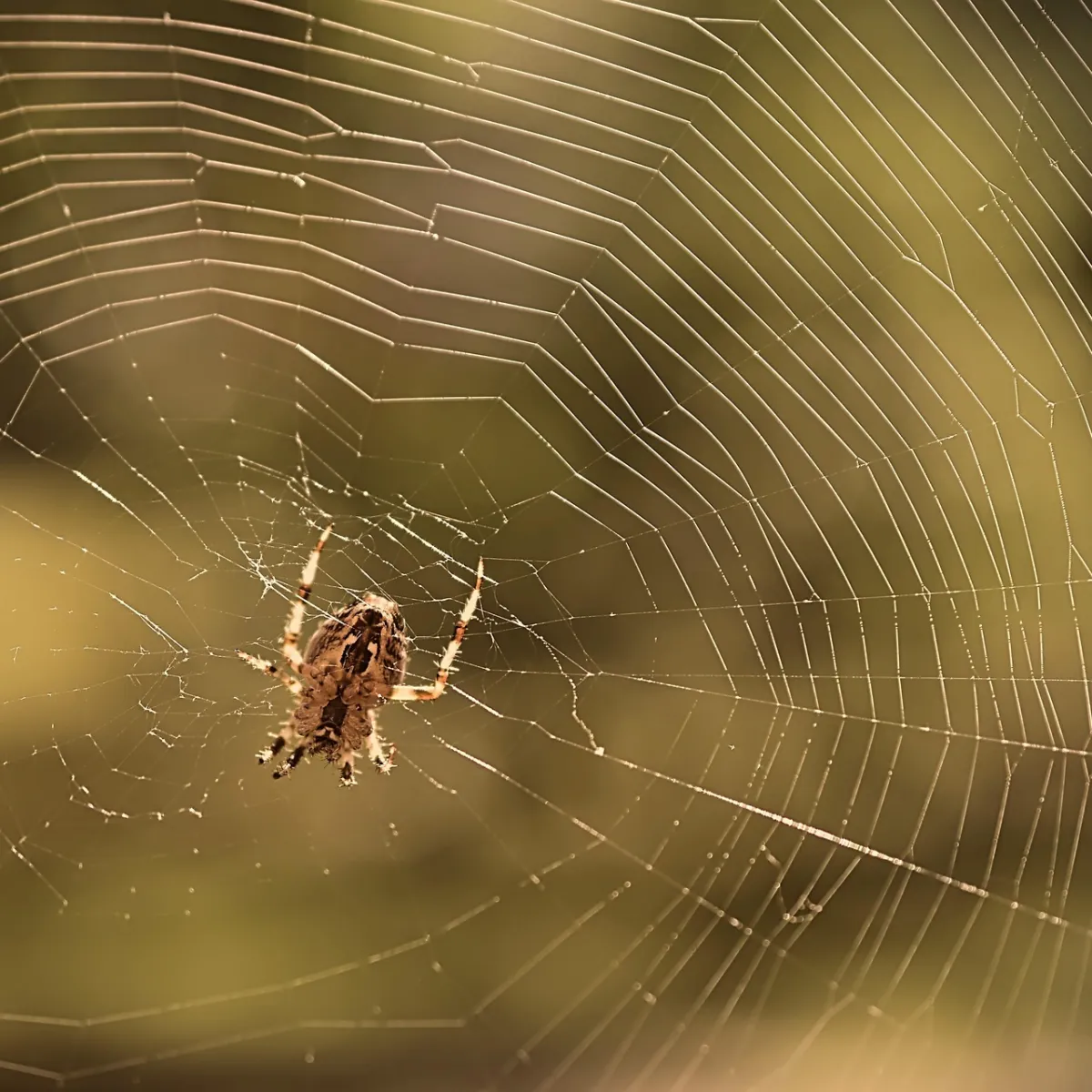
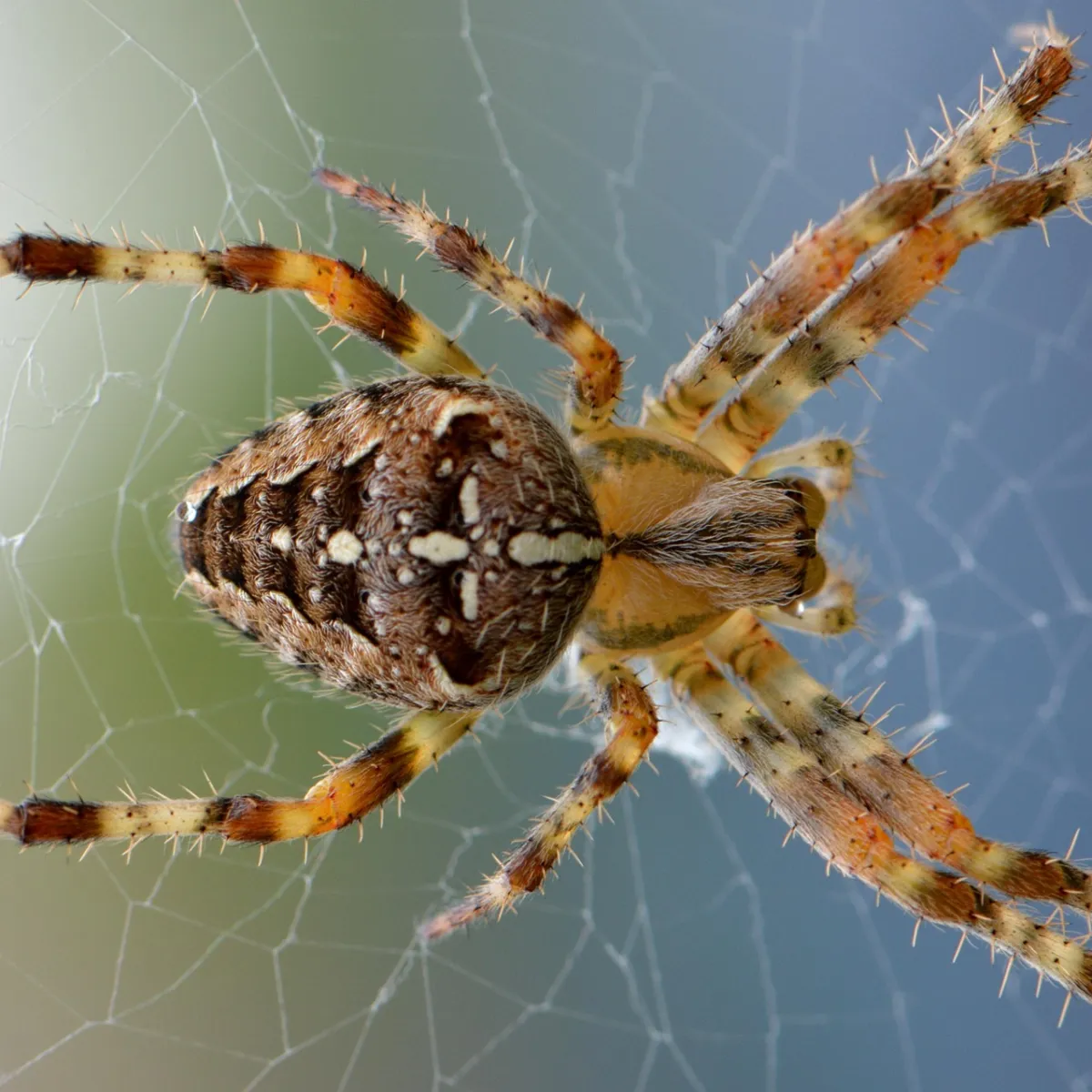
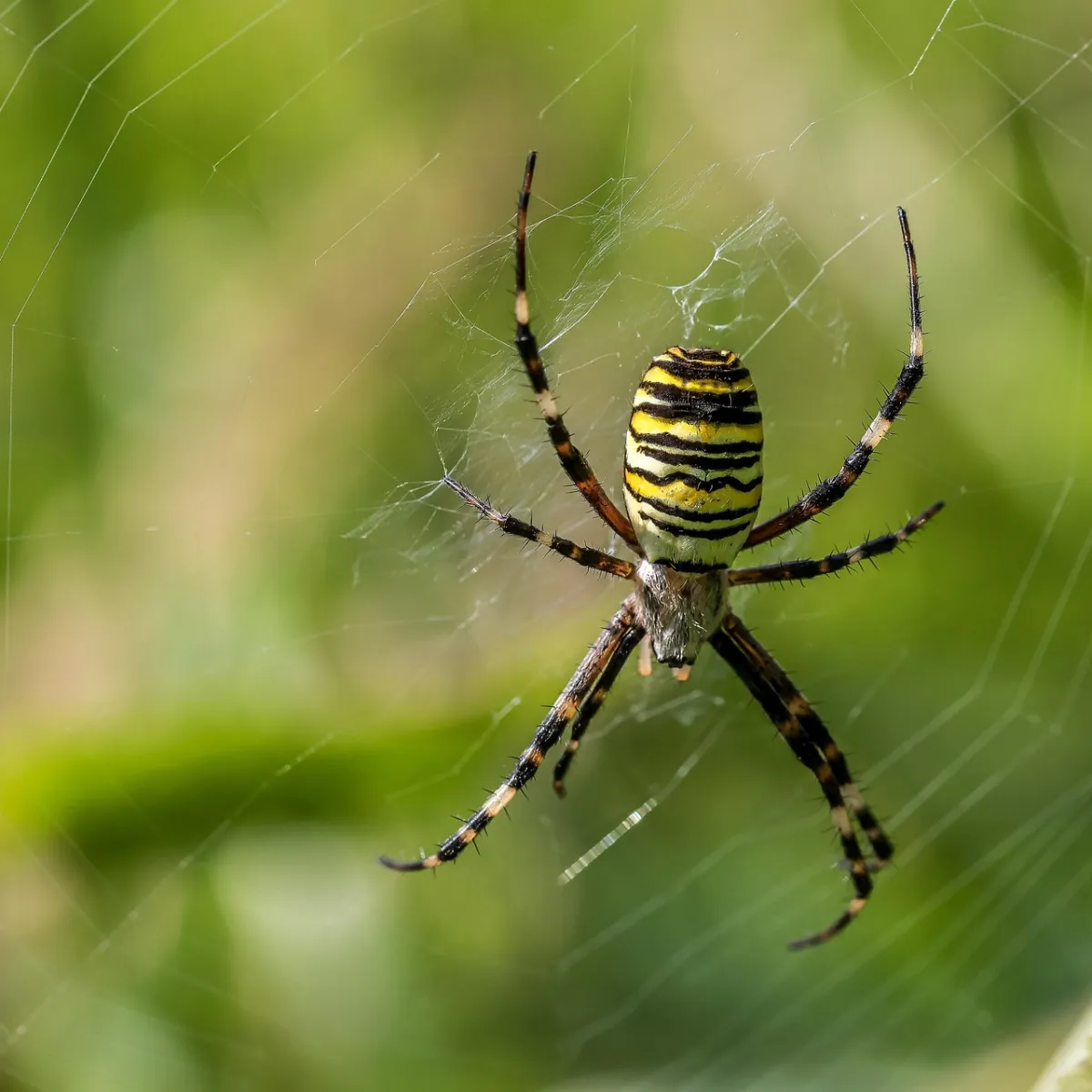
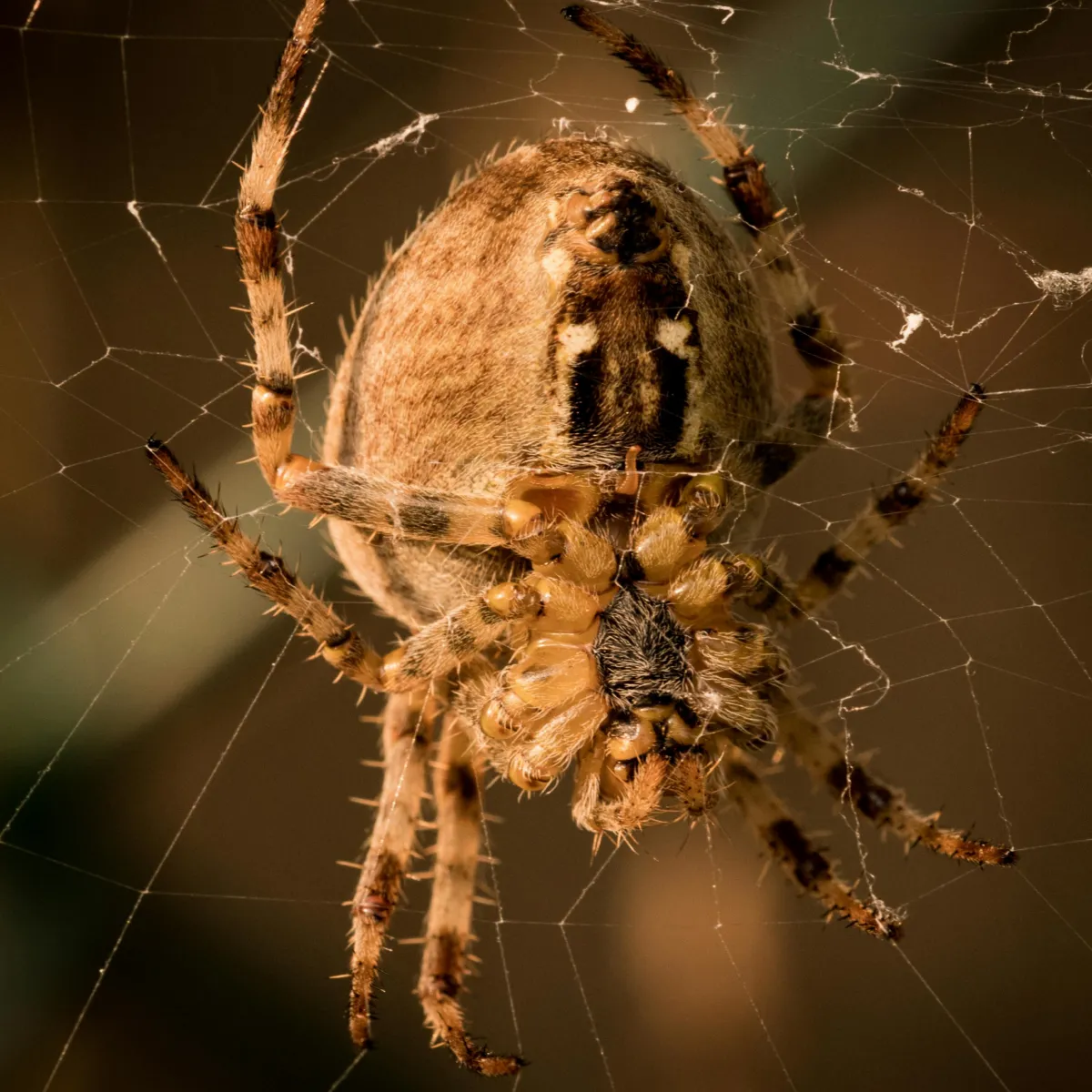
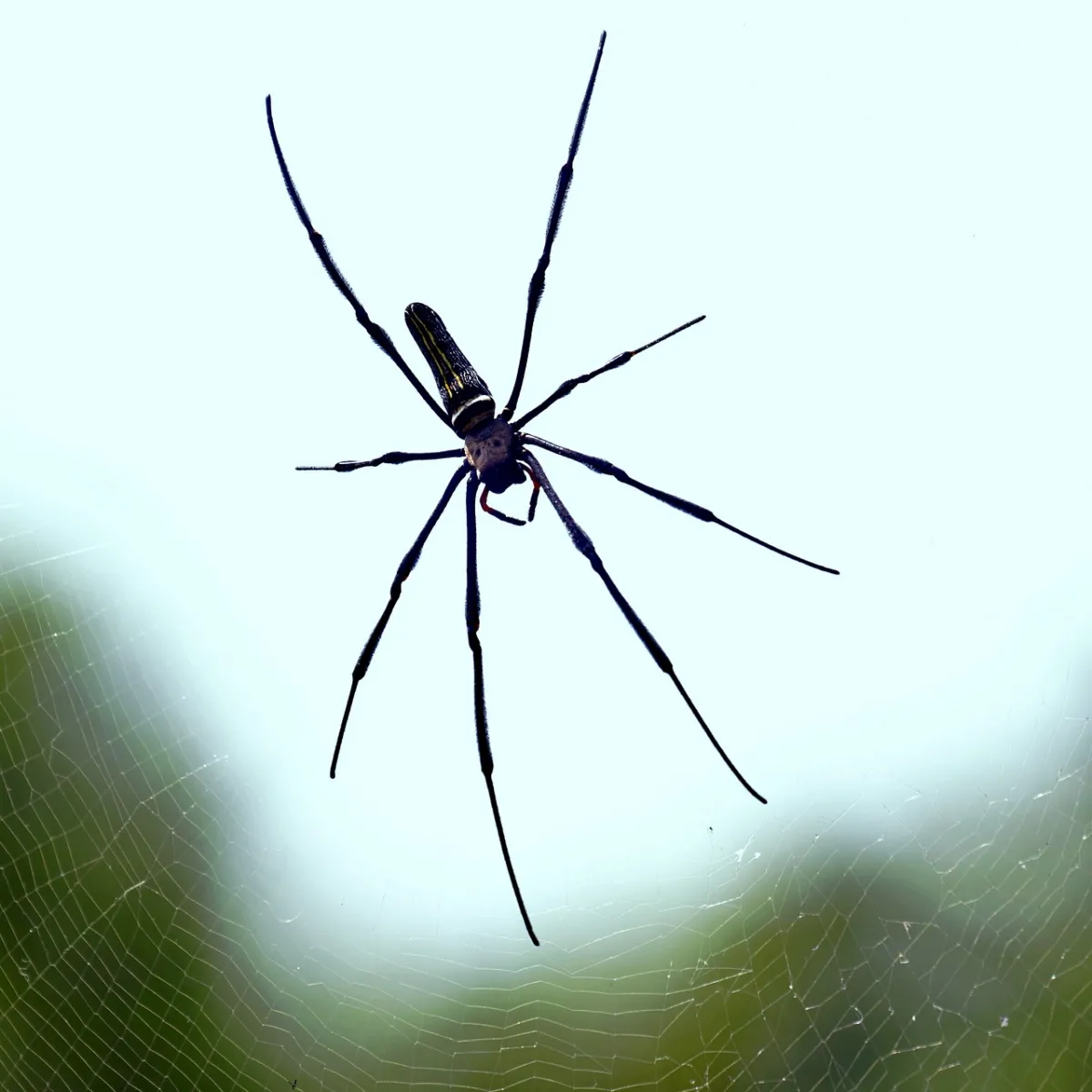
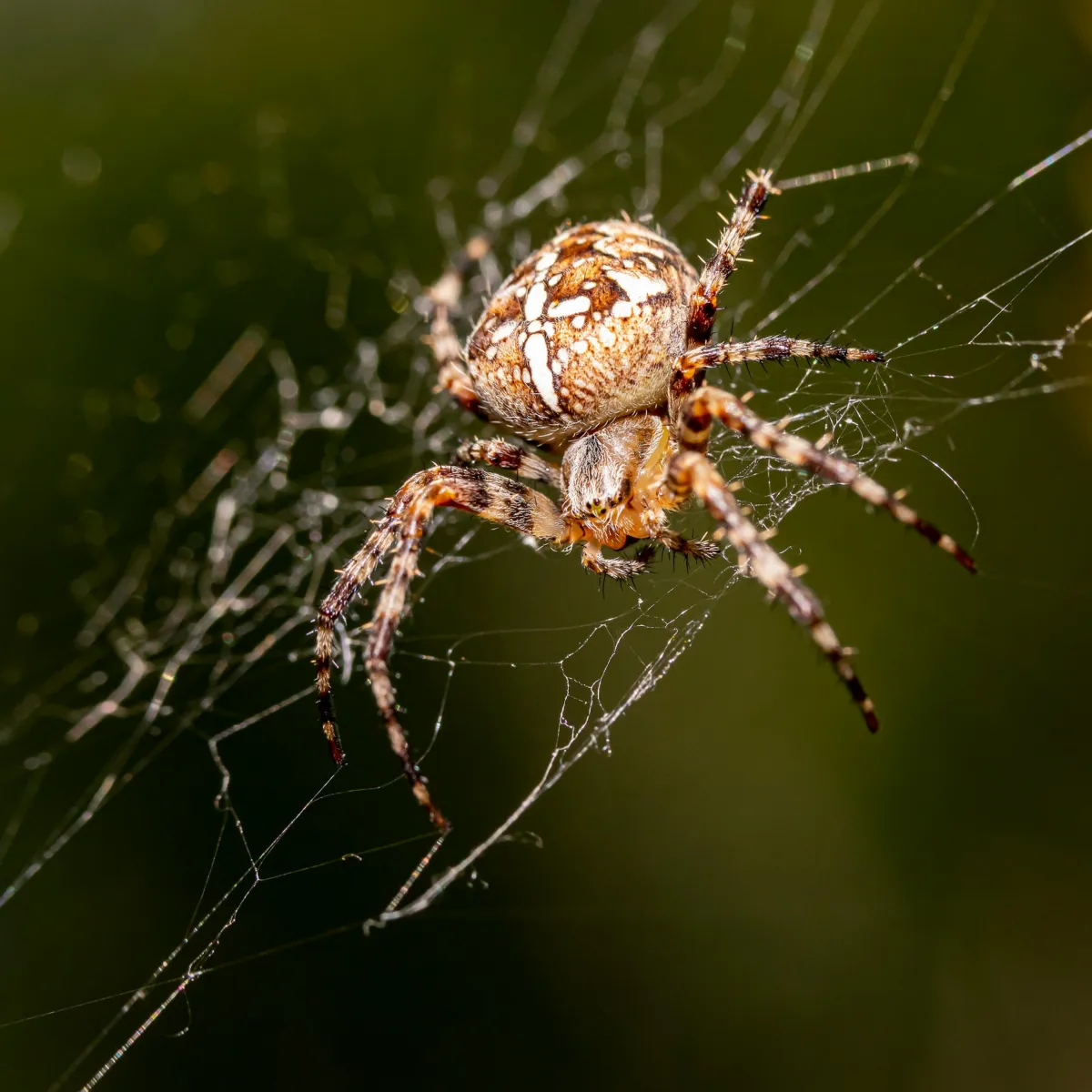
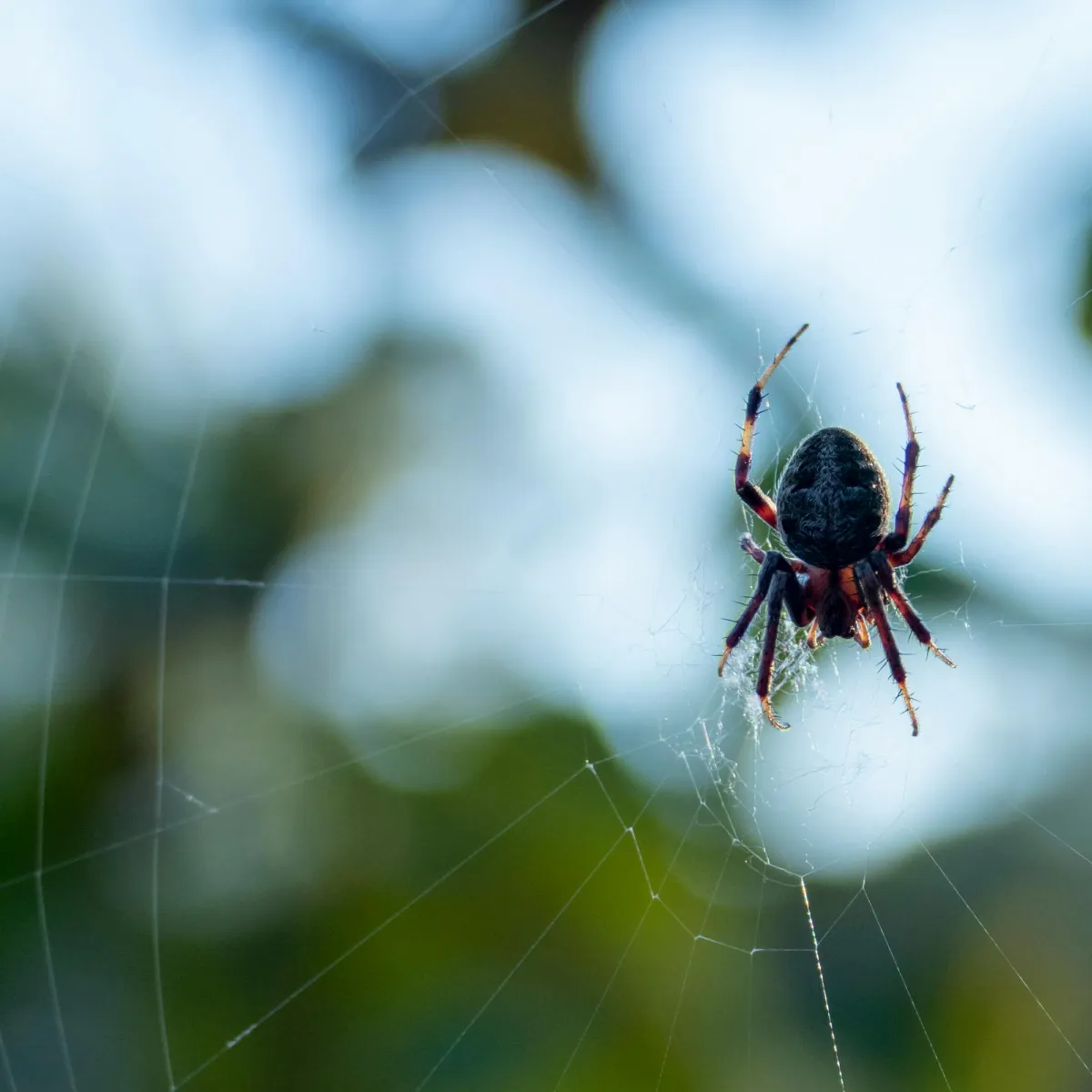
Orb weavers build the round webs that show up near porches, shrubs, fences, roof eaves, garden edges, and outdoor lights. Most are not dangerous, but their webs can make outdoor spaces frustrating.
In Piedmont, orb weavers are most active during warm months when flying insects are plentiful. They often build near lights, deck rails, window corners, landscape beds, and fence lines. The main issue is repeated webbing in places people walk, sit, or open doors.
Huntsman spiders have long legs and a flatter body shape. They can look larger than expected, especially when one shows up indoors.
They are generally nuisance spiders, but most people still want them gone. Huntsman spiders may hide behind outdoor furniture, stored boxes, garage shelving, shed items, wall decor, and shaded exterior walls. Activity may increase after storms or when insect movement changes around the property.
Garden spiders are outdoor spiders often found in shrubs, flowers, tall grass, garden rows, fence lines, and sunny yard edges. They catch insects, but that does not help much when their webs stretch across a walkway or back door.
Their activity is strongest during warm months. Around Piedmont homes, garden spiders may nest near hedges, deck corners, vegetable gardens, and landscape beds close to the house. They are usually more of a nuisance than a danger, but surprise contact with webs can get old fast.
Brown recluse spiders are usually light to medium brown and may have a violin- shaped marking behind the head. They are a high- concern spider because bites can become serious.
They also get misidentified often. Many harmless brown spiders look similar. Brown recluse spiders prefer quiet, undisturbed places such as closets, attics, basements, storage boxes, crawl spaces, and rarely moved belongings. If you suspect brown recluse activity, it is better to have the spider identified before guessing.
Small evidence can point beyond webs
Webs are usually the first thing people notice. One web on the porch may not mean much. Webs that keep returning around porch lights, windows, eaves, garage doors, crawl space openings, basement corners, or attic rafters are a stronger sign.
More spider sightings can also mean activity is building. You may see spiders in closets, under furniture, around storage bins, near laundry areas, along garage walls, or close to doors and windows.
Egg sacs are especially important. Left alone, they can lead to more spiders later. Other signs include dead insects caught in webs, small droppings, shed exoskeletons, spiders in basements or attics, and spider activity that returns even after DIY sprays.
If the same corner keeps getting webbed again, there is usually something nearby helping spiders stay.
Spiders follow shelter food and weather
Spiders come inside for practical reasons. They are looking for food, warmth, moisture, shelter, or a safe place to lay eggs.
Piedmont’s humid weather can increase insect activity around mulch, shrubs, gutters, damp soil, shaded corners, and outdoor lighting. When insects gather near the house, spiders may follow them toward doors, windows, garage openings, vents, crawl spaces, and foundation gaps.
Rainfall can also push spiders indoors when outdoor hiding places get too wet. Cooler fall weather can move them into garages, basements, attics, and other protected spaces.
Dense vegetation near the house makes things easier for them. Bushes touching siding, leaf piles, stacked wood, tall grass, and overgrown beds give spiders and insects cover. When those spots sit close to entry points, spiders have a shorter trip indoors.
Quiet storage corners give spiders room
Spiders prefer places that stay quiet. Inside Piedmont homes, that might be a basement, crawl space, garage, attic, closet, window corner, storage room, laundry area, utility space, or the area under furniture.
Outside, they may hide in sheds, wood piles, decks, roof eaves, dense vegetation, foundation cracks, porch corners, railings, and around outdoor lights. Those areas give them cover and keep them close to insects.
If spiders keep appearing in one doorway, one room, or one garage corner, the hiding place may be close. A damp crawl space, cluttered garage, stacked firewood, or small foundation gap can keep the problem alive longer than expected.
Good spider control starts by looking
Fairway Lawns Greenville uses a spider control process built around what is happening on the property. A Piedmont home near trees and sheds may need a different plan than a small business with webbing near exterior lights.
Your technician inspects the property for spider species, webs, egg sacs, nesting areas, and entry points. We check garages, crawl spaces, basements, window corners, roof eaves, porch areas, sheds, storage spots, and foundation edges.
The inspection also includes moisture assessment and food- source identification. Since spiders feed on insects, finding nearby pest activity helps shape the control service.
Treatment may include targeted applications, exterior perimeter spraying, web removal, egg sac removal, crack and crevice treatments, residual applications, and interior spot treatments when needed.
The service focuses on the places spiders are actually using. That may include porch corners, garage edges, eaves, crawl space openings, window frames, foundation gaps, sheds, and other active zones.
Prevention may include entry point sealing recommendations, vegetation reduction, moisture management, clutter reduction, and changes that make the property less inviting to spiders.
Your technician may recommend trimming shrubs, moving wood piles, repairing damaged screens, improving garage storage, or reducing damp areas near the home. Ongoing maintenance plans may be suggested when spider activity returns with the season.
Monitoring helps track spider activity after treatment. Fairway Lawns Greenville may recommend recurring inspections, seasonal service plans, follow- up visits, and re- treatment if necessary.
This can help Piedmont properties with crawl spaces, sheds, wooded edges, shaded yards, heavy landscaping, or webs that return after rain and warm weather.
Piedmont spider seasons rarely stay quiet
Spring brings warmer weather and more insects. Spiders begin breeding, and outdoor web activity picks up. Homeowners may start noticing webs around shrubs, porch corners, fences, windows, deck rails, and sheds.
Summer can bring heavy spider activity in Piedmont. Warm evenings, humidity, and plenty of insects can lead to webs around eaves, patios, garages, porch lights, outdoor seating areas, and garden beds.
Fall is when many homeowners start noticing spiders indoors. Cooler nights push spiders toward warmer spaces, and mating season can make several spider species more visible. Garages, basements, attics, crawl spaces, and storage rooms often see more activity.
Winter may slow outdoor activity, but it does not always end the issue. Spiders can remain in crawl spaces, attics, garages, basements, and protected corners if they still have shelter and a food source.
Visible sprays miss the hidden problem
Store sprays usually deal with the spider that is out in the open. They may not reach egg sacs, hidden nesting areas, cracks, crevices, crawl spaces, sheds, wood piles, or exterior spots where spiders are actually living.
DIY products also miss the food source. If insects remain active around lights, mulch, moisture, landscaping, or entry points, spiders may continue returning even after you spray.
Professional spider pest control uses integrated pest management, residual treatments, preventative barriers, web removal, egg sac removal, and ongoing monitoring. That gives your property a better chance at long- term prevention instead of short- term relief.
Simple upkeep changes many spider- friendly conditions
Seal cracks and gaps around doors, windows, vents, utility lines, and the foundation. Replace damaged screens and repair worn weather stripping so spiders have fewer ways to get inside.
Reduce clutter in basements, garages, closets, attics, and storage rooms. Vacuum corners, remove webs quickly, and avoid leaving boxes, bags, or seasonal items untouched for long periods.
Outside, move wood piles away from the foundation. Trim vegetation back from the structure. Reduce dense plant growth. Manage moisture around gutters and crawl spaces. Consider reducing exterior lighting that attracts insects. Fewer insects near the home can mean fewer spiders looking for a food source.
Careful treatments respect your home routines
Fairway Lawns Greenville uses licensed technicians and trained applicators who understand that spider control happens around real homes, pets, children, visitors, and daily routines.
Treatments are applied carefully and focused on the areas where spider activity is strongest. Your technician can explain what was treated and any simple after- service steps to follow. The goal is to provide effective control services while being thoughtful about the spaces your household uses every day.
Local pest help makes decisions easier
Fairway Lawns Greenville brings local expertise to spider control in Piedmont. Our team understands how Upstate weather, humidity, crawl spaces, wooded edges, sheds, landscape beds, and seasonal insect activity can create spider problems around local homes and businesses.
Customers choose Fairway Lawns Greenville for trained technicians, licensed service, clear communication, practical pest management, seasonal maintenance plans, and treatment options built around the property. Fairway Lawns has served customers since 1979 and stands behind its work with satisfaction- focused support.
Whether spiders are showing up in the garage, webbing is returning around the porch, or activity keeps appearing near storage areas, Fairway Lawns Greenville can help you move from guessing to a clearer plan.
Piedmont spider questions deserve plain answers
If spiders keep turning up around your porch, garage, shed, crawl space, or storage areas, Fairway Lawns Greenville can help.
We’ll inspect the property, treat active spider areas, and help reduce the conditions that are bringing them back.
Schedule spider control in Piedmont, SC today and get local service built around your home.