Owens Cross Roads lawns need calm
Fire ants can make a nice yard feel uncomfortable fast. Around Owens Cross Roads, mounds may show up near driveway edges, sloped lawn areas, fence lines, patios, play spaces, or the sunny strip of grass you walk across every day.
Fairway Lawns provides professional fire ant control in Owens Cross Roads, AL to treat active mounds, target colony activity, and help protect the lawn from fire ants through the season.
Help for mounds near slopes, patios, and yard edges
Fire ants create painful stings, lawn mounds, and outdoor safety concerns. They can interrupt simple things: mowing the hill by the road, letting the dog into the fenced yard, pulling weeds near the patio, or watching kids play in the grass.
In Owens Cross Roads, many yards have open sunny turf, landscaped edges, wooded borders, drainage areas, and uneven places where mounds can appear before anyone notices them. Fire ants do not need much room to become a problem.
Fairway Lawns offers fire ant pest control for active mounds and colony control. Our technicians inspect the lawn, check where mound activity is showing up, look at the severity of the infestation, and recommend a fire ant treatment plan that fits the property.
If you are searching for fire ant control near me, you can request a quote, schedule service, call Fairway Lawns, or check availability for your Owens Cross Roads home. We provide inspection, targeted treatment, family and pet-conscious guidance, and clear instructions after service.
The goal is not just to knock down the mound. Professional fire ant control looks at the colony below the soil and the lawn conditions that allow fire ants to keep returning.

Stings can turn yards off limits
Fire ants are aggressive and territorial. When a mound is disturbed, they can swarm quickly and sting more than once.
That is why one mound can change how a yard gets used. People may avoid the side yard. Pets may be kept away from a certain fence corner. Kids may stop playing in the grass near a mound.
Visible mounds can also signal larger underground colonies. The loose soil on top is often only a small part of the infestation.
Fire ants are more than a nuisance. They can affect lawn use, turf appearance, children, pets, outdoor gatherings, and basic yard care. Professional fire ant control matters because it targets colony activity, not just the mound sitting on the surface.
New soil piles are easy warnings
The first sign is often a loose, sandy-looking mound in the lawn. Around Owens Cross Roads, mounds may appear in sunny grass, near driveways, along slopes, beside patios, close to retaining edges, near fences, or in open soil.
Mounds may become easier to see after rainfall or watering. Moist soil can help fire ants rebuild, repair, or push fresh soil upward.
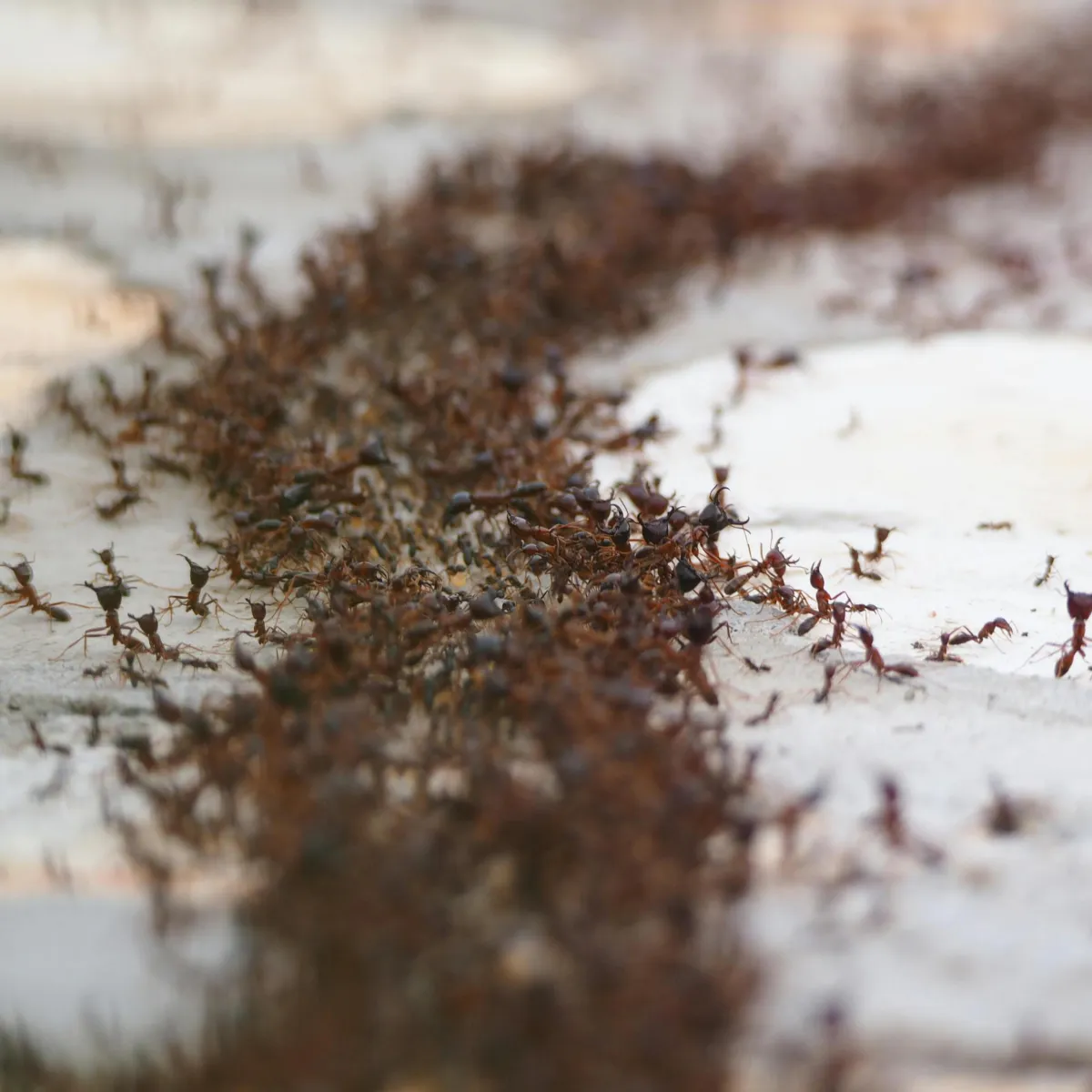
You may notice reddish-brown ants moving across the mound. If the mound is stepped on, hit by a mower, or disturbed with a garden tool, the ants may swarm fast.
Painful stings are another clear sign. A person or pet may react before the mound is even spotted.
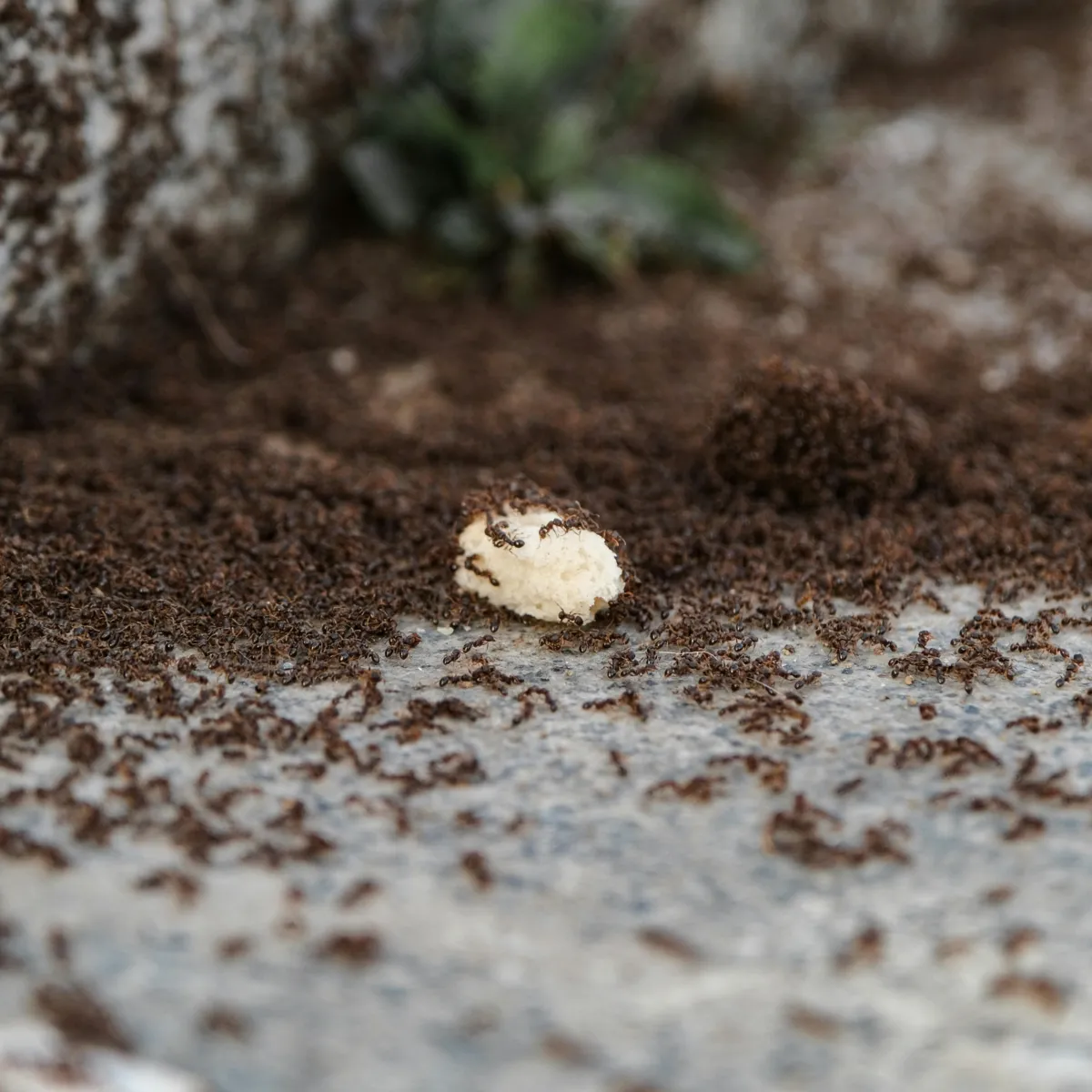
Multiple mounds across the yard usually mean the fire ant infestation is larger than one visible colony. Even a low mound can still hold active ants below the surface.
Tiny reddish ants defend mounds fast
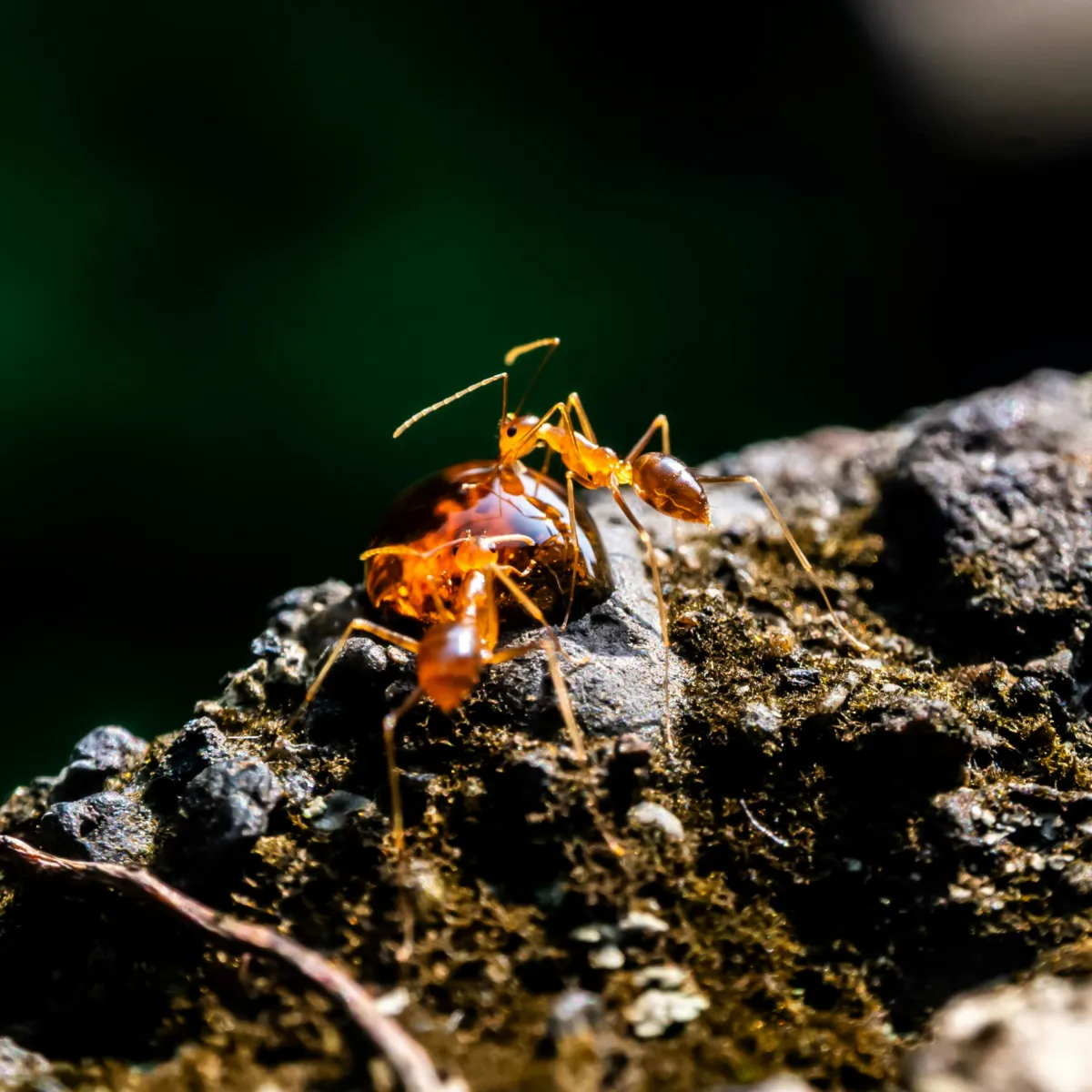
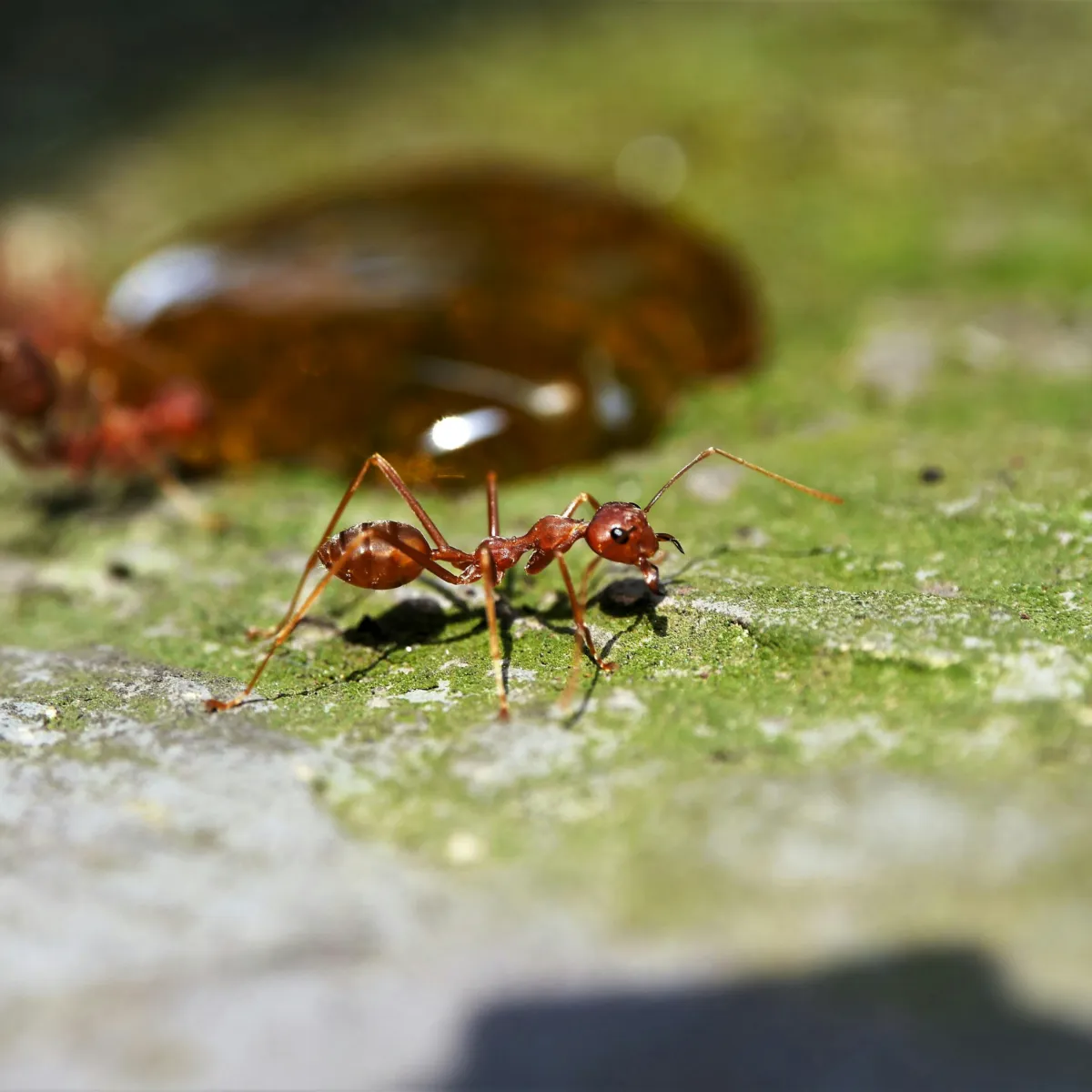
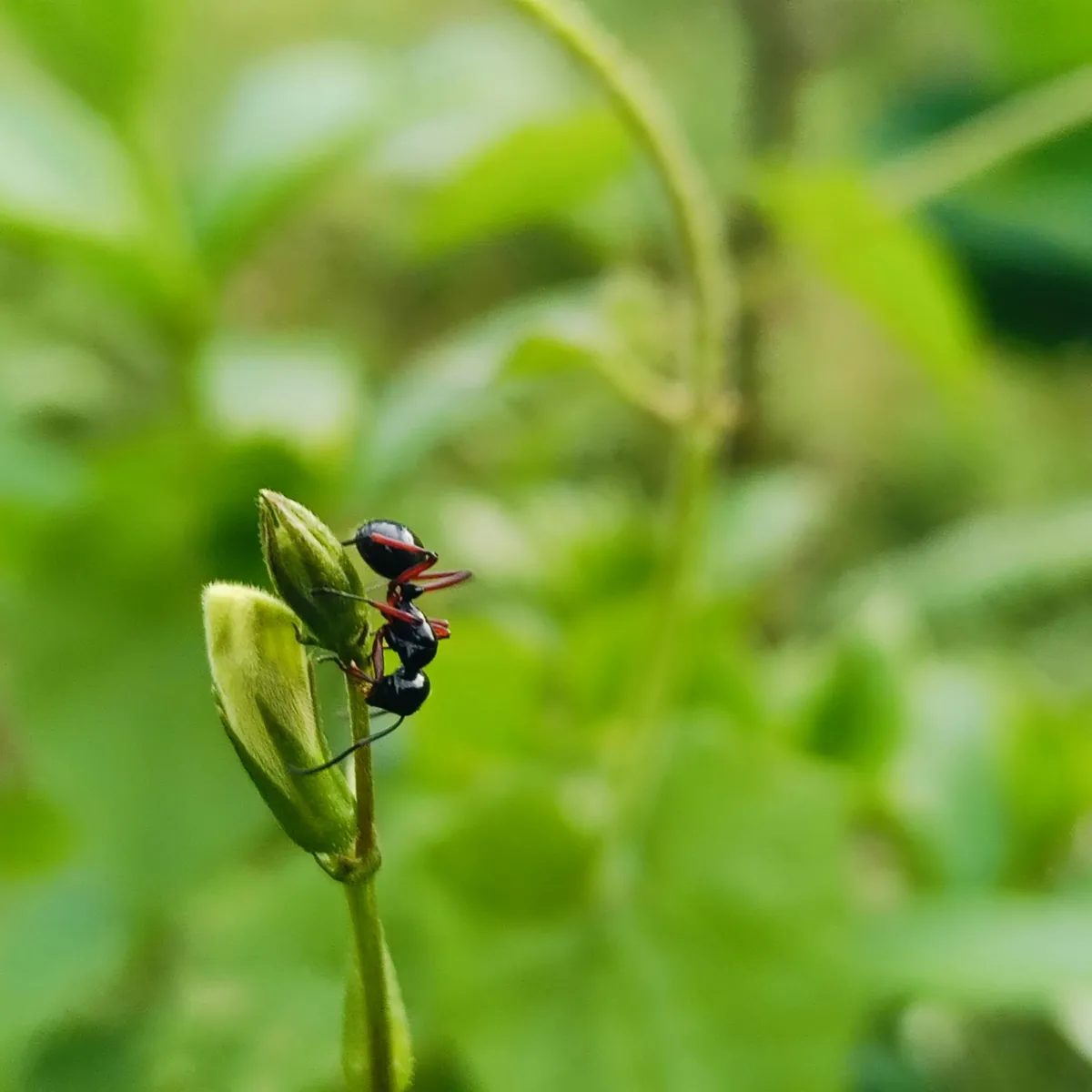
Fire ants are usually reddish or reddish-brown. They are small, but worker ants can vary in size, often around 1.6 to 5 mm long.
They are often easier to recognize by behavior than by size. Fire ants defend their mounds aggressively. If the soil is disturbed, they may rush out, climb quickly, and sting.
Red imported fire ants are commonly found in sunny, open lawn areas. They build mounds in lawns, fields, soil, open turf, and areas where the colony can spread underground.
Because several ant species can look similar, an inspection helps confirm whether the problem is fire ants or another outdoor ant issue. The right ant control services depend on accurate identification.
The real problem usually sits underground
Fire ants are difficult to get rid of because the colony is mostly underground. The mound is only the part you can see.
Some colonies can be large. Some may have multiple queens. When that happens, a quick surface spray may not do enough to stop the colony.
DIY sprays may kill ants crawling on the mound, but they often miss the ants deeper in the tunnels. If the queen survives, activity can continue, rebuild, or shift to a nearby spot.
Rain, watering, heat, and foraging behavior can also affect treatment. Fire ants may feed at certain times, move after weather changes, or rebuild when soil conditions are right.
That is why targeted professional fire ant treatment usually works better than treating the surface and hoping the colony disappears.
We look before we treat anything
Fairway Lawns starts with a lawn inspection. We look at active mounds, mound locations, foraging activity, and the areas where fire ants are affecting how the yard is used.
Next, we identify the ant activity and infestation severity. A few mounds near a driveway edge may need a different plan than several mounds spread across a backyard, side yard, and play area.
Then we treat active mounds and affected lawn areas using a method matched to the situation. The goal is to target colony activity below the mound, not just scatter ants on the surface.
After service, we provide guidance to help protect against continued activity. If mound pressure is heavy or likely to return, follow-up or monitoring may be recommended.
Treatment choices change with yard conditions
Professional fire ant treatment options depend on the lawn layout, mound count, weather, and how active the ants are during service.
Broadcast treatment may be used when fire ant activity is spread across a wider lawn area. This can help address ants foraging beyond the mounds you notice first.
Mound treatment may be used for specific active colonies. In some cases, a two-step treatment approach may be recommended, combining broader fire ant yard treatment with direct mound attention.
Bait-based treatment may be used when fire ants are actively foraging. Mound drench treatment may be appropriate in certain active mound situations.
Professional fire ant lawn treatment is more complete than guessing with a fire ant killer because the technician can match the approach to the activity, the weather, and the level of infestation.
Mound poking can make things worse
DIY fire ant control can be risky and frustrating. A product may knock down surface activity, but the underground colony may remain active.
Baits depend on active foraging. If ants are not feeding, or if rain, dew, watering, or poor placement interferes, results may be limited.
Direct mound treatments can also increase sting risk. When you disturb an active mound, fire ants may swarm quickly, putting you right in the middle of the colony’s defense response.
Professionals match treatment to the infestation level. Fairway Lawns checks mound activity, lawn conditions, weather, and safety concerns before choosing the right fire ant control service.
Painful fire ant stings deserve caution
Fire ants can be dangerous because they may sting repeatedly when disturbed. A person or pet can step near a mound and receive several stings before getting away.
Fire ant stings may cause burning pain, red bumps, itching, or pustules. Some people may have stronger reactions. Severe reactions may require medical attention.
Children, pets, and anyone using the lawn are often the most exposed. Play spaces, fenced yards, patios, sidewalks, garden beds, and mowing paths can become problem spots when fire ants are nearby.
Fire ants are not just unpleasant. They can make parts of your Owens Cross Roads yard feel unsafe to use.
Families need simple reentry instructions afterward
Fire ant treatments should be applied according to label directions. Fairway Lawns technicians provide clear re-entry guidance after service.
Pets and family members may need to stay off treated areas until the application has dried or until the technician’s instructions are met.
After treatment, we explain where service was applied, what areas to avoid for a short period, and what you should expect next.
That guidance matters because fire ant treatment happens in the same yard where people walk, play, garden, grill, and relax.
Fairway handles lawns and pests together
Homeowners choose Fairway Lawns because fire ants affect both the lawn and the people using it. They change the look of the turf, the comfort of the yard, and the way families move around outside.
Our team provides professional inspection, customized treatment recommendations, and family and pet-conscious guidance. We look at visible mounds, affected lawn areas, seasonal pressure, and how the yard is actually used.
Fairway Lawns offers professional fire ant control, seasonal protection options, easy scheduling, and free quote availability.
For Owens Cross Roads homeowners dealing with fire ants, our goal is to make service clear, practical, and focused on helping the yard feel usable again.
Owens Cross Roads ant questions answered
If fire ants are making your Owens Cross Roads yard uncomfortable, Fairway Lawns can inspect the lawn, treat active mounds, and target the colony activity below the surface.
Request a quote today and let us help make your outdoor space easier to use again.