Get your lawn back on track with 50% OFF first application!* 50% OFF First Application!* Call Now

Tanner yards deserve safer summer steps

Professional Fire Ant Control Services in Tanner, AL

Fire ants can make a Tanner lawn feel like a place you have to inspect before you use it. A mound near the driveway, beside a fence, close to a shed, around a garden, or in a wide sunny patch of grass can turn an ordinary walk outside into a painful surprise.

Fairway Lawns provides professional fire ant control in Tanner, AL to treat active mounds, target colony activity, and help protect your lawn from fire ants through the season.

Help for mounds in open grass, garden edges, and property borders

Fire Ant Treatment for Tanner Lawns

Fire ants create painful stings, raised lawn mounds, and outdoor safety concerns. In Tanner, they may show up in large open yards, along field edges, beside gravel drives, near detached buildings, around garden rows, close to fence lines, or in the grass where pets and children usually play.

A mound does not have to be huge to cause trouble. If it sits near a gate, walkway, patio, mowing path, or work area, it can quickly change how the yard is used.

Fairway Lawns offers fire ant pest control for active mounds and colony control. Our technicians inspect the lawn, check mound locations, look at the amount of ant activity, and recommend a fire ant treatment plan based on what is happening across the property.

If you are searching for fire ant control near me, you can request a quote, schedule service, call Fairway Lawns, or check availability for your Tanner home. Service includes inspection, targeted treatment, family and pet-conscious guidance, and clear instructions after treatment.

The goal is not to scatter ants and hope for the best. The real issue is usually underground, where the colony keeps working long after the mound has been disturbed.


Fire ants make lawns feel unpredictable

Why Fire Ant Control Matters?

Fire ants are aggressive and territorial. When a mound is disturbed, they can swarm quickly and sting more than once.

That matters in yards where people mow, garden, park, feed pets, work around sheds, or walk through the grass without thinking. One hidden mound can change the whole mood of the day.

A visible mound may also point to a larger underground colony. The dirt pile above the lawn is usually only the part you can see.

Fire ants are more than a nuisance. They can affect children, pets, turf use, outdoor chores, mowing, gardening, and simple comfort outside.

Professional fire ant control matters because it focuses on colony activity, not just the loose soil sitting on the surface.

Fresh mounds often hide active tunnels

Signs of a Fire Ant Infestation

A fire ant infestation often starts with loose, sandy-looking soil in the yard. Around Tanner homes, mounds may appear near open grass, fence corners, gravel drives, sheds, garden beds, mailbox areas, roadside edges, or sunny soil beside the home.

Mounds may be easier to see after rainfall or watering. Moist soil can help fire ants repair tunnels, rebuild mound tops, and push fresh dirt upward.

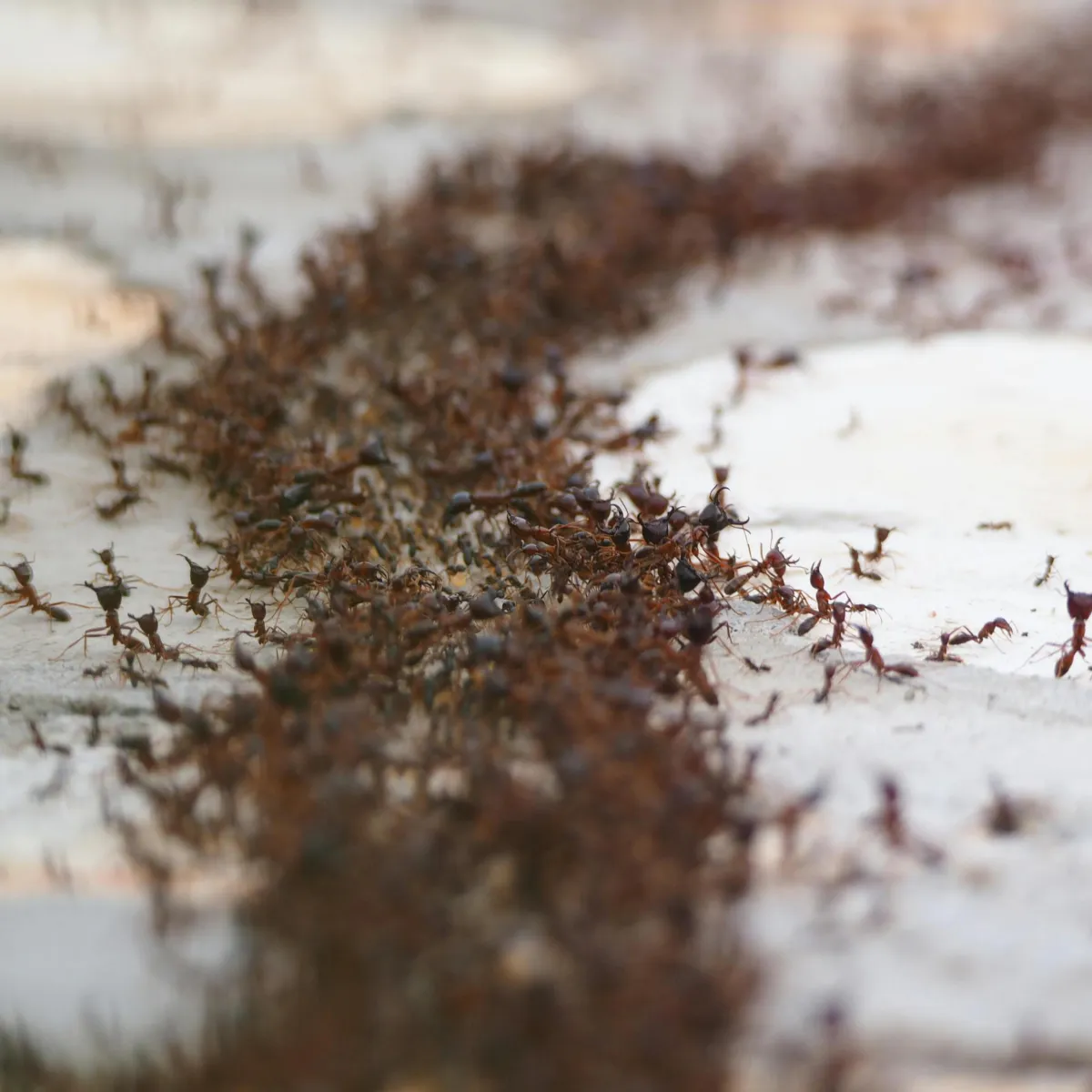
You may notice reddish-brown ants moving across the mound. If the mound is disturbed by a boot, mower, rake, shovel, wheelbarrow, pet, or vehicle tire, the ants may swarm quickly.

Painful stings are another clear sign. Sometimes the first clue is not the mound itself. It is someone feeling the sting after stepping in the wrong spot.

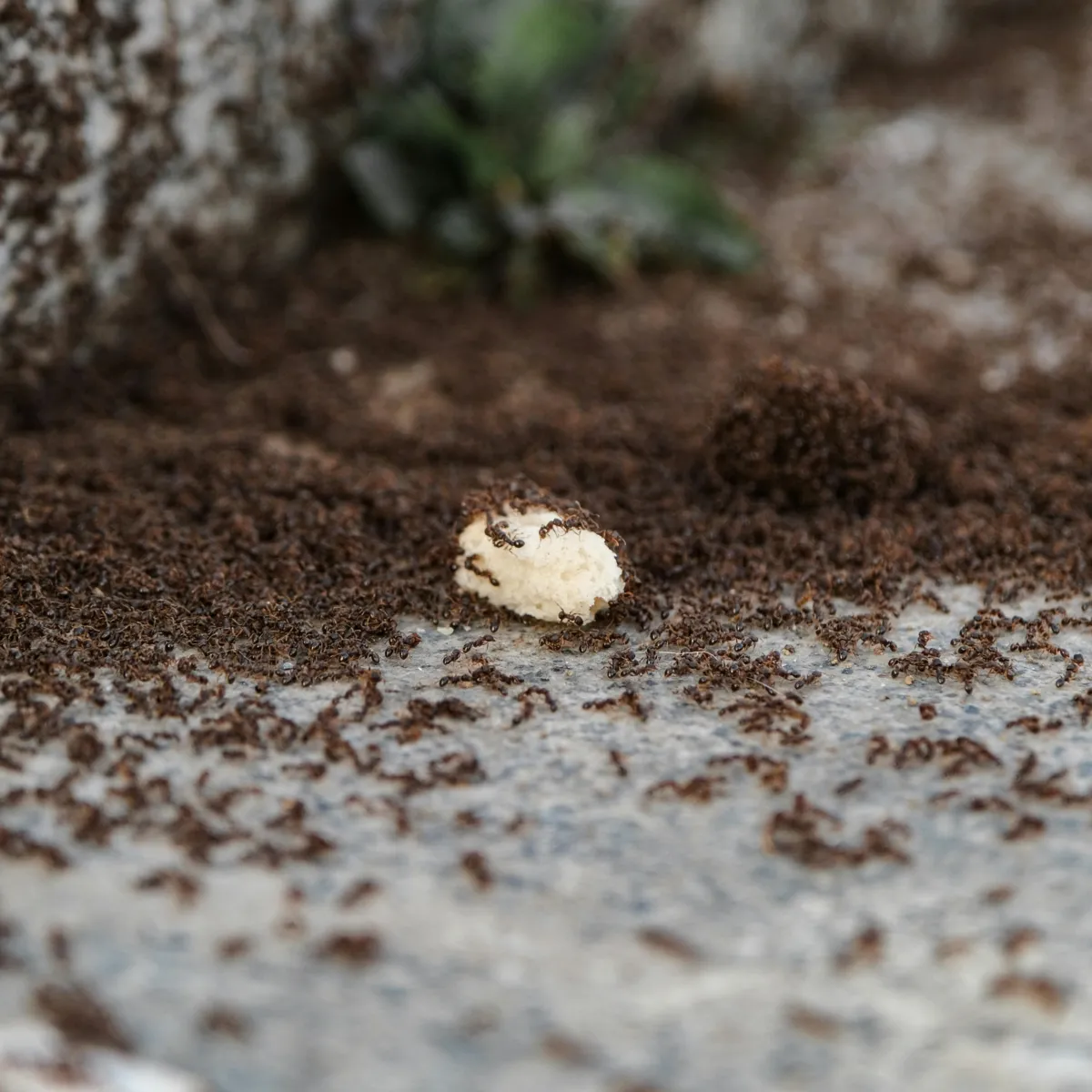
If several mounds appear across the lawn, the fire ant infestation may be more spread out than it first looked. A low mound can still be active, especially when the colony is busy below ground.

Small reddish ants defend soil aggressively

What Do Fire Ants Look Like?

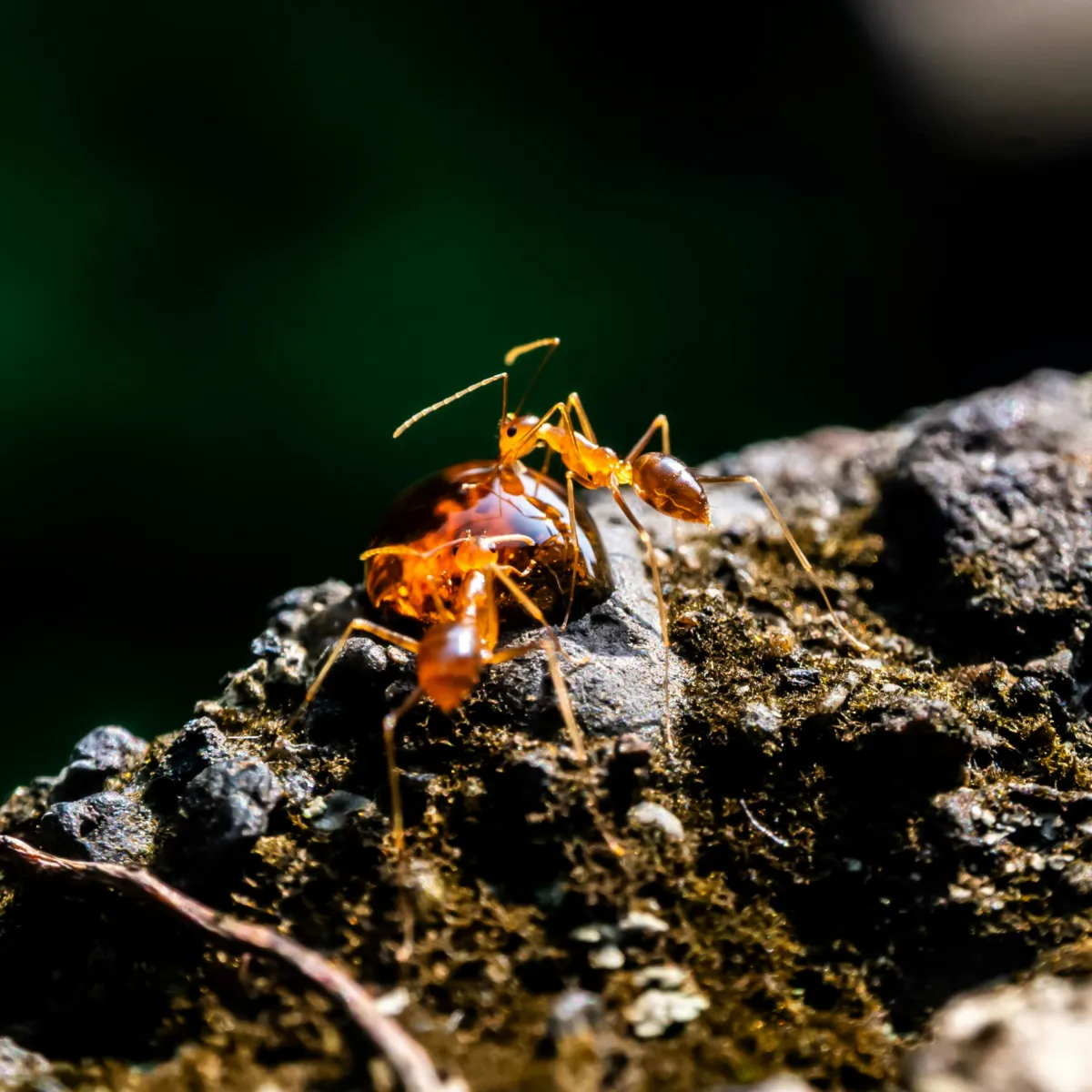
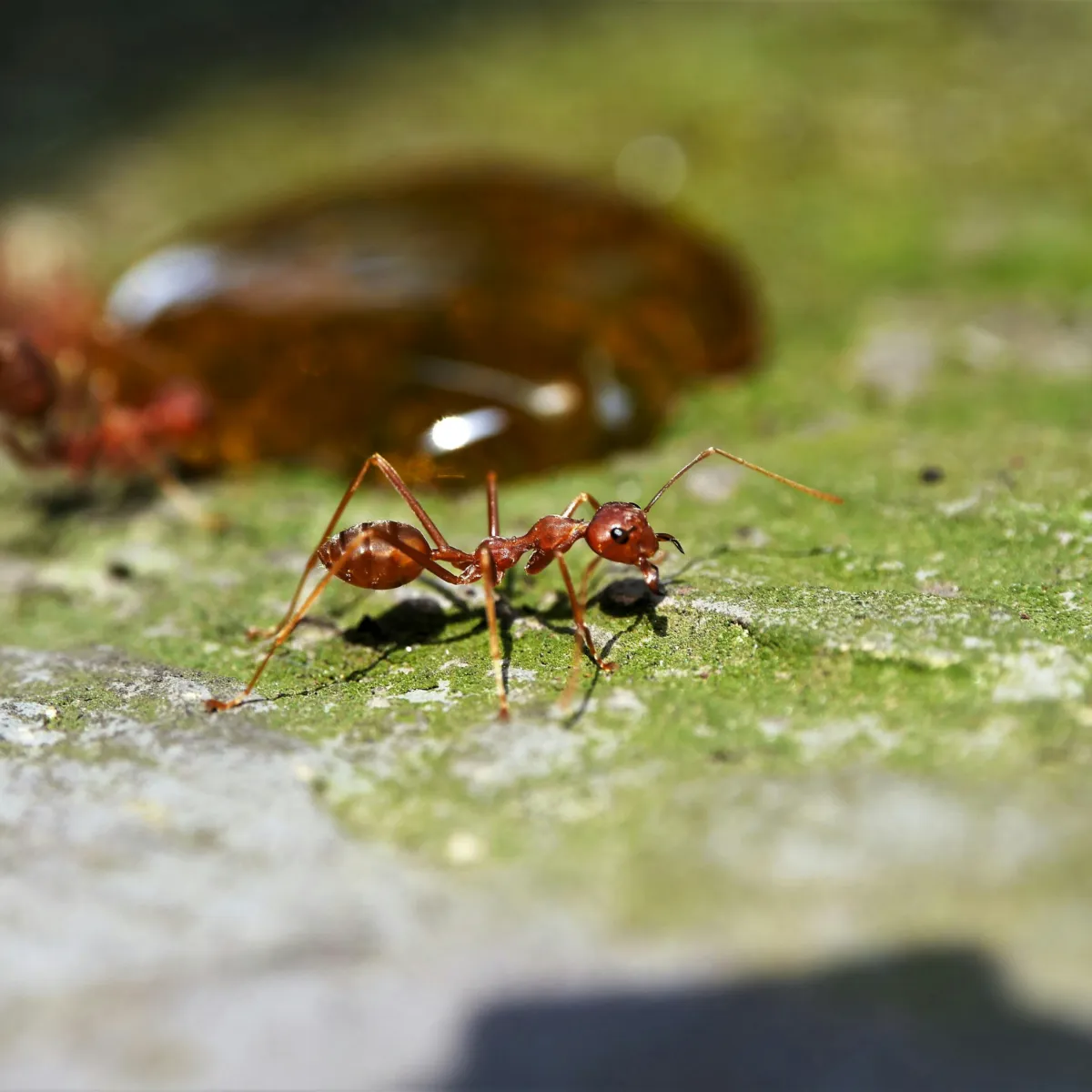
Fire ants are usually reddish or reddish-brown. They are small, but worker ants can vary in size, often around 1.6 to 5 mm long.

Their behavior is often the easiest clue. Fire ants defend the mound fast. When disturbed, they may rush out together and climb onto shoes, ankles, hands, tools, or pet paws.

Red imported fire ants are commonly found in sunny, open lawn areas. They build mounds in lawns, fields, bare soil, turf edges, and places where colonies can spread underground.

Because many outdoor ants look similar, inspection helps. A technician can confirm whether the issue is fire ants and recommend the right ant treatment for lawns.

Colonies survive where sprays cannot reach

Why Fire Ants Are Difficult to Get Rid Of?

Fire ants are difficult to get rid of because most of the colony is underground. The mound is just the visible warning.

Some colonies can be large. Some may have multiple queens. That can make fire ant removal harder than treating one mound and assuming the yard is clear.

DIY sprays may kill ants on the surface, but they often miss the deeper colony. If the queen survives, ants can rebuild, relocate, or show up again nearby.

Rain, watering, heat, and foraging behavior can all affect treatment. Fire ants may feed differently depending on weather, moisture, and soil conditions.

That is why a surface-only fire ant killer often falls short. Targeted professional fire ant control gives the lawn a better chance at real colony reduction.

Fairway checks activity across Tanner properties

How Our Fire Ant Control Service Works

Fairway Lawns starts by inspecting the lawn and mound activity. We look at visible mounds, nearby soil, driveway edges, garden areas, fence lines, sheds, and the spots where people or pets are most likely to run into ants.

Next, we identify ant activity and infestation severity. One mound near a mailbox is different from several mounds spread across a backyard, field edge, side yard, and garden area.

Then we treat active mounds and affected lawn areas using a method suited to the situation. The goal is to address colony activity below the surface, not just stir up ants above it.

After treatment, we provide guidance to help protect against continued activity. If mounds are heavy, recurring, or likely to return during warm weather, follow-up or monitoring may be recommended.

Treatment plans follow mound patterns closely

Professional Fire Ant Treatment Options

Professional fire ant treatment options depend on the yard, mound count, weather, and how actively the ants are foraging.

Broadcast treatment may be used when fire ant activity is spread across a wider lawn area. This can help address ants moving beyond one obvious mound.

Mound treatment may be used for specific active colonies. In some cases, a two-step treatment approach may combine broader fire ant yard treatment with direct mound attention.

Bait-based treatment may be used when ants are actively foraging. Mound drench treatment may be appropriate in certain active mound situations.

Professional fire ant lawn treatment is more complete than choosing a store product at random because the technician can match treatment to the ants, the weather, and the infestation level.

Home treatments can miss critical activity

DIY vs Professional Fire Ant Control

DIY fire ant control can seem simple until the mound reacts. A quick spray or granule treatment may quiet what you see on top, but that does not always mean the colony is gone.

Baits depend on active foraging. Rain, dew, watering, or poor timing can reduce results. If ants are not feeding, the bait may sit without doing enough.

Mound treatments can also increase sting risk. If the mound is disturbed, fire ants may swarm quickly and climb onto shoes, legs, gloves, tools, or pet paws.

Professionals match treatment to the infestation level. Fairway Lawns checks mound activity, lawn conditions, weather, and safety concerns before choosing the right fire ant control service.

Stings happen quickly near active mounds

Are Fire Ants Dangerous?

Fire ants can be dangerous because they may sting repeatedly when disturbed. A person or pet can step near a mound and receive several stings before getting away.

Fire ant stings may cause burning pain, red bumps, itching, or pustules. Some people may have stronger reactions. Severe reactions may require medical attention.

Children, pets, and people using the lawn are often the most exposed. Fence gates, garden rows, sheds, dog paths, sidewalks, field edges, and mowing routes can all become problem spots when fire ants are active nearby.

Fire ants are not just an outdoor annoyance. They can make a Tanner lawn feel unsafe to use.

Can Fire Ants Damage Your Lawn?

Fire ant mounds can disrupt turf and make the lawn harder to use. Raised soil can create uneven spots, interfere with mowing, and leave the yard looking rough.

Tunneling can affect the way the lawn feels underfoot. On larger properties, several mounds can make mowing, trimming, walking, and outdoor work more frustrating.

Fire ants can also interrupt normal routines. You may avoid mowing near mounds, keep pets away from certain grass, or warn children not to play in one section of the yard.

Fire ant lawn treatment helps address the colony activity creating the mounds, not just the loose soil sitting on top.

When Are Fire Ants Most Active?

Fire ants prefer warm, sunny conditions. Around Tanner, activity often increases during warmer months when soil temperatures support foraging and mound building.

Mounds may become more visible after rain or watering. Moist soil can make it easier for fire ants to repair, expand, or rebuild.

During very hot weather, foraging may shift to cooler parts of the day. Morning and evening activity may be easier to notice than activity during the hottest afternoon hours.

Because fire ant behavior changes with weather, treatment timing matters. Professional fire ant pest control helps match the treatment approach to current colony activity.

Clear instructions protect families after treatment

Is Fire Ant Treatment Safe for Families and Pets?

Fire ant treatments should be applied according to label directions. Fairway Lawns technicians provide clear re-entry guidance after service.

Pets and family members may need to stay off treated areas until the application has dried or until the technician’s instructions are met.

After treatment, we explain where service was applied, what areas to avoid for a short time, and what you should expect next.

That guidance matters because fire ant treatment happens in the same lawn where people walk, mow, garden, work outside, play, and let pets roam.

Fairway understands Tanner lawn pest pressure

Why Homeowners Choose Fairway Lawns for Fire Ant Control?

Homeowners choose Fairway Lawns because fire ants affect more than the appearance of the grass. They affect whether a lawn feels safe, easy to mow, and comfortable for everyday use.

Our team provides professional inspection, customized treatment recommendations, and family and pet-conscious guidance. We look at visible mounds, affected lawn areas, seasonal pressure, and how your property is used day to day.

Fairway Lawns offers professional fire ant control, seasonal protection options, easy scheduling, free quote availability, and support if fire ant activity needs additional attention.

For Tanner homeowners dealing with fire ants, our goal is to make treatment clear, practical, and focused on helping the yard feel comfortable again.

Tanner fire ant questions answered plainly

Fire Ant Control FAQs

Schedule Fire Ant Control in Tanner, AL

If fire ants are making your Tanner lawn stressful to use, Fairway Lawns can inspect the property, treat active mounds, and help target colony activity below the soil.
Request your quote today and take the next step toward a yard that feels safer and easier to enjoy.