Toney spider help for country homes
Toney properties often have the kind of spaces spiders like: garages, sheds, barns, crawl spaces, wood piles, fence lines, porches, and quiet storage corners that do not get checked every day. Add warm weather and plenty of insects, and spider activity can build before it becomes obvious.
Fairway Lawns provides spider control in Toney, AL with targeted treatments that help reduce active spiders, remove webs, address egg sacs, and cut down on the conditions that keep drawing spiders back.
Local service for garages, sheds, and outdoor edges
Spider pest control in Toney needs to account for more than the inside of the house. Many spider problems begin outside near storage buildings, crawl space doors, porch lights, barns, stacked firewood, tall grass, shaded foundations, and detached garages.
Fairway Lawns offers residential and commercial spider pest control with licensed technicians who inspect before treating. We look for spider species, webs, egg sacs, entry points, nesting areas, moisture, cluttered storage, exterior lights, and insect activity that may be serving as the food source.
The local climate helps spiders stay active. Warm North Alabama weather keeps insects moving for much of the year. Humid evenings, rainfall, thick vegetation, and outdoor lighting can all bring bugs close to the structure. Spiders follow those bugs. When fall temperatures drop, they may move into garages, attics, basements, crawl spaces, closets, and storage rooms.
DIY sprays usually do not reach far enough. They may kill the spider you found near the door, but hidden egg sacs, webbing under eaves, spiders behind stored items, and insects around the exterior can remain. Professional spider control matters because it combines inspection, treatment, prevention, pest management, web removal, and seasonal maintenance in one control service.
Our plan starts with local details
Fairway Lawns uses a spider control process that starts with the layout of your property. We look at where spiders are active, how they may be getting in, and what may be keeping them close.
We inspect common spider areas such as eaves, porches, garages, crawl spaces, sheds, barns, attics, closets, foundation edges, shrubs, storage areas, and exterior corners.
Our technicians look for spider species, webs, egg sacs, entry points, nesting areas, moisture concerns, and insect activity. Identifying the food source matters because spiders usually stay where insects are easy to catch.
Treatment may include targeted applications, exterior perimeter spraying, web removal, egg sac removal, crack and crevice treatments, residual applications, and interior spot treatments when needed.
We focus on the spaces spiders actually use, including sheltered corners, porch ceilings, crawl spaces, garage areas, sheds, barns, foundation lines, storage spaces, exterior gaps, and cracks.
Prevention helps reduce future activity. We may recommend sealing entry points, replacing damaged screens, trimming vegetation, moving wood piles, reducing clutter, improving airflow, managing moisture, and reducing insect activity near exterior lights.
Homes with recurring spider activity may benefit from seasonal maintenance plans, especially when sheds, crawl spaces, larger yards, barns, or outdoor storage are involved.
Spider pressure changes throughout the year, so monitoring helps. Recurring inspections, seasonal service plans, follow-up visits, warranty programs, and re-treatment when necessary can support longer-term control.
This is especially useful for Toney properties with detached garages, crawl spaces, barns, wooded edges, sheds, workshops, or recurring webs around outdoor areas.
Spiders Toney homeowners often notice first
Wolf spiders are usually larger, fast-moving spiders with brown, gray, or mottled markings. They hunt insects on the ground instead of building large catching webs, which is why they often surprise people in garages, sheds, crawl spaces, patios, and unfinished areas.
Most wolf spiders are nuisance pests, but they can bite if trapped or handled. Around Toney homes, they may hide near foundation edges, leaf litter, firewood, fence lines, outdoor equipment, and storage corners where insects are active.
They are most noticeable during warm months, after rain, or when mowing and yard cleanup disturb the areas where they were hiding.
House spiders are smaller web-building spiders that often settle in ceiling corners, window frames, closets, attics, laundry rooms, basements, and storage rooms. They are usually not dangerous, but their webs can make a home feel like it constantly needs cleaning.
They like quiet spots. A closet that is rarely opened, a garage shelf, an attic corner, or a spare room can give them enough shelter to stay active.
If webs keep returning in the same places, there may be insects nearby or more spiders hiding close to that area.
Brown recluse spiders are a higher-concern spider species in Alabama. They are usually light to medium brown and are often associated with a darker violin-shaped marking, though many spiders are misidentified without a careful inspection.
They prefer undisturbed spaces. Closets, attics, crawl spaces, garages, stored boxes, shoes, bedding, sheds, barns, and wall voids can all become hiding areas.
Brown recluse spiders are not aggressive, but bites can happen when one is pressed against skin. Because bites can be medically significant, suspected brown recluse activity should be inspected by a professional spider exterminator.
Black widow spiders are glossy black, and females may have a red hourglass marking on the underside. They are medically important and should not be handled.
In Toney, black widows may hide around wood piles, sheds, barns, crawl spaces, garages, meter boxes, outdoor storage, patio furniture, and protected exterior corners. They tend to choose quiet areas where insects are close by.
If you find a widow-like spider around firewood, a shed, a garage, or a work area, keep children and pets away from that spot and schedule an inspection.
Brown widows can appear in parts of the Southeast. They are usually tan or brown with banded legs, and their egg sacs may look rough or spiky.
They may nest around eaves, fences, outdoor furniture, sheds, porch corners, play equipment, and stored items. Brown widows are often less aggressive than black widows, but they still need caution.
Because their egg sacs can be tucked near outdoor spaces people use often, web removal, egg sac removal, and targeted treatment are important.
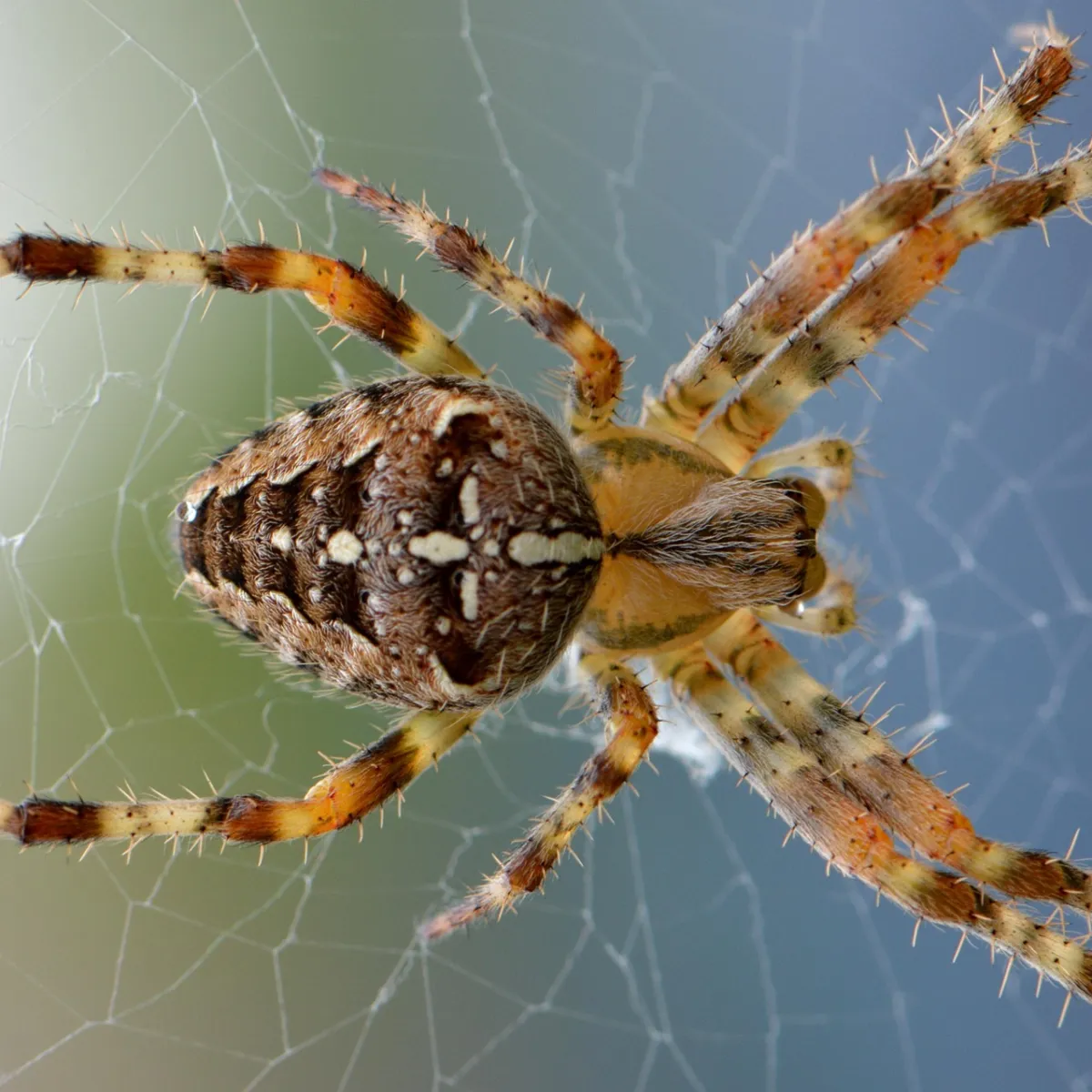
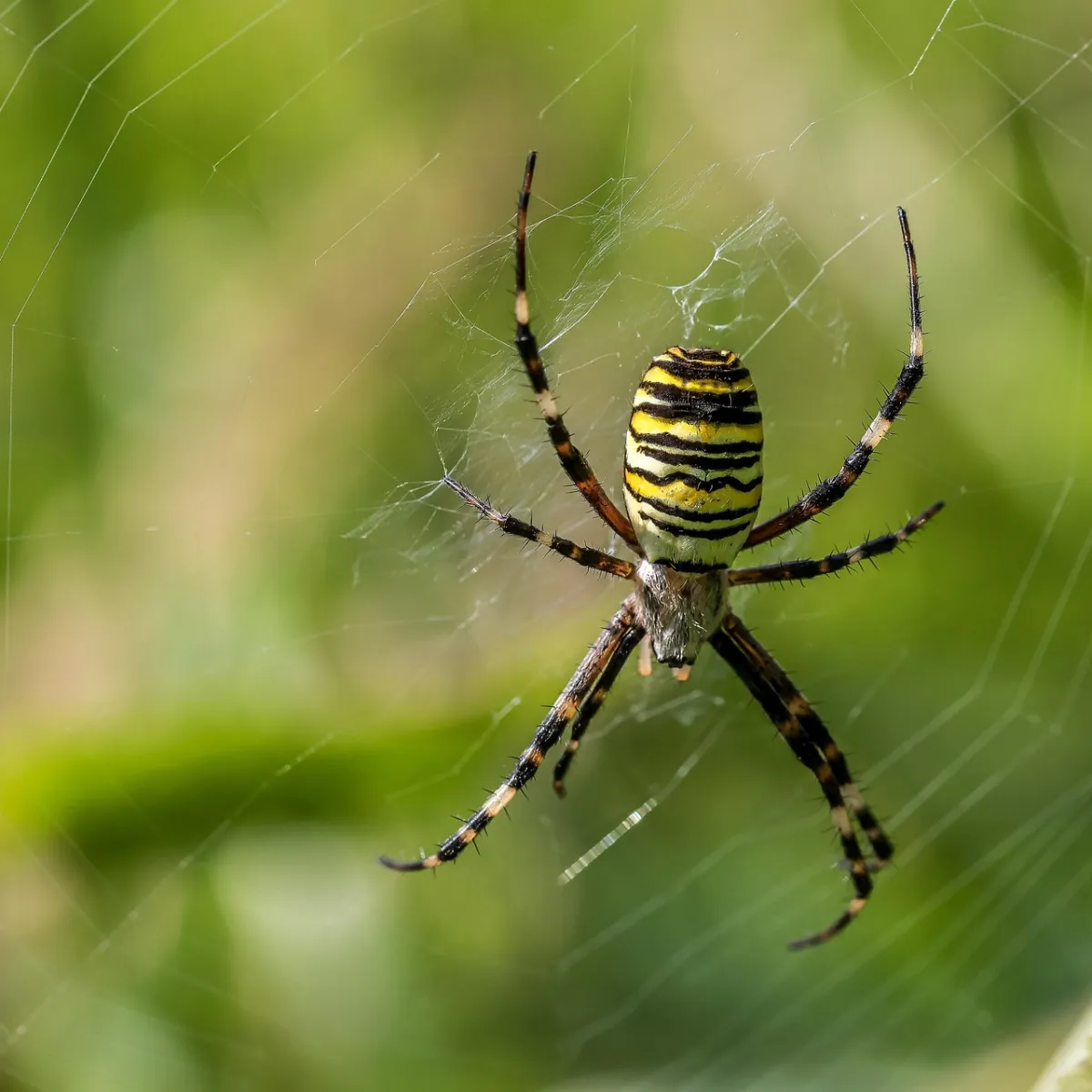
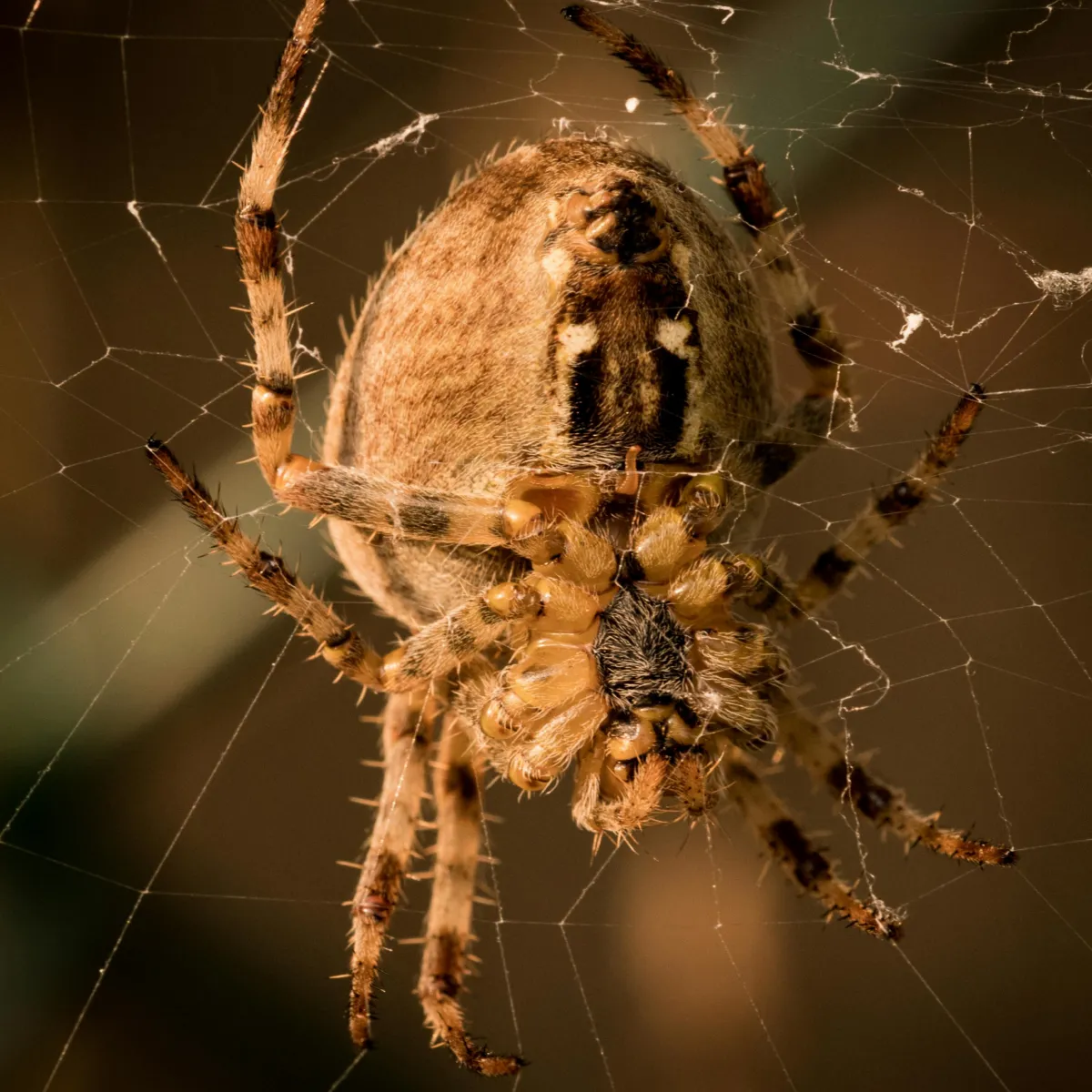
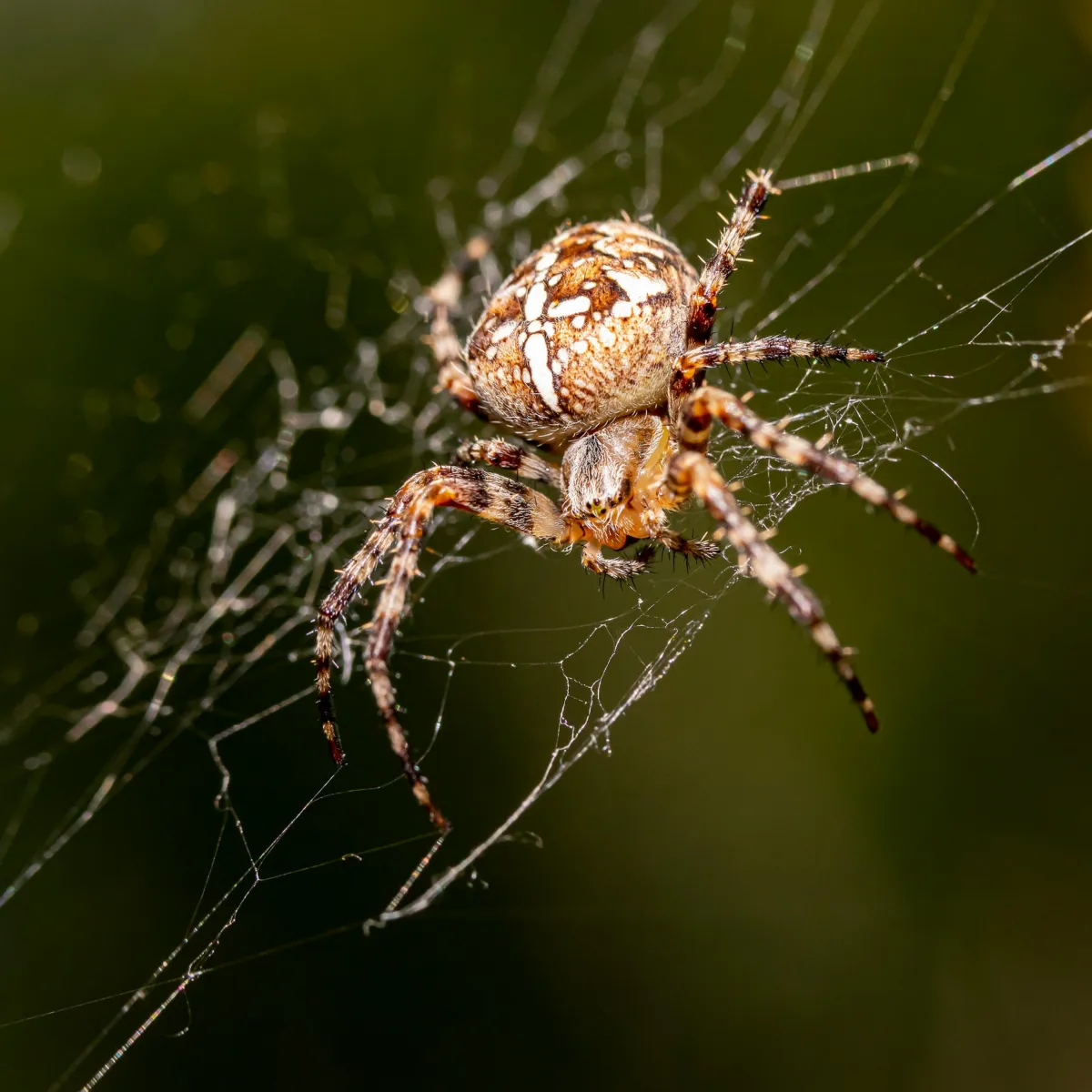
Orb weavers and garden spiders build large, round webs between shrubs, porch posts, fences, deck rails, garden plants, and low branches. Most are not dangerous and may help catch flying insects.
That does not make the webs any less annoying when they appear across a walkway, porch step, gate, or patio chair. These spiders are most active during warm months and early fall, especially near outdoor lights, gardens, and areas with flying insects.
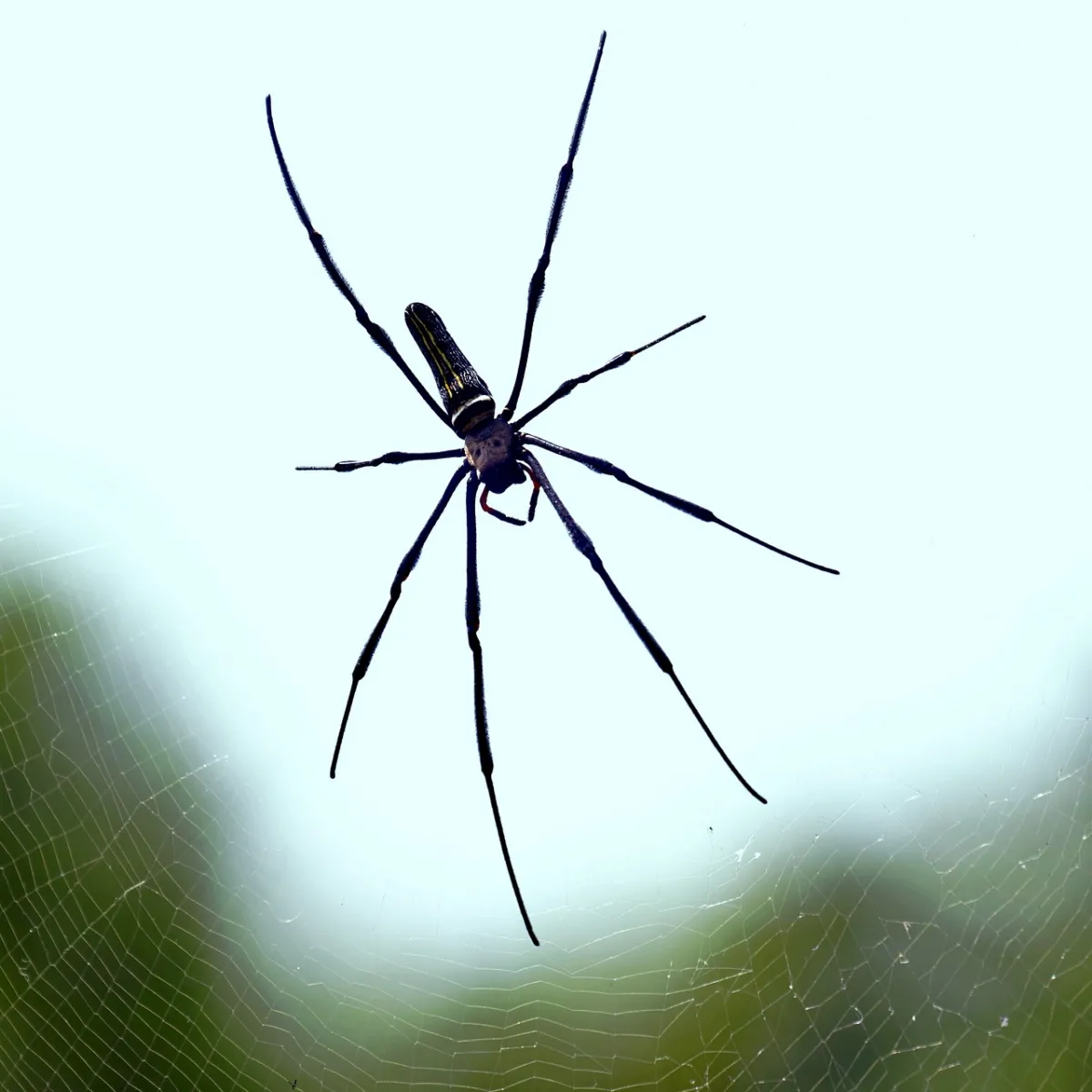
Huntsman spiders are larger, flat-bodied spiders with long legs. They can look startling when they appear on a shed wall, garage door, porch ceiling, or covered outdoor area.
They are usually more of a nuisance than a threat, but their size gets attention. They may hide behind shutters, under loose bark, inside sheds, in garages, around outdoor storage, and near quiet covered spaces.
They are more noticeable in warm weather when insect activity is high.
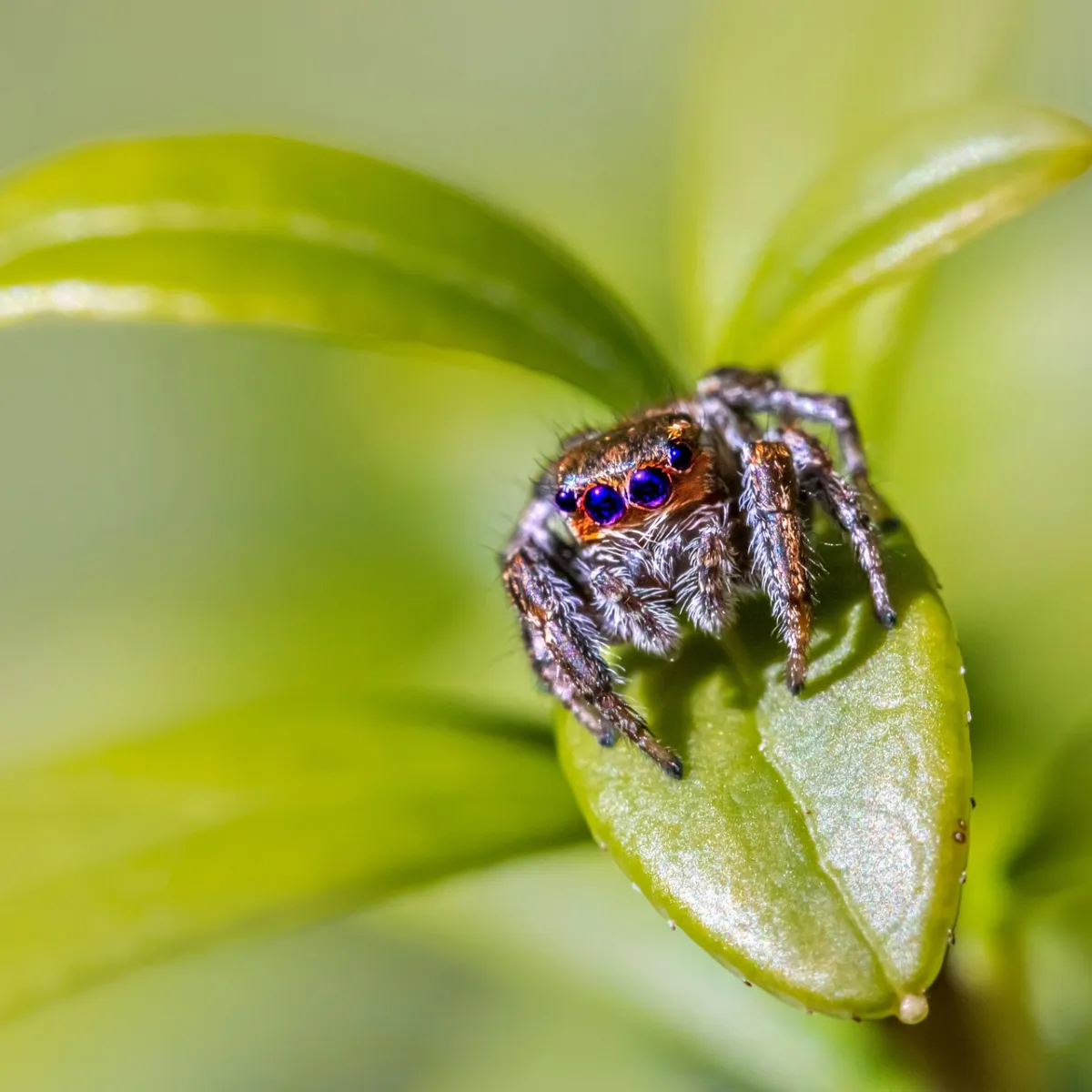
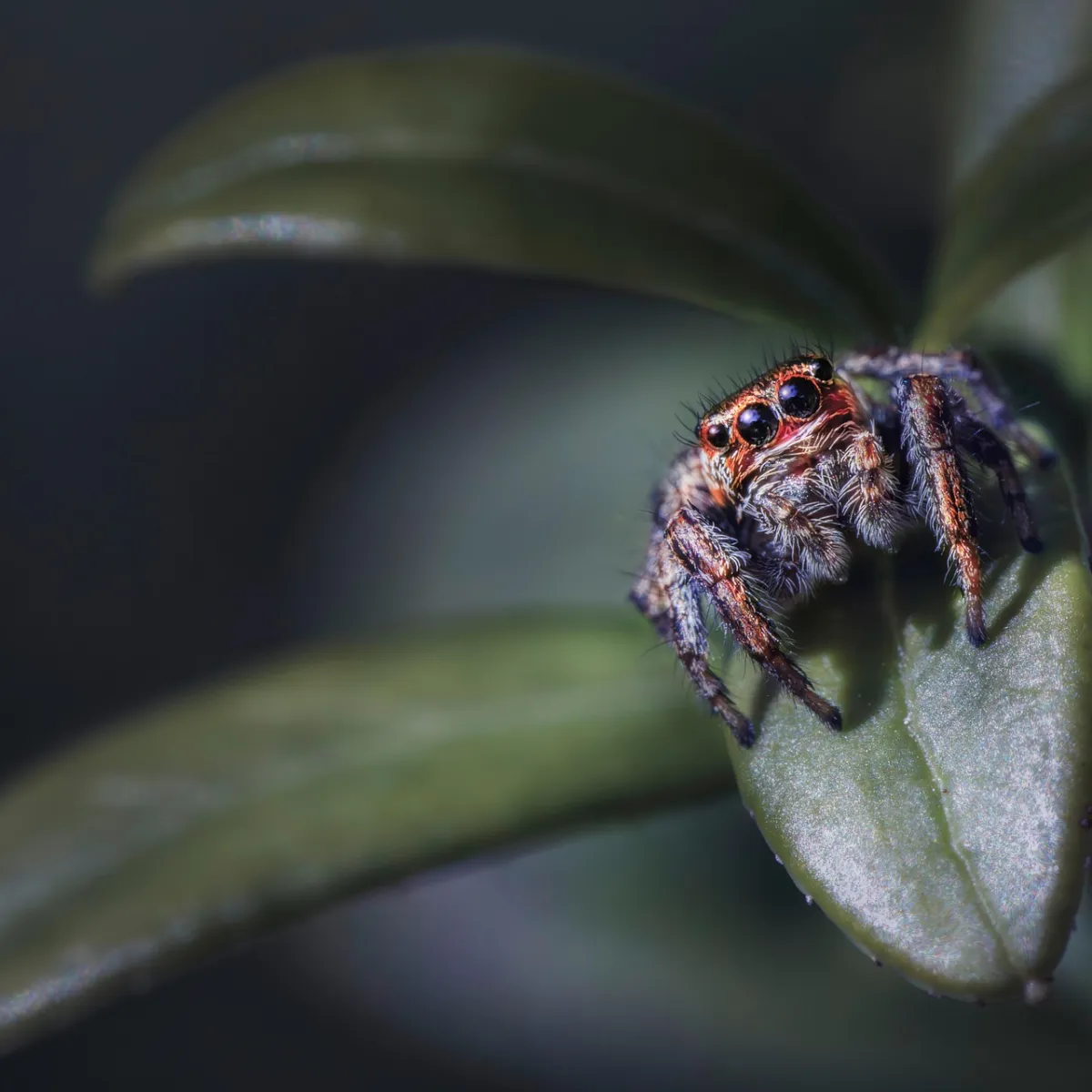
Cellar spiders have long, thin legs and often hang in basements, crawl spaces, garages, and ceiling corners. Jumping spiders are compact and quick, often showing up near windows. Sac spiders may hide in folds, wall corners, stored items, and quiet rooms.
Most are nuisance spiders, but repeated sightings can point to access, shelter, and insects nearby. If they keep showing up, the surrounding conditions should be checked.
Small signs around quiet corners matter
A spider infestation around a Toney property may start in places you rarely check. A few webs in the barn, a spider in the garage, egg sacs under outdoor furniture, or recurring activity around a crawl space door can all be early clues.
Common signs include spider webs around windows, eaves, porch ceilings, garage doors, crawl space openings, sheds, barns, fence lines, deck rails, and outdoor furniture. Indoors, spiders may appear in closets, attics, basements, laundry rooms, storage rooms, garages, and crawl spaces.
Egg sacs should not be ignored. They may be tucked into webs, hidden under patio furniture, placed behind boxes, attached near fixtures, or sitting in protected corners. If egg sacs are missed, new spider activity can show up later.
Dead insects, spider droppings, shed exoskeletons, and spider activity that returns after DIY sprays can also point to a larger pest control issue. Spiders stay where food is available, so the bugs around the property matter too.
Bugs shelter and weather invite spiders
Spiders usually enter homes because they find food, moisture, warmth, shelter, or a quiet place to lay egg sacs.
Around Toney homes, insects often gather near porch lights, garage lights, barns, sheds, shrubs, mulch beds, trash areas, crawl spaces, and damp foundation edges. Spiders follow those insects.
Humidity can keep insects active during long stretches of the year. Rain may push spiders into covered spaces like garages, porches, sheds, and crawl space openings. Cooler fall nights can send spiders toward attics, closets, basements, garages, crawl spaces, and storage rooms.
Outdoor storage and vegetation can make the problem worse. Firewood, tall grass, leaf litter, heavy mulch, stacked materials, and shrubs touching the home can give spiders cover close to entry points.
Spiders may enter through damaged screens, loose door seals, foundation cracks, attic vents, crawl space openings, garage gaps, utility penetrations, and small spaces around windows.
Spiders tuck into overlooked property spaces
Spiders are good at finding places that people rarely disturb. They look for cover, insects, and a little protection from weather.
Inside Toney homes, they may hide in basements, crawl spaces, garages, attics, closets, window corners, laundry rooms, storage rooms, under furniture, behind boxes, and along baseboards.
Outside, spiders may settle around sheds, barns, wood piles, decks, porch ceilings, roof eaves, fence lines, patio furniture, foundation cracks, crawl space doors, utility boxes, outdoor equipment, and thick vegetation.
Commercial properties may see spider activity around entry doors, exterior lights, storage areas, loading zones, landscaped beds, dumpster pads, mechanical rooms, barns, workshops, and quiet corners.
Finding these spots matters because each area may need a different approach. Spiders around a porch light, black widow concerns near firewood, and brown recluse activity in stored boxes are not the same kind of problem.
Spider seasons shift across Toney properties
Spring: Spring brings warmer weather and more insects. Spiders may start showing up around shrubs, porch lights, eaves, windows, garages, barns, sheds, fence lines, and outdoor storage. This is often when fresh web activity becomes noticeable again after winter.
Summer: Summer can bring steady spider activity in Toney. Heat, humidity, and insects give spiders a reason to stay close to houses, garages, sheds, barns, and shaded outdoor spaces. Webs may become more common around porches, patios, decks, exterior lights, fence lines, outdoor furniture, and equipment storage.
Fall: Fall often brings more indoor sightings. Cooler nights can push spiders toward garages, basements, crawl spaces, attics, closets, and storage rooms. Some spider species also move more during mating season, which can make sightings feel sudden even when spiders were already close by.
Winter: Winter slows outdoor activity, but spiders that found shelter earlier may remain active indoors. Basements, crawl spaces, garages, attics, wall voids, barns, and storage rooms can still hold spider activity. If spiders appear during winter, they may have moved inside before temperatures dropped.
Quick sprays miss the hidden work
A store-bought spray can help with the spider you can see. It usually does not reach the reason spiders keep showing up.
Spiders hide in cracks, crawl spaces, attic corners, wall voids, garages, sheds, barns, storage boxes, outdoor furniture, wood piles, and protected exterior gaps. Egg sacs can be tucked away. Insects can keep attracting spiders back.
DIY products also do not usually handle the food source. If ants, flies, crickets, roaches, mosquitoes, or other pests are still active, spiders still have a reason to stay.
Professional spider pest control works better because it may include inspection, species identification, web removal, egg sac removal, residual treatments, crack and crevice work, preventative barriers, integrated pest management, and ongoing monitoring.
The goal is to make the property less inviting over time, not just remove the spider you happened to notice.
Simple upkeep makes spiders less comfortable
A few simple habits can make your Toney property less inviting to spiders.
Seal cracks and gaps around doors, windows, vents, crawl space openings, utility lines, foundation edges, and garage seals. Replace damaged screens and repair small openings where pests may get inside.
Reduce clutter in garages, closets, attics, sheds, barns, workshops, and storage rooms. Spiders like boxes, bags, tools, equipment, and seasonal items that sit untouched.
Move firewood away from the house, trim shrubs back from siding, clear leaf litter, and remove heavy debris near the foundation. Vacuum corners, baseboards, closets, and storage spaces regularly.
Remove webs when you see them around doors, windows, eaves, porch ceilings, patio furniture, sheds, barns, play equipment, and exterior lights.
Moisture control helps too. Fix leaks, clear gutters, improve airflow in damp areas, and reduce standing water around the property. Fewer insects usually means fewer spiders.
Careful service around homes and animals
Fairway Lawns understands that spider control happens around real homes, pets, children, livestock areas, gardens, garages, porches, and daily routines.
Our licensed technicians apply treatments according to product label directions and focus on areas where spider activity is found. We explain what is being treated, where treatment is going, and what you should know before and after service.
If you have children, pets, animals, garden areas, sensitive spaces, or specific concerns, let us know before the visit begins. We will walk through the plan clearly and keep the process straightforward.
The goal is to handle spider activity carefully while respecting your home, property, and routine.
Fairway brings steady local spider support
Fairway Lawns brings local pest management experience to Toney homes and businesses. Our team understands how North Alabama weather, insects, crawl spaces, sheds, barns, moisture, and seasonal changes affect spider activity.
We do not treat every property like it has the same problem. A home with porch webs may need a different plan than a property with barn activity, shed spiders, crawl space concerns, or possible brown recluse activity in stored items.
Fairway Lawns offers licensed technicians, residential and commercial service, practical prevention recommendations, targeted control services, seasonal maintenance options, responsive scheduling, and customer-focused support.
Whether you are dealing with house spiders inside, wolf spiders in the garage, webs around the porch, or concerns about black widow or brown recluse activity, Fairway Lawns can help you move forward with a clear plan.
Toney spider questions answered without panic
If spiders are showing up around your Toney home, garage, shed, barn, crawl space, porch, or business, Fairway Lawns can help you find what is keeping them active.
We will inspect the problem areas, treat the spaces spiders are using, and help reduce the conditions that bring them close.
Schedule your spider control service today and enjoy your property with fewer unwanted surprises.