Fire ant treatment for Fruit Cove lawns that need clear, usable space again
Fairway Lawns provides fire ant control in Fruit Cove, FL, treating active mounds and colonies to help reduce sting risks and improve lawn use.
Professional help for active mounds and the colony activity behind them
A fire ant problem rarely stays small once it gets started. One mound may seem manageable until fresh activity begins showing up in other parts of the lawn that matter more. That is usually when homeowners stop thinking of the problem as “just ants” and start realizing the yard itself is changing. Areas that used to feel simple to cross, mow, or use freely start becoming the parts of the lawn everyone remembers to avoid.
Our service is built for that kind of situation. We inspect the property, locate the areas where fire ant activity is strongest, and treat the lawn according to how the infestation is actually behaving. That means the goal is not just to respond to whatever mound is newest. The treatment is aimed at reducing the colony pressure that keeps bringing the issue back into the yard. If fire ants are making your Fruit Cove lawn less enjoyable than it should be, Fairway Lawns can help. Call today, request a quote, schedule service, or check availability.
Why fire ants become such a persistent yard problem
Fire ants matter because they can react quickly once their nest is disturbed, and they are capable of stinging more than once. That makes them different from pests homeowners can simply overlook. A person may disturb a mound while doing a normal chore and suddenly find the yard is not as harmless as it seemed a minute earlier.
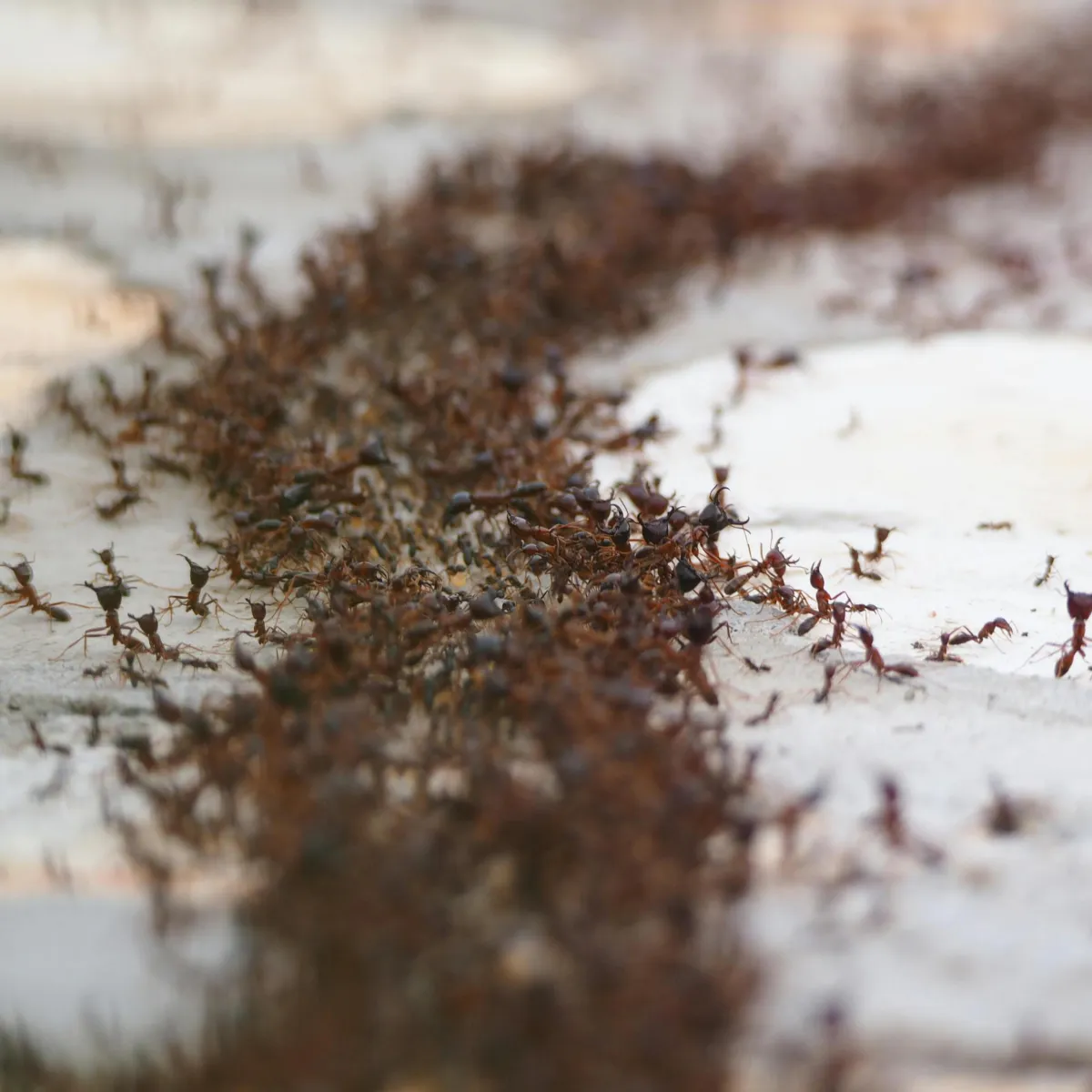
They also have a way of changing the entire property over time. A few active mounds can make the lawn feel less comfortable for children, pets, and regular outdoor use. Fire ant mounds often point to established colonies underneath the soil, and that underground activity keeps affecting how the yard functions. Fire ant control matters because it helps restore the lawn as a usable space instead of leaving the infestation to keep deciding where people can safely go.
What usually tells homeowners fire ants are no longer just a small problem
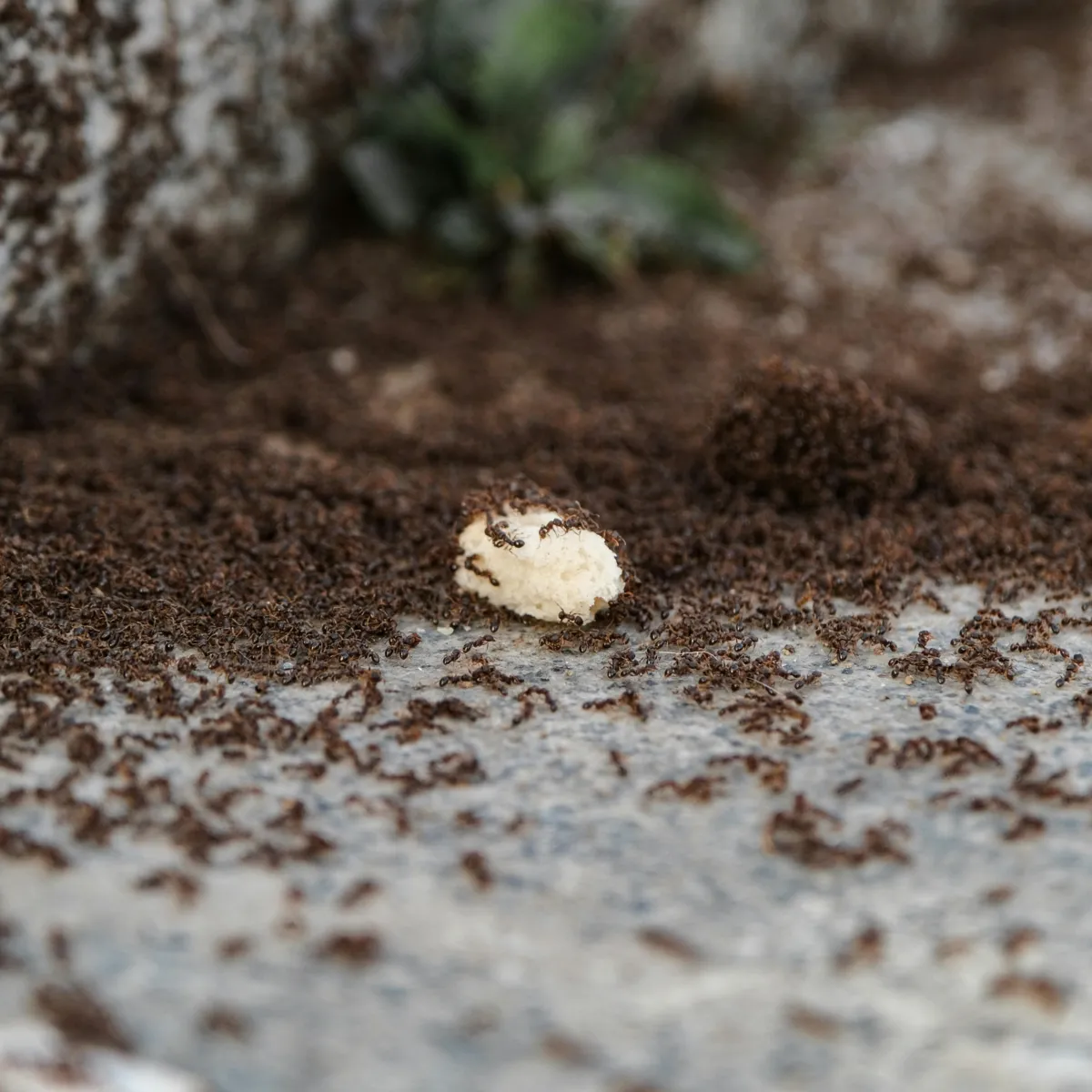
One of the most obvious signs is a mound of sandy, loose soil in an open section of the lawn. These mounds can stand out even more after rainfall, when freshly pushed soil looks newer than the surrounding turf. Sometimes a homeowner only notices one mound at first, but the issue often becomes clearer when additional mounds begin showing up in different parts of the property.
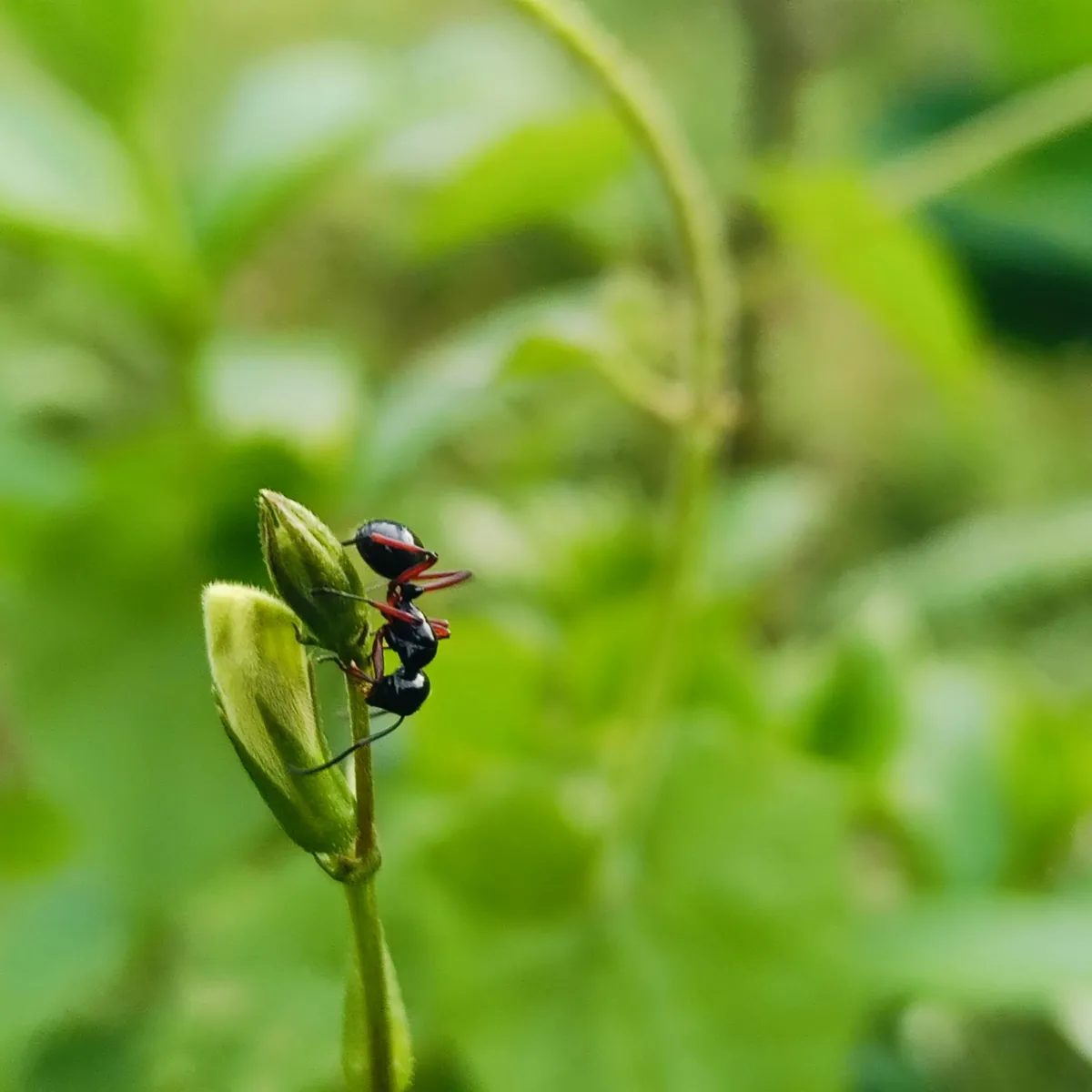
Other signs tend to build around that. Fire ants are usually reddish- brown and move quickly when the mound is disturbed. Repeated sting problems, pets reacting to certain sections of the grass, or fresh activity forming in places that seemed clear not long ago can all point to fire ants being well established in the yard. When those patterns keep repeating, the lawn is usually dealing with more underground activity than the surface alone suggests.
What fire ants usually look like around a home yard
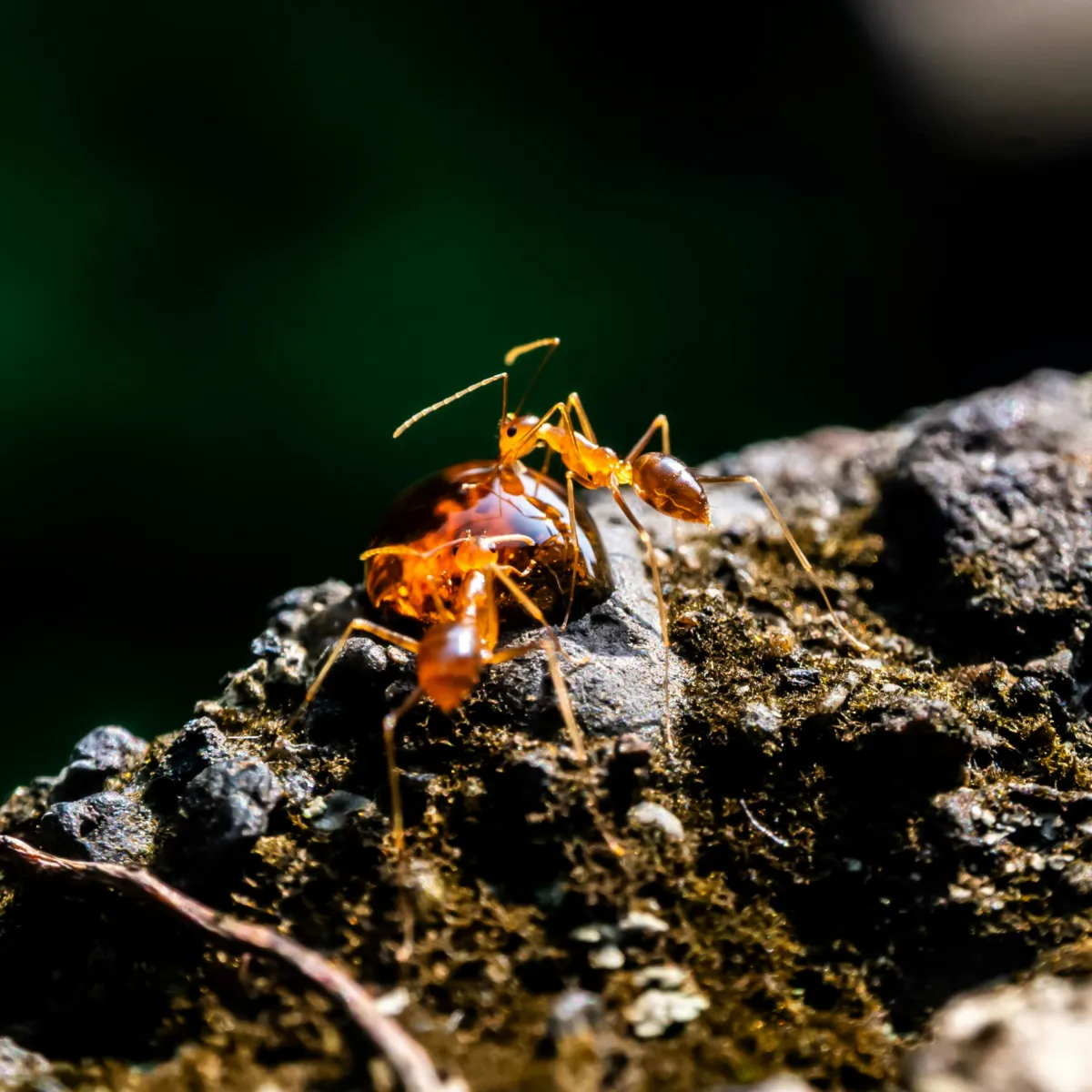
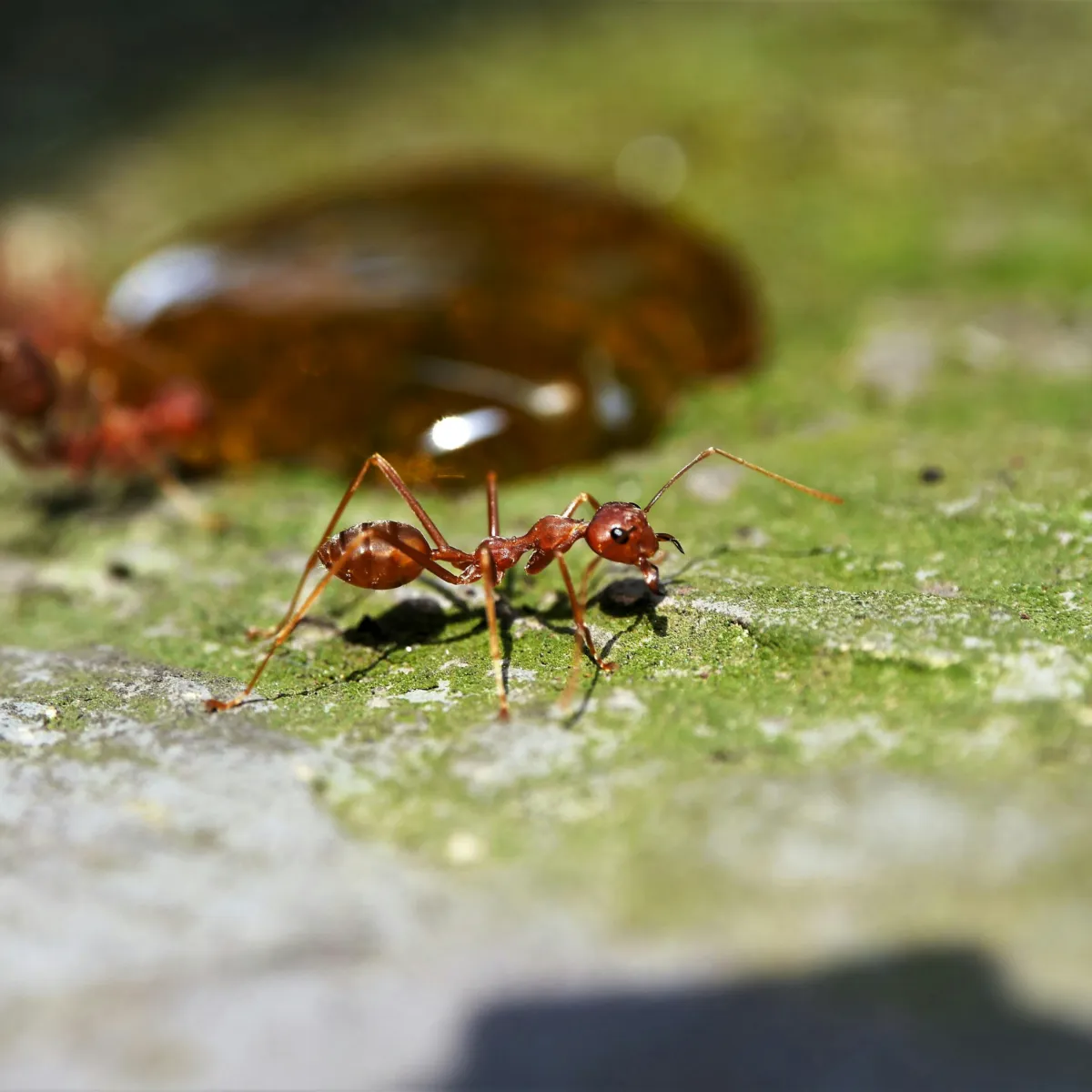
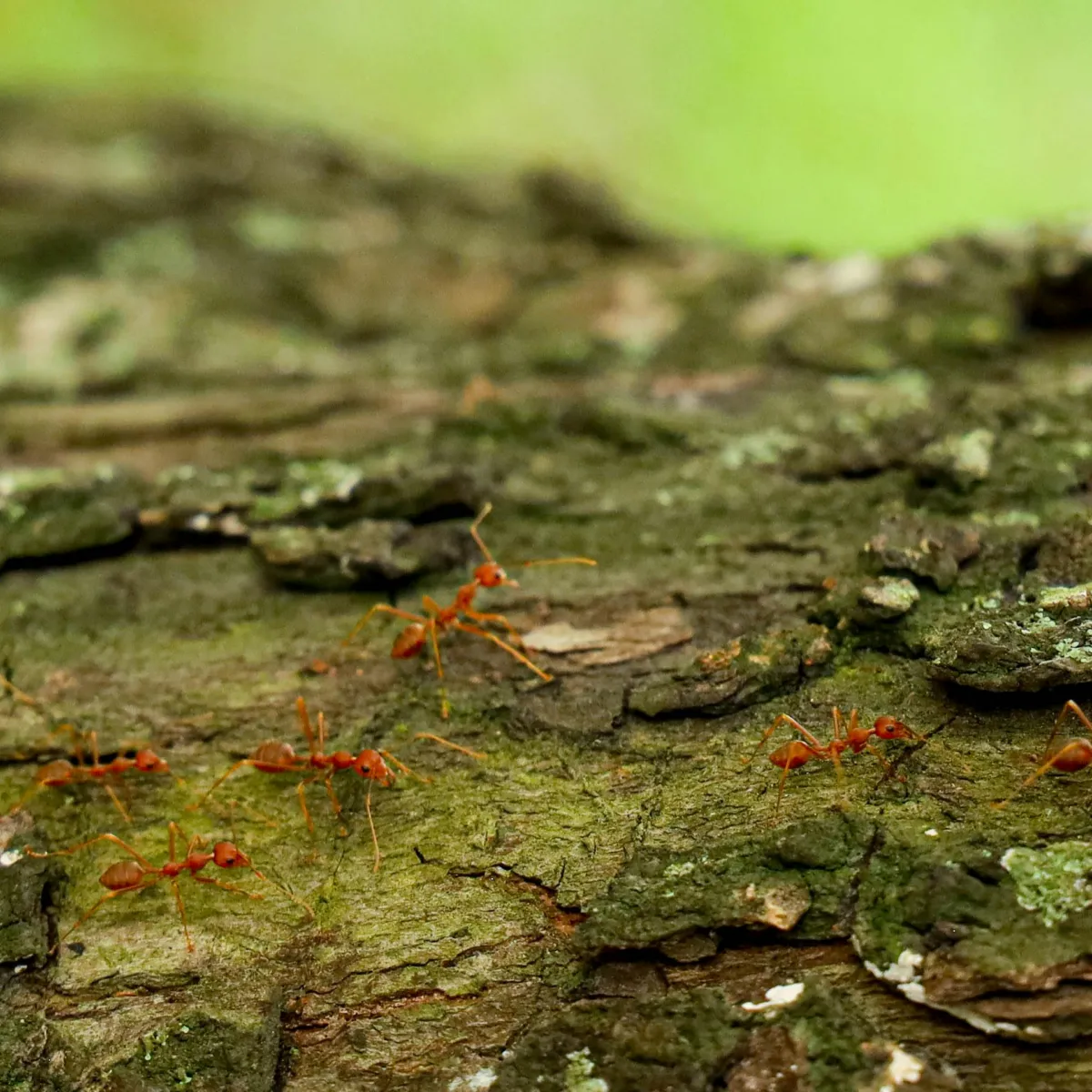
Fire ants are small ants that are generally reddish or reddish- brown in color. They often range from around 1.6 to 5 mm long, and workers within the same colony may vary somewhat in size. Most homeowners notice them by their color, their mound, and the way they rush out once the nest is disturbed rather than by any exact size detail.
They commonly build in open lawn areas, around driveways, near sidewalks, beside landscape beds, and in patches of exposed soil where the ground gets warm. Even a mound that looks modest can still be tied to a colony with enough activity underneath to keep causing repeated yard problems. That is one reason fire ants are easy to underestimate early on.
Why fire ants are difficult to fully remove from a lawn
Fire ants are difficult to get rid of because the mound visible above the grass is only the part that homeowners can see. The main colony stays underground, and some infestations may involve multiple queens. That makes the issue more persistent than it first appears. A mound may change after treatment while enough of the colony remains active to rebuild or create new activity elsewhere on the property.
DIY treatment also tends to have limits that are not obvious at first. Sprays may only affect visible ants, while baits depend on the ants feeding under the right conditions. Moisture, rain, heat, and timing can all affect how successful the treatment is. That is why the yard may seem improved briefly and then produce new mounds later because the deeper source of the infestation stayed active.
How our fire ant control service works
We begin by inspecting the lawn and the visible mound activity to understand where fire ants are active and how broad the infestation appears to be. That helps us determine whether the issue is limited to a few visible spots or whether wider colony pressure is affecting more of the property. The inspection gives the treatment a direction that fits the actual yard.
After the inspection, we treat active mounds and the lawn areas tied to that activity. The goal is to reduce current fire ant pressure and help keep fresh mound activity from continuing to spread through the property. Depending on what we find and how the yard responds, follow- up or monitoring may also be recommended. The service is built around the way the infestation is acting on that lawn instead of assuming every yard needs the same approach.
Treatment options that fit how the problem is behaving
Some lawns need broad treatment because fire ant activity is spread across more of the property than one or two visible mounds suggest. In those situations, broadcast treatment may be the better option because it addresses a wider pattern in the lawn. Other properties may be better suited to direct mound treatment when the issue is concentrated in a smaller number of active colonies.
In some cases, a two- step treatment plan may be the better route. That can include bait- based treatment to help target colony activity and mound drench treatment where direct application is needed. We explain the treatment options clearly so homeowners understand why the chosen plan fits the way the infestation is showing up. Professional service usually performs better because it is chosen around the real problem instead of relying on guesswork.
Why DIY and professional treatment usually lead to very different outcomes
DIY treatment can seem like it is working because it often changes the mound on the surface fairly quickly. That visible change can make it easy to believe the colony is going away. The problem is that the deeper infestation may still be active, which is why new mounds can show up later and leave homeowners feeling like nothing truly changed.
There is also the practical challenge of treating an active mound without increasing sting risk. Baits depend on feeding conditions, and direct applications can trigger swarming if the nest is disturbed. Heat, rain, and lawn moisture can all make results less predictable. Professional service usually works better because the treatment is chosen based on the actual infestation level and the conditions in the yard instead of trial and error.
Why fire ants can be dangerous around the home
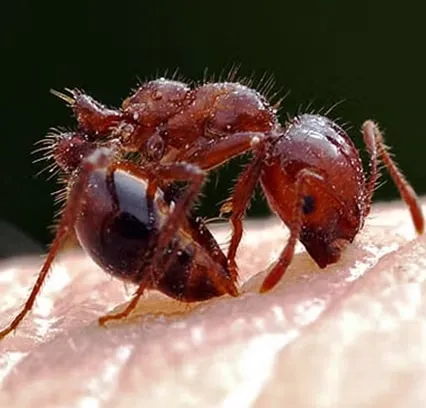
Fire ants can sting repeatedly, and those stings may cause burning pain, swelling, red bumps, or pustules. One of the biggest issues is how quickly that can happen. A person can disturb a mound during a normal task outside and be dealing with multiple stings before they understand what they stepped near.
Some people may also have stronger reactions that require medical attention. Children, pets, and anyone who spends time in the yard often may be the most exposed when active mounds are present in common- use parts of the property. Fire ants can be dangerous because they bring repeated sting risk into spaces that are supposed to feel ordinary and safe.
What to know about treatment around family and pets
Treatments should always be applied according to label directions, and homeowners should receive clear re- entry guidance after service. That matters because treatment should handle the infestation without leaving the household unsure about when the lawn can safely be used again. Clear instructions are part of useful, practical service.
Depending on the product used and the property conditions at the time of service, family members and pets may need to stay off treated areas until the application is dry or otherwise settled. Those directions should be direct and easy to follow so regular yard use can safely begin again.
Why homeowners choose Fairway Lawns for fire ant control
Homeowners choose Fairway Lawns because they want lawn and pest experience backed by a professional inspection and treatment recommendations that fit the property. We take time to identify where fire ants are active, explain the service plan clearly, and provide family- and pet- conscious guidance based on how the lawn is actually used.
We also offer convenient scheduling, a free quote, and seasonal protection options where appropriate. If satisfaction guarantees apply in your service area, we can explain those during the service conversation. For Fruit Cove homeowners who want the yard to feel open and usable again, Fairway Lawns is ready to help.
Common questions about fire ants in Fruit Cove lawns
Your yard should feel like part of home, not a place shaped by fire ant mounds. Contact Fairway Lawns today for a quote and professional fire ant treatment in Fruit Cove, FL.