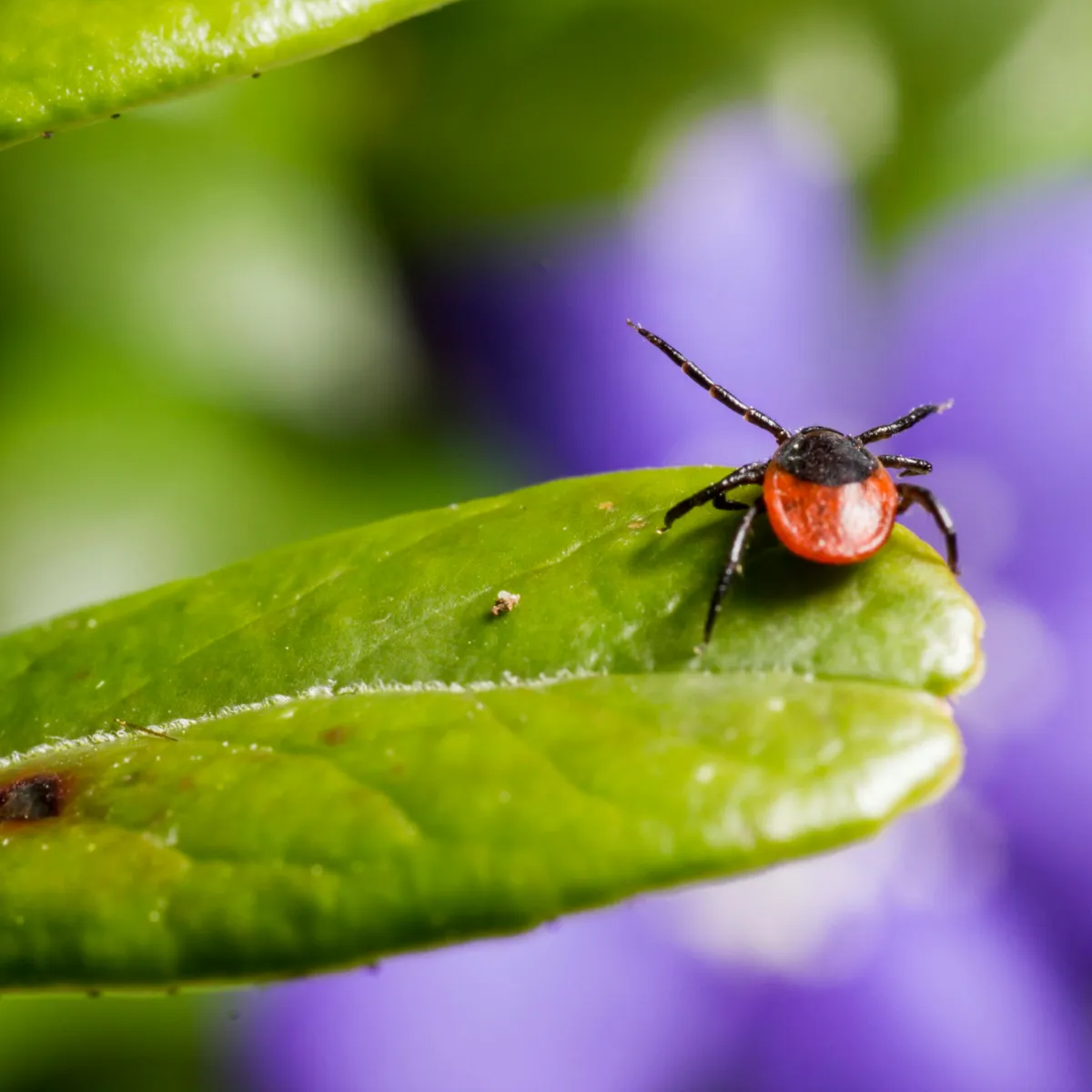
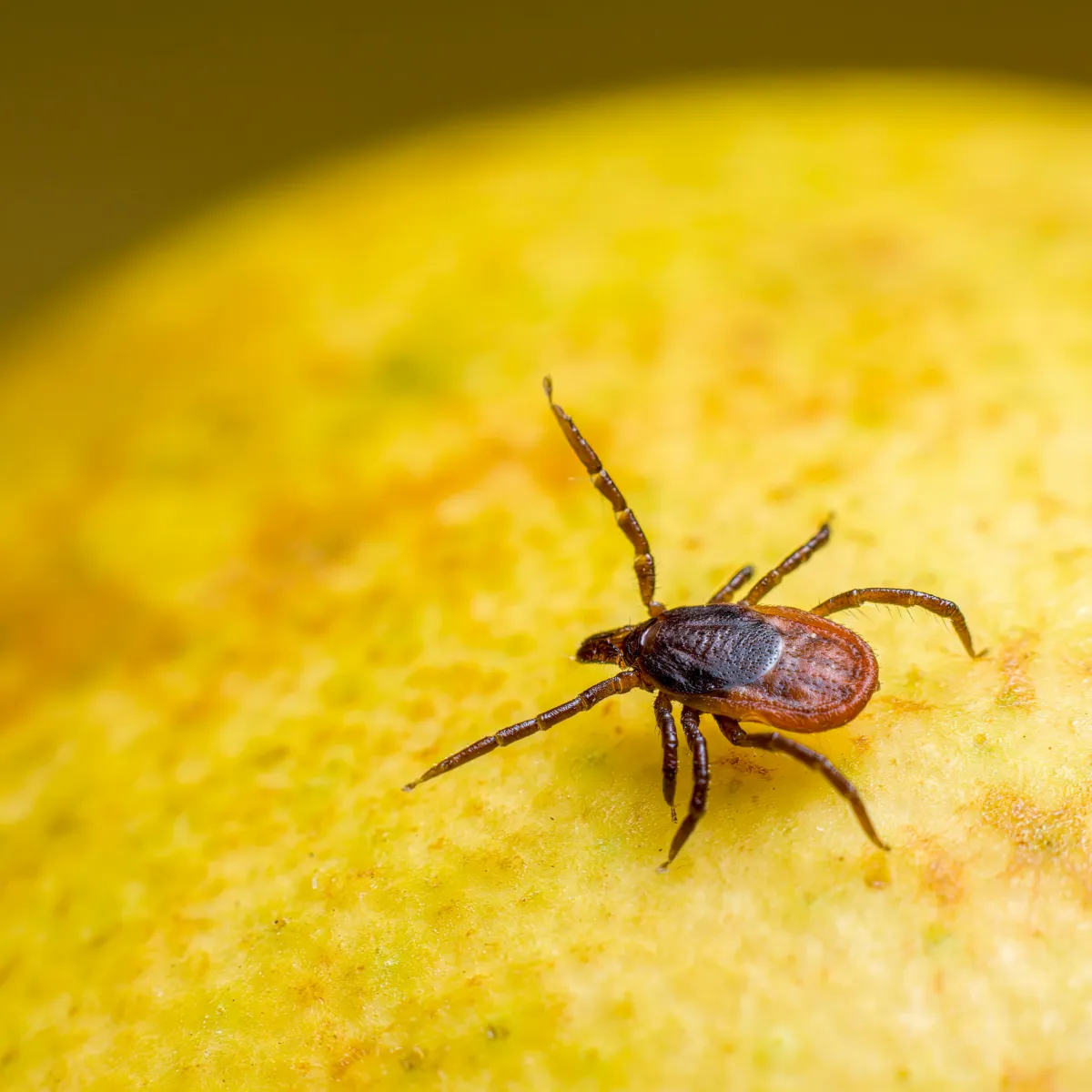
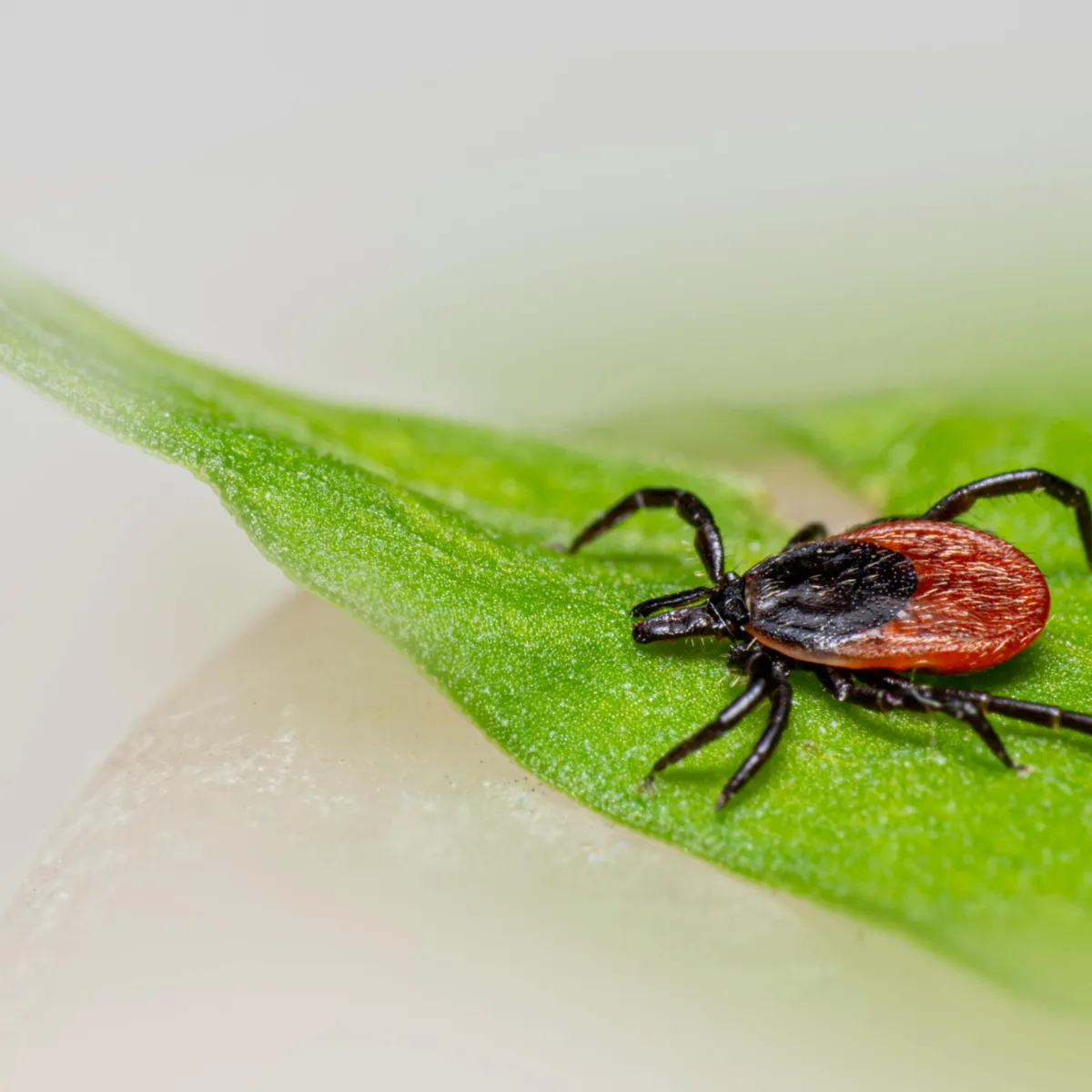
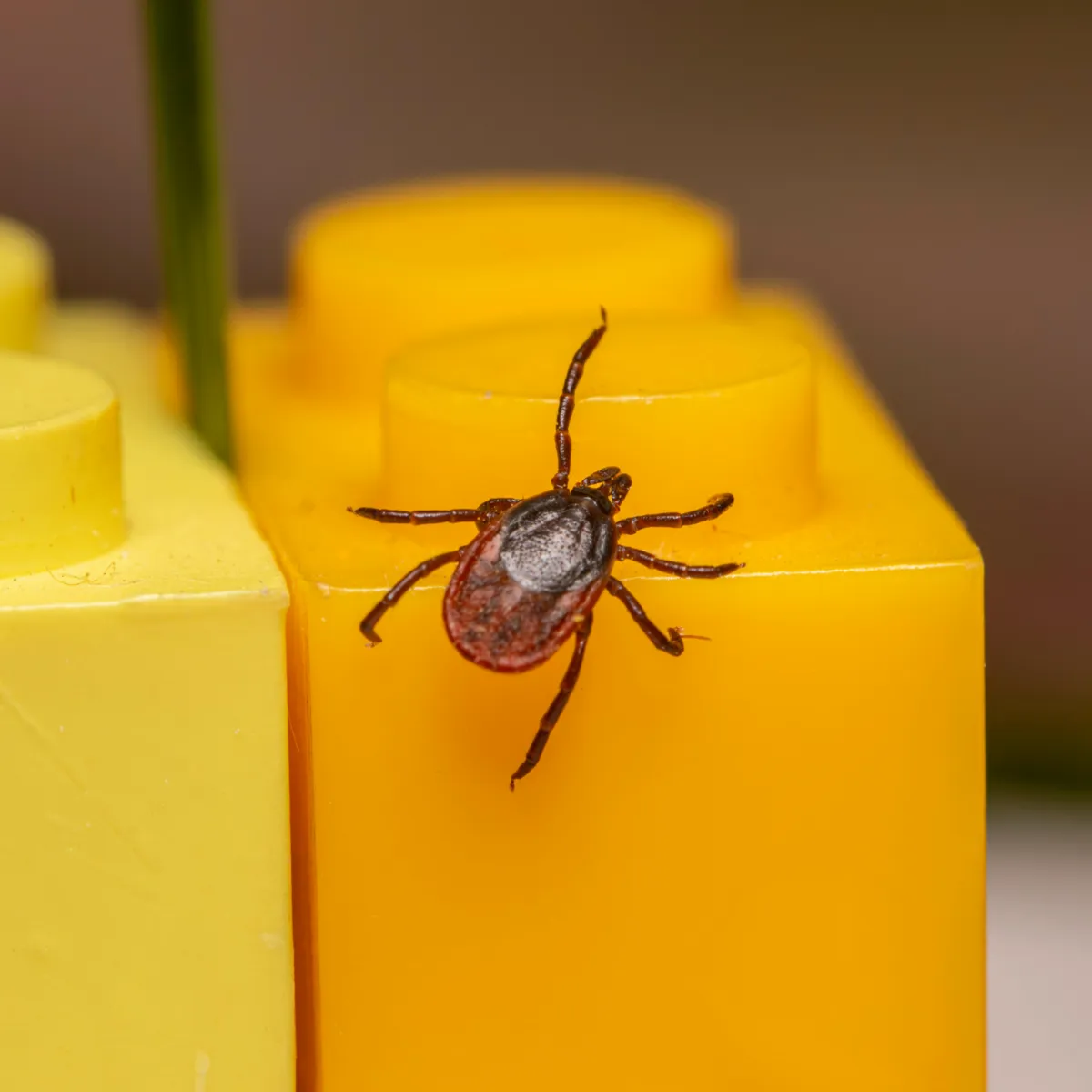
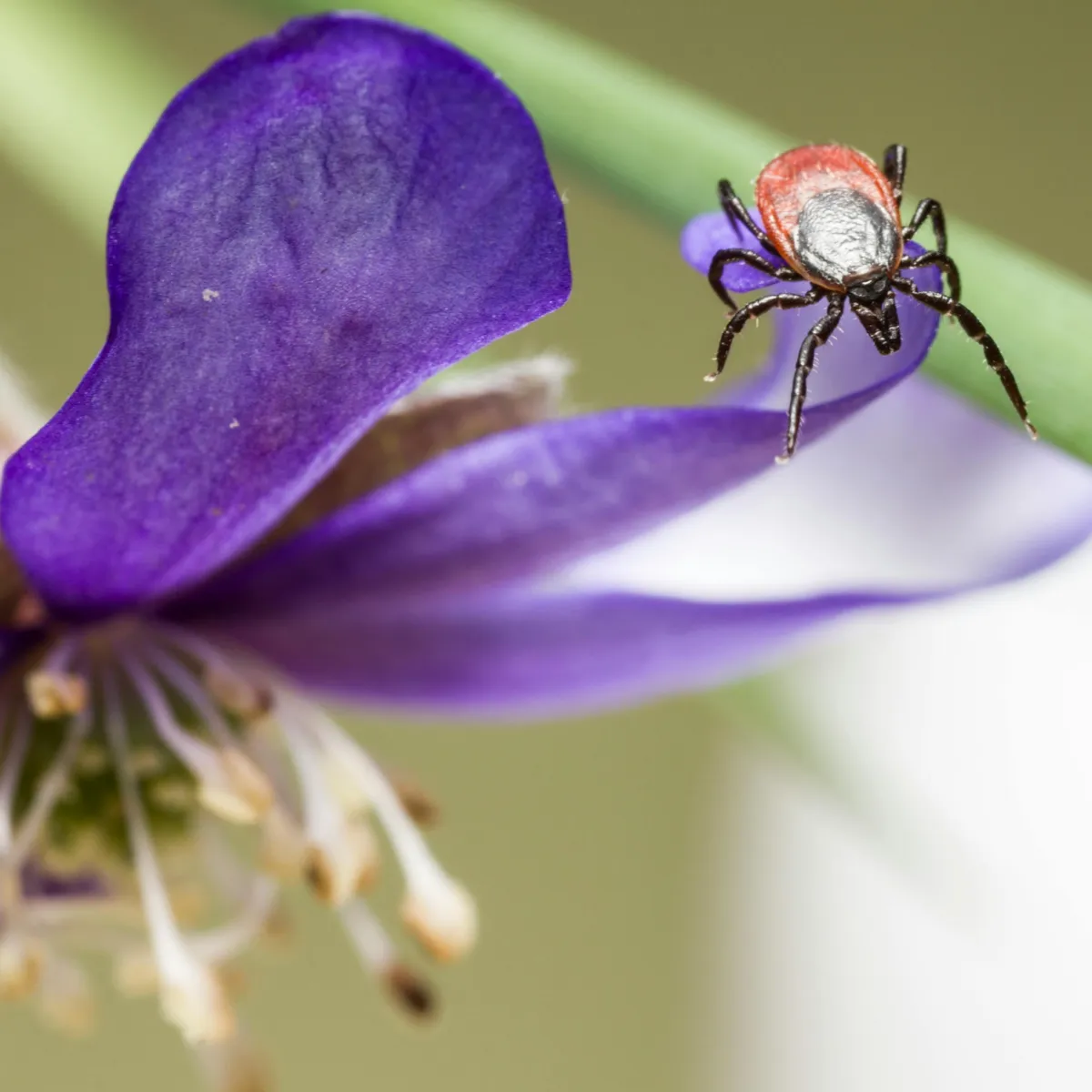
Coastal yards stay active for people almost year- round, which makes hidden tick pressure much harder to ignore
Outdoor space near the beach is meant to be used often, whether that means letting pets out, sitting on the patio after work, or spending time in the yard with family on the weekend. Once ticks begin turning up close to those routines, the property can stop feeling simple and start feeling uncertain. The biggest issue is that the activity usually starts out of sight, in the portions of the yard that do not seem important until they begin affecting the places people use constantly.
Fairway Lawns provides professional tick control in Jacksonville Beach, FL for homeowners who want to reduce that pressure before it keeps returning around outdoor living areas. Our service is designed to help manage tick activity in lawns, yards, and exterior spaces where families, pets, and guests spend time, with attention centered on the sections most likely to keep the problem going. By addressing those areas directly, we help homeowners enjoy their outdoor space with less hesitation.
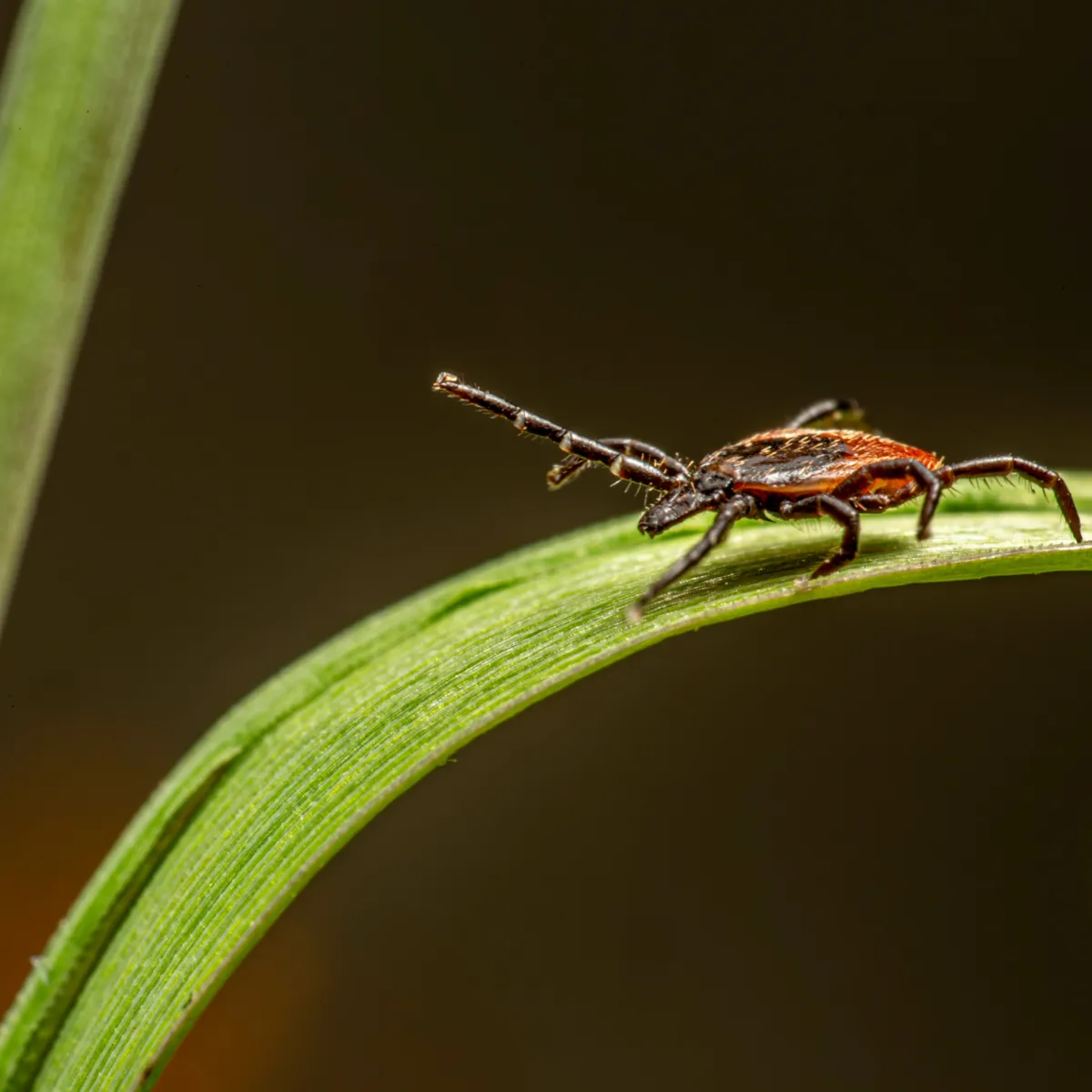
A yard- specific strategy works better than a broad approach because tick activity usually concentrates in a few key places
On many properties, the most active areas are not the middle of the lawn. They may be along a fence, beside dense planting, near a pet route, around a shaded border, or in a low section that stays damp longer than the rest of the yard. Coastal moisture and fast plant growth can make those areas even more favorable, especially when they sit close to patios, seating areas, and other parts of the yard people use regularly.
Our process starts with a property assessment so treatment can reflect the actual layout of the space rather than a generic pattern. Once the most likely activity zones are identified, targeted applications are made to the portions of the yard most likely to support ticks and to the outdoor areas homeowners want to protect most. That may include lawns, patios, play spaces, pool areas, pet zones, outdoor seating, and sheltered edges. The goal is to interrupt activity where it begins instead of simply responding after ticks start showing up where family life already happens.
Warmth, humidity, and long stretches of outdoor growth can allow tick activity to linger longer than many homeowners expect
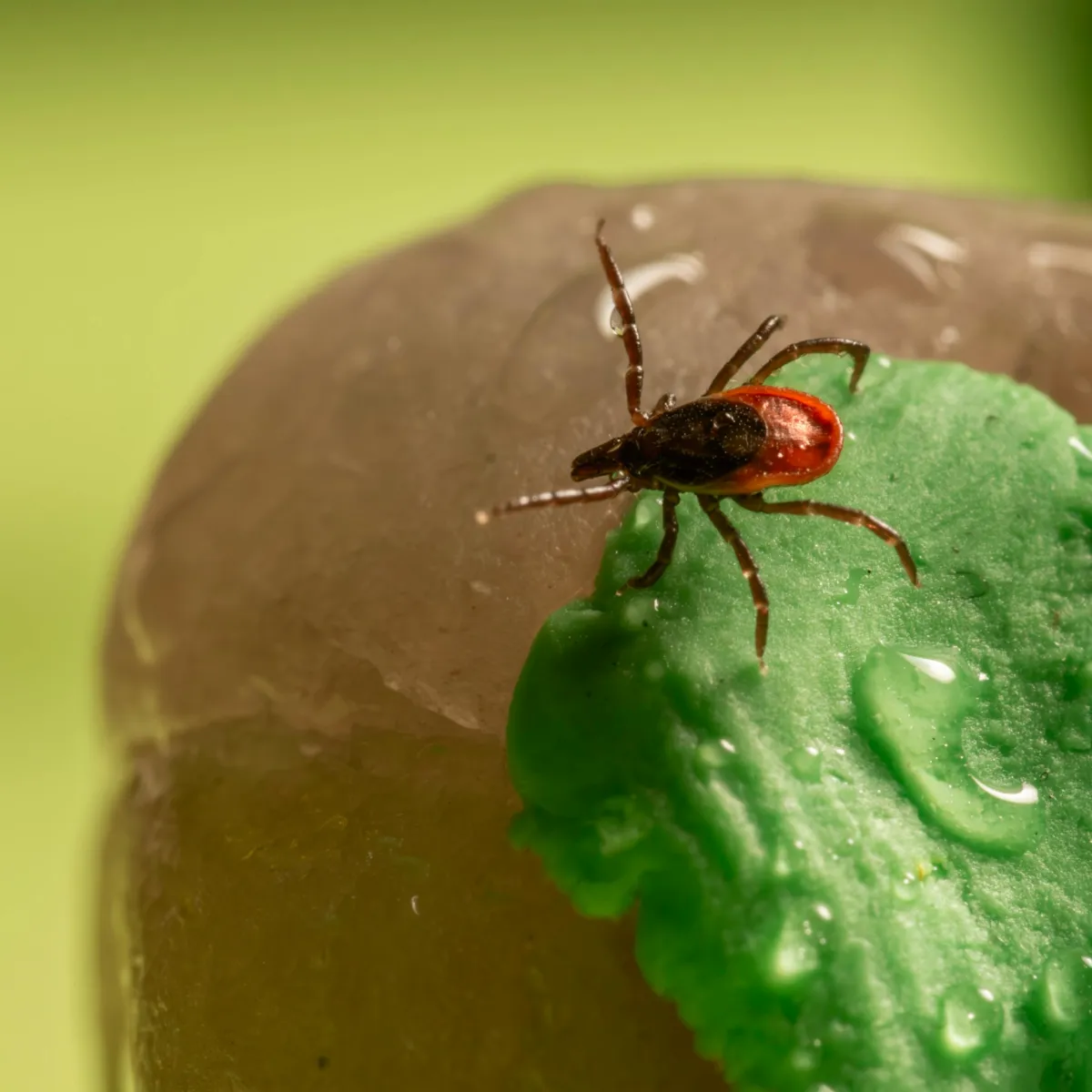
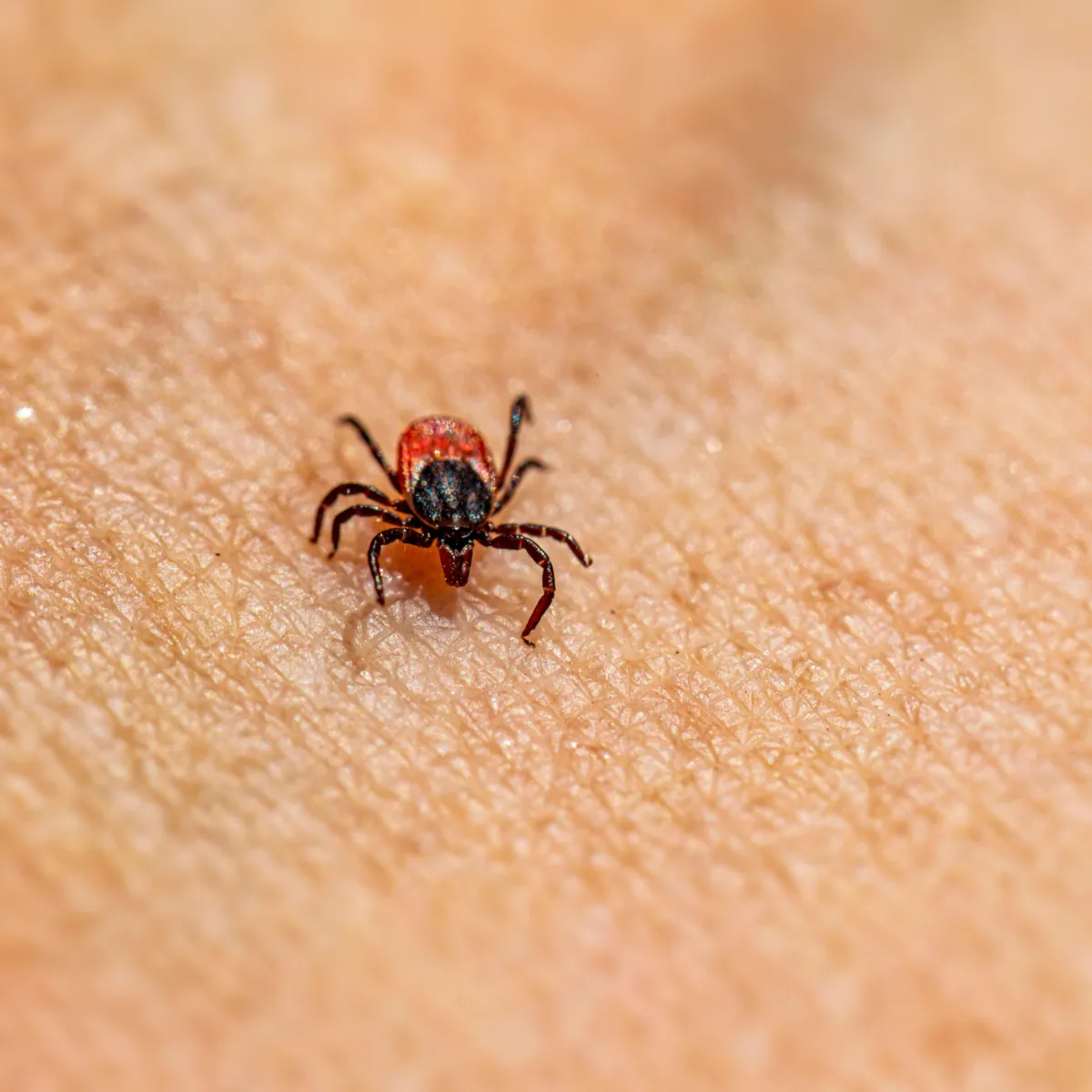
Ticks are more than a nuisance because they can affect both people and pets while remaining easy to miss until after exposure has happened. A bite may go unnoticed at first, and a homeowner may not realize the yard has become an issue until a pet brings a tick closer to the house or someone finds one after spending time outside. That delayed awareness is one reason the problem can feel sudden even when it has been building quietly.
In Jacksonville Beach, warm conditions, regular humidity, rainfall, and dense seasonal growth can all support tick activity across extended portions of the year. Properties with shaded landscaping, thick edges, brush, low moisture- holding sections, and wildlife traffic may be especially vulnerable. Even well- kept yards can still support a repeating problem if protected cover remains in the right places. Professional service helps reduce the population in the yard itself, which is far more effective than waiting for the same issue to keep resurfacing around pets, patios, and family- use areas.
The sections most likely to hold ticks are usually the ones that stay still, shaded, and close to the ground
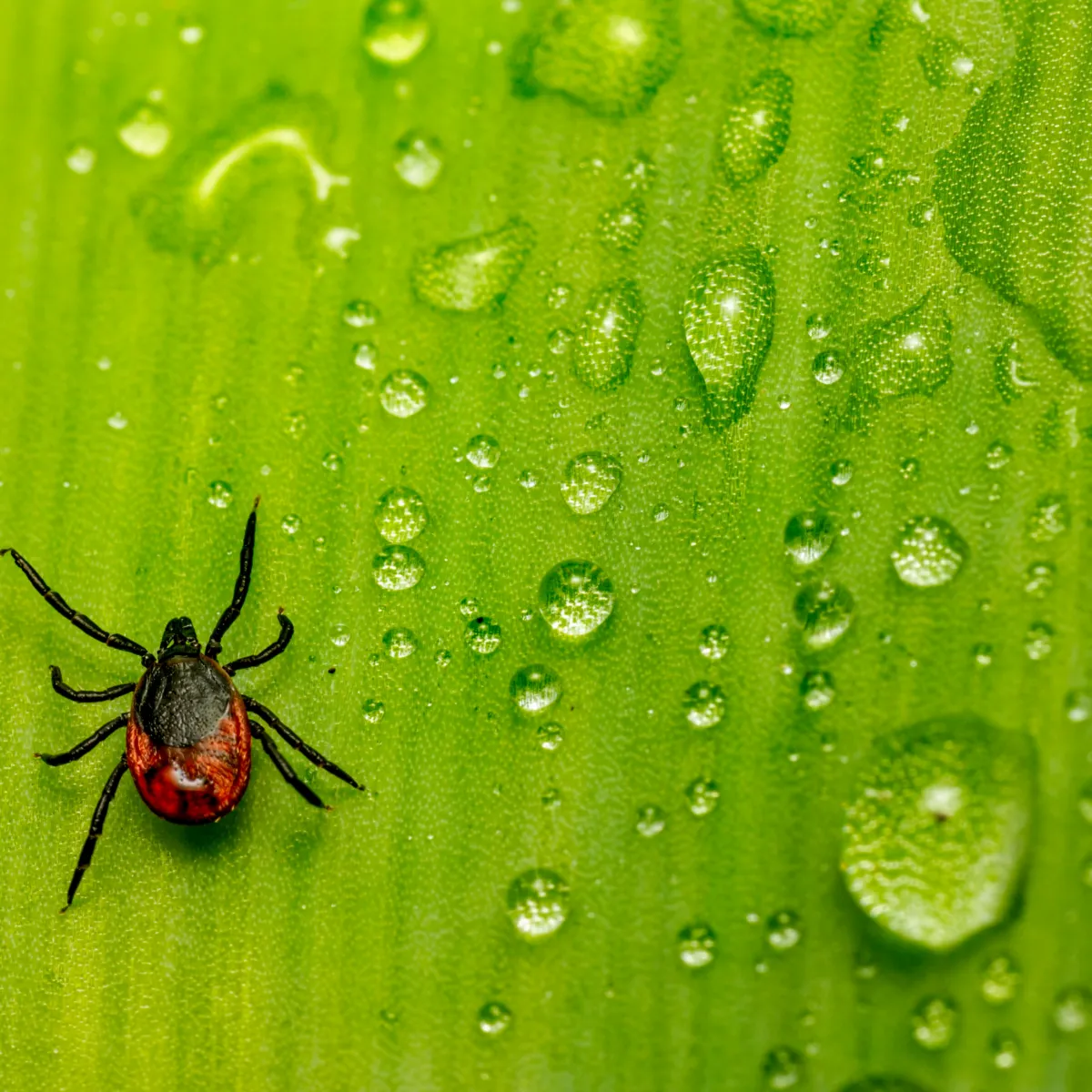
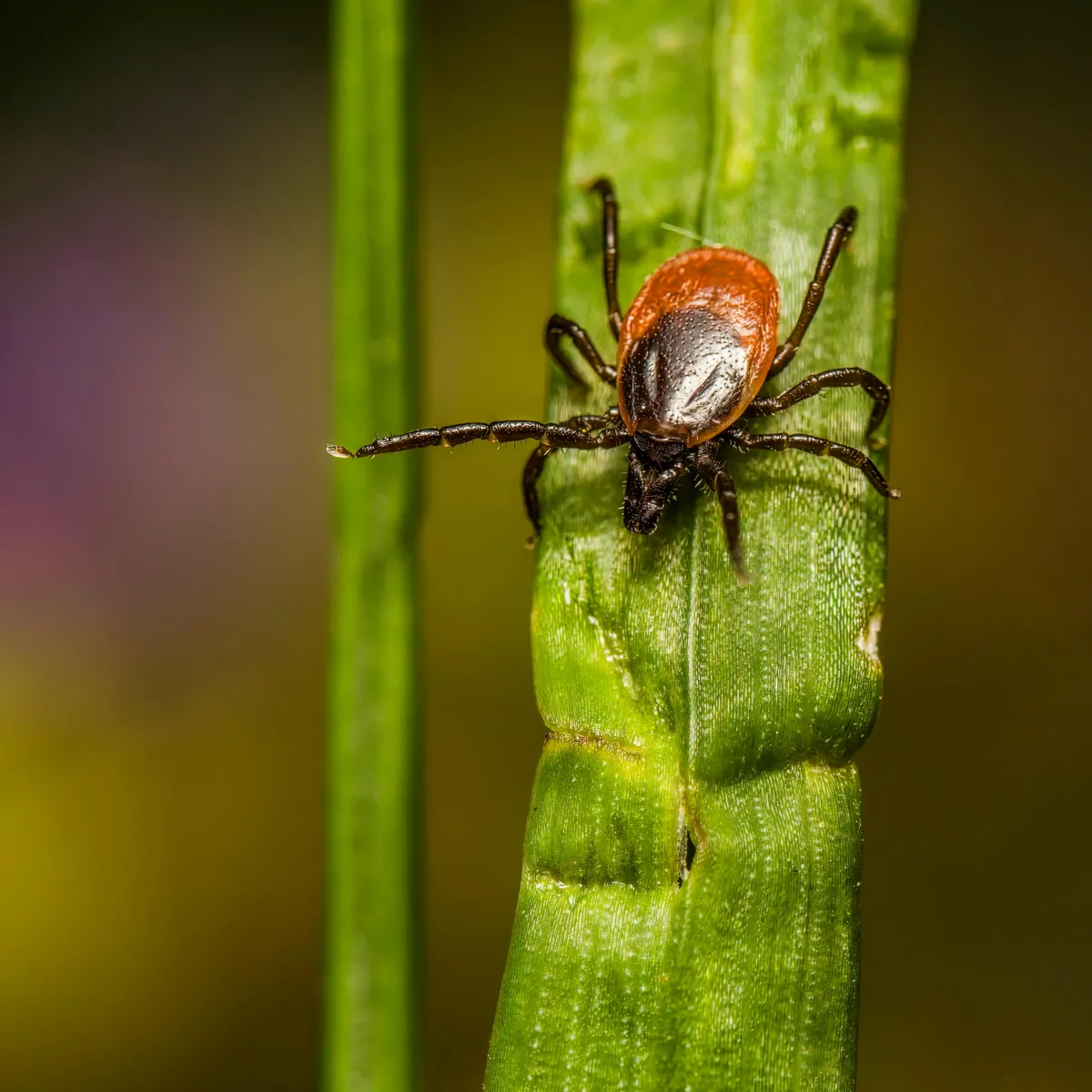
Ticks usually remain where the yard provides consistent cover and protection from direct exposure. Around residential properties, that often means taller grass, overgrown vegetation, leaf piles, wood piles, and landscape beds where growth stays dense at soil level. Edges of the lawn can also become important, especially where the grass meets thicker plant material or where a fence line traps extra shade and moisture.
Other places that deserve attention include the ground under decks, the spaces around sheds, the borders near wooded areas, and the parts of the property where pets or wildlife pass through often. Damp protected corners can stay favorable long after more open areas feel dry, which is why those less noticeable sections frequently become the true source of recurring yard pressure.
A step- by- step service plan is what allows treatment to move from hidden source zones toward the spaces people care about most
We begin by evaluating the property to determine where conditions are most favorable for tick activity. That includes looking at shade, moisture retention, dense vegetation, regular pet movement, low- traffic borders, and the transition points between open grass and more protected cover.
Once those higher- risk sections are identified, treatment is applied to the places where ticks are most likely to stay active. This may include landscape edges, perimeter grass, fence lines, side- yard sections, low corners, and other sheltered parts of the property where cover remains close to the soil.
After the main source sections are addressed, we create a protective barrier around the areas homeowners use most. That may include lawn edges, the foundation perimeter, shrubs, planting beds, fence boundaries, tall grass, wooded borders, the areas around sheds, the spaces under decks, pet zones, play areas, patios, outdoor seating sections, and parts of the yard where moisture and shade remain heavier.
If the same yard conditions remain in place, activity can rebuild. Continued service helps prevent those favorable sections from turning back into the same recurring problem and supports steadier protection over time.
The value of treatment is felt most where children play, pets roam, and homeowners try to relax outside
Families do not usually think about ticks until the issue starts affecting routines. Dogs move through edges, beds, and shaded strips naturally, often reaching hidden activity before people do. Children use lawns, patios, and play spaces without paying attention to where more sheltered parts of the property begin. Once those normal patterns overlap with active tick zones, even a small problem can start changing how the whole yard feels.
Professional yard treatments help reduce exposure around patios, decks, pools, play areas, fire pits, lawns, pet areas, gardens, and outdoor dining spaces. That matters because the point is not just reducing hidden activity. It is helping the property feel easier to use for the things homeowners already want to do outside.
The calendar changes the vegetation, and the vegetation changes which sections of the property deserve the most attention
Spring often brings fuller growth, warming temperatures, and more routine outdoor use. As planting thickens and moisture stays present, border beds, shaded strips, and protected corners may become more supportive of tick activity.
Summer can keep the property humid, warm, and heavily used. During that time, dense planting, pet routes, and sheltered boundaries may continue offering the kind of environment ticks prefer while the yard sees constant activity.
Fall may feel more moderate, but it can still leave enough warmth, moisture, and cover in place for certain parts of the yard to remain favorable. Protected areas often continue holding pressure even when the more open lawn seems less active.
Rain and humidity can make one section of the property very different from another. Open turf may dry relatively quickly, while shaded bed lines, lower patches, and protected edges can remain damp and attractive to ticks much longer.
Choosing the right provider means choosing someone who recognizes why a few specific areas can control how the entire yard feels
Effective tick control is not about treating the whole yard the same way. It is about identifying which sections are actually driving the issue and protecting the outdoor spaces homeowners care about most. On many properties, the most important source area is not the biggest part of the yard. It may be a dense side strip, a quiet border, or a planting zone near the places the family uses every day.
Fairway Lawns offers licensed and insured service from local technicians who understand how warm, humid conditions and coastal yard layouts can contribute to recurring tick pressure. Homeowners can request a free quote, choose from recurring service options, and work with a company that values transparent pricing and treatment planning built around real outdoor use, pets, and family routines.
The yard can stay more comfortable between visits when homeowners reduce the conditions ticks rely on most
Homeowners can support professional service by making the property less favorable to hidden activity. Keeping grass maintained and trimming shrubs can reduce some of the cover that allows ticks to stay protected near the ground. Removing leaf piles, yard debris, and stored wood can also help because those areas often remain cool and sheltered.
It is also helpful to manage overgrown brush, maintain pet spaces, and avoid placing heavily used outdoor areas too close to dense border growth whenever possible. Pets should be checked after time outside, and wildlife attraction should be limited where practical. When the same zones keep creating concern, recurring service is usually the most dependable next step.
Sometimes the immediate goal is simply taking pressure off one part of the property before it affects a larger portion of the yard
A one- time tick treatment can be a practical option when a specific section of the property needs attention right away. That may happen after ticks are noticed near patio furniture, along a pet route, beside a planted edge, or in a part of the yard that needs to be ready for company.
This type of service can help reduce present activity in the area creating the most concern and provide quicker short- term relief. For some properties, it also works as a useful first step before deciding whether a recurring treatment plan would provide better long- term stability.
The more dependable long- term approach is usually the one that prevents fresh activity from becoming established in the same hidden places
Recurring service is often the stronger choice for homeowners who want steadier protection through the season. Because weather, moisture, and plant growth can keep creating favorable conditions, regular treatments help control new activity before it spreads into the areas people use most. That ongoing schedule also lowers the likelihood that the same protected sections of the property will keep restarting the same problem.
Nearby homes may face similar pressure when they share the same mix of moisture, planting, and outdoor living space
Fairway Lawns provides tick control for Jacksonville Beach- area homeowners who want help protecting lawns, patios, pet spaces, and other outdoor areas from recurring tick activity. Nearby properties with similar conditions, such as dense landscaping, shaded borders, retained moisture, and regular outdoor use, may also benefit from the same service approach.
The best answers usually come from the areas of the yard that keep drawing attention for the same reasons
If ticks are making your outdoor spaces harder to enjoy, Fairway Lawns can help. Our tick control service in Jacksonville Beach, FL is designed to target the parts of the yard where activity tends to begin, so lawns, patios, pet areas, and family spaces can feel more comfortable again. Contact Fairway Lawns today to get a quote for tick control in Jacksonville Beach.