What looks like a calm backyard can still hold the kind of hidden activity that changes how often people want to use it
A yard does not need to look overgrown for tick pressure to become a real problem. In many cases, homeowners first notice it after something simple, like letting the dog out, walking through the grass, or sitting outside for a while, suddenly feels less carefree than it used to. The issue usually starts in the protected sections of the property, then slowly pushes closer to the spaces where the household spends the most time.
Fairway Lawns provides professional tick control in Lakeside, FL for homeowners who want to reduce tick activity before those hidden sections keep affecting normal outdoor routines. Our service is designed to help protect lawns, yards, and outdoor living areas by targeting the parts of the property where ticks are most likely to remain active. By focusing on the right places first, we help make family space outside feel more comfortable and more usable again.
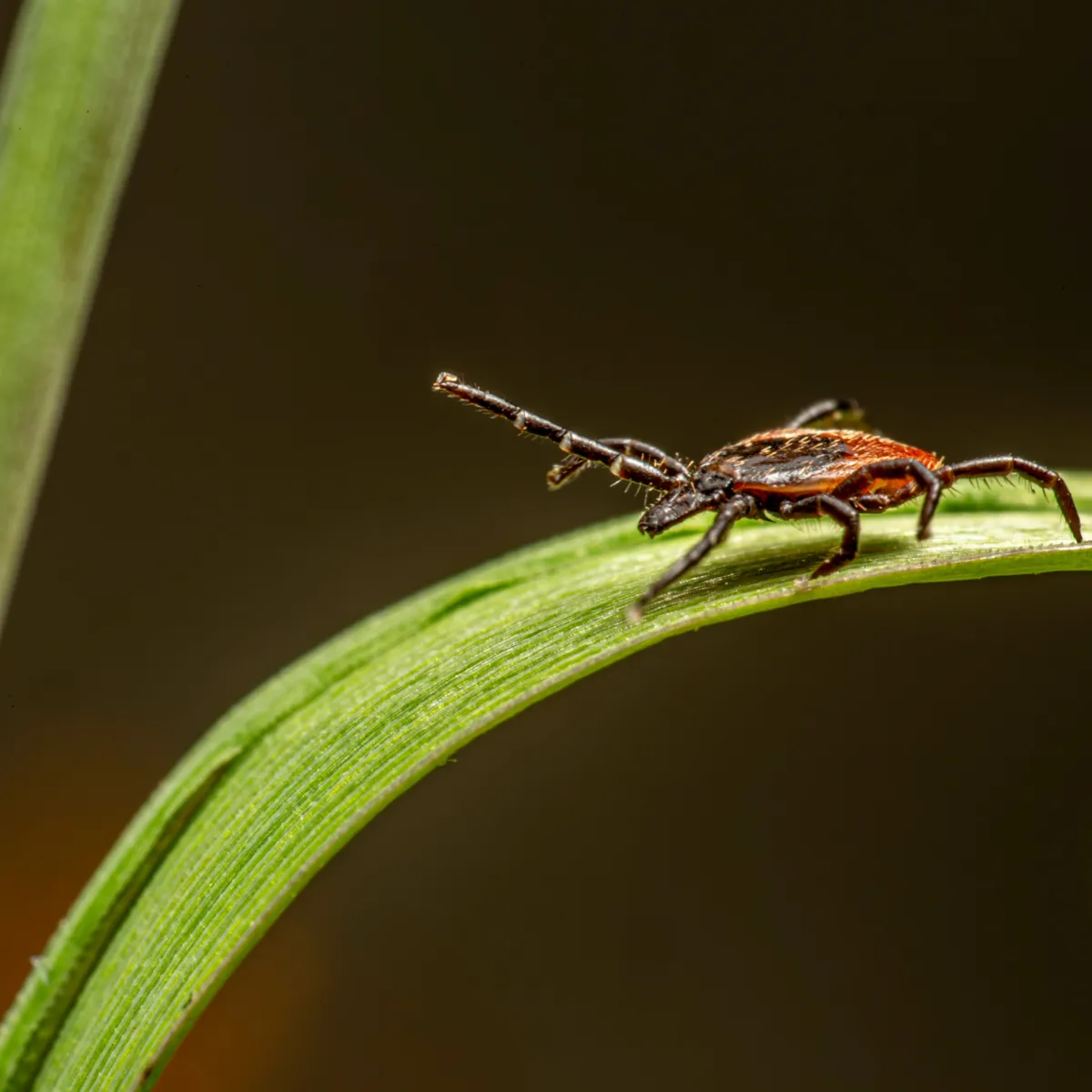
The smartest way to treat a yard is to understand which sections are carrying the pressure and which sections are just showing the effects of it
Properties rarely have the same conditions from one end to the other. A yard may have open grass in front and a much more sheltered area behind the house. It may have decorative planting near a patio, a dog route beside a fence, or a strip along the property edge that stays cooler and heavier than the rest of the lawn. Those kinds of differences are exactly why tick activity tends to settle into very specific parts of the yard instead of spreading evenly.
Our service begins with a property assessment so treatment can be shaped around how the yard is actually laid out and used. After identifying the likely source sections, we apply targeted treatments to those higher- pressure areas and to the nearby spaces homeowners want covered most. That may include patios, lawns, pet areas, play spaces, pool surroundings, seating areas, dense bed lines, and border sections where protected growth begins. The intent is to lower activity before it keeps feeding back into the same outdoor spaces repeatedly.
In a warm and humid setting, ticks do not need much encouragement to remain part of the landscape for long stretches
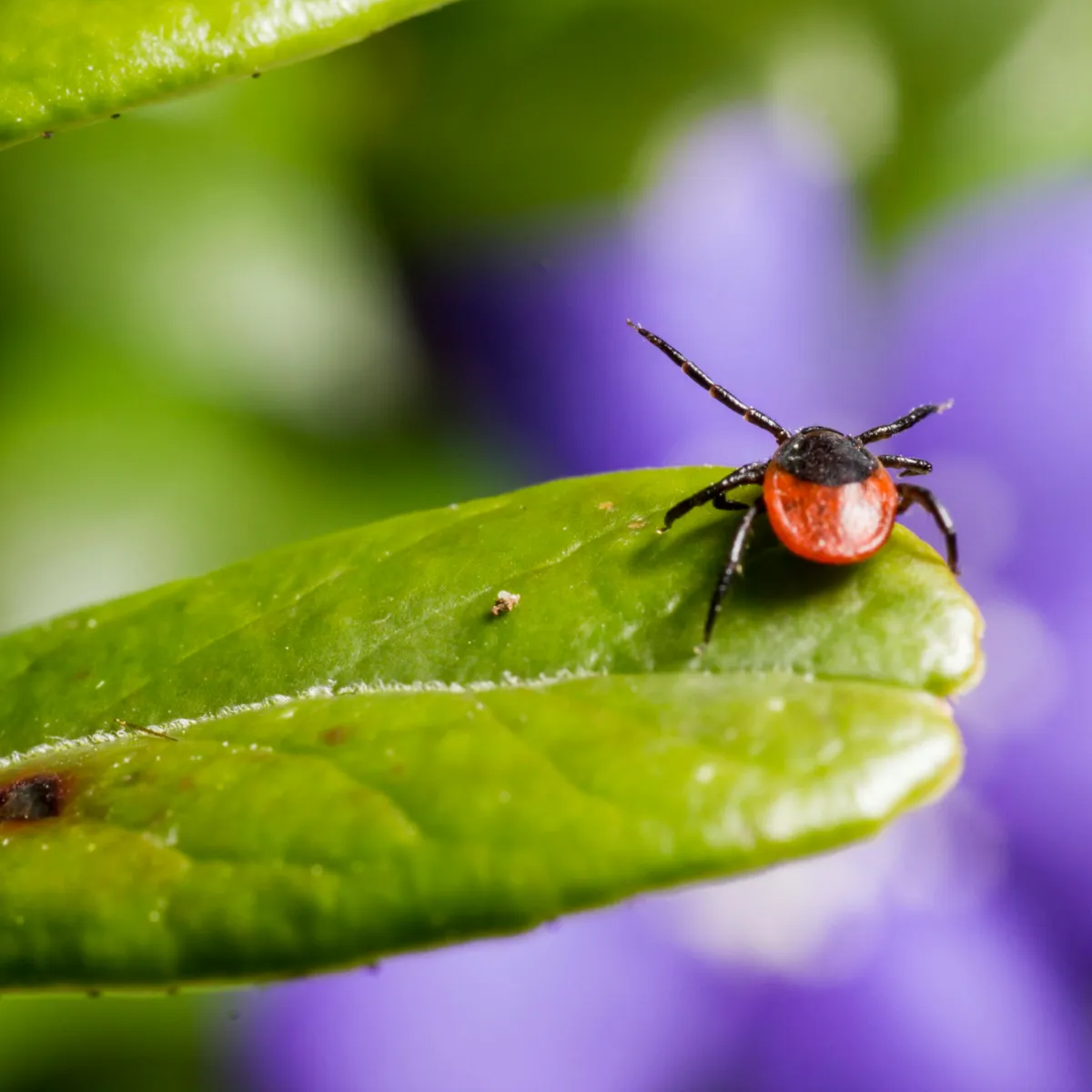
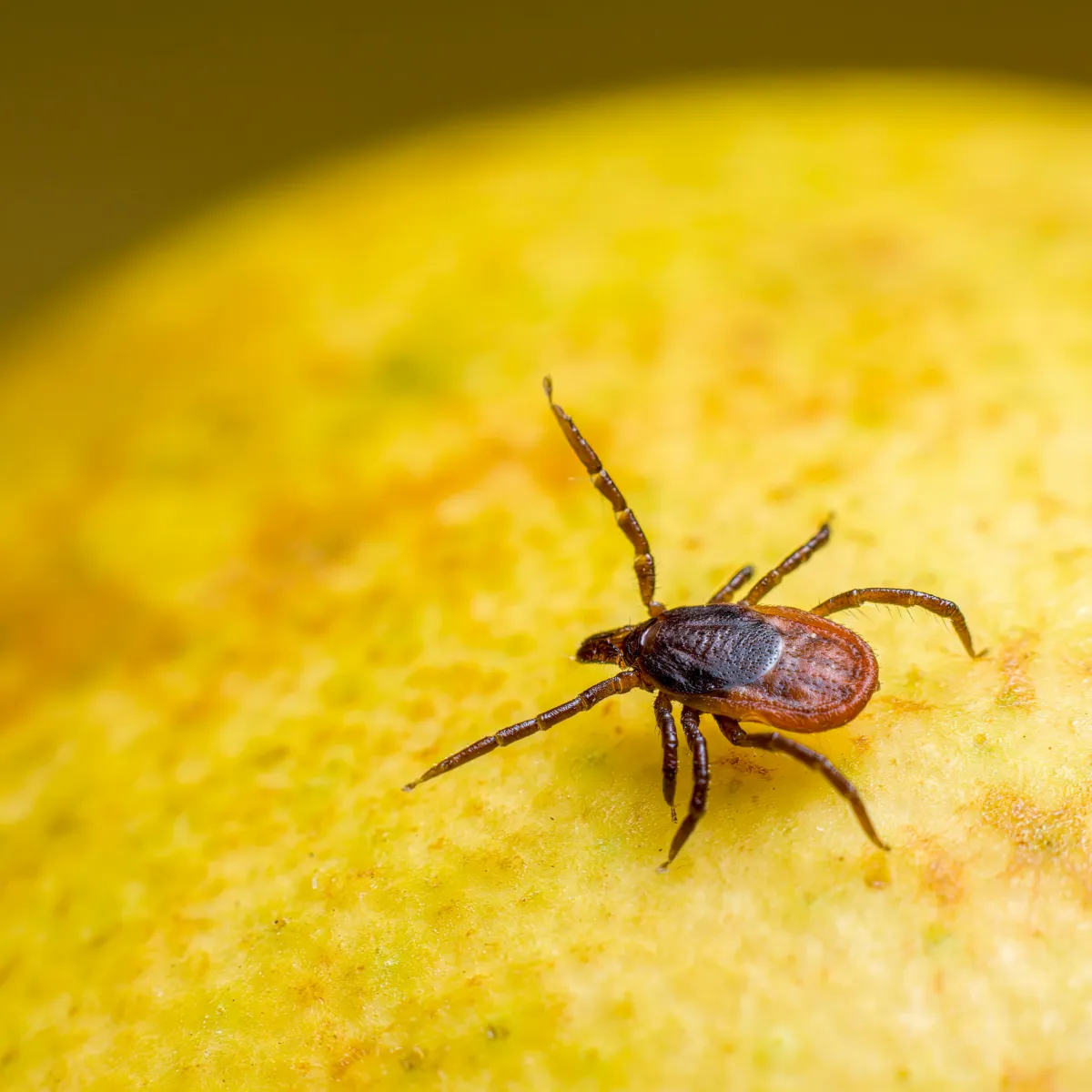
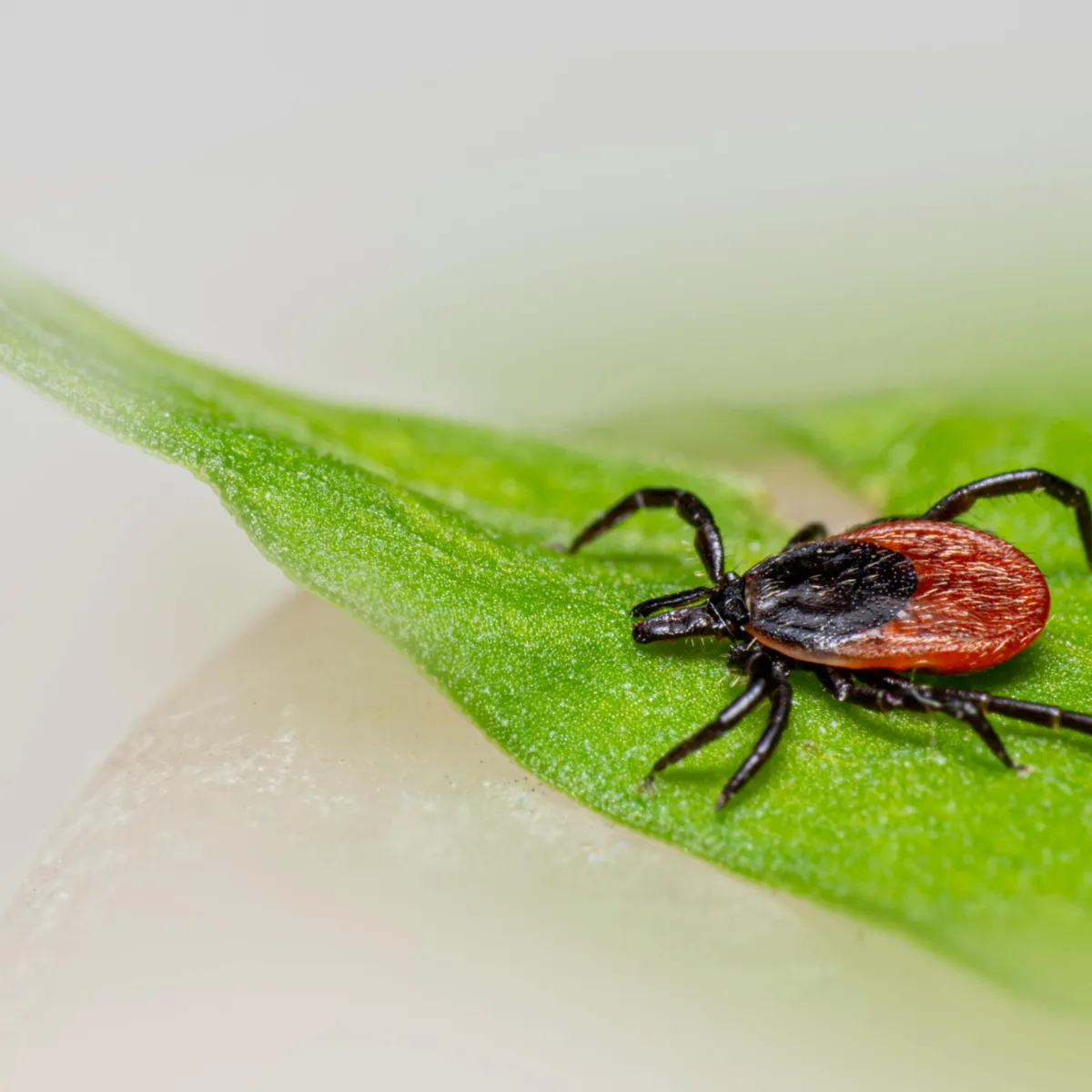
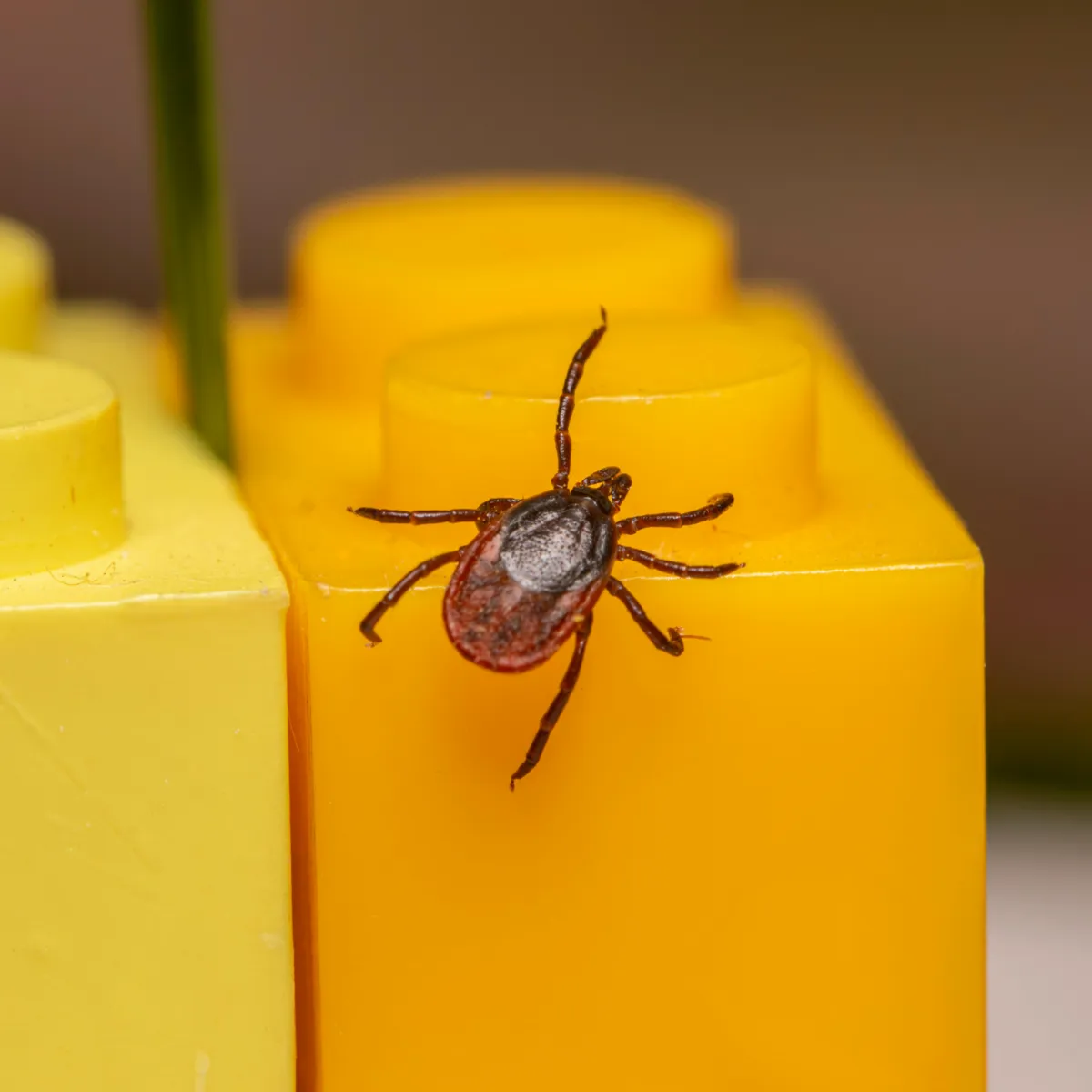
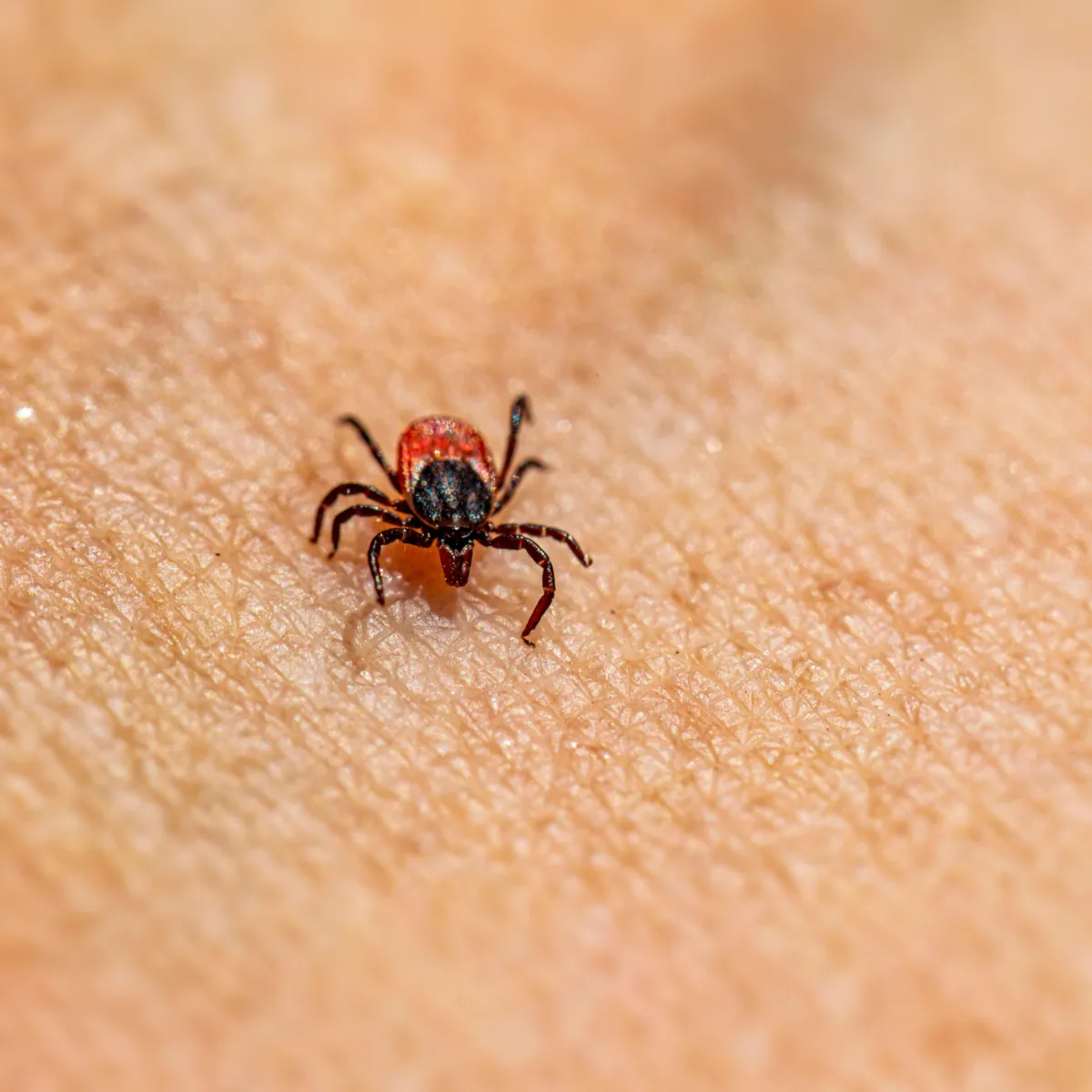
Ticks are more than an outdoor nuisance because they can affect both people and pets while staying easy to miss before they bite. A homeowner may not notice anything unusual until a tick is found on a pet, on clothing, or after time outside in a part of the yard that looked completely ordinary. Because bites can be painless or hard to detect at first, the problem often feels like it appeared all at once even when it has been building for some time.
In Lakeside, warm temperatures, regular humidity, frequent moisture, and strong plant growth can support tick activity across a large portion of the year. Yards with shade, dense landscaping, damp ground, brush, taller grass, and wildlife movement may be especially favorable. Professional service helps reduce the population in the yard itself instead of leaving homeowners to keep responding after ticks begin reaching the places where the family already spends time outdoors.
The biggest source areas are usually tucked into the places where sunlight is limited and cover stays close to the ground
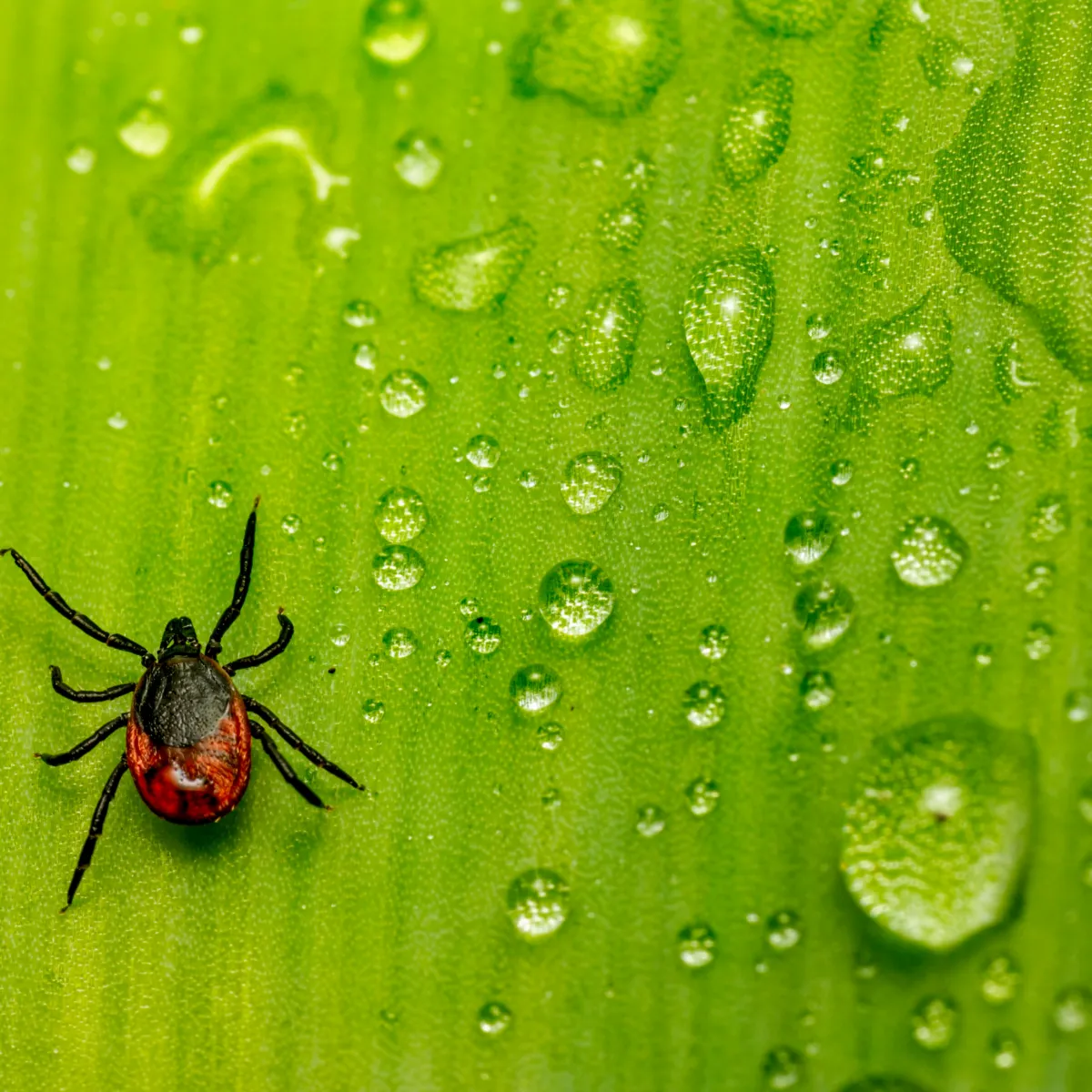
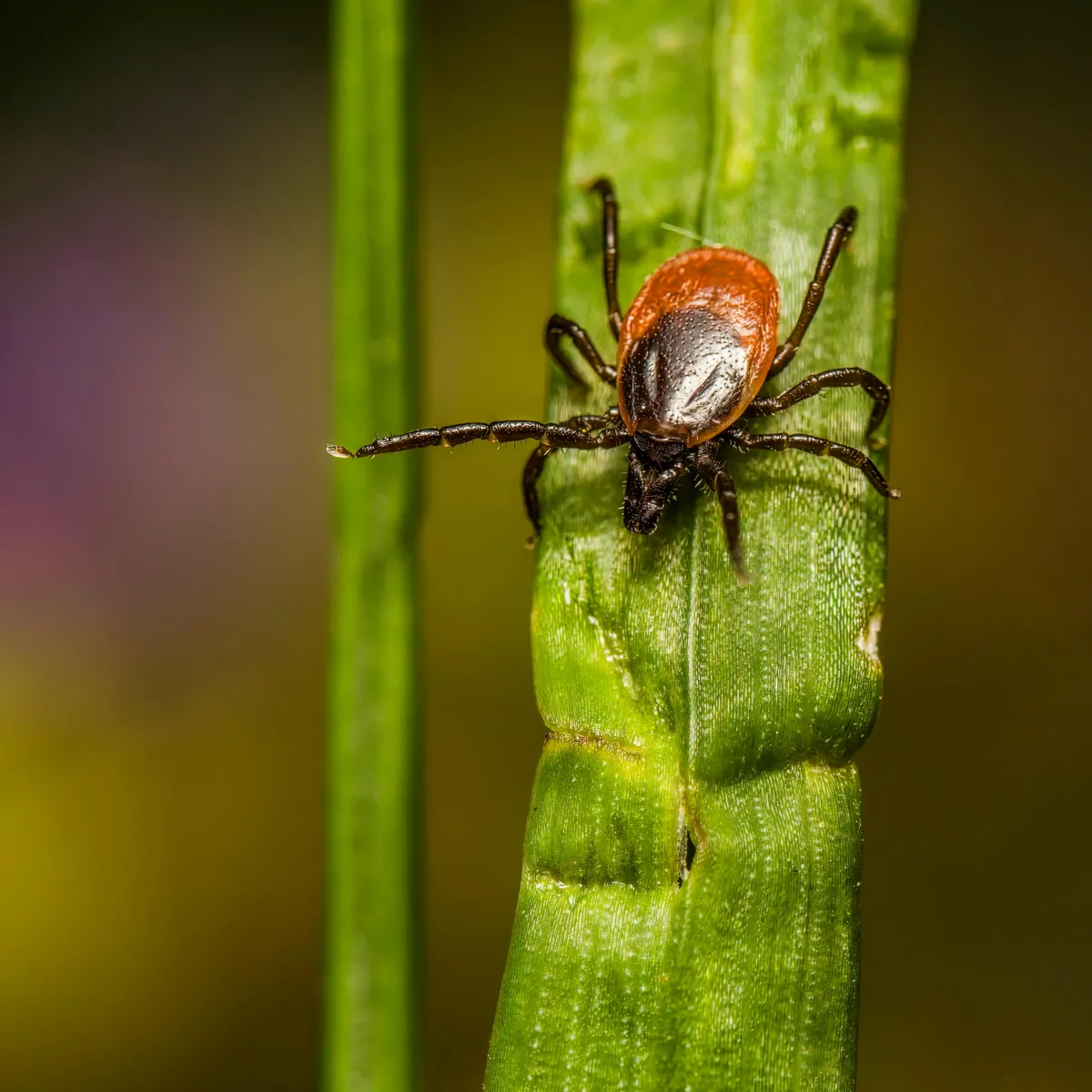
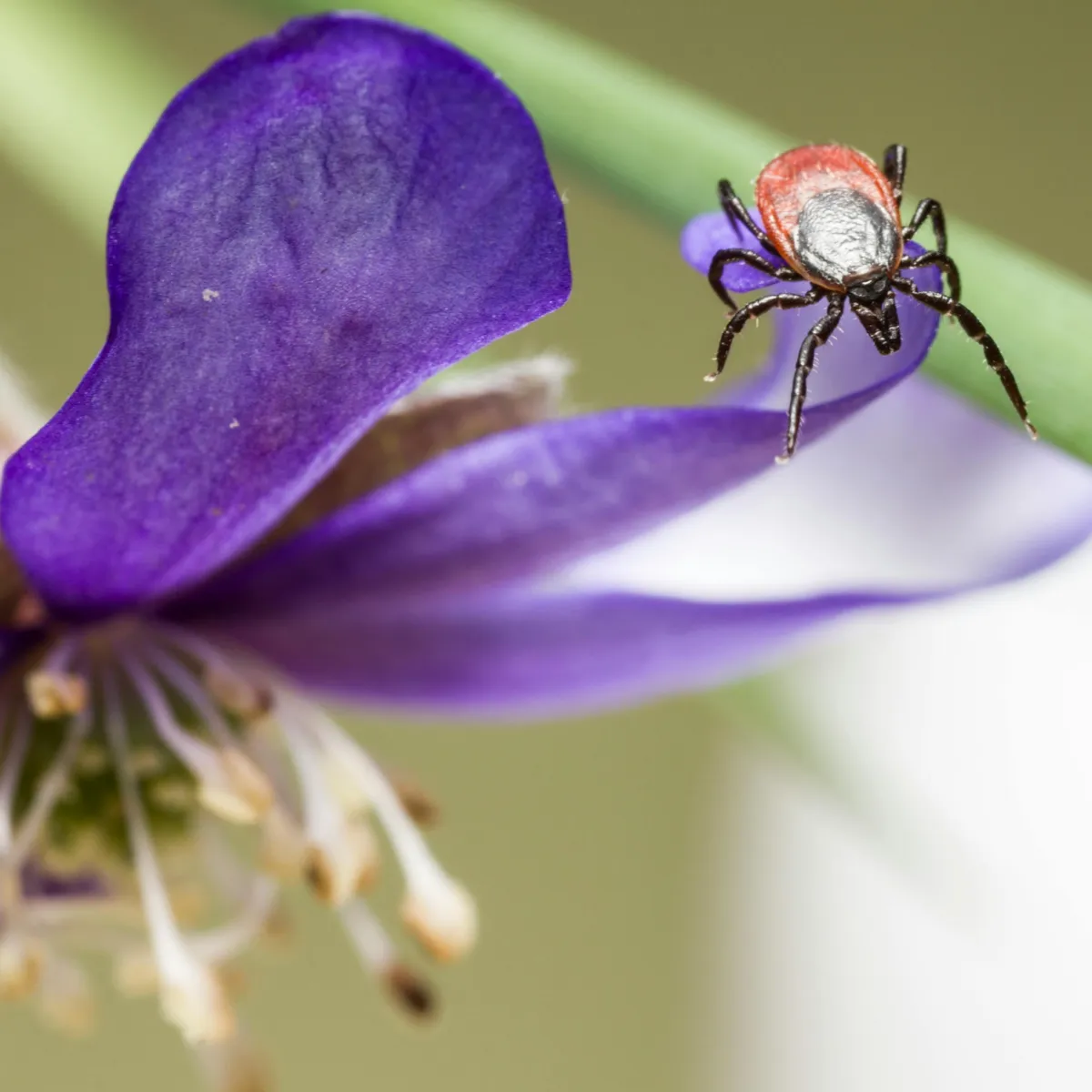
Ticks usually remain in sections of the property that help them stay protected from heat and dry exposure. Around residential yards, that often includes taller grass, brush, leaf piles, stacked wood, and landscape beds where planting stays thick near the soil. Lawn edges can also become problem spots, especially when they sit beside fencing, structures, or other parts of the property that trap extra shade.
Other sections that commonly hold activity include the spaces under decks, around sheds, along wooded borders, and near pet areas where repeated movement overlaps with hidden cover. Wildlife pathways can increase pressure near those same sections. Damp and protected corners deserve extra attention because they can stay favorable much longer than the more open portions of the yard.
A stronger result usually comes from moving through the property in stages instead of trying to treat every section as though it behaves the same way
We start by examining the yard to identify where tick activity is most likely to develop or persist. That includes looking for shade, retained moisture, thicker vegetation, pet movement, heavy border growth, and transition zones where open turf gives way to more protected cover.
Once the higher- risk sections are identified, treatment is directed toward the places where ticks are most likely to remain active. This may include perimeter grass, bed edges, fence lines, side- yard strips, low spots, and other protected areas where cover stays in place near the ground.
After the source areas are treated, we create a protective barrier around the portions of the yard homeowners use most. That barrier may include lawn edges, the foundation perimeter, shrubs, landscape beds, fence boundaries, tall grass, wooded borders, spaces beneath decks, the areas around sheds, pet zones, play areas, patios, outdoor seating sections, and locations that hold more shade or moisture.
If the same favorable conditions remain in place, new tick activity can rebuild. Continued service helps reduce that rebound and supports steadier protection over time.
The biggest difference homeowners feel is often not just fewer ticks, but greater confidence in the outdoor spaces they already rely on
The value of tick control becomes clear when pets and children are using the yard often. Dogs move through grass edges, planting lines, and shaded routes without hesitation, which often brings them close to the parts of the property where ticks are already active. Children do the same near patios, lawns, play spaces, and gathering areas, usually without any awareness of where sheltered cover begins. That overlap is what turns a hidden yard issue into a household concern.
Professional yard treatments help reduce exposure around patios, decks, pools, play areas, fire pits, lawns, pet spaces, gardens, and outdoor dining areas. The purpose is to make those spaces feel easier to use again instead of leaving homeowners to keep working around the same sections of the yard.
The weather may shift gradually, but the way it affects different corners of the property can change much faster than homeowners expect
Spring often brings fuller growth, softer soil, and a steady increase in outdoor activity. During this stretch, bed lines, shaded borders, and lower parts of the property may begin holding more activity as vegetation fills in and moisture remains more consistent.
Summer can keep the yard humid, warm, and heavily used. While the property is busiest, thicker edges, pet areas, and dense planting may continue giving ticks the kind of cover they prefer.
Fall may look different from summer, but that does not always mean the problem disappears. Lingering warmth, accumulated debris, and protected sections of the yard can still support activity in the same familiar areas.
Moisture often determines which parts of the yard remain favorable longest. Open grass may dry off relatively fast, while lower strips, shaded runs, and planted edges can continue holding dampness much longer and deserve more attention.
Homeowners usually need more than a treatment—they need a provider who understands why the same hidden sections keep causing the same issue
Effective tick control depends on identifying the few areas that are actually driving the issue. On many properties, those areas are not the broadest parts of the lawn. They may be a side strip, a dense edge near a fence, a bed beside a sitting area, or a damp corner that never seems to clear the way the rest of the yard does. Fairway Lawns approaches treatment with that kind of property- specific focus in mind.
Homeowners choose Fairway Lawns because they want locally trained technicians, licensed and insured service, transparent pricing, and a free quote from a company that understands how Florida yard conditions can keep tick pressure active. Recurring service options are available, and treatment planning takes into account pet activity, family use, and the way outdoor living space fits into daily life.
The work done between visits can help keep the property from quietly rebuilding the same favorable conditions again
Homeowners can support treatment by making the yard less attractive to ticks between service visits. Keeping the lawn cut and trimming shrubs can reduce some of the low shelter ticks use to stay protected near the soil. Removing loose debris, leaf buildup, and stored wood can also help because those materials often create cool cover that stays in place even when the rest of the yard feels more open.
It also helps to manage overgrown brush, keep pet areas maintained, and avoid placing high- use areas too close to heavily sheltered edges when possible. Pets should be checked after being outside, and wildlife attraction should be reduced wherever practical. If the same parts of the property keep leading to concern, a recurring plan is often the strongest way to prevent the cycle from repeating.
Sometimes a homeowner needs short- term relief in a single problem area before committing to a larger protection plan
A one- time tick treatment can be useful when one section of the yard becomes an immediate concern. That may happen after ticks are discovered near a patio, around a pet route, beside dense planting, or in a section of the property that needs to be used soon for visitors or an event.
This kind of service can help reduce active pressure in the area causing the most concern and provide quicker short- term relief. For some properties, it also serves as the first step before deciding whether broader ongoing coverage would be the better long- term answer.
The stronger long- term approach is usually the one that handles fresh activity before it has time to settle back into the same protected spaces
Recurring service is often the better fit for homeowners who want more dependable season- long coverage. Because yard conditions can stay favorable for extended periods, regular treatments help manage new activity before it becomes well established around the property. That ongoing approach also lowers the chance that the same hidden source areas will continue feeding the same problem back into the yard.
Nearby homes can face many of the same issues when they share similar moisture, shade, and outdoor use patterns
Fairway Lawns provides tick control for Lakeside- area homeowners who want help protecting lawns, patios, pet spaces, and other outdoor areas from recurring tick activity. Nearby properties with similar conditions, such as dense borders, retained moisture, shaded sections, and regular outdoor family use, may also benefit from the same treatment approach.
The most helpful questions usually begin with the exact sections of the yard that keep drawing attention for the same reasons
If tick activity is starting to limit how you use the yard, Fairway Lawns can help you get ahead of it. Our service targets the areas where activity is most likely to build so outdoor spaces can feel easier to use again. Reach out today to get pricing for your property.