Along the coast, the yard can stay beautiful while the hidden edges quietly become the real problem
A property can still feel polished and well cared for even while ticks begin making outdoor time less comfortable. The shift usually happens slowly. A dog comes back from the yard, someone notices activity near a seating area, or a familiar route across the lawn starts feeling like it deserves a second thought. What changes first is not always the look of the space, but the confidence people have in using it.
Fairway Lawns provides professional tick control in Neptune Beach, FL for homeowners who want to stop that change before it becomes part of everyday life. Our service is designed to reduce tick activity in the sections of the yard most likely to support it, especially where coastal moisture, dense growth, shade, and daily use overlap. By concentrating on the parts of the property where the pressure begins, we help restore comfort to the outdoor spaces homeowners care about most.
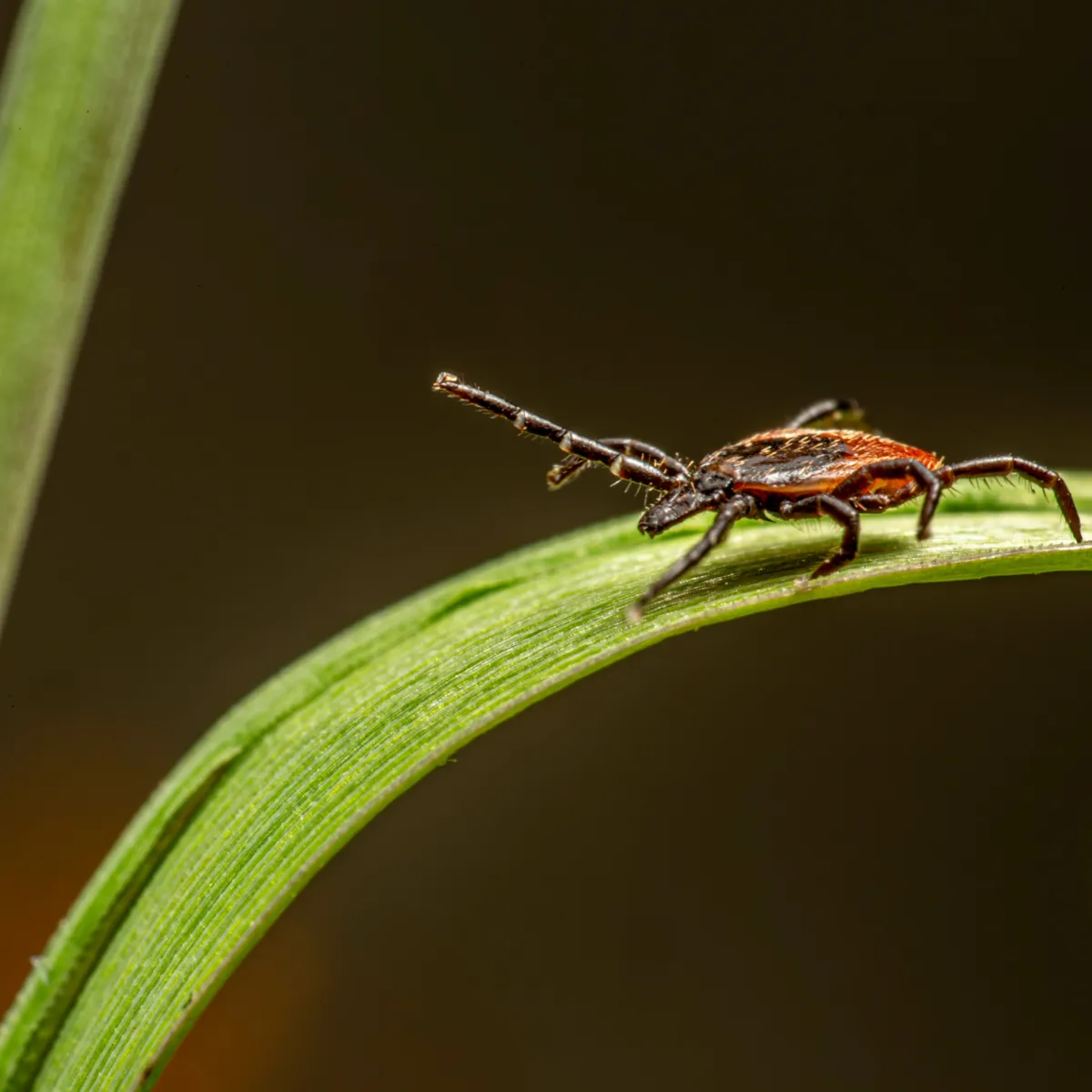
The smartest place to start is not with the widest stretch of grass, but with the narrow sections that keep recreating the same risk
Every yard has certain areas that matter more than the rest. On one property, that might be a planted edge near a deck. On another, it may be a side run that stays humid, a line of shrubs behind the patio, or the border where the lawn meets heavier cover. In a coastal environment, those features can stay favorable for longer than expected, which is exactly why tick pressure often builds in a few repeat locations instead of across the whole yard at once.
Our service starts with a careful assessment of the property so treatment reflects how the outdoor space is actually built and used. Once the likely activity zones are identified, targeted applications are made to the sections most likely to hold ticks and to the nearby parts of the yard where exposure matters most. That may include lawns, patios, pet areas, pool surroundings, outdoor seating, play spaces, planting beds, and protected perimeter sections. The purpose is to reduce the source of the issue instead of waiting for the same areas to keep feeding activity into the spaces where the household spends time.
Ticks become a bigger concern because they often stay unnoticed until they are already too close to people, pets, and routines
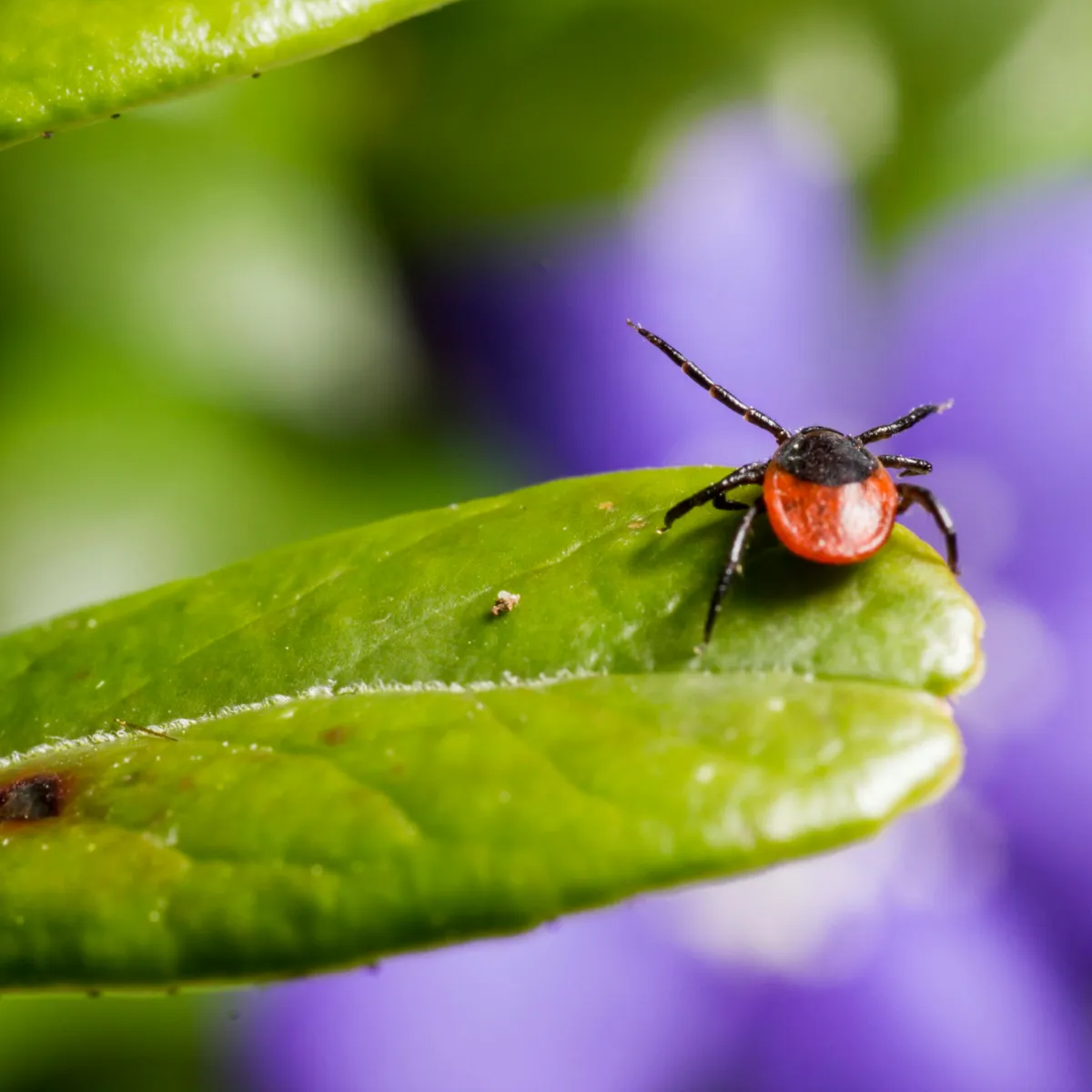
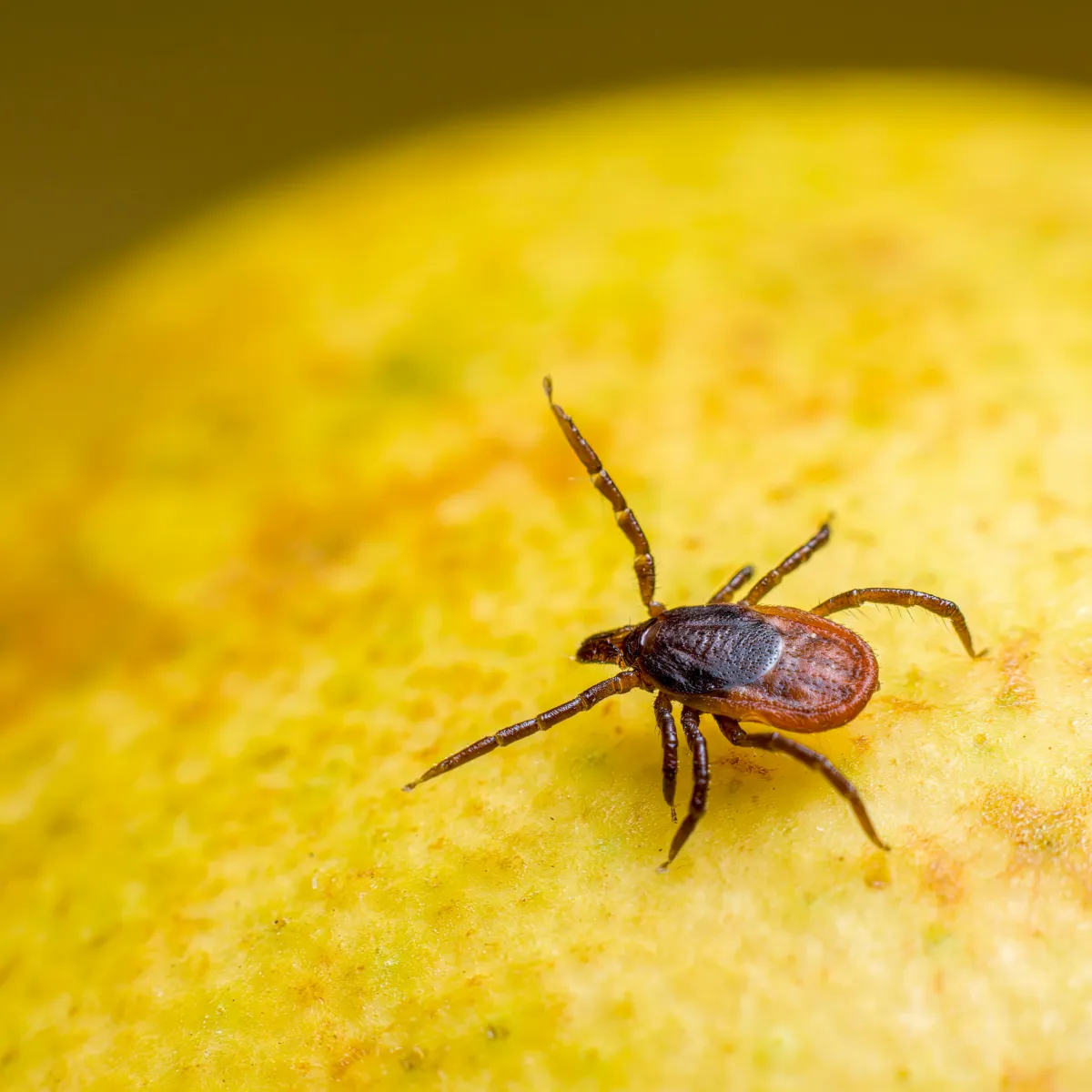
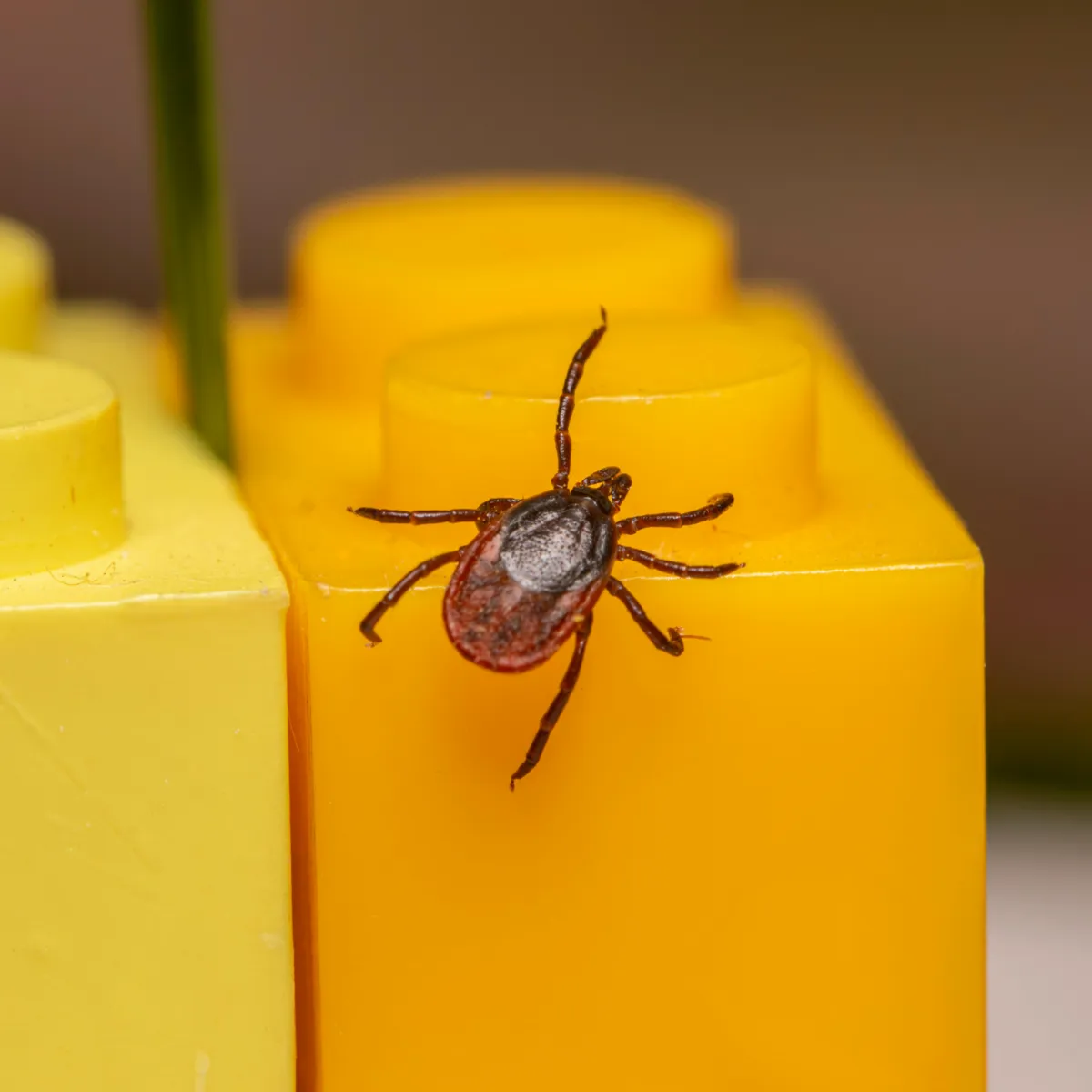
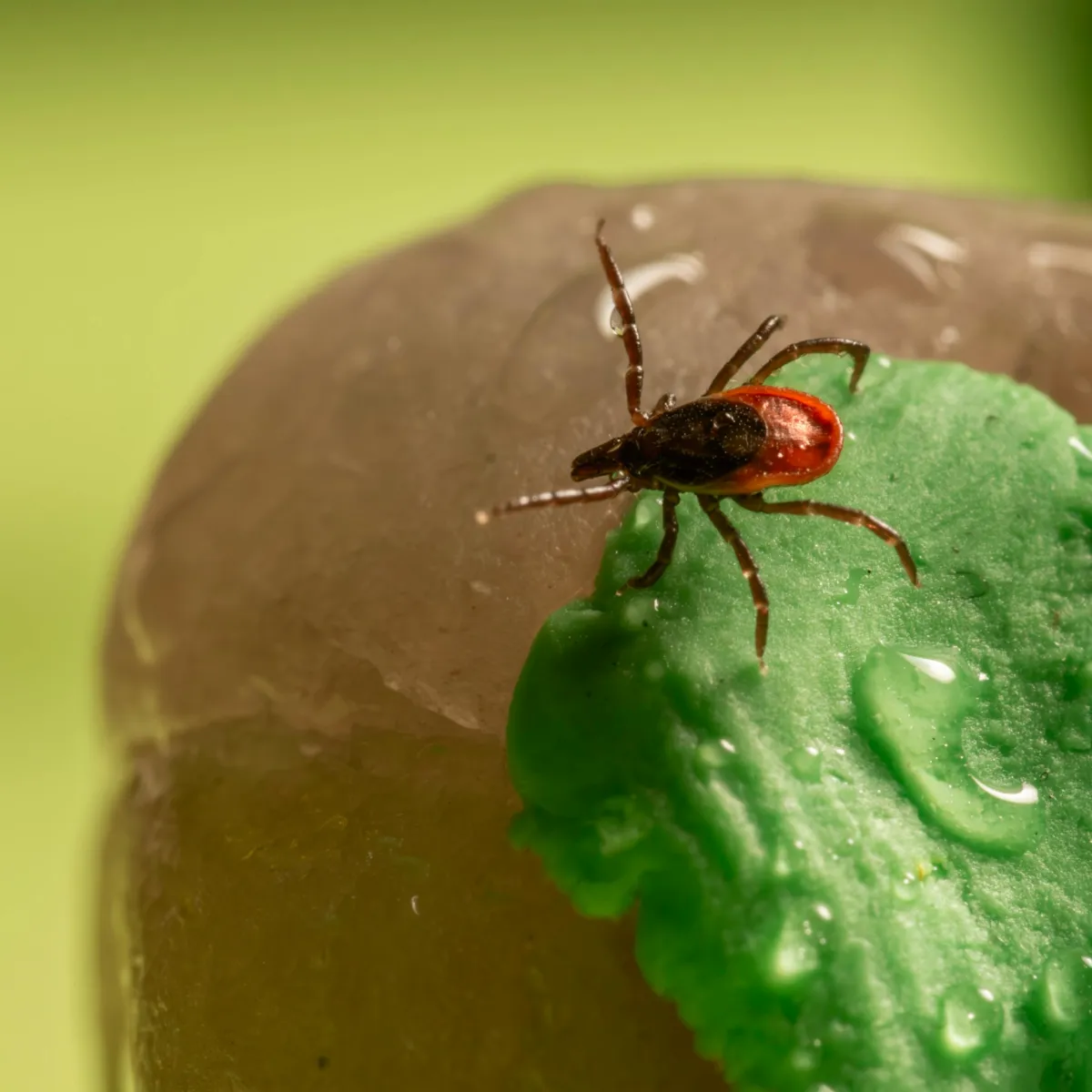
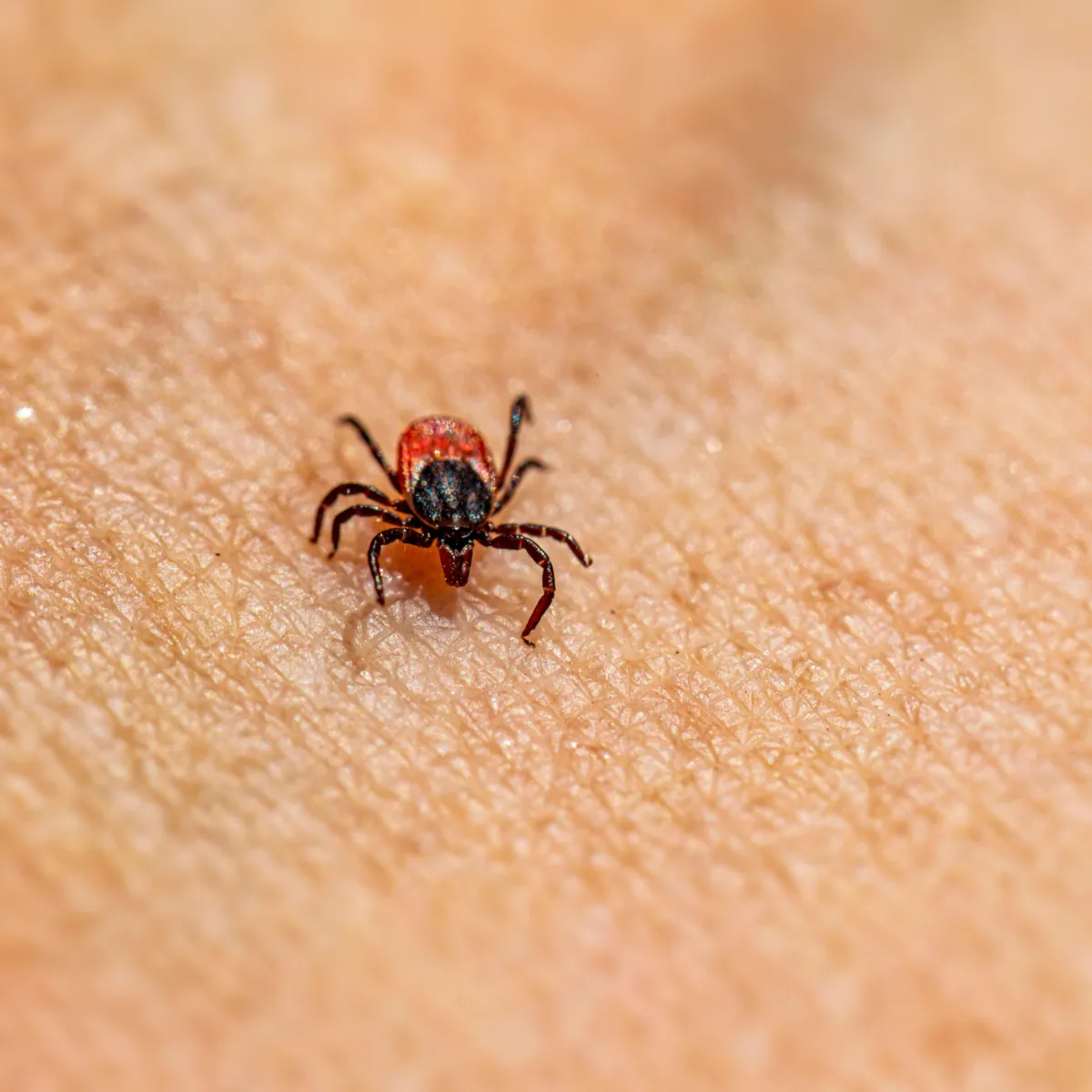
Ticks are more than a nuisance because they can affect both people and pets while remaining easy to overlook in the early stages. Many homeowners only recognize the problem after a tick is found on a pet, after yard work, or after time outside in an area that seemed harmless. Because tick bites are often painless or easy to miss, the yard may be holding more activity than expected before anyone realizes attention is needed.
Neptune Beach has the kind of climate that can support tick activity over long portions of the year. Heat, humidity, regular moisture, and active plant growth can all help maintain favorable conditions. Yards with shaded landscaping, dense borders, brush, taller grass, wooded edges, and wildlife traffic may carry even more pressure. Professional treatment helps reduce the tick population in the yard itself, which is usually the most practical way to prevent recurring activity from reaching the places where outdoor life happens most often.
The parts of the property that cause the most trouble are usually the ones that stay low, sheltered, and easy to overlook
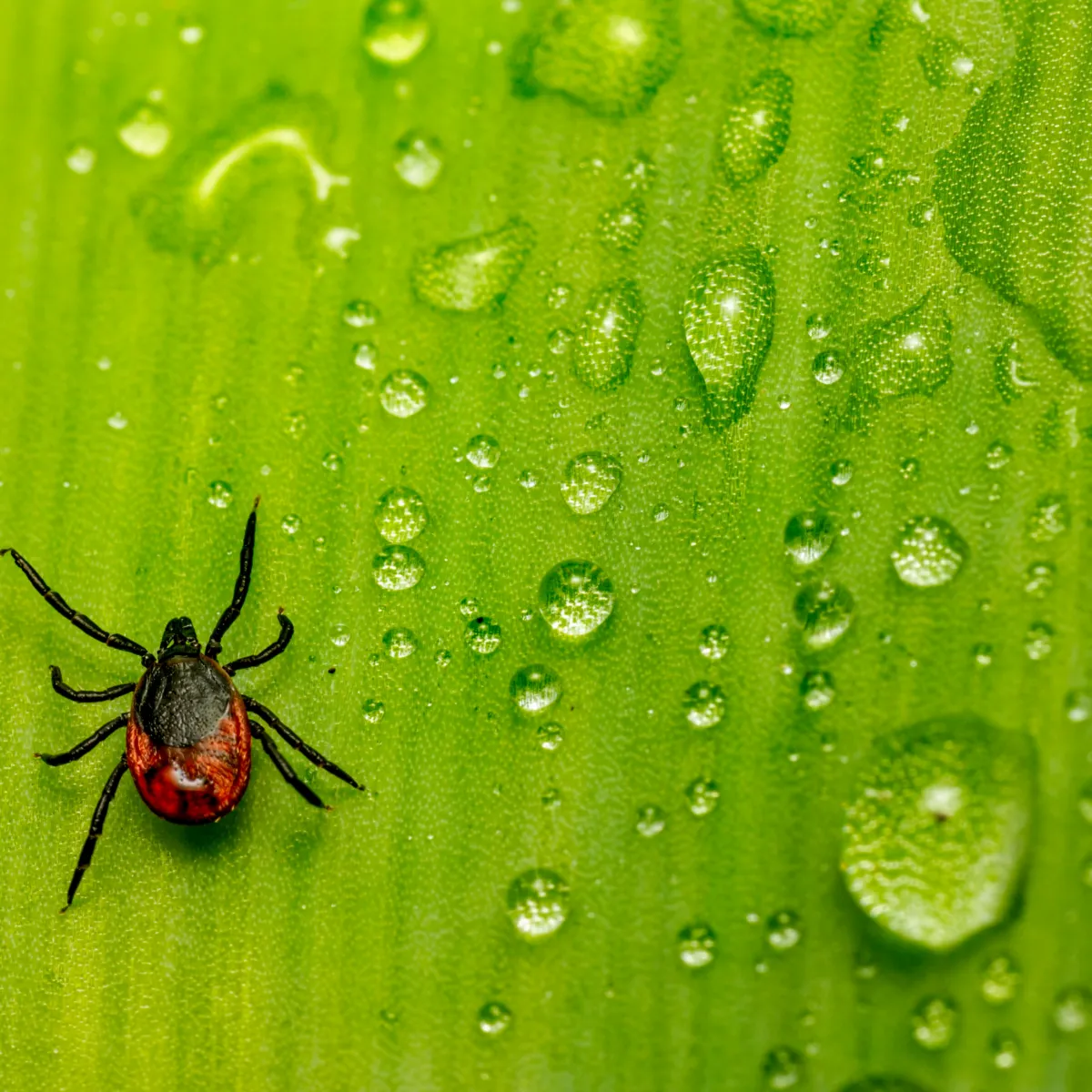
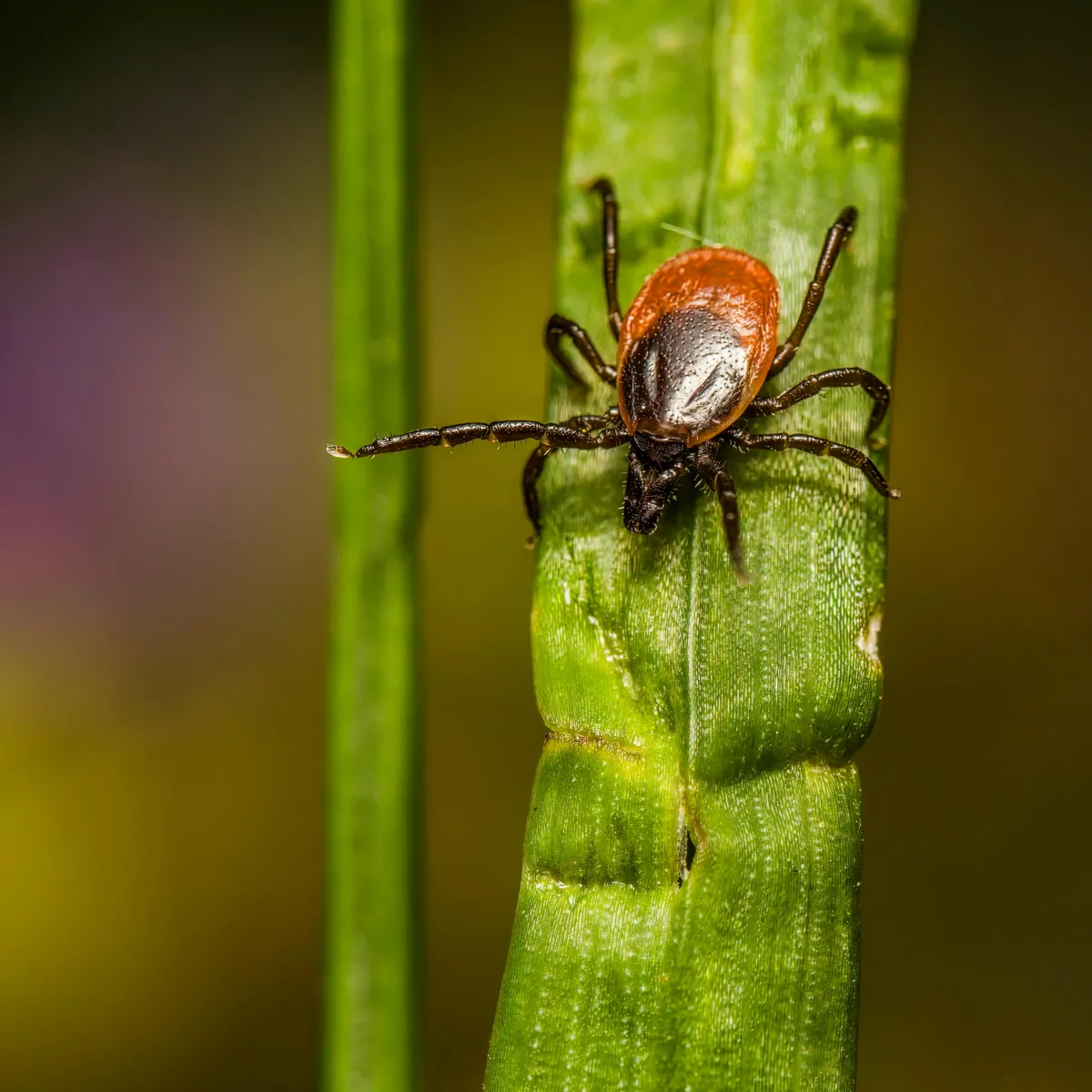
Ticks usually remain where they can stay protected from direct sunlight and drying conditions. Around a home, that often means tall grass, brush, overgrown vegetation, leaf piles, wood piles, and planting beds with dense growth near the base. Shaded lawn edges and fence lines can also become important because they provide quiet paths with enough cover to support continued activity.
Other likely hiding areas include spaces beneath decks, around sheds, and near wooded or natural sections where wildlife moves through. Pet play areas can be especially important because repeated animal movement often passes directly through the same protected routes. Damp and covered sections of the yard deserve close attention because they can stay favorable much longer than more open turf.
A dependable treatment plan works best when each step builds toward protecting the spaces homeowners use the most
We begin by examining the yard to identify which sections are most likely to support tick activity. That includes looking at shade, retained moisture, thicker vegetation, pet movement, quiet edge zones, and the places where open lawn gives way to more protected cover.
After the likely pressure points are identified, treatment is applied to the places where ticks are most likely to remain active. This may include perimeter grass, bed edges, fence lines, side- yard strips, low damp sections, and other parts of the property that offer steady shelter near the ground.
Once the source areas are addressed, we create a protective barrier around the outdoor spaces homeowners use most. That barrier may include lawn edges, the foundation perimeter, shrubs, landscape beds, fence boundaries, tall grass, wooded borders, areas beneath decks, spaces around sheds, pet zones, play areas, patios, outdoor seating sections, and locations where heavier shade or moisture remain in place.
If the same favorable yard conditions remain, activity can build again. Continued service helps reduce that rebound and supports more reliable protection throughout the active season.
The biggest improvement homeowners notice is often not just fewer ticks, but a yard that feels easier to use without second- guessing every corner
For families who use the yard often, the concern becomes practical very quickly. Dogs move through the same border paths and planting lines without hesitation, often bringing them closer to hidden activity than anyone realizes. Children do much the same around patios, lawns, and play areas, where the open- looking parts of the yard may sit close to more protected sections. Because tick bites can be difficult to detect, lowering exposure around those daily- use spaces matters.
Professional yard treatments help reduce activity around patios, decks, pools, play areas, fire pits, lawns, pet areas, gardens, and outdoor dining spaces. That kind of protection makes a difference because it helps homeowners use the property in a more relaxed way instead of constantly wondering which part of the yard might be next.
The weather does not affect every section of the property equally, which is why the pressure often shifts from one area to another as the season changes
Spring often brings fuller growth, frequent moisture, and a return to steady outdoor routines. During that time, border beds, shaded strips, and lower sections may begin carrying more activity as cover and humidity increase together.
Summer can keep the property warm, damp, and heavily used. While homeowners spend more time outside, dense planting, pet zones, and protected corners may continue offering the kind of environment ticks prefer.
Fall may feel less intense, but that does not automatically remove the issue. Lingering warmth, active landscaping, and sheltered sections can still support activity around the same parts of the yard.
Moisture often determines which areas remain favorable longest. Open turf may dry relatively quickly, while shaded edges, low spots, and planted borders can keep holding dampness and continue supporting tick activity.
The right provider is one that understands why a few specific features can control how the whole property feels
Effective tick control depends on understanding the parts of the yard that are actually driving the issue. On many properties, that is not the biggest section of lawn. It may be a dense border near a seating area, a side strip that never gets enough sun, or a moisture- holding edge that stays favorable week after week. Fairway Lawns approaches service with that kind of property- specific thinking in mind.
Homeowners choose Fairway Lawns because they want trained local technicians, licensed and insured service, clear pricing, and a free quote from a company that understands coastal yard conditions. Recurring service options are available, and treatments are planned around real outdoor use, pet activity, and the family spaces homeowners want protected first.
The work done between visits can help the property move in the right direction or allow the same conditions to quietly rebuild the same concern
Homeowners can support treatment by reducing the kind of shelter ticks rely on. Keeping grass maintained and shrubs trimmed can limit some of the low cover that helps activity stay hidden. Removing leaf piles, yard debris, and stored wood can also help because those materials often create cool ground- level protection.
It is also helpful to cut back overgrown brush, maintain pet areas carefully, and avoid placing heavily used spaces too close to dense sheltered edges when possible. Pets should be checked after outdoor time, and wildlife attraction should be reduced where practical. When the same areas keep becoming a concern, recurring service is often the most effective way to stay ahead of the issue.
Sometimes the first thing a homeowner needs is fast relief in the section of the yard that has become the most disruptive
A one- time tick treatment can be a useful choice when one part of the property needs quick attention. That may happen after ticks are found near an outdoor sitting area, around a pet route, beside a landscape border, or in a section of the yard that needs to be used soon.
This kind of service can help reduce immediate activity in the area creating the most concern and provide short- term relief where the pressure feels most noticeable. For some properties, it also serves as a first step before deciding whether a recurring treatment plan is the better long- term path.
The better long- term solution is usually the one that keeps fresh activity from taking hold in the same hidden areas all over again
Recurring service is often the stronger choice for homeowners who want steady protection instead of short- term interruption. Because coastal conditions can keep parts of the yard favorable over long stretches, regular treatments help manage new activity before it becomes well established. That consistent approach also lowers the chance that the same source areas will keep reintroducing the same problem.
Nearby homes may be dealing with very similar yard pressure when they share the same mix of humidity, shade, and outdoor use
Fairway Lawns provides tick control for Neptune Beach- area homeowners who want help protecting lawns, patios, pet spaces, and other outdoor areas from recurring tick activity. Nearby properties with similar conditions, such as dense landscaping, retained moisture, shaded edges, and active outdoor living, may also benefit from the same treatment approach.
The most helpful questions usually come from the exact sections of the property that keep drawing the most concern
If the yard is starting to feel less comfortable because of recurring tick activity, Fairway Lawns can help you take a more targeted approach. Our service is designed to address the sections where hidden pressure begins so the outdoor parts of your property can feel easier to use again over time. Contact Fairway Lawns today to request a quote for tick control in Neptune Beach.