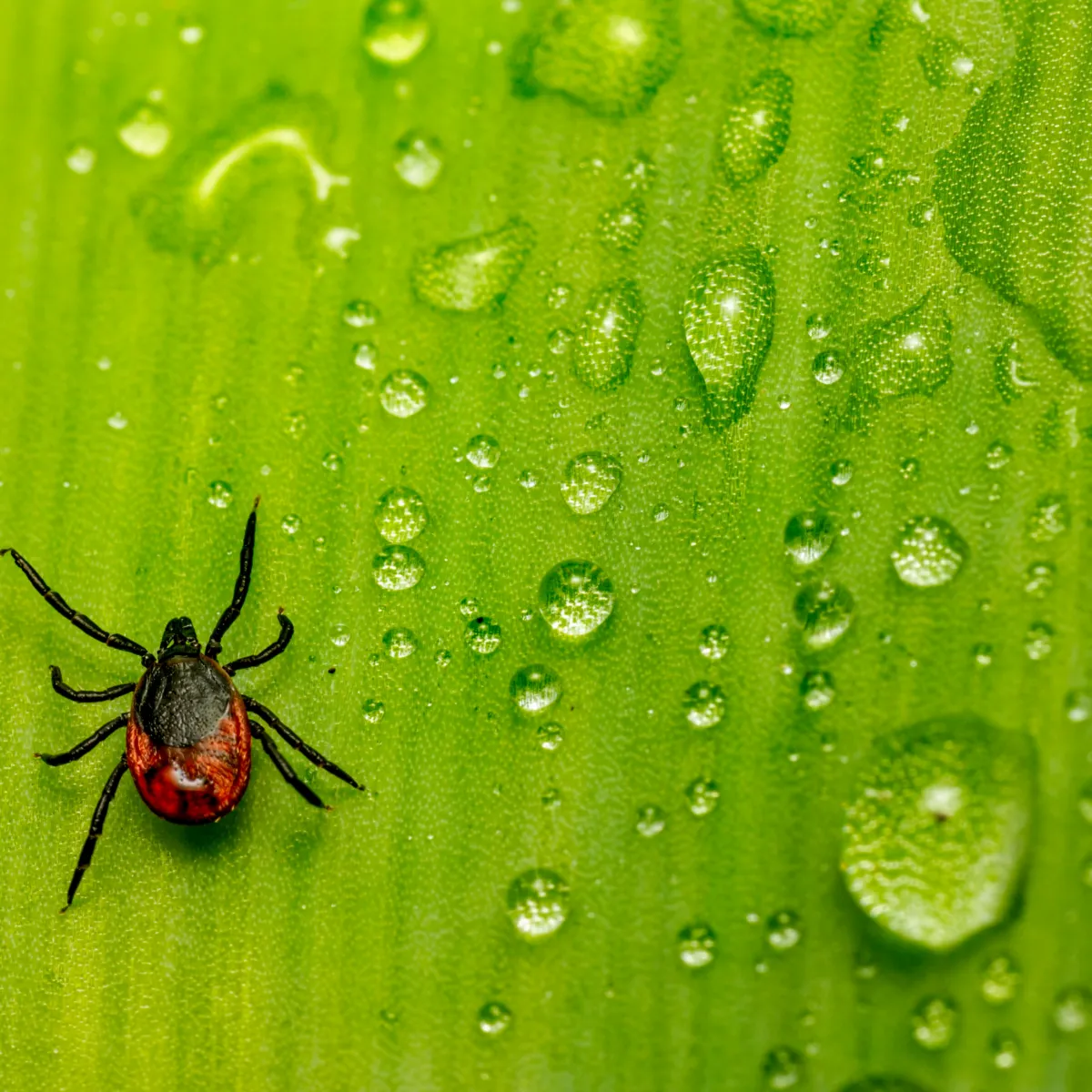
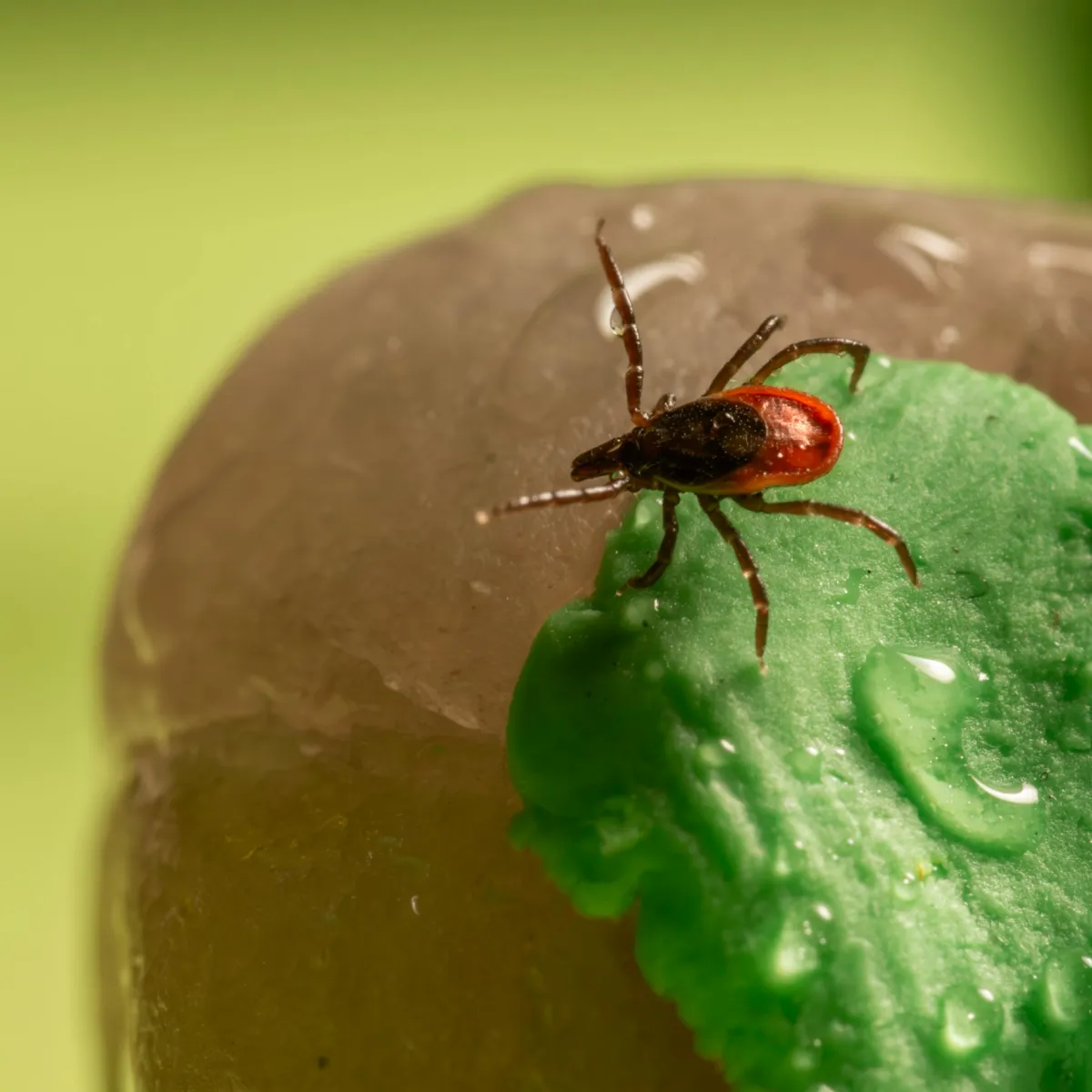
A More Comfortable Yard Starts at the Edges
In Jacksonville, a lot of yard life happens outside for most of the year. Dogs run the fence line, kids cut through the grass barefoot, and patios stay in use long after sunset. That is exactly why ticks can feel so disruptive. One sighting is usually enough to make every shaded corner of the yard look a little different.
Jacksonville’s warmth, humidity, rain, and heavy seasonal growth can create the kind of conditions that tick best. Fairway Lawns provides professional tick control in Jacksonville, FL with treatments built around the places where ticks are most likely to hide, travel, and build up over time, along with recurring options for homeowners who want steadier protection.
Targeted Service for High-Risk Yard Areas
Tick activity usually is not spread evenly across a lawn. It tends to collect in the places that give ticks cover, moisture, and access to people or pets. In Jacksonville, that often means shady borders, tall grass near the edge of the property, heavier landscape beds, fence lines, and the paths pets and wildlife use most often.
Fairway Lawns starts with a property inspection or assessment to identify the parts of the yard most likely to support tick activity. From there, treatment can focus on the zones that need the most attention, whether that means a wooded property line, a shaded bed near the patio, a pet area, or the border where open lawn gives way to thicker growth. Service may include targeted treatment of tick-prone zones, yard and perimeter applications, prevention-focused recommendations, and recurring maintenance for continued coverage.
A Process Built Around Inspection and Coverage
Good tick control is usually less about treating everything the same way and more about treating the right places consistently. The goal is to identify the areas feeding the problem, treat them directly, create a barrier around the outdoor spaces that matter most, and help keep activity from building back up later.
We begin by looking for the conditions that may support ticks, including shade, moisture, wooded borders, fence lines, thicker landscape beds, pet areas, and places where wildlife may be moving through.
Once those problem areas are identified, treatment is applied where ticks are most likely to be hiding or traveling. That keeps the service focused on the parts of the yard that create the most exposure.
A protective barrier may be applied around areas such as:
Lawn edges
Foundation perimeter
Fence lines
Shrubs and landscape beds
Tall grass
Wooded borders
Under decks
Around sheds
Pet areas
Play areas
Patios and outdoor seating areas
Areas with heavy shade or moisture
Ticks can return as weather, growth, and wildlife activity change the yard over time. Recurring service helps maintain protection and reduce the chance of the same issue building back up later in the season.
Why Jacksonville Conditions Can Keep Ticks Active?
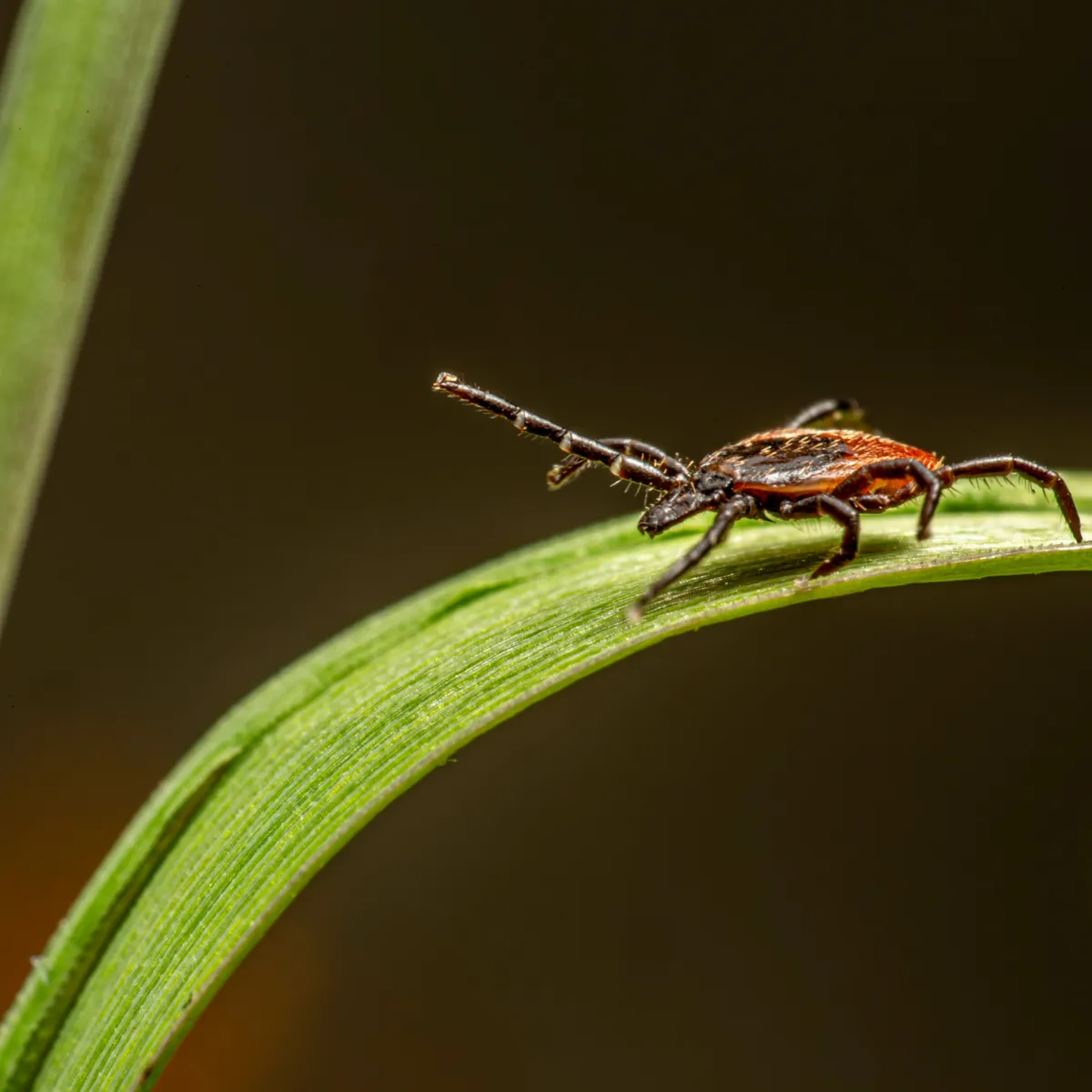
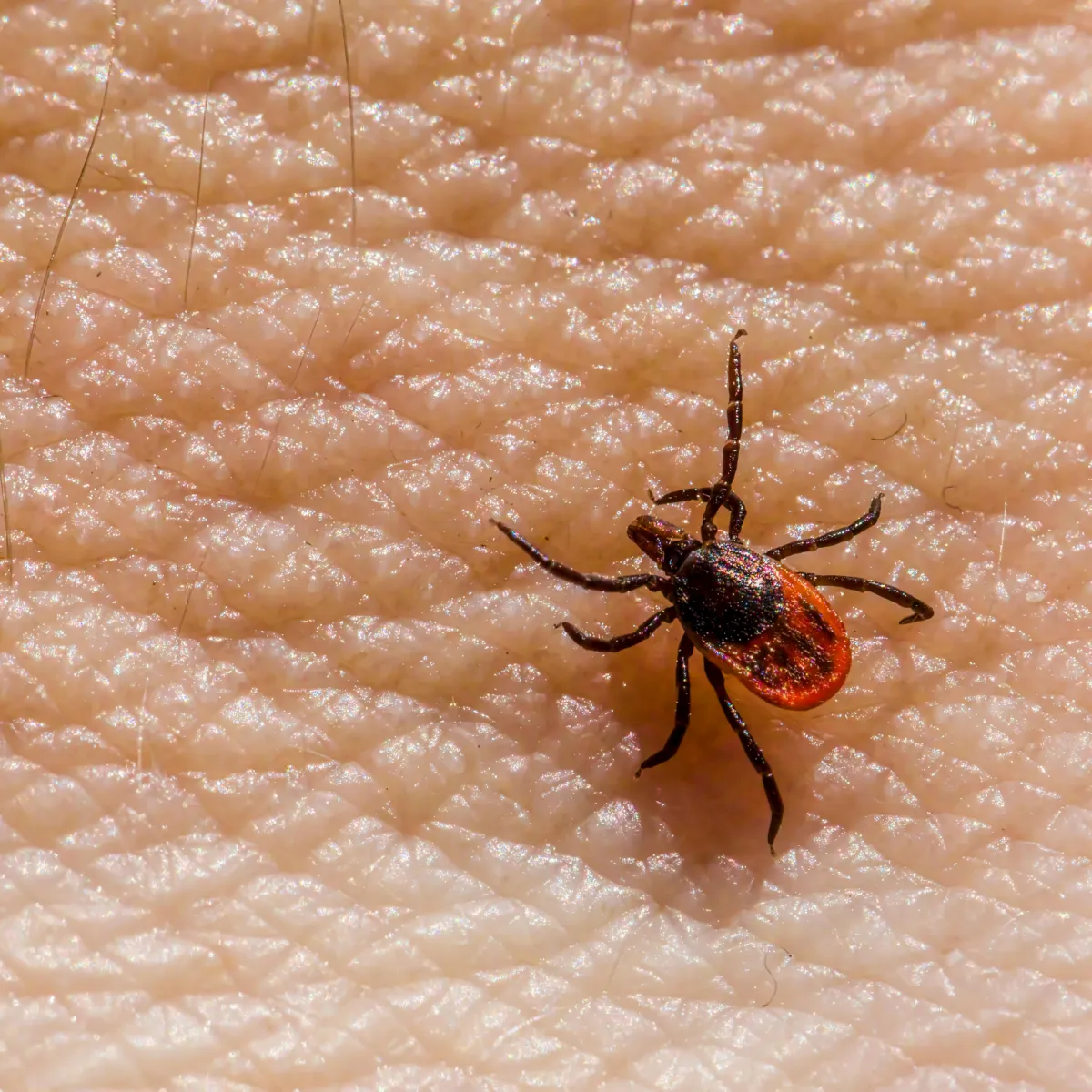
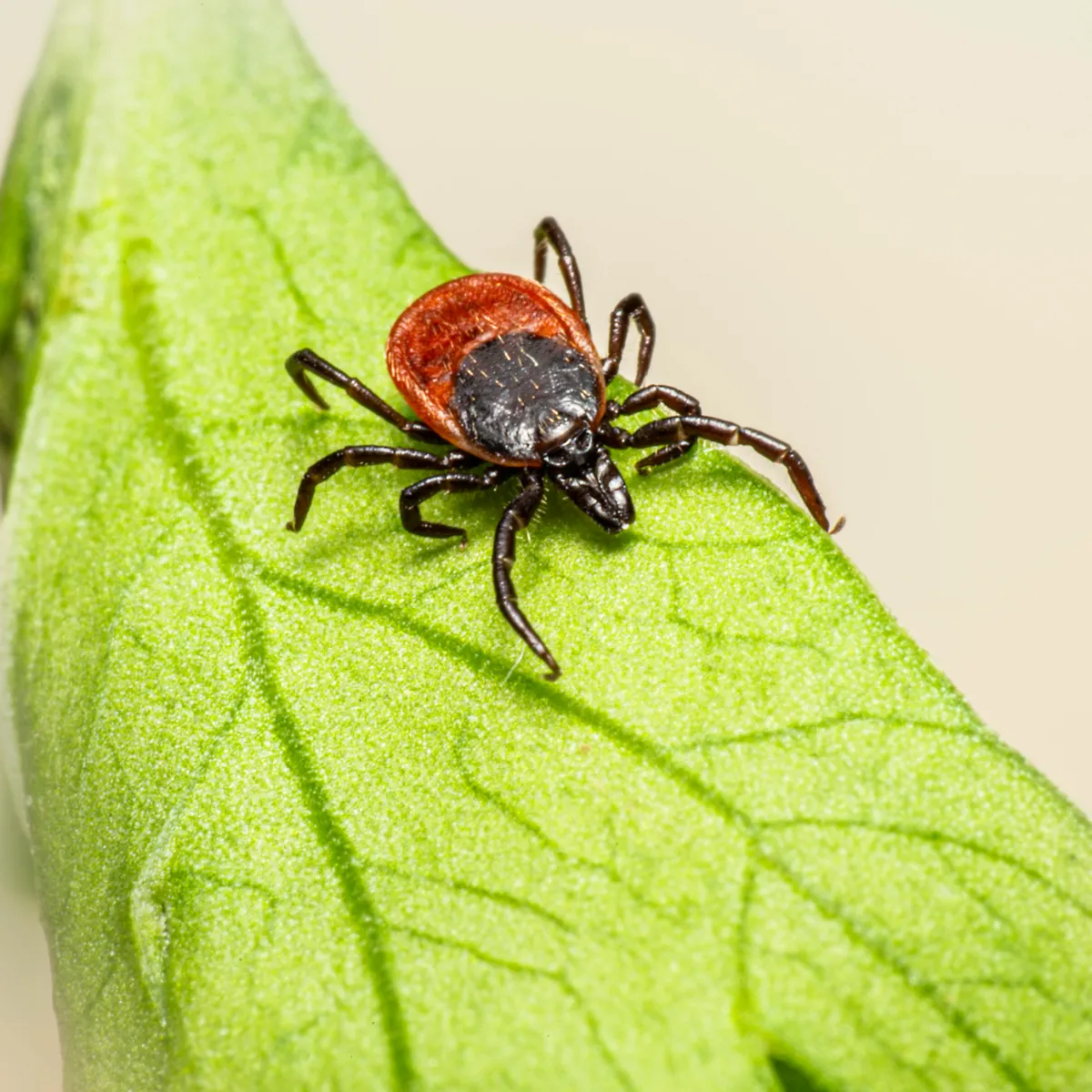
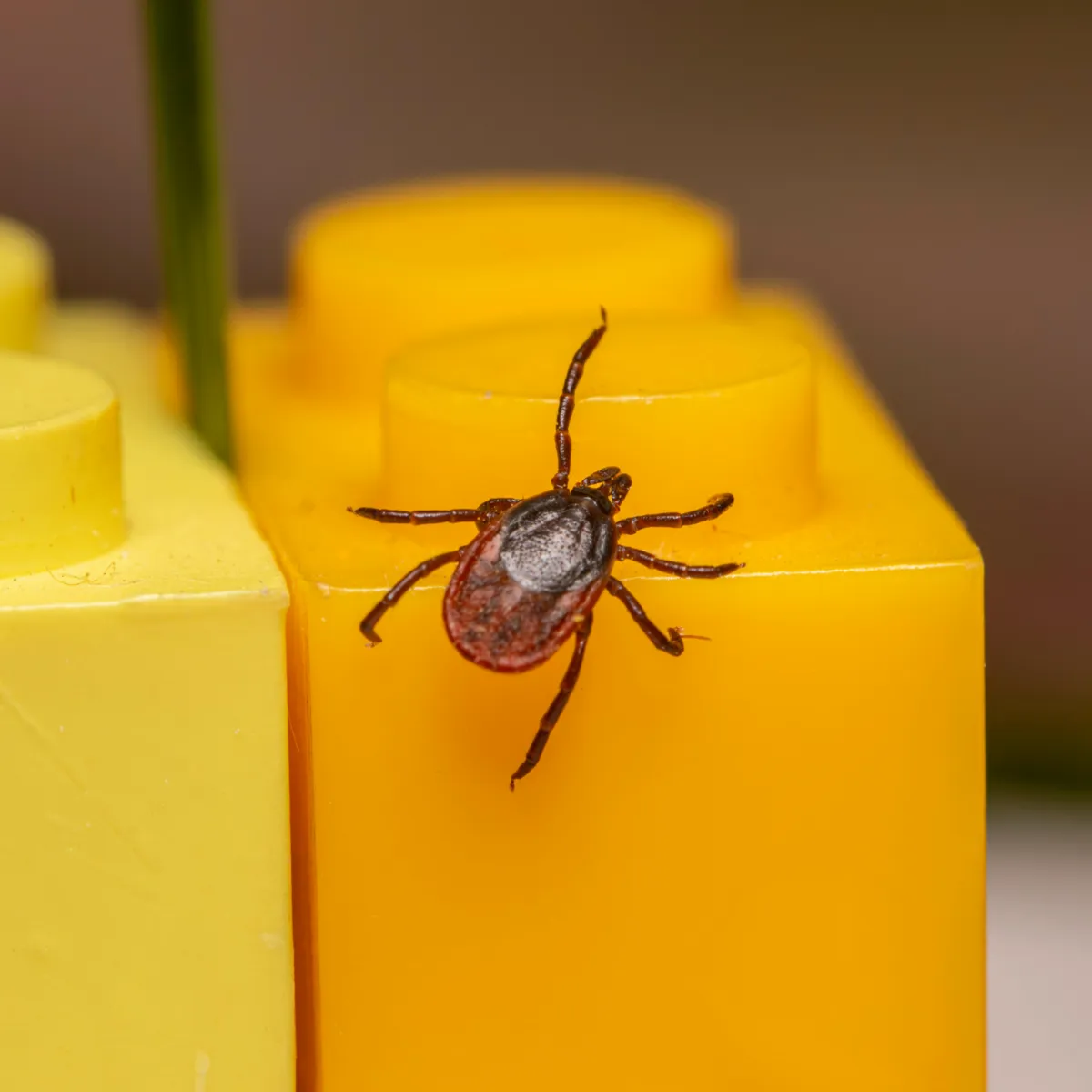
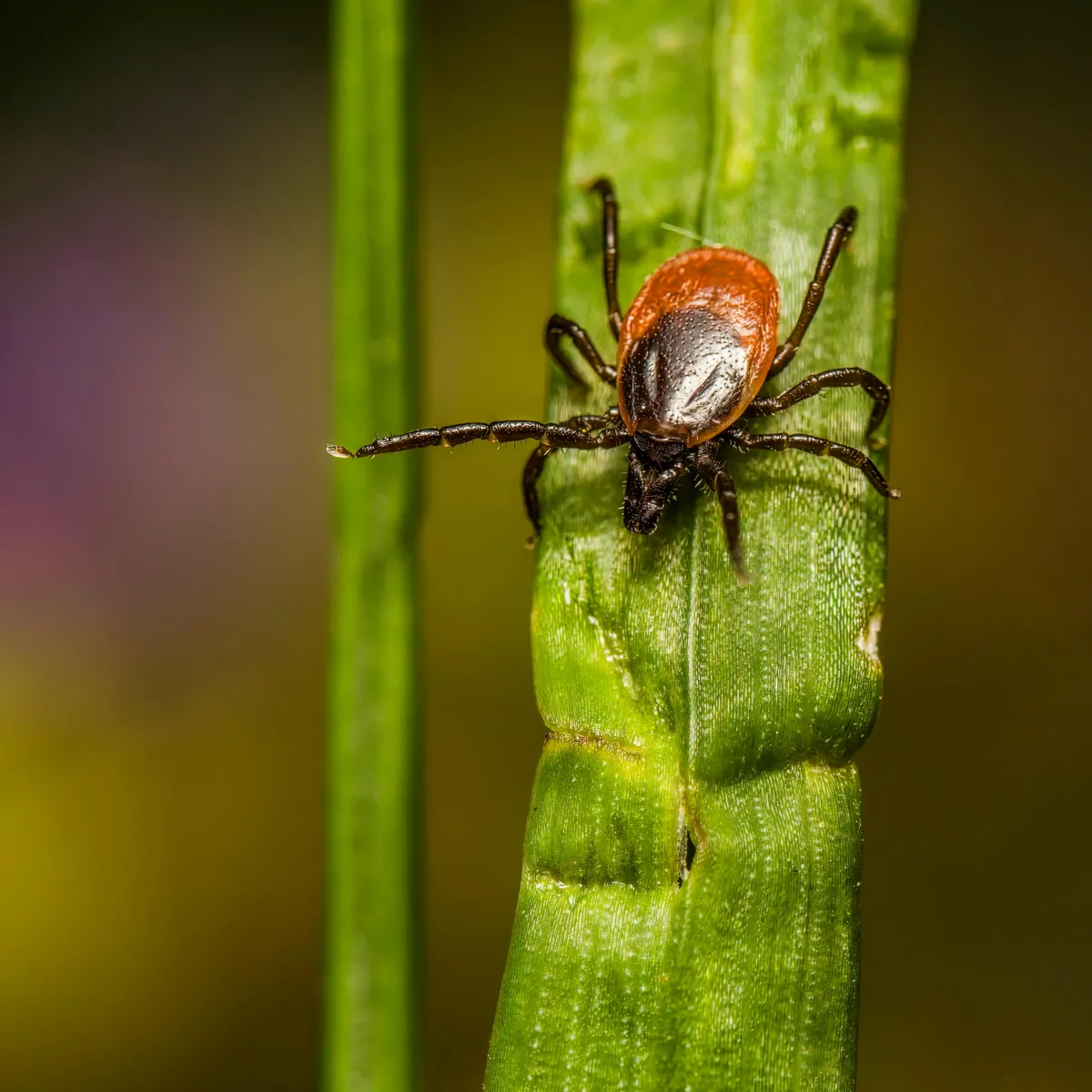
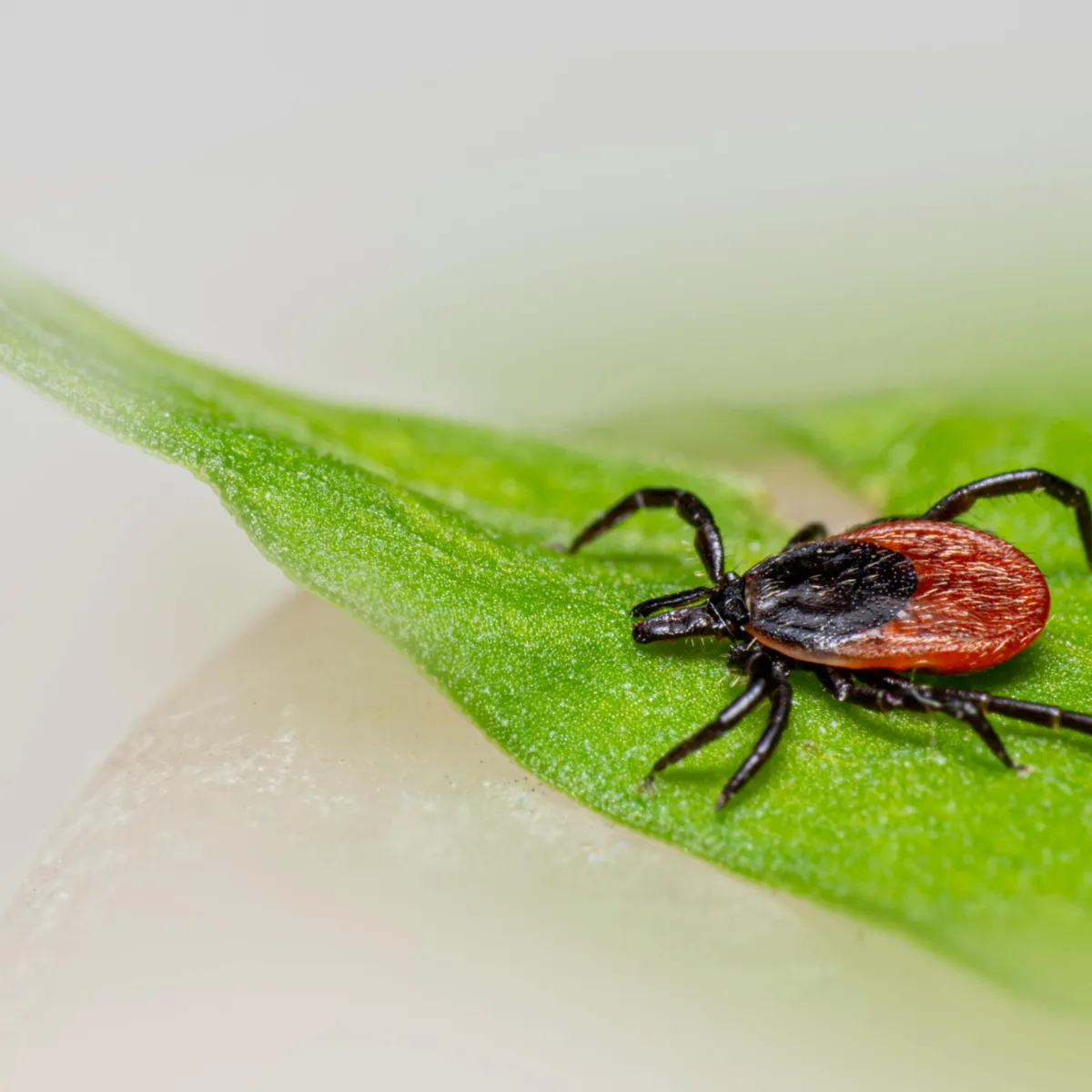
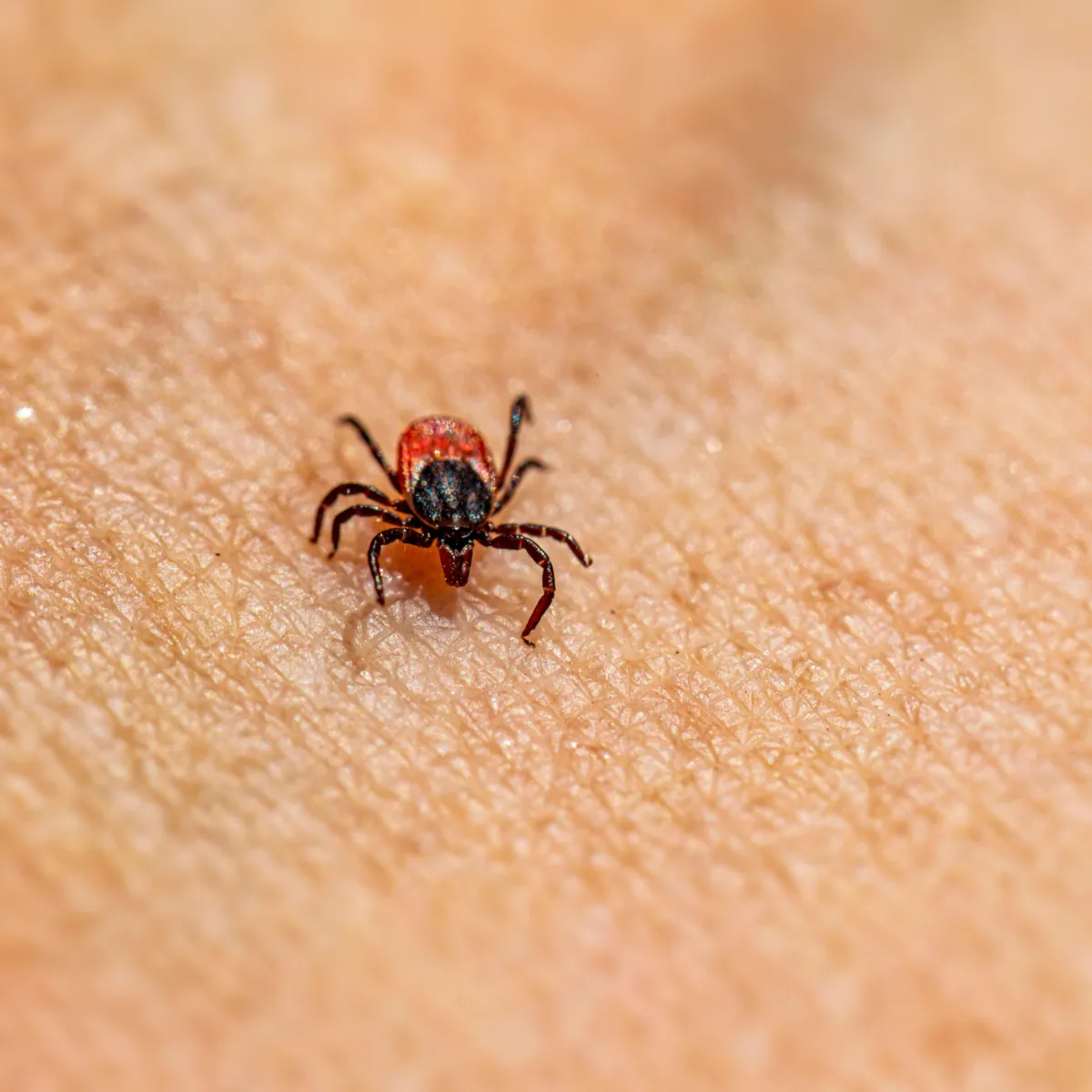
Ticks are easy to underestimate because they are small, hard to notice, and often discovered only after they have already become part of your routine. A dog picks one up. Someone finds one on their sock after being outside. A child comes in from the yard and suddenly you are paying closer attention to every part of the lawn.
In Jacksonville, that concern is not unusual. Warm temperatures, humidity, regular rain, and dense vegetation can support tick activity across long stretches of the year. Yards with wooded edges, brush, leaf litter, dense landscaping, damp sections, and regular wildlife movement can be especially prone to ongoing pressure. Professional treatment helps reduce the tick population around the property instead of leaving you to react each time another one shows up.
Ticks do not need much to settle in. A little cover, some moisture, and a place where pets, people, or wildlife move through is often enough. In Jacksonville yards, the biggest concern is usually the transition zones where open grass meets landscaping, fencing, or wooded cover.
Protection Around the Spaces Families Use Most
For many families, pets are the reason tick control becomes a priority. Dogs spend time in exactly the places ticks prefer, from cool grass near the fence to the shaded edges of beds and shrub lines. Children can end up in those same areas while playing without realizing the added risk.
Professional yard treatments help reduce exposure around the outdoor areas your household uses most often, including:
Patios
Decks
Pools
Play areas
Fire pits
Lawns
Pet areas
Gardens
Outdoor dining areas
Tick activity in Jacksonville is shaped by heat, humidity, rainfall, shade, and vegetation growth more than by a short, simple season. That is why timing matters. Starting at the right point and staying consistent can make a real difference in how much pressure builds around the yard.
As temperatures rise and the yard fills in, ticks can become more noticeable along edges, beds, and shady areas. Starting service in spring can help keep early activity from becoming a bigger issue.
Heat, humidity, and regular rain can keep protected areas active for ticks. Summer is also when patios, lawns, pet areas, and outdoor gathering spaces get the most use, so continued coverage matters.
Jacksonville’s mild fall weather can still support tick activity in sheltered parts of the property. Fence lines, wooded edges, and heavier landscaping can continue to hold pressure well into the season.
Jacksonville winters are often mild enough that protected areas can still matter. Even when activity slows, winter can be a useful time to think ahead and prepare for the next active stretch.
Practical Ways to Make the Yard Less Inviting
Professional treatment does the heavy lifting, but what happens between visits still matters. A few practical yard habits can make the property less inviting to ticks, especially around edges, damp spots, and the places where landscaping meets natural growth.
Keep grass mowed
Trim trees and shrubs to reduce heavy shade
Remove leaf piles, wood piles, and yard debris
Reduce overgrown brush
Create mulch, rock, or gravel barriers near wooded edges
Keep pet areas maintained
Check pets after time outside
Discourage rodents and wildlife activity
Move bird feeders away from high-use lawn areas if they attract rodents
Keep play areas away from wooded edges when possible
Ask a professional about recurring treatments
A Good Option for Short-Term Relief
Sometimes the immediate goal is simply to get ahead of what is happening right now. A one-time treatment can make sense after a recent sighting, when one part of the yard has become a hotspot, or before you start using the property more heavily again.
This type of service focuses on the areas most likely contributing to activity, such as shaded edges, brush near the fence, dense beds, damp lawn borders, or pet spaces.
Recurring service is often the better option when tick activity is not just a one-time concern. Regular treatments help maintain a protective barrier and reduce the chance of ticks returning as the season continues.
That can be especially valuable for properties with shade, dense landscaping, wooded borders, pets, or regular wildlife movement through the yard.
Tick pressure can vary from one property to the next, but many homes in and around Jacksonville deal with the same general conditions: warmth, moisture, shade, and active outdoor spaces. Fairway Lawns provides tick control in Jacksonville, FL and nearby communities for homeowners who want stronger protection around lawns, patios, pet areas, and outdoor living spaces.
Clear Answers to Common Tick Questions
When ticks start showing up, most people want clear answers they can use right away. These are some of the questions Jacksonville homeowners ask most often about timing, treatment, and ongoing protection.
Request service today to get a quote for tick control in Jacksonville, FL. Fairway Lawns can inspect your property, treat tick-prone areas, and help you maintain protection around your lawn, pets, and outdoor living spaces.