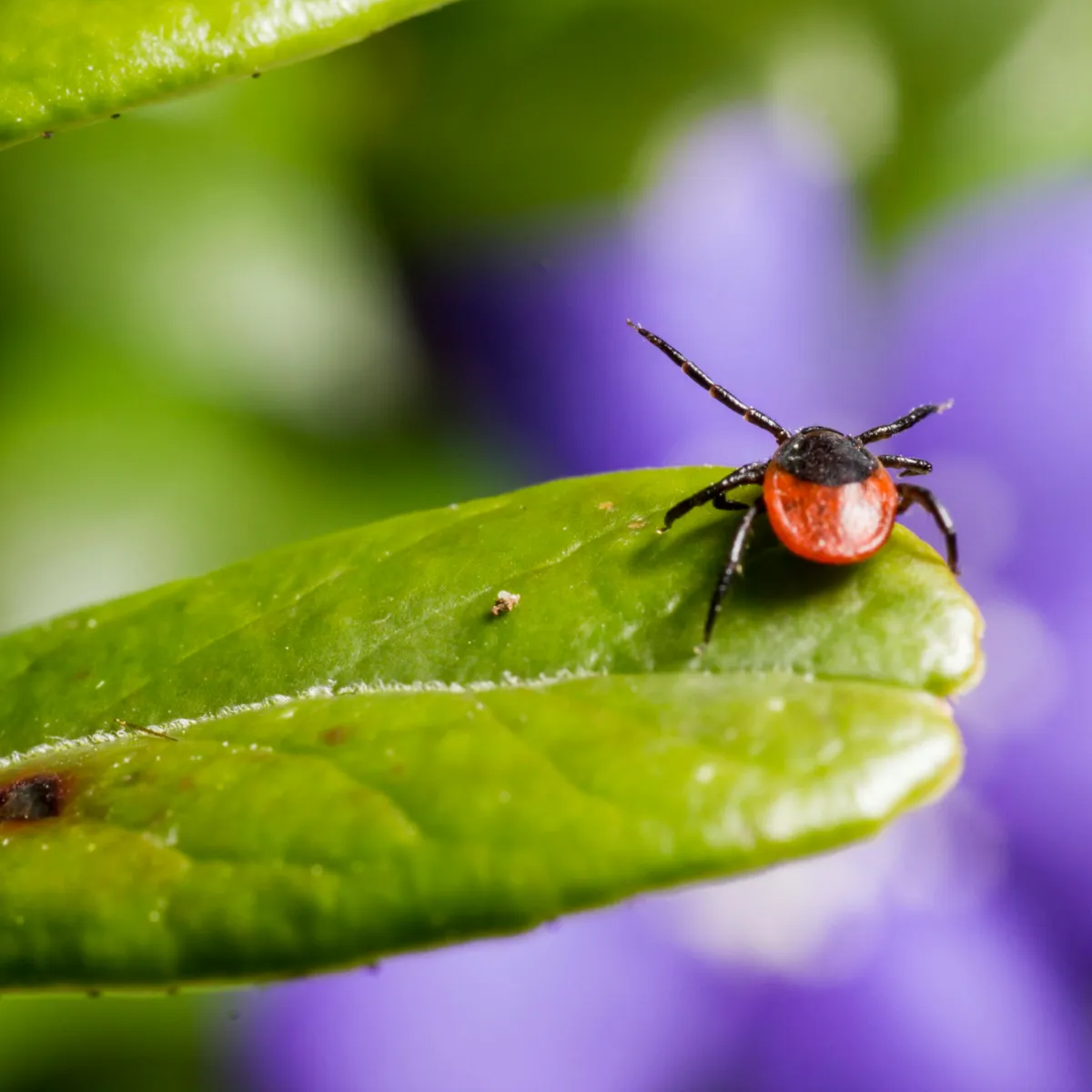
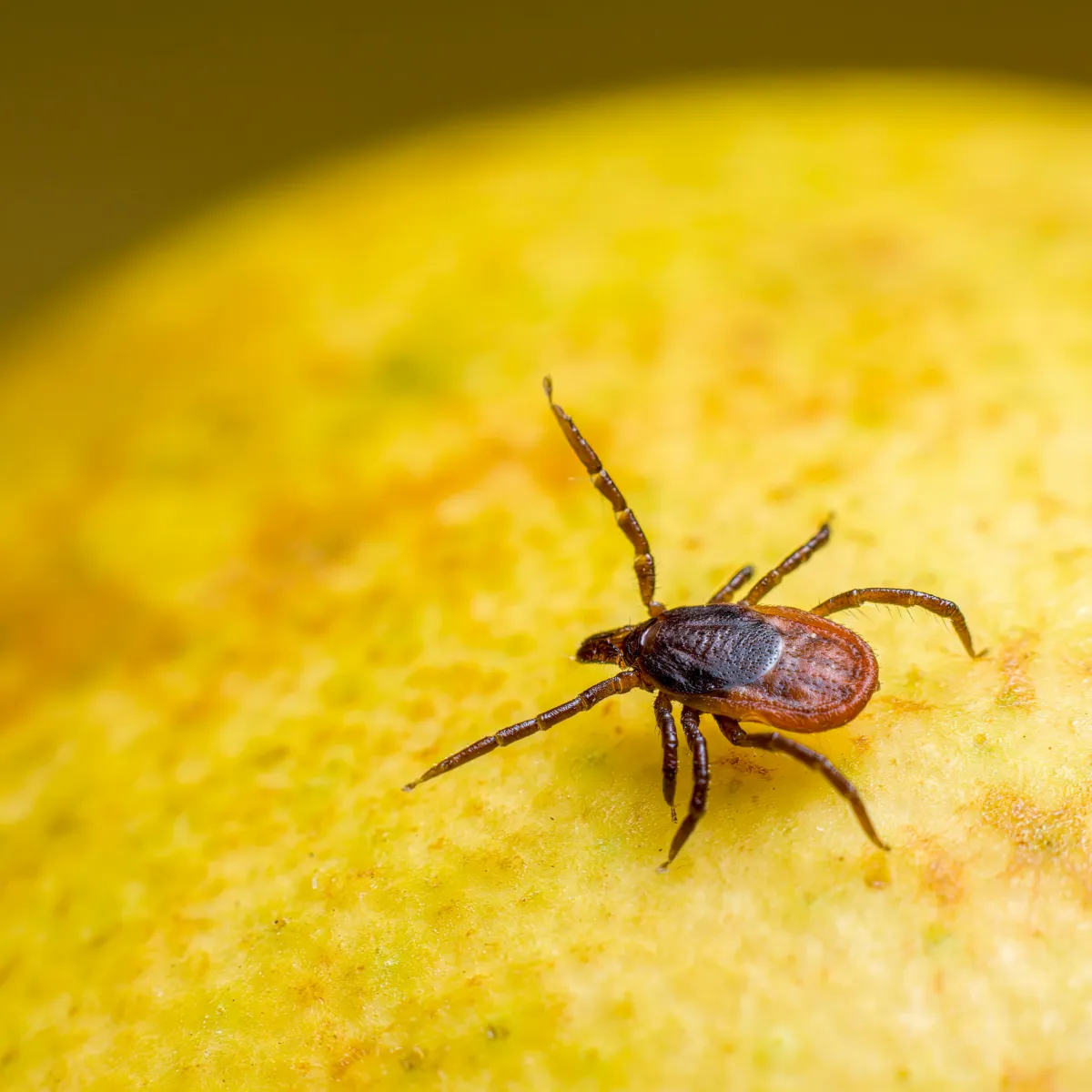
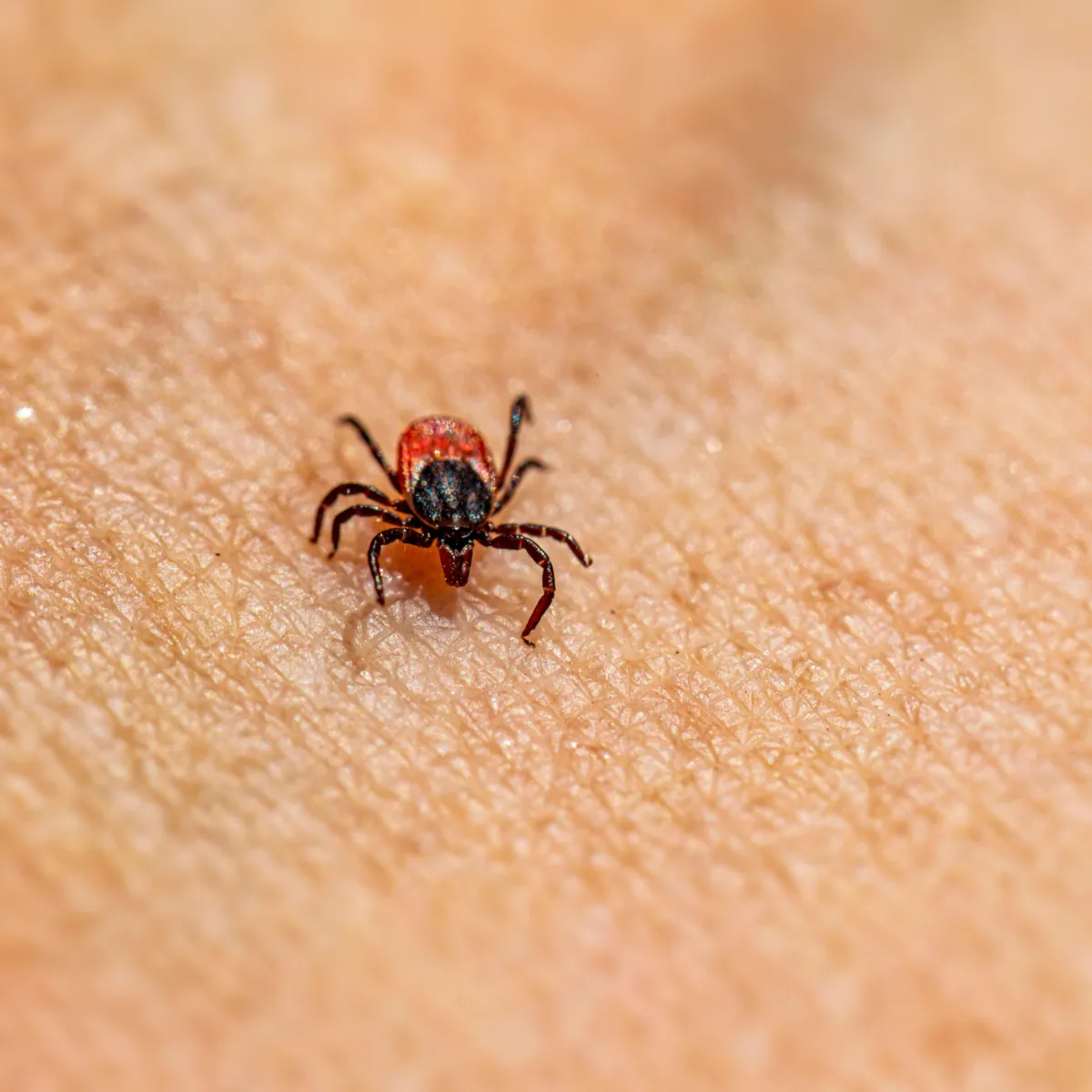
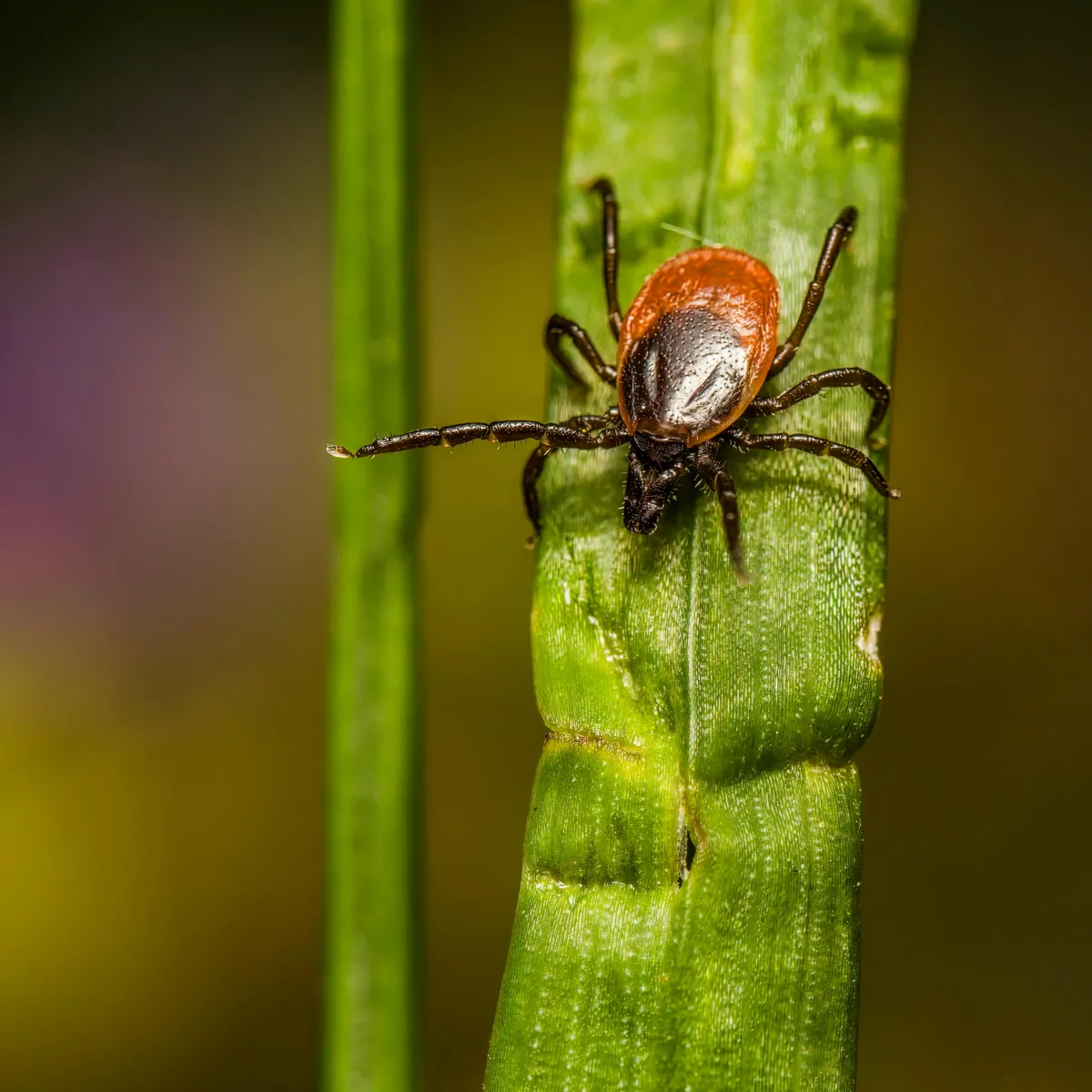
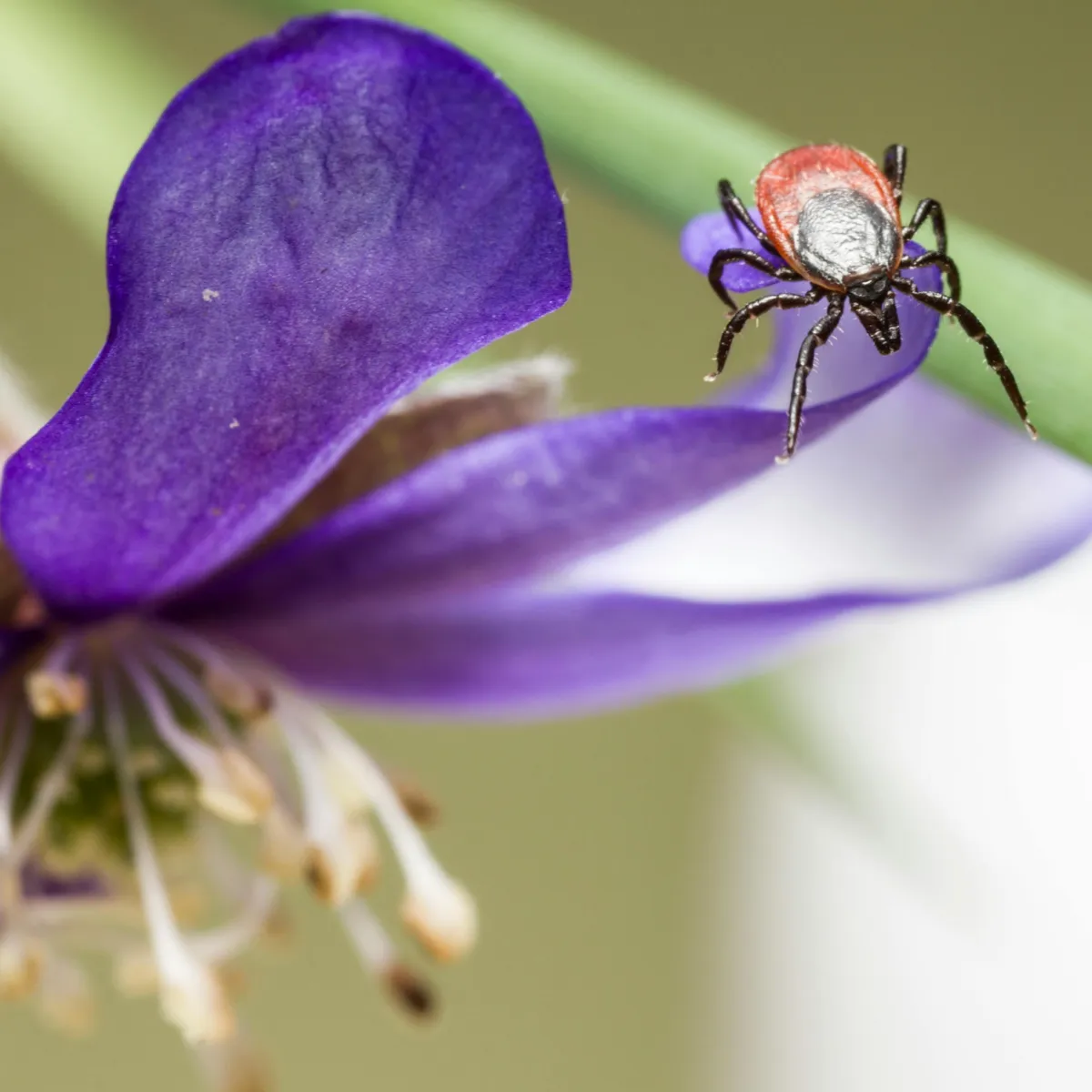
On properties where outdoor living is part of everyday life, hidden pest activity can quietly take over the spaces closest to the home
Some yards lose their sense of ease little by little. What starts as an ordinary stretch of lawn or a comfortable patio area can begin to feel less inviting once ticks begin turning up around the property. The issue often begins in the sections that stay protected from full sun and regular disturbance, then works its way toward the spaces where pets, children, and guests spend the most time.
Fairway Lawns provides professional tick control in Palm Valley, FL for homeowners who want to reduce that hidden activity before it keeps interrupting how the property is used. Our service is built around the parts of the yard where ticks are most likely to remain active, especially where dense cover, humidity, moisture, and day- to- day outdoor use all come together. By treating those zones with purpose, we help create more usable outdoor space instead of leaving homeowners to work around recurring concern.
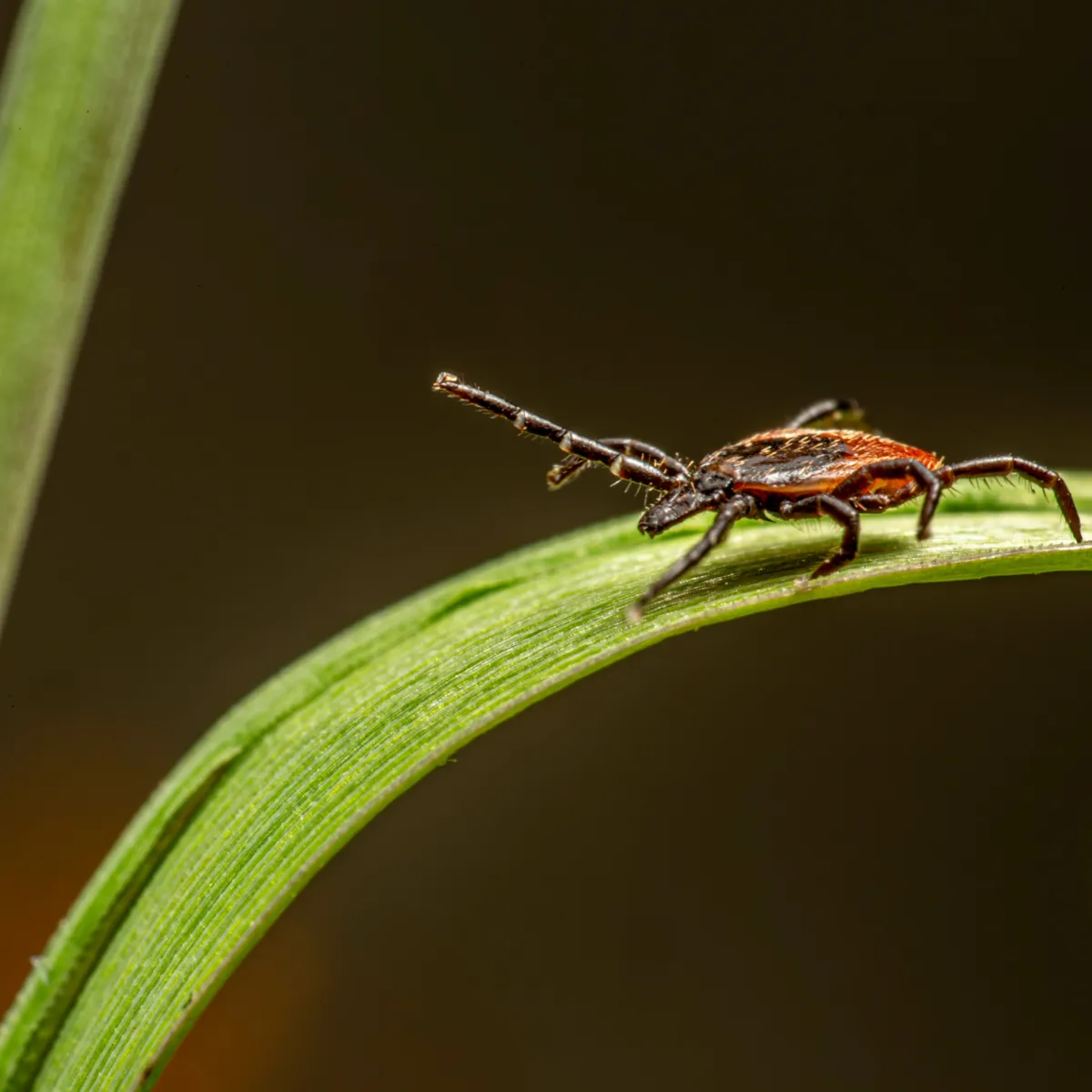
The key to better results is recognizing that a few specific yard conditions often matter far more than the total size of the lawn
Tick pressure usually builds where the property gives it staying power. One yard may have a shaded border near the back that never seems to fully dry. Another may have lush planting near a pool, a narrow side run where air movement is limited, or pet traffic that passes through low cover on a regular basis. In Palm Valley, outdoor spaces often blend decorative landscaping with regular family use, which makes those transition areas especially important.
Our service starts with a property assessment to identify which sections are likely to hold ticks and which outdoor areas the homeowner wants protected first. Treatments are then directed toward the parts of the yard where activity is most likely to begin and the nearby areas where people spend time. That may include patios, lawns, pool areas, play spaces, pet zones, outdoor seating, planted borders, and sheltered lines along the property edge. The intent is to stop the problem where it forms instead of chasing it after it spreads.
In a warm coastal environment, prevention matters because the yard may keep offering favorable conditions long after homeowners expect the issue to fade
Ticks are more than just an outdoor annoyance because they can affect both people and pets while remaining difficult to notice before exposure occurs. Many bites are easy to miss at first, which means a homeowner may not realize the property has become active until a pet carries a tick in or someone finds one after being outside. By that point, the issue has often been building quietly in the background.
Palm Valley properties can support tick activity for extended stretches because warmth, coastal humidity, recurring rain, and strong vegetation growth all work in the pest’s favor. Yards with thick planting, shaded pockets, brushy edges, damp ground, and wildlife movement can be especially vulnerable. Professional service helps reduce the population where it is holding in the yard itself, which is much more effective than simply reacting after ticks begin reaching outdoor living areas.
The sections most likely to cause problems are often the ones where the yard feels calmest, thickest, and least exposed
Ticks usually stay in places that protect them from direct sunlight and help them retain moisture close to the ground. Around residential properties, that often means taller grass, dense shrub lines, landscape beds, overgrown edges, leaf buildup, and wood piles that create low shelter. Fence lines and lawn margins can also become important because they often collect cover without drawing much attention.
Other likely hiding places include the ground around sheds, beneath decks, and near wooded boundaries or natural areas where wildlife passes through. Pet spaces can also become important because animals often move along the same routes repeatedly, brushing against the same cover. Damp protected sections deserve careful attention because they can stay favorable long after the more open yard feels dry.
A thorough process works better than a broad one because tick control depends on moving from source zones toward the spaces people use most
We begin by reviewing the layout and conditions of the property to identify where ticks are most likely to remain active. That includes shade patterns, moisture retention, plant density, pet movement, quieter edge zones, and the points where open grass gives way to more sheltered cover.
Once those likely activity areas are identified, treatment is applied to the sections of the yard most likely to support tick pressure. This can include perimeter grass, bed edges, low corners, side strips, fence boundaries, and other parts of the property where cover stays near the ground.
After the likely source areas are addressed, we create a protective barrier around the portions of the yard homeowners use most. That may include lawn edges, the foundation perimeter, shrubs, landscape beds, fence lines, tall grass, wooded borders, areas beneath decks, spaces around sheds, pet zones, play spaces, patios, outdoor seating areas, and locations where shade or moisture remain heavier.
When the same favorable conditions stay in place, fresh activity can return. Continued service helps keep those hidden sections from rebuilding pressure and supports more dependable long- term protection.
The spaces worth protecting most are usually the ones where family routines already happen without much thought
The problem often becomes real when it starts affecting the way the household uses the yard. Dogs move naturally through border grass, planting lines, and shaded routes that may already be active. Children do the same around patios, lawn areas, play spaces, and open gathering spots without noticing the hidden cover nearby. Because tick bites are not always obvious right away, reducing yard exposure in those spaces makes a practical difference.
Professional treatments help reduce pressure around patios, decks, pools, play areas, fire pits, lawns, pet areas, gardens, and outdoor dining sections. That kind of coverage helps homeowners feel more confident about using the yard the way it was intended to be used instead of avoiding parts of it or constantly checking for signs of activity.
What changes through the year is not just the weather, but the specific sections of the property that remain most favorable
Spring often brings thicker growth, rising humidity, and more regular time outside. During this stretch, planted borders, shaded lawn edges, and low protected spaces may begin carrying more activity as cover increases.
Summer can keep the property warm, damp, and heavily used. At the same time, dense landscaping, pet routes, and sheltered corners may continue giving ticks the kind of environment they prefer.
Fall may feel less intense than midsummer, but the property can still hold enough moisture, warmth, and ground- level cover to keep certain areas favorable longer than expected.
Moisture can make one part of the yard very different from another. Open turf may dry relatively quickly, while shaded planting, low ground, and protected edge zones can remain damp much longer and continue supporting activity.
The strongest provider is one that understands how local yard design and local climate can combine to keep the same trouble spots active
A good tick control plan depends on understanding which parts of the property are truly driving the issue. Often, it is not the broad open lawn that matters most. It may be a shaded border beside an outdoor living area, a dense planting zone near the home, or a moisture- holding edge that stays favorable week after week. Fairway Lawns approaches service with that kind of property- specific focus.
Homeowners choose Fairway Lawns because they want trained local technicians, licensed and insured service, transparent pricing, and a free quote from a company that understands the kind of prolonged tick pressure warm coastal conditions can create. Recurring options are available, and treatment planning is designed around pets, family use, and the outdoor areas homeowners value most.
What happens between visits can either help reduce yard pressure or quietly allow the same conditions to keep feeding it
Homeowners can support treatment by making the property less attractive to ticks between service visits. Cutting back grass and trimming shrubs can reduce some of the low cover that helps activity stay hidden near the soil. Removing leaf piles, wood stacks, and loose debris can also help because those materials often create protected shelter.
It also helps to reduce overgrown brush, keep pet spaces maintained, and avoid placing heavily used areas too close to dense or shaded borders whenever possible. Pets should be checked after outdoor time, and wildlife attraction should be limited where practical. When the same parts of the yard repeatedly create concern, recurring service is often the most effective way to stay ahead of the issue.
Sometimes the first need is not a season- long plan, but a fast response to one section that has become difficult to ignore
A one- time tick treatment can be a useful option when one part of the yard is creating an immediate problem. That may happen after ticks are found near a patio, around a pet route, beside thick planting, or in an area that needs to be used soon for an event or gathering.
This type of service can help reduce short- term activity where the pressure feels most urgent and provide quicker relief in the affected section. For some properties, it also serves as a practical first step before deciding whether a recurring approach would provide better long- term protection.
The stronger long- term strategy is usually the one that manages fresh activity before it has time to settle back into the same hidden areas
Recurring service is often the better fit for homeowners who want steadier protection over the course of the season. Because weather, humidity, growth, and moisture can keep creating favorable conditions, scheduled treatments help address new activity before it becomes more established around the property. That ongoing approach also lowers the chance that the same source areas will keep rebuilding pressure in cycles.
Nearby homes can face similar yard pressure when they share the same blend of moisture, planting, and outdoor family use
Fairway Lawns provides tick control for Palm Valley- area homeowners who want help protecting lawns, patios, pet spaces, and other outdoor areas from recurring tick activity. Nearby properties with similar conditions, such as dense landscaping, retained moisture, shaded boundaries, and frequent outdoor use, may also benefit from the same treatment approach.
The most useful questions usually begin with the parts of the property that keep standing out for the wrong reasons
If you want the yard to feel easier to use without constantly thinking about hidden tick pressure, Fairway Lawns can help. Our service is designed to target the areas where activity is most likely to begin so the outdoor parts of your property can feel more comfortable and more manageable over time. Reach out today to request a quote for tick control in Palm Valley.