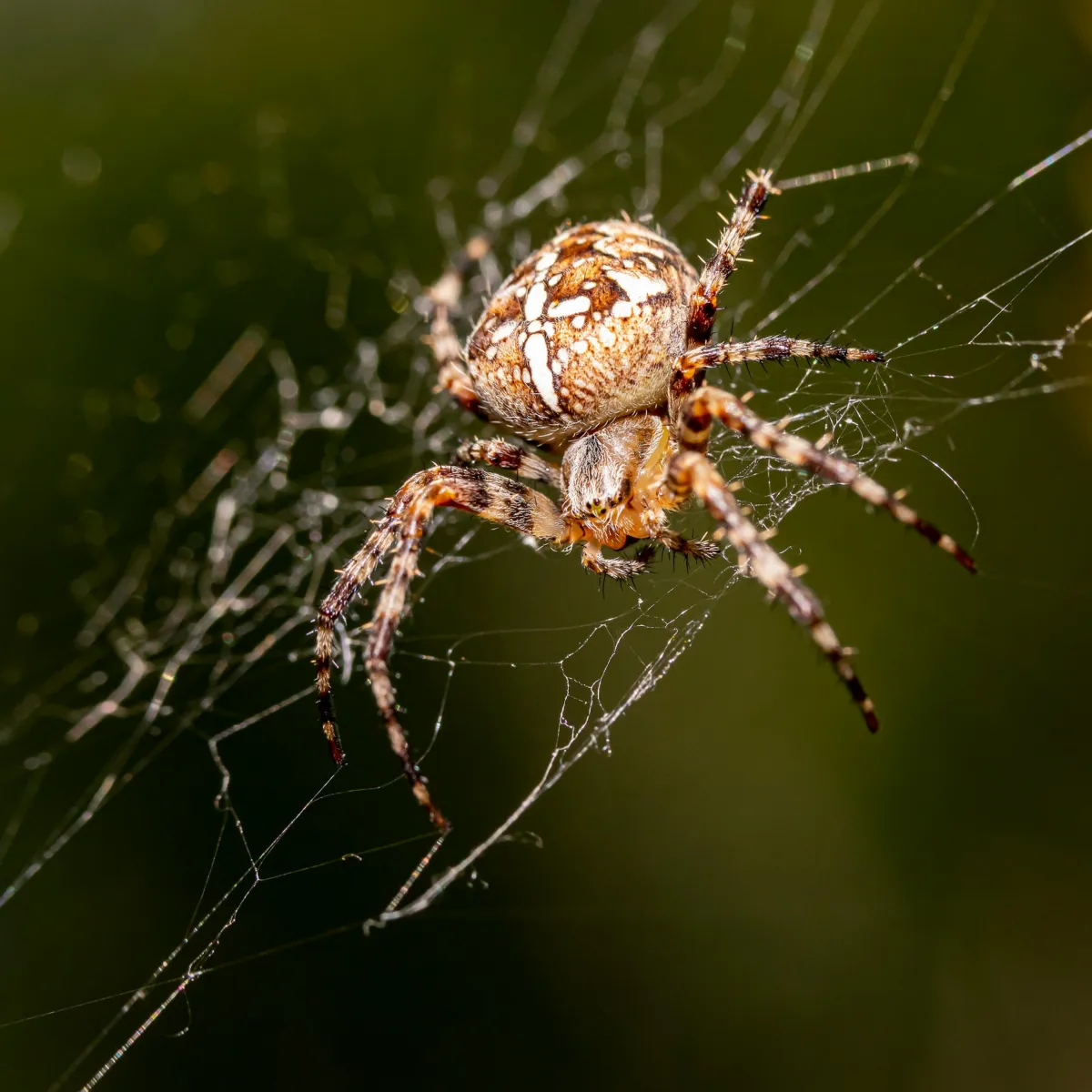
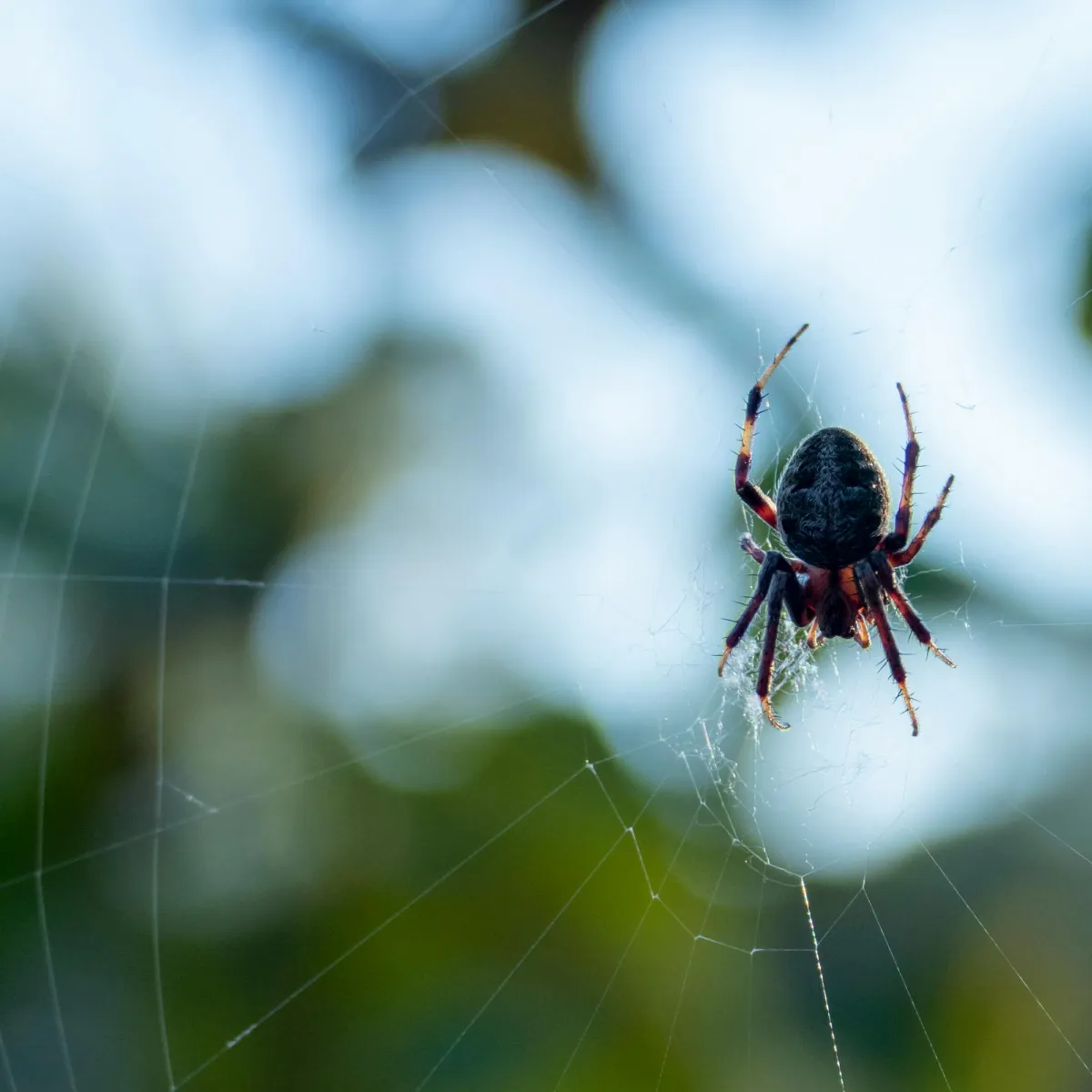
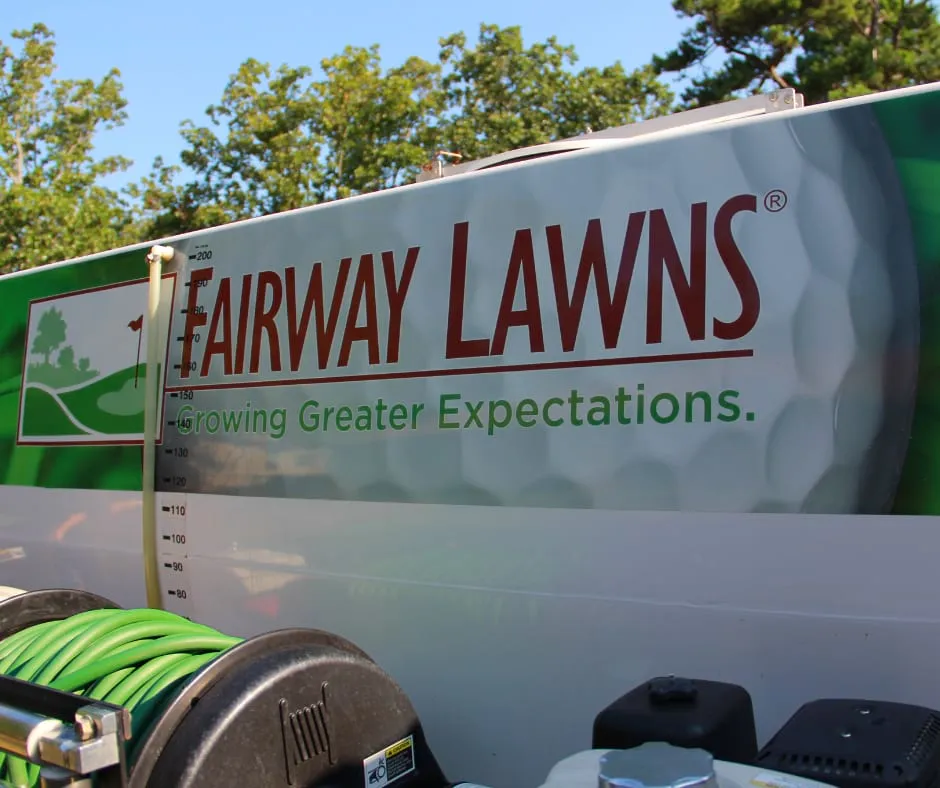
In Alcoa, spider activity often gathers along the edges of busy properties, older storage spaces, and shaded exterior corners.
A spider problem in Alcoa can show up in places that do not seem connected at first. There may be webbing around a carport, a spider tucked beside a utility door, a cluster of activity near a garage shelf, or webs returning around the back entry after they were just cleared away. The signs may look scattered, but they often trace back to the same thing: insects, shelter, and small access points close to the home.
Fairway Lawns provides spider control in Alcoa, TN for homeowners who want the issue handled with more attention than a simple cleanup. Alcoa properties can include established neighborhoods, compact lots near Maryville, homes close to commercial corridors, and outdoor spaces shaped by traffic, lighting, greenways, drainage, and everyday movement. Those details matter because spiders do not need much space to settle in.
Homes may sit near roads, parking areas, airport-area traffic, business districts, greenway paths, or closely spaced neighboring properties. That kind of environment can create plenty of warm surfaces, exterior lights, storage zones, and sheltered cracks where insects collect and spiders follow.
A quick spray may remove the spider sitting in plain view, but it may not reach the places that created the activity. Webs near a side door may be tied to insects gathering under a security light. A spider in a mudroom may have come from a garage seal, utility opening, or foundation gap nearby. Activity around a detached storage building may have more to do with clutter and low disturbance than the outside wall where the web appears.
That is why professional spider control is useful in Alcoa homes. The work needs to include the visible areas, but it also needs to account for pavement heat, shaded foundation lines, storage areas, exterior lighting, and the small spaces where spiders can remain out of sight.
The goal is to treat the places spiders use, not just the places people notice.
We inspect the areas most likely to explain the pattern. Around an Alcoa property, that may include garage thresholds, porch ceilings, siding gaps, exterior lighting, utility penetrations, crawl space access points, storage areas, shrubs against the home, and repeated web locations.
Service is directed toward the active zones and likely travel paths. Treatment may involve exterior perimeter applications, careful crack-and-crevice work, web removal, visible egg sac removal, residual materials, and interior spot treatment when spider activity has moved inside.
Prevention recommendations are based on what the inspection shows. That may include replacing door sweeps, sealing utility openings, adjusting exterior lighting habits, reducing clutter, pulling vegetation away from siding, improving moisture control, or keeping stored materials off the floor and away from walls.
Spider pressure can return when insects rebound or when seasonal movement begins again. Follow-up service, routine inspections, and seasonal maintenance help reduce the chance that the same garage, shed, doorway, or crawl space edge becomes active again.
Different parts of Alcoa homes can attract different spiders.
Alcoa homeowners may notice several spider types common to East Tennessee, but where they appear can vary by property. Wolf spiders may be seen moving across garage floors, utility spaces, or lower-level rooms. House spiders may settle in corners where cleaning is less frequent. Cellar spiders often prefer cooler, darker places such as crawl spaces, basements, and mechanical areas.
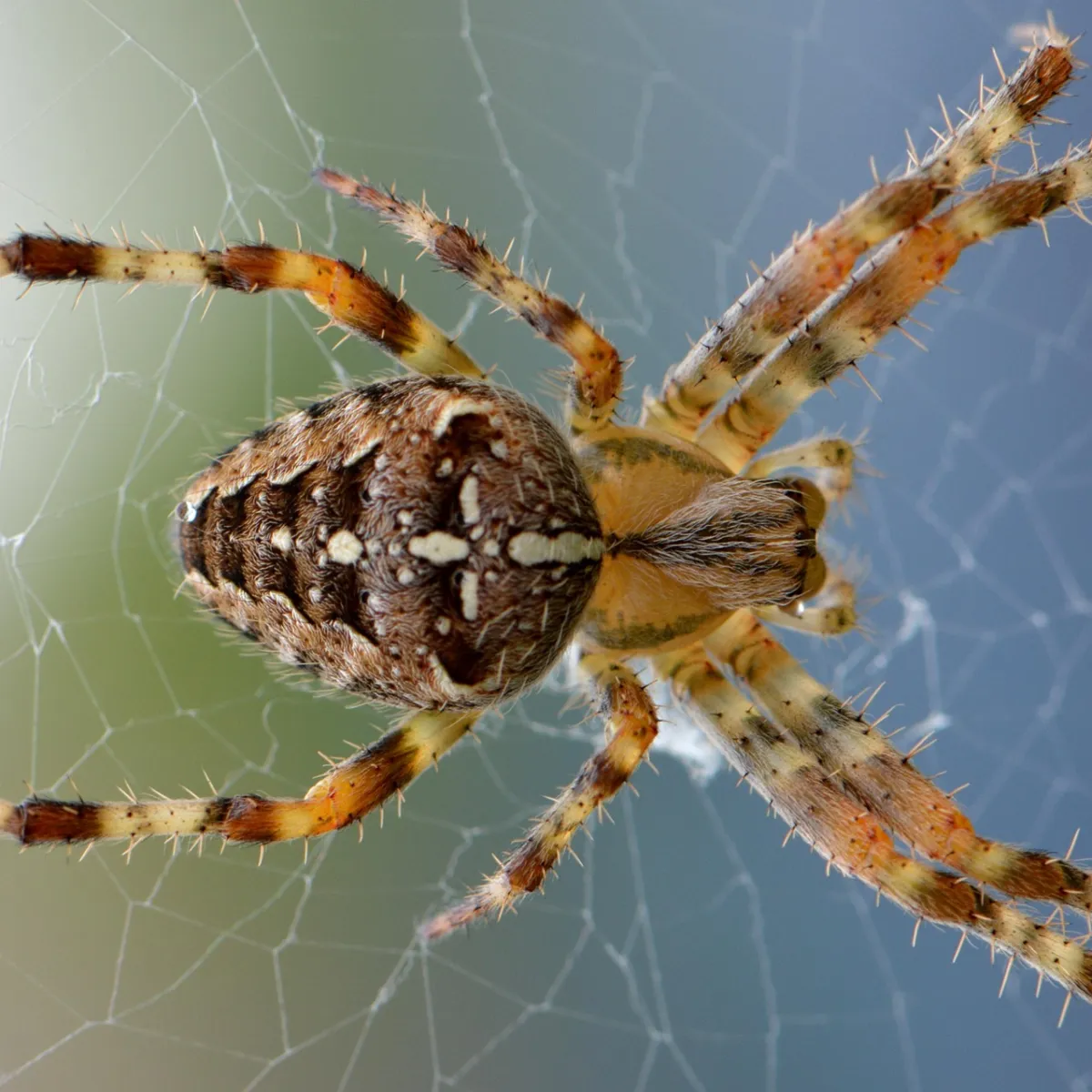
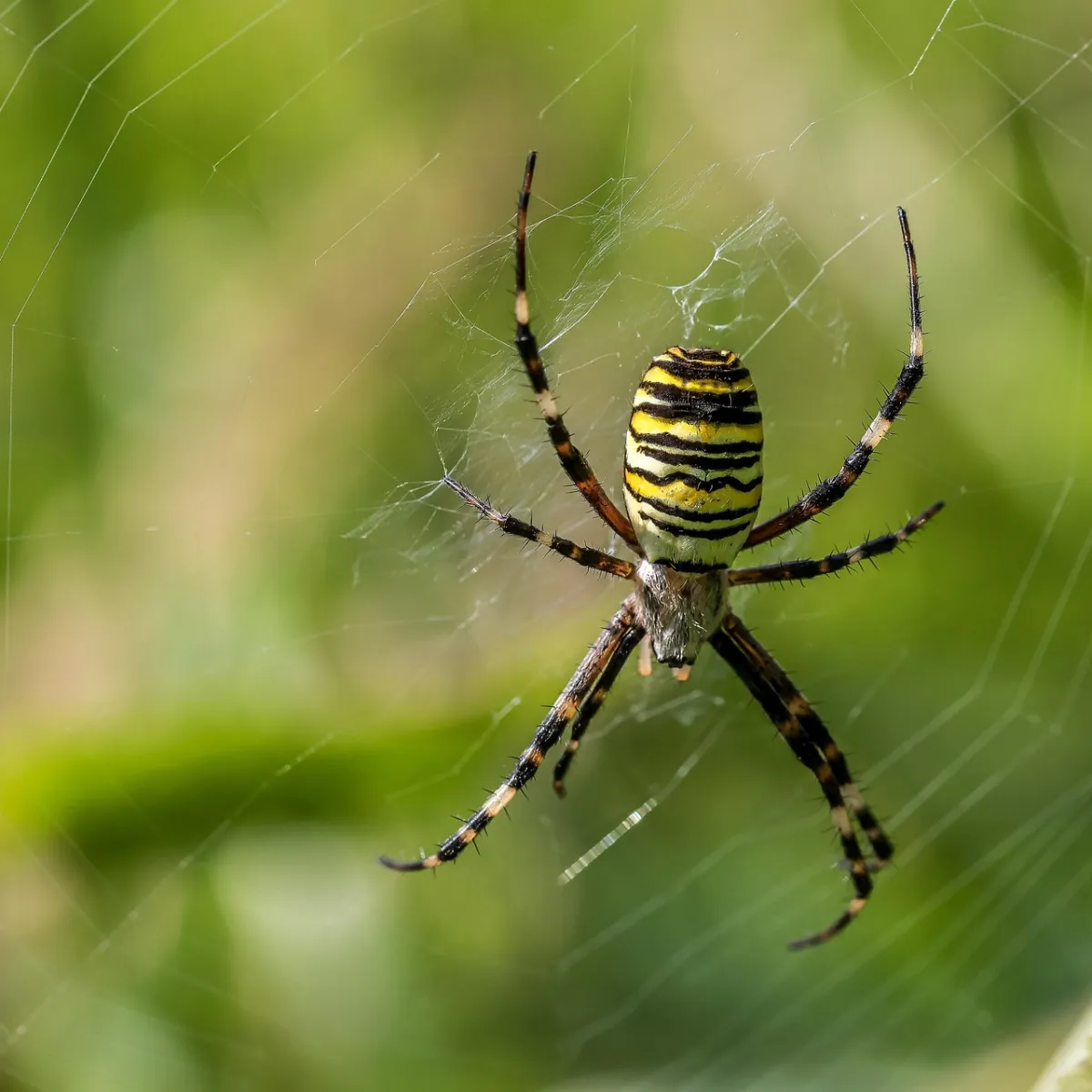
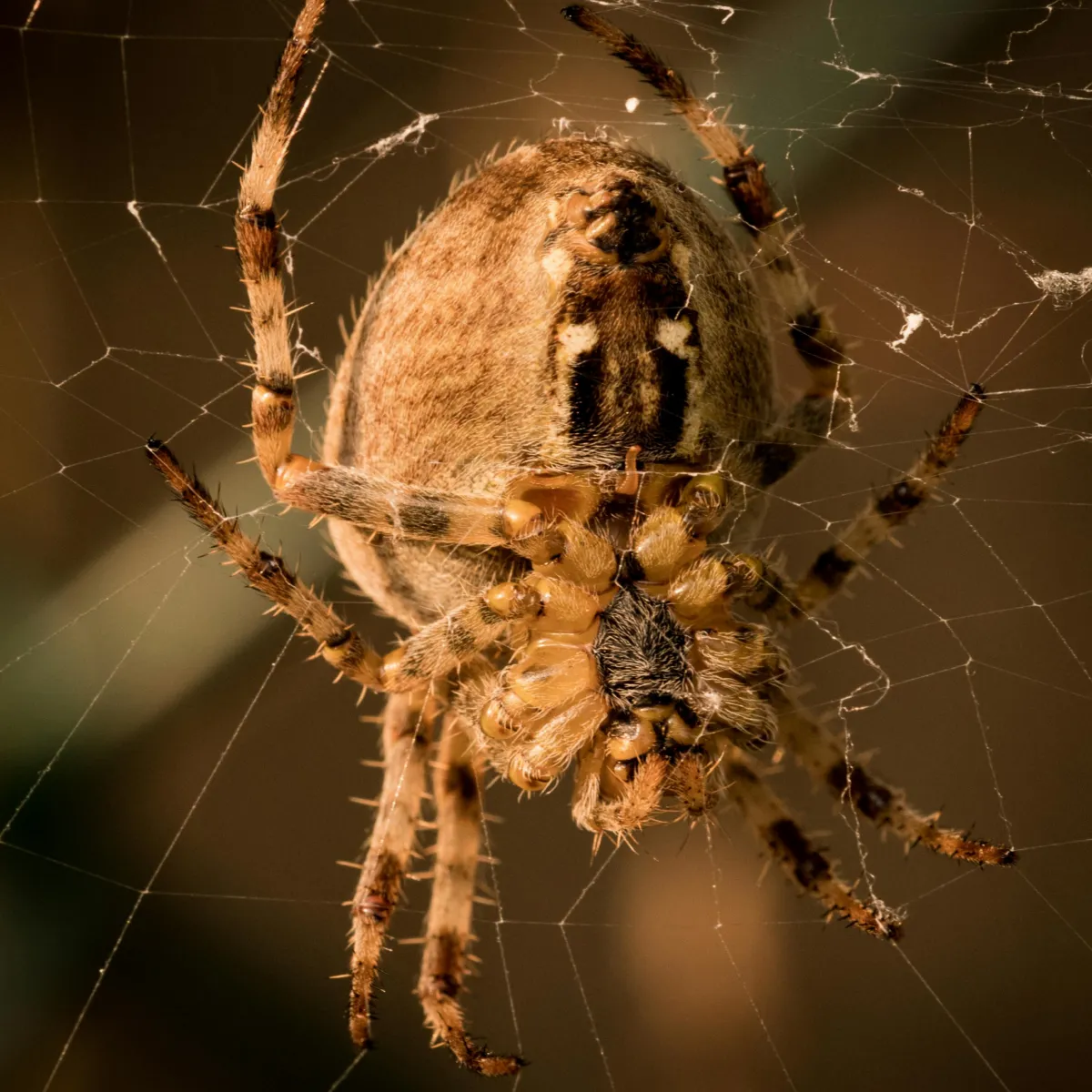
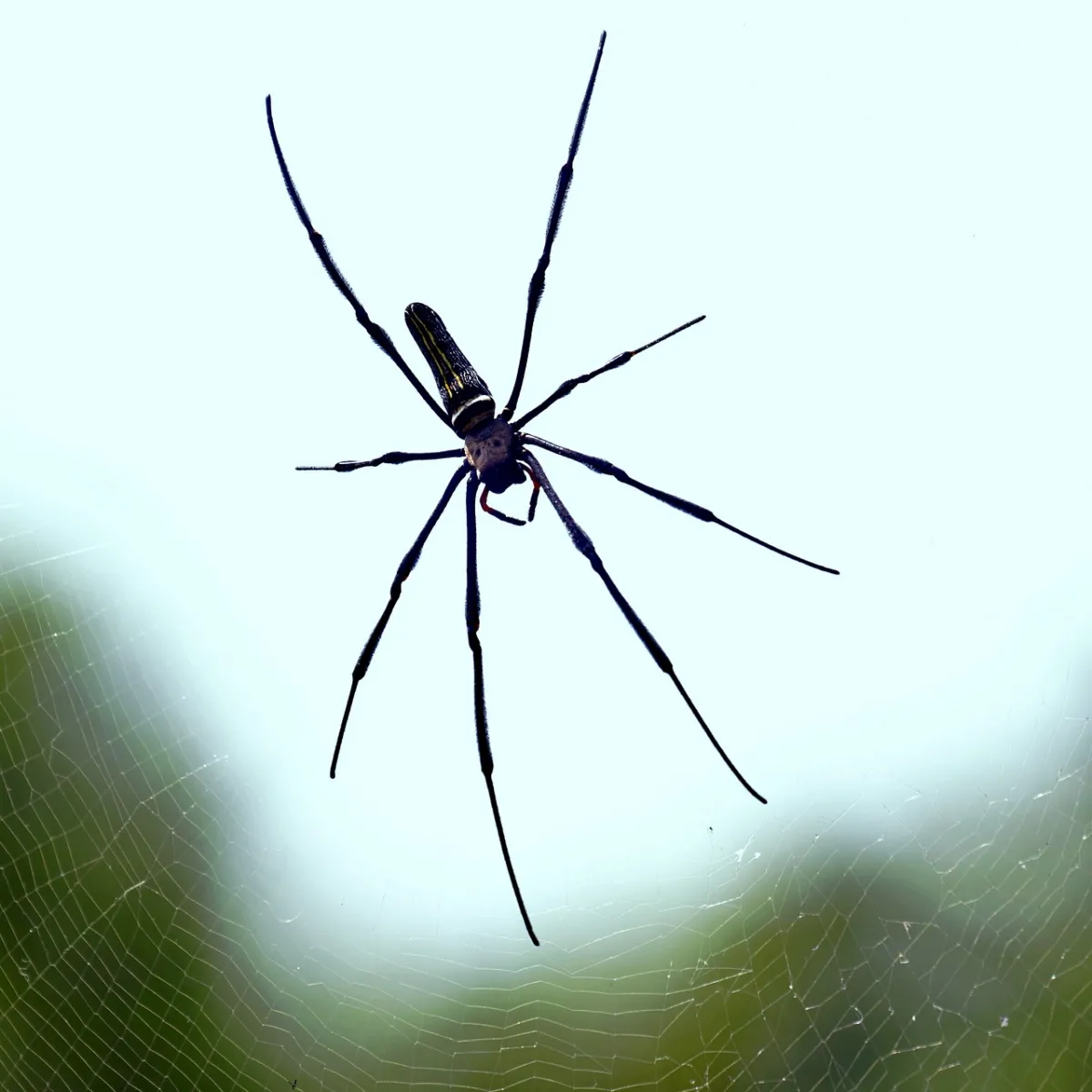
Outdoor web builders may be more obvious around railings, eaves, porch posts, fences, and shrubs. Orb weavers can build noticeable webs in open exterior areas, especially where flying insects pass through at night. Jumping spiders may be found on siding, window trim, patio furniture, or sunny brick and concrete surfaces.
Black widows are the spider Alcoa residents should treat with the most caution. They are not usually seen crossing the middle of a room, but they may stay in quiet areas such as storage buildings, crawl space openings, stacked items, meter boxes, or low corners that are rarely disturbed. When a spider is in a protected place where hands may reach blindly, identification and careful treatment become more important.
The spider species is part of the concern, but the location of the activity often tells the bigger story.
A few repeated signs can reveal more than a single sighting.
In Alcoa homes, spider activity may first become noticeable around practical spaces: a garage, a breezeway, a back door, a laundry area, a shed, or the corners near outdoor lighting. These are places people pass through often, which makes recurring webs easier to spot.
The clearest warning sign is repetition. Webs that return in the same doorway, the same garage corner, or the same porch ceiling usually mean spiders still have what they need nearby. Indoor sightings in connected areas, such as utility rooms or hallways beside a garage, can suggest the activity is moving along an access route rather than appearing randomly.
Egg sacs, dead insects in webs, fine debris under webbing, shed skins, and unexplained spider sightings after a round of DIY spraying can all point to a more established pattern. If the same areas keep producing signs after being cleaned, the problem is probably not limited to the surface.
Spiders usually cross inside through ordinary gaps that are easy to overlook.
Spiders enter Alcoa homes when exterior activity is close enough to the structure and the building gives them a way in. That path may be under a garage door, beside a utility line, through a loose screen, along a foundation crack, or around a weathered door sweep.
Food is a major reason they stay near the home. Exterior lights near entries, garages, patios, and parking areas can draw insects at night. Trash areas, landscape beds, damp corners, and drainage spots may also keep insects active. Once spiders have prey nearby, they may begin using the same sheltered spaces over and over.
Temperature changes can add pressure. Warm exterior surfaces may draw activity during part of the year, while cooler nights can send spiders toward more stable spaces such as garages, closets, crawl spaces, and storage rooms. In a compact city setting like Alcoa, exterior spider pressure can build very close to the living space.
Spider hiding places often sit beside the areas people use every day.
In Alcoa, hiding places are often found around work zones and transition spaces. Garages, carports, sheds, utility rooms, storage closets, crawl space entries, and back patios can all offer enough darkness and protection for spiders to remain unnoticed.
Inside the home, spiders may use corners behind appliances, basement ledges, water heater areas, closet floors, attic edges, window frames, and spaces behind stored boxes. A clean home can still have spider activity if there are quiet gaps and insect access nearby.
Outside, common hiding spots include foundation seams, porch ceilings, fence corners, exterior utility boxes, stacked materials, dense shrubs, deck framing, roof eaves, and the underside of patio furniture. On smaller lots, even one cluttered side yard or shaded storage area can keep activity close to the house.
Alcoa's spider activity can shift with heat, lighting, and seasonal insect movement.
Spring often brings fresh webbing around entryways, fences, shrubs, and outdoor structures as insects become easier for spiders to find. Homeowners may begin noticing activity near porch lights, garage doors, and foundation edges before it appears indoors.
Summer can increase pressure around bright exterior lights, patios, carports, and storage buildings. Warm pavement, evening insects, and outdoor routines can make spiders more visible in the places people use after work or on weekends.
Fall is often when indoor complaints increase. Spiders may move toward steadier shelter in garages, laundry areas, closets, crawl spaces, and utility rooms. Winter usually reduces outdoor web building, but protected indoor or semi-indoor spaces can still hold spider activity.
In Alcoa, the seasonal pattern may be strongest around the spaces that connect indoor living areas with exterior utility and storage zones.
Store-bought sprays usually miss the reason spiders chose the area.
A can of spider spray may help when a spider is sitting in the open. It usually does not solve the reason that spider was there. If insects are still gathering under a light, if a garage seal still has a gap, or if webbing remains behind stored items, the same area can become active again.
DIY treatments also tend to miss protected places. Egg sacs may be tucked under shelving or behind stored materials. Spiders may stay inside cracks, under exterior trim, around crawl space access, or behind items that are rarely moved. Those spaces are easy to skip during a quick homeowner treatment.
Professional service gives the work a broader view. Targeted applications, perimeter treatment, residual control, web removal, crack-and-crevice service, and monitoring help address both the spiders people see and the spaces that allow them to keep returning.
Small adjustments around Alcoa homes can reduce future spider pressure.
A few practical changes can make the home less attractive to spiders. Replace loose door sweeps, repair screens, seal small gaps, keep garage storage organized, move stacked items away from walls, vacuum webs as they appear, and reduce clutter in sheds or utility rooms.
Lighting is worth reviewing in Alcoa because many homes and businesses rely on exterior lights near doors, driveways, and garages. Insects gather around those lights, and spiders often build nearby. Using only the lighting needed, keeping fixtures clean, and avoiding unnecessary brightness near entry points can help.
Moisture and vegetation should also be watched. Clogged gutters, damp foundation edges, overgrown shrubs, and stored items sitting directly on the ground can all create better conditions for insects and spiders. Prevention is not a complete replacement for treatment, but it helps keep service results from fading quickly.
A good treatment plan should respect the way the home is used.
Fairway Lawns uses licensed technicians and focused treatment methods for spider activity. The service is built around the active areas first, such as exterior perimeters, garage edges, entry points, porch corners, crawl space access areas, sheds, and visible web zones.
For households with children or pets, focus matters. A garage may be used daily. A patio may be where the family eats outside. A side yard may be where pets pass through. Spider control should be planned with those routines in mind.
The goal is to reduce spider activity in a practical way while keeping the treatment centered on the areas where it can do the most good.
Alcoa homes benefit from service that understands local property layouts.
Fairway Lawns serves East Tennessee properties with pest control and outdoor service experience suited to the region. In Alcoa, that means understanding how compact neighborhoods, garages, sheds, exterior lighting, drainage areas, and nearby commercial corridors can influence pest pressure.
Spider control is rarely just a matter of clearing one web. The activity may connect to an exterior light, a crawl space opening, a utility gap, a storage corner, or insects gathering along the foundation. Seeing those connections helps create a better plan.
Fairway Lawns brings a property-based approach to spider control in Alcoa, helping homeowners reduce current spider activity while making the home less inviting for the next wave of pressure.
Alcoa homeowners often ask different questions once spider activity keeps showing up in daily-use spaces.
If spiders keep turning up around your garage, carport, shed, utility spaces, or back entry, the source may be closer than it looks. Fairway Lawns can inspect the areas where Alcoa homes often collect spider pressure and build a treatment plan around what is actually happening. With the right service, those repeated sightings can become easier to manage before they spread into more parts of the home.