Get your lawn back on track with 50% OFF first application!* 50% OFF First Application!* Call Now

River valleys and older home edges can invite spiders closer.

Spider Control Services in Clinton, TN

Spider activity in Clinton can be easy to dismiss until it starts appearing in the spaces a family uses every day. A web stretches across the porch corner near dusk. Another shows up beside the basement steps. Then a spider appears near a hallway wall or around boxes in a storage room. At that point, the issue may already be moving between outside cover and indoor shelter.

Fairway Lawns provides spider control in Clinton, TN for homes where river humidity, mature trees, older foundations, garages, porches, and storage areas can all shape pest pressure. Clinton’s position along the Clinch River and between Norris and Oak Ridge gives many properties a mix of low-lying moisture, hillside shade, historic neighborhood layouts, and everyday outdoor-use spaces.

Why Spider Problems in Clinton Need More Than a Quick Spray?

A house near the river may deal with heavier insect activity around lights and damp outdoor edges. A home closer to older in-town streets may have foundation gaps, basement corners, and mature landscaping that give spiders quiet cover. A property near wooded slopes may see more activity around decks, garages, and crawl space entries.

A quick spray may remove a spider from one wall, but it does not explain the repeated webbing near the porch, the insects gathering around an exterior light, or the egg sacs tucked behind stored boxes. Those are the details that usually keep the problem going.

Professional spider pest control looks past the most obvious sighting. The service has to connect the active corners, the nearby insect pressure, and the routes spiders use to move from sheltered outdoor spots into living spaces.

A good inspection follows both webs and entry routes.

Our Spider Control Process

Inspection

We inspect the areas that commonly explain spider activity around Clinton homes. That may include basement entrances, crawl space vents, river-facing or shaded exterior walls, garage tracks, porch beams, foundation edges, storage rooms, exterior lights, and visible web clusters.

Treatment

Service is applied where spider activity is most likely to continue. Depending on the findings, treatment may include perimeter applications, targeted crack-and-crevice work, removal of accessible webs, visible egg sac removal, residual materials, and interior spot treatment in rooms where spiders have appeared.

Prevention

Prevention may involve sealing small openings, replacing worn door sweeps, reducing basement clutter, trimming vegetation away from siding, improving moisture conditions, organizing stored items, and reducing insect attraction near exterior lights.

Monitoring

Because Clinton spider pressure can shift between river humidity, warm-season insects, and fall indoor movement, monitoring helps keep the same areas from becoming active again. Seasonal visits and follow-up service can support longer-lasting control.

The spider's location can reveal the source area.

Common Spiders Found in Clinton

Clinton homeowners may notice wolf spiders around garages, basement floors, workshop areas, and lower-level rooms. These spiders do not rely on webs in the same way as many others, so they may be seen moving quickly across open areas rather than sitting in a corner.

Web-building spiders can appear in several different places. House spiders may use ceiling corners, storage rooms, closets, and window frames. Cellar spiders may settle in basements, crawl spaces, and utility spaces where the air stays cooler and the activity stays low.

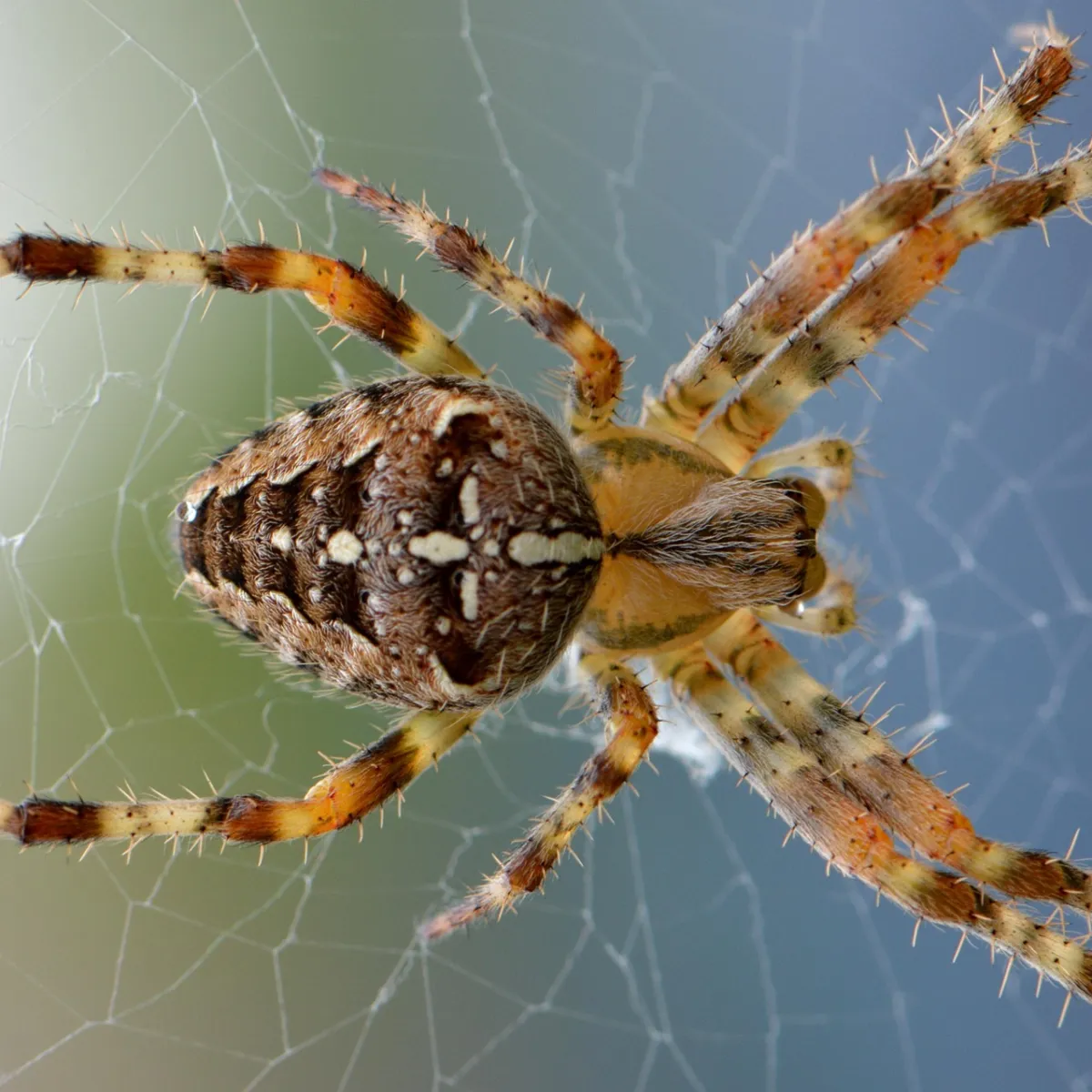
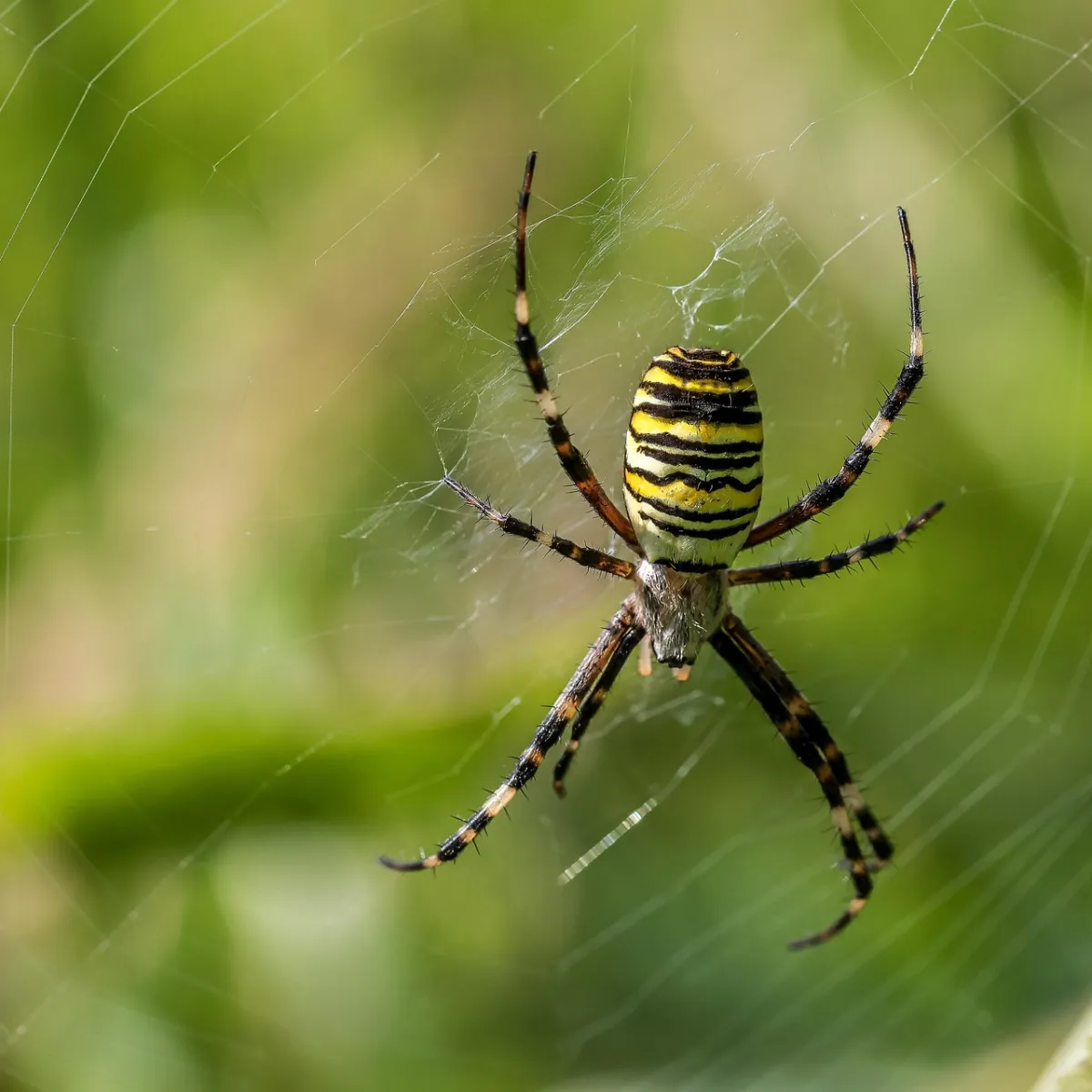
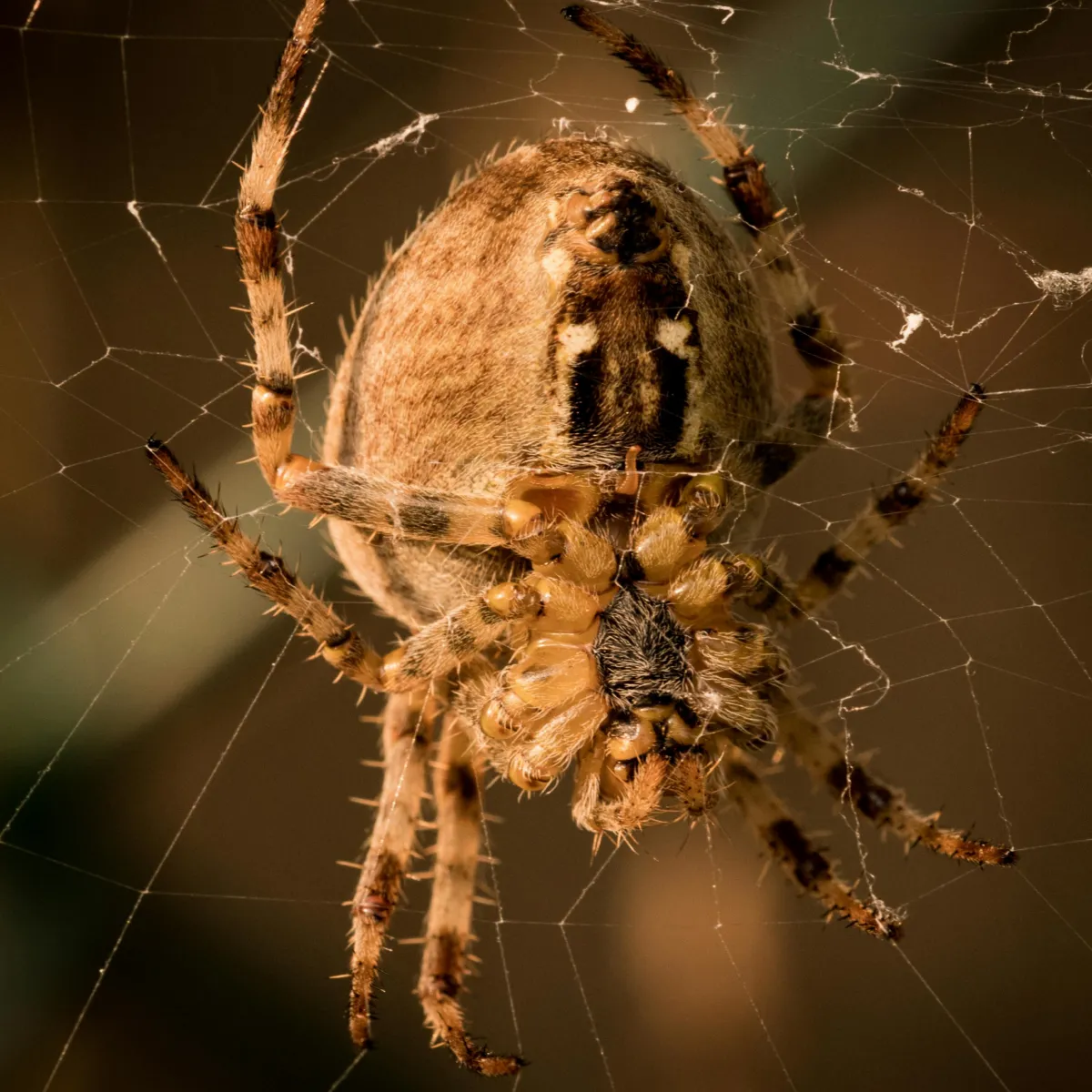
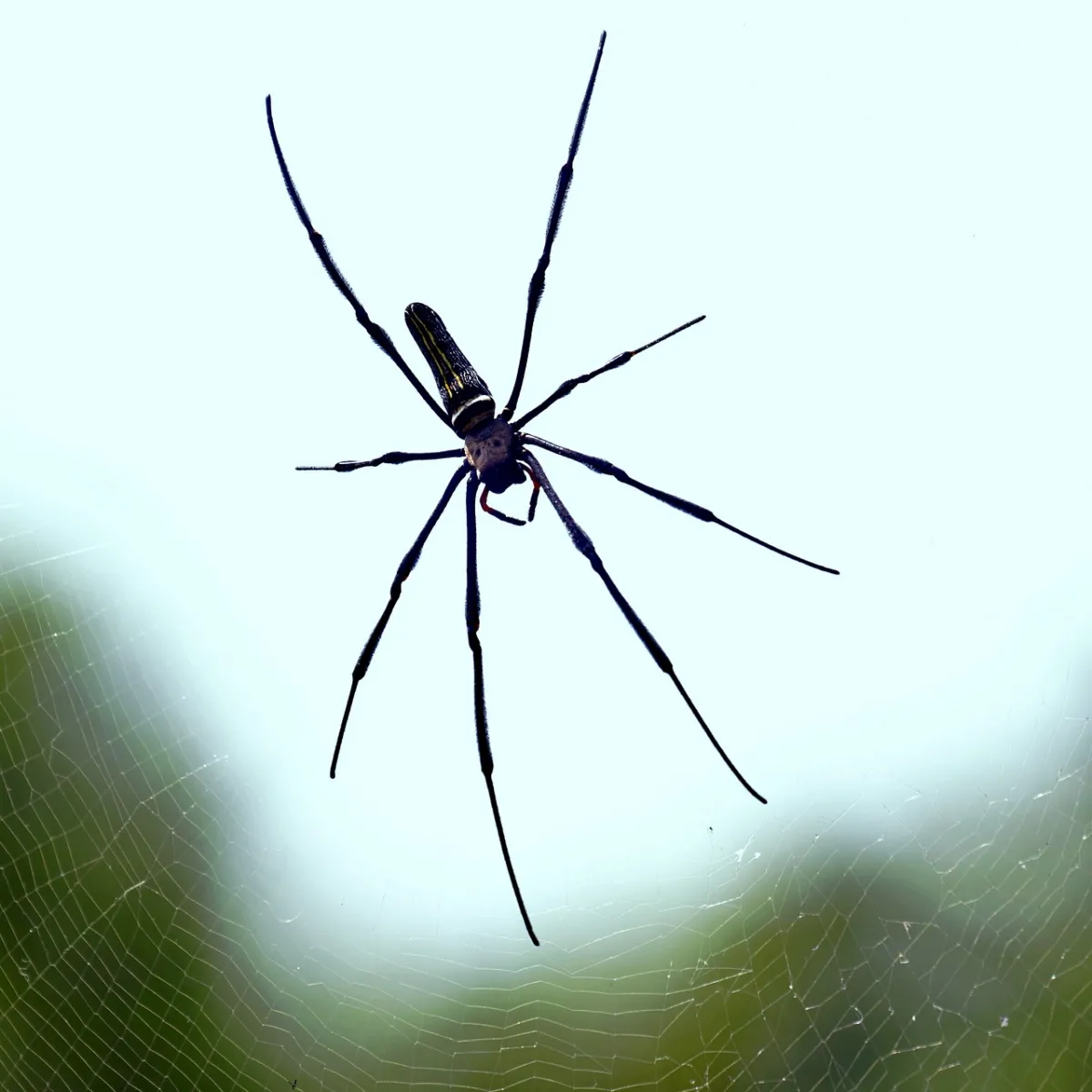
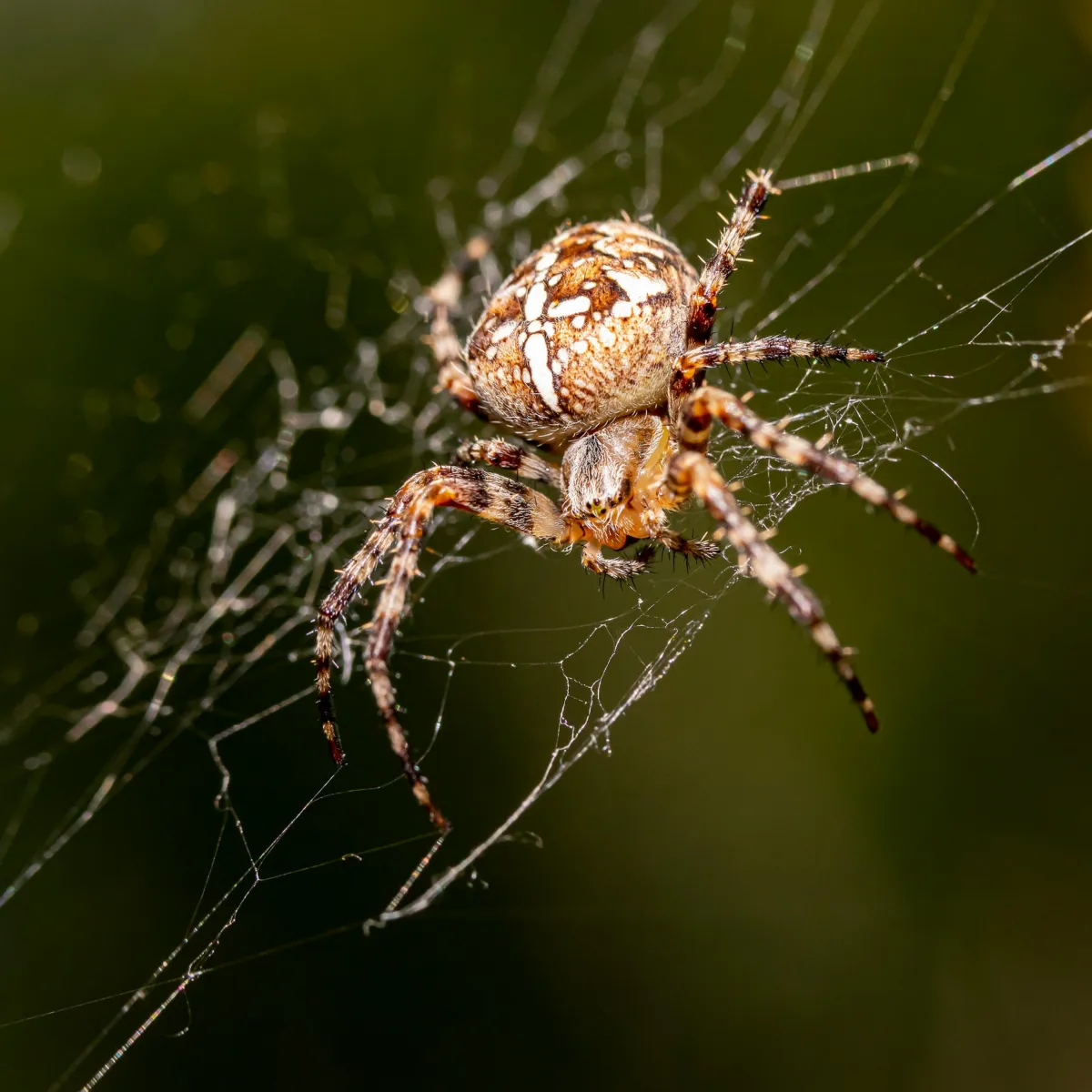
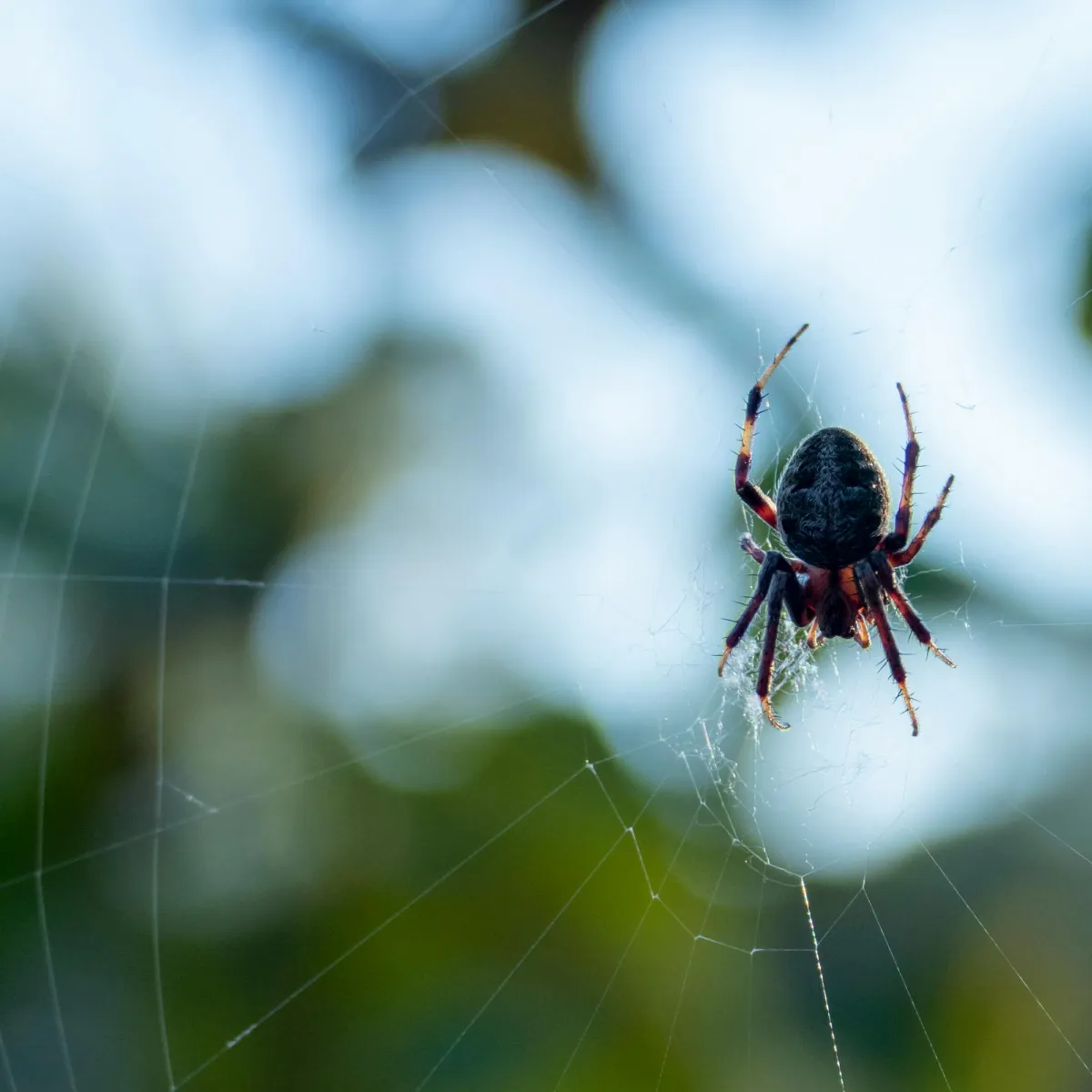
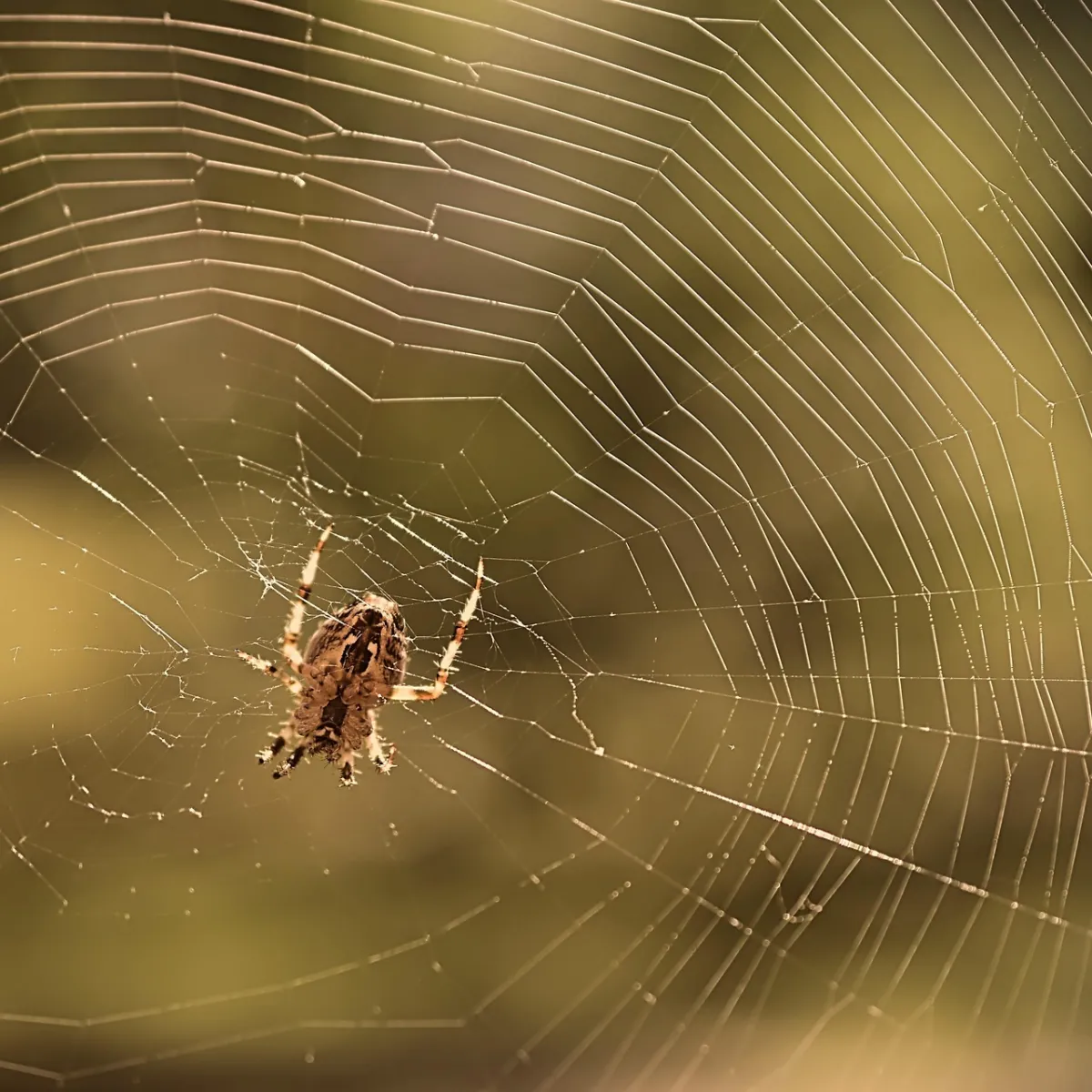
Outdoor spiders may be more visible around porches, shrubs, bridge-facing roads, river-adjacent areas, fences, and roofline edges. Orb weavers and garden spiders often build webs where flying insects pass through. Black widows require caution because they may hide in dark protected areas such as stacked materials, sheds, crawl space openings, utility boxes, and low corners that are rarely disturbed.

The concern grows when different spider types appear across several parts of the home or yard.

Patterns matter more than a single spider sighting.

Signs of a Spider Infestation

Clinton homeowners often notice spider issues when the same areas keep collecting webbing. Porch ceilings, basement corners, garage tracks, window frames, shed interiors, and utility rooms may become repeat locations. If webs return shortly after cleaning, the spider activity nearby has probably not been interrupted.

Other clues may be less obvious. Egg sacs can sit behind shelving or under stored items. Dead insects may gather in webs near exterior lights. Fine web strands can appear across corners that do not get much airflow or cleaning. Spiders may also continue showing up after DIY sprays because the hidden areas were never reached.

When outdoor webbing lines up with indoor sightings on the same side of the home, the issue deserves more attention. That connection may show that spiders are not just wandering indoors randomly but using specific shelter and access points.

Small structural gaps can turn outside activity inward.

Why Spiders Enter Homes?

Spiders enter Clinton homes when nearby outdoor pressure meets an opening in the structure. The opening might be a worn threshold, an unsealed pipe gap, a loose basement window, a crawl space vent, siding separation, or a crack along the foundation.

Food sources make those openings more important. Flying insects near porch lights, damp vegetation along shaded yards, bugs around trash areas, and activity near river-influenced outdoor spaces can all give spiders a reason to stay close. Once they are already near the walls, the move indoors becomes much easier.

Weather shifts can add to the problem. River-valley humidity may support insects during warm months, while cooler fall nights may send spiders toward basements, garages, attics, and closets. Heavy rain can also push spiders away from saturated ground and into protected spaces.

Quiet corners often become long-term spider shelter.

Where Do Spiders Hide?

Clinton homes may have hiding places that connect directly to age, layout, and landscape. Basements, crawl spaces, enclosed porches, detached garages, utility rooms, sheds, attic edges, and storage closets can all hold spider activity for long periods.

Indoors, spiders may stay behind water heaters, under shelving, along block walls, near floor drains, behind stored decorations, or inside rarely used closets. These places give spiders cover and reduce the chance they will be disturbed.

Outside, hiding areas may include porch joists, foundation cracks, stone borders, stacked firewood, fence corners, roof eaves, shrubs along the siding, and old storage materials near the home. If those areas are close to entry points, the line between outdoor and indoor activity becomes thin.

Clinton spider activity shifts with temperature and river moisture.

Spider Activity in the Clinton Area

Spring usually brings fresh webbing as insects return around shrubs, exterior lights, porch corners, and low-lying yard areas. Homeowners may see the first signs outside before spiders begin appearing indoors.

Summer often increases activity around basements, garages, shaded patios, sheds, and areas close to moisture. Evening insects can make web-building spiders especially visible near lights and outdoor sitting areas.

Fall may bring more spiders into protected parts of the home. Garages, storage rooms, crawl spaces, attic corners, and lower-level rooms can become more active as the weather becomes less stable. Winter usually reduces outdoor movement, but hidden indoor areas can still hold spiders and egg sacs.

The most noticeable Clinton spider problems often begin where shade and moisture meet.

DIY products rarely reach the protected source areas.

Why Professional Spider Control Works Better Than DIY?

A homeowner spray can help with a spider in plain view, but it usually does not reach the areas where spiders have settled. Basement ledges, crawl space openings, porch joists, garage tracks, and storage corners are easy to overlook during a quick treatment.

Egg sacs can also survive in hidden places. If they remain behind boxes, inside shed corners, under outdoor materials, or near utility spaces, the problem may return after the visible spiders are gone. Insect activity around lights and damp areas may keep drawing spiders back as well.

Professional spider control uses a more complete approach. Targeted treatment, perimeter service, web removal, crack-and-crevice applications, residual materials, and prevention guidance help address both the current activity and the reasons it keeps rebuilding.

Prevention starts by making shelter less dependable.

Spider Prevention Tips

Clinton homeowners can reduce spider activity by focusing on the spaces that stay quiet. Clear basement clutter, organize garage shelves, vacuum webs from corners, repair screens, seal gaps around pipes, and keep stored boxes off the floor where possible.

Outside, trim shrubs away from the house, move firewood away from walls, check porch ceilings, keep crawl space openings secure, and reduce damp debris near the foundation. These steps make it harder for spiders to find protected shelter close to the home.

Lighting can also affect spider pressure. Porch and garage lights may attract insects at night, which can bring spiders closer to doors and windows. Using lights only when needed or choosing less insect-attractive placement may help reduce activity near entry points.

Treatment should fit around homes, families, and pets.

Family & Pet Safe Treatments

Fairway Lawns uses licensed technicians and targeted applications for spider control. Around Clinton homes, service may focus on exterior perimeters, basement entries, garage edges, porch corners, crawl space access points, storage rooms, and other active zones.

That targeted approach matters in homes where children, pets, guests, and everyday routines all share the same spaces. A porch may be used every evening, a garage may be opened several times a day, and a basement may hold family storage.

The service is designed to reduce spider activity while keeping attention on the areas where treatment is most useful.

Local knowledge helps identify Clinton's recurring pressure points.

Why Choose Fairway Lawns?

Fairway Lawns serves East Tennessee properties with pest control and outdoor services built around regional conditions. In Clinton, those conditions may include river moisture, older structures, basements, crawl spaces, wooded edges, and warm-season insect activity.

A spider problem may not come from one obvious source. It may involve a basement window, exterior light, shaded wall, garage gap, or cluttered storage area. Understanding how those details work together helps create a stronger treatment plan.

Fairway Lawns brings a property-focused approach to spider control in Clinton, helping homeowners reduce active spiders and support better prevention around the spaces where activity is likely to return.

Clinton homeowners often ask about basements, river moisture, and recurring webs.

Spider's FAQs

Schedule Spider Treatment in Clinton, TN

Book spider control in Clinton with Fairway Lawns if webs, egg sacs, or indoor sightings keep returning around your basement, garage, porch, crawl space, or storage rooms. Schedule a focused inspection so a technician can identify the areas feeding the spider activity and treat the places where pressure is strongest. With a targeted plan, your home can be better protected against recurring spider problems through the season.