Get your lawn back on track with 50% OFF first application!* 50% OFF First Application!* Call Now

Recurring webs around outdoor living areas usually mean the problem is bigger than one spider.

Spider Control Services in Farragut, TN

Spider activity around Farragut homes often starts in the places people use every day but inspect only briefly. A web appears under the patio cover. Another turns up near stacked items in the garage. Soon, spiders begin showing up in quieter rooms, around baseboards, or near storage areas that stay undisturbed for long stretches. When those signs begin repeating, the property is usually supporting more spider pressure than it first seems. Fairway Lawns has a live Farragut page under its Knoxville hub, and that page says the company provides lawn care, pest control, and tree services built around East Tennessee conditions.
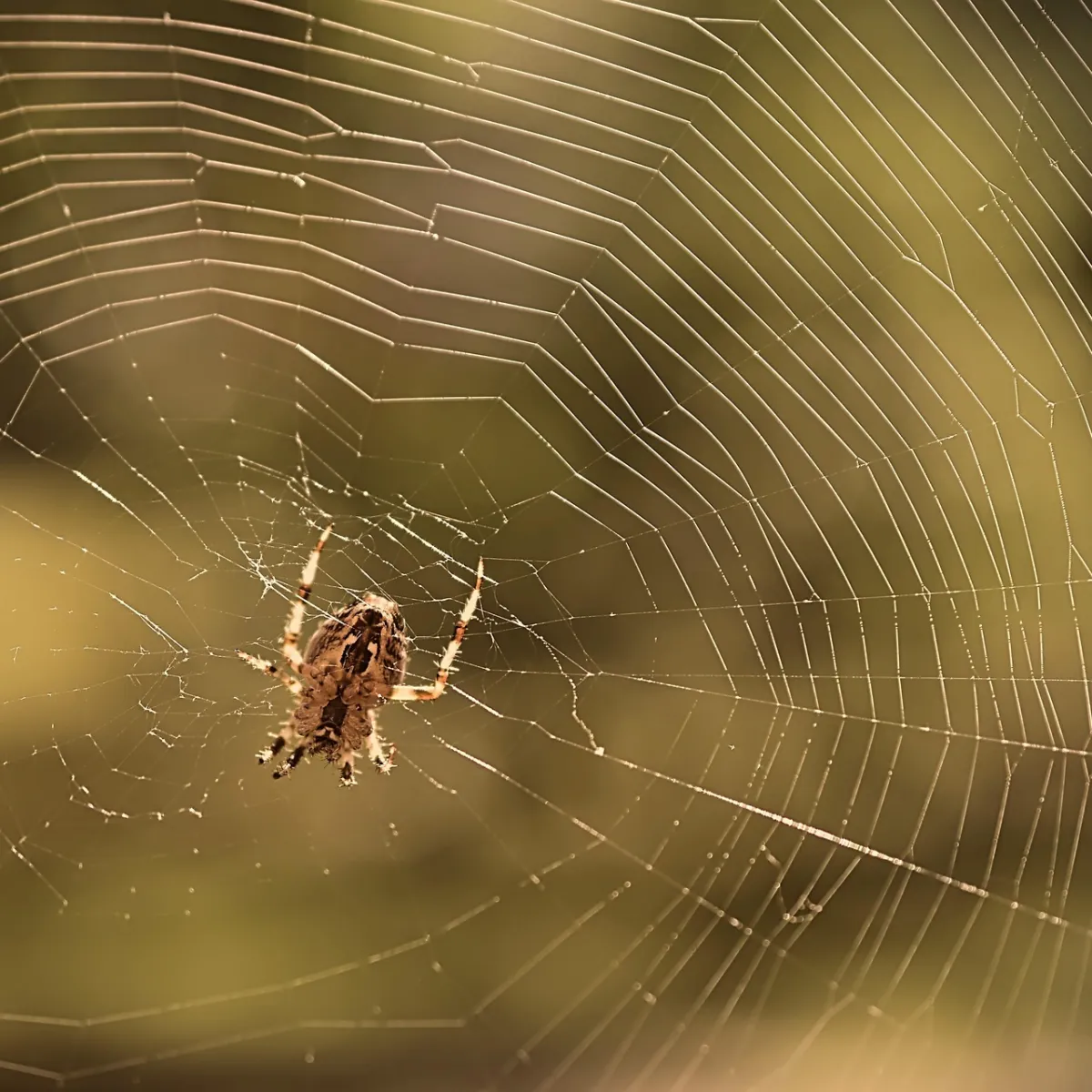

The visible web is often only the easiest part of the issue to notice

Why Spider Problems in Farragut Need More Than a Quick Spray?

Spider problems tend to persist when multiple favorable conditions stay in place at once. In Farragut, Fairway Lawns notes that East Tennessee weather brings clay soil, storm moisture, summer heat, shade from mature trees, and humidity-driven pest pressure. Those same conditions can help insects stay active near the house, which in turn helps spiders stay close to food and shelter. Once garages, porches, storage corners, and quiet indoor spaces become reliable hiding spots, the same activity often keeps coming back.

That is why wiping away a web or spraying one corner rarely changes the larger pattern. A spider seen near a hallway may be tied to a garage edge, a shaded entry point, or an outdoor shelter zone near landscaping. Webbing near patio furniture may point to prey insects and repeat hiding areas nearby rather than one isolated nuisance. Professional spider control matters because the issue usually involves the whole property, not just the place where the last spider was seen.

A stronger result usually comes from treating the problem in stages instead of reacting web by web.

Our Spider Control Process

Inspection

We begin by identifying the spider species most likely involved, the parts of the property where activity is strongest, the likely entry points, and the conditions that are helping the issue continue. That includes looking for nesting areas, moisture concerns, and food-source activity close to the structure.

Treatment

Treatment is then directed toward the areas doing the most to support the problem. Depending on the property, that can include targeted applications, exterior perimeter work, web removal, egg sac removal, crack-and-crevice treatments, residual materials, and focused indoor spot treatments.

Prevention

Long-term control usually depends on changing what made the home attractive in the first place. That can include recommendations for sealing gaps, reducing vegetation pressure against the house, improving moisture control, and building a maintenance plan that makes future spider activity less likely.

Monitoring

Because spider pressure can rebuild seasonally, recurring inspections and follow-up visits can matter just as much as the initial treatment. Ongoing monitoring helps catch renewed activity before it turns back into the same cycle of repeat webs and indoor sightings.

Farragut properties often give spiders several different ways to stay hidden at once.

Common Spiders Found in Farragut

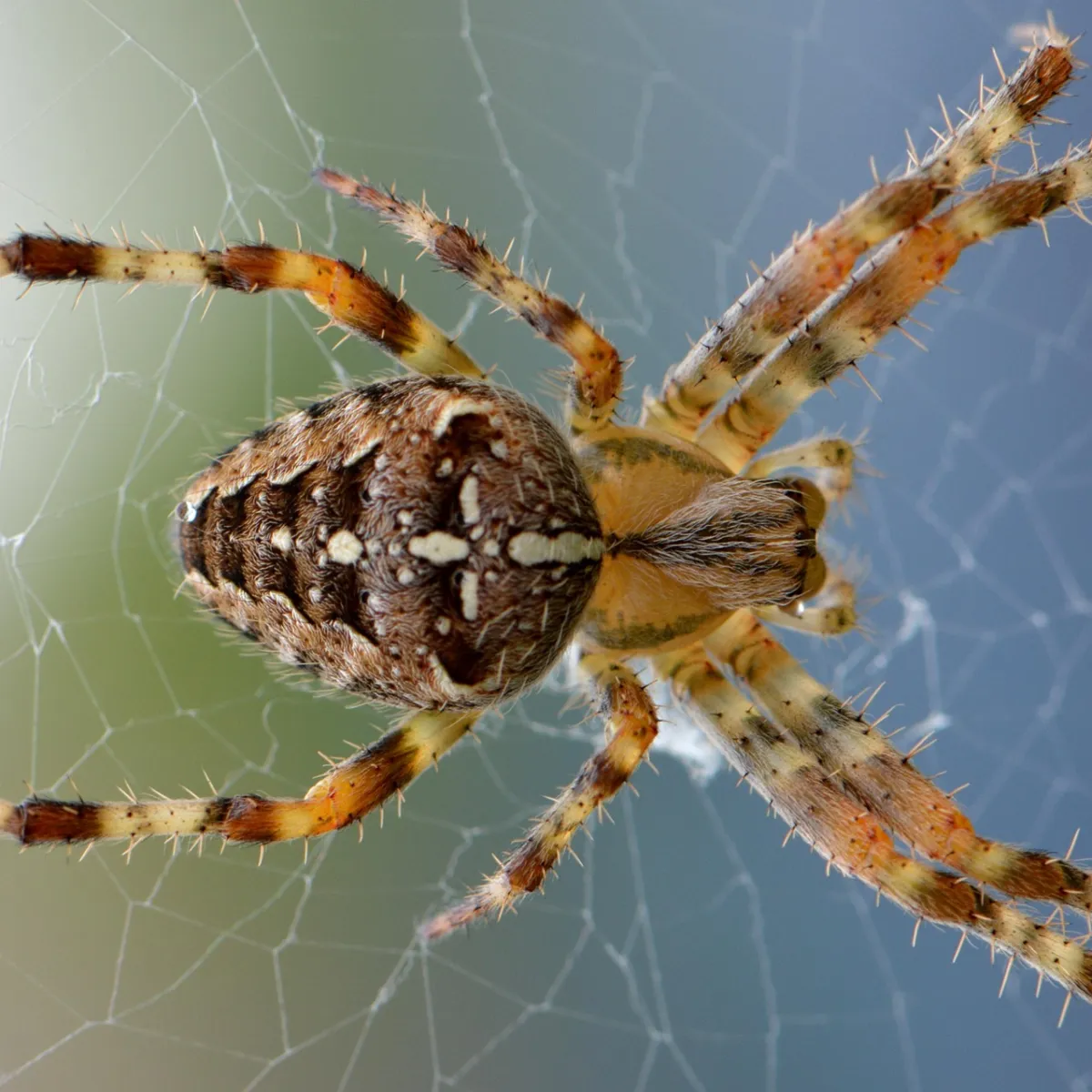
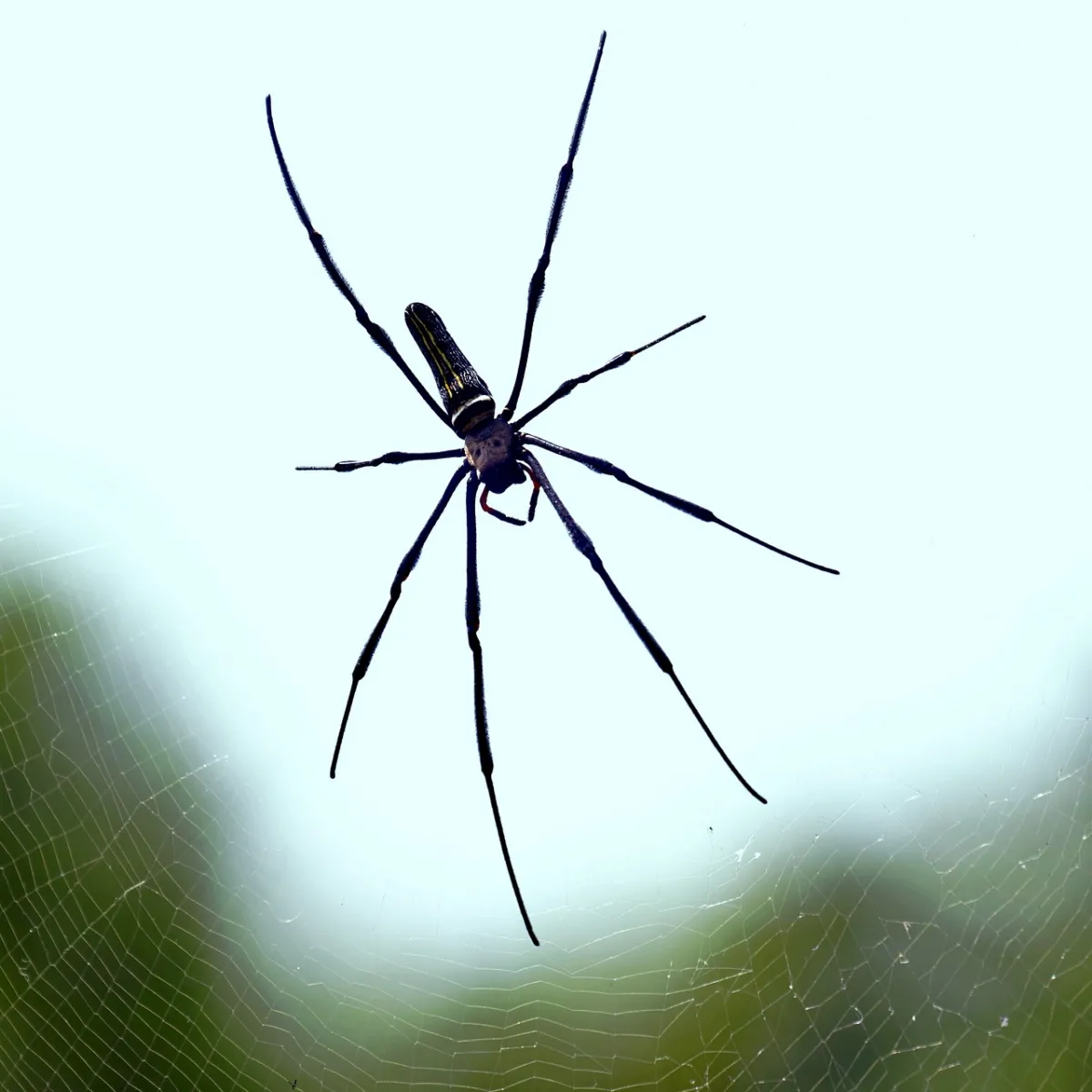
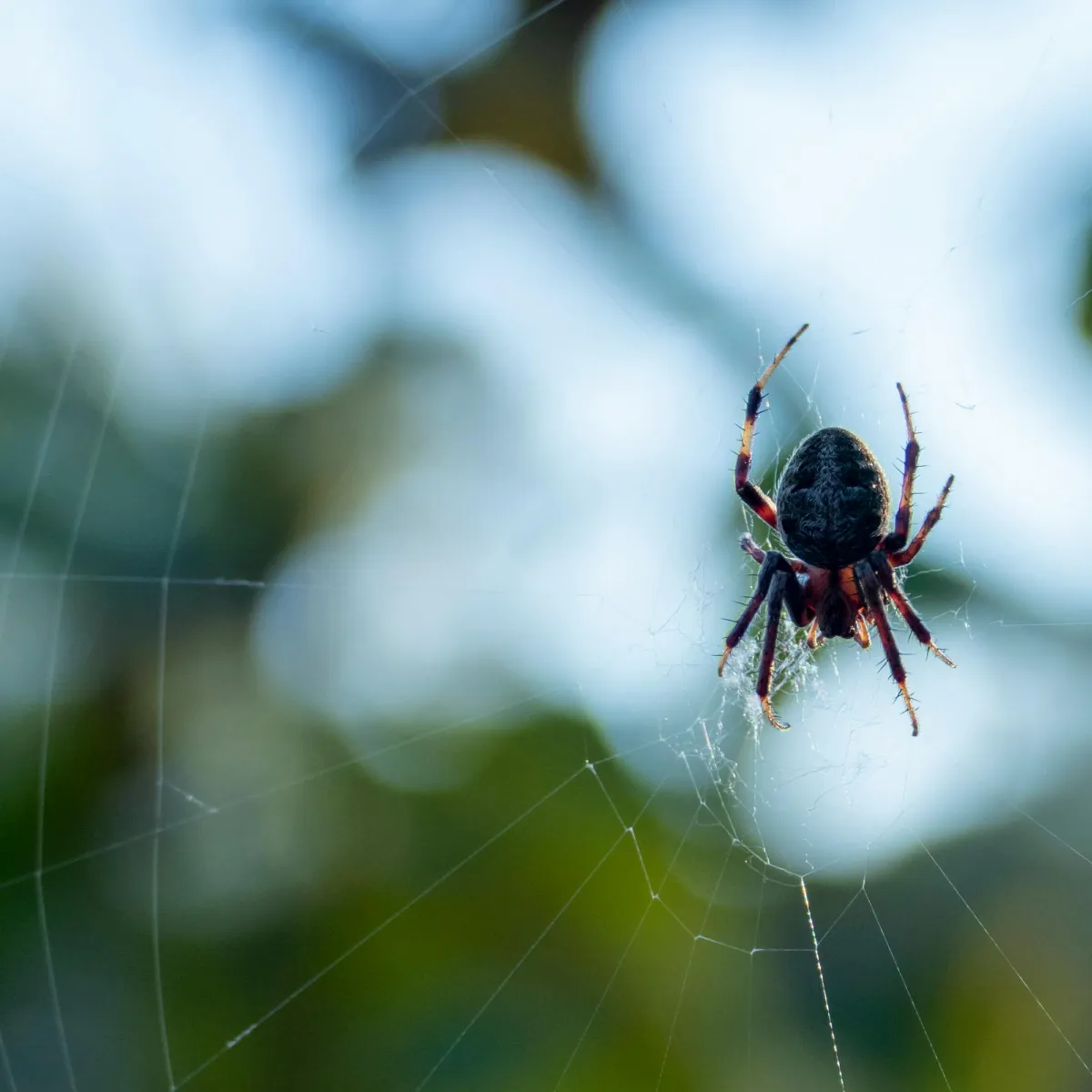
Wolf spiders are one of the more noticeable species homeowners run into because they move quickly and often show up in garages, lower rooms, and utility areas. House spiders are more likely to stay tucked into corners, closets, and behind furniture, building webs where they can remain undisturbed. Cellar spiders tend to favor cool sheltered areas such as garages and storage spaces, while orb weavers build large outdoor webs around railings, shrubs, and other exterior structures.

Black widow spiders are among the species that deserve the most caution. They typically prefer dark protected places such as crawl spaces, meter boxes, sheds, stacked materials, and furniture undersides. Garden spiders may also be seen around flower beds and taller vegetation, especially in parts of the yard where insect activity stays steady. In East Tennessee, the combination of mature landscaping, seasonal moisture, and outdoor living areas can keep several spider species active around the same property.

Spider infestations usually become obvious because the same evidence keeps reappearing.

Signs of a Spider Infestation

One of the clearest signs is repeated webbing in the same places. If corners, garage shelves, porch trim, attic edges, or closet sections keep becoming active again, that usually means spiders are still finding favorable shelter nearby. Another sign is increased sightings across more than one part of the house, especially when outdoor activity near entries or patios overlaps with what homeowners start seeing indoors.

Additional warning signs can include egg sacs attached to hidden surfaces, shed exoskeletons in quiet areas, dead insects caught in webbing, and spider activity that keeps returning despite store-bought sprays. When those clues begin stacking up together, the issue is usually more established than it first appeared.

Spiders come indoors because the house offers stable shelter and a reliable food trail.

Why Spiders Enter Homes?

Spiders enter homes for practical reasons: food, protection, moisture, seasonal shelter, and egg-laying. The template you provided highlights insect populations, weather changes, rainfall, and dense vegetation near homes as common drivers of indoor spider movement. Farragut’s mix of humidity, storm moisture, shade, and landscaped yards fits that pattern well, especially where insects stay active near the home.

Once spiders stay close to the structure, very small openings can be enough. Gaps under doors, damaged screens, utility penetrations, vents, and foundation cracks can all provide easy routes indoors. When those access points connect to quiet spaces like garages, attics, and closets, spider activity becomes much easier to maintain.

The places spiders use best are usually the places homeowners disturb the least.

Where Do Spiders Hide?

Spiders commonly hide in basements, crawl spaces, garages, attics, closets, window corners, under furniture, sheds, wood piles, roof eaves, dense vegetation, decks, and foundation cracks. On properties with mature landscaping and multiple storage zones, those hiding places can overlap and create a much wider network of shelter than homeowners realize at first.

On a Farragut property, that often means outdoor cover and interior refuge start working together. A spider may be feeding along the perimeter at night and then slipping into quieter protected space by day. That connection between outside and inside is one of the biggest reasons recurring activity can feel so frustrating.

Spider pressure in East Tennessee does not stay the same all year.

Spider Activity in Knoxville Region

In spring, increasing insect populations usually bring more outdoor web activity and more breeding. Summer tends to be peak spider season because insect availability is high and exterior structures stay active. By fall, many homeowners notice a sharper jump in complaints because spiders begin moving indoors for steadier shelter, and winter often leaves indoor activity lingering in basements, attics, and garages.

That seasonal rhythm fits what Fairway Lawns describes about East Tennessee properties and changing weather conditions. Homes with mature shade, moisture retention, and insect-heavy outdoor areas are especially likely to feel those seasonal shifts more strongly.

A store-bought spray may change the surface of the issue without changing what is feeding it.

Why Professional Spider Control Works Better Than DIY?

DIY products usually kill only the spiders homeowners happen to see. Egg sacs may survive, hidden shelter areas often go untreated, and the insect populations attracting spiders are rarely addressed by a quick spray alone. That is why many homeowners get brief relief and then find the same problem returning.

Professional service is broader by design. Residual applications, preventative barriers, integrated pest management, and monitoring all work toward reducing repeat activity rather than just clearing the latest visible web. That longer-view approach is usually what separates short-term cleanup from a more dependable result.

The property itself can either help spiders stay active or help treatment work better.

Spider Prevention Tips

Practical prevention steps include sealing cracks and gaps, replacing damaged screens, reducing clutter, removing wood piles, trimming vegetation, vacuuming regularly, removing webs quickly, reducing insect-heavy exterior lighting, and managing moisture issues. None of those steps replace treatment when an infestation is already developing, but they do help support better long-term control.

On properties with shaded landscaping, garages full of stored materials, or repeat activity around outdoor living areas, those improvements can make a meaningful difference. Small property changes are often what helps prevent the same trouble spots from becoming active again.

Treatment needs to fit real household use, not force the household to stop functioning.

Family & Pet Safe Treatments

The template emphasizes licensed technicians, state-certified applicators, family-safe applications, pet-conscious treatment methods, and eco-friendly options where applicable. A targeted plan keeps work centered on the spaces that need it most, which is often more practical than treating the whole property as if every area is equally active.

That kind of approach matters on busy properties where garages, patios, entryways, and indoor storage areas are all still part of everyday life. The goal is to reduce spider activity without turning the house upside down in the process.

Local conditions matter when the same issue keeps showing up around the same type of home.

Why Choose Fairway Lawns?

Fairway Lawns has a live Knoxville location page and live pages for Farragut, Maryville, and Oak Ridge, and those pages present local lawn, pest, and tree services designed around East Tennessee conditions. The Knoxville page also lists Farragut among the areas served.
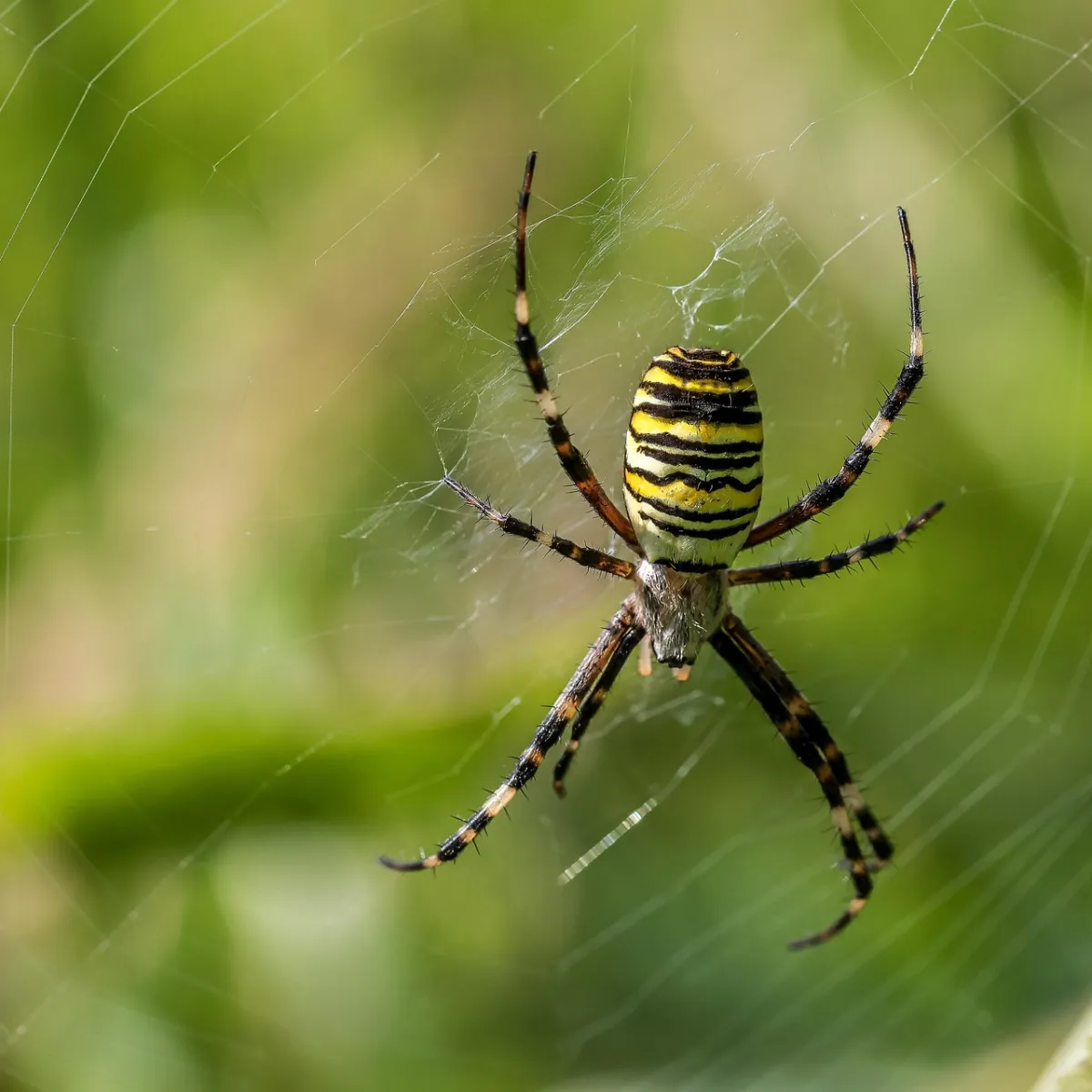
That local context matters because recurring spider problems are rarely generic. The mix of mature trees, clay soil, humidity, storm moisture, and outdoor-use spaces described on Fairway Lawns’ East Tennessee pages is exactly the kind of environment where spider pressure can feel persistent if the whole pattern is not addressed.

These are some of the questions Farragut homeowners ask once spider activity stops feeling random.

Spider's FAQs

Book Spider Control in Farragut, TN

When spider sightings keep returning to the same garage corners, patio edges, closets, and quiet rooms, the issue is usually bigger than another quick cleanup. Fairway Lawns can help you approach the problem as a property-wide pattern instead of a series of isolated surprises. Take the next step in Farragut and start reducing the conditions that keep bringing spiders back.