Get your lawn back on track with 50% OFF first application!* 50% OFF First Application!* Call Now

Quiet rural edges can hide spider activity for weeks.

Spider Control Services in Friendsville, TN

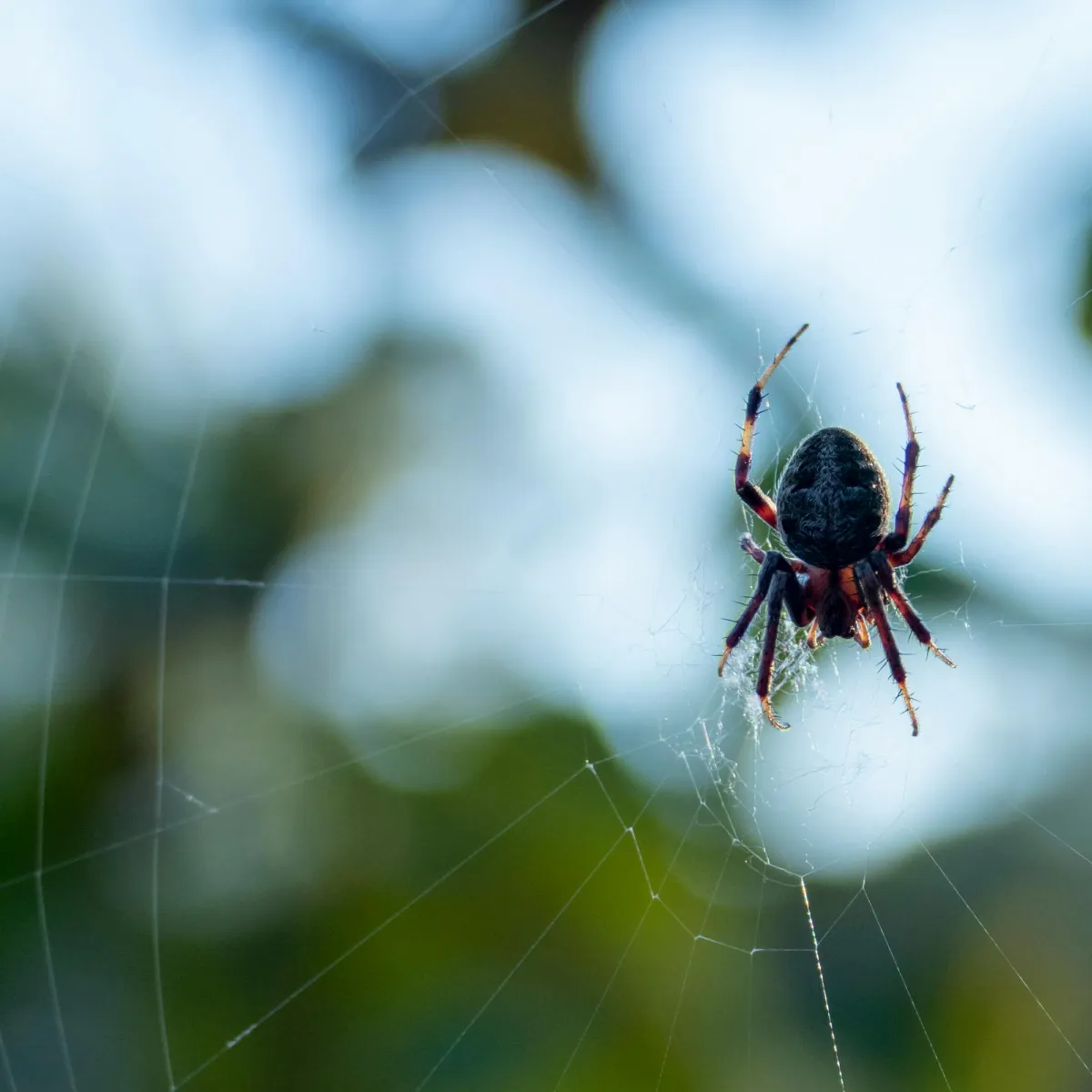
A spider problem in Friendsville often has room to spread before anyone pays much attention to it. Webs can form behind feed bins, along porch rafters, inside a detached shop, or around an old stack of lumber near the edge of the yard. By the time spiders begin showing up in the house, they may already have several sheltered places outside where they have been active for a while.

Fairway Lawns provides spider control in Friendsville, TN for homes where rural acreage, lake access, barns, sheds, shaded fence rows, and quiet storage areas can all influence pest pressure. Friendsville’s location in western Blount County gives many properties a more open, spread-out feel than busier communities closer to Knoxville or Maryville, and that extra outdoor space can create more places for spiders to stay unnoticed.

Why Spider Problems in Friendsville Need More Than a Quick Spray?

A main house, detached garage, barn, chicken coop, mower shed, crawl space, or lake-season storage area can each become part of the problem. Spiders do not need every space to be active at once. They only need a few quiet pockets where insects are available and disturbance is low.

Spraying the spider on the laundry room floor does not answer the bigger question of where it came from. It may have moved in from a crawl space door, a breezeway, a basement wall, or a storage area that has not been cleaned out since last season. Webs beside a shed door may be tied to night-flying insects around a security light rather than the door itself.

A more complete spider pest control service looks across those separate zones. In Friendsville, that often means checking the edges between the yard and the home, the working areas around outbuildings, and the quiet spaces where spiders can live without being noticed.

A careful inspection connects scattered clues into one plan.

Our Spider Control Process

Inspection

We begin by checking the spaces that fit the property's layout. On a Friendsville home, that may include crawl space doors, detached buildings, porch rafters, utility areas, garage corners, wood piles, visible webbing, foundation edges, exterior lights, and places where insects are gathering.

Treatment

Treatment is directed toward the active areas and the paths spiders are likely using. Service may include targeted applications, exterior perimeter work, crack-and-crevice treatment, web removal, visible egg sac removal, residual materials, and interior spot treatment where activity has reached living areas.

Prevention

Prevention recommendations may include organizing stored materials, moving firewood farther from the structure, sealing access gaps, repairing screens, trimming brush, improving moisture control, and reducing insect attraction around lights near porches, garages, and outbuildings.

Monitoring

Because larger lots can develop new spider activity in different places over time, monitoring matters. Seasonal service and follow-up visits can help reduce the chance that sheds, crawl spaces, porches, and storage areas become repeat problem zones.

Rural properties often support several spider habitats at once.

Common Spiders Found in Friendsville

Friendsville properties may attract spiders that use very different parts of the home and yard. Wolf spiders may be seen crossing concrete pads, shop floors, basement areas, or the threshold between a garage and the house. They hunt on foot, so homeowners often notice the movement before they notice any web.

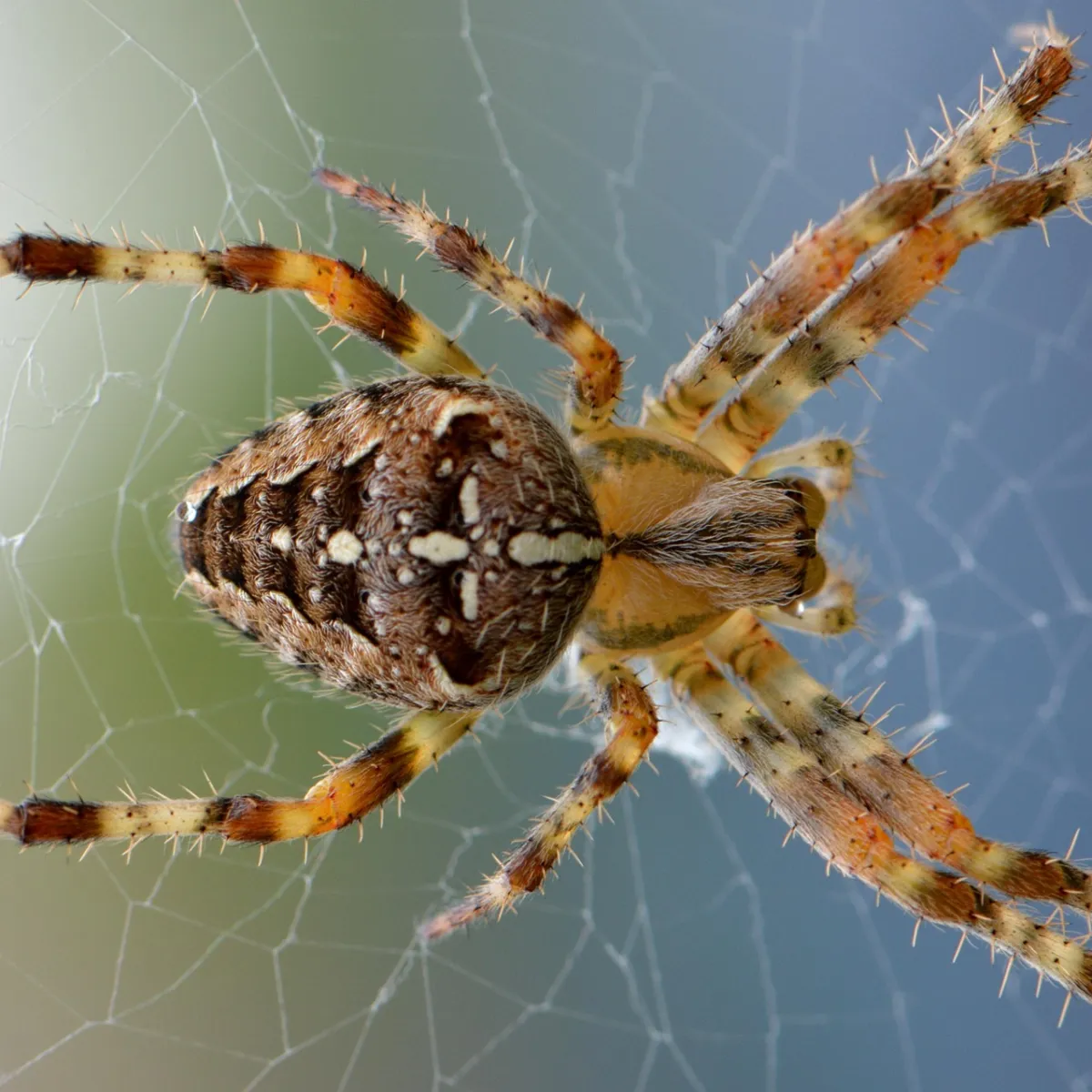
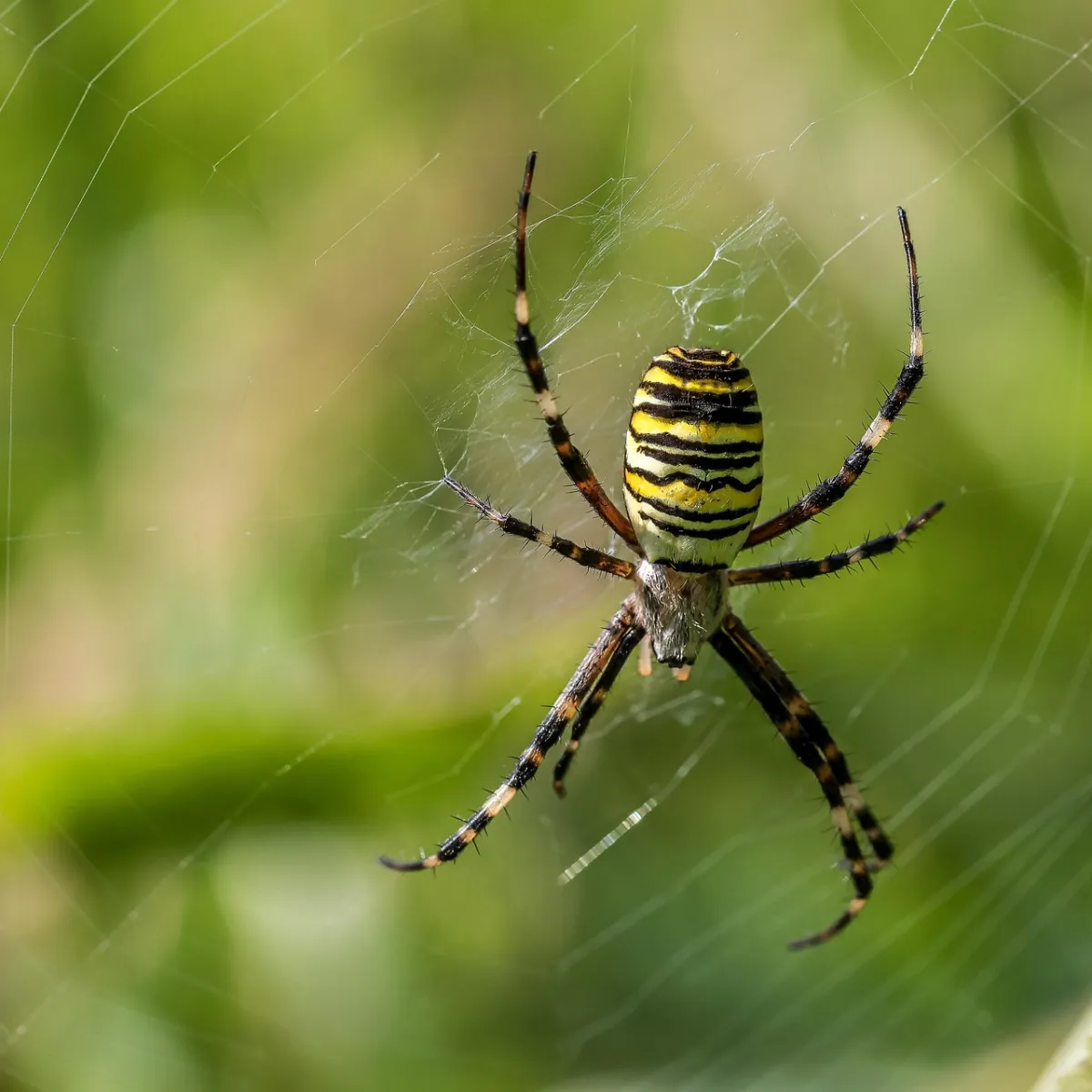
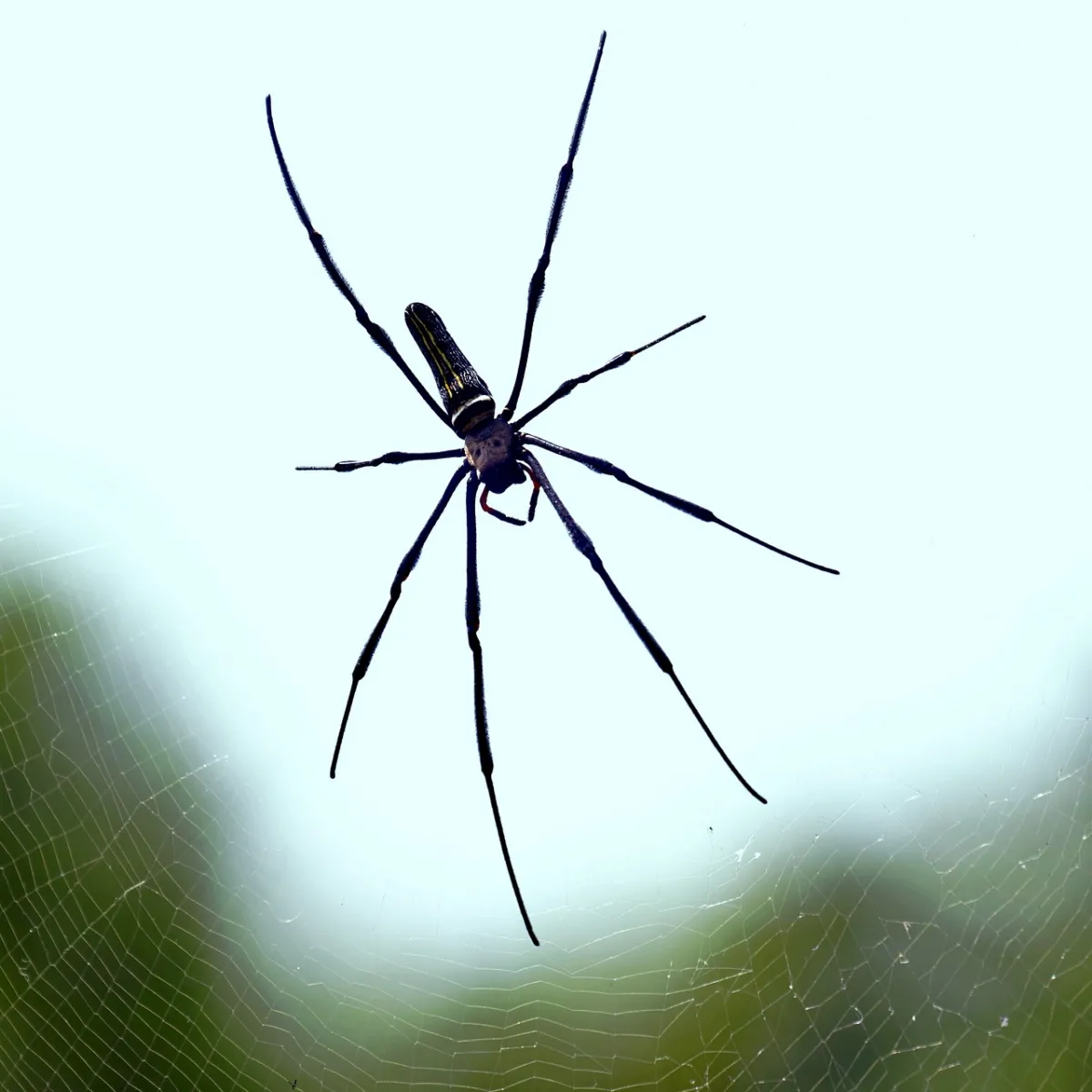
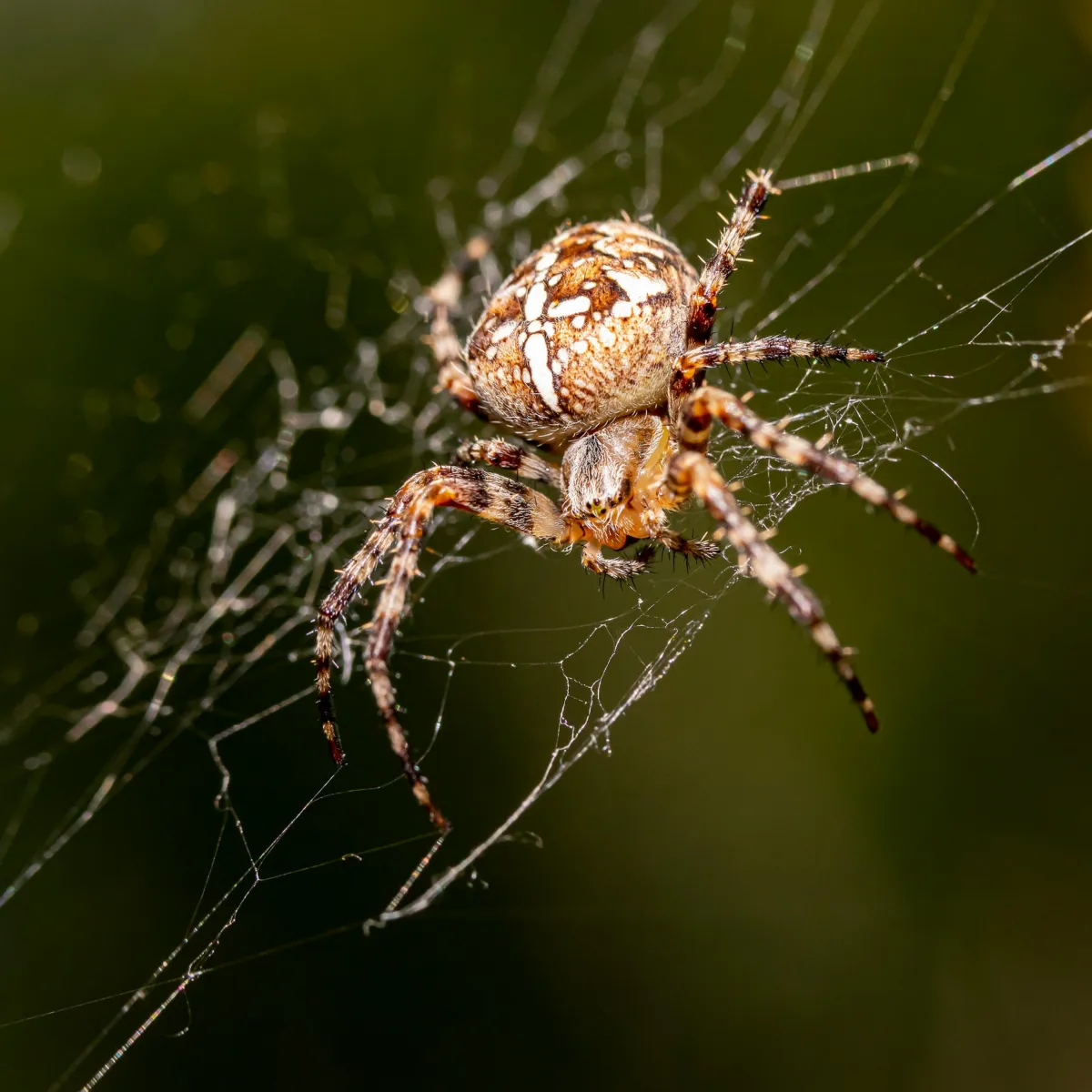
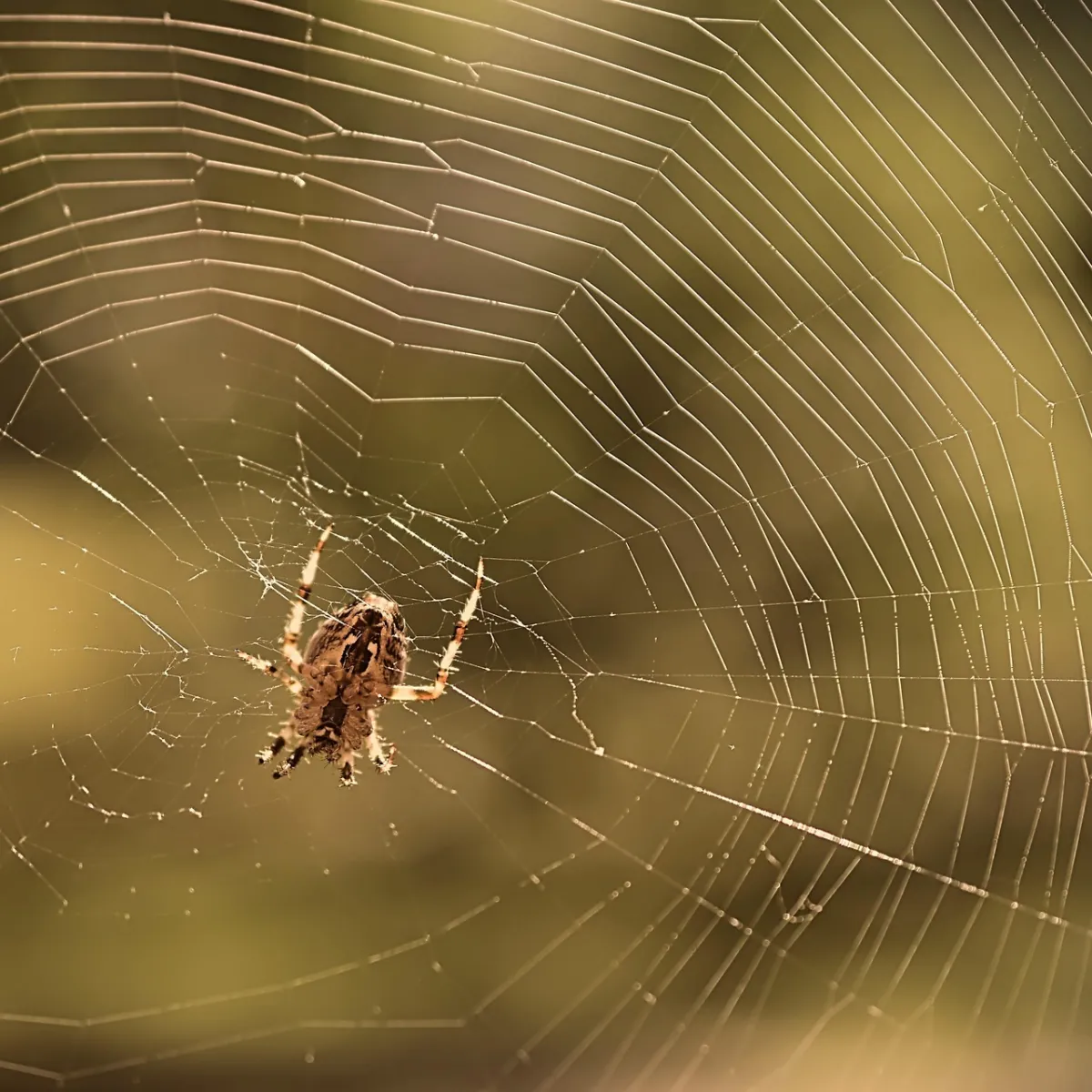
Web-building spiders may be more obvious around porch beams, barn corners, fence rails, crawl space interiors, and window frames. House spiders and cellar spiders may settle inside storage rooms, closets, utility spaces, and lower-level areas where cleaning is less frequent. Outdoor web builders such as orb weavers and garden spiders may become visible around field edges, bushes, patios, and exterior lights.

Black widows call for more caution because Friendsville homes can have exactly the kinds of areas they prefer: wood piles, stacked supplies, equipment corners, sheds, crawl space entries, and low-traffic storage spots. Jumping spiders may appear on sunny rails, siding, and outdoor furniture, usually where small insects are easy to hunt.

The yard, not just the house, may reveal the spider pattern.

Repeated activity usually means spiders have settled nearby.

Signs of a Spider Infestation

Friendsville homeowners may first notice spider pressure in places that are used only part of the week or part of the year. A shed opened on Saturday may have fresh webbing across the doorway. A porch swing may collect webs overnight. A basement shelf may reveal egg sacs only when boxes are moved.

Inside the home, signs can include spiders near baseboards, webbing in corners, activity around closets, or sightings near rooms connected to crawl spaces or garages. Outside, recurring webs around fence corners, porch ceilings, lights, stored materials, and stacked firewood may point to a larger outdoor population.

Other clues include dead insects caught in webbing, small egg sacs in protected corners, shed skins, and web strands that come back after repeated sweeping. When these signs appear in several separate areas, the problem is usually more established than a single stray spider.

Spiders enter when shelter and access line up.

Why Spiders Enter Homes?

A Friendsville home may invite spiders indoors without having an obvious opening. Gaps around crawl space doors, worn thresholds, loose screens, siding seams, pipe penetrations, and foundation cracks can all become travel points. On larger properties, these openings may sit close to active outdoor zones without anyone noticing.

Food is another part of the story. Exterior lights near barns, porches, garages, and workshops can draw insects after dark. Damp grass near drainage areas, shaded tree lines, and vegetation around outbuildings may also support the insects spiders hunt. Once spiders are established nearby, indoor shelter becomes easier to find.

Seasonal shifts can change where activity appears. Summer evenings may bring more webbing around exterior structures, while fall can bring spiders closer to doors, basements, utility rooms, and attic spaces. After heavy rain, covered areas may become more attractive because they offer dry shelter without moving far from food.

The best hiding spots are often outside daily routines.

Where Do Spiders Hide?

On Friendsville properties, spiders may spend much of their time in places that are not part of everyday household movement. Barn stalls, detached garages, sheds, mower storage, crawl spaces, porch undersides, fence lines, stacked wood, and equipment corners can all provide protection.

Inside, spiders may hide behind stored boxes, along basement walls, under utility shelving, in attic corners, behind furniture, near water heaters, and along closet floors. A quiet room that is rarely used can become more active than a busy living area.

Outside, common shelter zones include tall grass near fence posts, brush piles, old lumber, deck framing, roof eaves, foundation seams, outdoor cabinets, and shaded vegetation beside the home. Because Friendsville homes often have more exterior space to inspect, spider issues may be spread out instead of concentrated in one obvious place.

Spider pressure changes with fields, weather, and insects.

Spider Activity in the Friendsville Area

Spring usually brings spider activity back to exterior structures as insects return around lawns, fence lines, shrubs, and lights. Webs may begin appearing along porches, outbuildings, and storage areas before homeowners notice much inside.

Summer can create heavier outdoor pressure around barns, sheds, garages, lake-use items, and shaded yard edges. Warm nights and steady insects can make webs appear quickly, especially in places that are not cleaned or used every day.

Fall often changes the location of the problem. Spiders may begin appearing near doors, crawl space entries, utility rooms, closets, and lower rooms as outdoor conditions become less steady. Winter may quiet the yard, but protected corners indoors or in outbuildings can still hold activity.

Friendsville spider activity often follows the least disturbed spaces.

A homeowner may spray a spider near a doorway and feel the problem has been handled.

Why Professional Spider Control Works Better Than DIY?

On a Friendsville property, that doorway may be only one small part of a much larger route. Activity might be coming from the shed, the crawl space, the porch ceiling, or a cluster of stored materials near the house.

DIY treatments usually struggle with spread-out properties because the hidden areas are easy to miss. Egg sacs may sit behind equipment, inside stacked containers, or under a shelf. Insects may keep gathering around lights or damp vegetation. Spiders may remain active in outbuildings even if the main house looks better for a short time.

Professional spider control adds structure to the process. A technician can look for the active zones, apply targeted treatment, remove accessible webs, treat cracks and crevices, and recommend changes that make the surrounding property less useful to spiders.

Prevention works best when storage areas stay orderly.

Spider Prevention Tips

Friendsville homeowners can make spider control more effective by starting with the areas that get overlooked. Clean out shed corners, organize garage shelves, move unused lumber away from the house, keep firewood raised and separated from exterior walls, and reduce clutter in crawl space or basement areas.

Around the outside, trim brush back from siding, repair screens, close gaps around doors, clean old webbing from porch beams, and keep grass or weeds from growing too thick along foundations and fences. These steps reduce the quiet shelter spiders look for.

Lighting should also be managed thoughtfully. Bright lights on barns, garages, and porches can attract insects at night. Using only the lighting needed and keeping fixtures away from main entry points where possible may reduce spider feeding activity close to the home.

Treatment should fit homes with yards, pets, and outbuildings.

Family & Pet Safe Treatments

Fairway Lawns uses licensed technicians and targeted applications for spider control. On Friendsville properties, the service may focus on exterior perimeters, crawl space access, outbuildings, porch areas, garage entries, web-heavy corners, and indoor spots where activity has been seen.

This focused approach helps fit treatment around real household use. Pets may move between the yard, porch, and garage. Children may play near sheds or outdoor storage. Family routines may include gardening, mowing, lake trips, or working in a shop.

The goal is to address spider activity in the areas that need attention while keeping everyday use of the property in mind.

Local service helps with spread-out property conditions.

Why Choose Fairway Lawns?

Fairway Lawns serves East Tennessee with pest control and outdoor services built around local property conditions. In Friendsville, spider control may require attention to rural spacing, outbuildings, crawl spaces, tree lines, lake access, and storage areas that are not always part of a standard urban pest pattern.

A spider issue here may not stay neatly within the main house. It may begin around an equipment shed, build near a porch light, settle into a crawl space, and later appear in a utility room. Understanding that movement helps create a more useful treatment plan.

Fairway Lawns brings a practical approach to spider control in Friendsville, helping homeowners reduce active spider pressure while addressing the outlying spaces that often keep the problem going.

Friendsville homeowners often ask about sheds, fields, and storage.

Spider's FAQs

Schedule Spider Treatment in Friendsville, TN

Book spider control in Friendsville with Fairway Lawns if sheds, crawl spaces, porch beams, garages, or storage areas keep showing fresh spider activity. Schedule a targeted inspection so the service can follow the problem across the property instead of stopping at one visible web. A focused treatment plan can help reduce current spiders and make repeat activity easier to manage through the season.