Get your lawn back on track with 50% OFF first application!* 50% OFF First Application!* Call Now

The part of the yard that causes the most trouble is often the part that blends in the best.

Tick Control in Hardin Valley, TN

In Hardin Valley, a yard can look clean and well kept while still holding the kind of sheltered spots that let tick activity build. The problem usually does not start in the middle of an open lawn. It starts off to the side, near the places that stay shaded longer, hold a little more moisture, or collect more cover than the rest of the property. That may be a narrow strip along a fence, a corner behind shrubs, the line where the yard meets rougher growth, or a side area that never seems to dry as fast.

Fairway Lawns provides tick control in Hardin Valley, TN for homeowners who want help targeting those sections before they keep causing the same issue. Instead of looking at the yard as one broad surface, we focus on where the conditions actually support activity. That means paying attention to cover, shade, ground moisture, and the areas people and pets use most often, because that overlap is usually where the problem becomes noticeable.

When the right parts of the property are treated, the difference is not just visual. The yard starts feeling more comfortable to use. That matters because most homeowners are not worried about theory. They want to let the dog out, walk across the grass, or spend time outside without wondering which edge of the property is quietly causing the same frustration again.
Professional Tick Control Services in Hardin Valley, TN

Yards in Hardin Valley often have a mix of conditions. One area may get strong sun and dry quickly. Another may sit near trees, behind a line of shrubs, or along a shaded property edge where the ground stays protected much longer. These differences matter more than square footage. In many cases, just a few sections of the yard are responsible for most of the activity.

That is why we start with the layout of the property itself. We look at where the shade holds, where the ground stays soft after rain, how thick the vegetation gets in certain zones, and where people and pets naturally move. That gives us a clearer picture of which sections are helping ticks stay active and which sections are simply connected to those areas through everyday yard use.

Treatment is then directed to the areas most likely to hold activity and the nearby spaces that homeowners rely on. That can include lawns, patios, play spaces, walkways, pet routes, bed edges, and the transitions between maintained turf and rougher cover. The goal is not only to treat where activity was noticed once. The goal is to reduce the sections that keep reintroducing it.

A treatment plan works best when it follows the actual pattern of the yard instead of forcing every section into the same category.

Our Tick Control Process

Inspect the Property

We begin by looking at how the yard really behaves. That includes shade patterns, slower-drying ground, thicker cover, border conditions, and the routes that get the most use. The purpose is to find the parts of the property that are most likely to keep activity going instead of treating everything as if it behaves the same way.

Treat Tick-Prone Areas

Once those high-pressure zones are identified, treatment is applied where ticks are most likely to remain active. This often includes perimeter strips, fence lines, bed borders, rough transitions, damp corners, and the shaded outer sections of the property that keep producing repeat pressure.

Create a Protective Barrier

After the source sections are addressed, attention shifts toward the spaces that get used the most. Lawns, patios, walkways, pet areas, and outdoor gathering spaces all matter here because those are the places where a hidden issue starts affecting day-to-day yard use.

Continue Protection

Because the property changes with weather, growth, and moisture, continued service helps keep those same trouble spots from becoming favorable again. That ongoing attention is often what keeps the yard from slipping back into the same cycle after conditions shift.

A yard can support tick pressure for a while before it becomes obvious enough to disrupt everyday outdoor use.

Why Tick Control Matters in Hardin Valley?

Tick issues are often discovered late. Most homeowners do not notice them the moment they appear. They notice them after spending time outside, after a dog comes back through the yard, or after the same section of the property starts causing concern more than once. By then, the yard has usually been supporting the problem in quieter places for longer than expected.

That pattern is common in Hardin Valley because many properties include the kind of conditions that create small but dependable holding areas. A shaded strip near a fence, a thicker bed line, a rough edge near tree cover, or a slow-drying side yard can all be enough. A property does not need to look neglected for those conditions to exist. It only takes a few sheltered spots working the same way week after week.

The reason treatment matters is simple. Once a few sections of the yard begin acting like source areas, the rest of the property starts feeling less dependable. Pet time outside changes. Patios and paths feel closer to the problem than they should. Getting control of those source sections helps stop the same issue from touching the same routines over and over.

The yard sections that matter most are usually the ones where low cover, shade, and moisture stay close together near the ground.

Where Ticks Hide Around Your Yard?

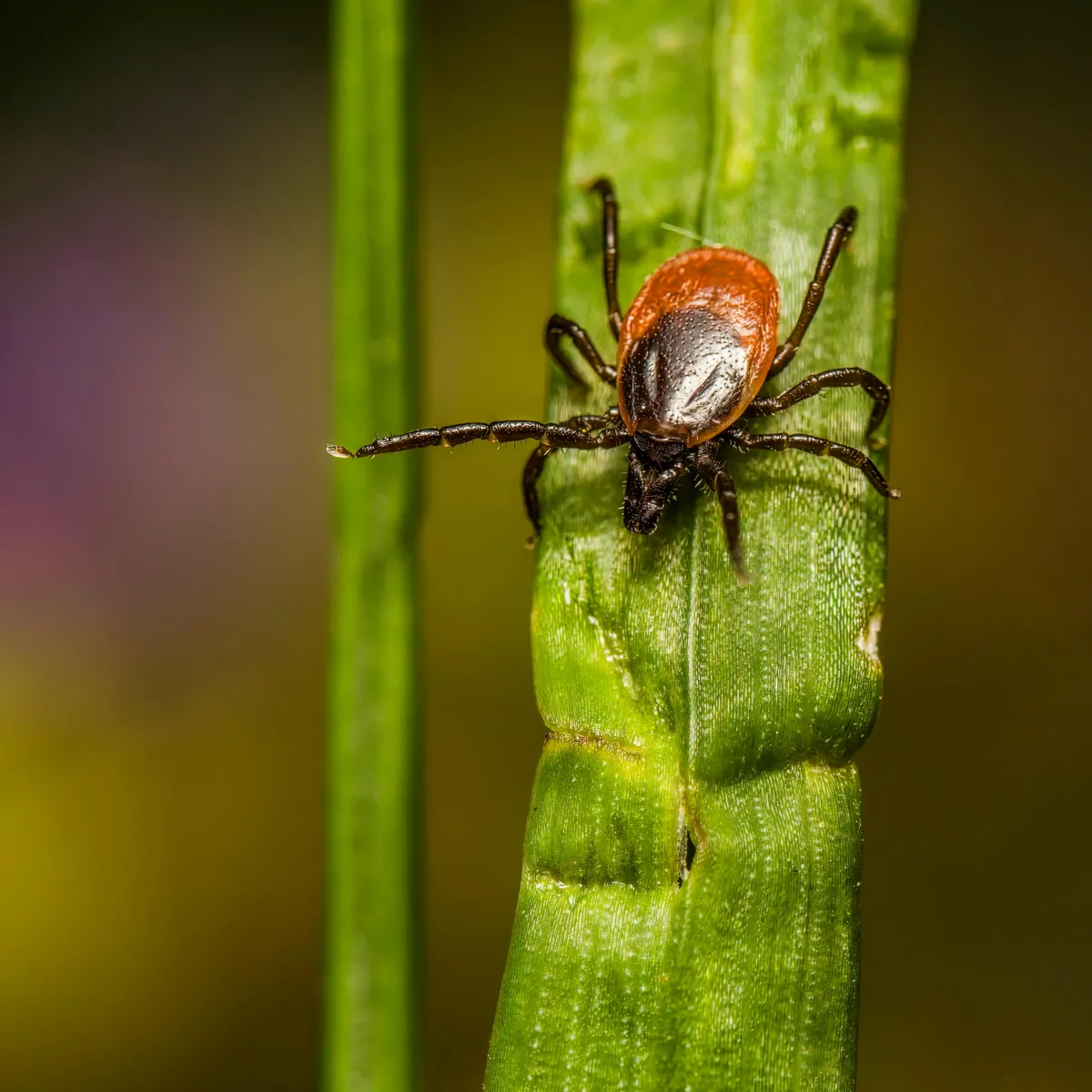
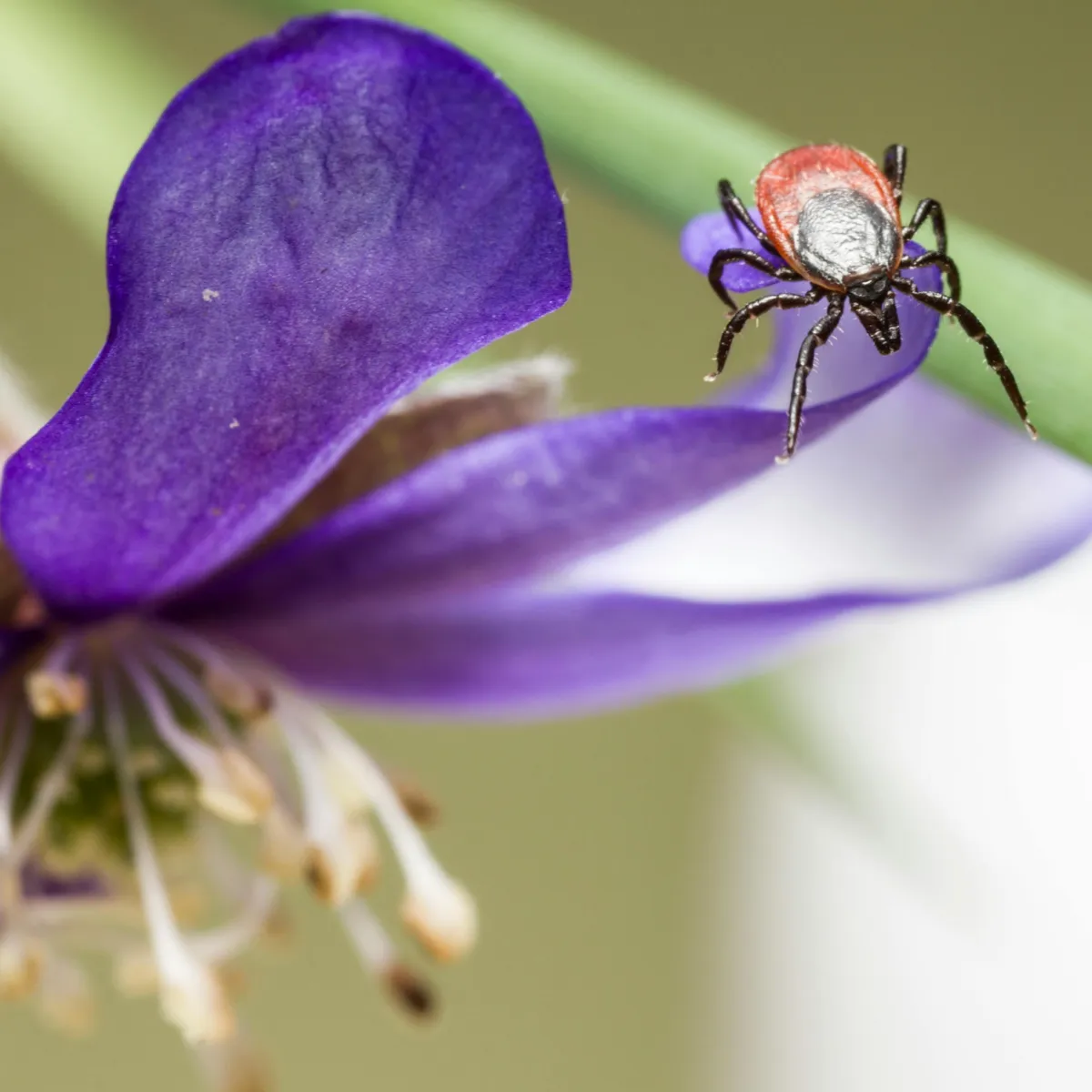
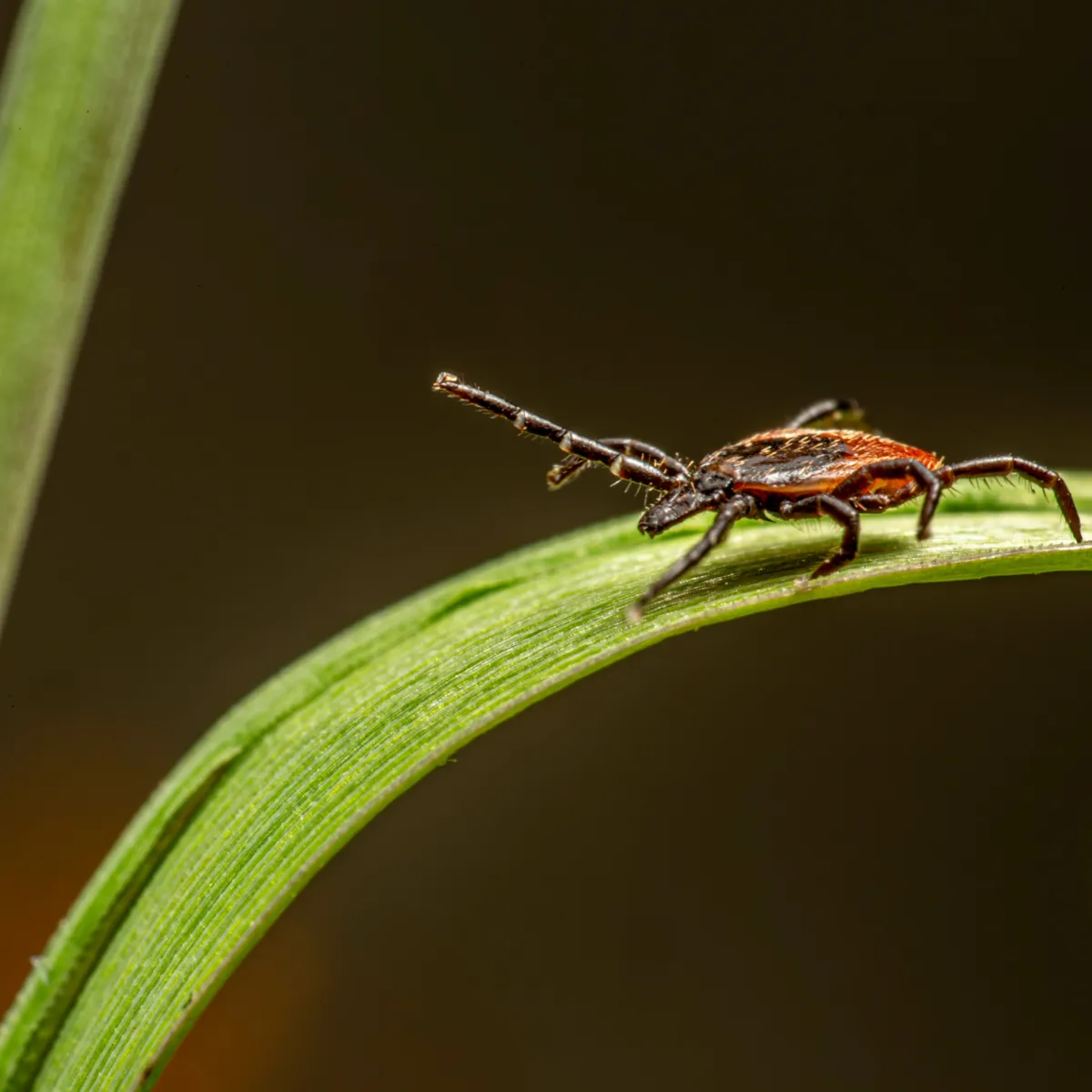
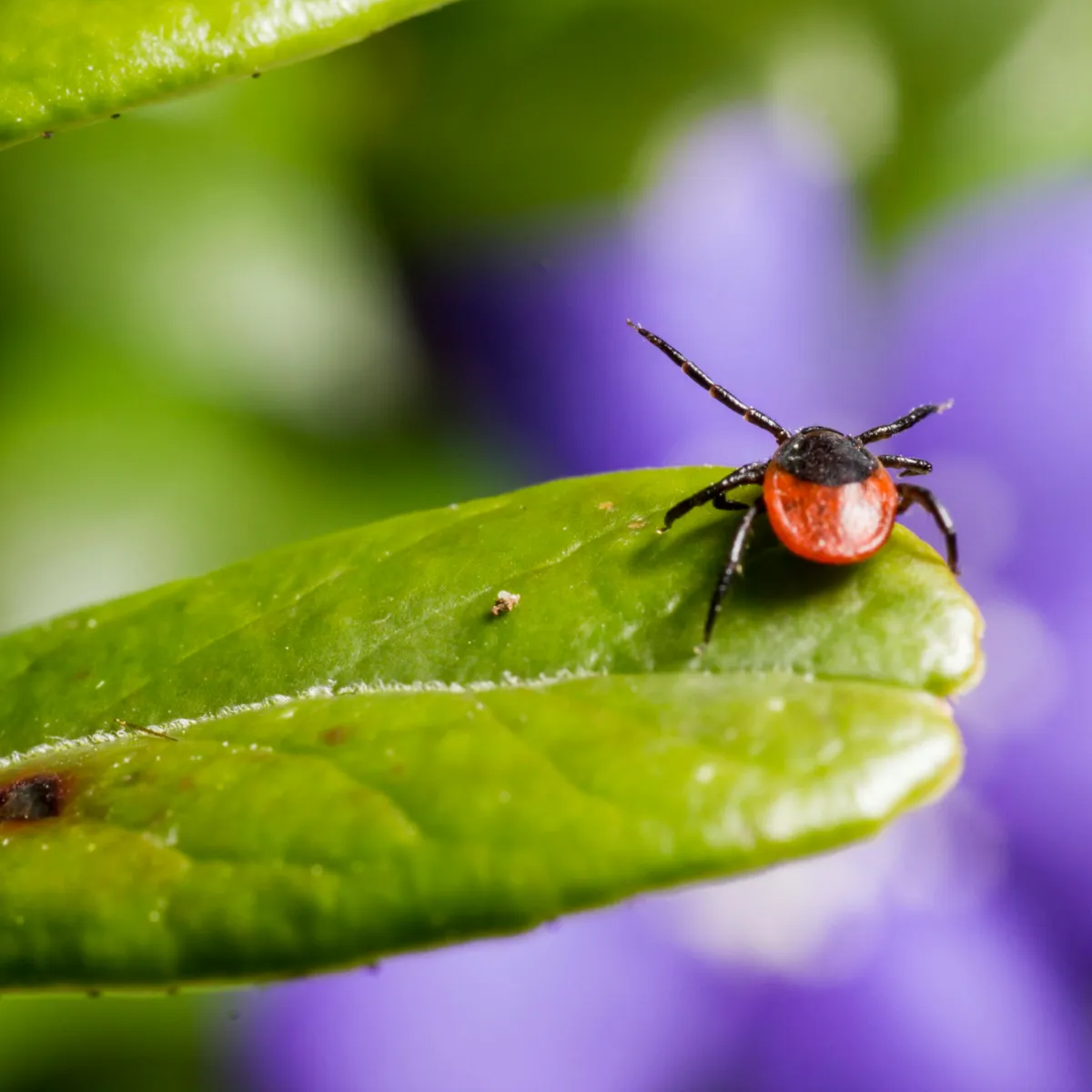
Ticks usually stay low and protected. Around a home, that often means the edges rather than the center. Taller grass along a boundary, heavy mulch under shrubs, leaf buildup near a fence, rough growth behind a shed, or the strip between a planting bed and the lawn can all give them the shelter they need. These are the areas that often hold the problem longer because they stay cooler and less disturbed than open turf.

Some of the most important hiding places are easy to miss because they are small. The shadowed side of the house, the outside edge of a retaining wall, the back line of a dog run, or the ground beneath a deck may not stand out, but those spaces often behave differently from the rest of the yard. They collect cover, hold moisture, and stay protected from direct sun in a way that open lawn does not.

Pets often turn those same sections into repeat contact points. A dog may use one route around the yard every day, especially if it follows a fence or border. If that route passes close to thicker cover, it becomes one of the easiest ways for hidden activity to move toward the house and into normal routine.

The biggest improvement usually shows up in the everyday use of the property, not just in the treatment itself.

Tick Prevention for Families and Pets

For most families, the yard problem becomes real because of routine. Dogs do not avoid the back edge because it looks heavier than the lawn. Children do not avoid a bed line because leaves have collected at the base of it. People move through the yard the same way they always have, which is exactly why hidden activity becomes such a problem once it settles near those routes.

Treatment helps by reducing activity not just at the source, but around the spaces that matter most in daily life. That includes the lawn where children play, the route from the patio to the gate, the dog’s usual path along the fence, and the edge of the yard where outdoor use and thicker cover meet. Those connections matter, because most homeowners are not dealing with one isolated problem zone far from where anyone goes. They are dealing with a few hidden spots too close to everyday use.

When those areas are brought under control, the yard starts feeling easier to use again. That is usually the practical difference people notice first. The property stops feeling like something that has to be navigated carefully and starts functioning more like part of the home again.

The time of year changes which parts of the yard stay favorable, and that shift is one of the biggest reasons repeat trouble keeps showing up.

Seasonal Tick Control in Hardin Valley

Spring

Spring often sets the tone for the rest of the season. As growth fills in and the ground begins holding more moisture, the difference between sunny lawn and protected edges becomes much clearer. Border sections near shrubs, fences, and rougher cover often start becoming more favorable before the rest of the yard seems any different.

Summer

Summer changes the problem in another way. Open lawn may dry out quickly, but the more protected parts of the property do not always follow that pattern. Dense bed lines, shady side yards, and edges near tree cover often stay cooler and heavier, which lets them keep supporting activity even when the rest of the lawn appears dry.

Fall

Fall does not always shut things down as fast as homeowners expect. Leaves begin to collect, light angles change, and sections of the yard that already tend to stay protected can remain favorable longer. A border that was already a trouble spot in summer may keep that role well into fall if the same cover and moisture hold there.

Rain / Moisture

Rain plays a role all year, but especially in the sections of the yard that are already slower to dry. Low strips, shaded corners, and heavier borders often stay damp much longer than nearby open grass. Those differences usually explain why the same parts of the yard keep becoming repeat problem areas after wet weather.

The best yard service is based on where the pressure is actually coming from, not on the assumption that all green spaces behave the same way.

Why Choose Fairway Lawns for Tick Control in Hardin Valley?

Good tick control depends on identifying the sections of the property that are actually creating the issue. In most cases, that is not the open middle of the lawn. It is a few edges, corners, borders, or damp zones where the same favorable conditions keep lining up. If those places are missed, the problem tends to come back. If those places are treated correctly, the rest of the yard becomes much easier to manage.

Fairway Lawns provides licensed service, trained technicians, and treatment plans built around real property conditions. That means the service is tied to how the yard holds shade, where the ground stays heavy, how pets use the space, and which sections are most likely to keep restarting the issue. Homeowners usually want something more useful than a generic application. They want a plan that reflects what is actually happening in their own yard.

That kind of yard-specific service is what helps the results hold over time. Instead of treating the property like a flat, identical surface, the work stays focused on the areas that matter most.

Basic yard habits can still make a difference, especially when they help reduce the same conditions ticks depend on.

Tick Prevention Tips

Keeping grass under control helps reduce the kind of low cover ticks prefer. Removing leaf piles, sticks, and loose debris from bed edges, fence lines, and shaded corners also helps because those areas tend to trap moisture close to the soil. The ground near shrubs, decks, and outer borders is worth extra attention because those are often the sections that keep becoming favorable.

It also helps to pay attention to what the yard does after rain. If one side stays wet longer, if one border always looks heavier, or if the same pet route runs close to dense cover, those are useful clues. They point to the parts of the property most likely to keep causing trouble if they are ignored.

These steps help support treatment, but if activity is already established, they usually are not enough on their own. They work best when they make the property less comfortable for ticks between visits and help slow down how quickly the same sections turn favorable again.

When one section of the property is clearly causing most of the frustration, targeted relief can be the best place to begin.

One-Time Tick Treatments

A one-time treatment may be the right choice when the problem is clearly tied to one part of the yard. That might be a dog path along a fence, a shady strip behind the patio, a low patch near a border, or a bed edge that keeps turning up activity. In those cases, a focused visit can help reduce the pressure where it feels most immediate.

For some properties, that is enough. For others, it becomes the first step in deciding whether the yard has broader conditions that are likely to keep supporting the issue later in the season. Either way, one-time treatment can make sense when the problem is concentrated and the homeowner wants direct relief in one visible trouble spot.

If the same conditions keep returning, it usually makes more sense to stay ahead of them than to wait for the same problem to rebuild.

Recurring Tick Control

Recurring service is often the better fit for properties where the same shaded, damp, and protected sections keep reappearing. Those conditions do not usually change on their own. If the layout of the yard keeps creating them, the issue is likely to return unless there is a plan in place to stay ahead of it.

That consistent approach is what helps many yards avoid the cycle of short-term improvement followed by the same trouble spots becoming active again. Instead of restarting from the beginning, recurring service keeps those sections from rebuilding pressure as quickly.

A lot of nearby homes deal with the same hidden yard patterns, even when the lots themselves are different in size, shape, or age.

Tick Control Near Hardin Valley / Areas Served

Fairway Lawns provides tick control in Hardin Valley and surrounding Knoxville-area communities where properties often share the same kinds of challenges, including mixed shade, thicker borders, changing ground moisture, and transitions between maintained turf and heavier outer growth. Even when the homes do not look alike, the same kinds of pressure points tend to repeat from yard to yard.

The most useful questions usually start with the sections of the yard that keep doing the same thing no matter how many times the lawn gets mowed.

Tick Control FAQs

Get a Quote for Tick Control in Hardin Valley

If ticks keep showing up around the yard, Fairway Lawns can help identify which sections are driving the problem and treat them directly. Schedule your tick control service or book a quote for your Hardin Valley property today.