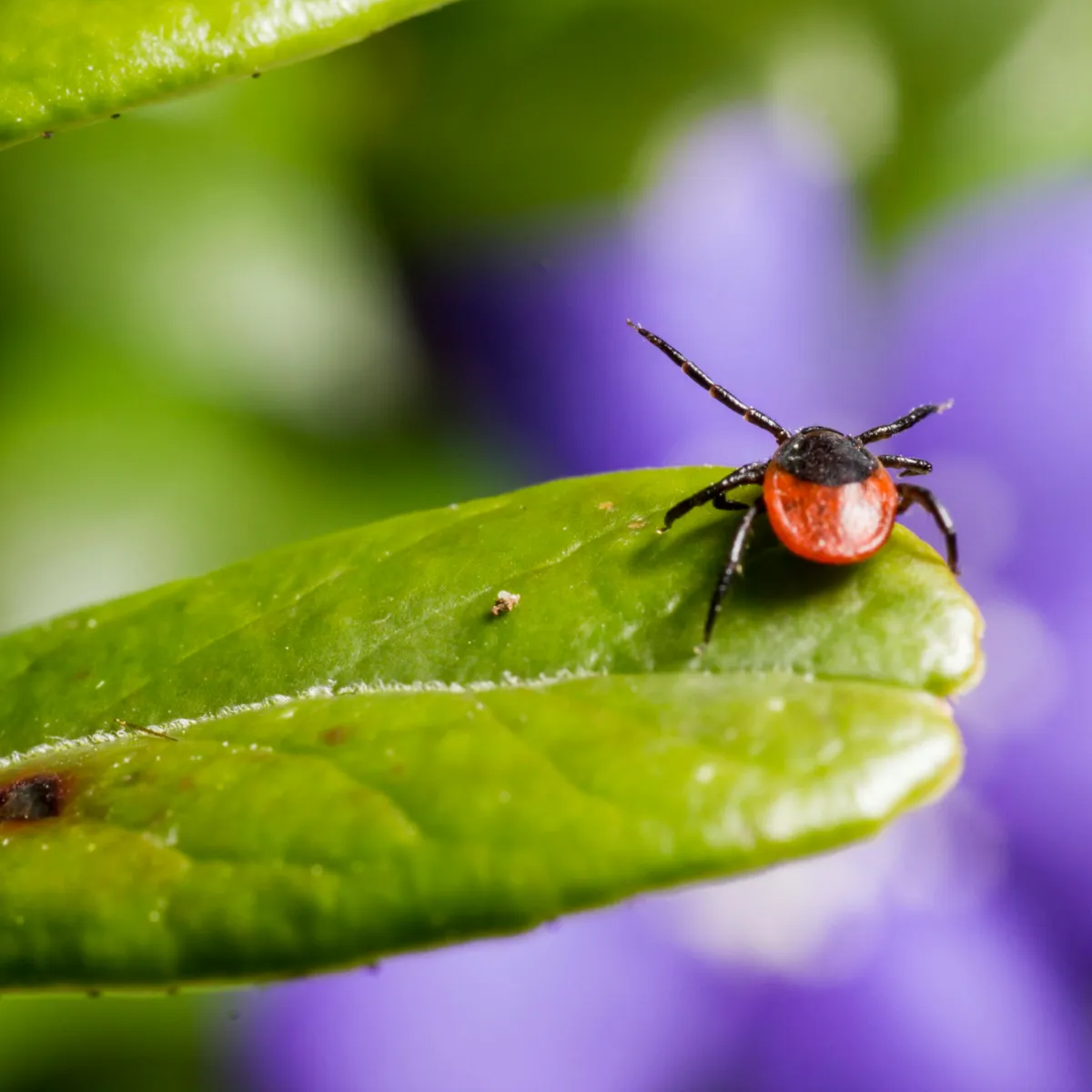
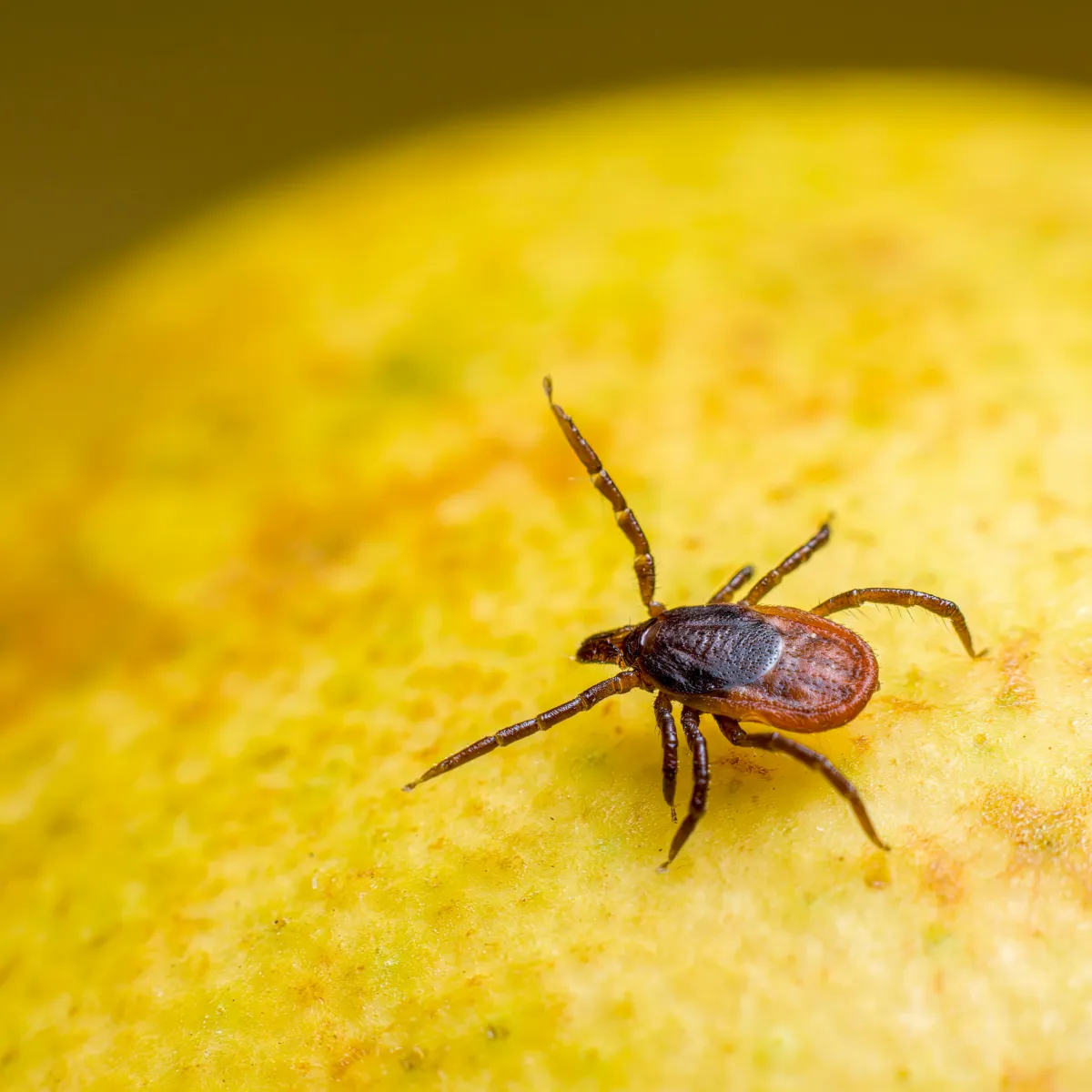
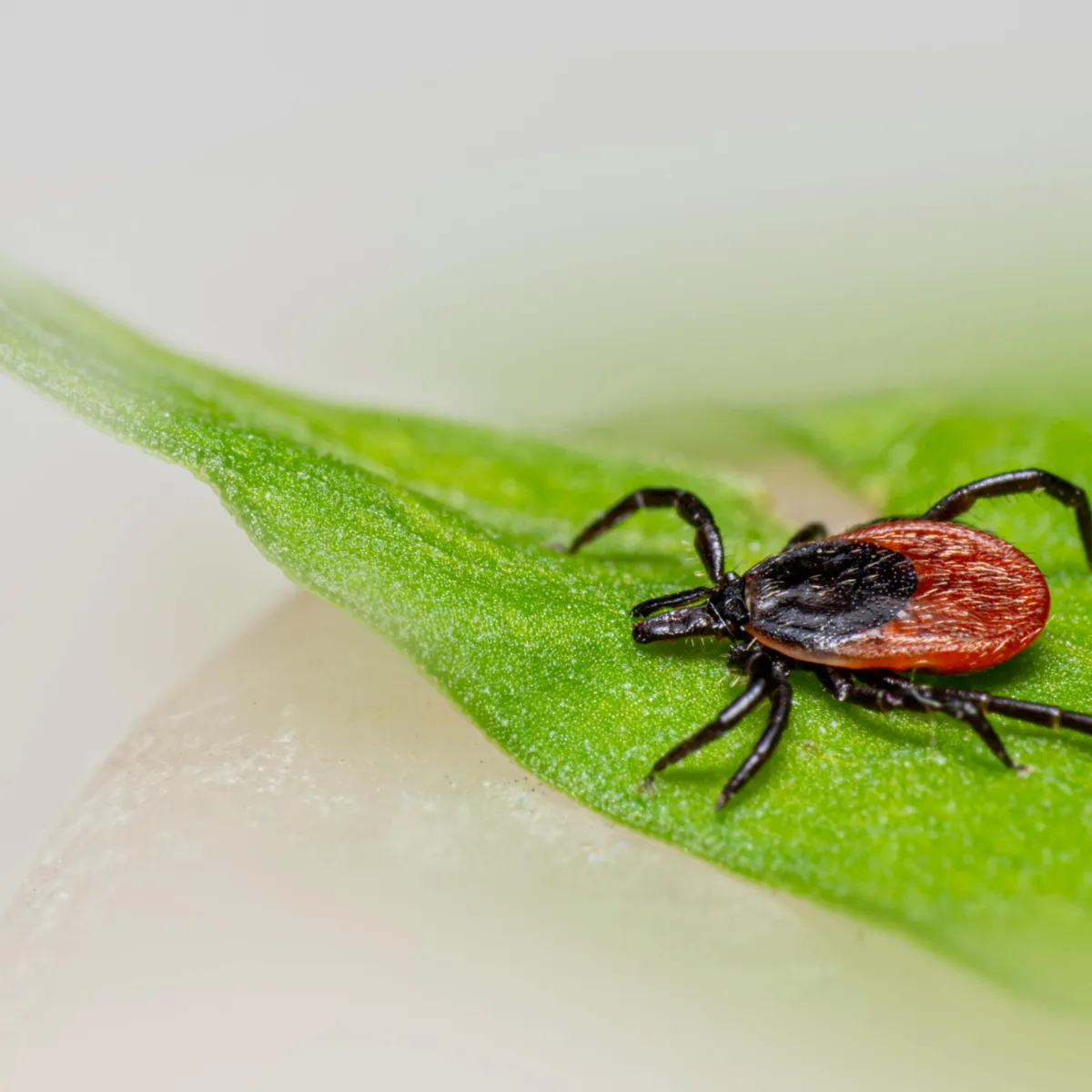
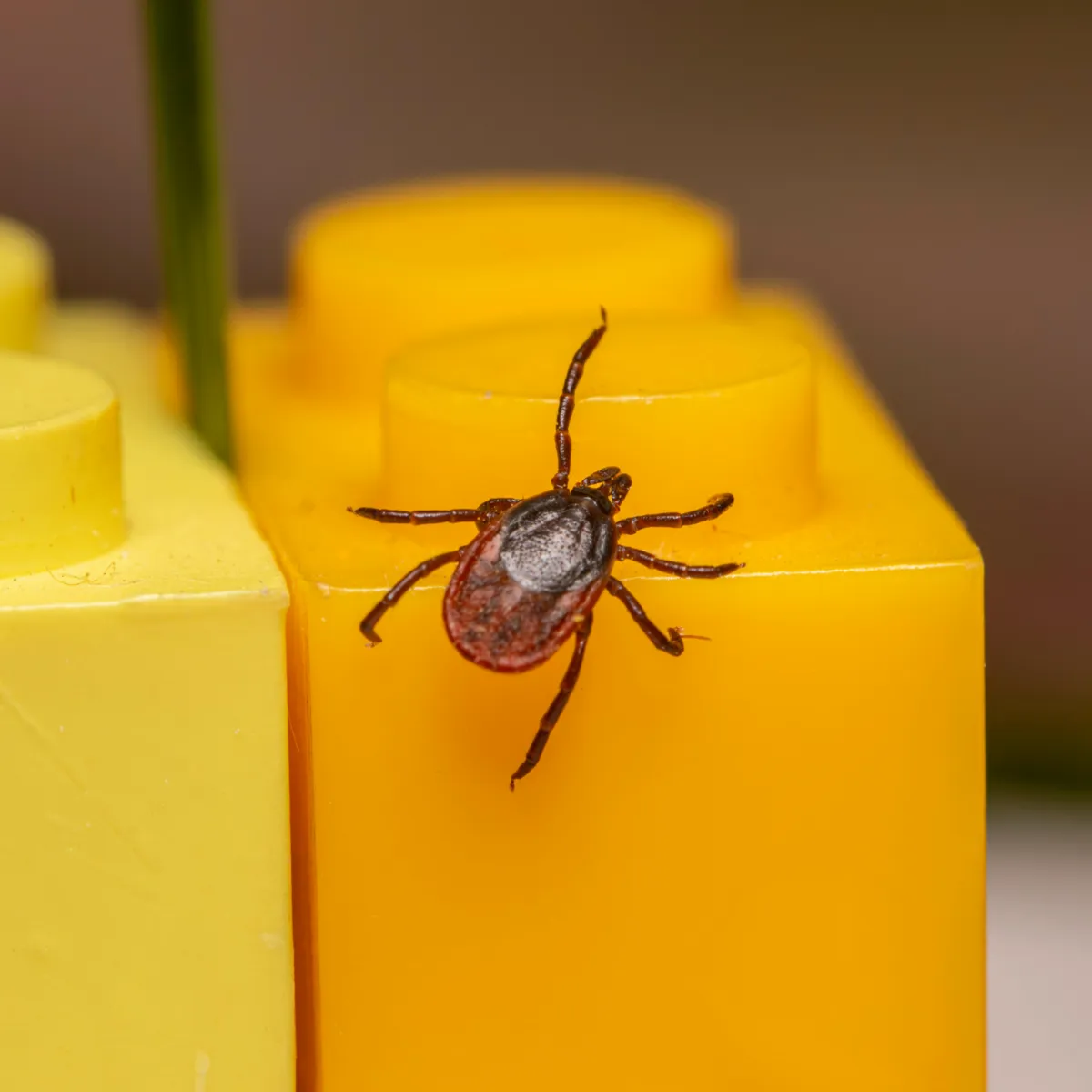
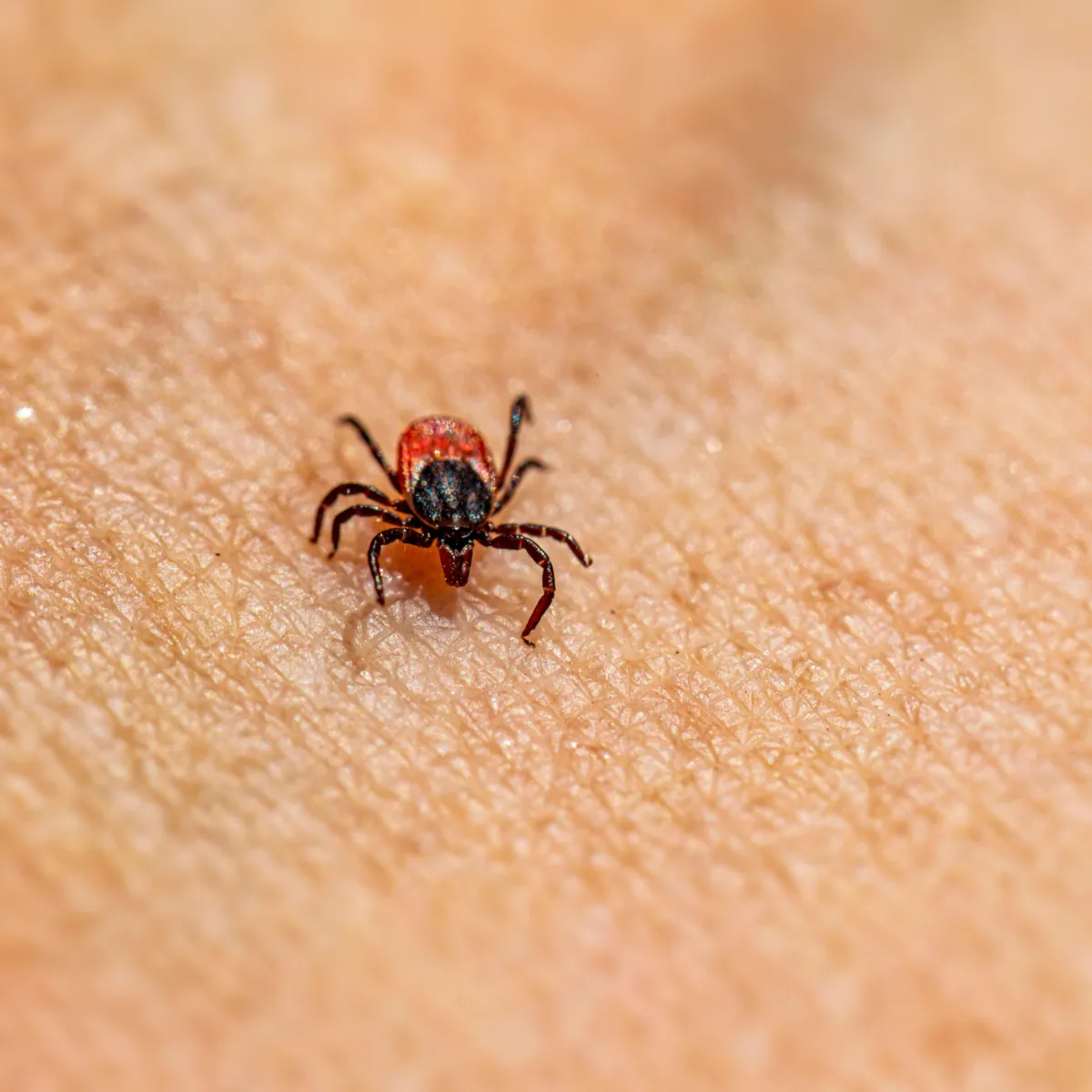
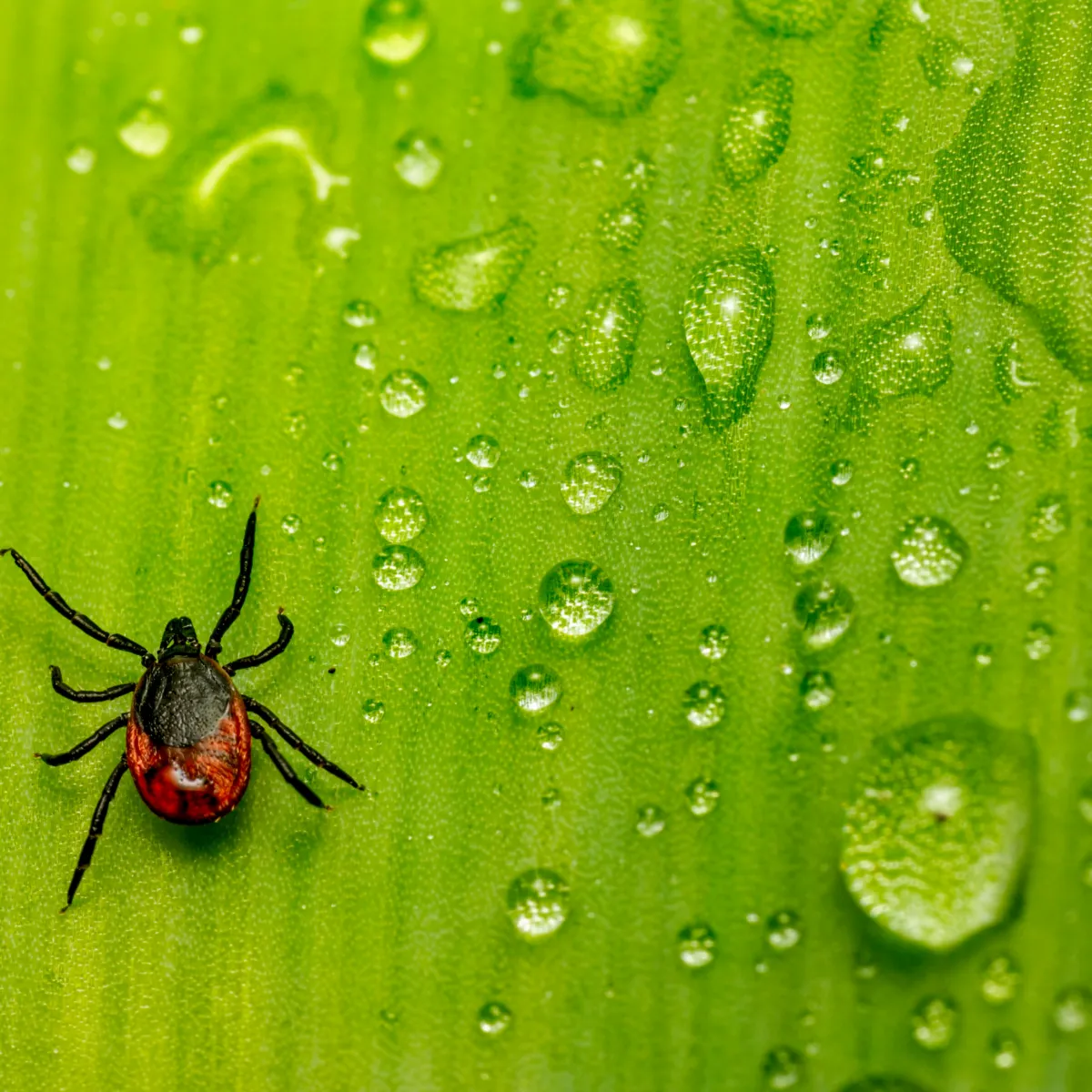
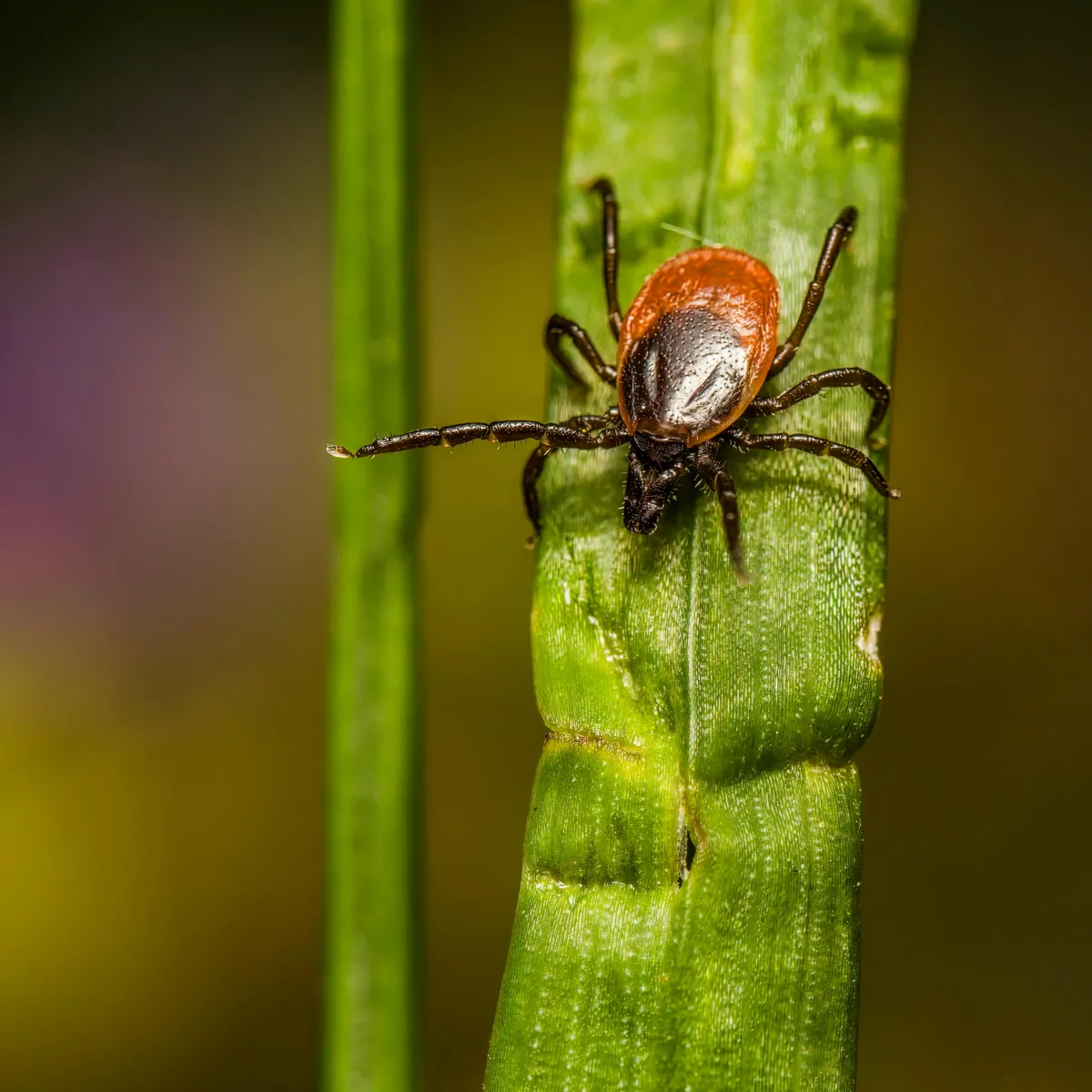
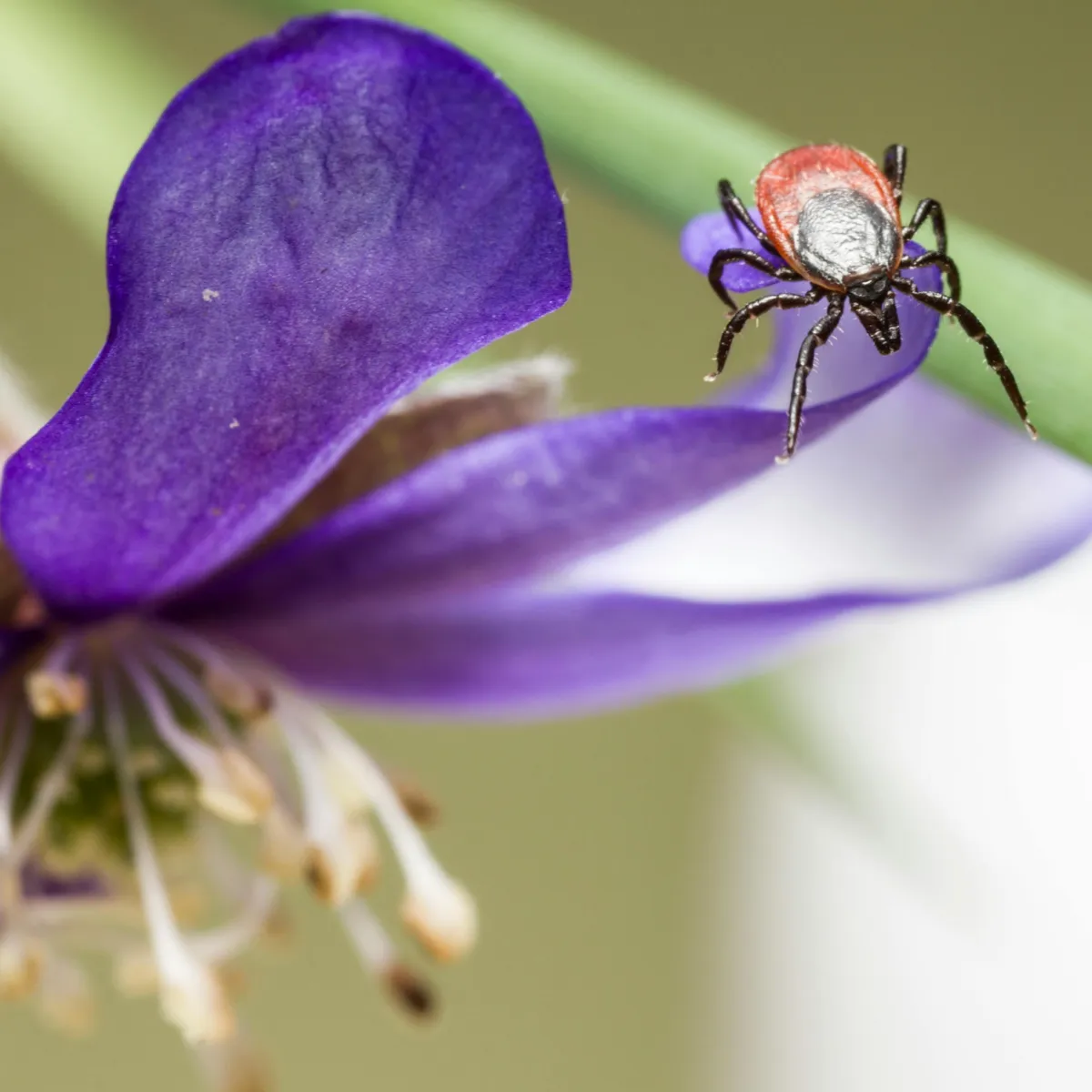
The hardest part of a tick problem is that the yard can seem completely ordinary while a few overlooked sections keep the issue going.
In Karns, plenty of properties have a mix of open lawn, thicker borders, and shaded areas that change character from one part of the yard to the next. The front may stay bright and dry, while a side run beside the fence or a back edge near shrubs keeps more cover and more ground moisture than expected. That difference is often where trouble begins. A yard does not need to look rough to start supporting tick activity.
Fairway Lawns provides tick control in Karns, TN for homeowners who want to stop that cycle before it keeps affecting the way the property is used. The goal is not just to treat whatever part of the yard looks suspicious on one visit. The goal is to identify the sections that keep creating favorable conditions and reduce the pressure where it starts. When that happens, the whole yard becomes easier to enjoy without the same low-level concern following every trip outside.
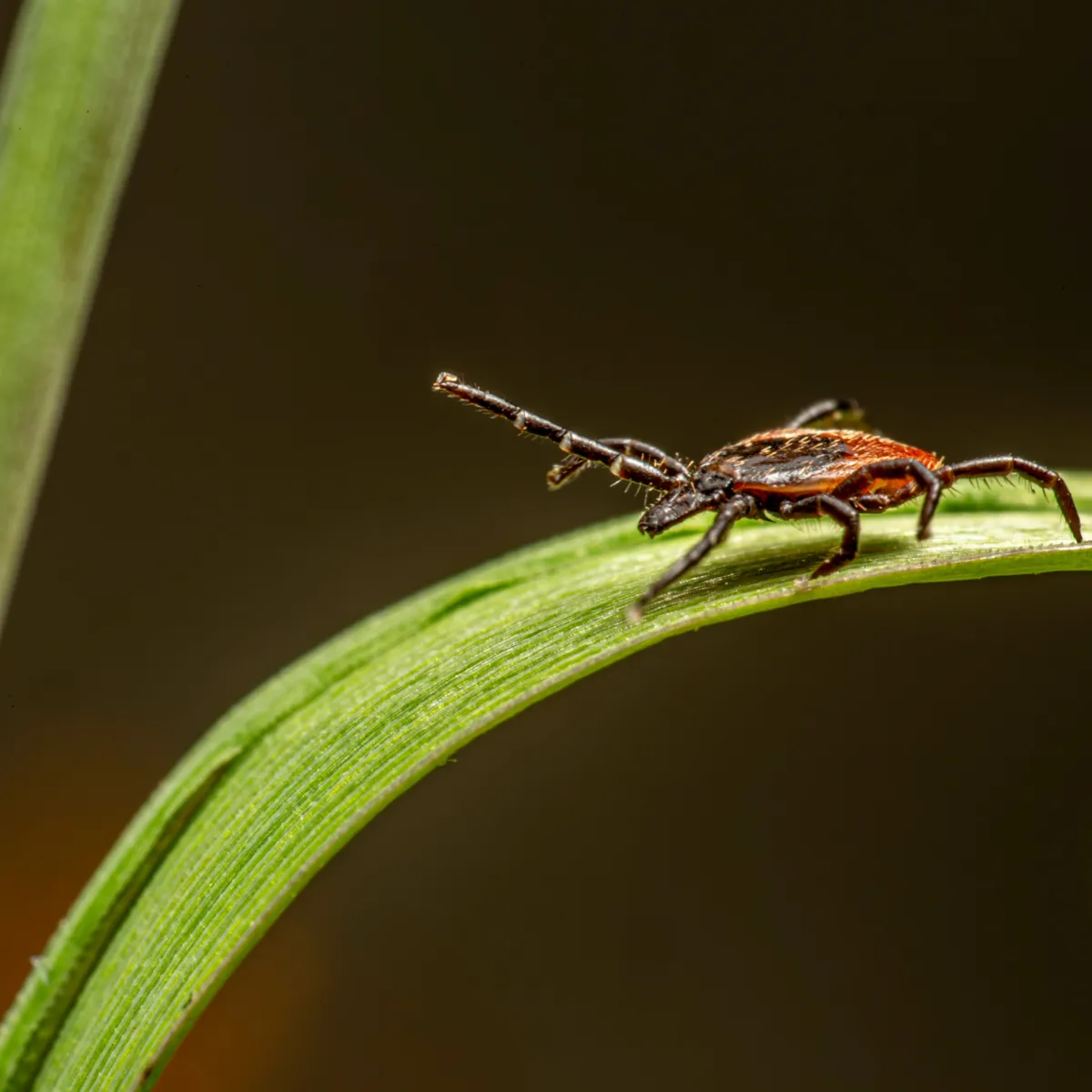
Tick activity usually settles into patterns. One yard may have a back corner that stays damp after rain. Another may have a dense bed line along the patio, or a fence border where grass, weeds, and leaves collect enough cover to protect activity close to the soil. On some properties, the issue is tied to the route a dog uses every day. On others, it is linked to a transition area where maintained turf meets rougher growth.
That is why service starts with the property itself instead of a broad assumption. We look at where the yard is likely to hold shade, where the ground stays protected, and where daily use brings people and pets closest to those conditions. Treatment is then applied where it matters most, including the source sections and the nearby spaces homeowners actually use. Lawns, patios, walkways, seating areas, garden borders, pet routes, and activity zones all play a part in the overall plan.
What makes that approach work is that it treats the yard like a real environment, not a flat green surface. Some sections are part of the problem because they hold conditions ticks like. Other sections matter because they are the spaces families use without thinking twice. Both need attention if the property is going to feel more comfortable over time.
The most effective treatment plans follow the way the yard actually functions instead of forcing every section into the same pattern.
We begin by looking at the layout and behavior of the yard. That includes shade patterns, drainage, thickness of growth, transitions between lawn and rougher cover, and the routes pets and people use most often. These details show where the property is most likely to keep the issue alive.
Once the high-pressure sections are identified, treatment is applied where activity is most likely to stay active. This can include shaded borders, bed edges, fence lines, low spots, and heavier perimeter growth. These are the sections that most often need direct attention because they keep supporting the same problem.
After the likely source zones are addressed, coverage is extended around the parts of the property people use regularly. That often means lawns, patios, walkways, pet areas, play spaces, and outdoor gathering spots. This step helps reduce the movement of activity from hidden sections into the areas homeowners care about most.
Yard conditions shift with weather, growth, and season. A section that feels open one month may become more favorable after rain or thicker growth the next. Continued service helps keep those same areas from rebuilding into the same issue again.
A tick issue usually feels sudden only because the areas feeding it stay out of mind until activity gets close to the house, the dog, or the usual yard routine.
Most homeowners do not notice the problem when it begins. They notice it when it reaches daily life. That might mean finding a tick after time in the yard, discovering one on a pet, or realizing the same corner or border keeps raising the same concern. By the time that happens, the property has often been supporting the issue in the background for longer than expected.
In Karns, steady growing conditions, warm stretches, and yard layouts that mix sun with heavier shade can all keep certain areas more favorable than the rest. A property may look open overall and still have two or three sections that never dry as fast, never thin out as much, or never get the same amount of movement as the open lawn. Those are the places that often keep the issue going.
That matters because repeated activity changes how people use the yard. It makes pet time outside feel less simple. It makes lawn edges and garden paths feel less inviting. It makes ordinary outdoor use come with more second-guessing than it should. Treatment helps by reducing the conditions that keep turning a few hidden sections into a recurring problem for the whole property.
The sections most likely to hold ticks are not always dramatic; they are usually the quiet places where low cover, trapped moisture, and limited sunlight all meet.
Ticks tend to stay close to the ground where cover helps them avoid heat and dryness. Around a home, that often includes thicker grass along a perimeter, mulch beds with heavy planting, leaf buildup near fences, and the edges where open lawn gives way to rough growth. These sections do not always stand out visually, but they often create steadier shelter than the center of the yard.
Other problem areas are smaller and easier to miss. The strip behind a shed, the shadowed side of the house, the line beneath a row of shrubs, or the space along the back of a retaining wall can all behave differently from the rest of the property. Some of these areas stay shaded longer. Others hold moisture after rainfall. Others simply do not get much disturbance. Together, they create the kind of protected ground ticks tend to use.
Pet traffic can make these spaces more important. A dog may follow the same path along a fence, behind a bed, or beside a structure every day. If that route overlaps with low cover and protected soil, it becomes the easiest connection between hidden activity and the yard areas closest to the home. That is why the most important sections are often the ones people stop noticing after seeing them every day.
The real value of treatment shows up when ordinary yard routines stop feeling like they need extra caution built into them.
Most homeowners are not thinking about tick pressure when they open the back door or let the dog out. They are simply using the property the way they always have. That is why hidden activity becomes so frustrating once it starts affecting the parts of the yard tied to everyday life. Dogs do not avoid dense edges because they look heavier. Children do not stop short of a border because the cover there stays thicker. The spaces that matter most are often right next to the spaces creating the trouble.
A good treatment plan accounts for that overlap. It protects not only the hidden sections holding activity, but also the lawn, patio, pet area, path, or play space connected to them. That is what makes the yard feel more usable again. The goal is not just fewer ticks in theory. It is less stress in the spaces where families actually spend time.
That difference tends to show up in practical ways. A dog can use the yard more normally. Outdoor seating feels easier to enjoy. The walk from the patio to the gate stops feeling like a route that needs to be watched so closely. Those are the kinds of improvements homeowners usually care about most.
Seasonal changes matter because the same section of yard can behave very differently depending on how much growth, moisture, and cover it is holding at that point in the year.
Spring usually changes the property quickly. Grass fills in, beds thicken, and the ground stays softer after rain than it did in colder months. The difference between open sun and protected shade becomes more obvious during this stretch, especially along fences, under shrubs, and around the edges of deeper planting.
A lot of repeat issues begin to show themselves here because the same protected sections that seemed quiet in winter begin holding more favorable conditions again. Border zones, side yards, and lower corners are often the first places where that pattern becomes noticeable.
Summer can be misleading because open turf may look dry and manageable while more protected sections of the yard are behaving completely differently. The strip beside a hedge, the edge of a tree line, the shaded back border, or the bed behind a patio can still stay cooler and heavier than the center of the lawn.
That is often when the yard feels uneven in the most important ways. One section looks harmless while another stays favorable enough to keep activity going. Those differences usually explain why the same problem routes or corners keep showing up during the hottest part of the season.
Fall does not always shut the issue down immediately. Leaves begin to collect, sunlight shifts, and some parts of the yard start trapping ground cover in a way they did not earlier in the year. Sections that were already prone to activity can stay that way if they remain shaded, protected, and slower to dry.
This is especially true around borders, back edges, and heavier planting where debris gathers naturally. A yard may feel more comfortable overall and still have specific sections that keep the same pattern alive longer than expected.
Rain affects the yard unevenly. One part may dry within a day while another stays damp for much longer. That difference is often one of the clearest clues to why the same trouble spots keep returning. If a section always stays softer, heavier, or more covered than the rest after wet weather, it is often doing more to support activity than homeowners realize.
The best provider is the one that can look at a yard and tell the difference between a section that simply looks green and one that keeps restarting the same issue.
Tick control works best when it is based on the property itself. Most homes do not need the same thing everywhere. They need close attention on the parts of the yard that keep creating pressure, plus practical protection around the places the household uses most. If the problem sections are missed, the issue tends to return. If those sections are handled correctly, the rest of the yard is much easier to manage.
Fairway Lawns provides licensed service, trained technicians, and treatment plans built around real yard conditions. That means the service is tied to the property’s layout, the way it holds moisture, the way it grows through the season, and the way people and pets actually use it. Homeowners are not looking for guesswork. They want a plan that reflects what is really happening in their own yard.
That yard-specific approach is what makes the work more useful over time. Instead of treating the property like a generic square of turf, the service is built around the places that actually matter.
Maintenance can support a yard treatment plan, but the most helpful yard habits are the ones that reduce cover, moisture, and the protected ground ticks rely on.
Keeping grass from getting too tall is a good start, especially along outer edges where growth tends to thicken first. Removing leaf piles and yard debris from borders and behind structures also helps because those areas often trap moisture close to the ground. Sections around fences, sheds, decks, and shrub lines are worth extra attention because they can quietly become more favorable than the rest of the yard.
It also helps to watch patterns after rain. If one side of the property always dries slower, or one pet route always stays heavier than the rest, that section deserves a closer look. The same goes for dense planting around patios or walkways where activity can move close to routine use without being obvious.
These steps help support treatment, but they usually do not replace it once activity is already established. They work best when they make the property less comfortable for ticks between visits and keep the same trouble spots from rebuilding as quickly.
When one section of the property is clearly causing the most concern, a focused visit can be the simplest way to start.
A one-time treatment can be a practical option when the problem is tied to a specific part of the yard. That could be a shady back strip, a fence line near a pet route, a damp corner, or a bed edge that keeps turning up activity. In those cases, a focused treatment can help reduce pressure where the issue feels most immediate.
For some properties, that targeted approach is enough. For others, it becomes the first step before deciding whether broader support is needed. Either way, one-time treatment can make sense when the activity is concentrated and a homeowner wants quick help in one clearly defined section of the yard.
If the same conditions keep rebuilding, recurring service usually makes more sense than waiting for the same issue to show up again.
Recurring service is often the better choice when the same areas of the property keep staying favorable. Shade, moisture, low cover, and protected borders do not usually change on their own. If the yard keeps creating the same problem areas, ongoing treatment helps keep those sections from building pressure all over again.
For many homeowners, that consistency is what keeps the property from sliding back into the same routine of short-term improvement followed by the same familiar concern. It is less about starting over and more about staying ahead.
Nearby properties may look different from the road, but they often share the same kinds of hidden yard conditions that support repeat activity.
Fairway Lawns provides tick control in Karns and surrounding Knoxville-area communities where homes often deal with the same issues, including mixed shade, thick borders, changing moisture levels, and transition zones between maintained lawn and rougher growth. Even when lots vary in size and shape, the same kinds of pressure points tend to show up again and again.
The most useful questions usually start with the part of the yard that keeps creating the same worry more than once.
If ticks keep turning up around the yard, Fairway Lawns can help identify where the problem is starting and treat those sections directly. Schedule your tick control service or book a quote for your Karns property today.