Around Lenoir City, spider activity can follow the same routes as water, lights, storage, and daily traffic around the home.
A Lenoir City spider problem may first show itself near the practical parts of the house. Webs stretch across the garage entry after a humid night. A spider waits near the basement steps. A corner of the screened porch looks clean on Friday and webbed again by Sunday. These are not always dramatic signs, but they can become a pattern.
Fairway Lawns provides spider control in Lenoir City, TN for homes where outdoor recreation, busy road corridors, wooded lots, lake influence, and everyday storage areas all come together. Homes near Fort Loudoun Lake, neighborhoods off Highway 321, and properties closer to I-75 can each create their own spider pressure depending on lights, moisture, insects, and entry points.
Some homes sit close to lake access and marina activity. Others are near commercial growth, older in-town streets, sloped yards, or wooded boundaries. That variety matters because a spider issue near a boat-ready garage may not build the same way as one in a shaded basement or a porch near a greenway corridor.
Spraying a visible spider may solve that single moment, but it does not tell you why the spider was there. The stronger clues are usually nearby: insects around a light fixture, gaps at the base of a garage door, damp mulch against the house, or boxes stacked in a room that rarely gets opened. When those conditions remain, spider activity has an easy way to restart.
A professional control service looks for the trail behind the sighting. The treatment has to consider exterior feeding areas, indoor shelter, repeated web zones, and the small access points that let outdoor pressure reach living spaces.
The service should follow the pattern from the outside edge to the indoor sighting.
We start by checking the places that fit the Lenoir City property. That can include garage doors, lake-facing porches, crawl space access, deck framing, foundation lines, exterior lights, storage shelves, web-heavy corners, and areas where insects seem concentrated.
Treatment is applied where it can interrupt spider activity most effectively. Depending on the inspection, that may include exterior perimeter service, targeted applications, crack-and-crevice work, web removal, visible egg sac removal, residual treatment, and interior spot service in active rooms.
Prevention recommendations are tailored to what the home is giving spiders. We may suggest sealing door gaps, repairing screens, improving storage habits, trimming shrubs away from siding, correcting moisture issues, moving firewood, or adjusting lights that attract insects near entry points.
A single visit may reduce immediate pressure, but seasonal shifts can bring new activity. Monitoring, maintenance visits, and follow-up treatment when needed help keep the same garage corner, porch edge, crawl space opening, or basement area from becoming active again.
In Lenoir City, spider species often reveal which part of the property is staying active.
Wolf spiders are often the ones homeowners notice first because they move across open surfaces instead of waiting in a web. They may turn up in garages, lower rooms, workshop spaces, or near doorways connected to the outside. Their sudden movement can be unsettling even when they are not the main danger on the property.
House spiders and cellar spiders are more likely to announce themselves through webbing. They may settle along ceiling corners, storage shelves, crawl space edges, laundry rooms, or basement framing. These spiders usually become frustrating because they make the same parts of the home feel neglected, even after cleaning.
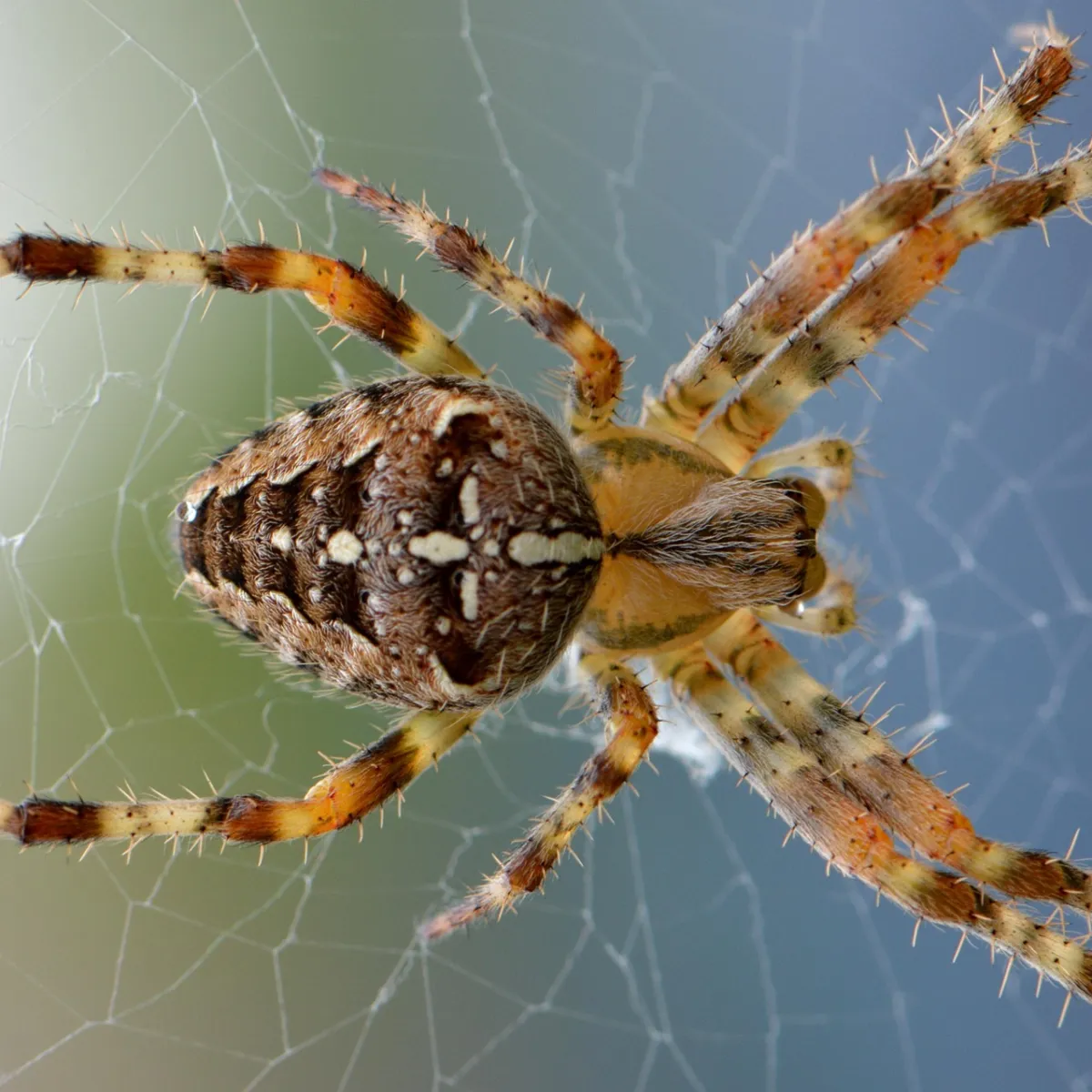
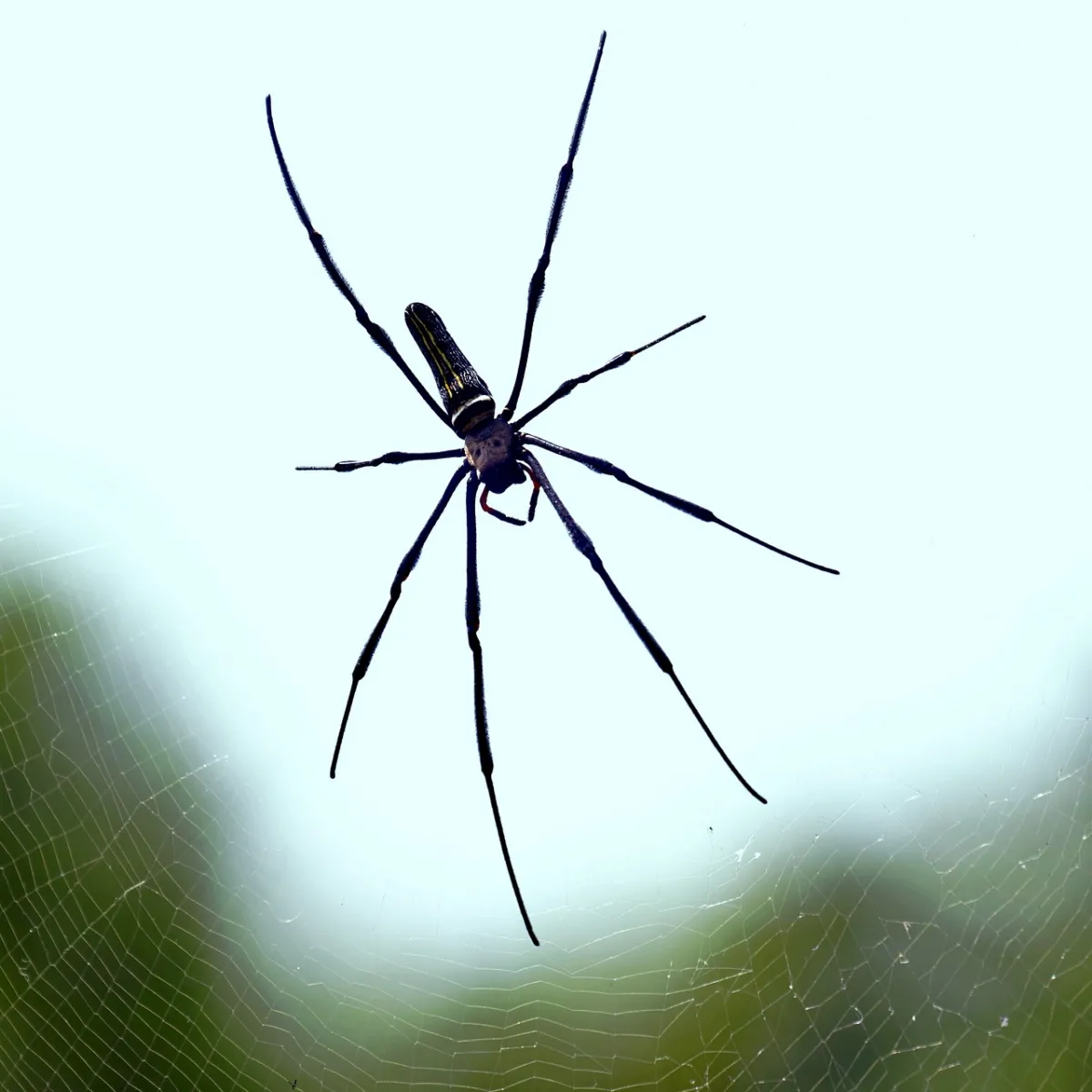
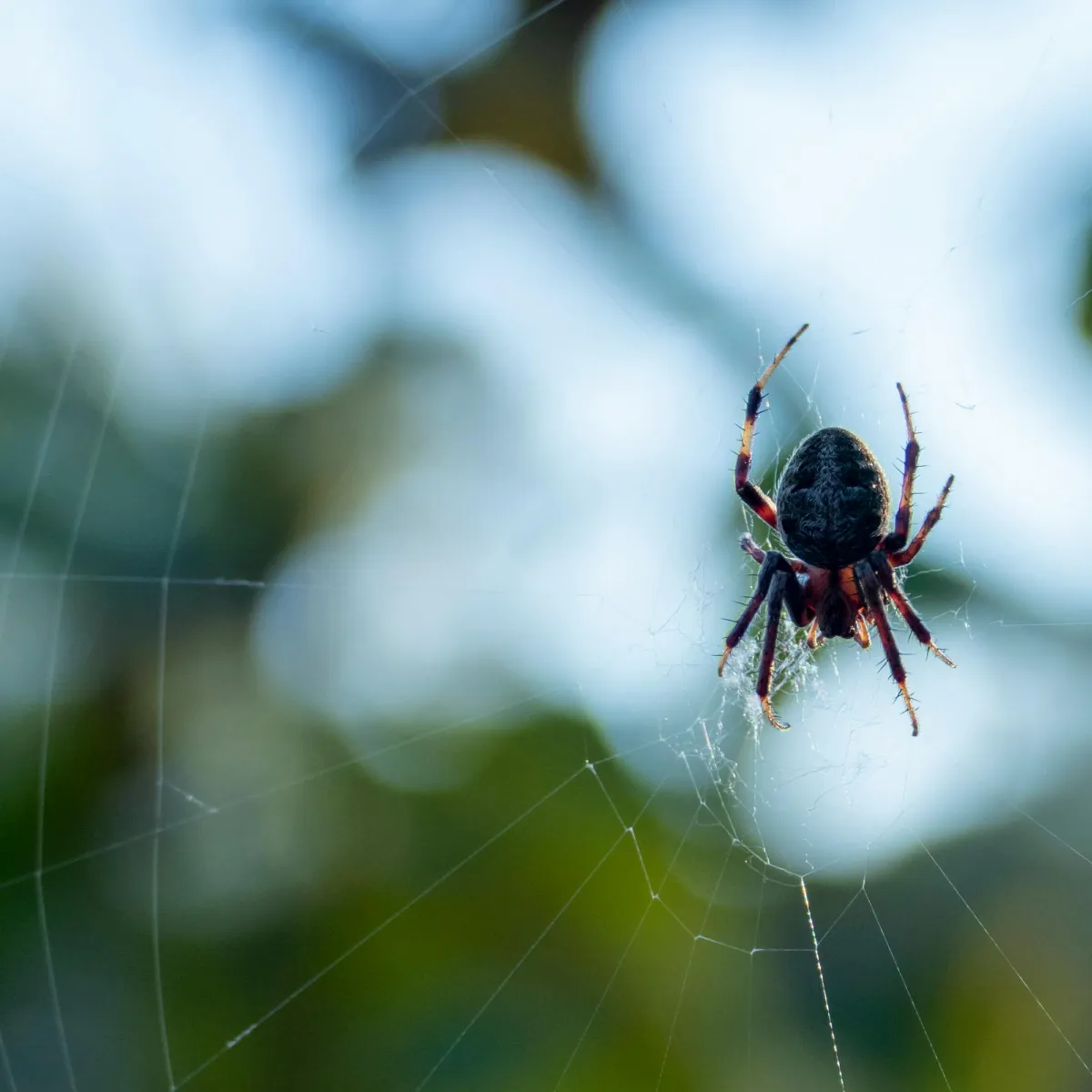
Orb weavers, garden spiders, and jumping spiders are commonly associated with outdoor spaces. Deck rails, porch posts, fences, shrubs, siding, and window trim can all attract them when insects are nearby. Black widows require extra caution because they may hide in dark, protected spots such as firewood areas, crawl space openings, stacked bins, detached sheds, or utility boxes.
The more varied the hiding areas are, the more likely homeowners are to see different types of spiders in different places.
A spider infestation is often noticed through repetition, not one dramatic event.
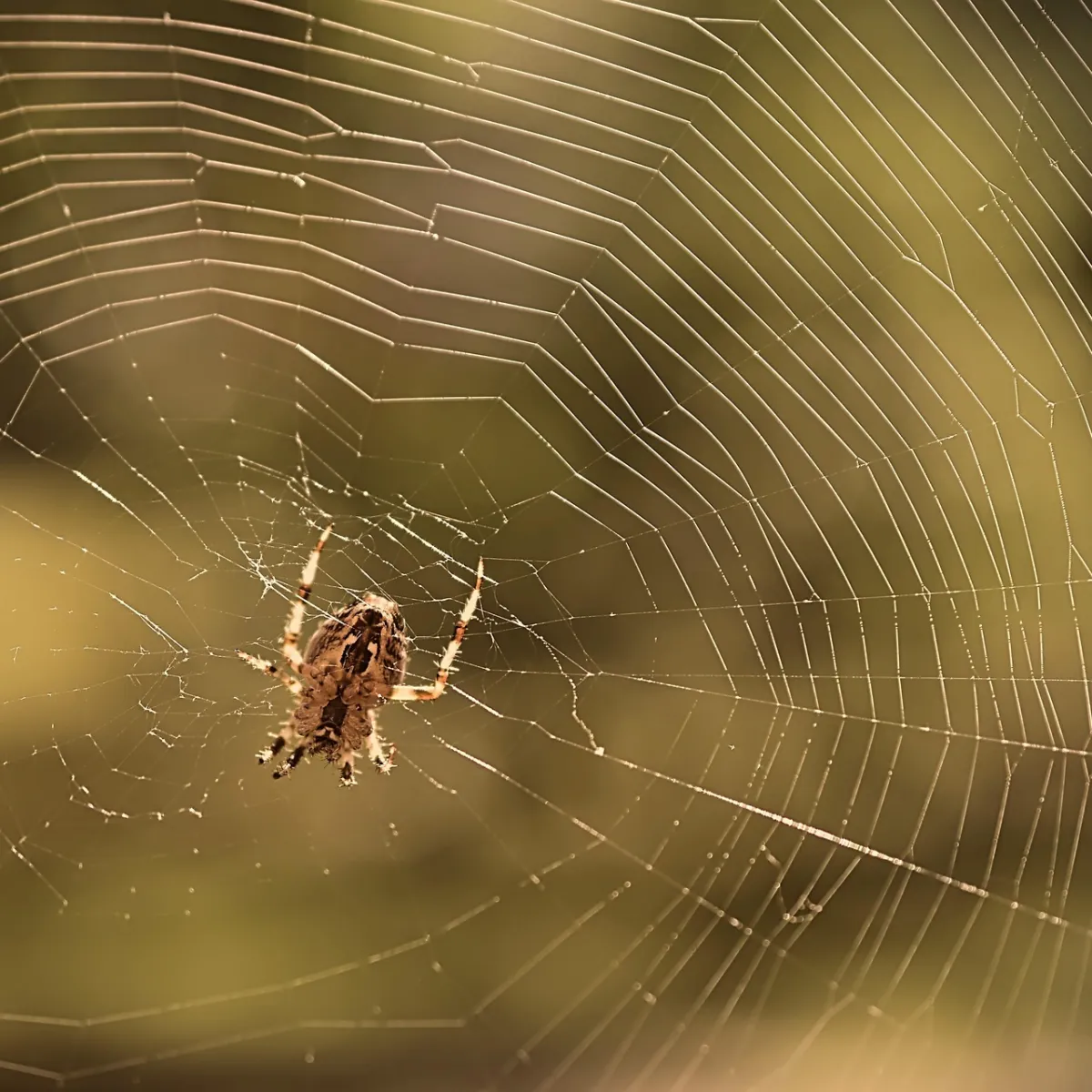
In Lenoir City, recurring webbing may appear around lake-facing porches, garage lights, basement doors, fence corners, outdoor storage, and the edges of patios or decks. If the same web zones return soon after they are cleared, spiders are likely still feeding or nesting nearby.
Indoor activity adds another layer. A spider near a bathroom baseboard, a closet floor, or a stairwell may be connected to moisture, entry gaps, or insects in a nearby lower area. Egg sacs tucked behind stored items or beneath shelving can also show that spiders have been using the space for longer than expected.
Look for dead insects in webs, fresh strands in corners, dusty older webbing in low-use areas, and new sightings after a homeowner treatment. When the signs appear across both outdoor and indoor spaces, it usually means the home needs more than another round of cleaning.
Spiders move indoors when the outside edge of the home becomes too convenient.
Lenoir City homes can attract spiders when insects gather around lights, garages, trash areas, damp landscaping, or sheltered porch corners. Once spiders are already active near the structure, the jump from outside to inside can be surprisingly small.
Entry may happen through worn door sweeps, loose garage seals, foundation gaps, pipe openings, crawl space vents, ripped screens, or spaces around siding and trim. These openings may be tiny, but they are enough when spiders are already living close to the building.
Weather and season can change the behavior. Humid summer evenings may increase outdoor feeding activity. Stormy stretches can push spiders into covered spots. Cooler fall nights may lead to more sightings in garages, basements, closets, and utility rooms. Around lake-influenced areas, insects and moisture can keep the pressure active for longer stretches.
Spider shelter in Lenoir City often builds around storage, shade, and structure.
Spiders usually choose the places that offer cover without much disturbance. Around Lenoir City properties, that may include garage shelving, boat gear, lawn equipment, crawl space doors, attic corners, under-deck framing, storage closets, and utility rooms.
Basements and lower rooms can be especially attractive when they stay cool or slightly damp. Attics and closets provide quiet overhead or enclosed spaces. Sheds and detached buildings may hold spiders for long periods because tools, bins, and seasonal items are moved only occasionally.
Outside, hiding areas can include dock supplies, porch ceilings, fence posts, foundation cracks, dense shrubs, stacked firewood, stone borders, roof eaves, and the underside of patio furniture. The closer these areas sit to doors or vents, the easier it becomes for spider activity to reach the home.
Seasonal spider pressure can look different near the lake than it does inland.
Spring starts the cycle as insects become active around yards, park-like spaces, shrubs, and exterior lighting. Webs may begin showing up on railings, fences, porch beams, and siding before homeowners notice spiders indoors.
Summer often brings heavier activity near patios, garages, marinas, sheds, and lake-facing outdoor areas. Warm evenings and steady insects can make webbing more visible, especially around places where people gather after dark.
Fall tends to shift attention indoors. Spiders may begin appearing in laundry rooms, basements, closets, attics, and garages as temperatures fluctuate. During winter, outside activity may slow, but sheltered spaces inside or around the structure can still hold spiders, egg sacs, and old webbing.
In Lenoir City, the most persistent spider issues often follow the home’s connection to outdoor living and storage.
DIY treatments often stop at the web instead of reaching the source.
Homeowner sprays are usually used after a spider has already been found. That approach leaves out the less obvious places: the garage threshold, crawl space vent, underside of a deck, storage rack, exterior light, or foundation crack that helped create the activity.
Egg sacs are another reason DIY can fall short. If they remain hidden behind boxes, shelving, outdoor gear, or trim, spider activity may return after the visible adults are gone. The insects drawing spiders toward the home may also remain unaffected.
Professional spider control combines treatment and investigation. Perimeter service, residual applications, web removal, crack-and-crevice treatment, entry-point awareness, and seasonal monitoring all help address the conditions that keep spiders returning.
Simple changes can make a Lenoir City home less comfortable for spiders.
Start with the areas closest to repeated sightings. If webs appear near a garage, check seals, clutter, lights, and stored items. If spiders show up in a basement, look for moisture, gaps, boxes on the floor, and insects around windows or doors.
Outside, keep shrubs trimmed back, move firewood away from the structure, remove old webs, clean corners around porch ceilings, repair torn screens, and seal small openings around utilities. Keeping sheds, garages, and boat storage organized can also reduce quiet spider shelter.
Lights deserve attention too. Bright fixtures near doors, docks, patios, or garages can draw insects and make those areas more attractive to spiders. Adjusting when and where lights are used can help reduce pressure near the house.
Treatment should focus on active areas while respecting how the home is used.
Fairway Lawns uses licensed technicians and targeted methods for spider control. The service is planned around the areas where activity is actually found, such as exterior perimeters, entry points, garages, porches, crawl space doors, storage rooms, sheds, and web-heavy corners.
That focused approach is important for households with pets, children, or frequent guests. A Lenoir City home may have a busy garage, a boat storage area, a patio used for meals, or a yard where pets spend time. Treatment needs to fit those routines.
By concentrating on the highest-pressure spots, the service can address spider activity without treating every space as if it has the same need.
Local experience helps connect lake-area pest pressure with everyday home maintenance.
Fairway Lawns provides pest control and outdoor services for East Tennessee properties, where humidity, insects, soil conditions, shade, and seasonal weather all influence pest activity. In Lenoir City, that means understanding the role of lake access, storage spaces, garages, exterior lighting, and crawl spaces.
A recurring spider issue may involve more than one zone. The activity may begin near a deck light, continue through a garage opening, and show up later in a lower room. A good control plan needs to connect those details.
Fairway Lawns brings a practical, property-aware approach to spider control in Lenoir City, helping reduce current spider activity while supporting prevention for the months ahead.
Lenoir City homeowners often have questions tied to garages, lake access, and lower-level rooms.
If spiders keep appearing near your garage, basement stairs, porch lights, boat storage, or lake-facing outdoor spaces, the issue may be tied to more than one part of the property. Fairway Lawns can inspect those active zones and apply a spider control plan designed for the way Lenoir City homes actually collect pest pressure. With targeted treatment and practical prevention, recurring spider activity can become much easier to manage.