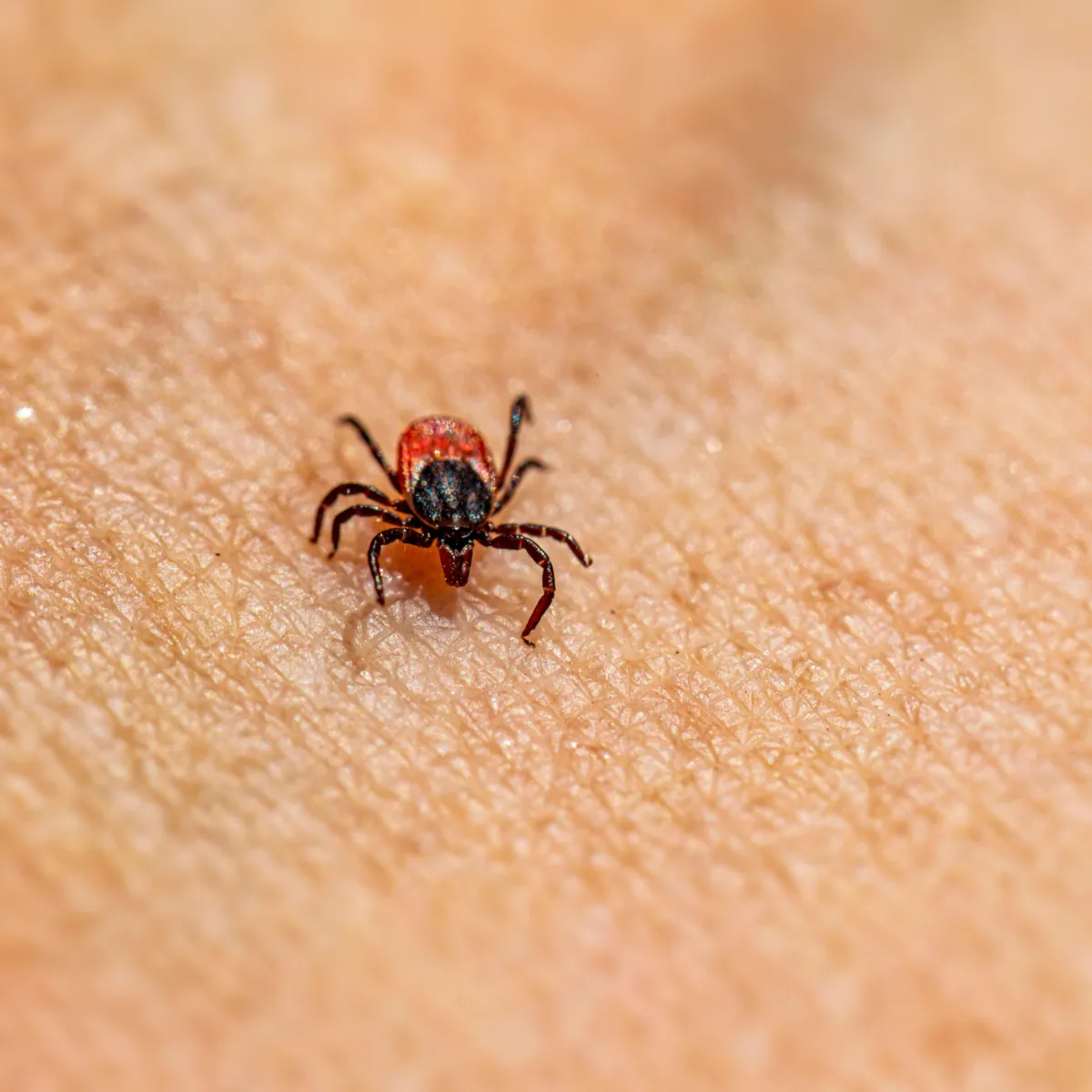
The part of the property that gets ignored the longest is often the part that keeps restarting the same yard problem.
In Lenoir City, tick issues often begin in places that do not seem important at first. It may be the outside edge of the lawn near a stand of trees, a narrow stretch of grass that stays shaded behind the house, or a bed line where cover builds up close to the soil. A yard can still look neat overall and have just enough protected ground to let activity settle in.
Fairway Lawns provides tick control in Lenoir City, TN for homeowners who want to deal with that issue before it keeps turning up around the spaces they actually use. The focus is not on treating the property like one flat surface. It is on identifying the sections that hold moisture, cover, and shade longer than the rest of the yard, then working from those areas outward.
When those sections are handled correctly, the yard changes in a practical way. It becomes easier to let the dog out, easier to spend time outside, and easier to use the property without wondering which edge or corner is quietly causing the problem again.
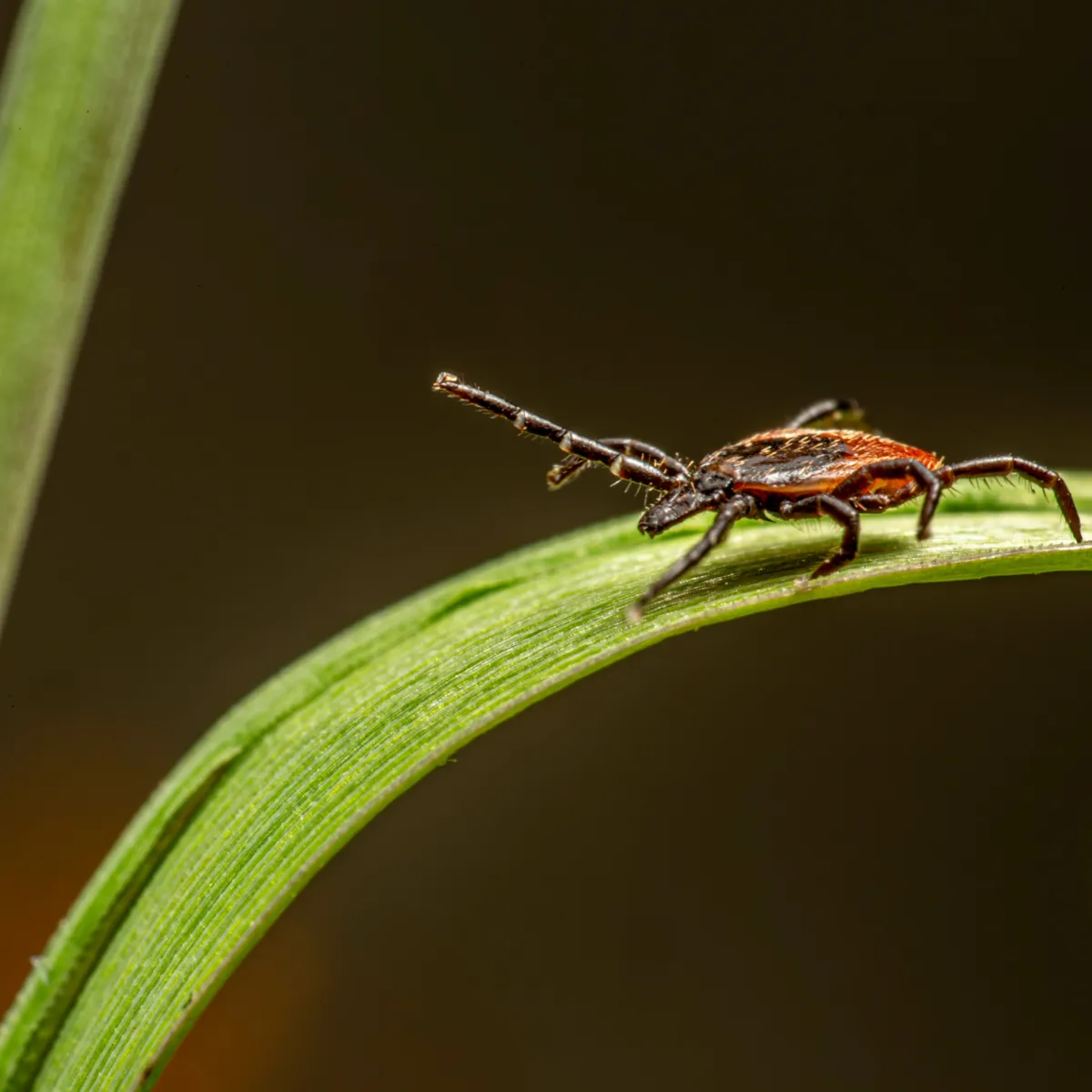
Most homeowners are not dealing with a full-yard issue. They are dealing with a few repeat zones that keep staying favorable. On one property, that might be a shady back border where grass meets rough growth. On another, it may be the area beside a fence or a thick row of shrubs that blocks airflow and keeps the ground cooler.
That is why service begins with a close look at the layout of the property. Shade patterns, ground cover, drainage, pet movement, and the way the yard is used all matter. Once the likely holding areas are identified, treatment is directed to those spaces and to the nearby outdoor areas that people use most often.
This may include lawns, patios, walkways, pet routes, seating areas, and the rougher edges of the property where maintained turf changes into heavier vegetation. The goal is not just to respond to where a tick was found. The goal is to reduce the parts of the yard that keep making those sightings happen in the first place.
Good results usually come from treating the property in the order the problem develops, not in the order it gets noticed.
The process starts with a full look at the yard as it actually behaves. We pay attention to shade, moisture, plant thickness, low areas, and the routes people and pets use most. This helps show where the issue is most likely beginning.
Once those problem sections are identified, treatment is applied where activity is most likely to hold. That often includes perimeter edges, shaded strips, denser planting, fence lines, and any section of the property that stays favorable longer than open lawn.
After the source areas are addressed, attention turns to the parts of the yard people use every day. This includes lawns, patios, walkways, pet spaces, and other outdoor living areas where homeowners want better protection.
Because weather and growth patterns keep changing, the yard does not stay the same from one month to the next. Continued service helps stop the same areas from returning to the same old pattern once conditions improve for ticks again.
A tick problem can feel sudden, but it usually has been building quietly in the background for a while.
Ticks are easy to miss until they show up at exactly the wrong time. A pet comes inside with one. Someone notices one after gardening. A child has been playing in the yard, and suddenly the property does not feel as simple to use as it did a week before. That is often how homeowners realize something in the yard has changed.
Lenoir City has enough warmth, enough plant growth, and enough seasonal moisture to create steady pressure in the wrong conditions. It does not take a neglected lot. A property with some shade, a few thicker borders, and a couple of damp pockets can be enough to keep activity going much longer than expected.
That matters because ticks are not just a nuisance tied to one moment outdoors. If the same conditions remain in place, the same trouble spots usually come back. Treating the yard is about changing those conditions in a practical way so the problem is not simply waiting for the next stretch of favorable weather.
The places that hold the most activity are usually the ones where the ground stays protected and low cover stays in place.
Ticks usually hold in the parts of a yard that stay cooler, quieter, and more covered than open turf. That often means heavier grass along borders, mulch beds with dense planting, shrub lines, leaf buildup, or the narrow strips where the lawn meets rougher ground. The middle of a sunny lawn is usually not the main issue. The edges around it often are.
Other common problem areas include the back side of a fence, the ground beneath a deck, the outer side of a storage building, and any section where the yard transitions into tree cover or brush. These places do not always look dramatic, but they can stay favorable much longer than the rest of the property after rainfall or overnight moisture.
Pets make these routes even more important. Dogs often run the same path along a fence, cut beside a shed, or circle a border without hesitation. That repeated movement creates a direct link between hidden activity and the spaces closest to the house.
The biggest difference is often not what homeowners see first, but how much easier the yard feels to use afterward.
For many households, the yard issue becomes real because of routine. A dog cuts along the same back fence every day. Children play near the same corner of the lawn. Adults move between the patio, grill, garden, and gate without giving much thought to the parts of the property that sit just outside those routes. Once ticks start showing up in those spaces, ordinary outdoor habits suddenly feel less comfortable.
That is why treatment has to protect more than just hidden borders. It also has to protect the places tied to daily use. The point is not only to reduce activity in rough sections of the yard. It is to make the whole property feel more reliable for pets, families, and guests.
When pressure is lower around the routes people use most, the benefit is obvious. The yard stops feeling like something that needs to be managed around and starts feeling usable again.
Every season shifts the yard in a different direction, and tick pressure shifts with it.
Spring often marks the first real change in the yard. Grass starts moving fast, beds fill in, and the ground stays softer after rain. Areas that seemed harmless in colder weather can become more favorable once growth and moisture return at the same time. Fence lines, back borders, and shaded bed edges are often where that change shows up first.
Summer creates a different pattern. Open grass may dry quickly, but that does not mean the whole property dries evenly. The strip along a tree line, the area beside the house, the bed behind the patio, or the back side of a hedge can still stay cooler and more protected. Those sections often keep enough cover and moisture near the soil to hold activity when the rest of the lawn looks fine.
Fall can keep a yard favorable longer than many people expect. Leaf drop adds cover, lower sun changes how some parts of the property dry out, and rougher borders can hold moisture differently than they did in midsummer. If a section of the yard already had a tendency to stay protected, fall often makes that more noticeable.
Rain matters no matter the month. Some parts of the yard dry in a day, while others stay damp far longer. Low corners, shaded borders, and heavier planting usually explain why one section becomes a repeat issue and another does not. That uneven drying pattern is often one of the clearest signs of where trouble will keep coming from.
A yard treatment plan works best when it is based on how the property lives, not how it looks from the street.
The most effective tick control work comes from knowing where the pressure is actually being created. In most cases, that is not the broad open lawn. It is a few specific areas where shade, cover, and moisture keep lining up in the wrong way. If those sections are missed, the problem often returns. If those sections are identified early, treatment tends to hold better and the yard becomes more manageable.
Fairway Lawns brings trained technicians, licensed service, and a practical approach built around real yard conditions. The service is not meant to be generic. It is meant to reflect the property itself, where the issue starts, where the household uses the yard most, and which sections need the most direct attention.
That kind of approach matters because homeowners are not looking for guesswork. They want the work tied to what is actually happening on their property, not to a pattern lifted from somewhere else.
Yard maintenance helps most when it supports the treatment plan instead of trying to do the whole job by itself.
A few practical habits can make a difference between visits. Keeping grass under control helps reduce low cover. Cleaning up leaf piles and yard debris keeps edges from staying protected longer than they should. Areas around fences, decks, sheds, and heavier planting deserve special attention because they often become the quiet spots that keep the problem going.
It also helps to pay attention to where the property stays damp after rain. If one side yard, border, or corner regularly dries slower than the rest, that is worth noticing. The same goes for pet routes that pass directly along heavy cover. These things do not replace treatment, but they do help make the property less comfortable for ticks and easier to keep under control.
When the issue is tied to one clear trouble spot, a focused visit can be the smartest place to start.
A one-time treatment can make sense when the problem is clearly concentrated in one part of the yard. That may be a shady fence line, a dog path along a border, the back side of a patio bed, or a damp corner that keeps turning up activity. In cases like that, a focused treatment can help knock things back where the problem feels most immediate.
For some homes, that is enough. For others, it becomes the first step in deciding whether the yard has broader conditions that are likely to keep producing the same issue later. Either way, one-time service can be a practical choice when the activity is localized and homeowners want direct relief in a specific area.
If the same yard conditions keep coming back, staying ahead of them usually works better than waiting for them to rebuild.
Recurring service is often the better fit for properties where the same sections of the yard keep turning favorable. Shade does not move much. Heavy borders do not suddenly thin out on their own. Damp corners usually stay damp. If the yard keeps creating the same holding areas, treatment usually works better when it stays ahead of those changes instead of waiting for another round of sightings.
For many homeowners, recurring service is what keeps the property from slipping back into the same routine of short-term improvement followed by the same problem spots becoming active again.
Nearby yards often deal with the same hidden pressure points, even when the lots themselves are laid out differently.
Fairway Lawns provides tick control in Lenoir City and nearby Knoxville-area communities where properties often share similar conditions, including tree cover, heavier borders, mixed landscaping, changing moisture levels, and uneven sun patterns. Even when home sizes and lot layouts vary, the same types of yard sections tend to create repeat pressure across the area.
The best questions usually come from the areas of the yard that keep doing the same thing over and over.
If ticks keep showing up around the yard, Fairway Lawns can help identify the sections that are driving the problem and treat them directly. Contact us today to request a quote for tick control in Lenoir City, TN.