Get your lawn back on track with 50% OFF first application!* 50% OFF First Application!* Call Now

Lake air, shaded yards, and quiet outbuildings can make spider activity linger around Louisville homes.

Spider Control Services in Louisville, TN

Louisville spider problems often have a lakeside rhythm. Webs may gather near a screened porch after a warm evening by the water, or spiders may appear around a basement door that faces a shaded slope. A homeowner might clear a dockside storage corner one weekend and find new webbing there the next.

Fairway Lawns provides spider control in Louisville, TN for properties where outdoor living spaces, lake humidity, garages, sheds, crawl spaces, and wooded edges all play a role. The town’s setting along Fort Loudoun Reservoir gives many homes a mix of open air, moisture, tree cover, and seasonal insect activity that can keep spiders close to the structure.
Why Spider Problems in Louisville Need More Than a Quick Spray?

On many properties, the pressure starts near the shoreline, a detached garage, a mower shed, a patio wall, or the back side of the house where shade holds longer after rain. Spiders take advantage of those overlooked spots because insects are easier to find there.

A quick spray may knock down what is visible, but it rarely changes the setting that made the area attractive. Around Fort Loudoun Lake, insects can gather near porch lights, boat storage, damp vegetation, and exterior structures. Once spiders settle into those zones, they may build webs in areas that are only checked when guests arrive or when outdoor equipment is needed.

Professional spider pest control is more useful when the service follows the chain of activity. That means looking at web locations, moisture pockets, stored materials, insect traffic, and the points where outdoor pressure can creep into the home.

Effective spider control begins by walking the property with those hidden zones in mind.

Our Spider Control Process

Inspection

We inspect the parts of the Louisville property most likely to explain the activity. That may include lake-facing patios, garage entries, crawl space vents, sheds, exterior lights, foundation edges, storage areas, deck framing, visible webs, and places where insects are collecting.

Treatment

Treatment is directed where spiders are living, traveling, and rebuilding webs. Depending on the home, service may include perimeter applications, targeted crack-and-crevice treatment, removal of accessible webs, visible egg sac removal, residual materials, and interior spot treatment in active areas.

Prevention

Prevention may involve practical changes around the home. We may recommend sealing gaps, improving vent screens, reducing clutter in storage areas, trimming vegetation near the structure, moving firewood, managing moisture, or adjusting lighting around doors and outdoor gathering spots.

Monitoring

Because Louisville properties can see changing pressure from lake activity, insects, and seasonal weather, monitoring helps keep spider control from being a one-time reaction. Follow-up visits and seasonal maintenance can help stop old web zones from becoming active again.

Some spiders stay close to water and lights, while others prefer storage, stone, or dark framing.

Common Spiders Found in Louisville

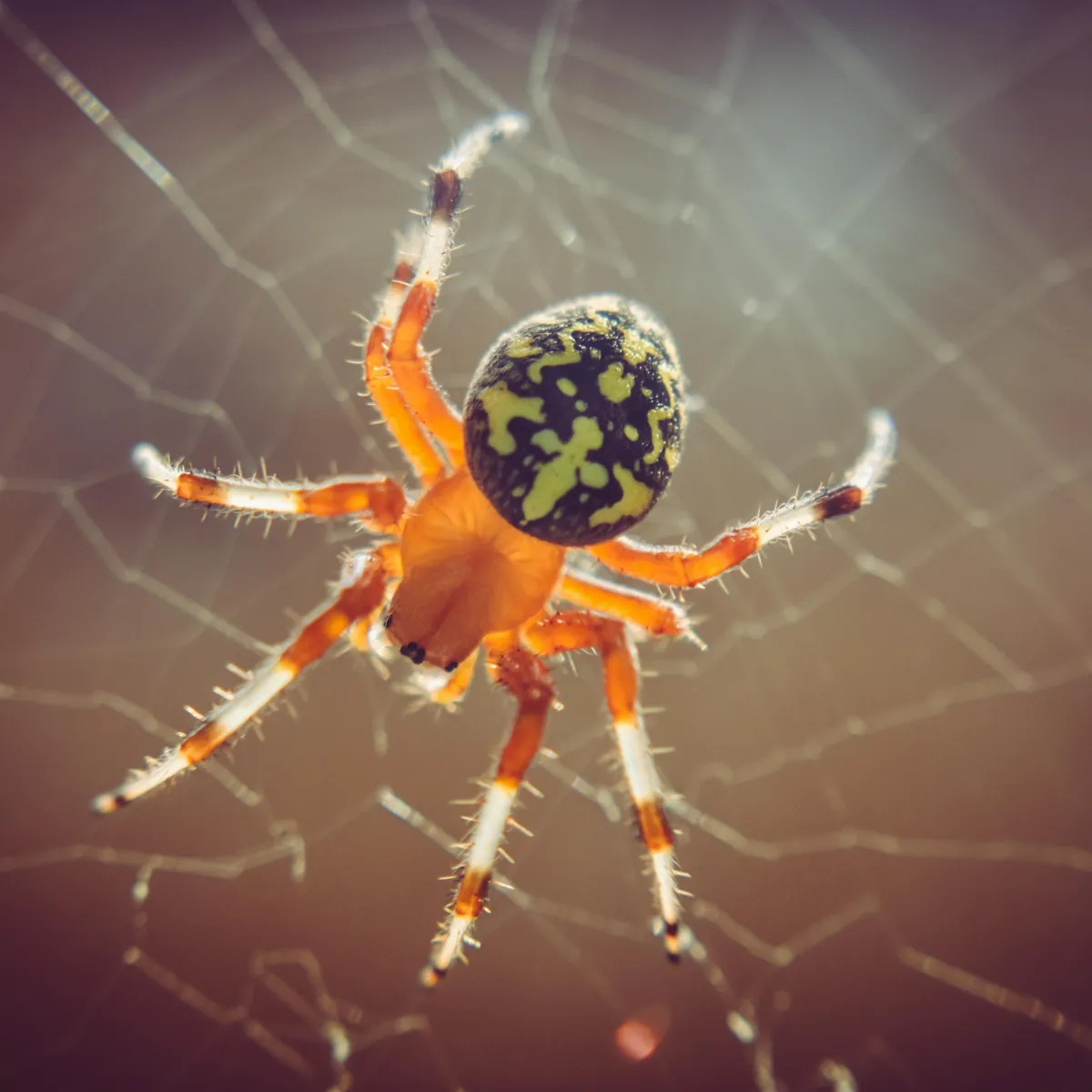
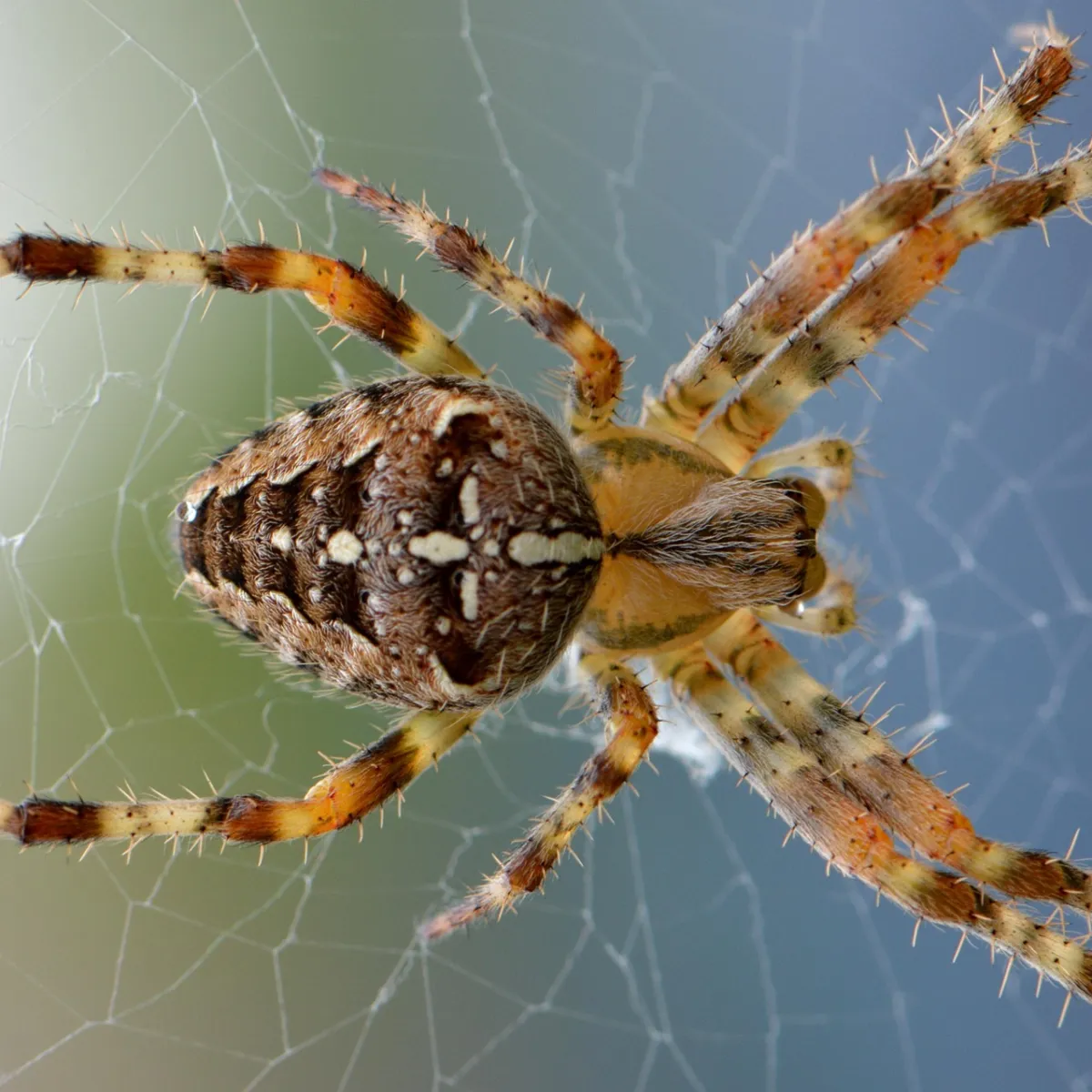
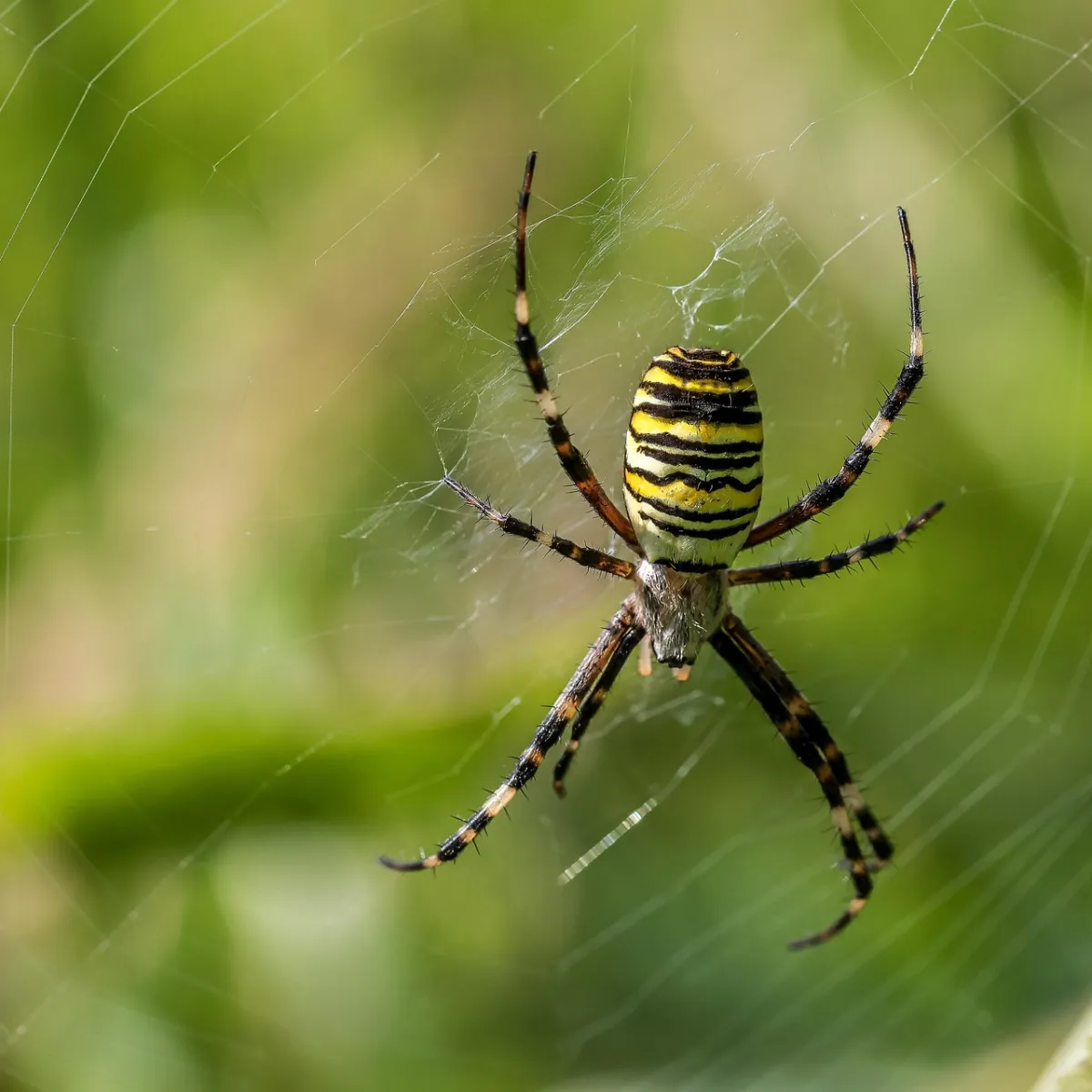
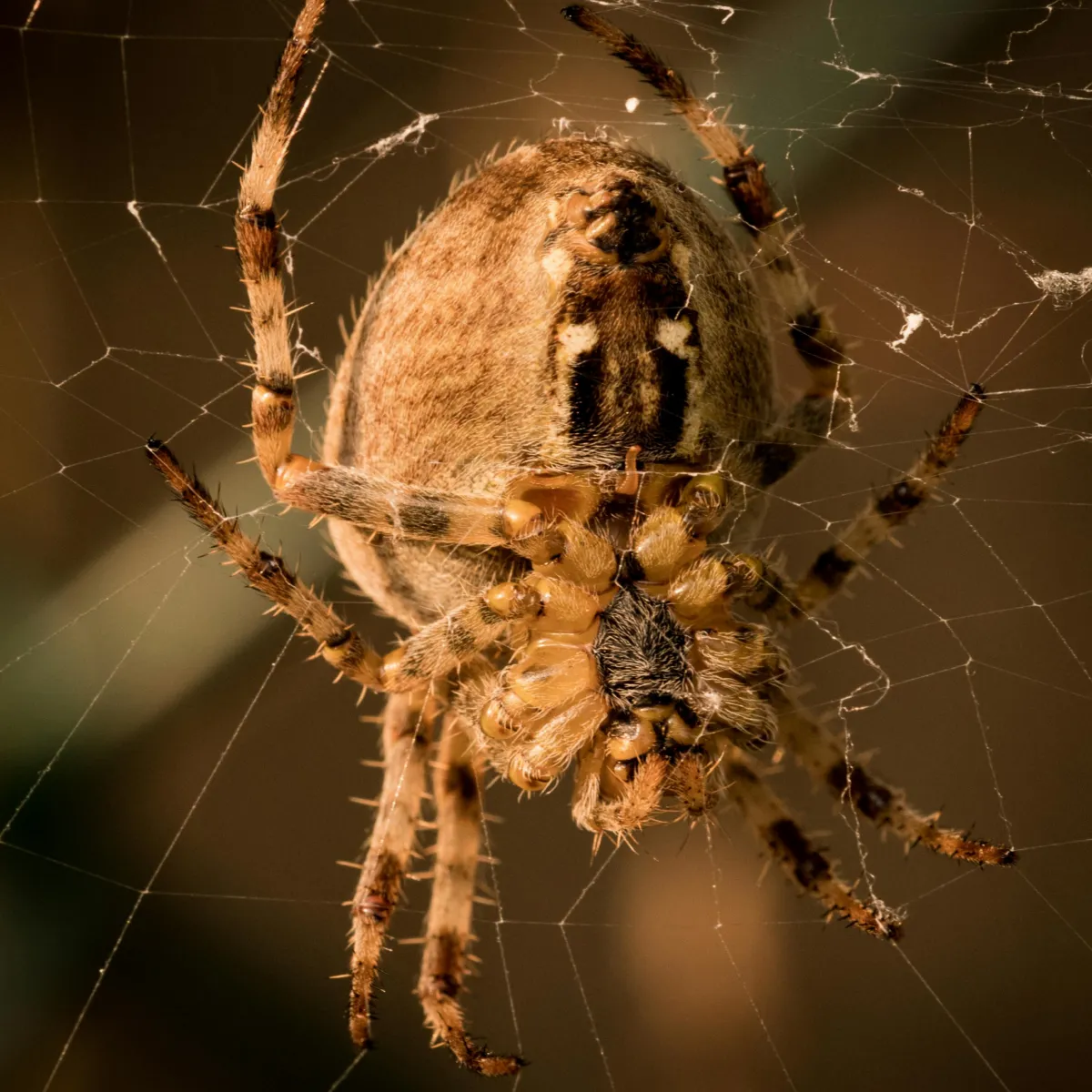
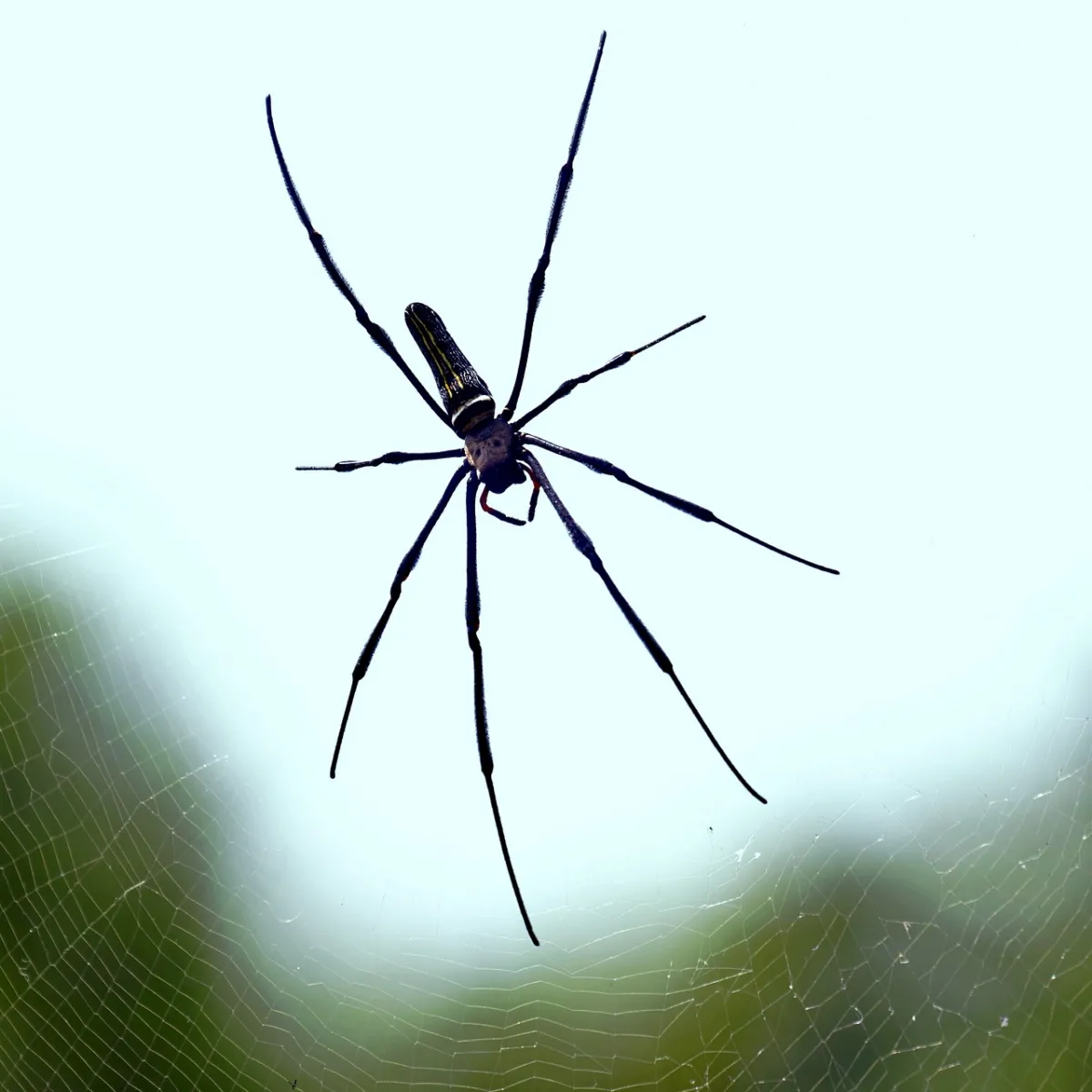
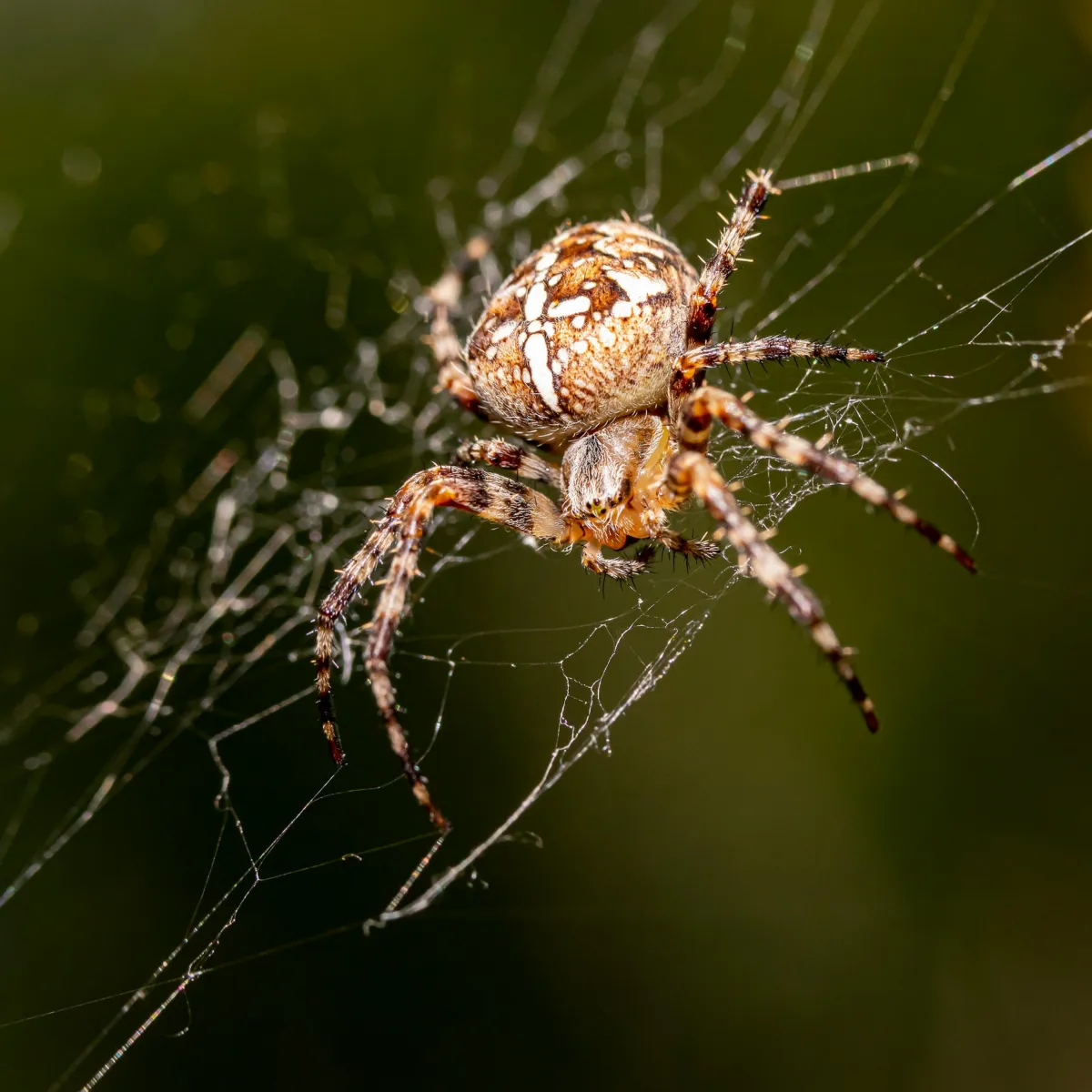
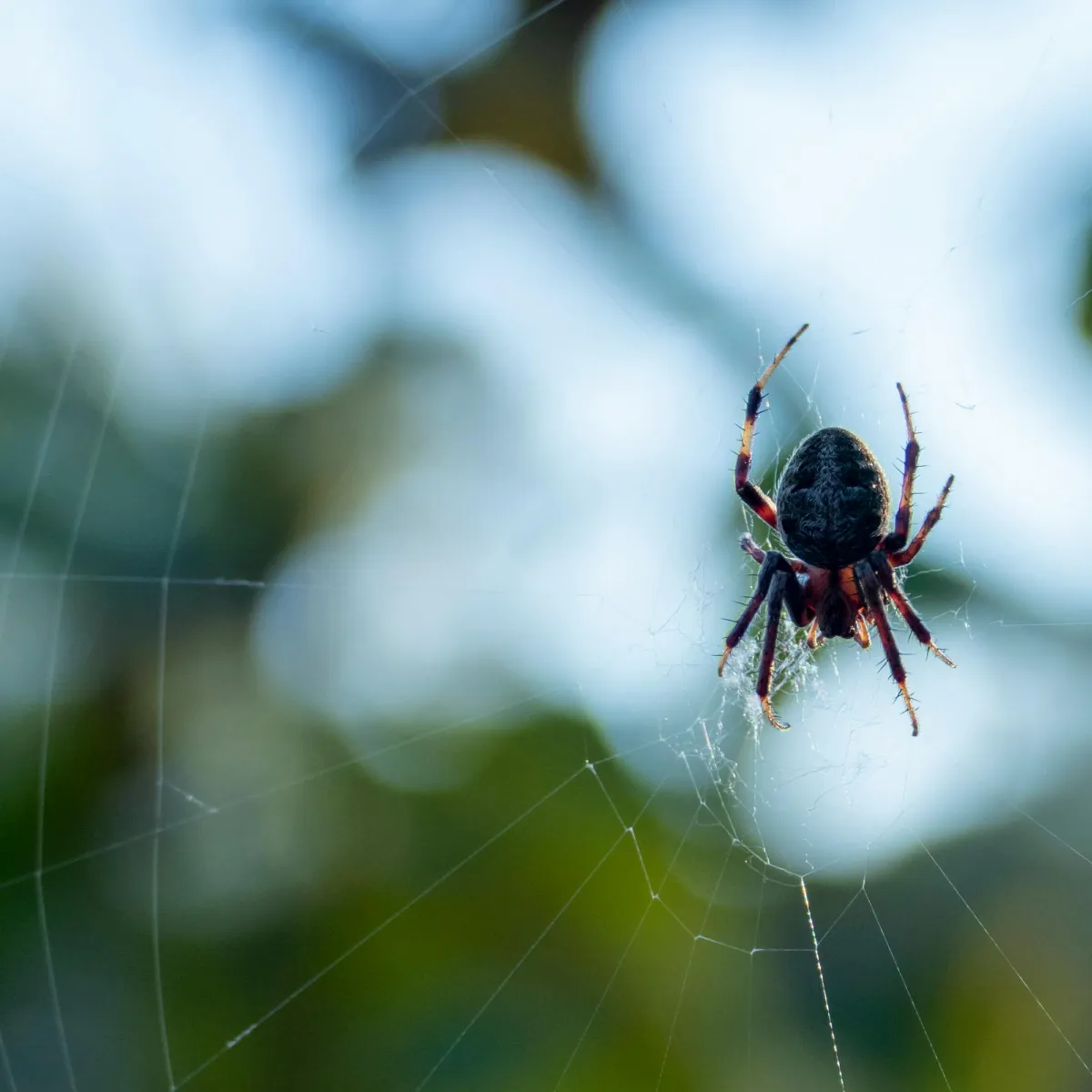
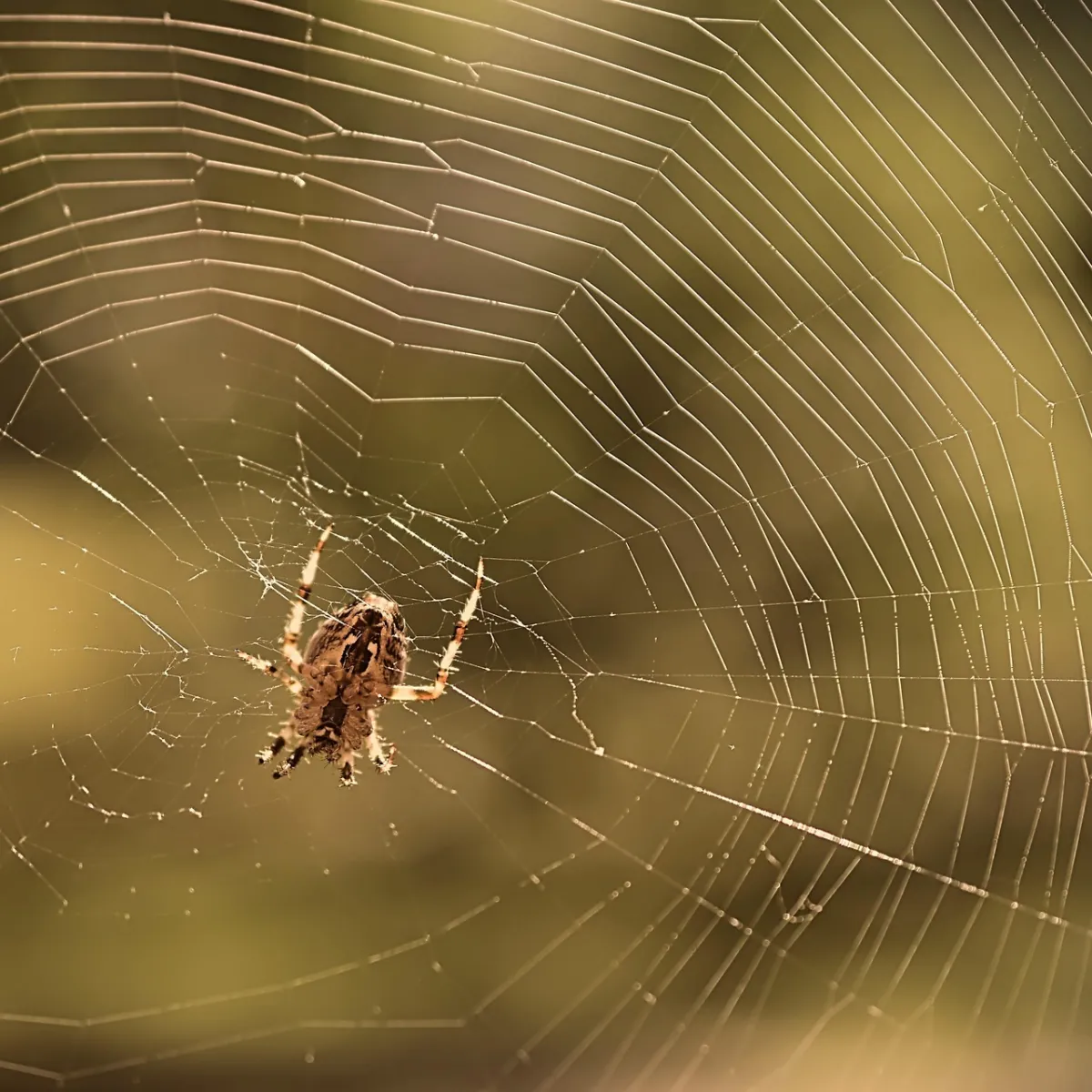
Louisville homeowners may see outdoor web builders first, especially around lake-facing patios, deck rails, porch beams, dock storage, fence lines, and shrub rows. Orb weavers and garden spiders often take advantage of places where flying insects move through in the evening. Their webs can be large and noticeable, even when the spiders themselves are not a major indoor concern.

Wolf spiders may show up around garages, lower rooms, basement entries, and outdoor utility areas. They hunt without relying on a web, which is why they are often seen moving across a floor instead of sitting in a corner. House spiders and cellar spiders are more likely to leave fine webbing in quiet interior areas such as closets, crawl spaces, storage rooms, and basement ceilings.

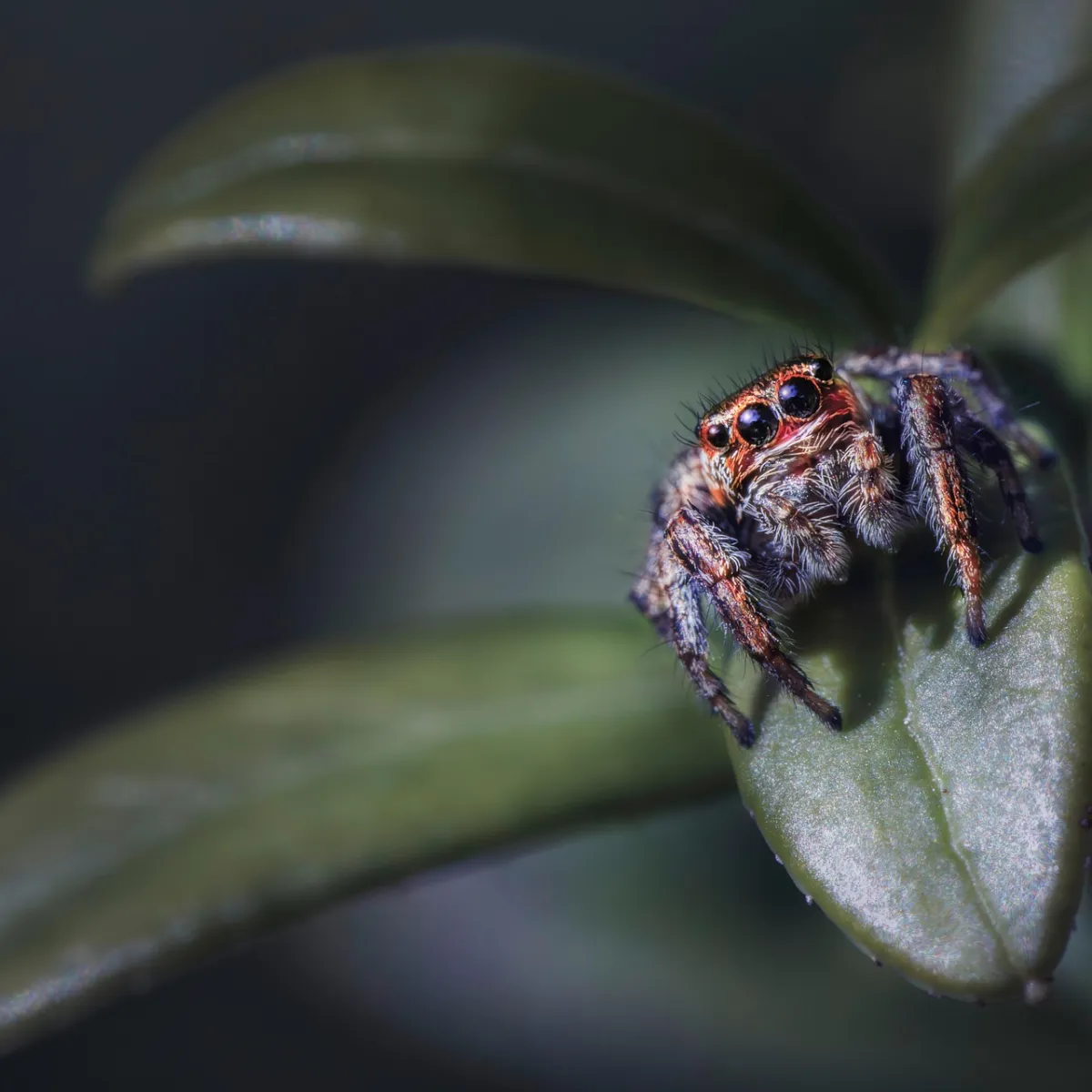
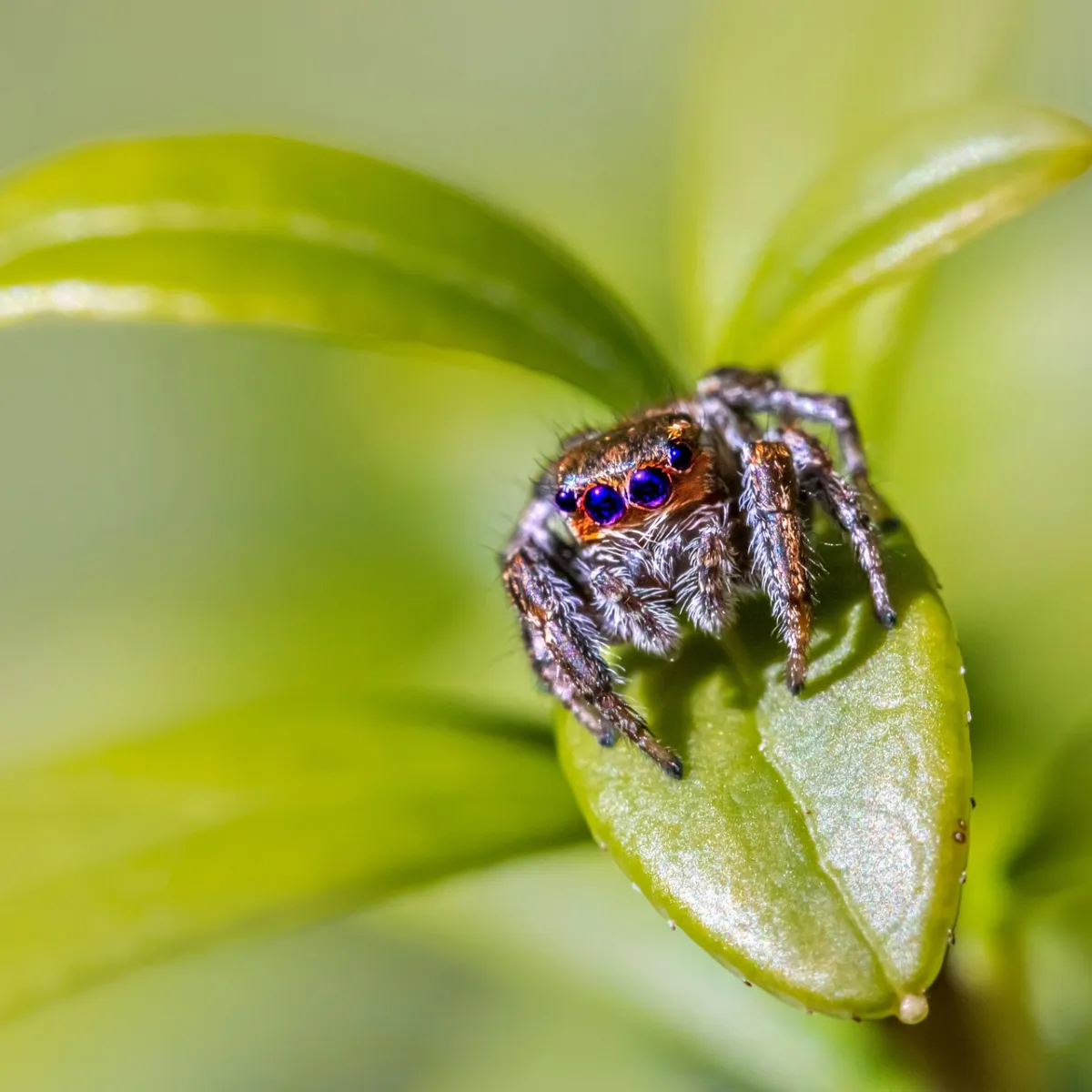
Black widows deserve careful attention on Louisville properties with stacked firewood, old equipment, crawl space access, or low-use sheds. They may stay hidden in dark protected spots, which makes them easier to miss until something is moved. Jumping spiders may appear on sunny rails, windows, and siding, where small insects are active during warmer parts of the day.

The location of the spider often gives the best clue about why it is there.

Repeated webbing around outdoor-use areas is often the first real clue.

Signs of a Spider Infestation

In Louisville, infestation signs may appear first in places that are part of daily outdoor life. A boat cover, patio chair, storage shelf, deck stair, or garage entry may collect webs again and again, even after being cleaned. That repeat activity usually means the area is still offering shelter or insects.

Indoor signs can be quieter. A web in a basement corner, a spider near a floor drain, or egg sacs behind stored decorations may not be noticed right away. When indoor sightings begin to line up with outdoor activity on the same side of the house, the pattern becomes more concerning.

Other signs include insects trapped in webs, shed skins along storage edges, dust-covered webbing in low-use rooms, and new spider sightings after a recent cleanup. If several of those signs are present at once, a control service may need to treat more than one part of the property.

Spiders are often pulled toward the home before they ever cross into it.

Why Spiders Enter Homes?

Spiders enter Louisville homes when outside shelter and indoor access overlap. A lake-facing home may have flying insects gathering near lights at night. A home with acreage may have spiders building around sheds and stacked materials. A house with a shaded crawl space may give spiders a cool, quiet place to remain close to the structure.

Openings do not have to be obvious. A gap near a pipe, a loose crawl space vent, a torn screen, an unsealed threshold, or a crack near a foundation can be enough. Once spiders are already active around the exterior, these small access points can turn an outdoor nuisance into indoor activity.

Weather also plays a role. Humid stretches may increase insect pressure near vegetation and water. After storms, spiders may shift into covered locations. When fall nights cool down, more activity may appear in garages, basements, utility areas, and storage rooms.

The most active hiding places are often the least visited parts of the property.

Where Do Spiders Hide?

Around Louisville homes, spider hiding places often extend beyond the house itself. Dock boxes, sheds, barns, detached garages, boat storage, crawl space entries, firewood stacks, and covered patios can all hold spiders before activity reaches interior rooms.

Inside, spiders may use basement walls, attic corners, closet floors, utility rooms, window frames, stored boxes, laundry areas, and crawl space edges. These spots offer protection from people, pets, cleaning, and weather. Egg sacs can also remain out of sight in these same areas.

Exterior hiding areas may include porch ceilings, deck undersides, landscape timbers, riprap or stone edges, roof eaves, fence corners, dense shrubs, and foundation seams. On properties near the reservoir, the blend of moisture, lighting, and outdoor recreation can keep those spaces active for long periods.

Spider activity around the lake does not feel the same in every season.

Spider Activity in the Louisville Area

Spring tends to restart the pattern. As vegetation fills in and insects return, spiders begin building around porch posts, deck corners, outdoor lights, and fence lines. Homeowners may notice activity outside before it becomes a concern indoors.

Summer can bring the most visible webbing around outdoor living spaces. Patios, dock areas, screened porches, boat storage, garages, and sheds may all see more activity because insects are abundant and evenings are warm.

Fall often changes the concern from outside webs to indoor sightings. Spiders may turn up in basements, closets, utility rooms, and garages as temperatures become less steady. During winter, activity usually slows outdoors, but protected areas can still hold spiders and egg sacs.

In Louisville, seasonal spider pressure often follows the places where people move between the water, the yard, and the home.

A surface spray can leave the real source untouched.

Why Professional Spider Control Works Better Than DIY?

DIY spider sprays are usually used where a web or spider has already been found. That leaves out the places that are harder to reach: behind dock supplies, under shelves, inside crawl space edges, around exterior trim, or behind stacked equipment.

Another issue is food. If insects keep gathering near lights, damp vegetation, or stored materials, spiders have a reason to come back. Killing a few visible spiders does not remove the conditions that keep drawing new activity into the same area.

Professional spider control looks beyond the single sighting. Perimeter treatment, web removal, residual applications, crack-and-crevice service, prevention advice, and ongoing monitoring help address the larger pattern around the house and exterior structures.

The best prevention often comes from making outdoor spaces less useful to spiders.

Spider Prevention Tips

Louisville homeowners can reduce spider activity by cleaning webs from porch corners, keeping dock or shed storage organized, moving firewood away from the home, sealing small openings, repairing screens, and clearing clutter from garages and crawl space areas.

Vegetation and moisture deserve attention near the reservoir. Shrubs touching siding, damp mulch, poor drainage, and shaded corners can all increase insect activity. Keeping these areas open and dry where possible can make a noticeable difference.

Lighting can also influence spider pressure. Exterior lights near patios, docks, and doors attract insects, especially during warm evenings. Adjusting fixture use or placement may reduce the amount of prey available near the home.

Spider treatment should be careful around the spaces families actually use.

Family & Pet Safe Treatments

Fairway Lawns uses licensed technicians and targeted treatment methods for spider control in Louisville. The focus is on active zones such as exterior edges, entry points, web-heavy areas, garages, decks, sheds, crawl space openings, and other places where spiders are most likely to settle.

This matters for lake-area homes where pets, children, guests, and outdoor routines may all share the same spaces. A porch, patio, yard, or dock storage area needs a plan that is practical, not disruptive.

Treatment is built to address the spider activity without treating every part of the property as if it has the same level of pressure.

Local service helps connect spider activity to the property around it.

Why Choose Fairway Lawns?

Fairway Lawns serves East Tennessee homeowners with pest control and property services that fit the region’s climate and outdoor conditions. In Louisville, that local understanding matters because water, shade, storage, insects, and seasonal weather can all influence spider pressure.

A home near Fort Loudoun Reservoir may need a different spider control approach than a home in a denser neighborhood or a purely wooded setting. The active areas may include a dock, a garage, a crawl space, a porch, or a detached building rather than only the rooms inside the house.

Fairway Lawns approaches spider control by looking at how the whole property is being used. That helps reduce visible activity and supports longer-term prevention around the places spiders are most likely to return.

Louisville homeowners often ask about spiders around lake-facing and storage-heavy areas.

Spider's FAQs

Request Spider Treatment in Louisville, TN

If spider webs keep returning around your dock area, garage, porch, shed, or basement entry, there may be more pressure around the property than a quick cleanup can solve. Fairway Lawns can inspect the areas where Louisville homes commonly collect spider activity and apply a targeted plan built around those conditions. With a more complete approach, outdoor and indoor spider issues can become easier to keep under control.