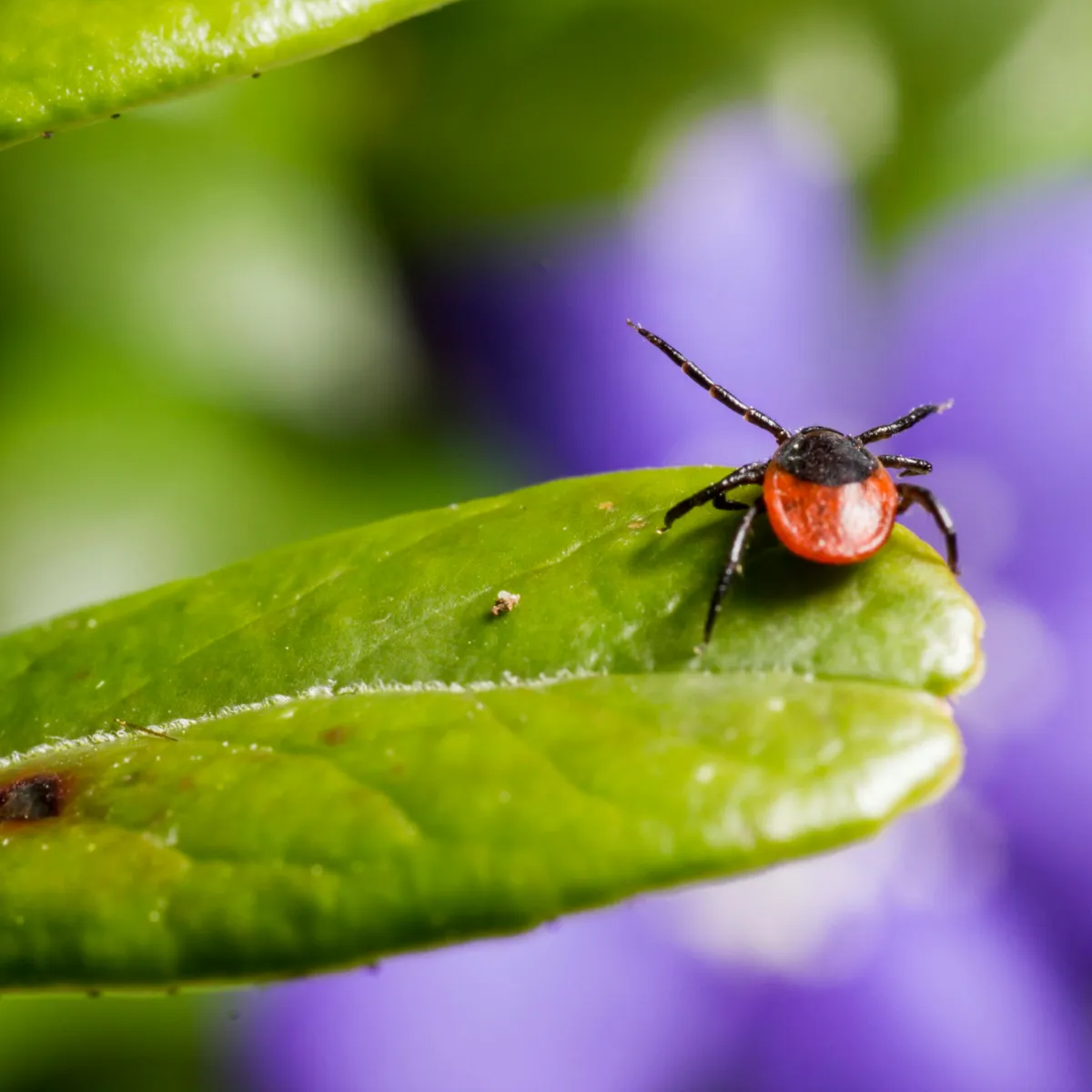
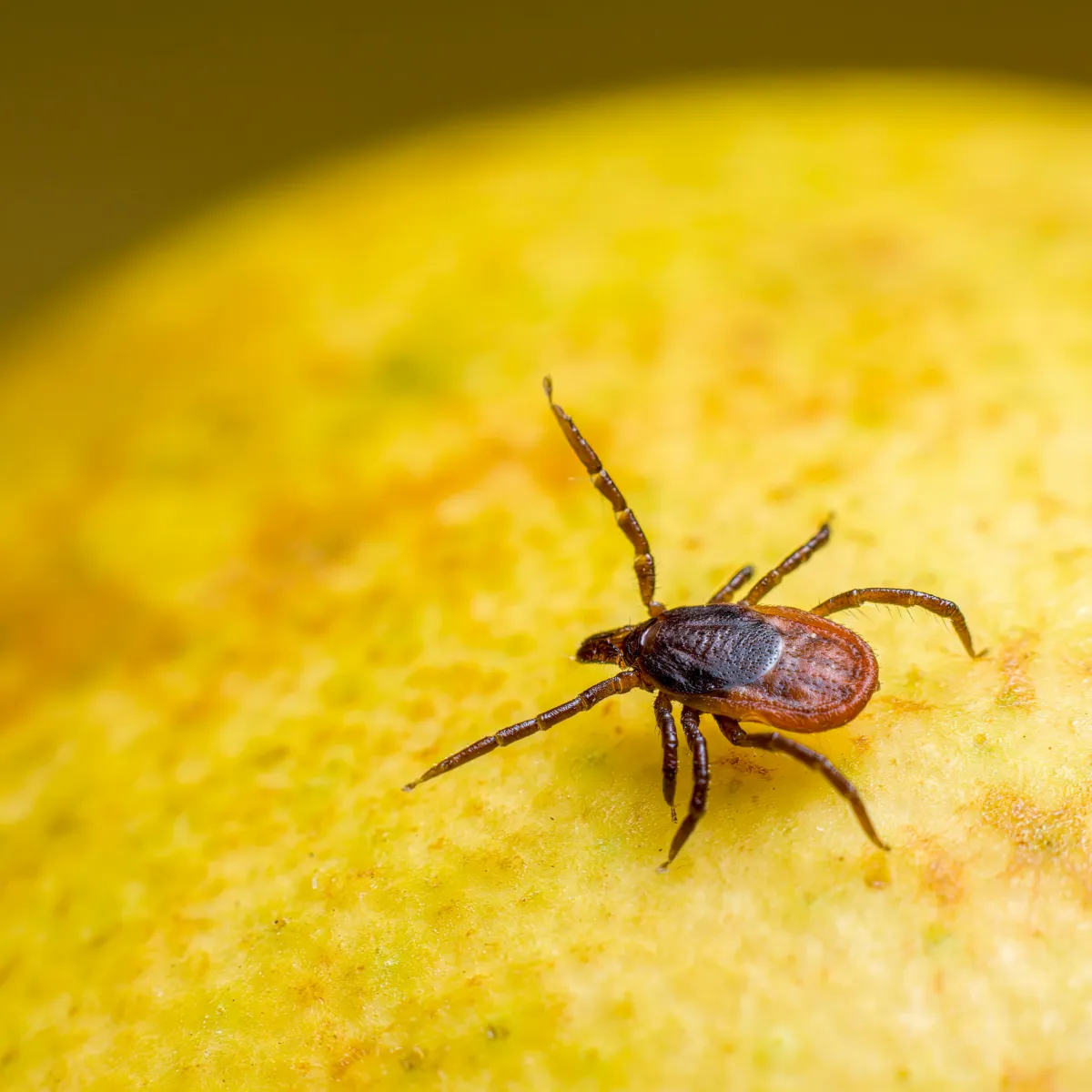
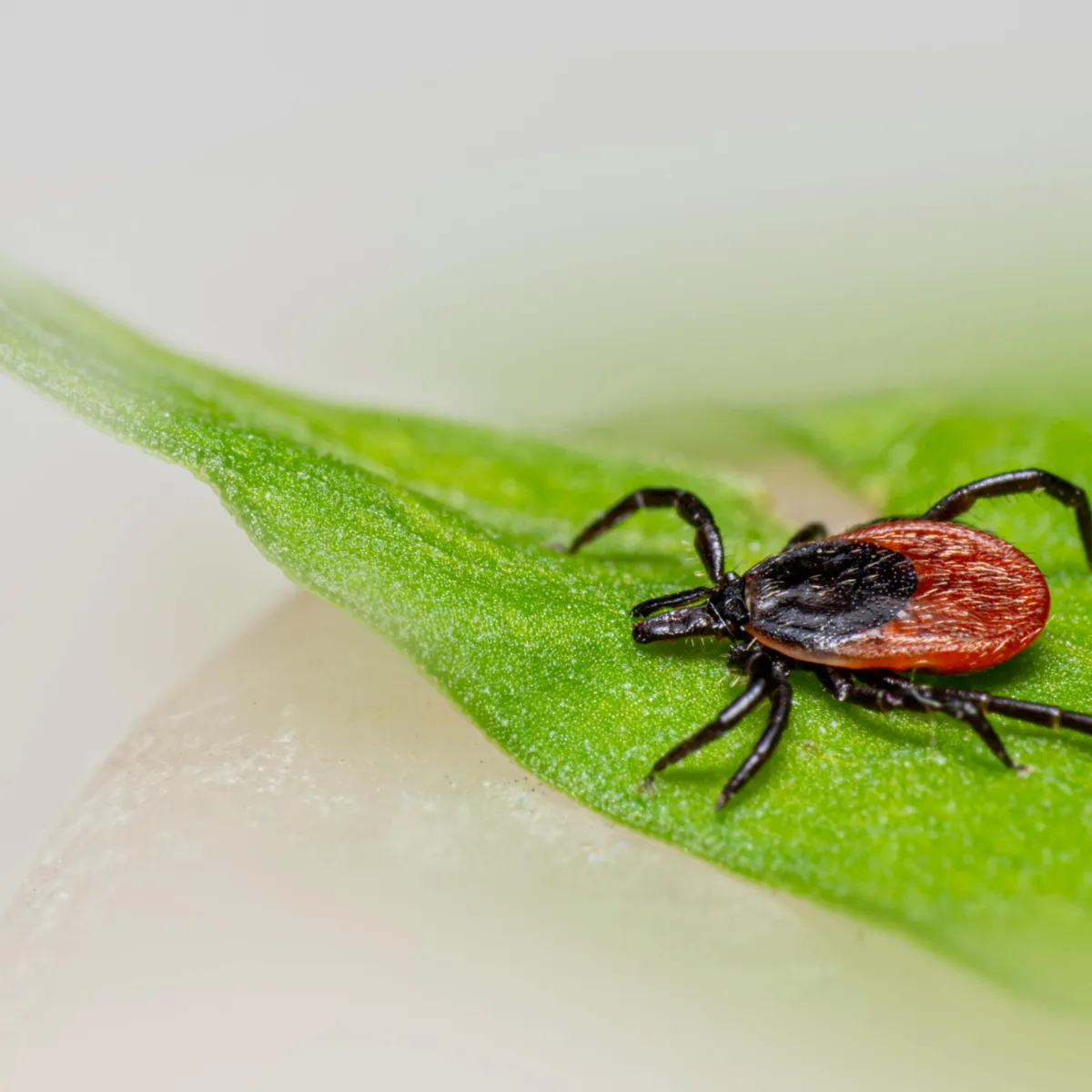
The part of the yard that looks the least important is often the part that keeps causing the most trouble.
In Louisville, a yard can look clean, trimmed, and completely under control while still giving ticks exactly what they need. Most of the time, the problem does not start in the middle of the lawn where people walk, mow, and spend time. It usually starts along the quieter parts of the property, where the grass runs up against thicker cover, where shade settles in during the afternoon, or where the ground stays damp just a little longer than the rest of the yard. Those sections are easy to overlook because they do not always seem dramatic, but they are often where the issue begins.
Fairway Lawns provides tick control in Louisville, TN by focusing on the conditions that let the problem stick around in the first place. That means looking at the yard the way it actually functions, not just the way it looks from the driveway. A side border that stays cool, a stretch behind a fence, a low area near the back of the property, or a pet route along heavier growth can all matter more than homeowners expect. When those areas are treated correctly, the yard stops feeling like a place where the same concern keeps coming back.
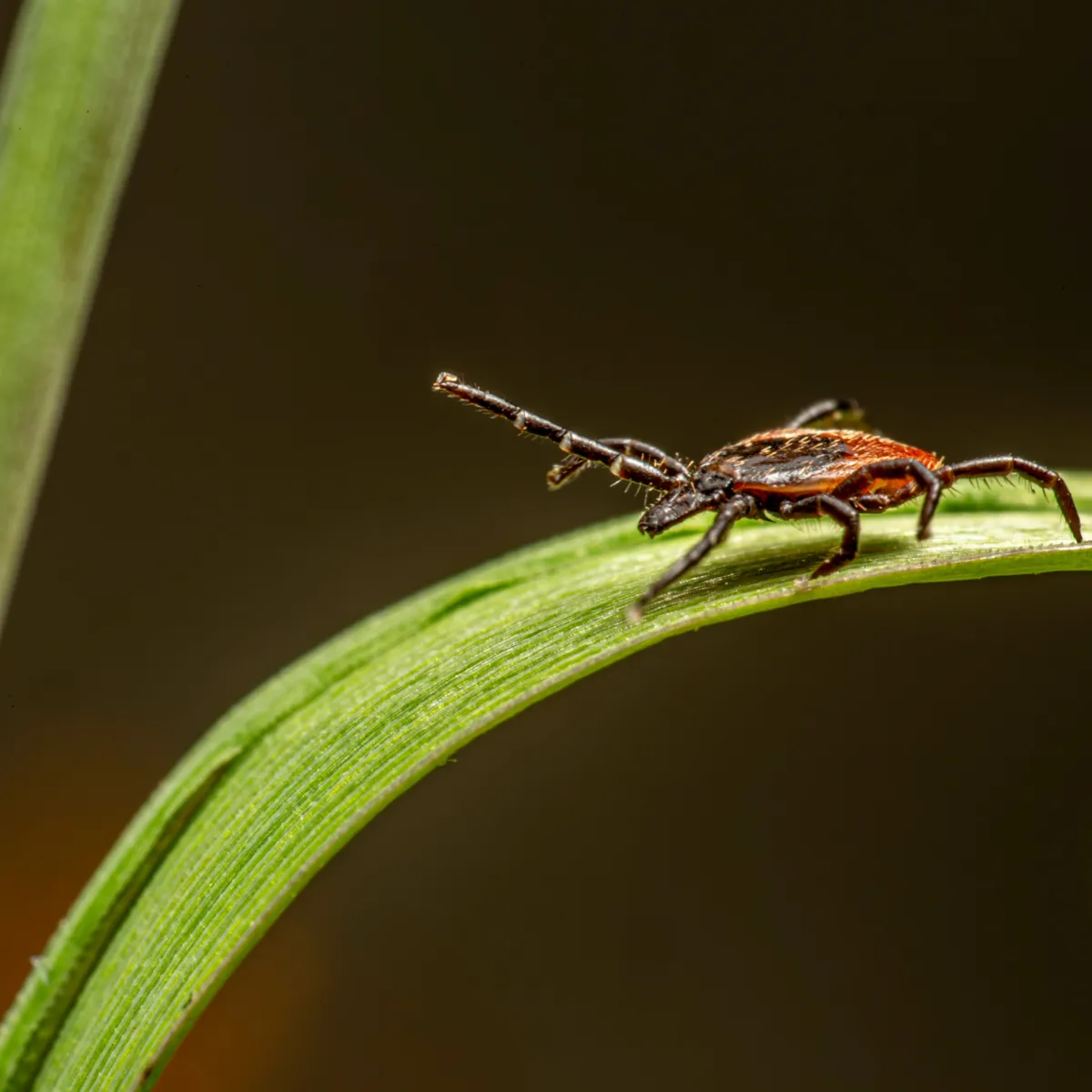
Tick problems usually last because a few parts of the property keep feeding them, even when the rest of the yard looks fine.
Most yards do not have a full-property tick problem. They have a repeat-section problem. One Louisville property may have pressure along a tree line that blocks enough sun to keep the ground protected most of the day. Another may have deeper beds around the house, a fence line with taller growth, or a back corner that traps moisture after rain. These kinds of spots do not always jump out visually, but they often explain why ticks keep turning up in the same general part of the yard.
That is why the service starts with figuring out where the pressure is really coming from. Treatment is aimed at the places most likely to hold ticks, but it also extends into the outdoor areas people use the most. Lawns, patios, walkways, garden edges, play spaces, dog routes, and the transitions between maintained turf and rougher growth all matter. The point is not to make the yard temporarily feel better in one visible section. The point is to reduce the conditions that keep the problem cycling back.
The best way to treat a yard is to work from the source outward, not just spray where the problem is easiest to see.
The first step is understanding how the yard really behaves. We look at where shade holds, where the soil stays damp, where vegetation is thicker, and how the property is used from day to day. A lot of the time, the most important information comes from the parts of the yard that do not seem important at first glance. That inspection helps separate the areas that simply look green from the areas that are actually creating pressure.
Once the likely trouble spots are identified, treatment is directed to the places where ticks are most likely to remain active. That may include fence lines, shaded borders, thicker landscaping, wooded edges, and low spots that do not dry quickly. These are the areas that usually need the most direct attention because they are the ones most likely to keep the issue alive.
After the main holding areas are treated, attention shifts toward the parts of the yard that are used the most. This includes lawns, patios, walkways, dog paths, play areas, and other outdoor living spaces. The goal here is to help reduce movement from hidden sections of the property into the spaces where normal outdoor life happens.
A yard changes through the season. Growth thickens, moisture patterns shift, and certain sections become more favorable again after rain or weather swings. Continued service helps keep those same problem areas from rebuilding into the same problem. That steady follow-through is often what makes the difference between temporary improvement and a yard that stays easier to manage.
A yard can support tick pressure for a while before anyone realizes that is what is happening.
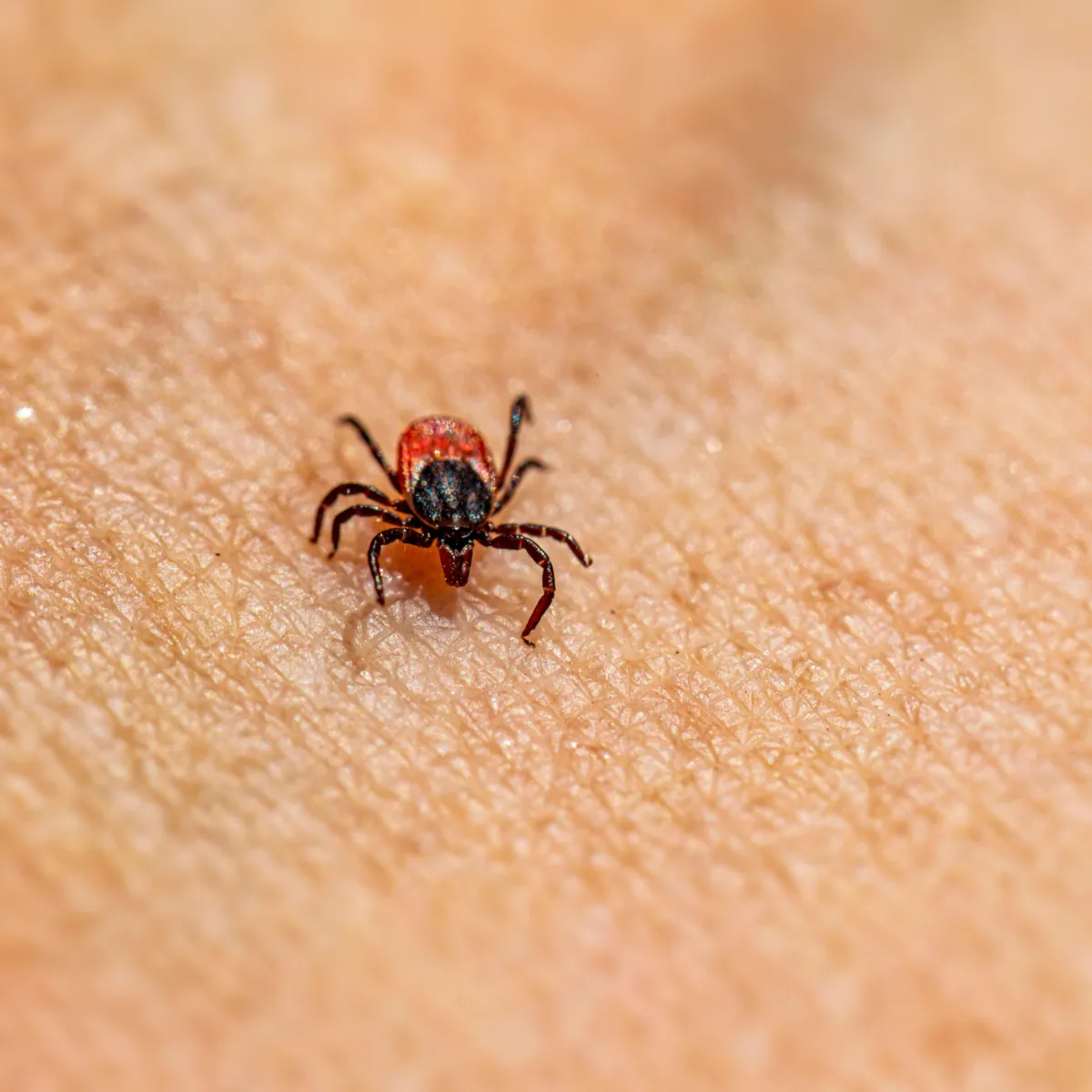
Ticks are frustrating partly because they are often discovered late. Homeowners usually do not notice them the moment they show up in the yard. What happens instead is that a pet comes inside with one, someone notices one after spending time outdoors, or the same area starts creating concern more than once. By that point, the property has often been supporting the problem quietly for longer than anyone realized.
Louisville yards can create good conditions for ticks when warmth, moisture, and cover line up the wrong way. A property does not need to be neglected for that to happen. A shaded edge, a damp strip behind a structure, or a heavy border where growth thickens up can be enough. When those places are left alone, they tend to keep producing the same issue. Treatment matters because it helps break that pattern instead of leaving the homeowner stuck reacting to the next sighting.
The sections that give ticks the best shelter are usually the ones closest to the ground and farthest from direct sun.
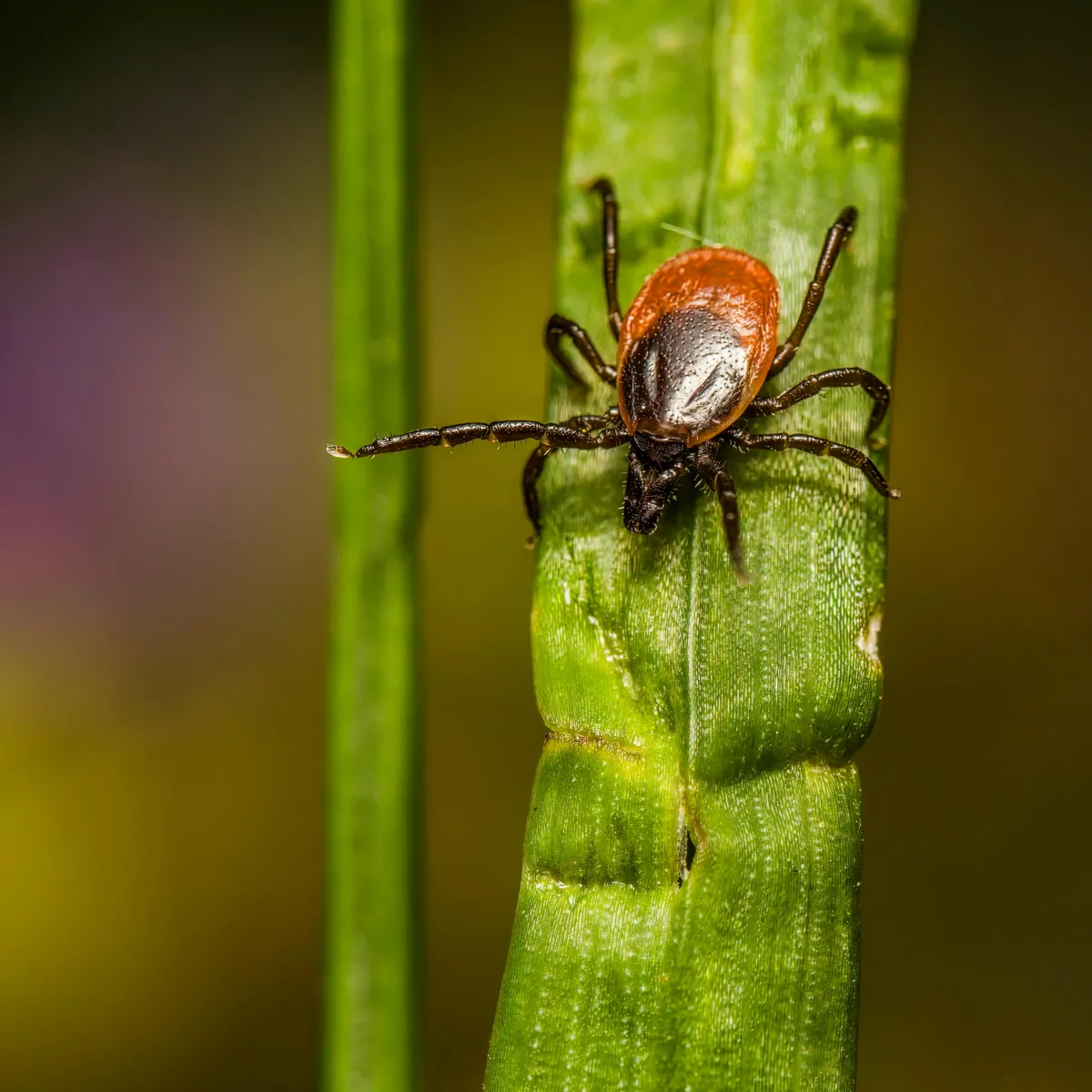
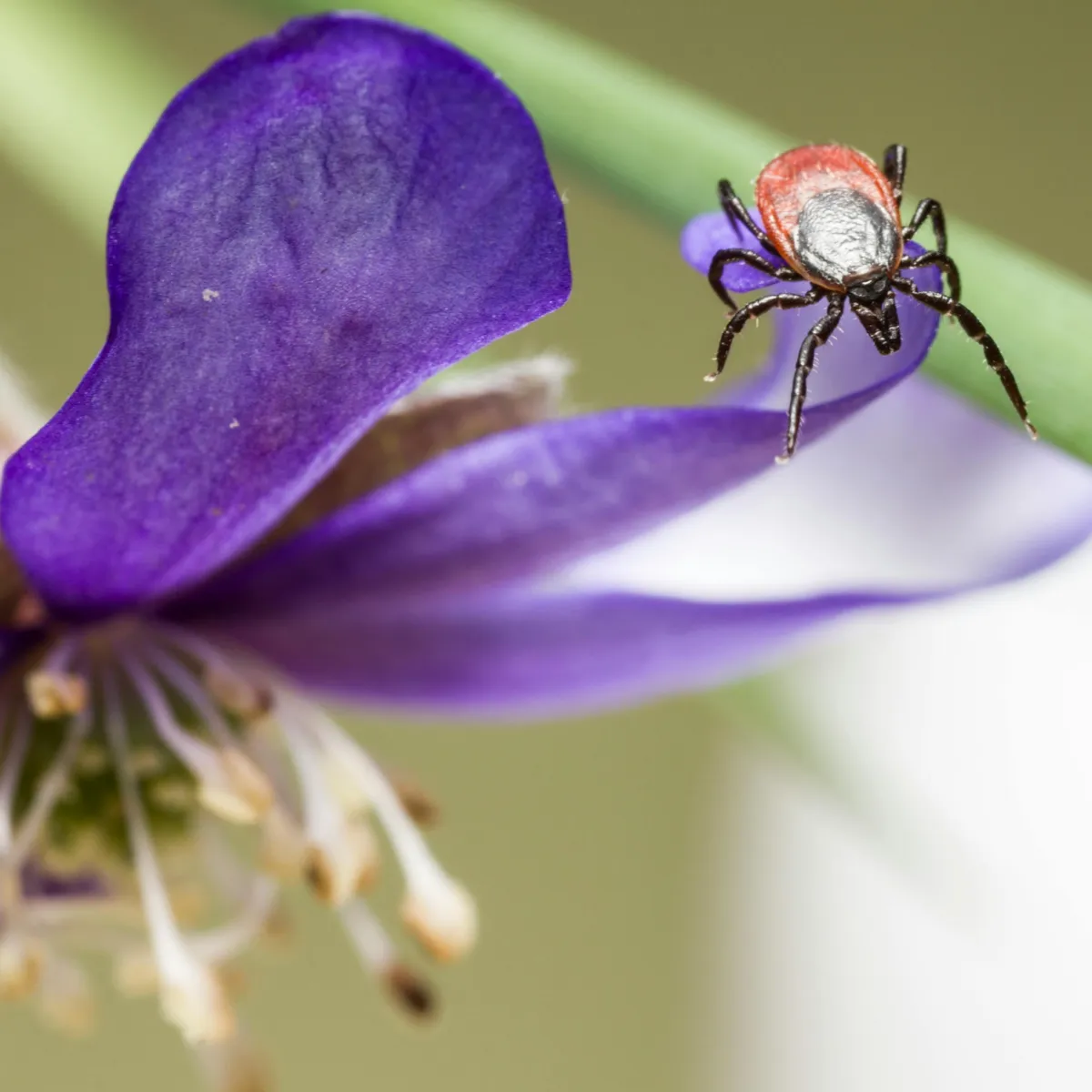
Ticks usually stay low and protected. Around a home, that often means taller grass, thick shrubs, mulch-heavy beds, leaf buildup, and the outer edges of the property where maintained lawn turns into rougher cover. The line along a fence can be especially important because it often combines shade, extra vegetation, and less regular disturbance. The same goes for the back side of a shed, the strip under a row of shrubs, or the edge of a wooded area where cover builds naturally.
In a lot of yards, the issue comes from several small areas rather than one obvious hiding place. The ground under a deck may stay favorable. A narrow side yard may hold moisture. A pet path may cut right along the part of the property where ticks are most comfortable. When those sections connect, they create a route from hidden cover into the places where people and pets spend time. That is usually what turns a quiet problem into a noticeable one.
Most families do not want a perfect-looking yard on paper. They want a yard that feels easier to use in real life.
For most households, tick control matters because of routine. Dogs do not avoid the back edge because the ground looks a little heavier there. Children do not stop near a fence line because shrubs have gotten thick behind it. People use their yards the same way they always have, and that is exactly why hidden pressure turns into a real frustration once ticks start showing up in the wrong places. The issue is not just that ticks are somewhere on the property. It is that they are close to the spaces tied to daily life.
That is why treatment has to do more than target rough borders. It has to support the way the yard is actually used. The lawn, the dog path, the patio, the walkway to the back gate, the play area, the spot where chairs get set out in the evening, all of those spaces matter. When the tick problem is reduced around them, the property starts feeling more normal again. That is usually the change homeowners care about most.
The seasons do not treat every part of the yard the same, and neither do ticks.
Spring is often when the shift begins. The yard greens up, soil softens, and the contrast between sunny areas and shaded areas becomes more obvious. Places that looked harmless during colder weather can become much more favorable once new growth fills in and moisture begins to linger. The first signs of repeat trouble often show up along borders, beneath shrubs, near fences, and in the parts of the yard that stay just a little cooler than the rest.
Summer changes the picture again. Open lawn may dry fast, but that does not mean the entire property is dry. The strip along the fence, the mulch bed by the foundation, the side yard boxed in by shrubs, and the area beside a tree line may all stay more protected than they appear. That difference matters because ticks do not need the whole yard to remain favorable. A few reliable pockets are enough to keep them going through hot weather.
Fall can keep the same issue going longer than many homeowners expect. As leaves collect and airflow changes, some parts of the yard begin trapping moisture in a different way. If a section of the property was already prone to activity, fall debris and reduced sun can help it stay that way. The drop in temperature does not always mean the problem is gone. In some yards, it just means the pressure shifts back toward covered areas.
Rain plays a role through every season. Some parts of a yard shed moisture quickly and others hold it for days. The sections that stay wet longest are usually the same sections that keep causing trouble. That is one reason the same few places tend to show up again and again in the conversation about where ticks are coming from.
The strongest service usually comes from understanding the yard itself, not from treating every property like it works the same way.
A good tick treatment plan depends on knowing where the property is creating the issue. On most lots, the problem comes from a handful of specific zones, not from every square foot of lawn. If those zones are missed, the issue often comes back. If they are identified early and treated with purpose, the overall result is a lot stronger and more useful to the homeowner.
Fairway Lawns provides licensed service, trained technicians, and treatment built around real yard conditions. Homeowners are not looking for guesswork. They want someone to walk the property, see what is actually happening, and treat the sections that are driving the problem. That is what the service is designed to do. It is practical, direct, and based on the way the space is really used.
A few yard habits can help, but they work best when they support the treatment plan instead of trying to replace it.
Basic maintenance still matters. Grass that stays cut back is less likely to hold the low cover ticks prefer. Leaf piles and yard debris should not be left sitting too long along edges, behind sheds, or near fences, especially where moisture lingers. Dense growth near heavily used parts of the yard should also be watched closely, because those areas often become the bridge between hidden activity and daily use.
It also helps to notice where the property tends to stay damp after rain and where pets move most often. If there are sections that always seem slower to dry, or routes that keep cutting right along thicker cover, those deserve extra attention. These steps can make the yard less comfortable for ticks, but if the problem is already established, they usually work best alongside treatment rather than instead of it.
Sometimes the fastest relief comes from dealing with the worst section first and then deciding how much more the yard needs.
A one-time treatment can be a smart choice when the problem is clearly tied to one part of the property. That may be a shaded strip beside the patio, a dog path along a fence, a low corner that stays damp, or a bed that keeps turning up activity. In those cases, a focused treatment can help bring quick relief where the problem feels most immediate.
For some homes, that may be enough. For others, it becomes the first step before deciding whether the rest of the property is likely to need more support later. Either way, one-time service can make sense when the issue is concentrated and the homeowner wants direct help in one clear trouble spot.
When the yard keeps producing the same issue, regular treatment usually works better than waiting for the next round to show up.
Recurring service is often the better fit for properties where shade, moisture, and cover keep returning in the same places. A yard that regularly creates the same favorable conditions is likely to keep creating the same problem unless the treatment stays consistent. Recurring service helps keep those sections from rebuilding into the same pattern and gives the property a better chance of staying under control through the season.
A lot of nearby properties deal with the same hidden conditions, even when the lots themselves look very different.
Fairway Lawns provides tick control in Louisville and surrounding Knoxville-area communities where properties often share the same mix of shade, changing ground moisture, heavier borders, and rougher yard transitions. Even when homes vary in size and layout, the same kinds of trouble spots tend to show up across the area.
The most useful questions usually come from the places around the yard that keep doing the same thing.
If ticks keep turning up around the yard, Fairway Lawns can help identify the sections that are driving the problem and treat them directly. Contact us today to request a quote for tick control in Louisville, TN.