Spider pressure often becomes obvious only after it starts appearing in more than one part of the home.
A spider problem around a Maryville property often starts in a way that feels easy to ignore. A web shows up under the porch overhang. Another turns up behind bins in the garage. Then a spider appears along a bathroom wall, inside a closet, or near a room that stays quiet most of the week. When those sightings begin showing up in separate places instead of one isolated area, the property is usually providing steady shelter and prey access. Fairway Lawns has a live Maryville page under its Knoxville hub, and that page says it helps homeowners with lawn care, pest control, and tree services designed for East Tennessee conditions.
The issue usually keeps rebuilding because the property keeps helping it
Maryville’s local Fairway Lawns page describes foothill conditions that can make outdoor care unpredictable: rocky spots in some sections, heavy clay in others, runoff across slopes, low spots where rain collects, summer heat, and shade from trees. Those same property factors can help insects stay active and create favorable spider shelter around landscaped edges, porches, garages, and quieter indoor spaces. When those conditions remain in place, repeated spider activity is rarely solved by clearing one visible web.
That is why the latest spider sighting is often only one part of a bigger pattern. A spider near a guest room may point back to a sheltered garage edge, a shaded perimeter zone, or an access point nearby. Webbing beside outdoor furniture may reflect stronger pressure tied to insect movement and hidden exterior cover. Professional spider control matters because the problem usually involves where spiders are feeding, where they are hiding, and how they are moving between those spaces.
A stronger result usually comes from treating the issue as a sequence instead of one cleanup at a time.
We begin by identifying likely species, repeat web zones, likely nesting areas, possible entry points, moisture concerns, and the insect activity that may be helping spiders stay active.
Treatment is then directed toward the parts of the property most likely to keep producing activity. That may include targeted applications, exterior perimeter spraying, web removal, egg sac removal, crack-and-crevice work, residual materials, and interior spot treatment where needed.
Long-term improvement often depends on reducing what made the property attractive in the first place. That may include sealing entry points, reducing vegetation pressure, improving moisture control, and setting up maintenance recommendations for the property.
Because spider activity can return seasonally, recurring inspections, follow-up visits, and retreatment when necessary can be an important part of keeping the same pattern from rebuilding.
Maryville homes often give spiders several different shelter options at once.
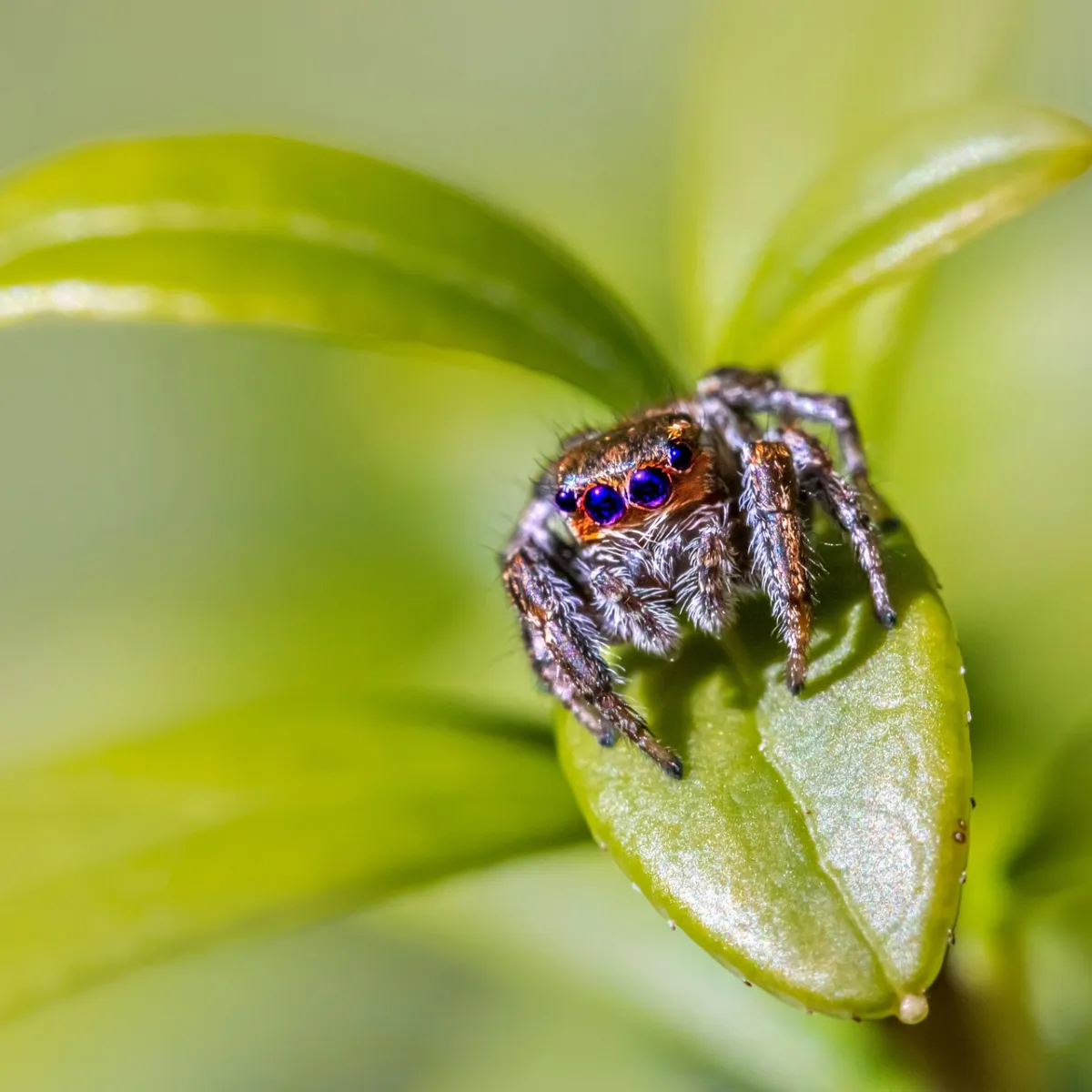
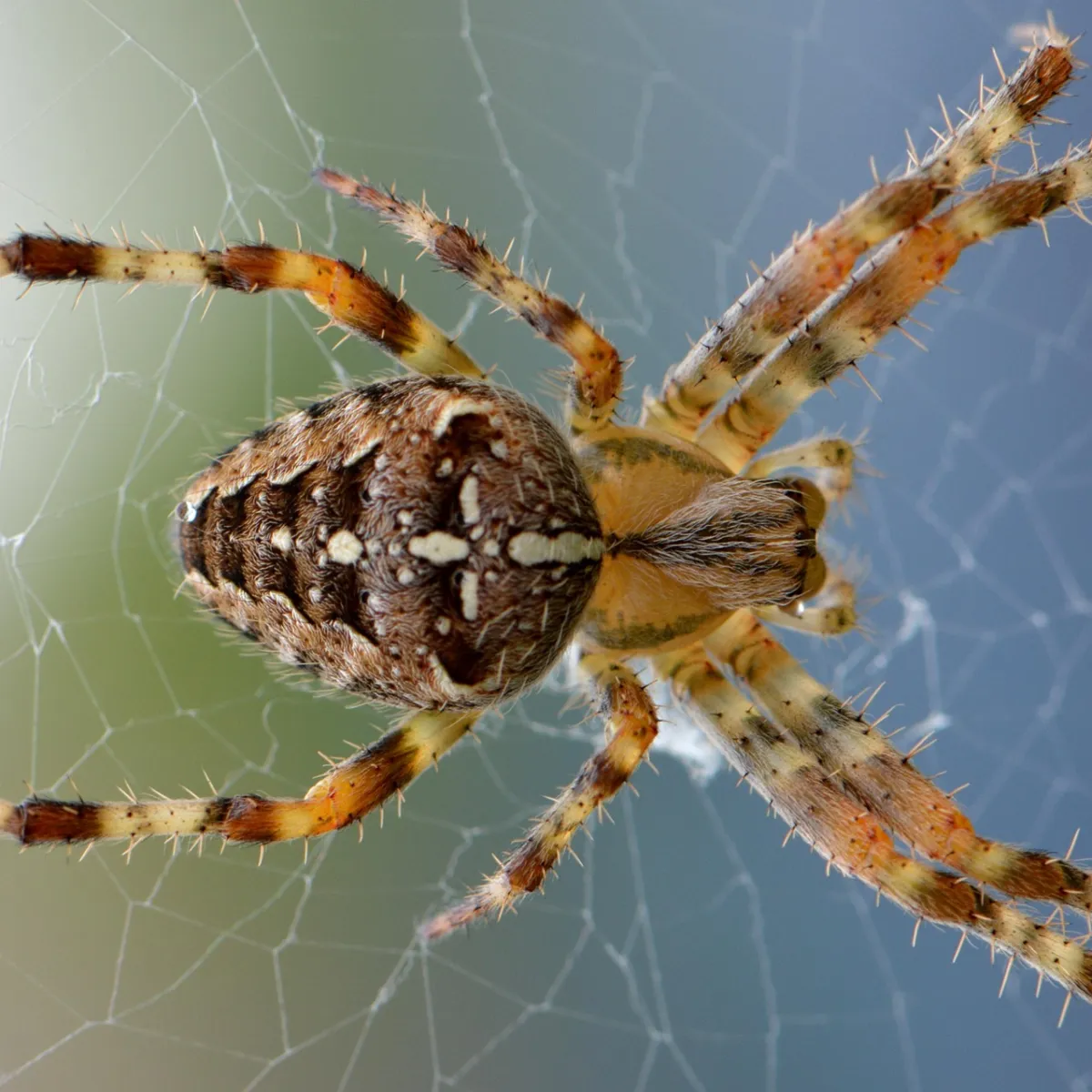
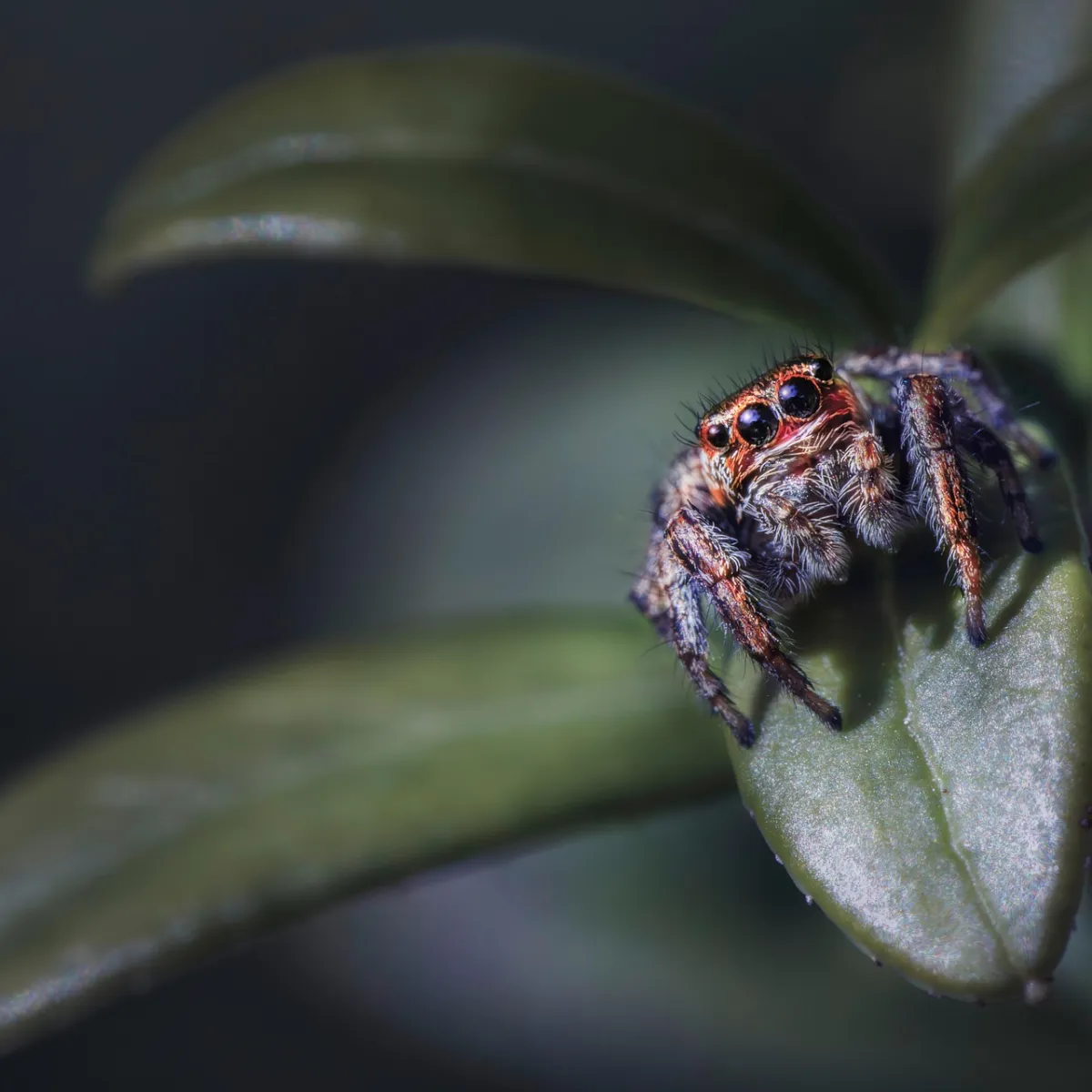
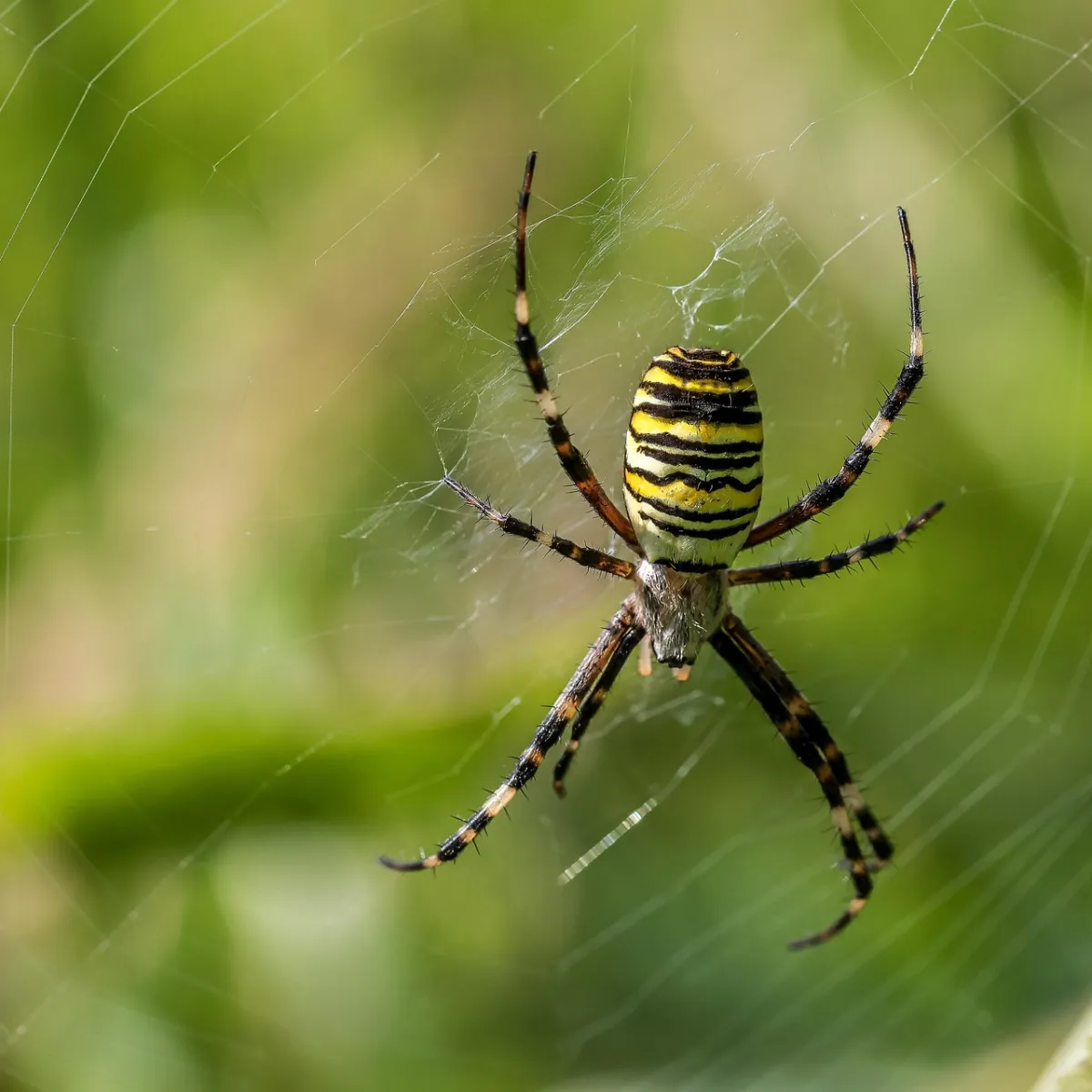
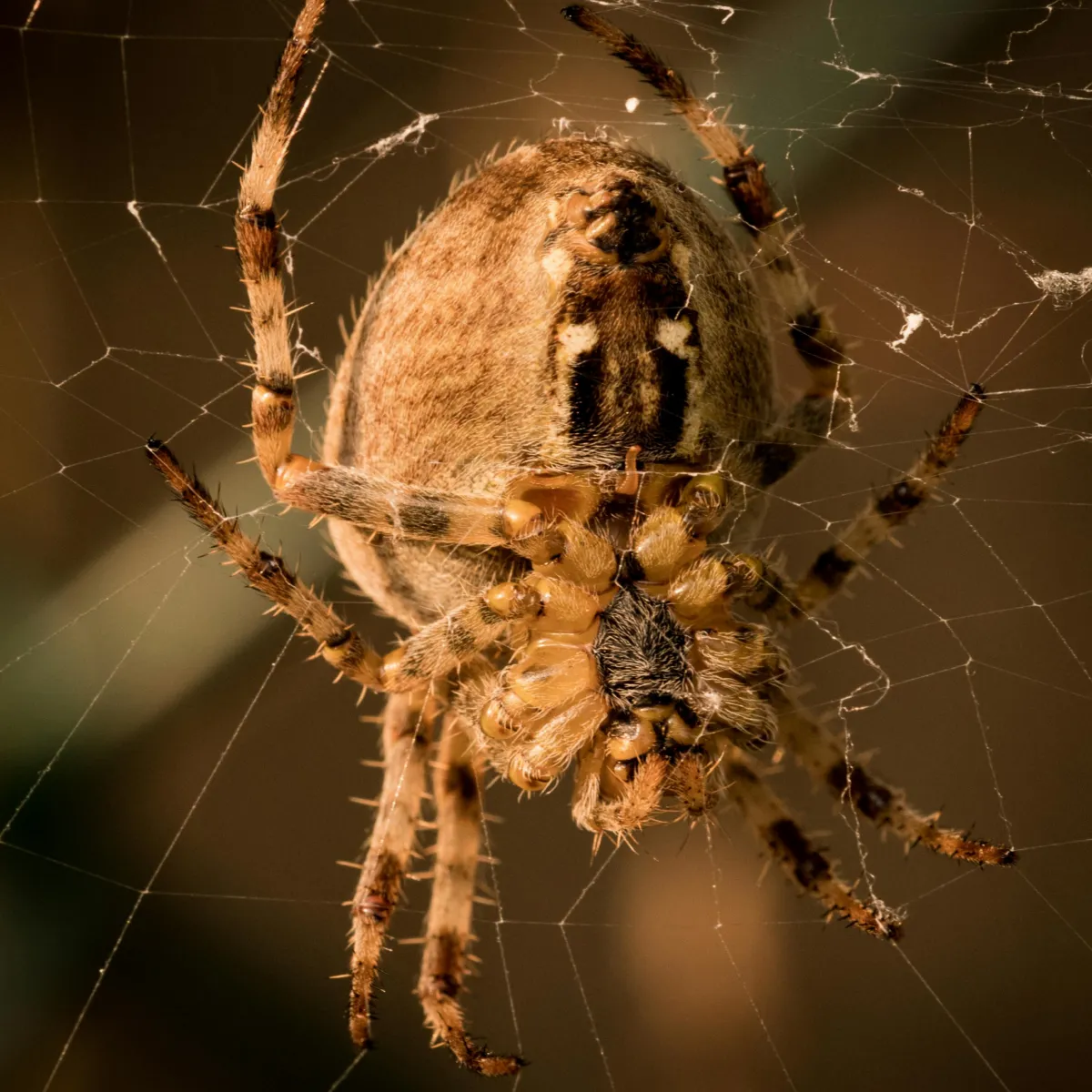
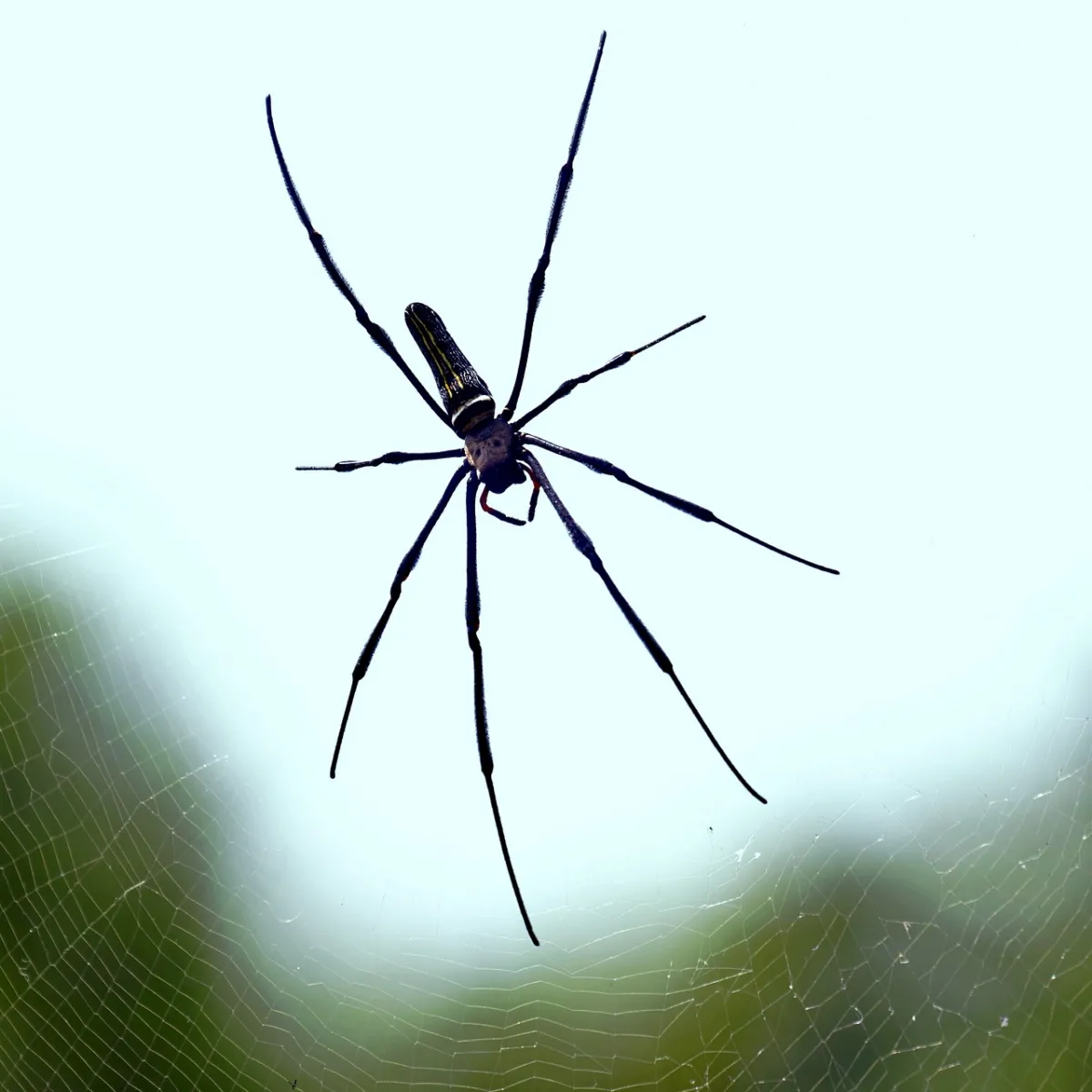
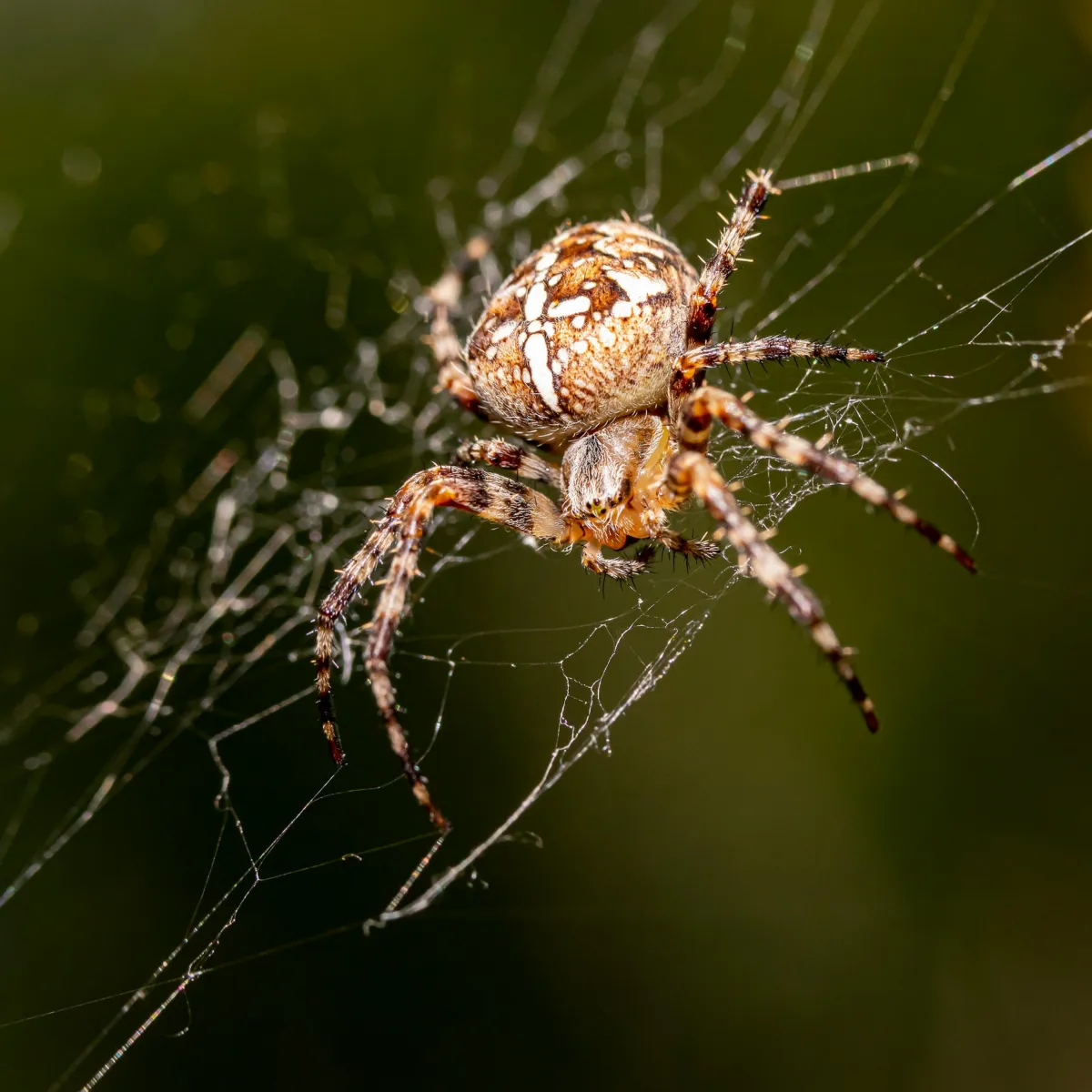
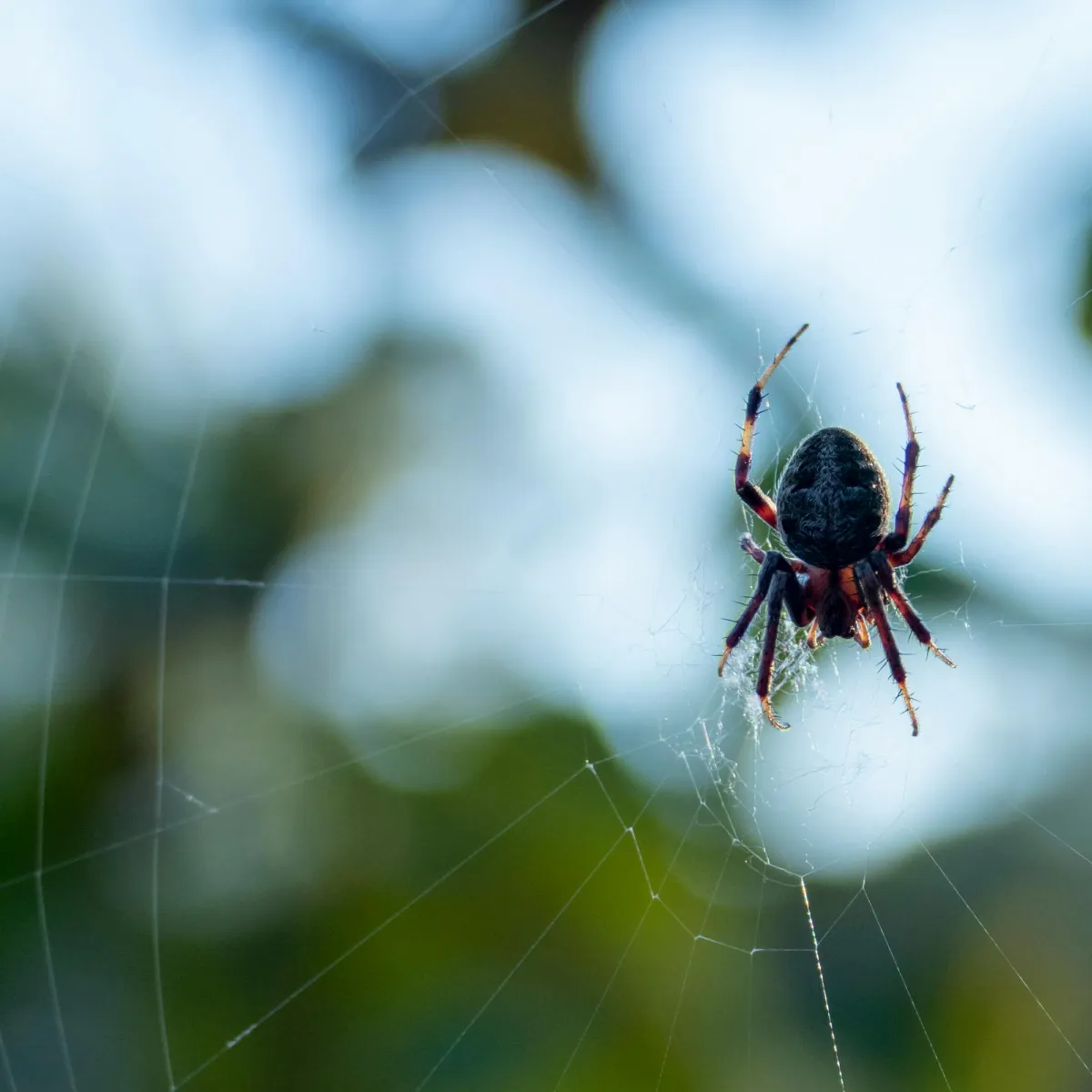
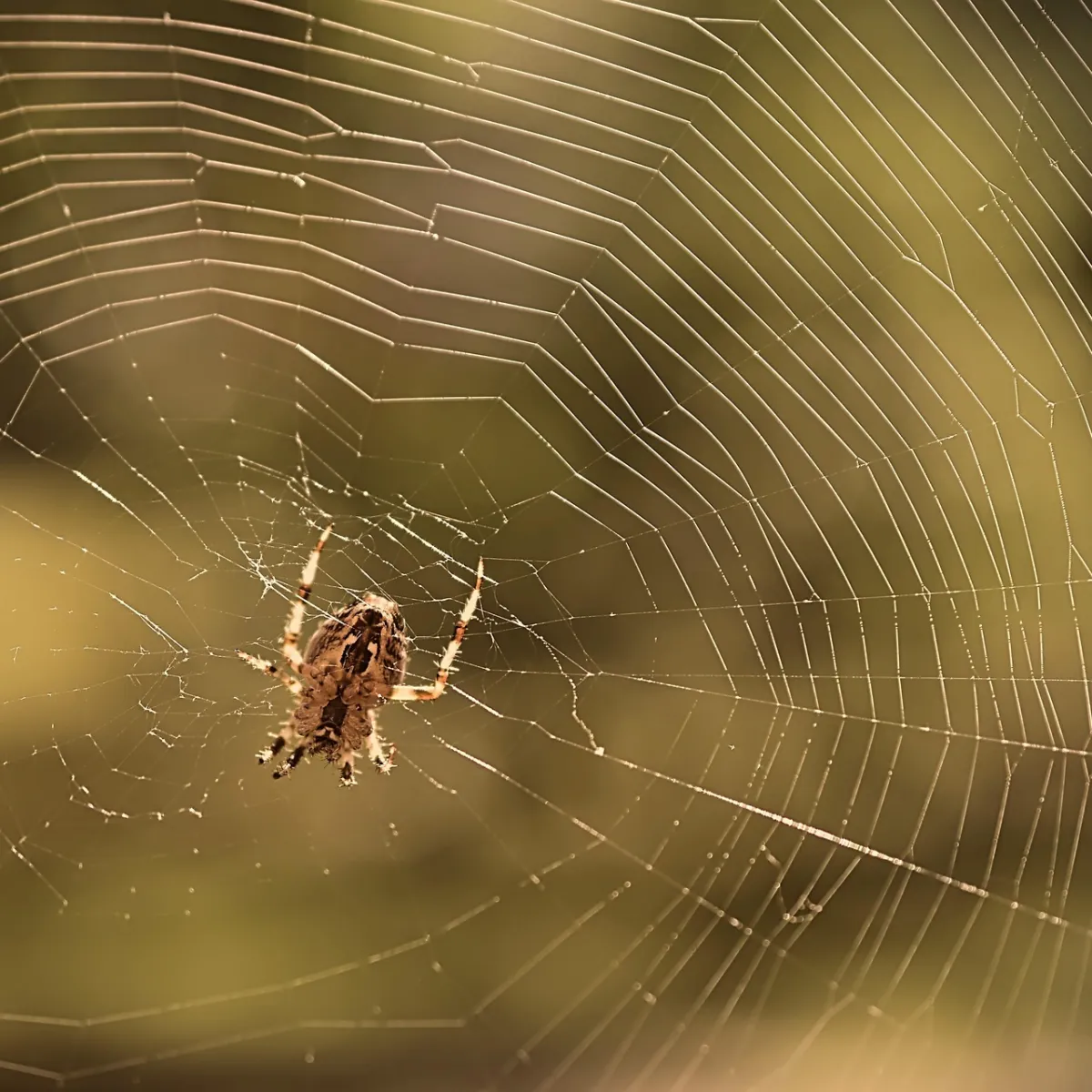
In East Tennessee properties like Maryville, homeowners may encounter wolf spiders, house spiders, cellar spiders, orb weavers, and black widows, along with garden spiders around taller vegetation and ornamental areas. Wolf spiders are often seen on the move in garages and lower rooms, while house spiders and cellar spiders prefer quieter web-building or sheltered indoor corners. Orb weavers and garden spiders are usually more visible outside, especially around patios, shrubs, rails, and fences.
Black widows deserve the most caution because they prefer protected low-disturbance areas such as sheds, crawl spaces, stacked materials, and furniture undersides. On a Maryville property with mixed terrain, mature trees, and varied yard conditions, those shelter types can appear in several places across the same home.
Spider infestations usually become easier to recognize because the same signs keep repeating.
One of the biggest signs is recurrence. The same corners, garage shelves, porch trim, attic edges, or closet sections keep producing fresh webbing. Another important clue is when sightings begin happening in more than one room and start overlapping with outdoor activity near entries or garages.
Other signs include egg sacs attached to hidden surfaces, shed exoskeletons in quiet spaces, dead insects caught in webbing, and spider activity that comes back even after DIY sprays were used. When those details appear together, the property is usually supporting a broader infestation pattern rather than a few isolated spiders.
Spiders come indoors because the house offers reliable shelter and easier hunting.
Spiders enter homes to search for food, seek warmth, respond to moisture, follow insect populations, lay eggs, and shelter during weather changes. The template you provided highlights rainfall, vegetation, insect pressure, and seasonal migration indoors as common reasons. Maryville’s combination of rainfall, slopes, low spots, clay sections, and shaded tree cover fits that pattern closely, especially where insects stay active near the structure.
The smallest access points can be enough. Door gaps, damaged screens, vents, utility penetrations, and foundation cracks all create ways in. Once spiders reach garages, closets, attics, or crawl spaces, they often find the kind of low-disturbance shelter that lets the issue continue well beyond the first sighting.
The places spiders use most effectively are usually the places people disturb the least.
Common hiding spots include basements, crawl spaces, garages, attics, closets, window corners, under furniture, sheds, wood piles, decks, roof eaves, dense vegetation, and foundation cracks. On a property with different elevations, tree shade, and mixed storage areas, those shelter types can create a much wider spider network than homeowners expect.
The connection between outside and inside matters here. A spider may be feeding near a porch light or shrub line at night and then staying hidden in a closet corner, garage shelf line, or attic edge by day. That overlap is one of the biggest reasons recurring activity can feel so stubborn.
Spider pressure in East Tennessee shifts through the year instead of staying fixed.
Spring often brings increased insect populations, breeding activity, and more visible outdoor webbing. Summer is usually the peak period because food sources are abundant and exterior activity is strong. Fall is when many homeowners notice the biggest spike in complaints as spiders move indoors for steadier shelter, while winter often leaves indoor activity lingering in attics, garages, and lower sheltered spaces.
Maryville’s hills, rain patterns, shade, and fluctuating yard conditions can make that seasonal shift feel especially noticeable from property to property. Areas that hold moisture or stay quiet longer often become repeat trouble spots.
A can of spray may remove a web without removing the reason it keeps coming back.
The template makes the problem clear: store sprays often kill only visible spiders, egg sacs survive, inaccessible shelter remains untreated, and food sources stay in place. That is why DIY efforts so often produce short-lived improvement rather than stable control.
Professional service is broader by design. Residual treatments, integrated pest management, preventative barriers, and ongoing monitoring all work toward reducing repeat pressure instead of just clearing the latest visible sign. That wider response is usually what creates more dependable results.
The property can either keep feeding the issue or start helping the treatment hold.
Practical spider prevention includes sealing gaps, replacing damaged screens, reducing clutter, removing wood piles, trimming vegetation, vacuuming regularly, removing webs quickly, reducing insects near exterior lights, and managing moisture. Those steps are especially helpful on properties where storage, landscaping, and low-disturbance spaces all overlap.
While those changes are useful, they work best when paired with treatment on properties where spider activity is already recurring. The goal is not just to make the home look cleaner, but to make it less supportive of future activity.
Treatment should fit the way the household actually uses the property.
The template emphasizes licensed technicians, state-certified applicators, family-safe treatment choices, pet-conscious applications, and eco-friendly options where appropriate. A targeted plan keeps attention on the most active sections of the property, which is often more practical than treating every area as if it carries the same level of pressure.
That is especially important on Maryville properties where patios, garages, utility spaces, and family-use yards all stay part of everyday life while treatment is underway.
Local conditions matter when homeowners keep seeing the same problem on the same type of property.
Fairway Lawns has a live Knoxville location page and a live Maryville page, and those pages say the company provides local lawn care, pest control, and tree services designed around East Tennessee conditions. The Knoxville page also lists Maryville among the service areas.
That local framing matters because recurring spider pressure in Maryville is rarely generic. The combination of foothill terrain, shade, mixed soils, rain runoff, and outdoor-use spaces described on Fairway Lawns’ local pages is exactly the kind of environment where spider issues can keep returning if the whole pattern is not addressed.
These are some of the questions Maryville homeowners ask once spider activity stops feeling accidental.
When the same garages, closets, patio edges, and quiet rooms keep showing spider activity, the issue is usually bigger than the last web you removed. Fairway Lawns can help you take a broader approach in Maryville by treating the conditions that keep the activity alive. The goal is not just to clear what you see today, but to make tomorrow’s sightings less likely.