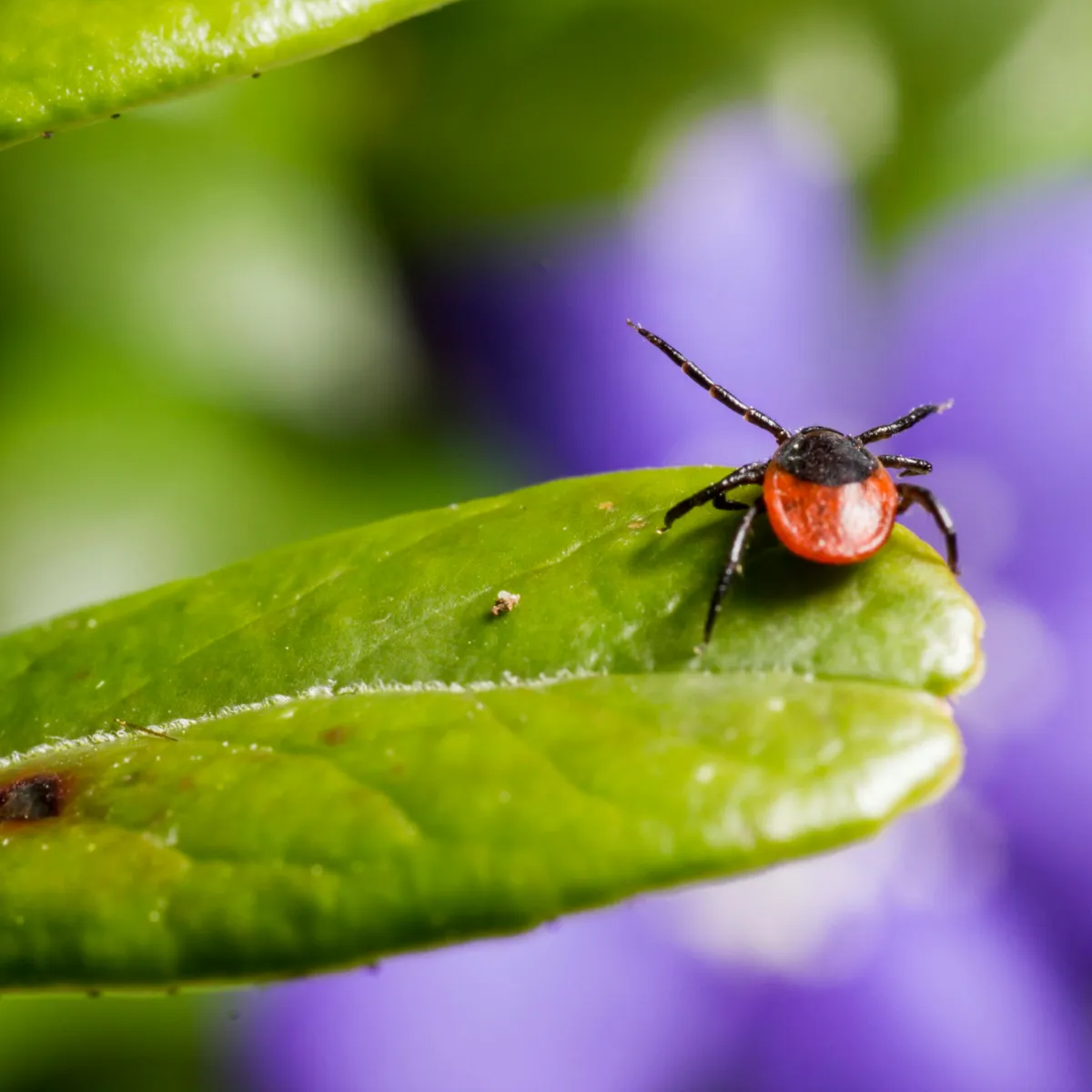
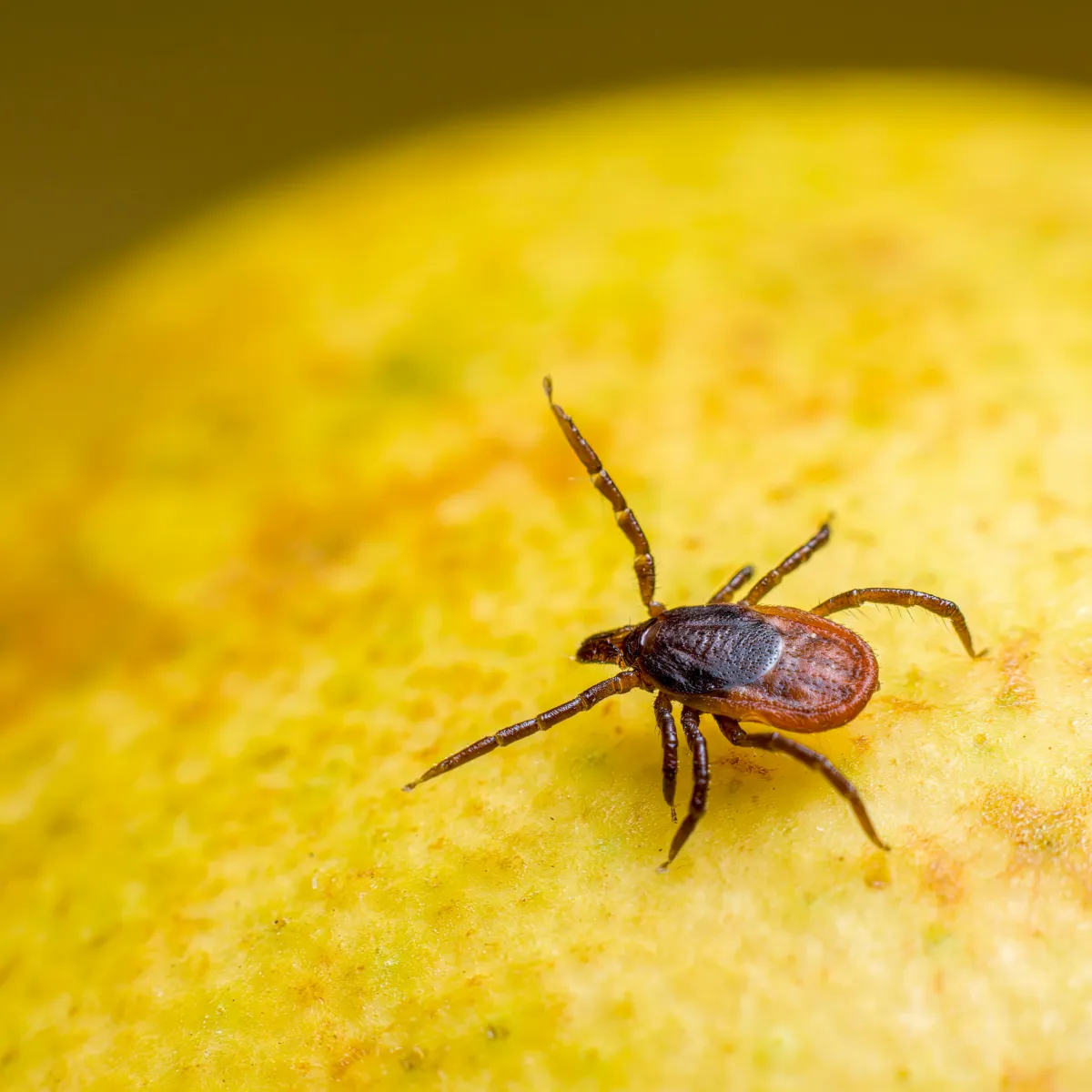
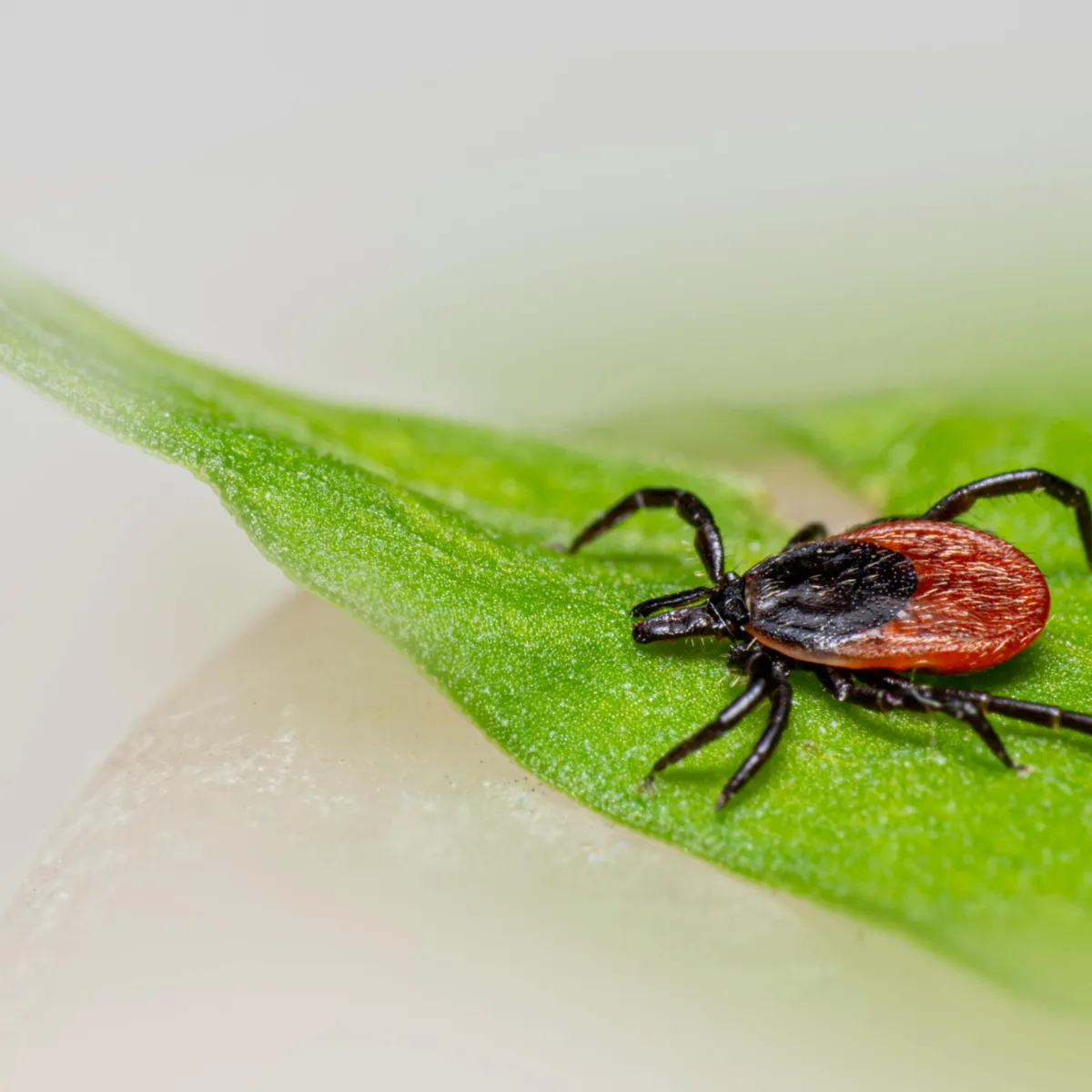
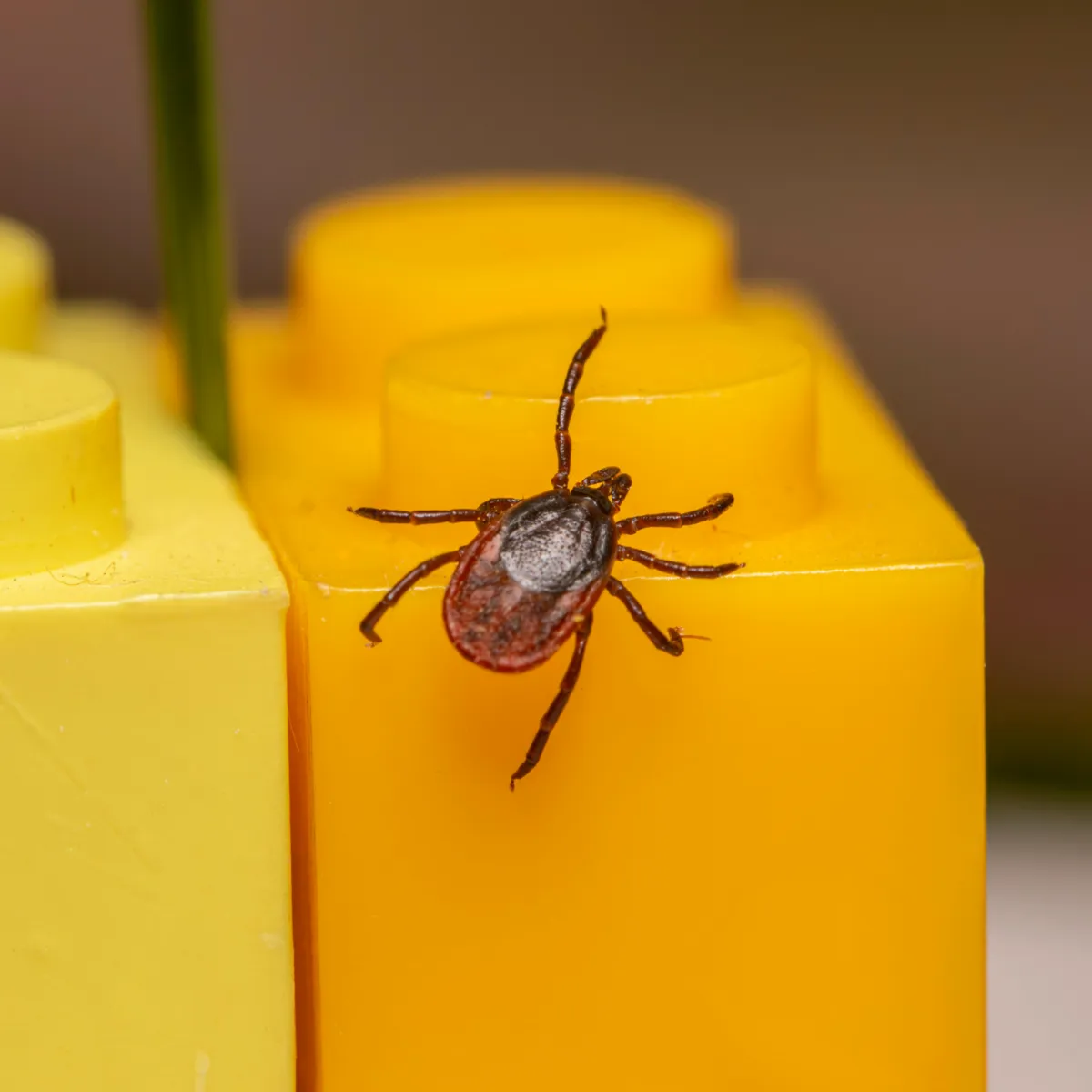
Ticks usually settle in the parts of a yard that don't get much attention during regular upkeep
Most yards in Maryville look well kept from the outside, but tick activity usually doesn’t start where people are paying attention. It tends to build in the quieter parts of the property, shaded corners, thick grass, fence lines, and areas where moisture sticks around longer than expected. Over time, those spots can start affecting the parts of the yard people actually use every day, like patios, walkways, and pet areas.
Fairway Lawns provides tick control in Maryville, TN designed to reduce that kind of hidden activity. The focus isn’t just on treating the yard broadly, but on targeting the areas where ticks are most likely to stay active and keep coming back. That usually includes thicker landscaping, shaded edges, and low-traffic zones where conditions stay steady. The goal is to make the yard feel easier to use without constantly thinking about what might be in the grass.
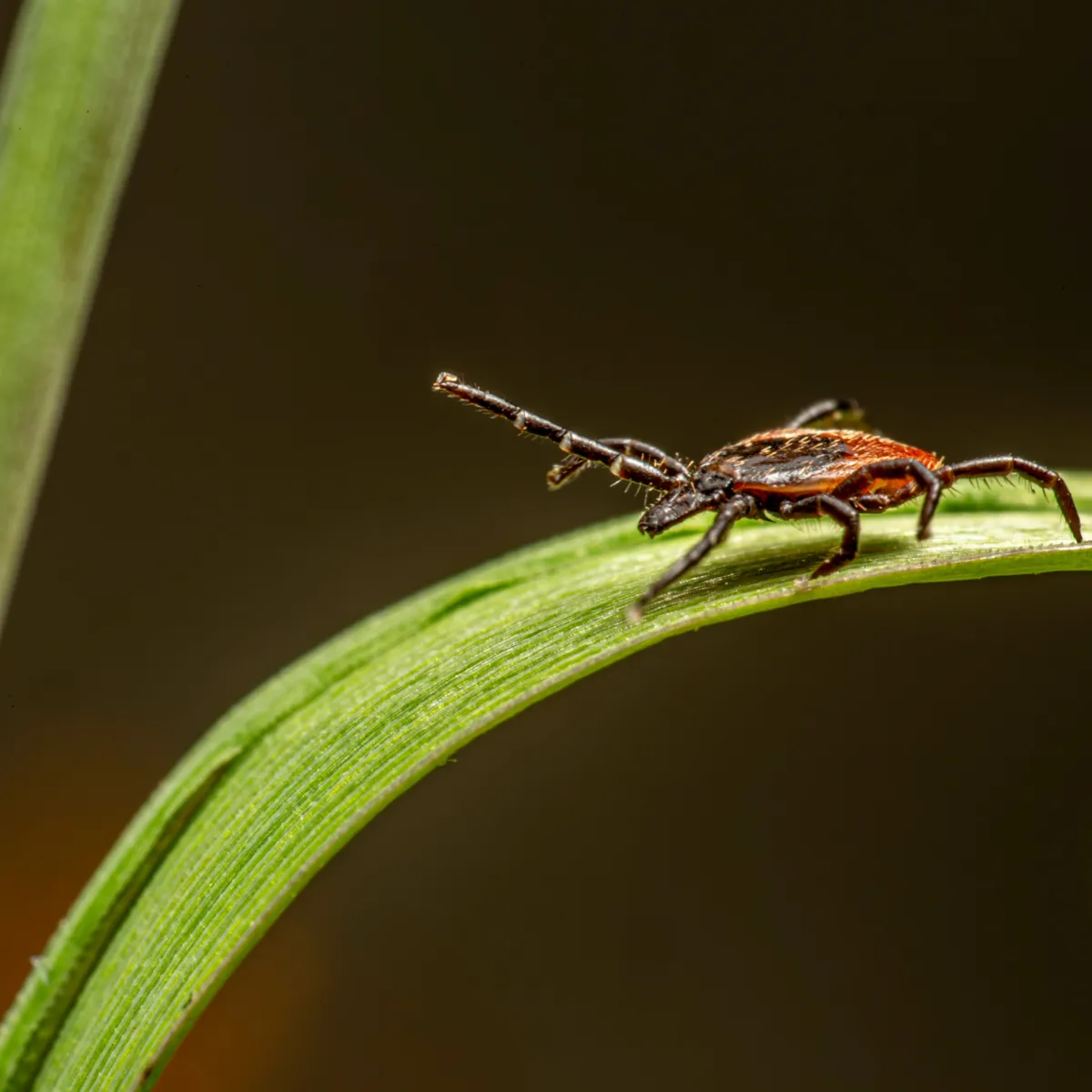
Tick activity doesn’t usually spread evenly across a yard. In Maryville, it’s often tied to specific conditions, shaded backyards, overgrown edges, or planting beds that hold moisture longer after rain. These areas tend to stay cooler and less disturbed, which makes them more likely to support activity over time.
Our process starts with a walk-through of the property to identify where those conditions exist. Once those zones are clear, treatment is applied directly to those areas as well as the surrounding spaces people use most. That often includes lawns, patios, garden edges, pet paths, and fence lines. The goal is simple: reduce activity where it starts so it doesn’t keep spreading back into the same areas.
A clear process helps focus treatment where it actually makes a difference
We start by looking at how the yard is used and where conditions like shade, moisture, and vegetation density are present. These factors usually point to where tick activity is most likely.
Treatment is applied to those specific zones, including shaded edges, fence lines, and thicker landscaping where activity tends to stay active.
We extend coverage around the areas people use most, lawns, patios, pet spaces, walkways, and outdoor gathering areas.
Because yard conditions change through the year, ongoing service helps keep new activity from building back up in the same spots.
Ticks stay active longer in places where shade and moisture don't break easily
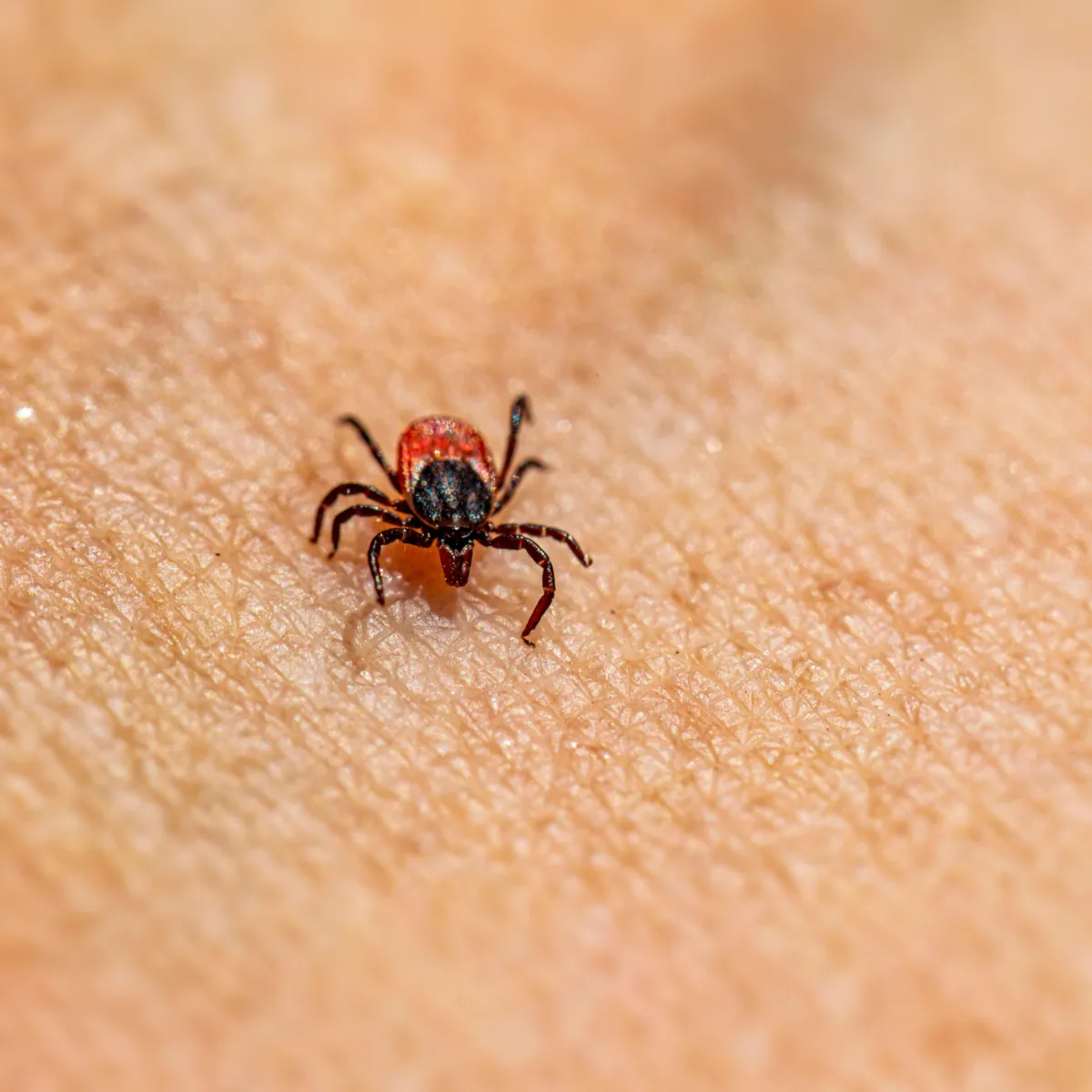
Ticks can be hard to notice at first. Most homeowners don’t realize there’s an issue until they find one on a pet or notice activity after spending time outside. Because ticks stay low to the ground and move slowly, they often go undetected while conditions in the yard continue supporting them.
Maryville’s weather makes that easier. Warm temperatures, regular rainfall, and steady plant growth create the kind of environment where ticks can stay active for long stretches of the year. Yards with trees, shrubs, or natural edges tend to hold that activity even longer. Treating those areas helps reduce the conditions that allow ticks to keep coming back.
Ticks prefer areas that stay shaded, still, and undisturbed
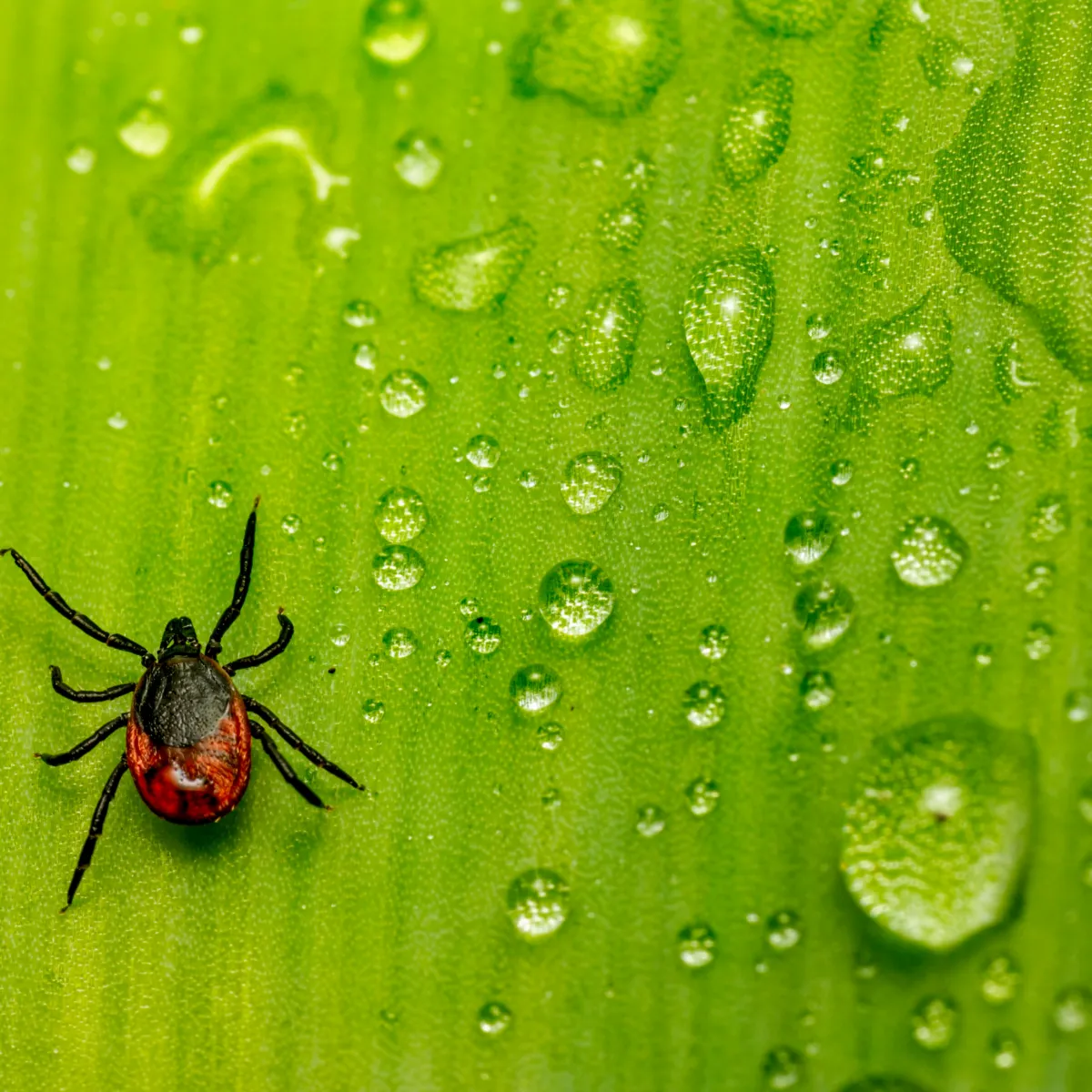
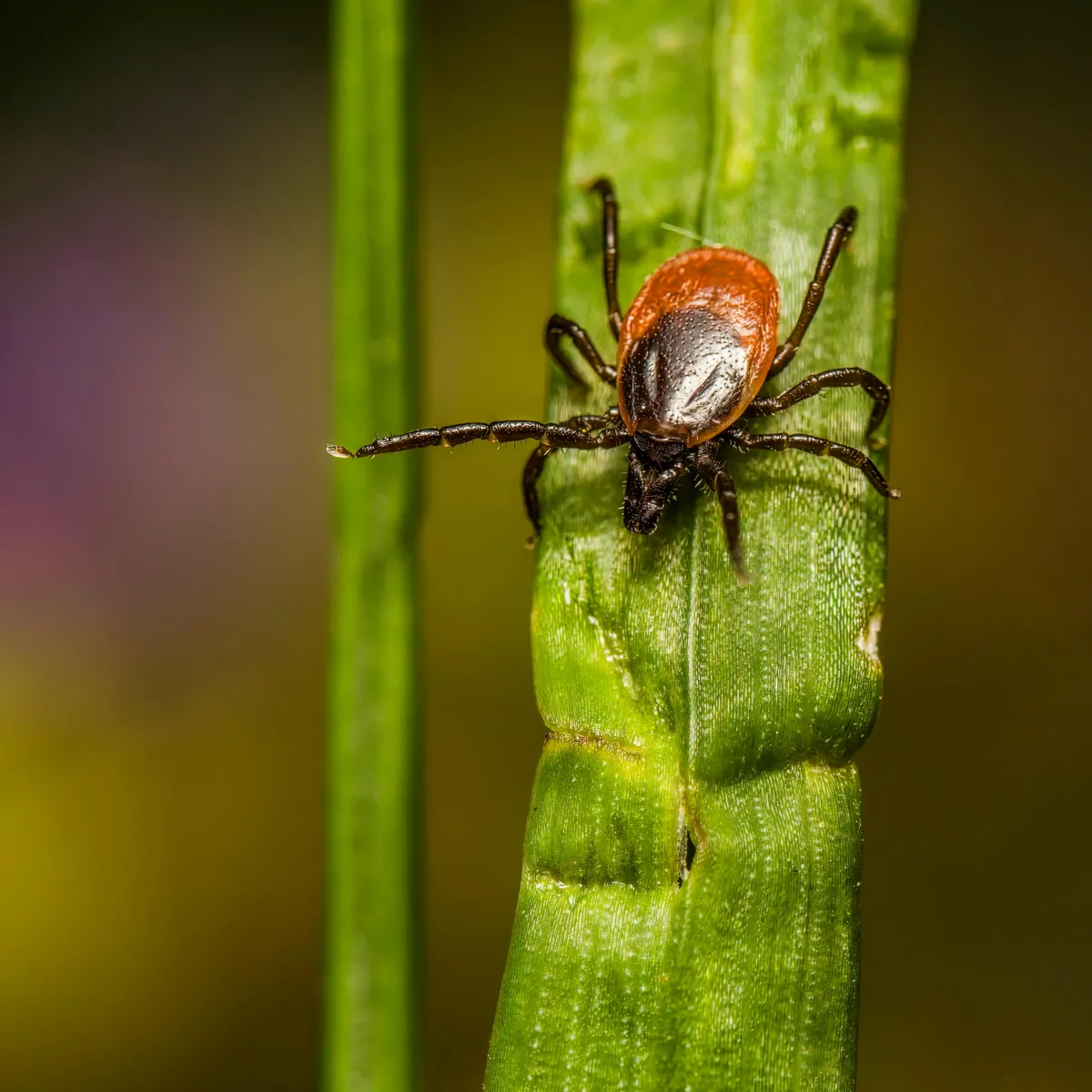
Ticks usually stay in places that don’t get much sun or foot traffic. That includes tall grass, dense shrubs, mulch beds, and piles of leaves where moisture collects and stays longer. These areas give them protection and make it easier for activity to build without being noticed right away.
They’re also commonly found along fence lines, under decks, near storage areas, and around wooded sections of the yard. Pets often move through these spots, which can bring ticks into more visible areas. Damp soil and thick vegetation usually make those zones active longer than open grass areas.
The difference is usually felt in how easy it becomes to use the yard again
Pets and children tend to spend the most time in the yard, especially in grassy or shaded areas where ticks are more likely to be present. Because of that, most exposure happens without anyone noticing right away.
Treatment helps reduce activity in those shared spaces, lawns, patios, gardens, and play areas, so the yard feels more comfortable for everyday use. Over time, this helps reduce the need to constantly check or avoid certain areas.
Seasonal changes shift where activity is most likely to show up
Spring is usually when activity starts picking up. New growth comes in quickly, and shaded areas begin holding more moisture than they did during winter. This is often when the first signs of tick activity appear, especially around thicker planting beds and fence lines.
In summer, heat and humidity keep those conditions active. Even when the lawn looks dry, shaded corners, shrubs, and areas near structures can stay cool enough for ticks to remain active throughout the season.
Fall often feels like a slowdown, but it doesn’t always remove the problem. Fallen leaves, damp soil, and lingering warmth can keep certain areas active longer than expected, especially in protected parts of the yard.
Rain also plays a big role throughout the year. After storms, low areas and shaded sections tend to stay damp longer, which helps maintain conditions ticks prefer. Even short wet periods can extend how long those zones stay active.
The best results come from focusing on the few areas that keep creating the same issue
Tick control works best when it targets the specific areas where conditions actually support activity. Most yards only have a few of those zones, but they tend to stay consistent over time if nothing changes.
Fairway Lawns provides local technicians, licensed service, and straightforward pricing. Each treatment is based on how the yard is structured and how it’s used, not a one-size-fits-all approach.
Small changes around the yard can reduce long-term activity
Keeping grass trimmed and reducing thick vegetation helps limit the shaded areas ticks rely on. Cleaning up leaves and yard debris also reduces the places where moisture builds up.
It also helps to manage fence lines, keep pet areas clean, and reduce overgrown corners where air and sunlight don’t reach easily. Regular checks on pets after they’ve been outside can also help reduce indoor exposure.
Sometimes one targeted treatment is enough to address a problem area
A one-time treatment can help when activity is concentrated in a specific part of the yard, such as near patios, pet paths, or shaded landscaping areas.
It’s often used as a first step before deciding if ongoing service is needed depending on how the yard responds over time.
Long-term control depends on consistency
Recurring service helps manage new activity as conditions change through the year. Since weather and growth patterns keep shifting, regular treatments help prevent the same issues from returning.
Nearby areas often deal with similar yard conditions
Fairway Lawns provides tick control services in Maryville and surrounding Knoxville-area communities with similar landscaping and outdoor conditions.
Most homeowners notice patterns before they realize the full issue
If ticks are becoming a recurring issue in your yard, Fairway Lawns can help target the areas where the problem starts. Contact us today to request a quote for tick control in Maryville, TN.