Spider activity often becomes more serious once it starts showing up across different parts of the property.
Spider pressure around an Oak Ridge home usually does not announce itself all at once. It starts with familiar details: a web under the porch rail, another beside the garage shelving, then a spider near a bathroom edge or the base of a quiet room wall. Once those signs begin surfacing in separate parts of the house, the pattern usually points to more than an occasional spider wandering through. Fairway Lawns has a live Oak Ridge page under its Knoxville hub, and that page says it helps homeowners with lawn care, pest control, and tree services tailored to East Tennessee properties.
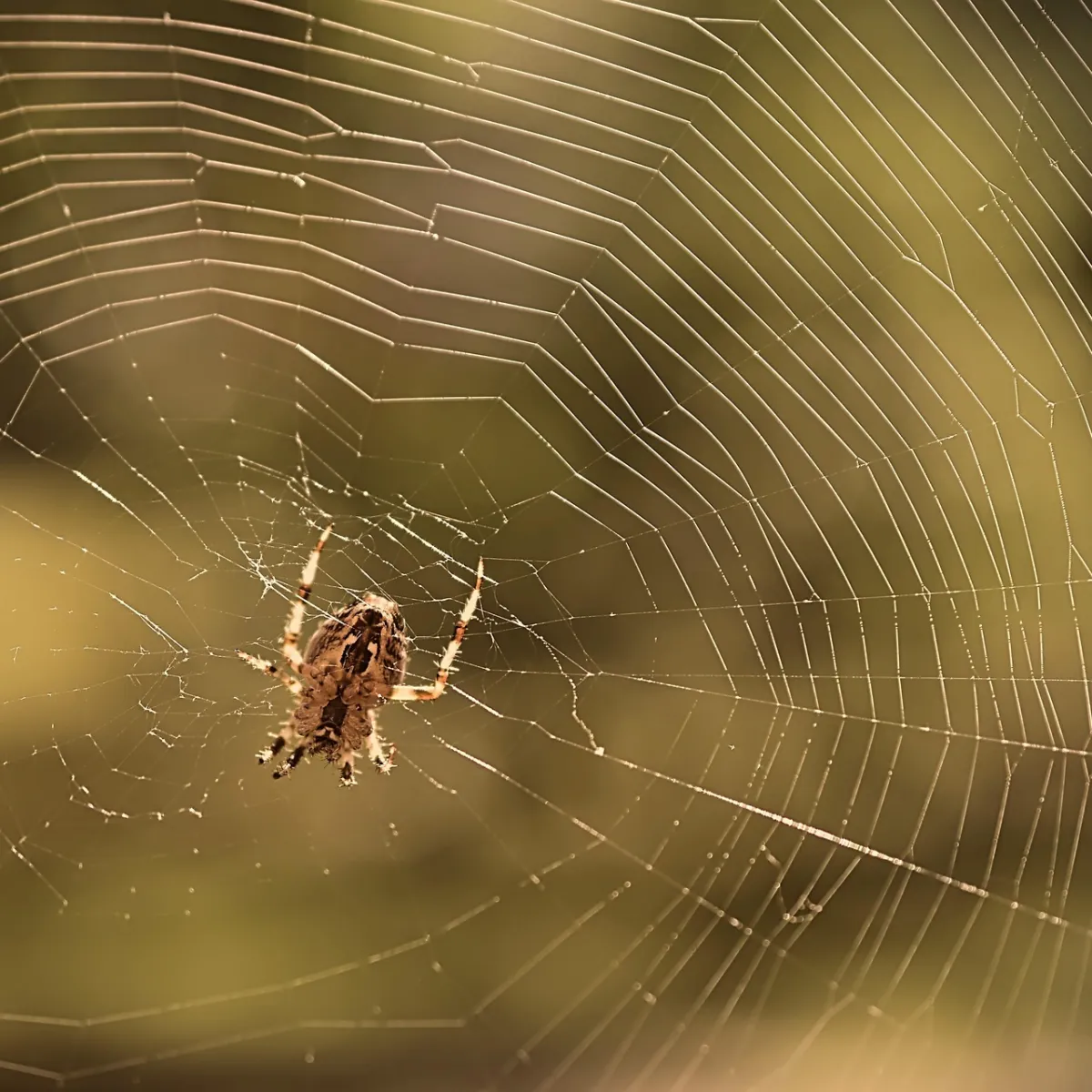
The places driving the issue are often hidden just beyond where the web is visible
Fairway Lawns’ Oak Ridge page describes local properties as dealing with hills, clay soil, wooded shade, rain, pests, and mature trees. Those same conditions can help create sheltered perimeter edges, damp insect-heavy zones, and quieter spaces near the home where spiders can stay active. Once garages, closets, attic edges, and outdoor-use areas all become favorable at once, the same issue usually keeps repeating.
That is why removing one web or spraying one corner rarely solves the larger problem. A spider seen near a hallway may be linked to garage storage, perimeter shade, or a structural gap nearby. Webbing around a patio edge may point to stronger insect activity and hidden cover rather than a single isolated spot. Professional spider control matters because the issue usually involves where spiders are feeding, where they are hiding, and how those two patterns overlap across the property.
A better outcome usually comes from a full response instead of repeated one-spot reactions.
We begin by identifying likely species, repeat web locations, nesting areas, entry points, insect-heavy zones, and moisture-related conditions that may be helping the problem continue.
Treatment is then focused on the parts of the property doing the most to support the issue. That may include targeted applications, perimeter spraying, web removal, egg sac removal, crack-and-crevice treatments, residual materials, and interior spot work where needed.
Long-term control often depends on reducing what made the property attractive. That can include sealing entry points, reducing vegetation pressure, improving moisture management, and building maintenance recommendations around the home.
Recurring inspections, seasonal service plans, and retreatment where necessary can help keep the same pattern from rebuilding after the first round of improvement.
Oak Ridge homes often give spiders a mix of indoor refuge and outdoor shelter to work with.
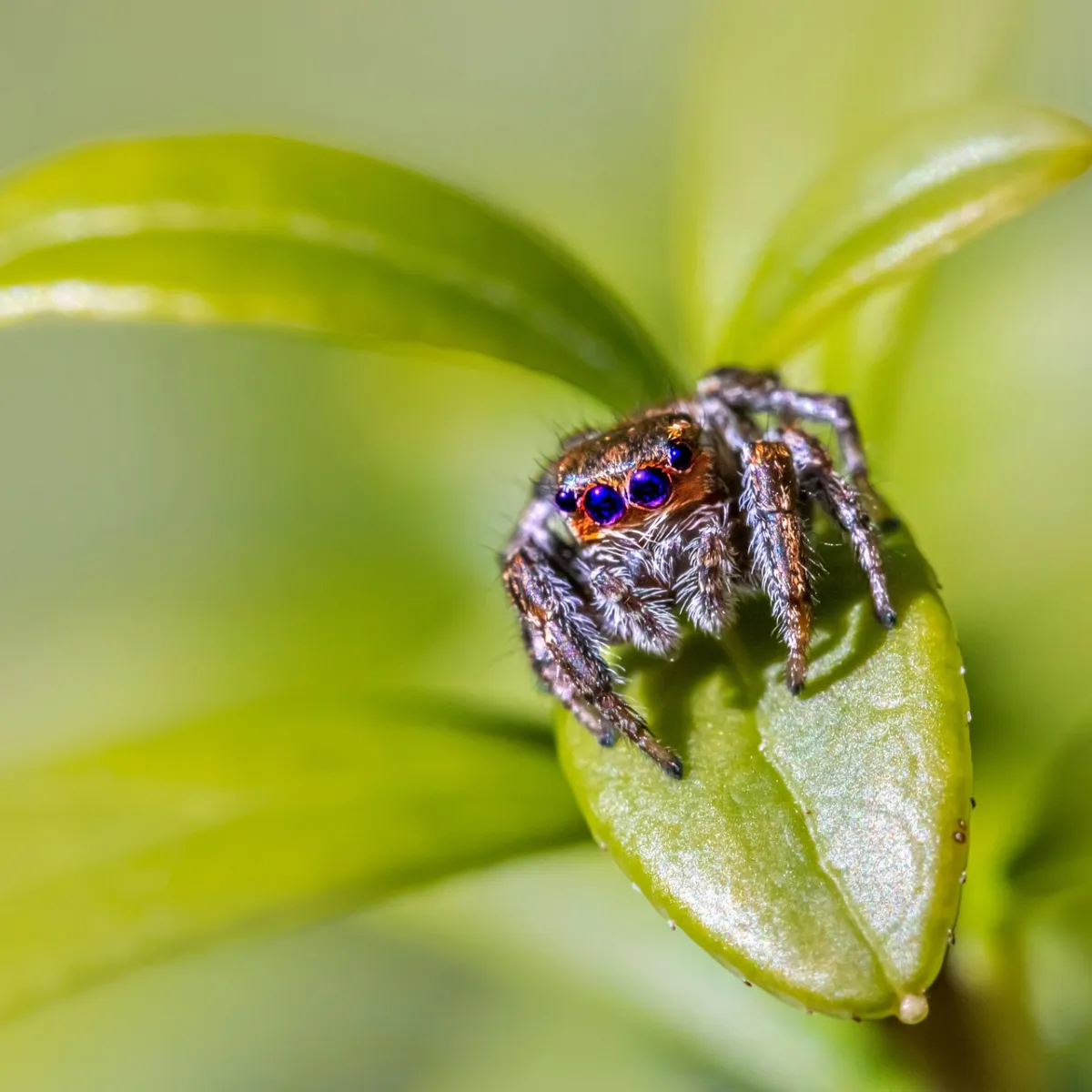
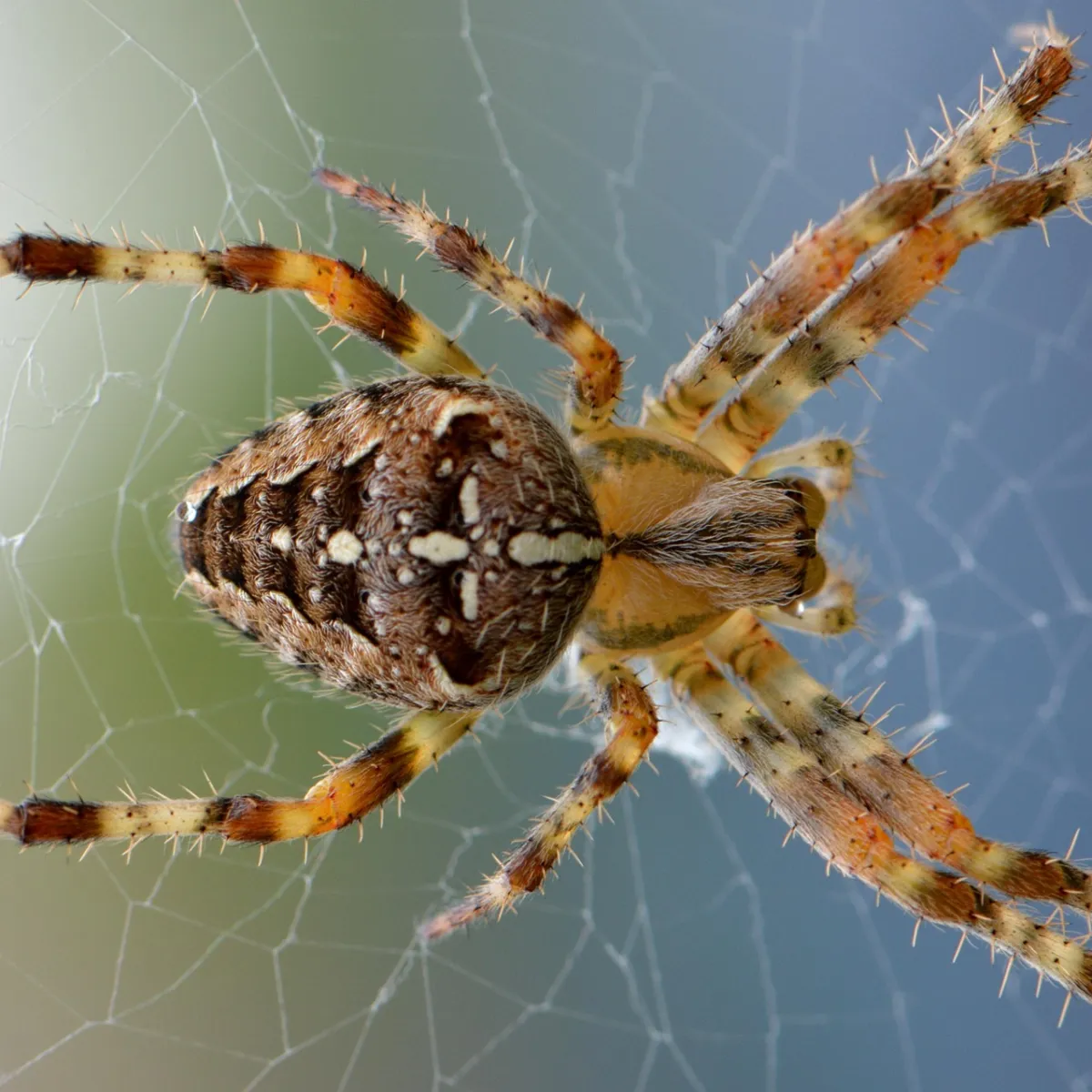
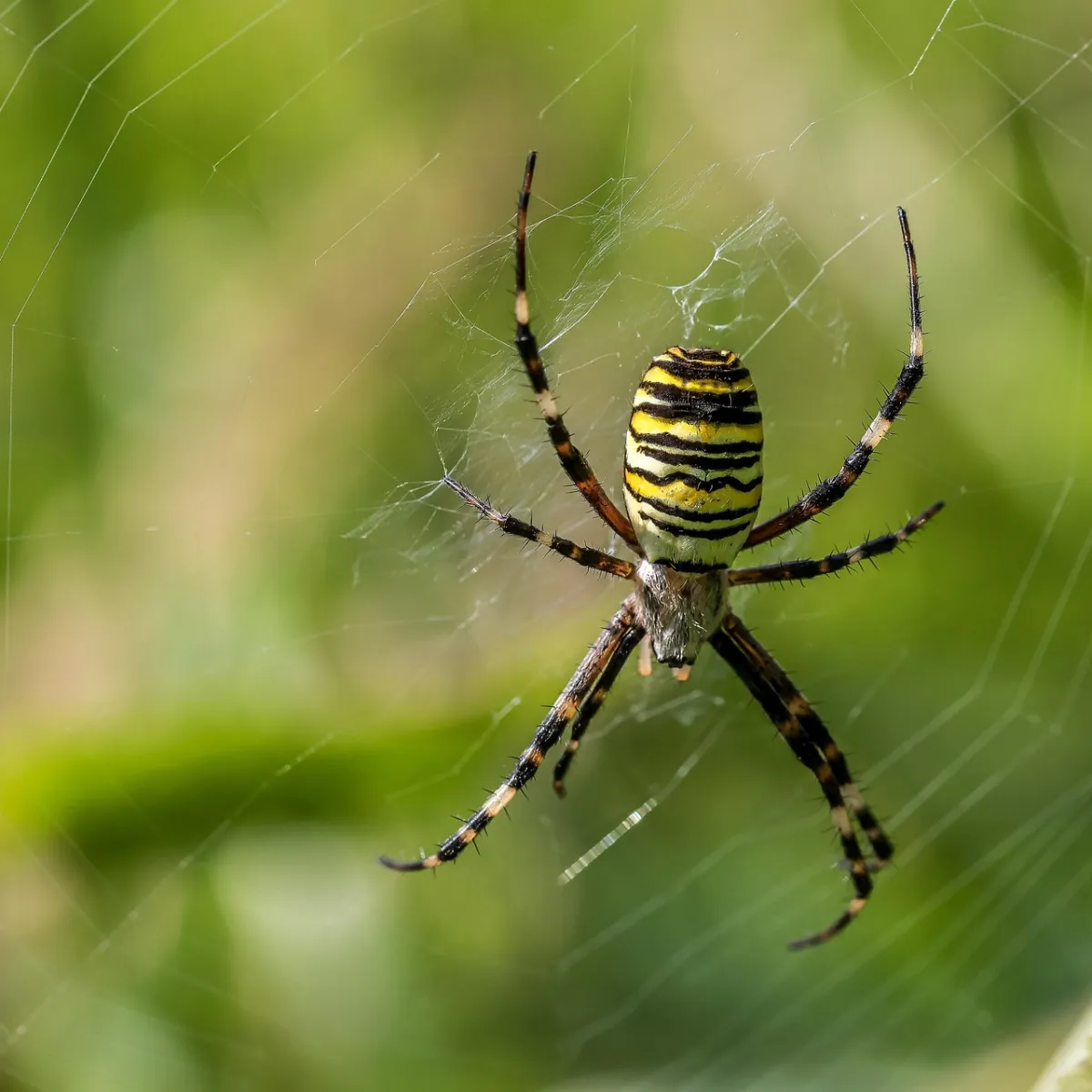
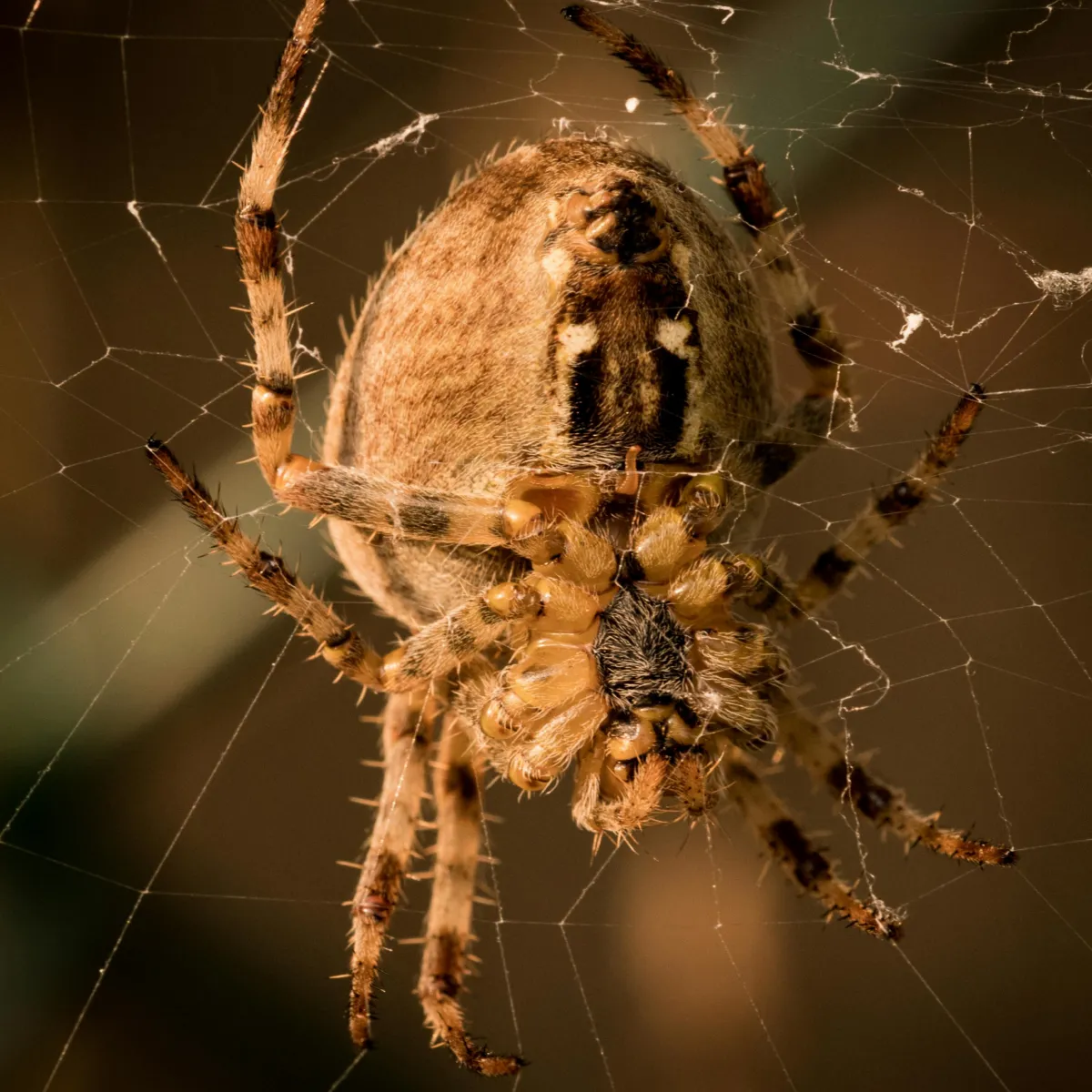
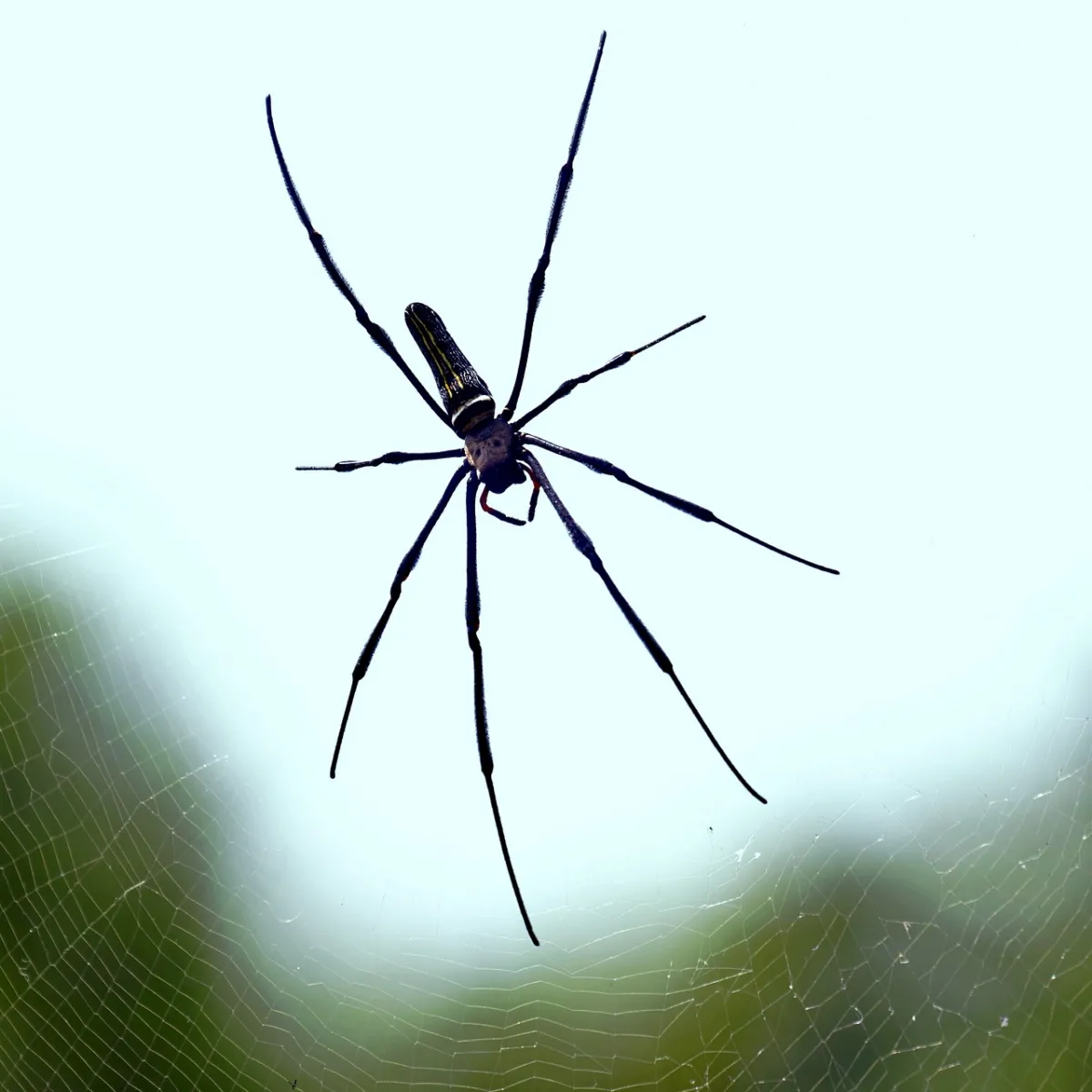
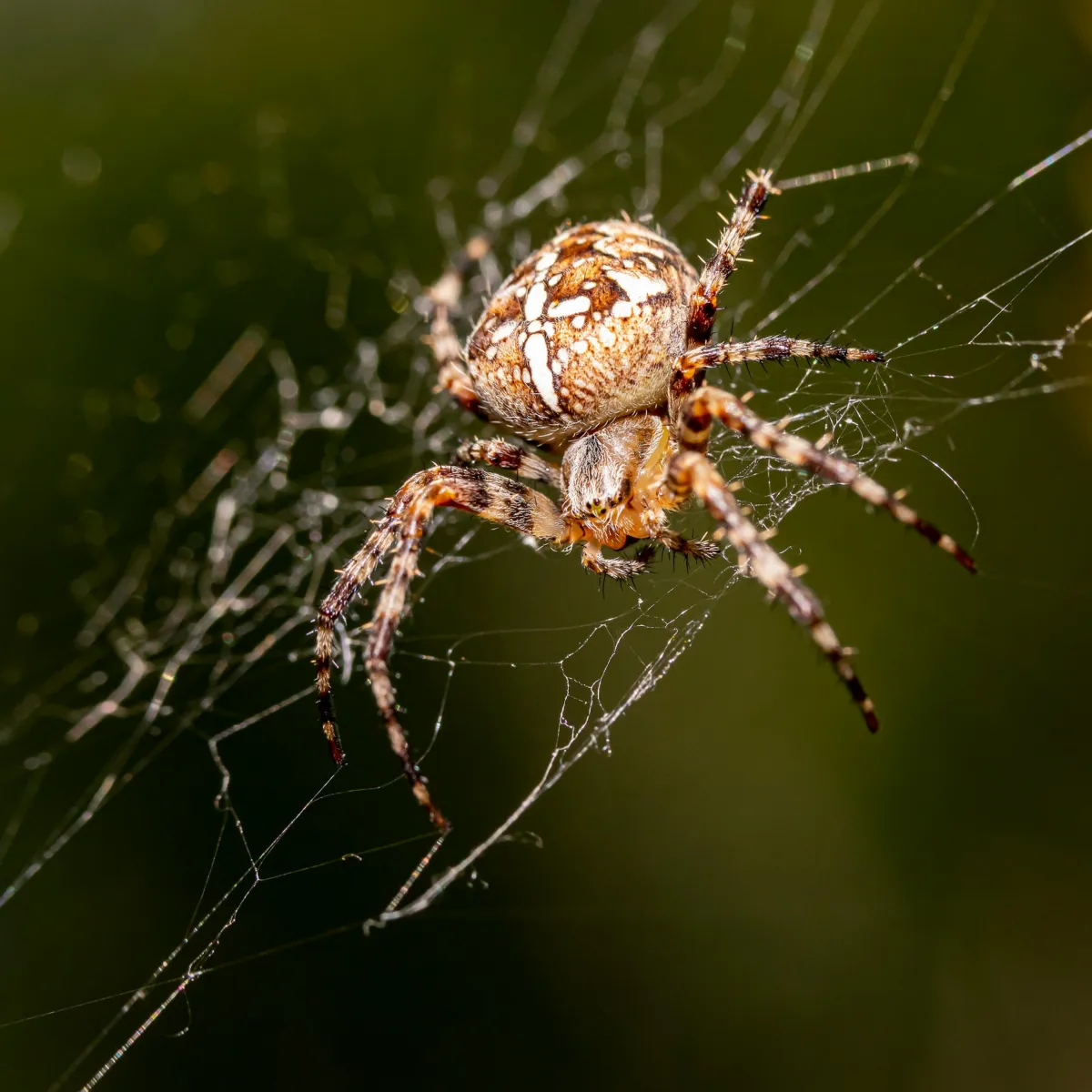
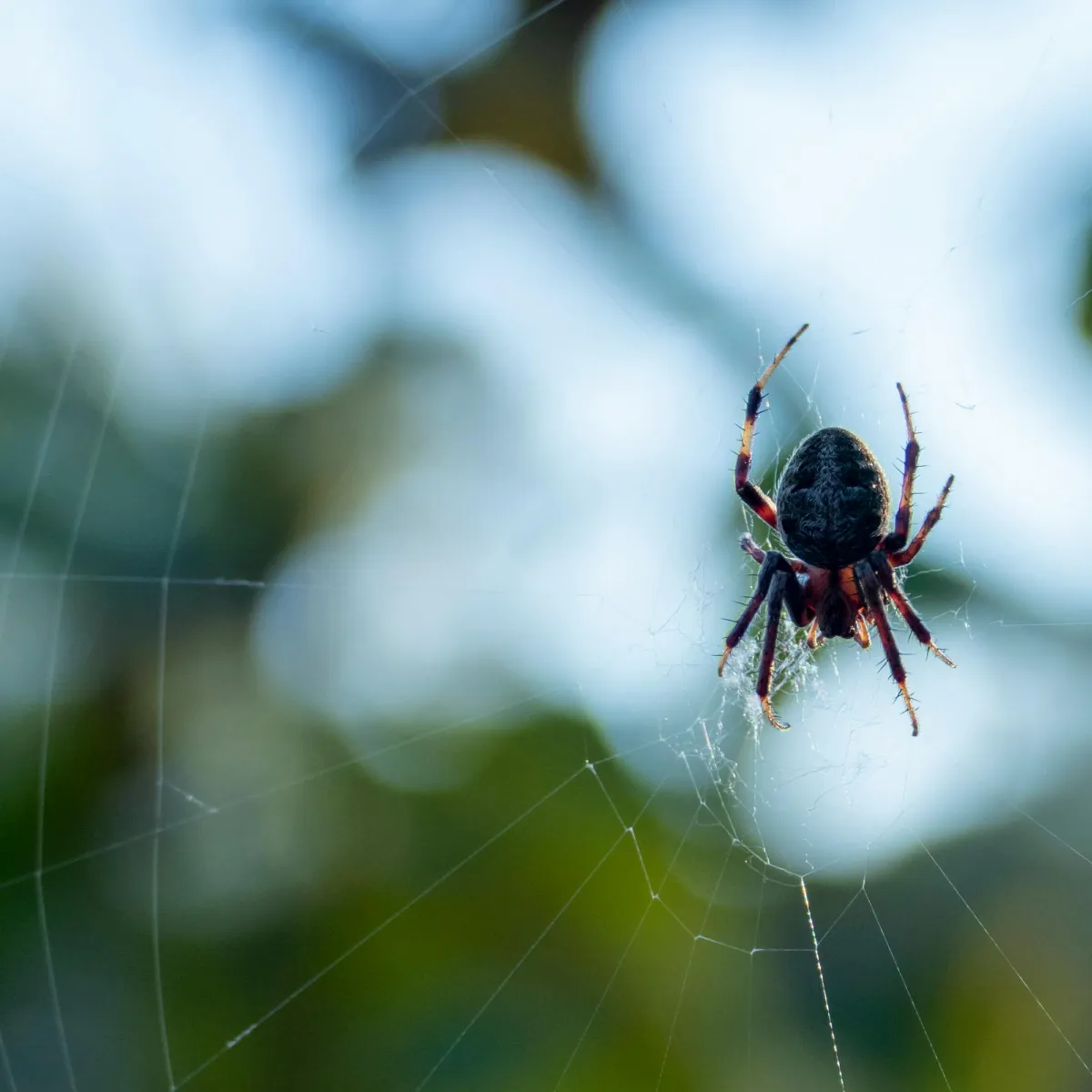
On East Tennessee properties like Oak Ridge, homeowners may encounter wolf spiders in garages and lower rooms, house spiders in corners and closets, cellar spiders in cool sheltered areas, orb weavers around exterior structures, garden spiders in taller vegetation, and black widows in darker protected low-traffic spaces. The issue is not just which spider shows up, but how many different shelter types the home is offering at once.
Black widows deserve the most caution because they often remain in crawl spaces, sheds, stacked materials, storage corners, and furniture undersides where homeowners do not check often. On wooded and shade-heavy properties, those kinds of hiding areas can be more common than people expect.
Spider infestations usually become obvious because the same signs begin stacking up.
The first major sign is recurring webbing in familiar places. The second is when spiders begin turning up in multiple rooms instead of one isolated corner. If webbing around porches, eaves, or garage sections starts overlapping with indoor sightings in closets, attics, or utility areas, the property is usually supporting a broader infestation pattern.
Other signs may include egg sacs attached to hidden surfaces, dead insects in webs, shed exoskeletons in quiet spaces, and spider activity that persists even after homeowners try DIY treatments. That combination usually means the visible signs are only part of the problem.
Spiders enter homes because the structure gives them dependable shelter and dependable prey access.
According to the template, spiders enter homes while searching for food, seeking warmth, responding to moisture, laying eggs, following insect populations, and reacting to weather changes. Oak Ridge’s mix of rain, shade, mature trees, and clay soil creates the kind of environment where insect activity and sheltered perimeter pressure can stay strong around the home.
Once spiders stay near the structure, very small entry points can be enough. Gaps under doors, screen damage, vents, utility penetrations, and foundation cracks all create ways into garages, attics, closets, and crawl spaces. Those routes help turn perimeter pressure into indoor sightings.
Spider shelter usually becomes strongest where the home stays quiet and protected the longest.
Spiders commonly hide in basements, crawl spaces, garages, attics, closets, window corners, under furniture, sheds, wood piles, decks, roof eaves, dense vegetation, and foundation cracks. Properties with shade, mature trees, and multiple storage zones often provide more of those shelter types than homeowners realize.
On an Oak Ridge property, that often means the outside and inside are working together. Webbing near shrubs or porch edges may connect directly to activity in garages, attic corners, and closet floors. That overlap is one of the biggest reasons spider issues can feel so repetitive.
Spider pressure in the Knoxville region changes seasonally instead of staying the same all year.
Spring often brings breeding and increased outdoor web activity as insect populations rise. Summer is usually peak season because food sources are abundant and outdoor conditions are favorable. Fall is when many homeowners notice more indoor sightings as spiders move toward steadier shelter, and winter often leaves activity lingering in basements, attics, garages, and other protected areas.
On wooded and shade-heavy Oak Ridge properties, those seasonal shifts can feel even more pronounced, especially where moisture and mature tree cover keep parts of the property favorable for longer stretches.
A quick spray may change what you see without changing what is feeding the issue.
The template makes clear why DIY falls short: visible spiders may die, but egg sacs survive, inaccessible harborage remains, and the insects attracting spiders are usually untouched. That is why the same activity often returns after what looked like progress.
Professional service is wider and more deliberate. Residual treatments, integrated pest management, preventative barriers, and ongoing monitoring all work toward reducing future pressure rather than only clearing today’s visible signs.
The property can either keep feeding spider activity or help treatment hold longer.
Spider prevention includes sealing gaps, replacing screens, reducing clutter, removing wood piles, trimming vegetation, vacuuming regularly, removing webs quickly, reducing insect-heavy lighting, and managing moisture. On Oak Ridge properties with wooded shade, clay soil, and mature landscape cover, those steps can make a meaningful difference when paired with treatment.
Those changes are not a substitute for treatment when an infestation is already recurring, but they are often part of what helps keep the same corners, garage edges, and porch sections from becoming active again.
Treatment should fit a real household, not force the household to stop working.
The template calls for licensed technicians, state-certified applicators, family-safe applications, pet-conscious treatments, and eco-friendly options where applicable. A targeted plan keeps the work centered on the areas where spider activity is strongest, which is usually more practical than broad unnecessary treatment across the entire property.
That matters on homes where garages, patios, storage areas, and everyday family-use spaces all need to keep functioning while the issue is being addressed.
Local knowledge matters when the same conditions keep producing the same kind of pest pressure.
Fairway Lawns has a live Knoxville location page and a live Oak Ridge page, and both pages present local lawn, pest, and tree services designed around East Tennessee conditions. The Knoxville page also lists Oak Ridge among the areas served.
That local fit matters because recurring spider pressure is usually tied to specific property conditions. The wooded shade, rain, clay soil, hills, and mature landscaping described on Fairway Lawns’ Oak Ridge page are exactly the kinds of factors that can keep spider issues active if the whole pattern is not addressed.
These are some of the questions Oak Ridge homeowners ask once spider activity starts feeling routine.
When the same patio edges, garage sections, closets, and quiet rooms keep showing spider activity, the issue is usually bigger than the latest web you noticed. Fairway Lawns can help you approach the problem in Oak Ridge with a broader plan built around how the property is actually supporting it. That kind of approach is often what turns repeat frustration into more stable control.