Get your lawn back on track with 50% OFF first application!* 50% OFF First Application!* Call Now

Tick Control in Powell, TN

In Powell, a yard can look perfectly normal and still have the kind of conditions ticks like most. It usually is not the middle of the lawn that causes trouble. It is the strip along the fence that stays shaded half the day, the back corner where leaves collect after a storm, the area behind the shrubs that never quite dries out, or the line where the yard meets a little patch of rougher growth. Those places are easy to ignore because they do not stand out, but they are often where the problem starts.

Fairway Lawns provides tick control in Powell, TN for homeowners who want to deal with the issue where it begins, not just where it finally gets noticed. The service is built around how a yard really behaves from week to week. That means paying attention to moisture, cover, shade, and the spaces pets and people use all the time. When those hidden trouble spots are treated the right way, the rest of the yard becomes easier to enjoy again instead of feeling like something you need to think twice about.
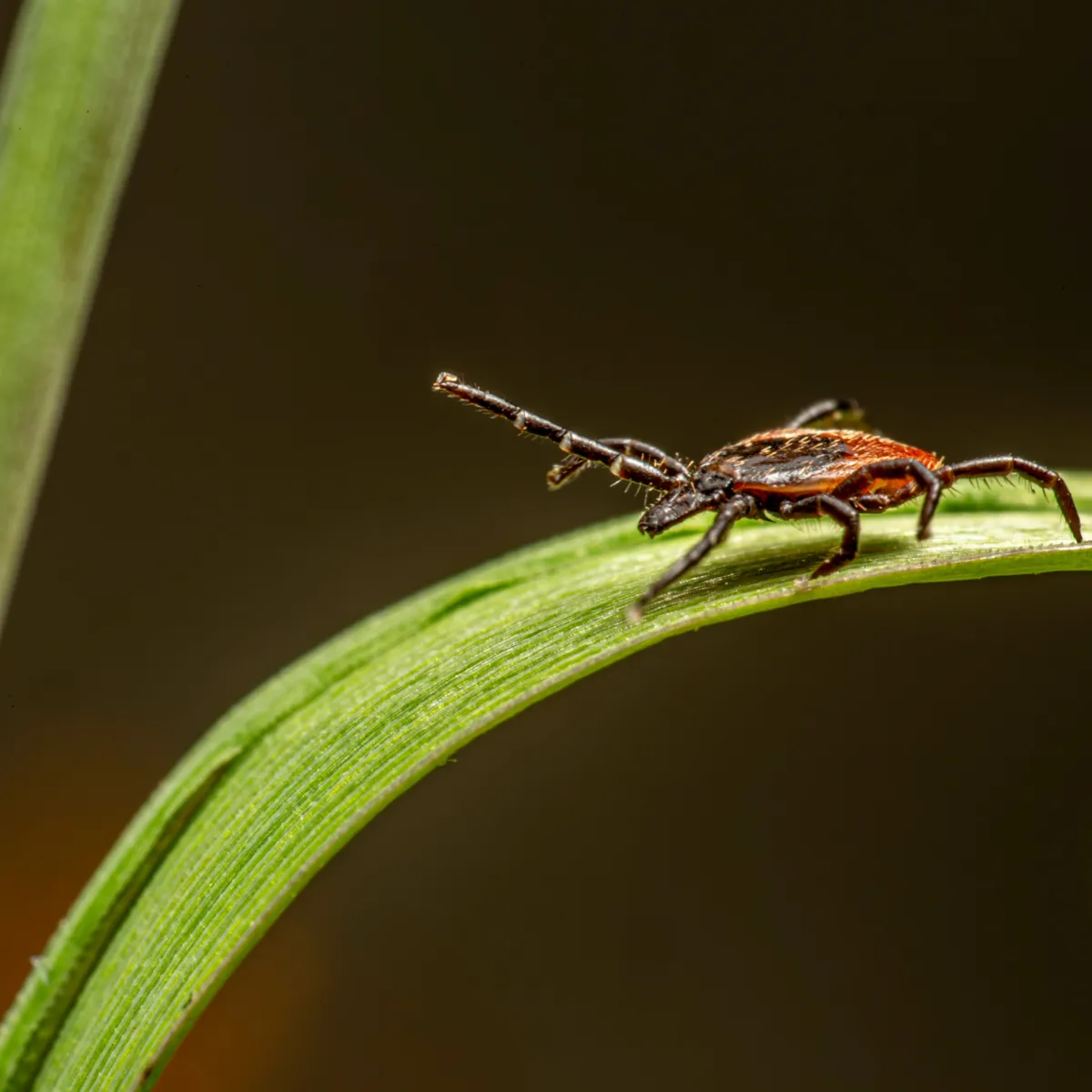
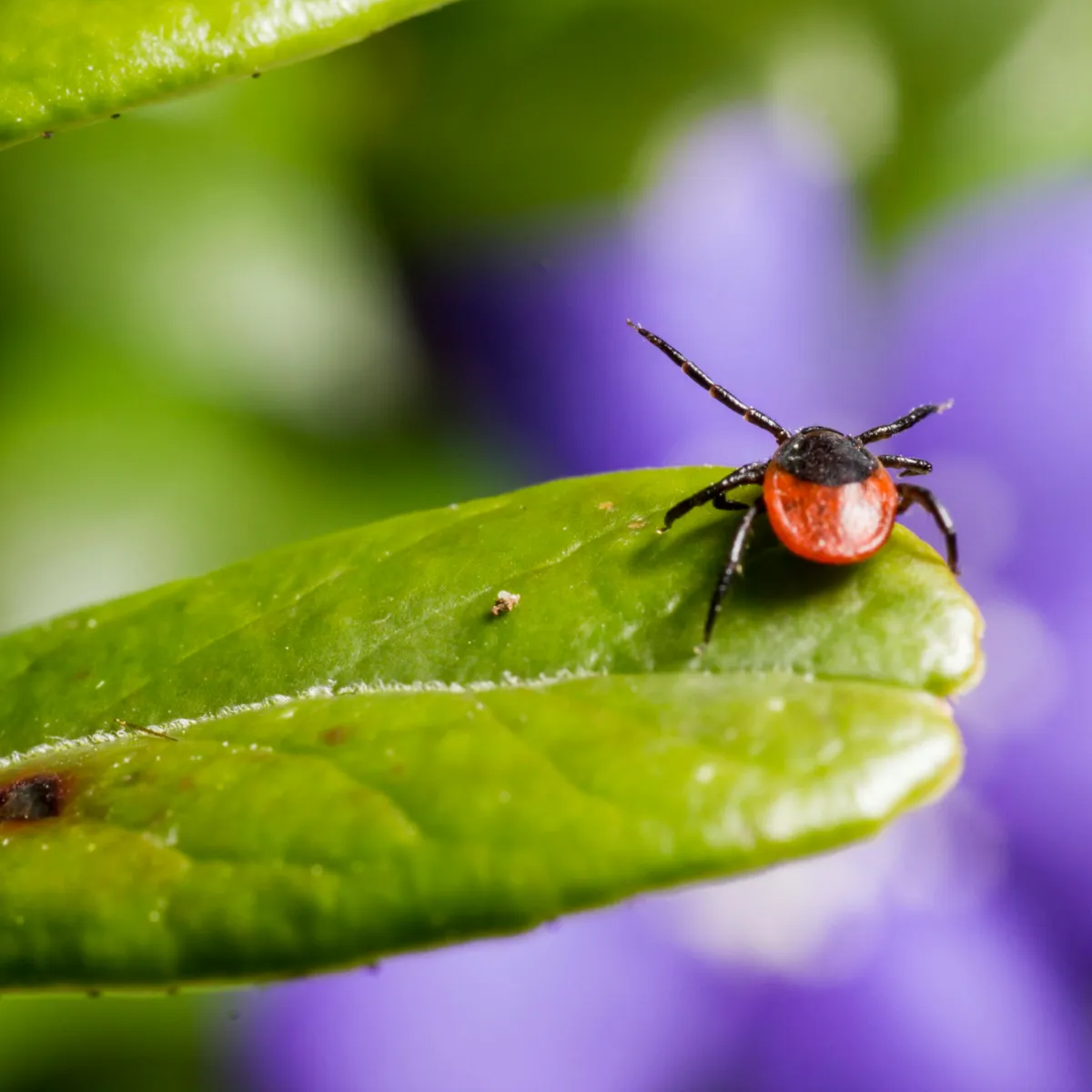
Professional Tick Control Services in Powell, TN

Most properties in Powell have a pattern to them. There are the areas that get sun and stay open, and then there are the places that hold onto cooler temperatures, thicker growth, and ground moisture longer than the rest of the yard. Tick activity usually follows that second group. One house may have a side yard that stays boxed in and damp. Another may have deeper landscaping around the back patio. Another may have a fence line near a tree line where grass, weeds, and leaf litter all meet. Those are the sections that tend to keep the issue going.

That is why we do not treat a property like one flat, uniform space. We look at where the yard is really supporting activity and where the household is most likely to run into it. Lawns, patios, dog runs, walkways, garden borders, play areas, and the rougher edges around the property all matter, but not in the same way. Some parts of the yard need attention because they are being used. Other parts need attention because they are feeding the problem. Good service takes both into account.

Our Tick Control Process

Inspect the Property

We start by looking at how the yard actually functions. Shade, moisture, plant density, pet traffic, and the way the ground dries after rain all tell us where activity is most likely to hold. A good inspection gives us a real picture of the property instead of relying on assumptions.

Treat Tick-Prone Areas

Once the likely trouble spots are identified, treatment is applied where ticks are most likely to stay active. That includes shaded borders, fence lines, landscaped edges, lower damp sections, and the transition areas that tend to get overlooked during normal yard maintenance.

Create a Protective Barrier

After the main problem areas are treated, attention shifts to the parts of the yard people use most. That includes lawns, patios, walkways, pet spaces, and other everyday outdoor areas. The point here is to help reduce movement from hidden spots into the spaces that matter most.

Continue Protection

Because yard conditions change with weather, growth, and season, one visit does not always tell the whole story. Continued service helps keep activity from settling back into the same places once conditions turn favorable again.

Why Tick Control Matters in Powell?

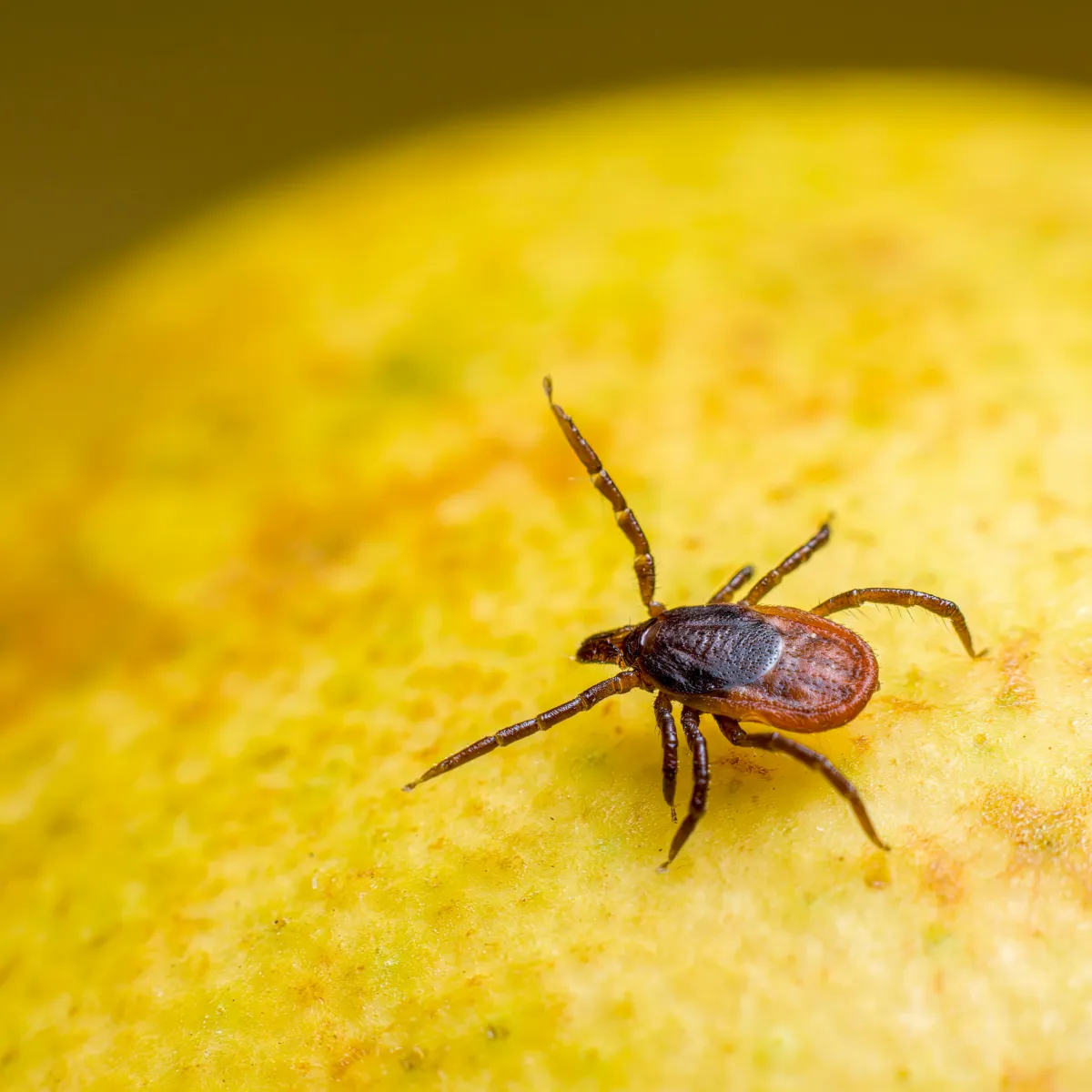
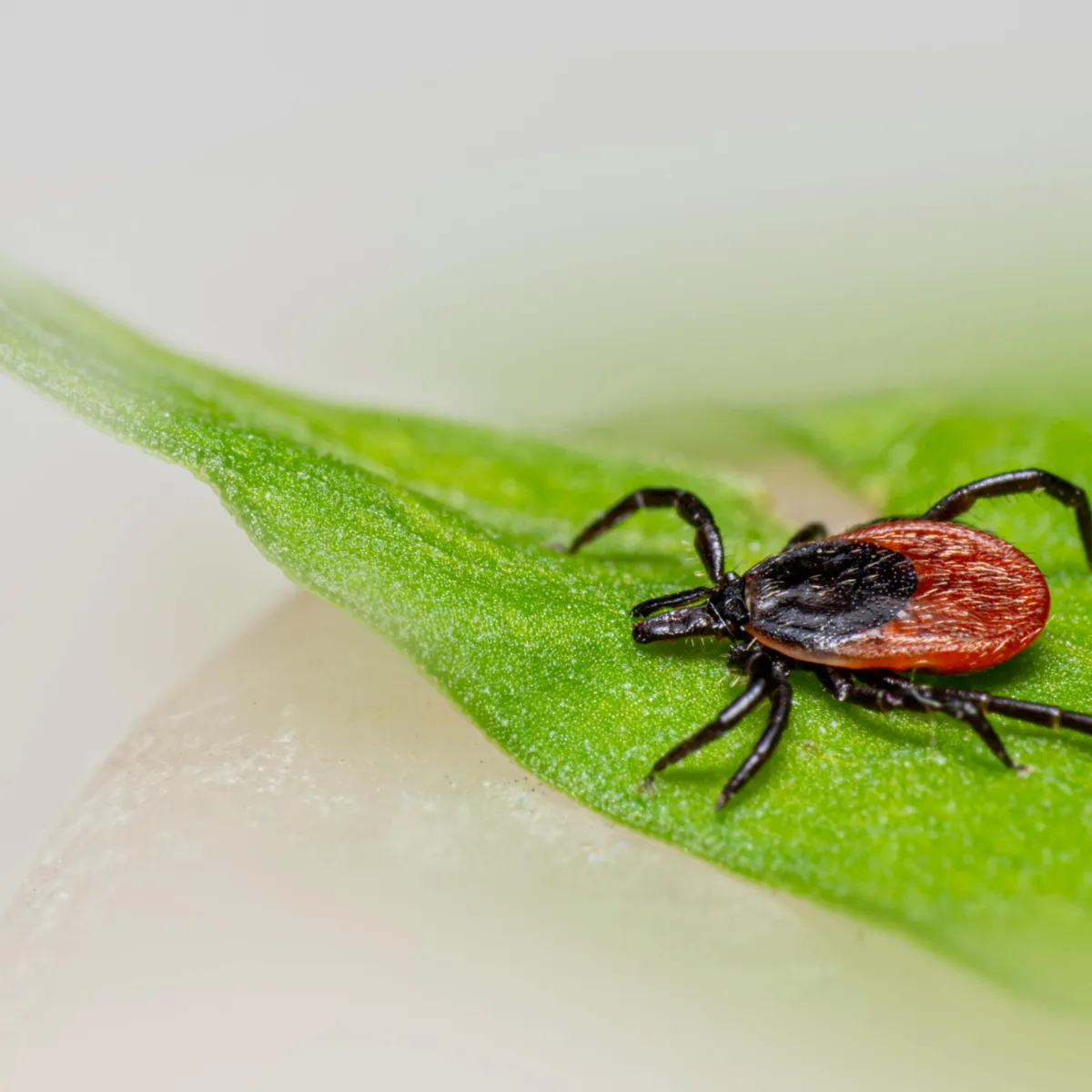
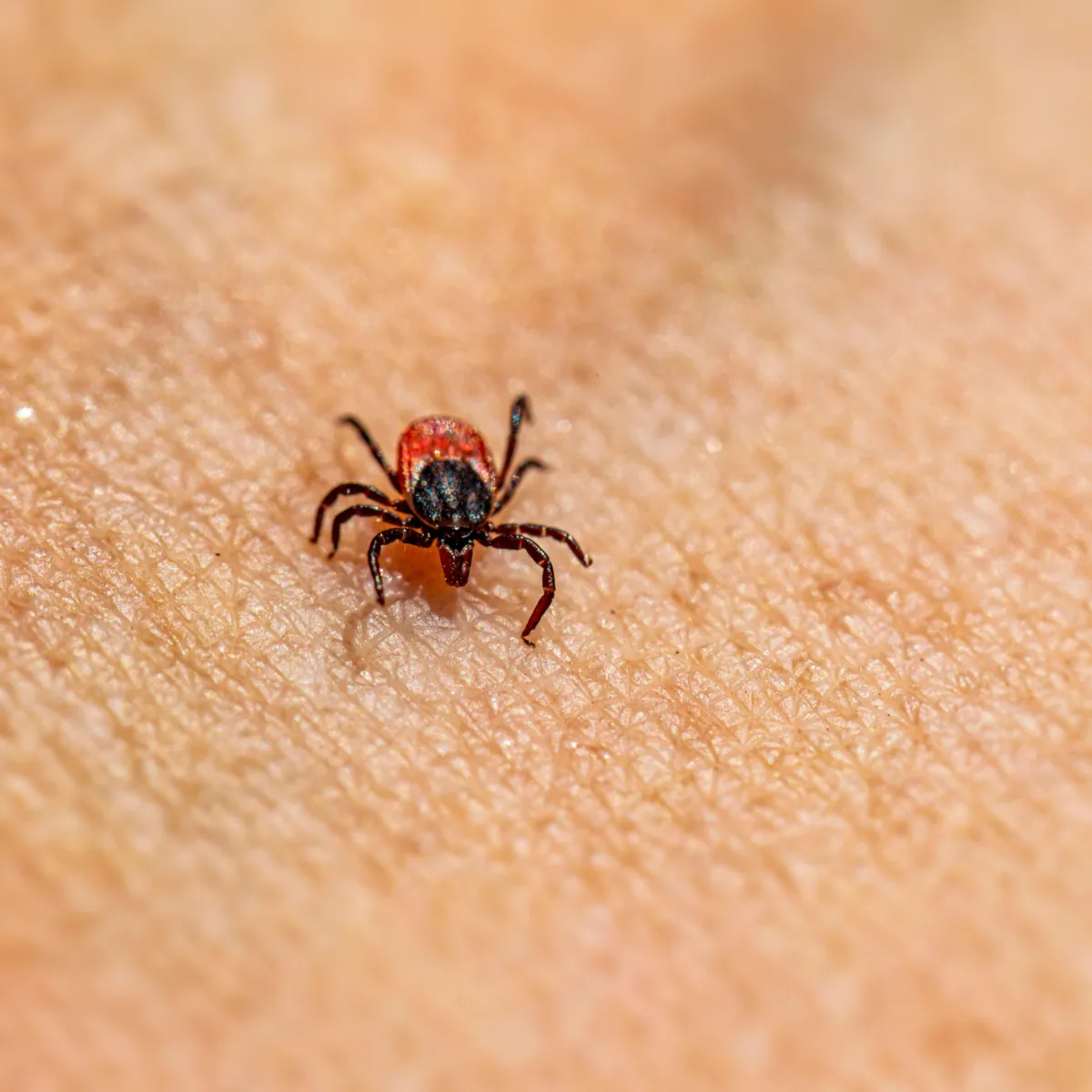
One of the frustrating things about ticks is that most people do not know they have a yard issue until it has already been there for a while. The first sign is often a pet coming back inside with one, or somebody noticing one after being out in the grass or around a flower bed. By then, the yard has usually been giving ticks what they need for longer than anyone realized. That is why the problem can feel sudden when it really is not.

Powell has enough warmth, enough humidity, and enough growing season to make this more than a one-week problem. A yard with steady shade, some thicker vegetation, and a little retained moisture can hold activity longer than most homeowners expect. You do not need a wild property for that to happen. A tidy yard can still have a few pockets that stay favorable from spring into fall. If those areas are left alone, they tend to keep producing the same issue over and over.

Where Ticks Hide Around Your Yard?

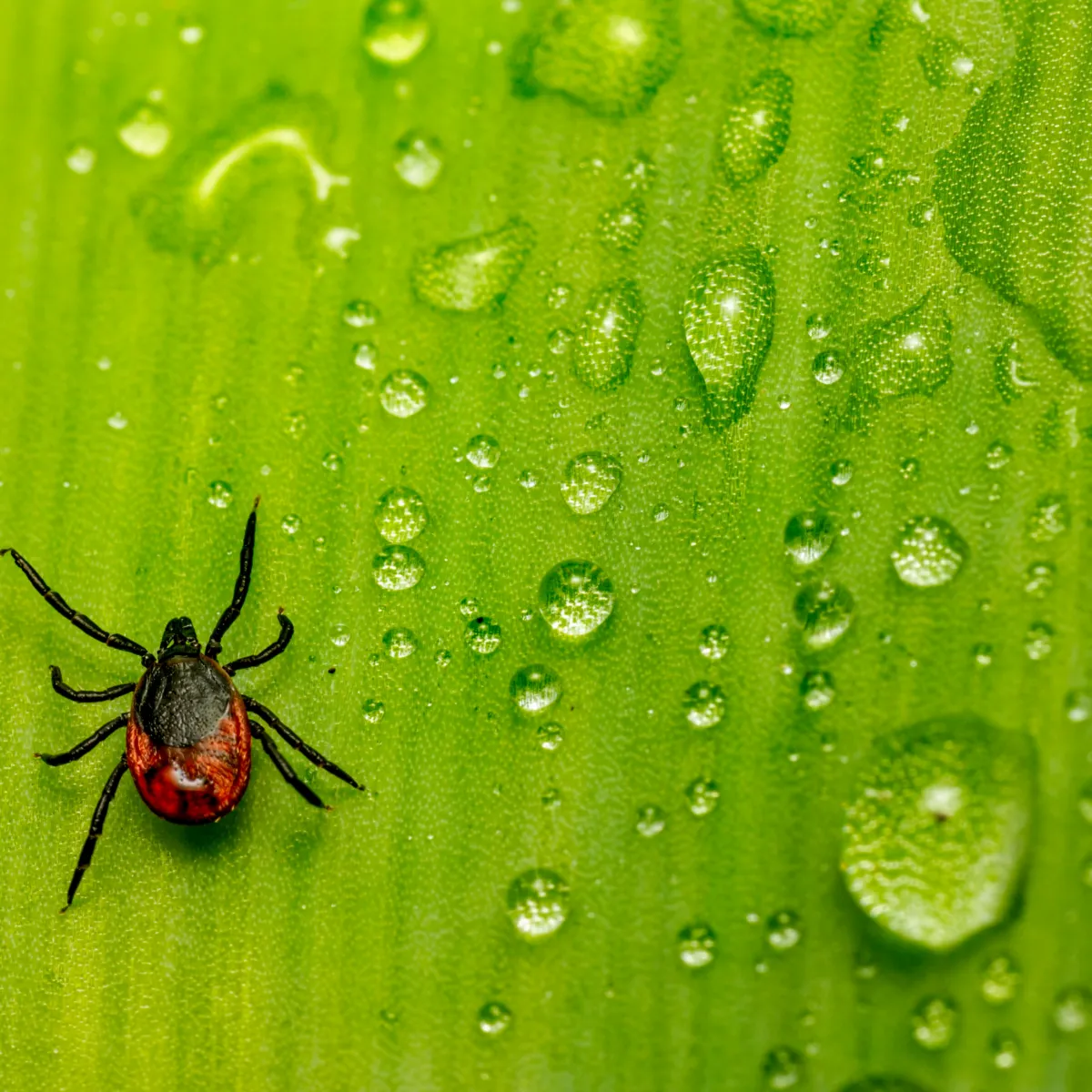
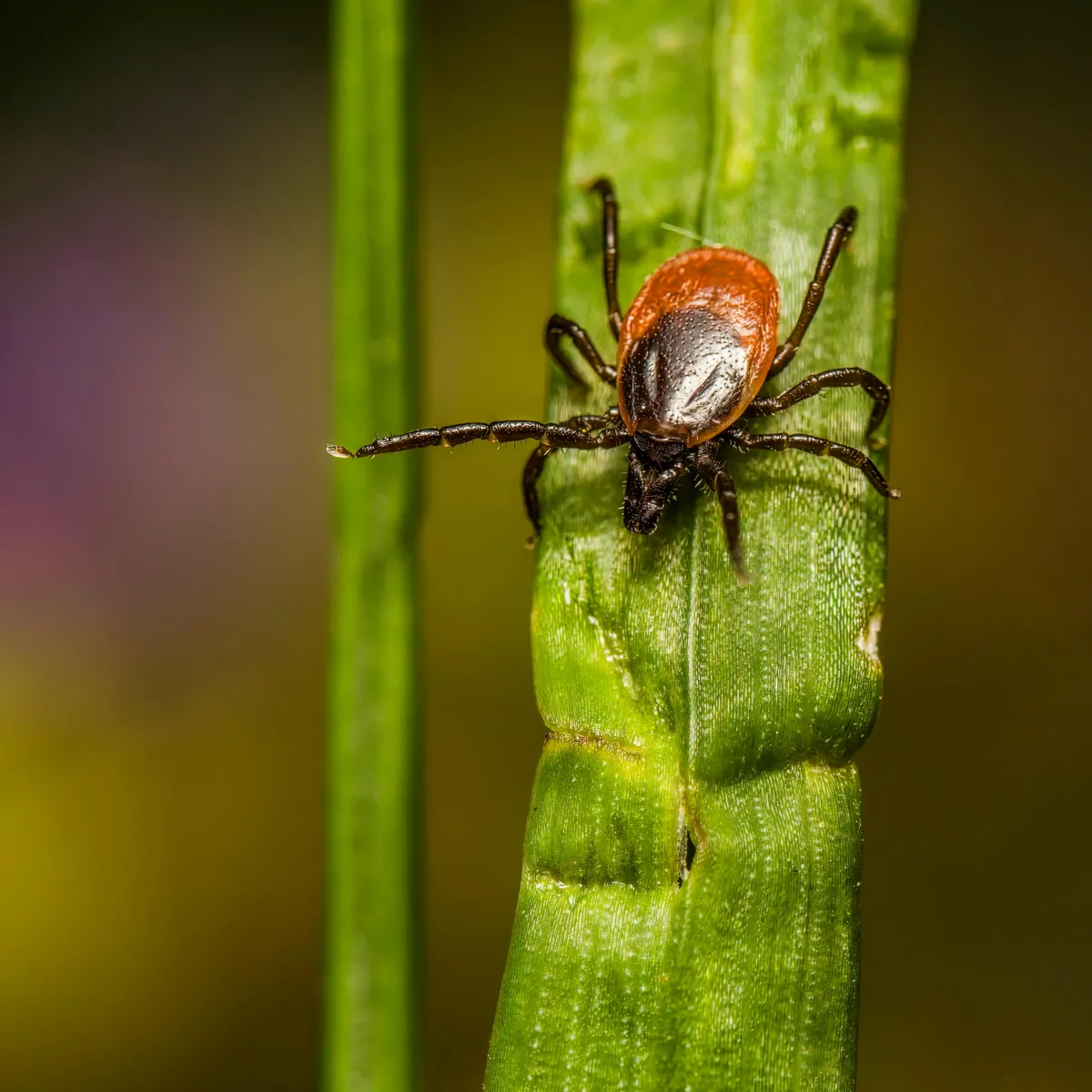
Ticks do best in low cover, not out in the open. That usually means the places where sunlight is limited and the ground stays protected. Around most homes, that includes tall grass that is harder to keep cut, mulch beds that hold moisture, shrubs that create heavy shade underneath, leaf buildup along the property edge, and any spot where organic debris sits longer than it should. These are the parts of the yard that can look harmless from a distance and still hold activity close to the ground.

Other common problem areas are easy to miss because they are part of the normal layout of the property. The space under a deck, the strip beside a shed, the back side of a fence, the outer edge of a play area, or the line where maintained grass turns into rougher growth can all become holding areas. If pets move through those spaces often, that only raises the odds of ticks being picked up and carried into more visible areas. In most yards, the issue is less about one obvious hiding place and more about several small spots working together.

Tick Prevention for Families and Pets

Most homeowners start thinking seriously about tick control when the yard stops feeling simple to use. That usually happens because of pets first. Dogs do not avoid fence lines, brushy edges, or the cooler side of the house where shade hangs around longer. They move through those areas naturally, which makes them more likely to pick up ticks before anyone realizes there is a problem. Children are not much different. They play in the lawn, cut through the same edges, and use the same parts of the yard without knowing what might be sitting close to the ground nearby.

That is why treatment needs to protect the spaces people actually care about. A yard is not just grass. It is the route from the back door to the patio, the place where the dog circles the fence, the area around the swing set, the edge of the garden, the place where chairs sit in the evening. When activity is reduced in and around those spaces, the whole yard becomes more usable. The point is not just fewer ticks on paper. It is being able to use the property more normally again.

Seasonal Tick Control in Powell

Tick activity in Powell does not stay the same from one month to the next, and the yard does not behave the same way year-round either. That is why season matters. In spring, conditions shift fast. Grass starts growing harder, ornamental beds fill in, rainfall softens the ground, and shaded areas begin holding more moisture than they did in winter. A yard that felt open a few weeks earlier can suddenly have several places that are much more favorable than they were before. Spring is often when those hidden sections start becoming active again.

Summer changes the yard in a different way. Open grass may dry out, but that does not mean the whole property does. The thicker edge along the fence, the planting bed by the foundation, the shady side yard, and the area under mature trees can all stay cooler and more protected. In many yards, summer is when the difference between sunny and shaded ground becomes more obvious. That matters because ticks do not need the whole property to stay favorable. They only need a few dependable areas to keep activity going.

Fall can fool people because the worst heat starts to back off, but that does not always mean the yard is no longer supportive. Leaves begin to drop, cover builds up again, and moisture can stay trapped in lower or protected sections for longer than homeowners expect. In many yards, fall is less about brand-new activity and more about the same problem areas continuing to hold on because the conditions never really disappeared.

Rain matters in every season. A single wet period can change the feel of a yard for days. Open lawn may bounce back quickly, but a shaded fence line or a low back corner may stay damp much longer. That is one reason some properties have the same repeat trouble spots after storms or heavy moisture. The issue is not just the rain itself. It is how long certain sections keep holding onto it.

Why Choose Fairway Lawns for Tick Control in Powell?

Good tick control is less about broad coverage and more about knowing where the yard is actually creating the issue. Most properties do not have activity everywhere. They have a few sections that keep doing the same thing again and again. When those places are identified correctly, the work becomes more effective because it is aimed at the part of the yard that is feeding the rest of the problem.

Fairway Lawns brings trained technicians, licensed service, and a practical approach built around real property conditions. Homeowners are not looking for a confusing explanation or a generic treatment pattern. They want someone to look at the yard, understand where the problem is coming from, and deal with it in a way that makes sense for how the space is actually used. That is what the service is built to do.

Tick Prevention Tips

There are a few basic things homeowners can do that help, especially between treatments. Grass that stays trimmed is less likely to hold the kind of low cover ticks prefer. Leaf piles and yard debris should not be left sitting longer than necessary, especially along property edges or shaded sections. Heavy brush and overgrown fence lines also deserve attention because they often create the sort of quiet, protected space that keeps activity going.

It also helps to pay attention to how the yard is arranged. Pet areas should be kept as clean and open as possible. Dense shrubs around heavily used spaces can be cut back. Areas that stay damp after rain should not be ignored just because they are not part of the main lawn. These steps do not replace treatment, but they do make the property less comfortable for ticks and help keep the same problem spots from getting worse.

One-Time Tick Treatments

A one-time treatment makes sense when there is a specific area causing immediate concern. Maybe activity has shown up along one fence line, around a dog path, or near a patio where people are spending time. In those situations, a focused visit can help knock activity back and give the homeowner relief in the area that is causing the most frustration.

For some properties, that is enough. For others, it ends up being the first step in a larger plan because the yard has conditions that keep supporting activity after the initial treatment is finished. Either way, a one-time visit can be useful when the problem is localized or when a homeowner wants to address a specific section before deciding on ongoing service.

Recurring Tick Control

Recurring service is often the better option when the yard has the kind of conditions that keep producing the same issue. Shade, moisture, thicker growth, and property edges do not usually change much on their own. If those features stay in place, activity can come back even after the yard looks better for a while.

That is where recurring treatment helps. Instead of waiting for the same sections to become active again, service stays ahead of those changes as the season moves along. For many properties, that is the difference between temporary relief and real control.

Tick Control Near Powell / Areas Served

Fairway Lawns provides tick control in Powell and nearby Knoxville-area communities with similar yard conditions, including properties with tree cover, dense landscaping, shaded borders, and changing seasonal moisture. Homes in these areas often deal with the same kind of hidden problem spots, even when the properties themselves look different from the street.

Tick Control FAQs

Get a Quote for Tick Control in Powell

If ticks keep showing up in the yard, Fairway Lawns can help track down where the activity is starting and treat those areas directly. Contact us today to request a quote for tick control in Powell, TN.