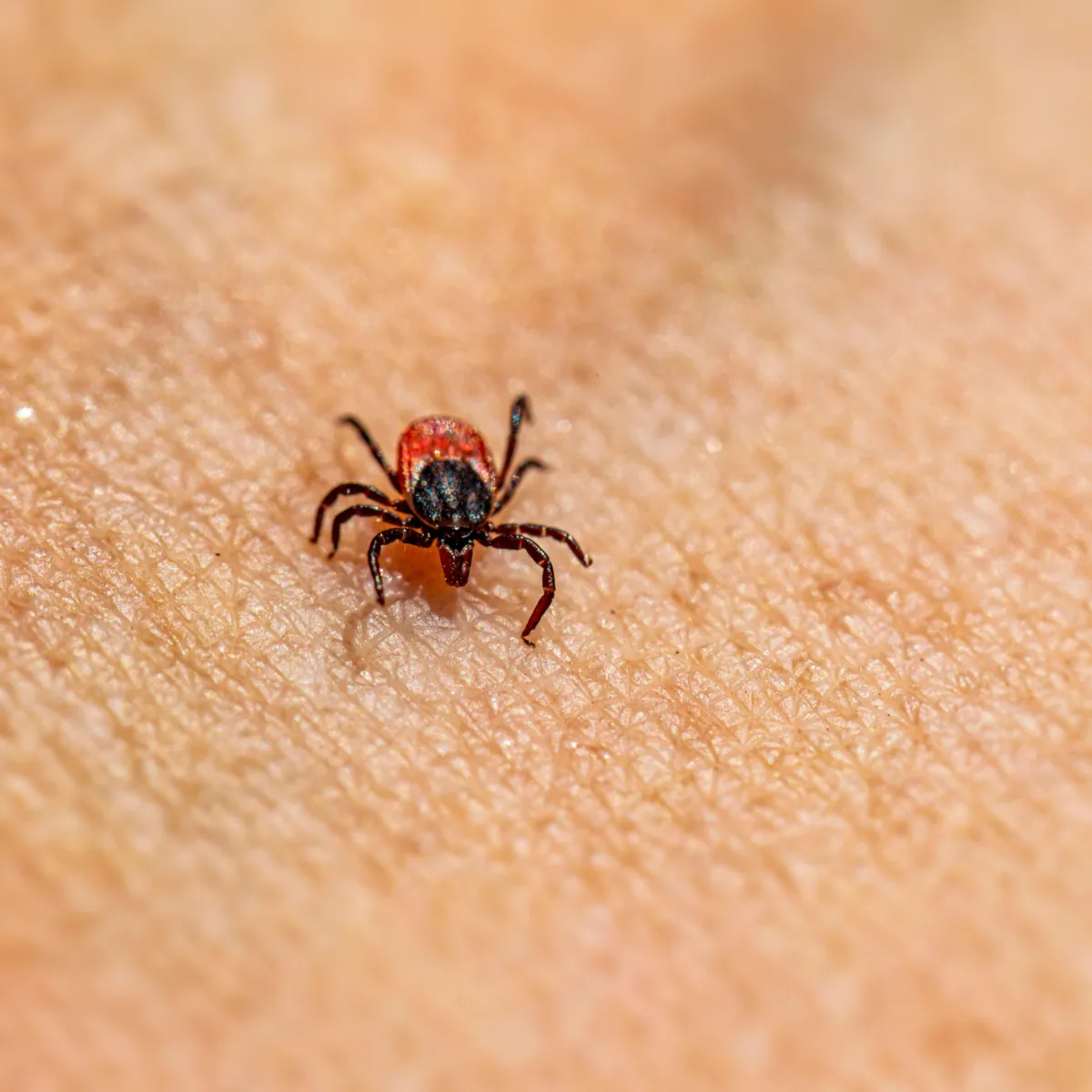
What makes a yard feel unreliable is usually not the open grass everyone notices first, but the hidden pockets that stay favorable longer than the rest.
A property in Rockford can look tidy, freshly mowed, and completely under control while still giving ticks exactly the kind of cover they need. The problem usually starts at the edges of daily use, not in the center of the lawn. It can be the narrow strip behind a row of shrubs, the side yard that keeps its shade most of the afternoon, or the patch near a fence where ground stays damp after the rest of the yard has already dried out. Those are the places that often go unnoticed until they start affecting the spaces people use every day.
Fairway Lawns provides tick control in Rockford, TN for homeowners who want to deal with those problem areas before they keep feeding activity back into the rest of the property. The work is based on how the yard actually behaves from week to week. That includes where the cover is thickest, where moisture lingers, where pets travel, and which parts of the property act like holding areas. When those sections are treated the right way, the whole yard becomes easier to use and easier to trust.

Most yards do not have uniform conditions. One section may get open sun and good airflow, while another stays protected by fencing, landscaping, or tree cover. In Rockford, those differences matter. A shaded bed line near the house, a back border that meets rough growth, or the outside edge of a pet run can all create a much better environment for ticks than the nearby turf. That is why treating the entire property as if every area behaves the same often misses the real source of the problem.
Our service begins by looking at where the yard is likely to hold activity and where activity is most likely to move from there. We focus on the parts of the property that support the problem, but we also pay close attention to the areas where homeowners spend time outdoors. That can include patios, walkways, lawns, garden edges, play spaces, dog routes, and the boundaries where maintained grass gives way to thicker vegetation. The aim is to reduce pressure at the source and cut down the chance of it creeping back toward the most-used sections of the yard.
The best way to get control is to move from the hidden source areas toward the spaces people actually rely on.
The first step is understanding the yard as it really functions. We look at shade, moisture, cover, layout, and traffic patterns. Some parts of the property dry fast and stay open. Others stay protected longer and do more of the work behind the problem. That difference shapes the plan.
Once the likely source zones are identified, treatment is applied where activity is most likely to hold. That can include fence edges, shaded strips, rough borders, thicker beds, and lower ground that stays damp longer than nearby lawn. These are the parts of the property most likely to keep the issue active.
After the main source sections are treated, attention shifts to the areas homeowners use most. Lawns, patios, walkways, pet spaces, and outdoor seating areas all matter because those are the places where hidden activity becomes a daily frustration.
A yard changes with rainfall, heat, growth, and seasonal cover. Continued protection helps keep those changes from turning the same trouble spots back into the same problem. That steady approach is often what helps improvement last.
The reason tick problems feel disruptive is that they usually show up after the yard has already been supporting them for a while.
Most homeowners do not catch a tick issue at the beginning. They discover it after a pet picks one up, after someone spends time near a bed edge, or after the same part of the yard starts causing concern more than once. By then, the property has often been supporting activity quietly in the background. That delay is what makes yard-based tick pressure so frustrating. It usually becomes obvious only after it starts touching normal routines.
Rockford properties can support that kind of slow buildup more easily than many people expect. A little shade, steady plant growth, regular moisture, and a few protected edges are enough to keep certain sections of the yard favorable. A home does not need a wild lot to have trouble. It only takes a handful of areas that stay cooler, heavier, or more covered than the rest. Once those parts of the property settle into that pattern, they tend to keep producing the same problem until they are addressed directly.
The places ticks prefer most are rarely dramatic; they are simply the areas that stay protected close to the ground.
Ticks do best where the ground stays sheltered. Around a house, that usually means low cover, thicker planting, and spots that do not get much direct sun or airflow. Common examples include grass along the outside edge of the fence, mulch beds beneath shrubs, leaf buildup along borders, and the points where ornamental landscaping blends into rougher growth. These are not always the first places a homeowner thinks about, but they often matter more than the center of the lawn.
There are also smaller yard features that can create the same effect. The space under a deck, the back side of a shed, the strip beside an AC unit, or the narrow band between a walkway and a hedge can all hold more cover and moisture than nearby turf. If pets pass through those sections regularly, that creates an easy route between hidden activity and the parts of the property used most often. In many yards, the problem is not one obvious hotspot. It is several subtle ones linked together.
The biggest difference usually shows up in ordinary moments, like letting the dog out or walking across the yard without second-guessing it.
Tick control becomes important for most households because of routine. Pets do not avoid the cool side of the yard because it looks heavier. Children do not stop playing near a fence because the bed line beside it has gotten thicker. People move through the property as they always have, which is why hidden activity becomes such a practical concern once it starts showing up near those routes. The problem is rarely about one isolated sighting. It is about the parts of the yard connected to normal outdoor life.
That is why treatment is not just about the outer border of a property. It also has to protect the places where families actually spend time. The lawn, the patio, the walkway to the gate, the pet path along the side yard, and the area where chairs get set out in the evening are all part of the same picture. When activity is lowered in and around those spaces, the whole property starts feeling more comfortable and more usable again.
The seasons do not change every section of the yard the same way, and that difference matters more than most people realize.
Spring usually changes the yard quickly. Growth starts filling in, the ground holds more moisture, and the contrast between sunny lawn and shaded borders becomes more obvious. Areas along fences, under shrubs, and near rough edges often become favorable first because they build cover early and stay protected while the season gets started.
Summer can be misleading. Open lawn may look dry and harmless, but shaded sections often act completely differently. The bed beside the house, the strip under a hedge, the side yard that does not get full afternoon sun, or the back border near rough growth can stay cooler and hold enough moisture to keep activity going while the rest of the yard appears fine.
Fall does not always end the problem as quickly as people expect. Leaves begin to collect, low cover changes, and sections of the property that already tend to stay protected can remain favorable. A back corner or fence line that was a trouble spot earlier in the year may continue holding pressure once debris and shade build up again.
Rain influences all of it. Some parts of the property dry by the next day, while others stay soft and damp much longer. That uneven drying pattern is often the clearest sign of where activity is likely to return. If one side of the yard always holds moisture longer than the rest, it is often doing more to support the problem than homeowners realize.
The right provider is the one that can tell the difference between a yard that looks green and a yard section that is actually causing repeat pressure.
Tick control works best when it is based on the real behavior of the property. Most homes do not need the same amount of attention everywhere. They need careful treatment in the areas that stay most favorable and thoughtful coverage around the places homeowners care about most. When those pressure points are missed, the problem usually comes back. When those pressure points are handled correctly, the rest of the property becomes much easier to manage.
Fairway Lawns provides licensed service, trained technicians, and treatment plans built around real yard conditions. That means the work is tied to the layout of the property, the way it holds moisture, the way pets move through it, and the sections most likely to keep activity alive. Homeowners are not looking for guesswork. They want a plan that reflects what is actually happening in their own yard.
A few maintenance habits can help, but they matter most when they support treatment instead of trying to replace it.
Keeping grass under control reduces the low cover ticks prefer. Removing leaves, sticks, and yard debris from fence lines and borders helps cut back on the damp shelter that lets activity stay close to the soil. Heavier growth around sheds, decks, and thick planting should also be watched closely because those small pockets can keep the issue going even if the rest of the yard looks clean.
It also helps to notice patterns. If one corner always stays damp after rain, if one strip of grass always grows heavier, or if the dog always uses the same edge beside a bed line, those are useful clues. They point to the sections of the property most likely to need extra attention. These steps help, but if activity is already established, they usually work best alongside targeted treatment rather than on their own.
Sometimes the most practical first step is to deal with the worst section of the yard before deciding whether broader service makes sense.
A one-time treatment can be a good option when the issue is clearly tied to one part of the property. That might be a shady back border, a dog route near the fence, a low patch beside a bed, or a strip along the patio where activity has become hard to ignore. In that kind of situation, focused treatment can help reduce pressure quickly in the area causing the most concern.
For some homeowners, that is enough. For others, it becomes the first step in figuring out whether the yard as a whole has conditions that are likely to keep producing the same issue later. Either way, one-time service can be useful when the problem is localized and the goal is direct relief in a specific section of the property.
When the same yard conditions keep rebuilding, recurring treatment usually works better than starting over after each round of activity.
Recurring service is often the better fit for properties where the same sections stay favorable throughout the season. Shade, moisture, thicker borders, and protected corners do not usually change on their own. If the same pattern keeps coming back, staying ahead of it usually makes more sense than waiting for it to return.
That steady approach helps the yard hold improvement instead of slipping back into the same cycle. For many homeowners, recurring service is less about frequency and more about consistency. It keeps the property from having to restart the same fight every time conditions line up again.
Nearby homes can face the same hidden yard conditions even when their lots look completely different from the road.
Fairway Lawns provides tick control in Rockford and nearby Knoxville-area communities where properties often share the same challenges, including tree cover, shaded borders, mixed landscaping, uneven airflow, and sections that hold moisture longer than the rest of the yard. Even when home styles and lot sizes differ, the same kinds of trouble spots often show up from one property to the next.
The most useful questions usually come from the part of the yard that keeps acting like a repeat problem instead of a one-time issue.
If ticks keep showing up around the yard, Fairway Lawns can help identify the sections that are driving the problem and treat them directly. Contact us today to request a quote for tick control in Rockford, TN.