Get your lawn back on track with 50% OFF first application!* 50% OFF First Application!* Call Now

In Seymour, spider problems often start outside the home long before anyone notices them inside.

Spider Control Services in Seymour, TN

Spiders are easy to ignore at first. One web on the porch, one spider in the garage, one little cluster of webbing under a window ledge. But around Seymour homes, those small signs can start adding up quickly, especially when the property has shaded edges, crawl space access, nearby trees, or outdoor lights that bring insects close to the house.

Fairway Lawns provides spider control in Seymour, TN for homeowners who are tired of knocking down the same webs or seeing spiders show up in the same rooms. Seymour sits in a part of East Tennessee where foothill weather, humidity, wooded lots, and fast-growing neighborhoods all meet. That mix can make spider activity feel random, even when there is usually a clear pattern behind it.
Why Spider Problems in Seymour Need More Than a Quick Spray?

In Seymour, the bigger issue may be around the places people do not look often: under deck boards, along crawl space openings, behind garage storage, inside utility corners, or around shrubs that sit close to the house.

Many homes in the area have a blend of open yard space, wooded back edges, sloped ground, and covered outdoor areas. Those spots can hold insects, moisture, and shade. Spiders follow that activity because it gives them food and cover.

That is why one spider inside the home may not be the full story. A spider in a laundry room could be related to a garage gap or crawl space entrance. Webs near a deck may be coming back because insects keep collecting around lights or damp landscaping. Professional spider control looks at the whole setup instead of only chasing the latest sighting.

Good spider control starts by finding the areas that keep the problem going.

Our Spider Control Process

Inspection

We start by checking the places where spider activity is most likely to build. That includes looking for repeat web locations, possible species, egg sacs, entry points, moisture conditions, and insect-heavy areas around porches, garages, crawl spaces, sheds, and foundation edges.

Treatment

Treatment is focused on the areas that need attention most. Depending on what is found, this may include targeted applications, exterior perimeter treatment, crack-and-crevice work, web removal, egg sac removal where visible, residual treatment, and interior spot treatment when needed.

Prevention

Prevention is where long-term improvement often happens. Recommendations may include sealing gaps, repairing screens, improving garage door seals, reducing clutter, trimming vegetation, managing moisture, and moving stored materials away from the home.

Monitoring

Spider activity can change with the season, so follow-up matters. Recurring inspections, seasonal maintenance, and retreatment when necessary can help prevent the same porch, garage, crawl space, or storage area from becoming active again.

The spiders around Seymour homes are usually tied to the spaces the property gives them.

Common Spiders Found in Seymour

Seymour homeowners may run into several common East Tennessee spiders. Wolf spiders are one of the more noticeable because they move quickly and can look large when they cross a garage floor or basement wall. They are usually more startling than dangerous, but no one wants to keep finding them indoors.

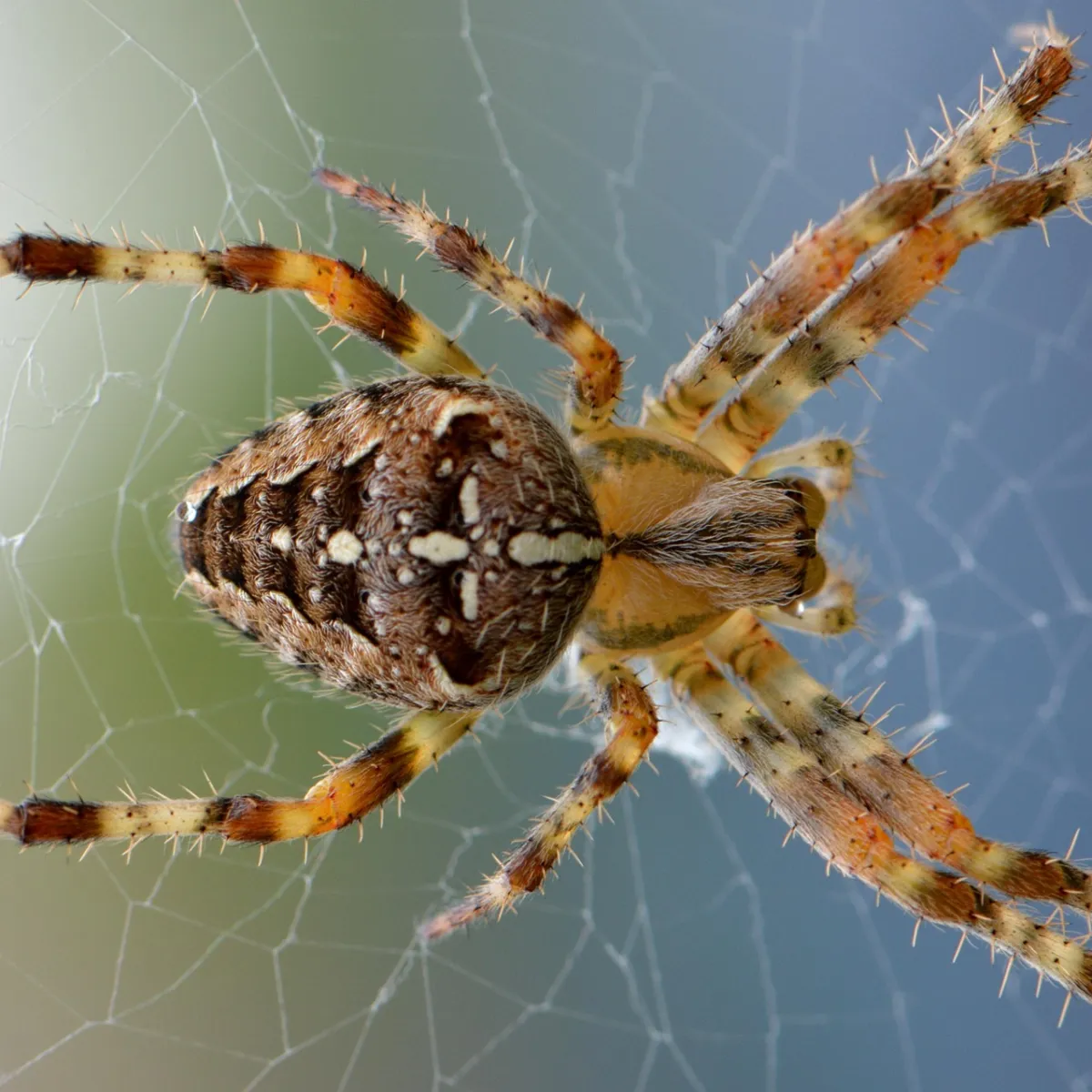
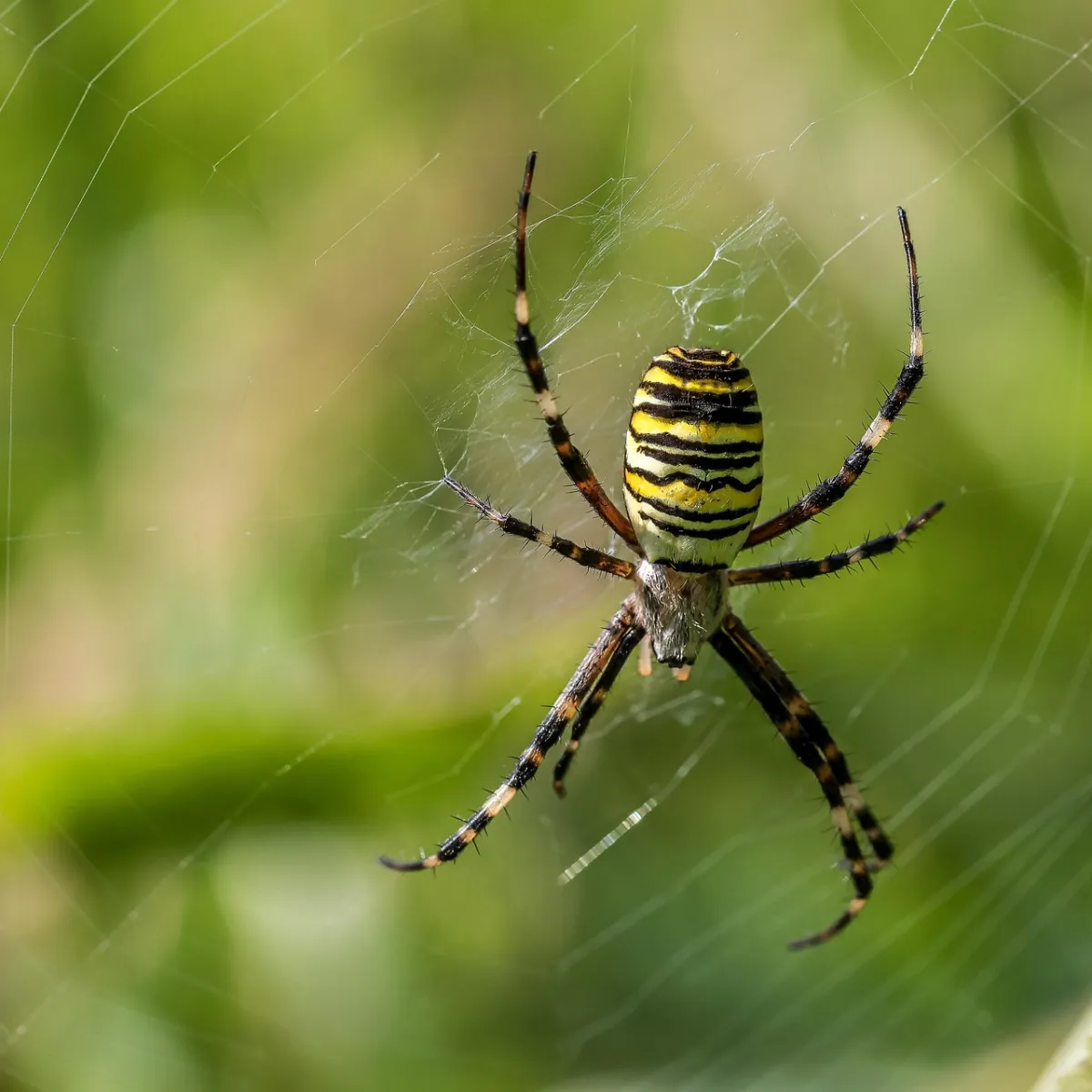
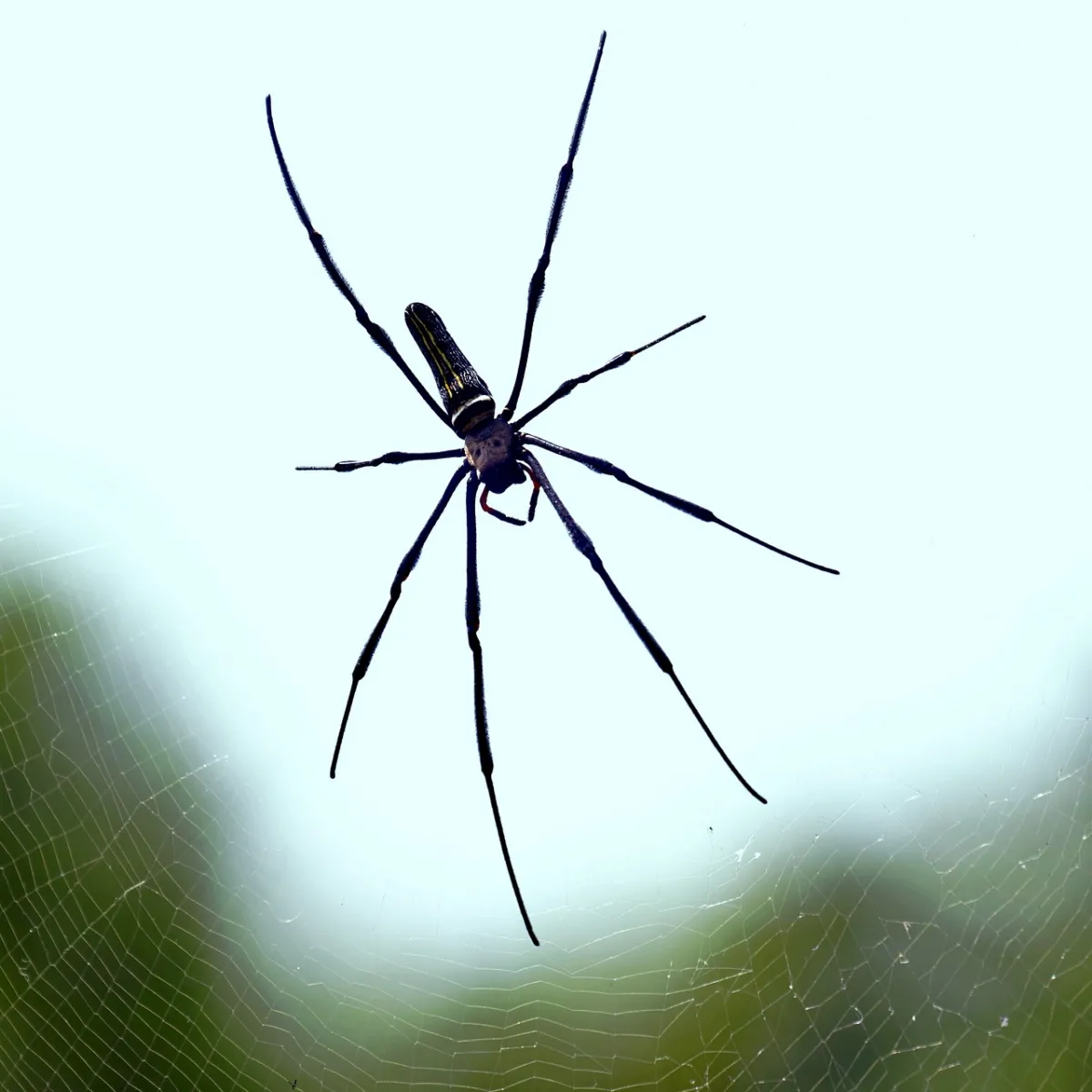
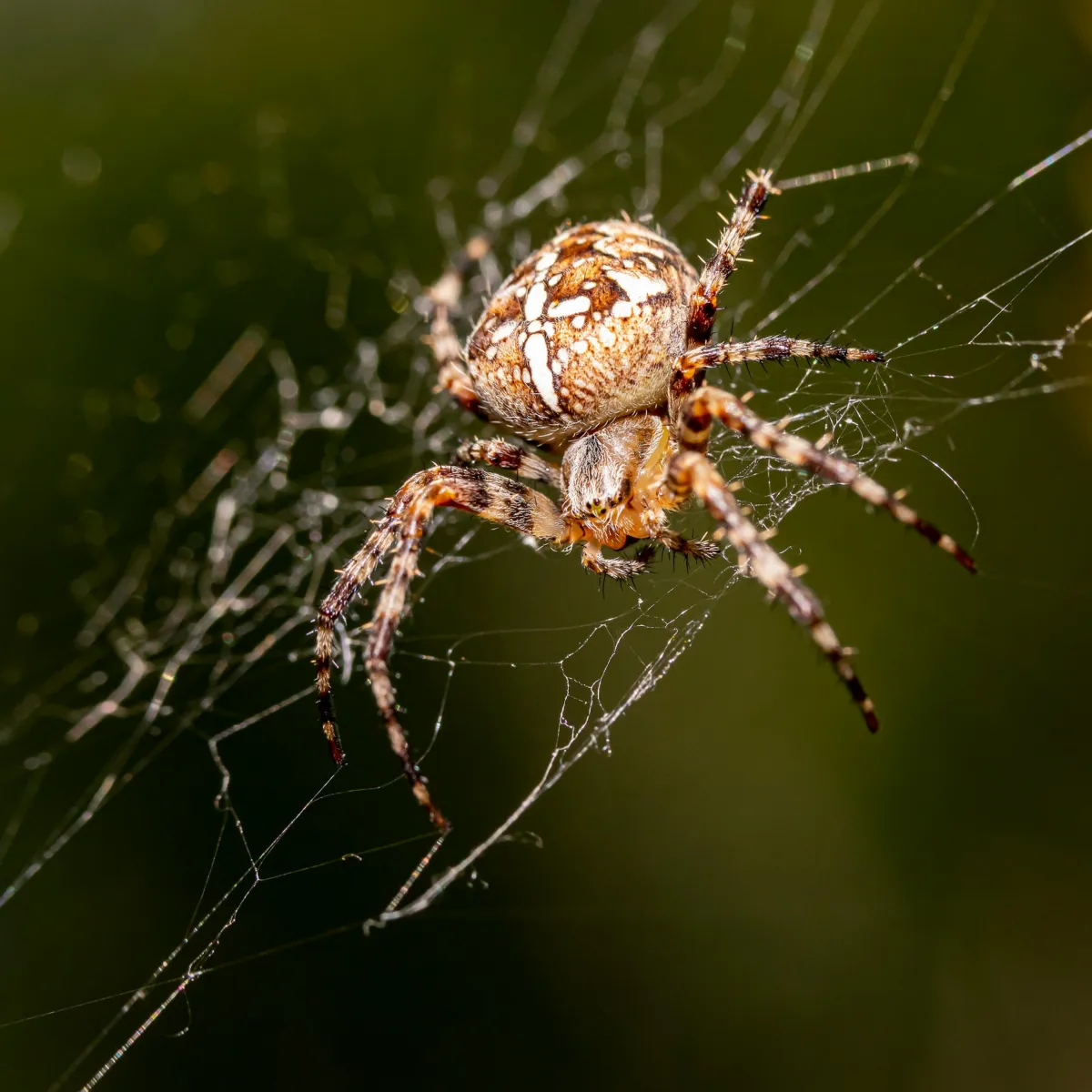
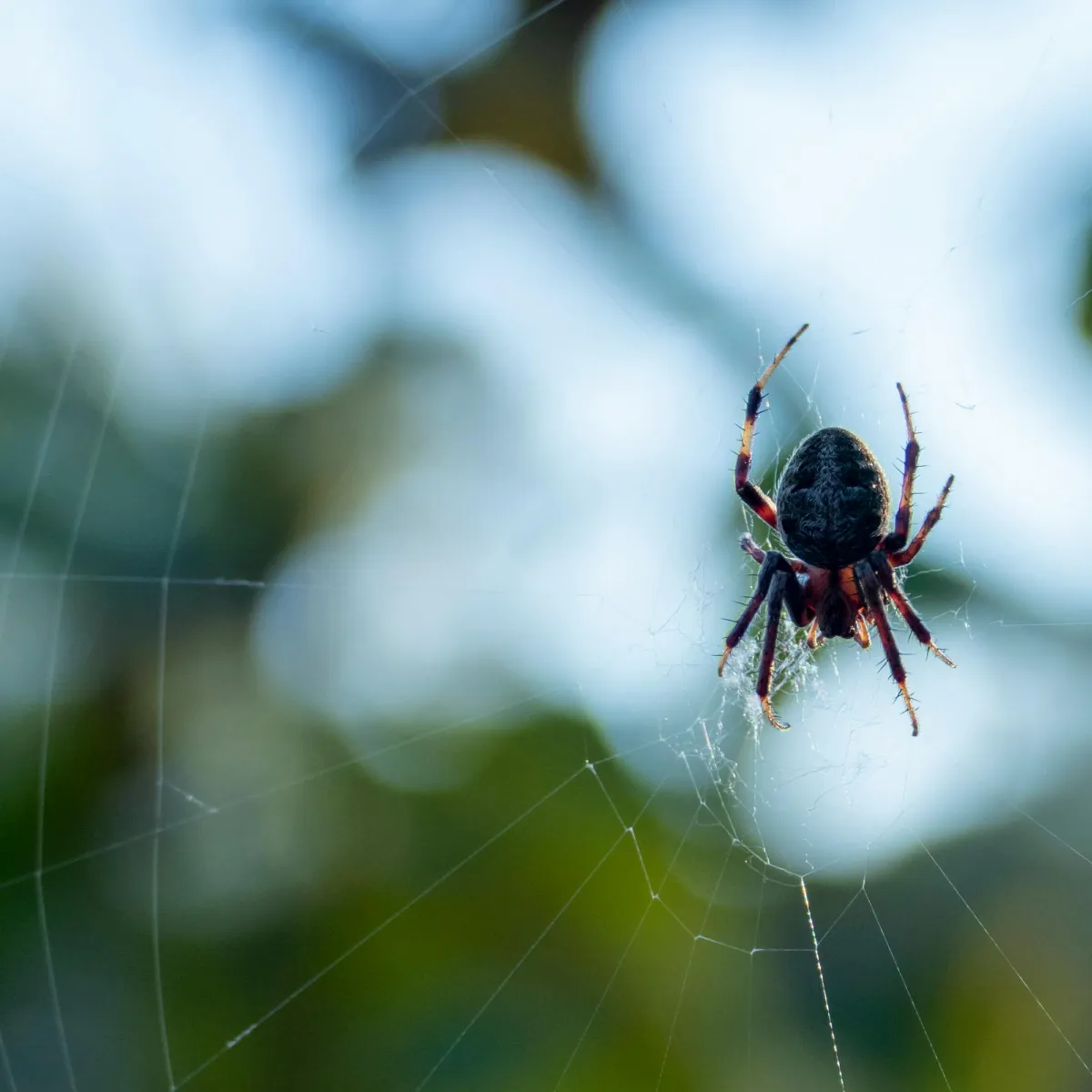
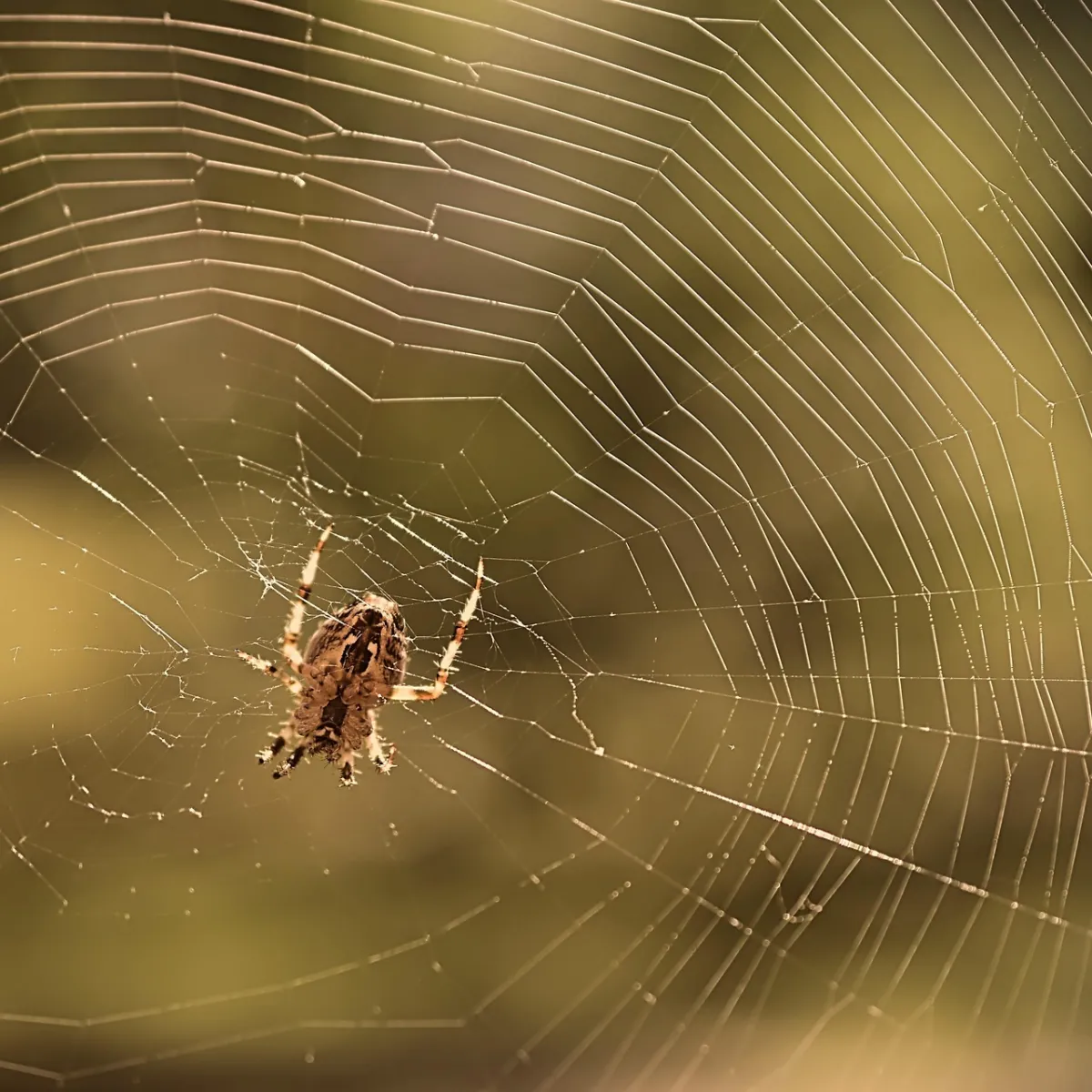
House spiders and cellar spiders are more likely to leave webbing in corners, closets, utility rooms, and crawl space areas. They tend to settle in places that stay quiet for long stretches. Orb weavers and garden spiders are more common outside, where they build webs around porch posts, deck rails, bushes, roof edges, and other spots that catch flying insects.

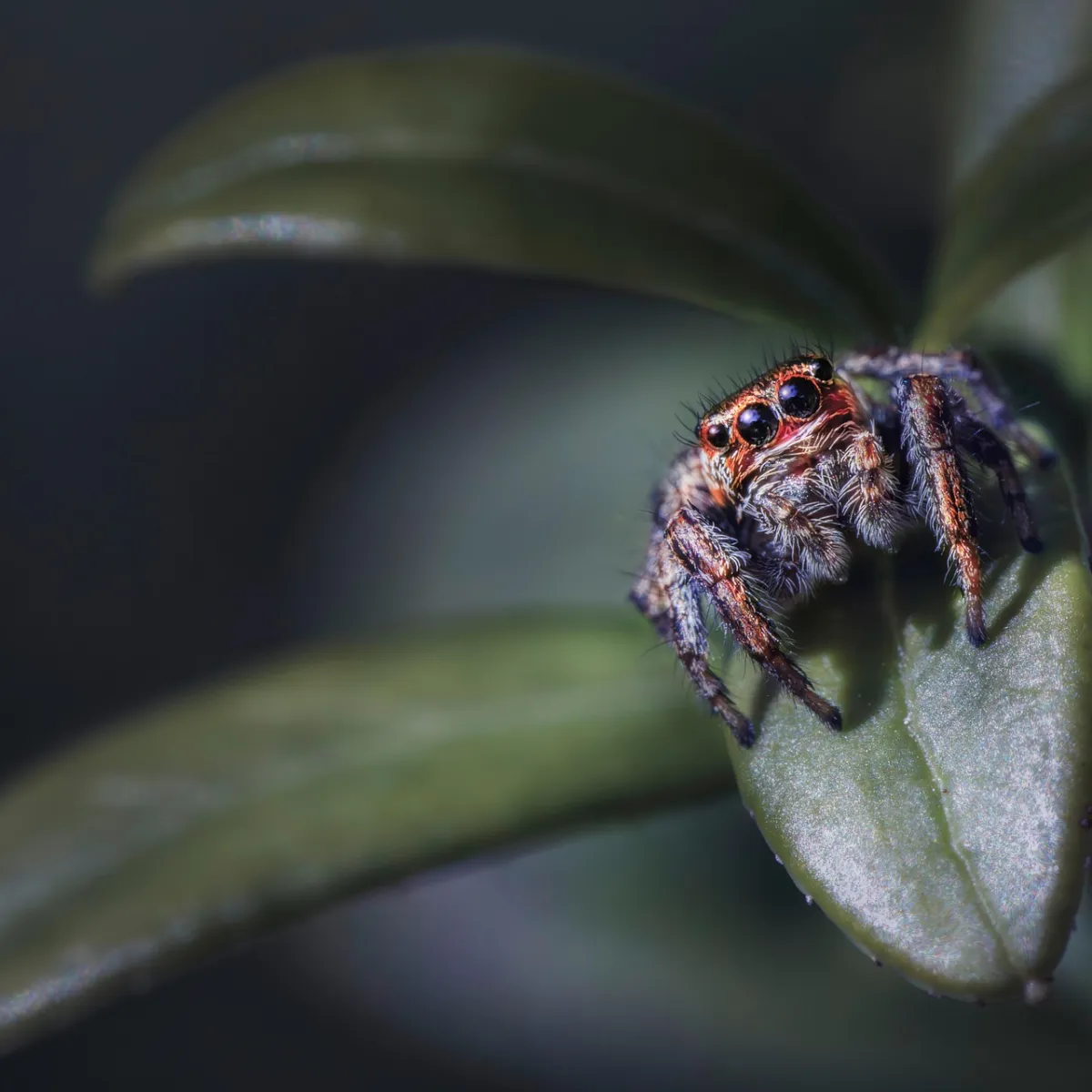
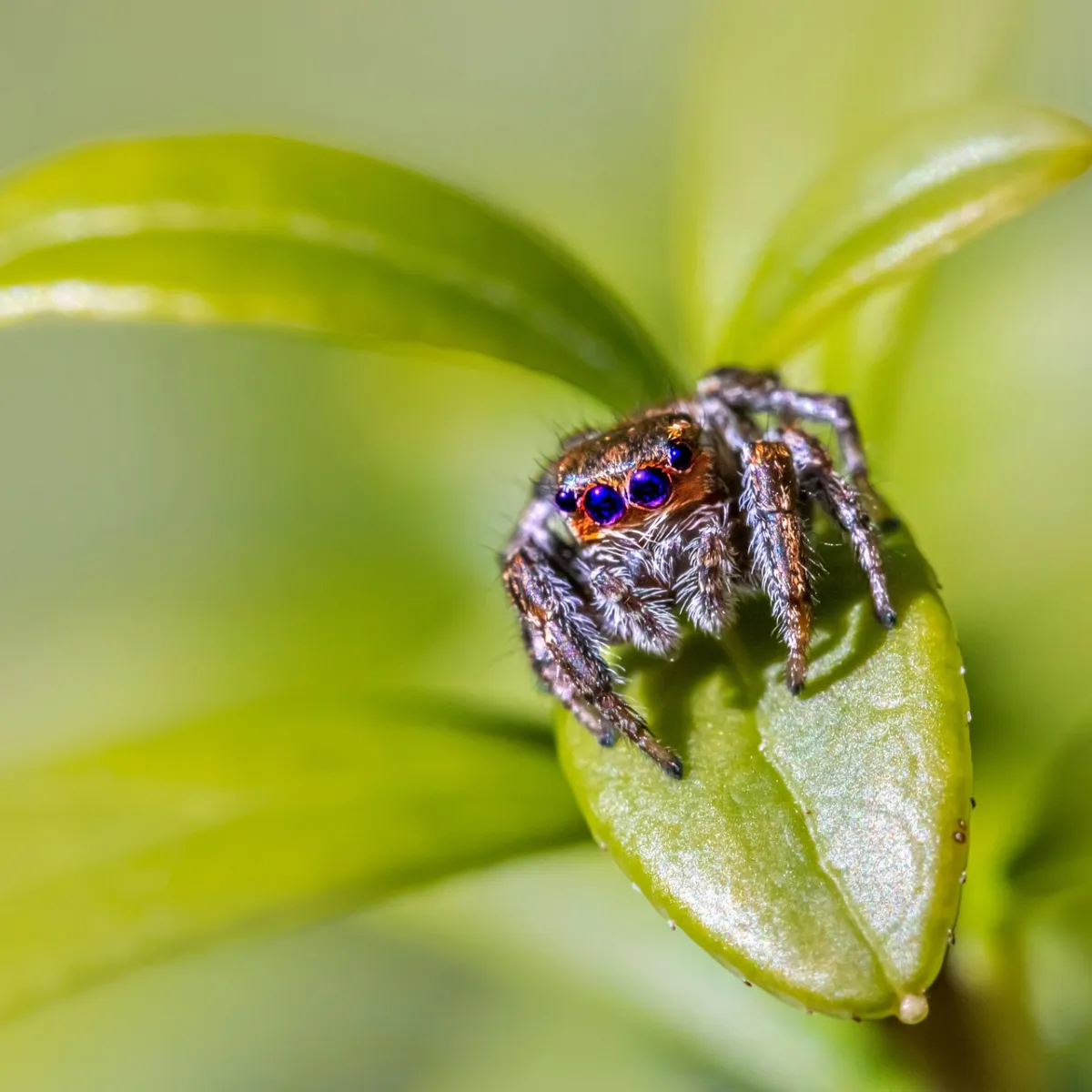
Jumping spiders may show up around windows, siding, patio furniture, and sunny exterior surfaces. Black widows need more caution. They are more likely to stay in dark, protected, low-traffic places such as sheds, crawl spaces, stacked materials, and outdoor storage. If there is a concern about black widows, it is better not to guess or handle the area casually.

The species matters, but the bigger question is usually why the home keeps giving spiders places to stay.

Spider activity becomes a problem when the signs keep repeating.

Signs of a Spider Infestation

A few webs outside are normal, especially in a place with warm weather and plenty of insects. The concern starts when webs come back quickly after being removed or when spiders show up in more than one area of the home.

In Seymour, homeowners often notice activity around porch lights, eaves, deck corners, garage doors, crawl space entries, basement corners, window frames, and storage areas. If those same spots keep showing fresh webbing, there may be more going on than a few random spiders.

Other signs include egg sacs tucked behind stored items, dead insects caught in webs, shed spider skins, and spider activity that continues after store-bought sprays. Indoor sightings in bathrooms, closets, laundry rooms, or lower-level spaces can also point to a larger issue, especially if there is webbing outside near the same side of the home.

Spiders usually come inside when the outside of the home gives them a reason to stay close.

Why Spiders Enter Homes?

Spiders enter homes for simple reasons: food, shelter, warmth, moisture, and safe places to lay eggs. Around Seymour, insects can gather near exterior lights, damp landscaping, porch ceilings, shrubs, garages, and crawl space openings. Once spiders are feeding near the structure, it does not take much for them to move inside.

Small openings are enough. Gaps under doors, worn garage seals, foundation cracks, vents, torn screens, siding gaps, and utility openings can all give spiders a path indoors. Many of these gaps are easy to miss because they do not look like a major problem from a distance.

Weather can make the movement more noticeable. Heavy rain may push spiders toward covered areas. Cooler fall nights can bring more sightings in garages, attics, basements, and closets. In Seymour, where some homes sit near wooded slopes, open fields, or low drainage areas, that shift can feel sudden.

Spiders usually hide where people rarely disturb them.

Where Do Spiders Hide?

The strongest hiding places are not always deep inside the home. Often, they are transition areas: the garage, the crawl space door, the shed, the covered porch, the utility room, or the space under a deck. These are the places where outdoor activity can get close to the structure without being noticed right away.

Inside, spiders may hide in basements, crawl spaces, closets, attics, storage boxes, window corners, laundry rooms, mechanical rooms, and under furniture. Clutter makes the issue harder to see because boxes and stored items create protected spaces where webs and egg sacs can stay hidden.

Outside, spiders may hide around deck framing, porch ceilings, roof eaves, wood piles, fence lines, foundation cracks, stacked materials, and dense vegetation near the home. A web outside the garage may be connected to the same activity that later shows up inside, which is why the issue can seem to move from place to place.

Spider pressure in Seymour changes as the weather and insect activity change.

Spider Activity in the Seymour Area

Spring usually brings the first noticeable increase in webbing. As insects become more active around lawns, shrubs, porch lights, and wooded edges, spiders begin showing up around decks, eaves, and outdoor structures.

Summer can bring steady pressure because humidity and insects are both high. This is when patios, sheds, garages, crawl space entrances, and porch ceilings may start collecting more webs. Homes near tree lines, creek areas, or shaded backyards may feel this more strongly.

Fall is often when indoor sightings become more common. As the evenings cool, spiders may move toward garages, basements, attics, and closets. Winter may slow down outdoor activity, but spiders can still remain in quiet indoor areas where they are protected from weather.

That seasonal pattern is one reason Seymour homeowners may feel like spider activity keeps changing locations throughout the year.

DIY treatments often miss the parts of the problem that are out of sight.

Why Professional Spider Control Works Better Than DIY?

Most store-bought sprays are made for the spider a homeowner can see. That can help in the moment, but it does not usually reach egg sacs, crawl space edges, attic corners, garage gaps, insects around the outside of the home, or webbing hidden behind stored items.

The result is familiar: the home looks better for a little while, then the same areas become active again. If the food source, hiding place, or entry point is still there, spiders can keep returning.

Professional spider control is more complete because it looks beyond the visible spider. Targeted treatments, perimeter service, crack-and-crevice work, web removal, residual products, and monitoring all work together to reduce the conditions that allow activity to continue.

A few small changes can make the home less inviting between treatments.

Spider Prevention Tips

Homeowners can help reduce spider activity by sealing cracks and gaps, replacing torn screens, improving door sweeps, reducing clutter, trimming vegetation away from the house, moving wood piles away from the structure, vacuuming webs, and keeping storage areas more organized.

Lighting can also play a role. Porch lights and bright exterior fixtures attract insects, and insects attract spiders. Changing bulb placement, reducing unnecessary lighting, or keeping lights away from main entry points may help lower activity near doors and porches.

Moisture matters too. Gutters, crawl spaces, low yard areas, shaded foundations, and damp storage spaces can all help insect and spider activity continue. Prevention does not replace treatment when the problem is already recurring, but it can help the results last longer.

Treatment should work around the home, not make the home harder to use.

Family & Pet Safe Treatments

Fairway Lawns uses licensed technicians and targeted treatments designed for the areas where spider activity is actually showing up. Instead of treating every part of the property the same way, the service focuses on exterior edges, entry points, web-heavy areas, garages, porches, crawl space access points, and other active zones.

That matters for families and pet owners. Many Seymour homes use decks, yards, garages, and storage areas every day. A practical spider control plan should address the problem while keeping those everyday spaces in mind.

The goal is to reduce spider pressure in a careful, focused way that fits how the household actually uses the property.

Local experience helps when pest problems are shaped by local conditions.

Why Choose Fairway Lawns?

Fairway Lawns serves the Knoxville area with lawn care, pest control, and related services built for East Tennessee properties. That local focus matters in Seymour because spider problems are often tied to regional conditions like humidity, wooded edges, insects, crawl spaces, outdoor storage, and seasonal weather shifts.

A spider issue in Seymour may begin near a porch light, build around a crawl space, spread through a garage, and then show up indoors. Treating that kind of pattern takes more than a quick surface spray.

Fairway Lawns looks at the property as a whole, helping homeowners reduce visible activity while also addressing the conditions that make spiders more likely to return.

These are common questions Seymour homeowners ask when spiders keep showing up.

Spider's FAQs

Request Spider Treatment in Seymour, TN

When webs keep returning around decks, garages, crawl space edges, and quiet indoor corners, the problem is usually connected to more than one area of the property. Fairway Lawns can help Seymour homeowners with targeted spider treatment, prevention, and seasonal support. A broader plan can make it easier to reduce current activity and keep future spider pressure under better control.