Get your lawn back on track with 50% OFF first application!* 50% OFF First Application!* Call Now

What usually causes the biggest headache in a yard is the part nobody thinks about until it starts affecting the rest of the property.

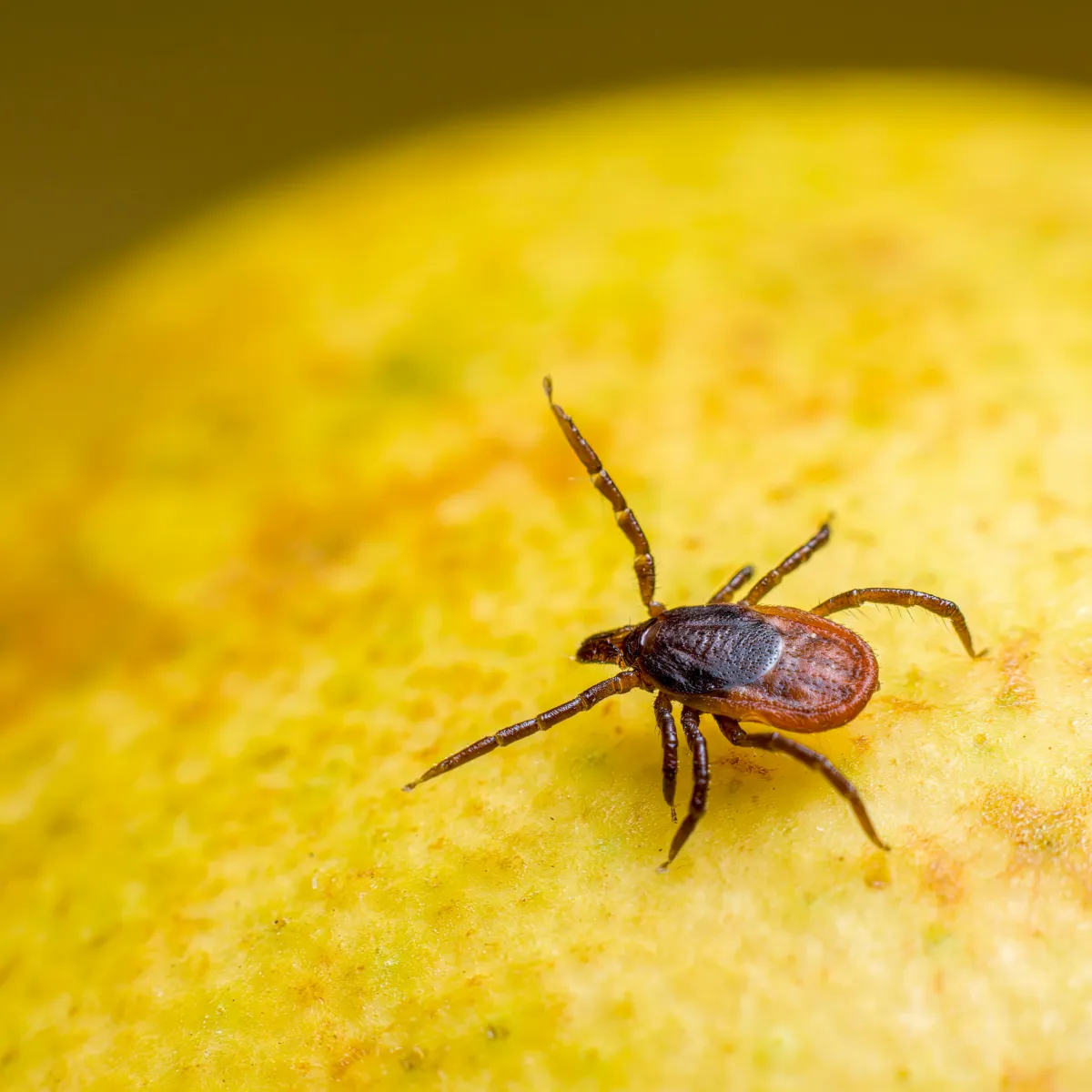
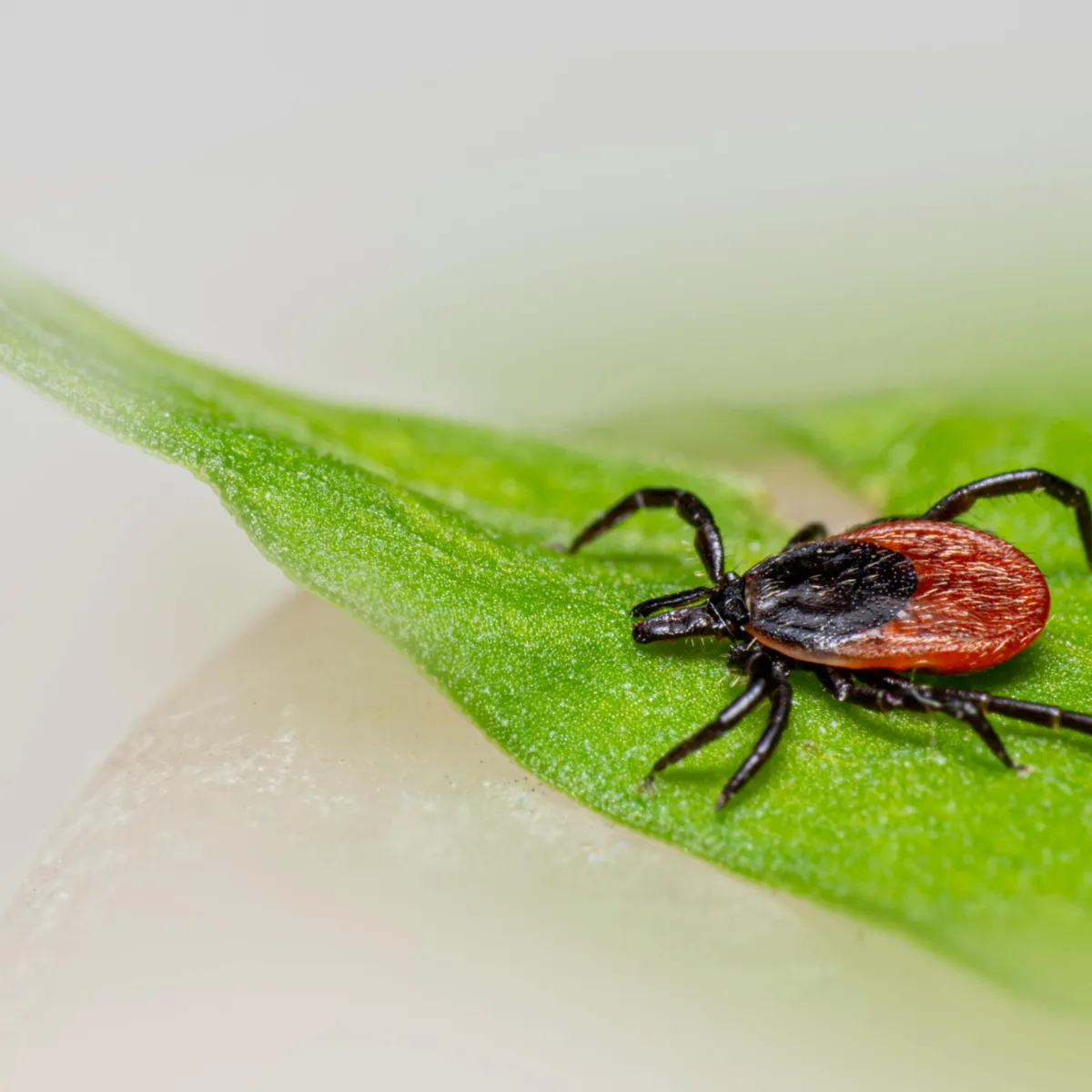
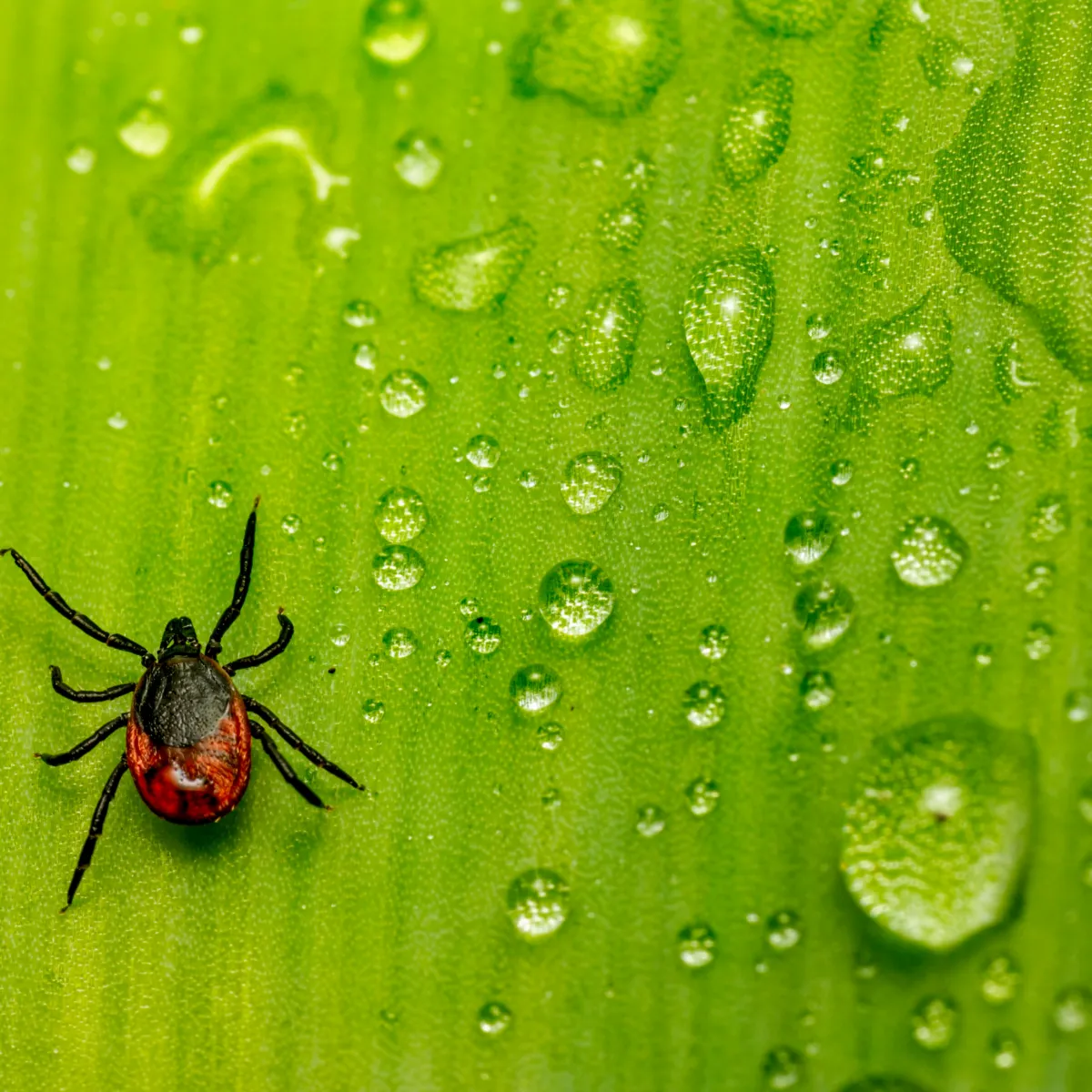
Tick Control in Seymour, TN

In Seymour, it does not take an overgrown property for ticks to become a real issue. A yard can be mowed, trimmed, and generally well kept, yet still have a few sections that quietly hold the right conditions for activity. It is often the shaded edge behind a fence, the strip along the tree line, the low area that stays damp after a rain, or the thicker patch of growth at the back of the lot. Those places are easy to ignore because they do not always look dramatic, but they are often where the problem gets its footing.

Fairway Lawns provides tick control in Seymour, TN with attention on those exact spots instead of using a one-size-fits-all approach across the whole yard. The work is built around how the property actually behaves from week to week, not just how it looks on a sunny afternoon. That means paying attention to shade, moisture, cover, and the routes people and pets use most often. Once the trouble areas are brought under control, the yard stops feeling like a space that needs to be second-guessed every time someone heads outside.
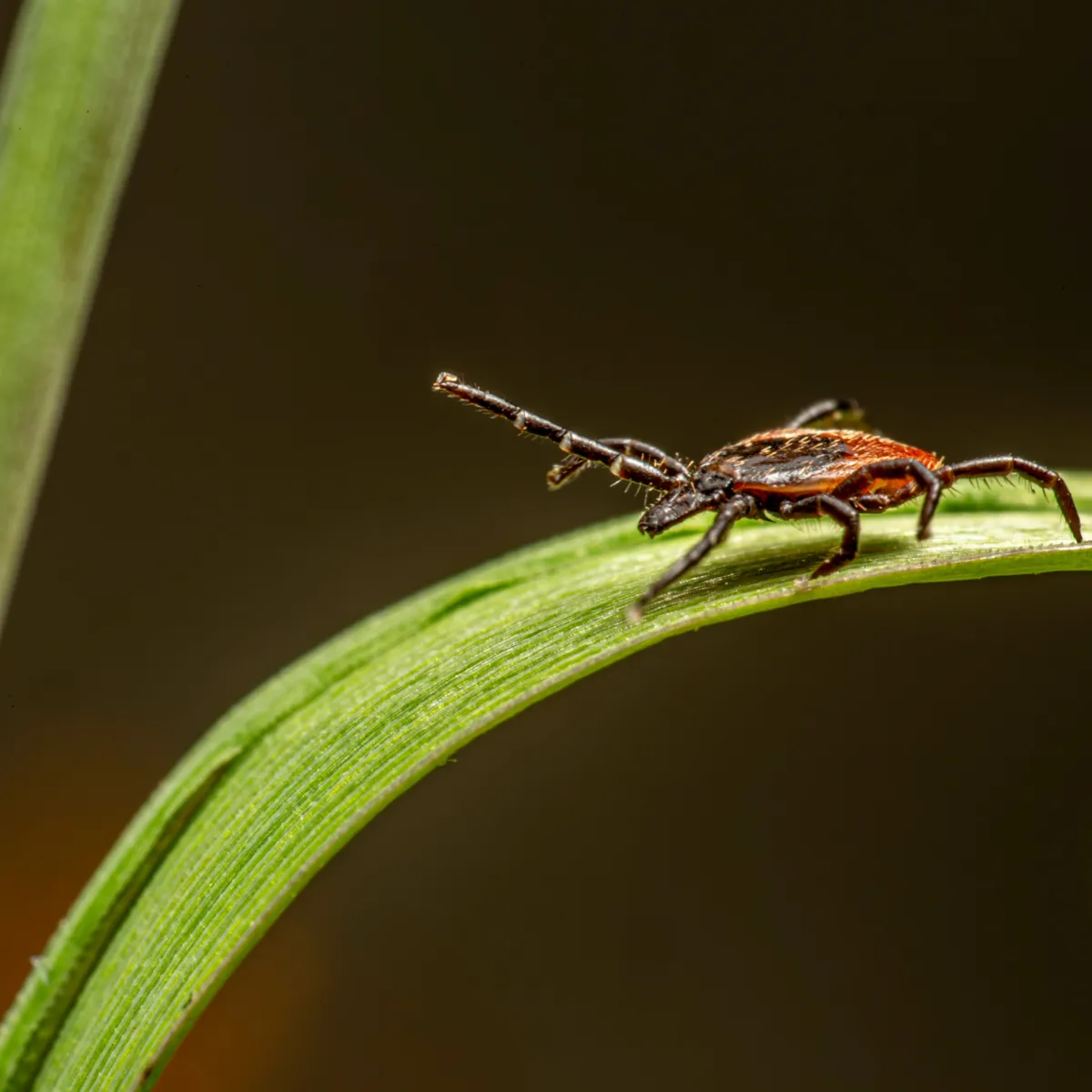
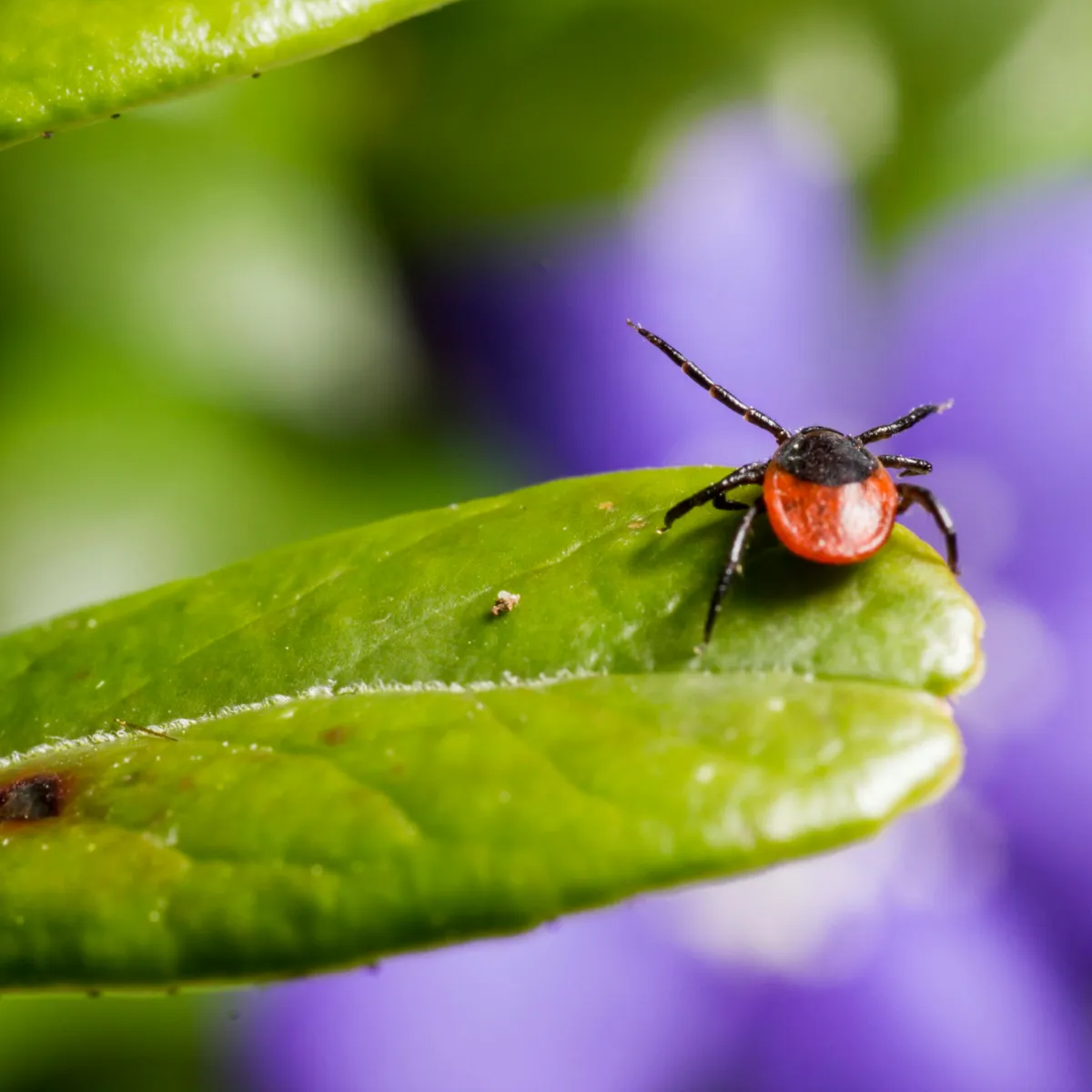
Professional Tick Control Services in Seymour, TN

Most tick issues in Seymour do not spread evenly across an entire property. They build in pockets. One yard may have activity along a wooded boundary where grass and brush meet. Another may have it around deep landscaping near the house, beside a storage building, or in a side yard that stays shaded longer than the rest of the lawn. On larger properties, the difference from one section to the next can be even more obvious. Open lawn may dry quickly, while a back corner or border strip holds cover and ground moisture long enough to keep activity going.

That is why the service begins by looking at the layout of the property and identifying the parts of the yard that are most likely to keep the issue alive. Treatment is then directed to those zones and to the nearby spaces people use every day, including lawns, patios, pet runs, play areas, walkways, garden borders, and transition zones between maintained grass and rougher growth. The point is not to chase activity after it has already spread. The point is to get ahead of the areas that allow it to return in the first place.

Good results come from treating the yard in a sensible order instead of throwing the same approach at every square foot.

Our Tick Control Process

Inspect the Property

The first step is a close look at how the property actually works. Shade, drainage, grass density, landscaping, and pet movement all matter. Some sections dry fast and never hold much activity. Others stay protected long enough to create the same problem over and over. The inspection helps separate one from the other so the treatment plan is based on real yard conditions.

Treat Tick-Prone Areas

Once the likely source areas are identified, treatment is applied directly where ticks are most likely to remain active. That often includes shaded fence lines, landscaping edges, wooded borders, thicker grass, and lower sections that hold moisture. These are the parts of the yard most likely to keep the issue going if they are left alone.

Create a Protective Barrier

After the main pressure points are addressed, treatment is extended around the areas people use the most. That includes lawns, patios, walkways, pet spaces, play areas, and outdoor gathering spots. This step matters because the goal is not only to knock back hidden activity, but also to reduce the chance of it moving into the places where daily life happens.

Continue Protection

Because outdoor conditions do not stay the same from one month to the next, protection works best when it is maintained. Rain, growth, and changing temperatures can all shift how the yard behaves. Continued service helps keep the same trouble spots from sliding back into the same old pattern.

Tick pressure has a way of showing up late, which is why so many homeowners feel like the problem came out of nowhere.

Why Tick Control Matters in Seymour

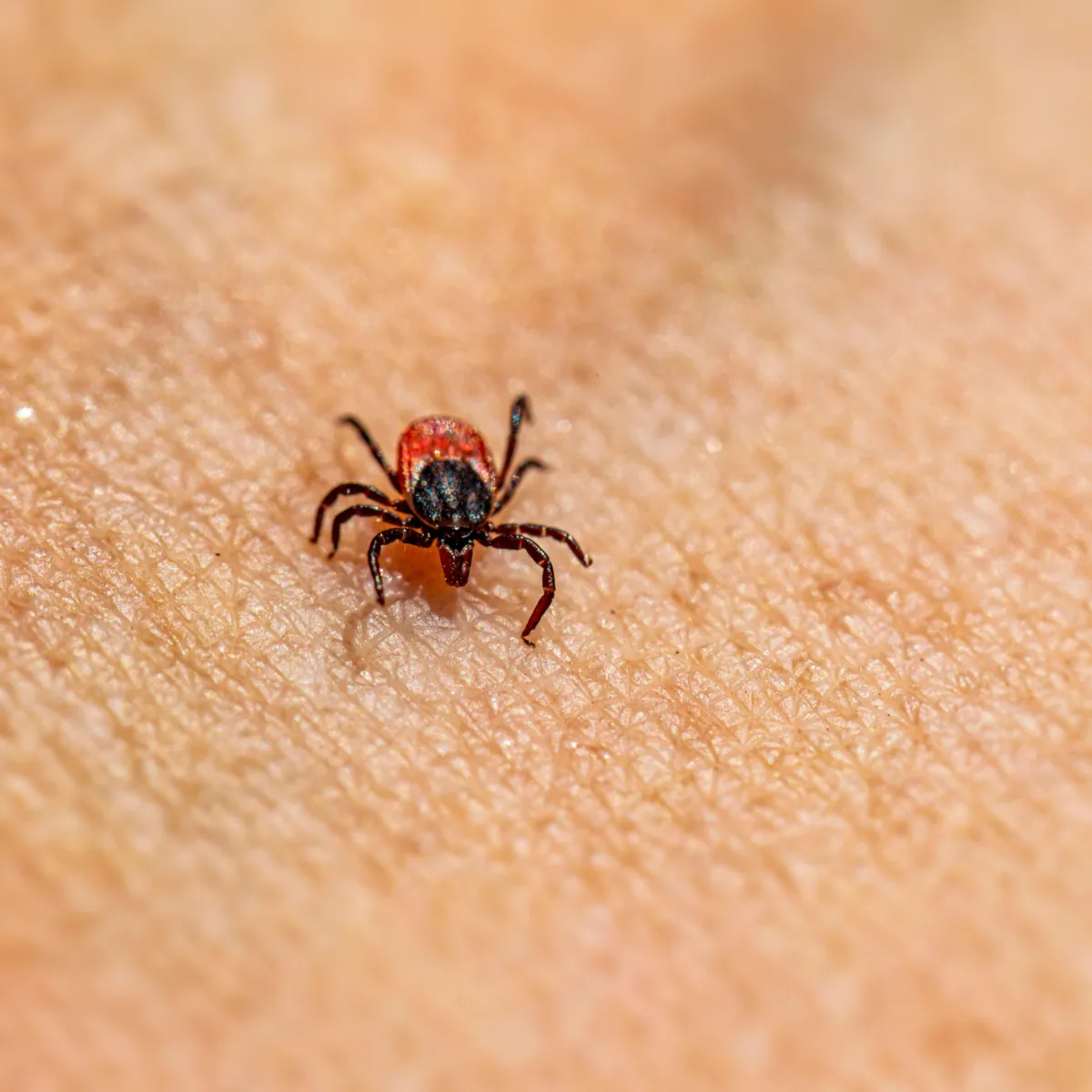
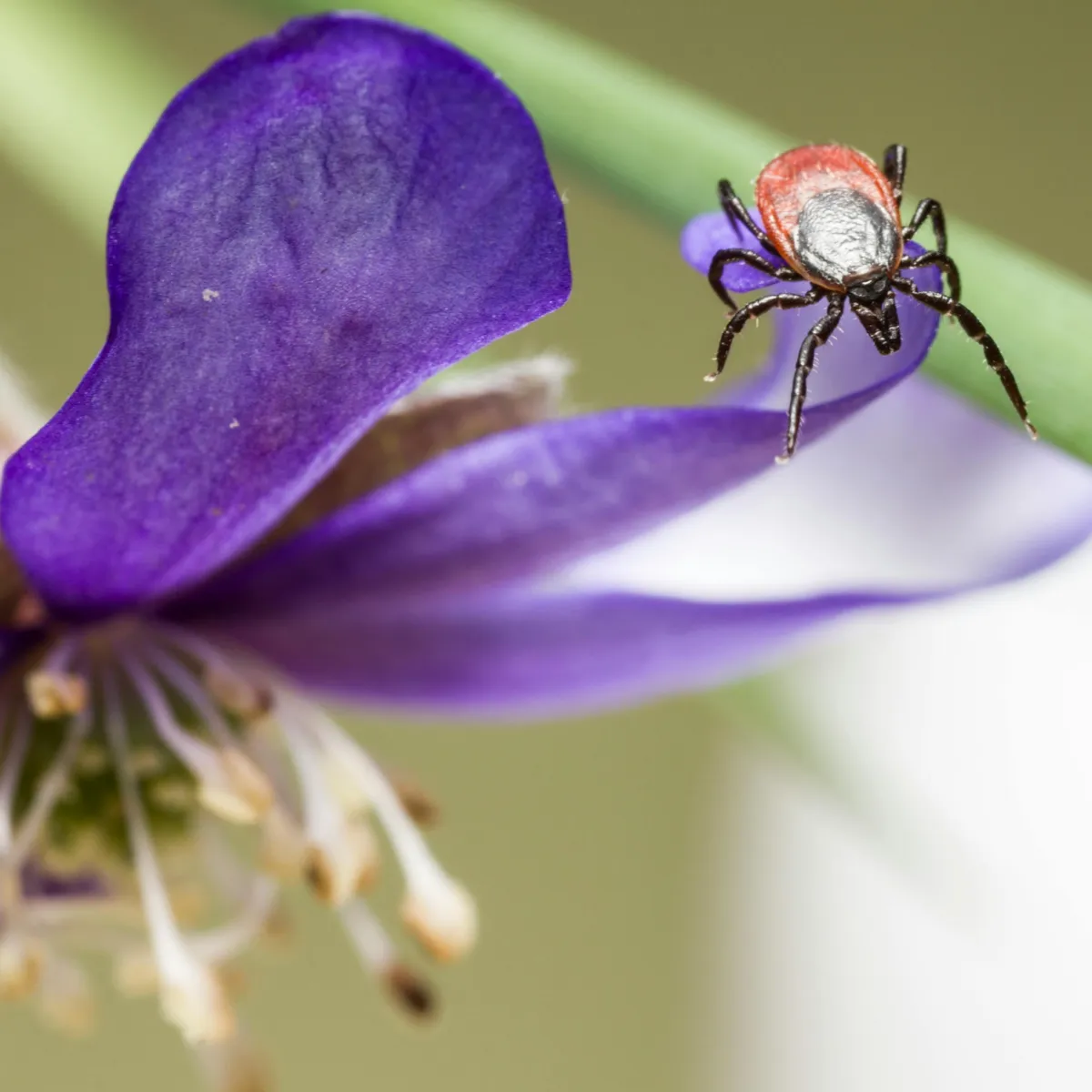
Ticks usually stay out of sight until they become hard to ignore. Most homeowners are not out checking the back edge of the yard every day, and they are certainly not watching every low patch near a fence or under shrubs. What usually brings the issue to light is a pet bringing one close to the house or somebody finding one after time outside. By then, the yard has often been supporting activity longer than anyone realized.

Seymour has the kind of seasonal weather that can keep the right conditions in place for stretches of time, especially where yards have mixed sun and shade, natural edges, heavier cover, or ground that stays damp after rain. A clean-looking property can still have a few sections that hold exactly what ticks need. When those areas are left alone, they tend to keep producing the same problem. That is why treatment matters. It is not just about reacting to a tick that gets noticed. It is about reducing the conditions that keep making the yard a repeat source.

The places ticks like best are rarely the most visible ones. They are the low, protected parts of the yard where the ground stays cooler and covered.

Where Ticks Hide Around Your Yard

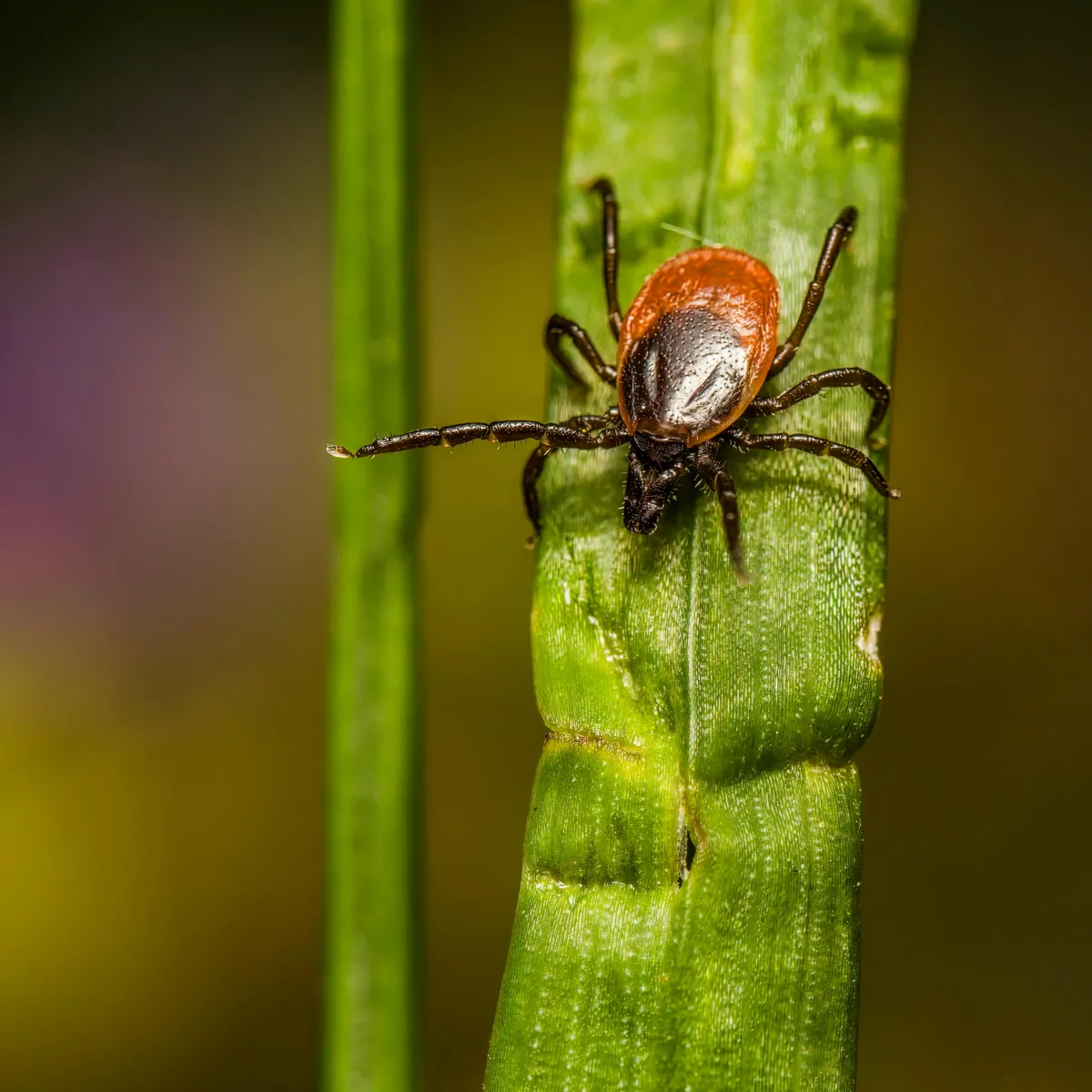
Ticks tend to stay close to the ground in areas that offer shade, moisture, and cover. Around a home, that usually means taller grass, thick shrubs, mulch beds, leaf litter, and the parts of a property where trimmed lawn gives way to rougher growth. Fence lines are a common issue because they often collect both shade and vegetation. The same goes for the outer edges of the yard where mowing may be less consistent and where natural cover starts to build.

Other common hiding spots include the space under decks, along the back side of sheds, around stacked materials, and near wooded borders that see wildlife movement. Pet traffic matters too. Dogs often use the same routes over and over, especially along fences and property edges, which puts them in direct contact with the exact areas ticks prefer. The pattern is usually not random. It tends to come from a handful of parts of the yard that stay favorable longer than the rest.

The real test of a yard treatment is simple: does the property feel easier to use when the work is done?

Tick Prevention for Families and Pets

For most households, tick control becomes important when it starts affecting normal routines. Dogs do not avoid the back edge of the lot because it looks damp. Children do not stop playing near a fence line because shrubs have gotten thick behind it. People use the yard the way they always have, which is exactly why hidden activity becomes such a headache once it starts building in the wrong places. Exposure often happens in the same zones that feel the most ordinary.

That is why treatment has to protect the parts of the yard that matter in day-to-day life. Lawns, patios, play spaces, dog paths, and outdoor seating areas are not separate from the rest of the property. They sit right next to the edges, cover, and shaded sections that often cause the issue. When activity is reduced in and around those spaces, the whole yard becomes less stressful to use. It is not just about fewer ticks. It is about getting back to using the property the way it is meant to be used.

The yard does not behave the same way year-round, and neither does tick activity.

Seasonal Tick Control in Seymour

Spring is usually when the yard starts changing fast. New growth fills in, the ground stays softer, and the difference between sunny sections and shaded sections becomes more noticeable. Areas that looked harmless during colder months can become more favorable once moisture and cover build back up. In many yards, spring is when the first signs of repeat activity begin to show, especially along borders, under shrubs, and in low sections that stay damp after rain.

Summer shifts the problem in a different way. Open lawn may dry out and look fine, but protected areas often keep the conditions ticks need. Fence lines, tree lines, thicker landscape beds, and the edges of sheds or decks can stay cooler and hold more cover than the rest of the property. That contrast is what makes summer tricky. Homeowners may think the yard is dry and open overall, while the problem sections remain active because they are shielded from direct sun.

Summer shifts the problem in a different way. Open lawn may dry out and look fine, but protected areas often keep the conditions ticks need. Fence lines, tree lines, thicker landscape beds, and the edges of sheds or decks can stay cooler and hold more cover than the rest of the property. That contrast is what makes summer tricky. Homeowners may think the yard is dry and open overall, while the problem sections remain active because they are shielded from direct sun.

Rain matters in every part of the year. After wet weather, some parts of the property recover quickly and others do not. The back corner that stays soft, the line along the fence that never dries as fast, or the mulch bed that traps moisture near the foundation can all behave very differently from the open lawn. Those differences are usually what explain why the same trouble spots keep turning up.

The best provider is not the one that treats the whole yard the same way. It is the one that knows why the same areas keep causing the same problem.

Why Choose Fairway Lawns for Tick Control in Seymour?

Good tick control depends on knowing where the yard is actually producing pressure. In most properties, it is not the entire lawn. It is a few sections that keep staying favorable because of shade, cover, drainage, or layout. If those places are missed, the problem tends to come back even when the rest of the yard looks fine. If those places are identified and treated correctly, the overall result is much stronger.

Fairway Lawns provides licensed service, trained technicians, and treatment plans built around the way a property is really used. That matters because homeowners are not looking for guesswork. They want someone to walk the yard, recognize where the issue is developing, and address it in a way that makes sense for the property itself. That includes clear communication, practical service, and the ability to build a plan around the yard rather than around a script.

A few basic yard habits can help, but they work best when they support treatment instead of replacing it.

Tick Prevention Tips

Basic maintenance still matters. Grass that stays cut back is less likely to give ticks the kind of low cover they prefer. Leaves, sticks, and yard debris that sit too long along the edges of the property create extra shelter and hold moisture close to the ground. Thick growth near fences, sheds, and wooded boundaries is also worth watching because those are the places where the yard can quietly become more favorable than it looks.

It also helps to pay attention to where pets move and where the property tends to stay damp after rain. If there are sections of the yard that always seem to hold moisture, or corners that stay heavy with growth, those are worth managing before they become repeat problem areas. These steps help, but they do not usually solve the issue by themselves if ticks are already established. They are best viewed as support for treatment, not a replacement for it.

Sometimes the smartest move is to tackle the worst section first and see how the yard responds.

One-Time Tick Treatments

A one-time treatment can be useful when activity is clearly tied to one part of the property. That might be a fence line behind the house, a dog path along the side yard, a shady patch near a deck, or a landscaping bed that keeps turning up activity. In cases like that, a focused treatment can help knock the issue back in the area that is causing the most concern.

For some homeowners, that is enough. For others, it serves as a starting point. Once the worst area is under control, it becomes easier to decide whether the property needs broader or recurring service. Either way, one-time treatment can make sense when the problem is concentrated and a homeowner wants relief in a specific part of the yard.

When a yard keeps creating the same issue, recurring service usually makes more sense than waiting for it to start over again.

Recurring Tick Control

Recurring service is often the better choice for properties where the same conditions keep showing up season after season. Shade does not move much. Damp corners do not stop being damp on their own. Fence lines and wooded borders do not suddenly become open, dry lawn. If the layout of the yard keeps supporting activity, treatment often works best when it stays ahead of the problem rather than chasing it after it returns.

For many homeowners, recurring service is what keeps the yard from falling back into the same pattern. Instead of dealing with fresh activity every time the weather shifts or the growth thickens up again, the work stays consistent and focused on the spots that need it most.

A lot of nearby homes deal with the same kind of hidden yard conditions, even when the lots do not look exactly alike.

Tick Control Near Seymour / Areas Served

Fairway Lawns provides tick control in Seymour and nearby Knoxville-area communities where properties often have similar features, including tree cover, shaded edges, mixed landscaping, and seasonal moisture. Even when yards differ in size or layout, the same kinds of problem spots tend to come up again and again in this part of East Tennessee.

The best questions usually come from the parts of the yard that keep doing the same thing.

Tick Control FAQs

Get a Quote for Tick Control in Seymour

If ticks keep showing up in the yard, Fairway Lawns can help find where the problem is starting and treat those areas directly. Contact us today to request a quote for tick control in Seymour, TN.