Knoxville lawns can look “mostly fine” until weeds start filling in the thin spots.
Weed control services in Knoxville, TN help keep weeds from crowding out your grass, especially in lawns dealing with shade, compacted soil, and the stop-and-start weather that comes with East Tennessee seasons.
In Knoxville, weeds usually show up where the lawn is already getting pushed around.
Weeds are not just an appearance issue. They steal water, nutrients, sunlight, and space from the turf you are trying to grow. Once they spread, the lawn often gets thinner, and the problem gets easier for weeds and harder for grass.
Knoxville lawns run into a few common pressures that make weeds more likely: spring rain that wakes everything up at once, hot summer stretches that stress turf, and a lot of yards with mature trees that create shade and uneven moisture. Even if you mow regularly, weeds can still take over when turf density drops.
If your lawn is tall fescue, bermuda, zoysia, or a mix depending on sun exposure, the weed timing can change. That is why a one-size plan rarely holds up here. Fairway Lawns focuses on weed control built for Knoxville lawns and the way they behave through the year.
A solid weed control plan does more than react. It prevents the next wave, addresses what is visible now, and supports the turf so it can compete better.
Pre-emergent weed control helps reduce certain weeds before they establish. This is often the difference between a lawn that stays manageable and a lawn that feels like it “blew up” with weeds once the weather warmed.
Post-emergent weed control targets weeds that are already growing. This is how we handle active outbreaks and stubborn patches that are interrupting turf growth.
Broadleaf weeds are usually the first ones homeowners notice because they stick out. They often move into thin turf, shaded sections, and stressed areas.
Grassy weeds can be trickier because they blend in early and spread quickly once established, especially in open, sunny areas that heat up fast.
Some Knoxville lawns have a handful of recurring trouble zones, like the strip by the driveway, a shady side yard, or a low corner where water sits. Targeted spot treatment keeps the focus on those problem areas.
Weed pressure in Knoxville does not follow one clean season. Prevention timed to local patterns helps keep weeds from building momentum.
Weed control lasts longer when turf is thick enough to push back. When the lawn is thin or stressed, fertilization support or turf-strengthening recommendations may be part of the plan.
Weather shifts matter here. Follow-up helps catch breakthrough and adjust the plan as seasons change.
Weeds don’t just look bad; they make the grass work harder to survive.
When weeds take hold, the turf loses resources. That can show up as thinning patches, uneven color, and areas that never quite fill back in. Then weeds move into those openings even faster.
In Knoxville, that competition can be especially noticeable in lawns with:
· compacted soil near sidewalks and driveways
· shade that limits turf density
· irrigation that misses certain strips or overwaters others
· traffic wear near gates, patios, and walkways
· slopes that dry out quickly after rain
A practical weed plan protects the lawn’s growing space. It makes it easier for the turf to thicken up instead of constantly fighting for room.
Not every weed in Knoxville behaves the same, so the treatment should not either.
Lawns in Knoxville can run into a mix of broadleaf weeds, grassy weeds, and moisture-driven weeds depending on turf type and conditions.
Broadleaf weeds often stand out visually and spread into thin or stressed areas. These can include clover, dandelion-type weeds, chickweed, henbit, and other seasonal broadleaf pressure.
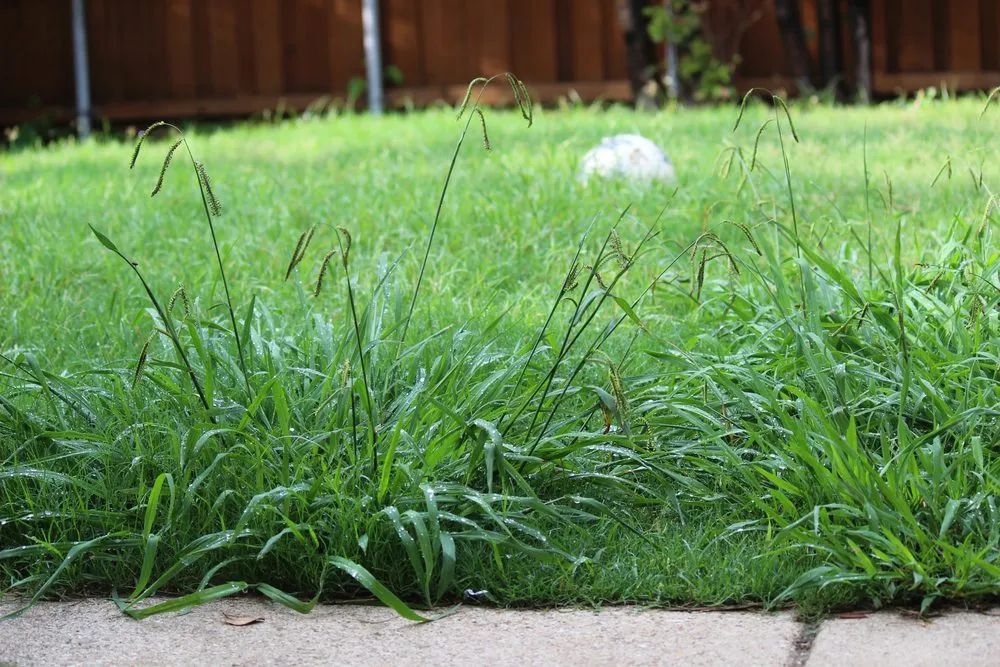
Grassy weeds can spread quickly once they establish, especially in sunny areas where turf thins during summer stress. Crabgrass is a common example in many Knoxville lawns.
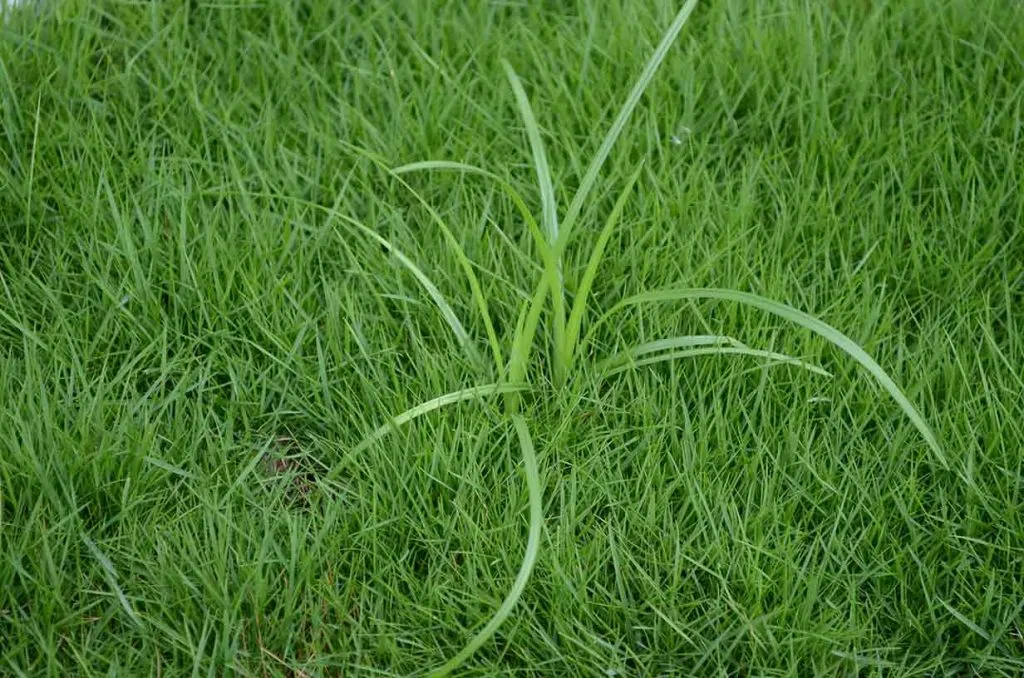
When soil stays wet or irrigation is uneven, weeds like nutsedge can become persistent. These issues often point to a moisture pattern that needs attention along with treatment.
Weeds along driveways, walkway seams, patio borders, and curb edges can make the property look rough even when the center lawn is improving.
Lasting weed control usually comes from a simple process that stays consistent.
We approach weed control like a plan, not a quick fix.
We evaluate the lawn’s overall condition, focusing on turf density, stress areas, shade patterns, traffic wear, and where weeds are most active.
Correct identification helps match the timing and approach to the weed type, which is especially important in Knoxville’s mixed weed seasons.
We build a plan around your turf, the season, and the severity of weed pressure, whether the issue is light breakthrough or heavier spread.
Treatments are applied based on the lawn’s needs, with attention to protecting turf performance.
We track improvement and watch for breakthrough, especially as the weather shifts from spring rain to summer heat or fall transitions.
Some lawns need a one-time correction. Others do better with an ongoing plan because weeds return with seasonal stress.
Preventative weed control is one of the strongest tools for reducing future weed pressure. Pre-emergent treatments help limit certain weeds before they establish and spread.
Pre-emergent treatments are designed to reduce germination and establishment for specific weeds. It is prevention, not a cleanup tool.
Timing matters because Knoxville can warm up quickly, then cool down again. Treatments need to align with local conditions rather than a generic date on the calendar.
Helps reduce early weed breakthrough as growth ramps up.
Supports the lawn during high-stress heat periods when turf can thin and weeds can spread into open areas.
Helps manage cool-season weed pressure that can establish while homeowners are focused elsewhere.
Weed activity can still occur during mild stretches, especially in thin turf areas.
Weed pressure shifts here, so the lawn plan has to shift too.
Knoxville lawns usually need different weed priorities at different times of year.
Spring is when prevention and early correction can save a lot of hassle later, especially before warm-season weeds gain momentum.
Summer stress is a big trigger. Heat, humidity, and drought periods can thin turf and create openings for weeds to spread along edges and high-traffic areas.
Fall often brings a different set of weeds and is a key time to reduce pressure that could carry into winter and early spring.
Growth slows, but weeds can still appear during mild periods, especially where turf is thin.
Home lawns don’t just get weeds in the middle; they get them where life happens.
Residential weed control in Knoxville should cover the whole property, including the pressure points homeowners see every day.
These areas carry curb appeal, and weeds near sidewalks, driveways, and entry paths tend to show first.
Backyards often deal with pets, play, patios, and foot traffic. Turf can thin in those zones, and weeds take advantage.
Shaded side yards struggle to maintain density, which makes them common weed zones.
Edges heat up, compact easily, and wear down turf, making them reliable entry points for weeds.
Some homeowners need a one-time cleanup. Others want seasonal service that keeps weed pressure from rebuilding.
Reduced-input options may be possible depending on weed severity, turf condition, and your expectations.
When weed pressure is mild and turf is relatively strong, a lower-input plan may be a fit.
In some cases, a blended plan can work well, combining selective treatment with turf-support strategies that improve density.
A lighter approach works best when the lawn is not already heavily invaded. We can talk through what is realistic for your property.
Weed control is easier to trust when the recommendations match Knoxville lawns, not generic turf advice.
We focus on practical weed control that respects turf type, seasonal timing, and the stress points that matter most in Knoxville.
Pricing should reflect what your lawn needs, not a cookie-cutter package.
Weed control pricing can vary based on lawn size, weed coverage, turf condition, and whether the plan needs prevention, correction, or both.
Factors can include:
· lawn size and layout
· severity and type of weeds present
· turf density and stress level
· number of areas needing focused attention
· treatment frequency and seasonal needs
A lawn evaluation helps determine what is happening and what kind of plan makes sense.
We recommend what fits the property instead of pushing a bigger program than the lawn needs.
Most homeowners want the straight answers about timing, safety, and results.
If weeds are spreading, turf is thinning, or the same patches keep flaring up each season, Fairway Lawns is ready to help. We will evaluate your Knoxville lawn, explain what we see, and recommend a weed control plan that fits your turf, your layout, and the timing that matters here.