Scott Fire Ant Control
Fire ant problems in Scott can spread across a property before they start getting full attention. On larger lawns, open areas, drive edges, and sunny stretches near sheds or work areas, one mound can quickly turn into several when conditions stay warm and favorable.
In Scott, Fairway Lawns handles fire ant issues with property-specific treatment that targets active mounds, reduces colony pressure, and helps make open lawn areas, walkways, and work spaces easier to use again.

Professional treatment built around the way fire ants spread across the property
Fire ant issues are difficult because the mound you see is often only part of the problem. The visible soil buildup may be small, but the colony below can still be active and capable of sending new mound activity into nearby areas of the yard.
Fairway Lawns provides fire ant control in Scott based on how the infestation is actually behaving across the property. We focus on active mound areas, colony pressure, and practical treatment recommendations that help make the lawn easier and safer to use again.
If fire ants are disrupting how you use your yard, request a quote and get a treatment plan built around the property instead of a temporary quick fix.
Fire Ant Treatment Process
Fire ant treatment works best when it follows the actual pattern of mound and colony activity across the lawn. Fairway Lawns uses a step-by-step process to inspect the property, evaluate the infestation, and apply treatment where it matters most.
We inspect the property for active mounds, visible ant movement, and the yard areas where fire ants appear most concentrated. We also look at open sunny zones, soil conditions, and how the lawn or property is being used.
Not every fire ant issue is the same. We evaluate whether the problem is limited to a few mound sites or whether there is broader colony pressure across the property that calls for a more complete treatment plan.
We treat active mounds and affected lawn or ground areas based on the infestation level and property layout. Depending on the situation, treatment may involve mound-specific service, broader coverage, or a combination of both.
After treatment, we provide recommendations based on how fire ant activity is showing up on the property. Where needed, monitoring or follow-up service can help reduce the chance of recurring mound pressure.
Why Fire Ants Matter?
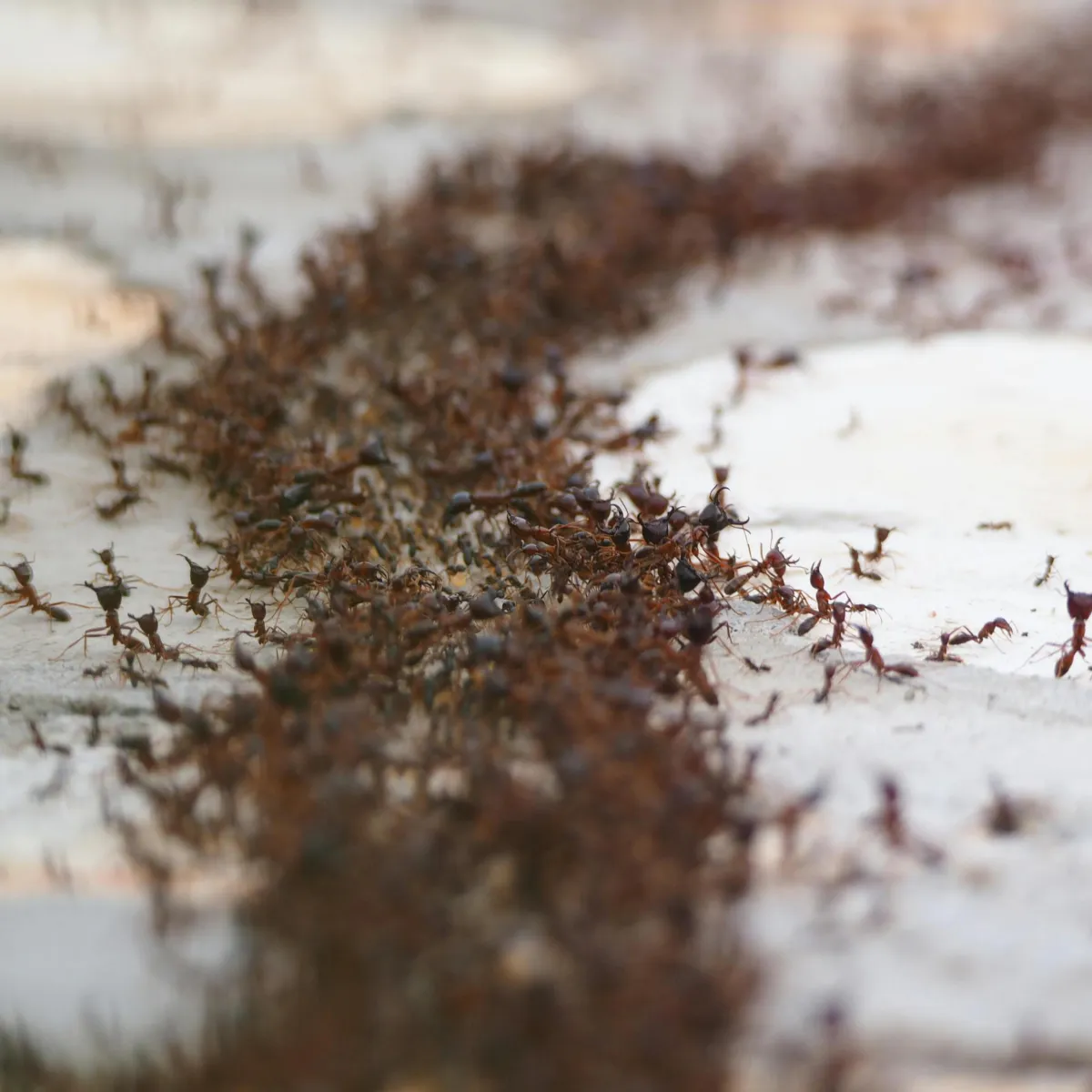
Fire ants are aggressive and can sting repeatedly when their mound is disturbed. That makes them more than a nuisance, especially in Scott where larger lawns, open ground, work areas, and outdoor activity can bring people and pets into contact with them unexpectedly.
Once colonies become established, parts of the property can stop feeling comfortable to use. Professional treatment matters because it is designed to address the colony itself rather than simply flattening the mound for a short time.
Signs of Fire Ants
The most obvious sign is a loose sandy mound in the lawn, especially after rain or irrigation. Property owners may also notice reddish-brown ants, fast swarming when the mound is disturbed, or painful stings after walking, mowing, or working outdoors.
If new mounds keep appearing in different sections of the property, the infestation is usually more established than it first looks. That is often the point where DIY treatment starts feeling inconsistent.
How to Identify Fire Ants
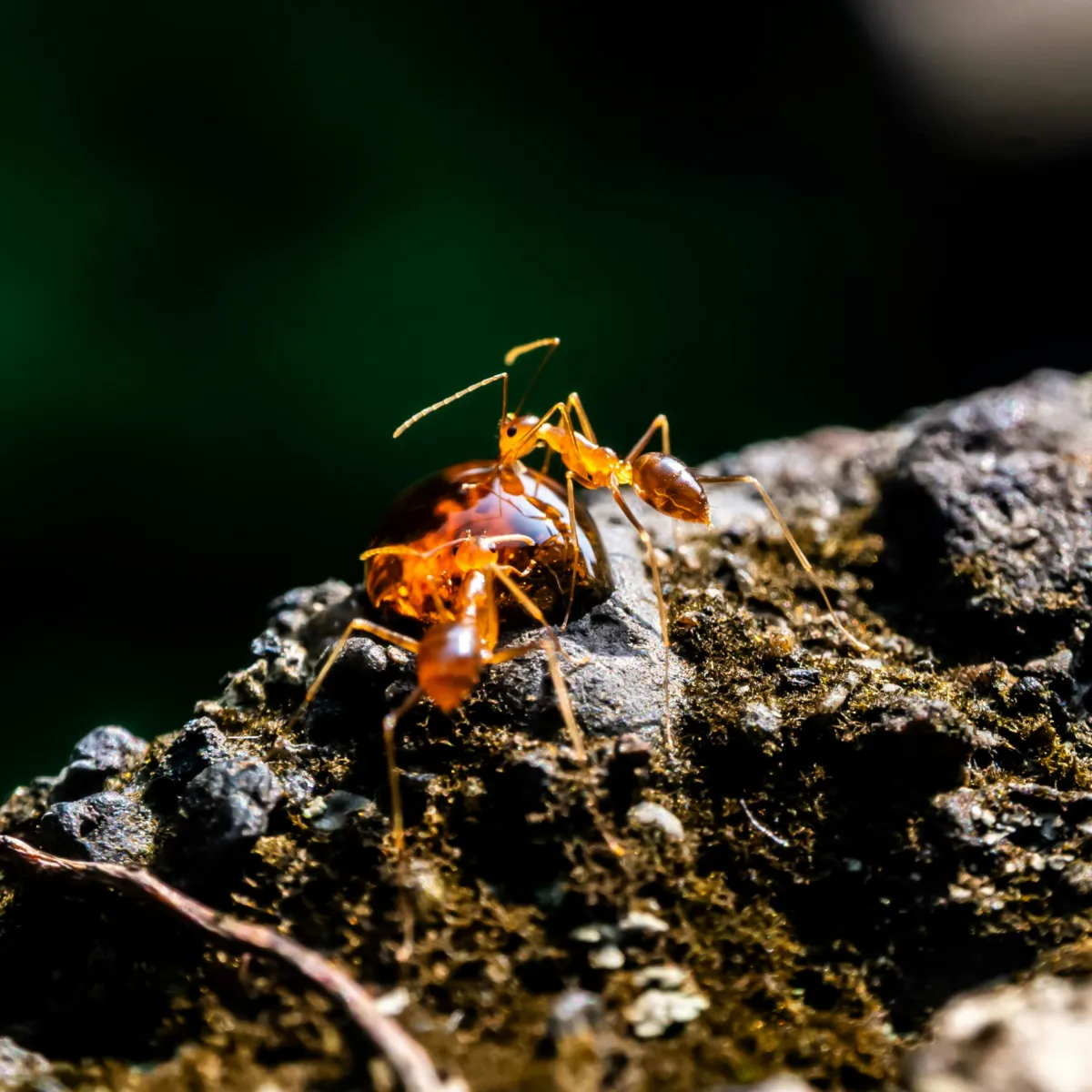
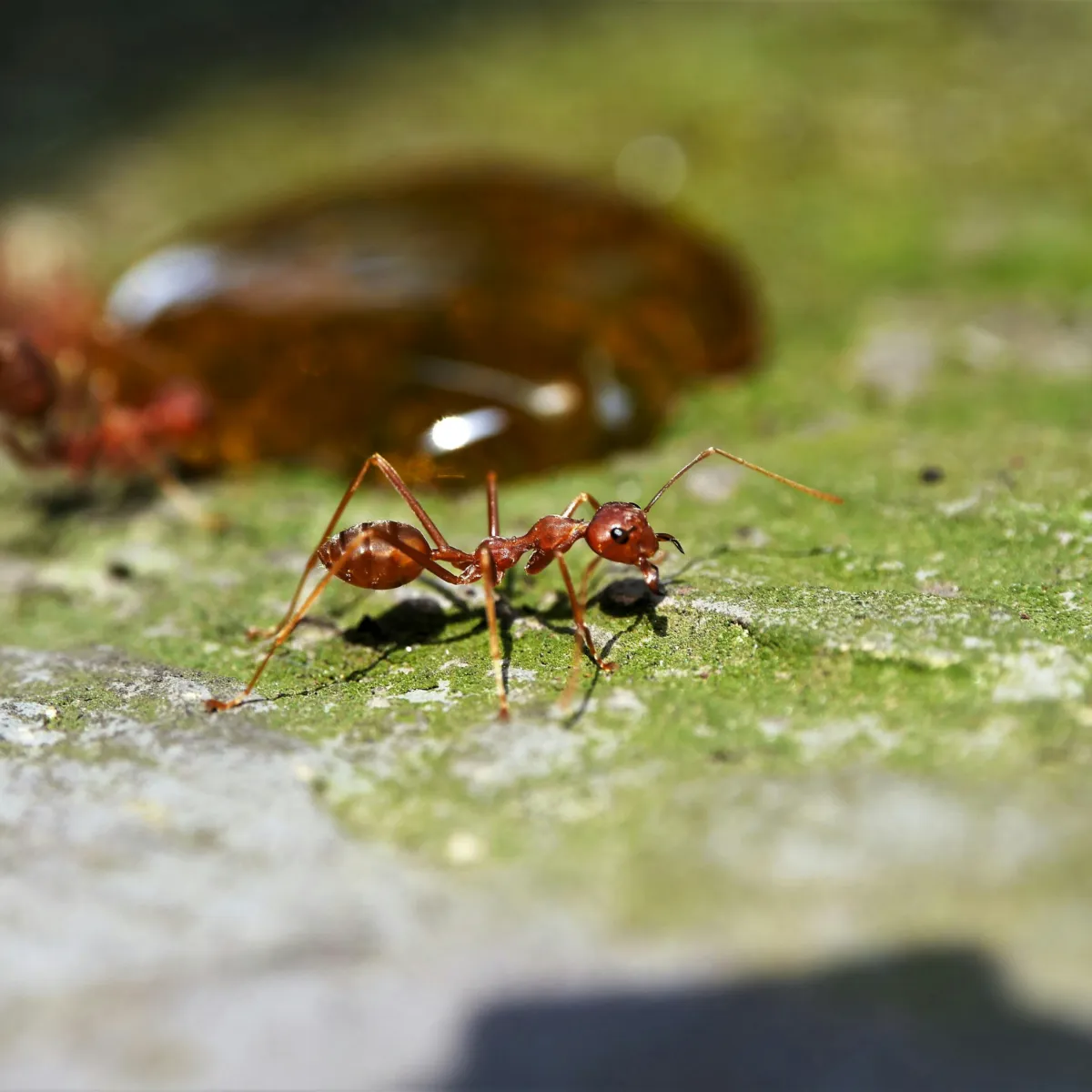
Fire ants are small reddish or reddish-brown ants known for their aggressive behavior. Their colonies often build raised mounds in warm open areas where the soil heats up easily and stays workable.
In Scott, they are commonly found in sunnier lawn sections, along driveway edges, near open ground, and in areas where turf is thinner or more exposed. Their quick response to disturbance is one of the clearest signs.
Why Fire Ants Keep Returning?
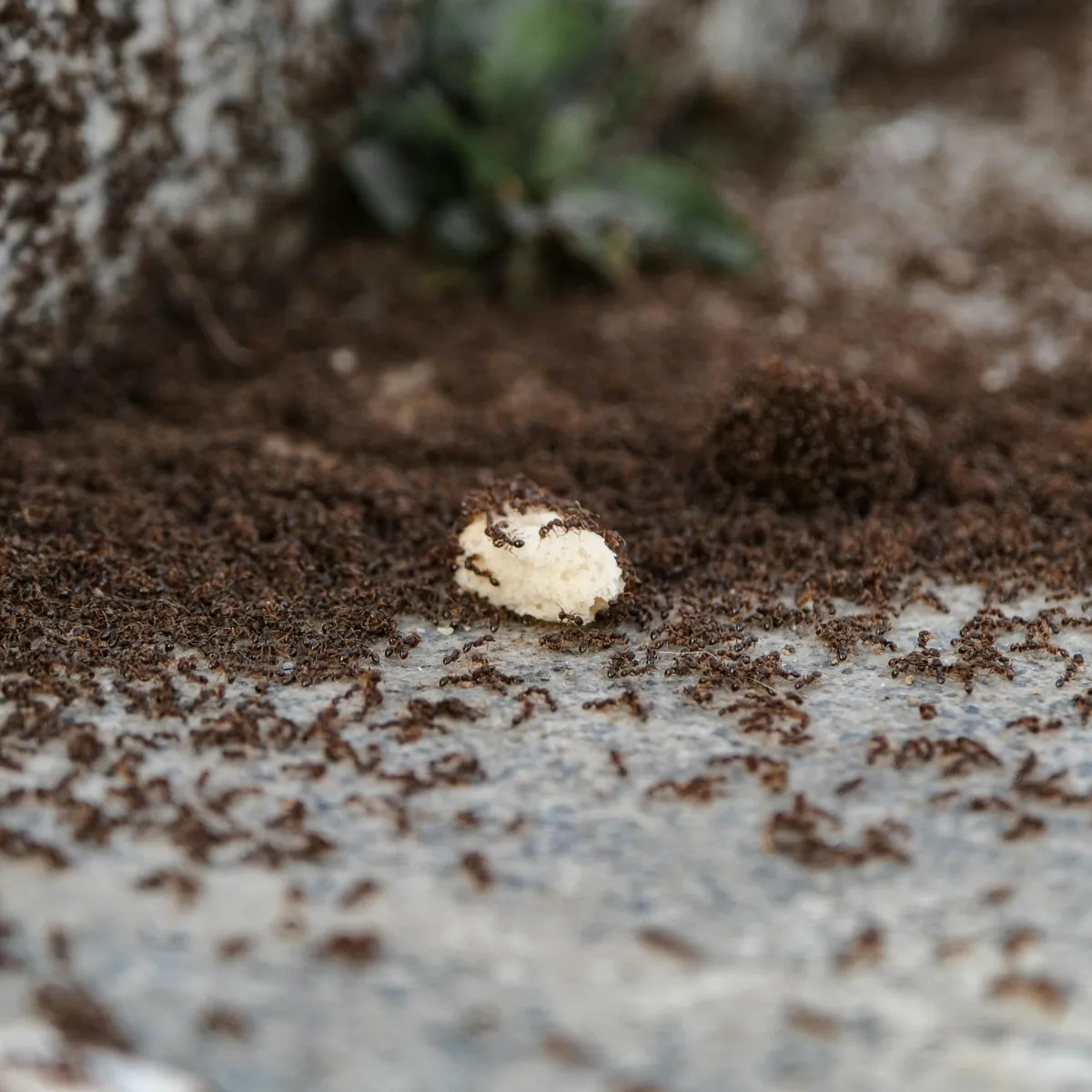
Fire ants are hard to eliminate because the visible mound rarely represents the full colony. Colonies can extend underground beyond what is easy to see, and some infestations may involve multiple queens or broader movement through the property.
That is why surface sprays and quick store-bought products often fail to hold up. They may reduce visible ants temporarily, but they often do not solve the deeper colony structure keeping the problem active.
Professional Treatment Options
Professional fire ant treatment may include mound treatment, wider property applications, bait-based strategies, or a two-step approach depending on how widespread the activity is. The best option depends on the severity of the infestation and how the colony is behaving.
That is one reason professional service tends to be more complete than DIY treatment. The strategy is matched to the actual problem instead of relying on guesswork.
DIY vs Professional Control
DIY fire ant products can be inconsistent because results depend on timing, weather, and whether ants are actively foraging. Rain, irrigation, and poor bait response can all reduce how well those treatments perform.
Professional treatment is more dependable because it starts with inspection and is matched to the infestation level. It also helps property owners avoid repeated trial-and-error treatment across the same parts of the lawn.
Fire Ant Sting Risks
Fire ants can sting repeatedly, and those stings may leave burning pain, red bumps, and irritation afterward. In some cases, reactions may be more severe, which makes active colonies a real concern around the property.
Children, pets, and anyone spending time barefoot or close to the lawn are usually most exposed. Even one active mound in a high-use area can create a real outdoor safety issue.
Safe Treatment Guidance
Fire ant treatments should always be applied according to label directions and followed by clear post-service guidance. Homeowners may need to stay off treated areas until the application is dry or until normal use is recommended.
Fairway Lawns provides practical after-service direction so families know what to expect and how to support the best result around pets, children, and outdoor spaces used every day.
Why Fairway Lawns?
Scott properties often do not behave like compact neighborhood lots. More open ground, more spread-out activity zones, and more places where mound pressure can build make fire ant control here feel different from what homeowners deal with in tighter suburban settings.
That is why property owners choose Fairway Lawns for a more property-aware approach. We focus on real inspection, practical recommendations, and treatment that reflects how fire ant activity is spreading across the land.
Fire Ant Control FAQs
If fire ants are making your Scott property harder to use, Fairway Lawns can help with service built around the actual mound and colony pressure on your land. Whether you are seeing repeated mounds after rain, dealing with painful stings near work areas or walkways, or noticing parts of the lawn no longer feel comfortable for family and pets, our team can inspect the issue and recommend the right next step. Request your quote today to get fire ant control designed to help you reclaim your property with more confidence.