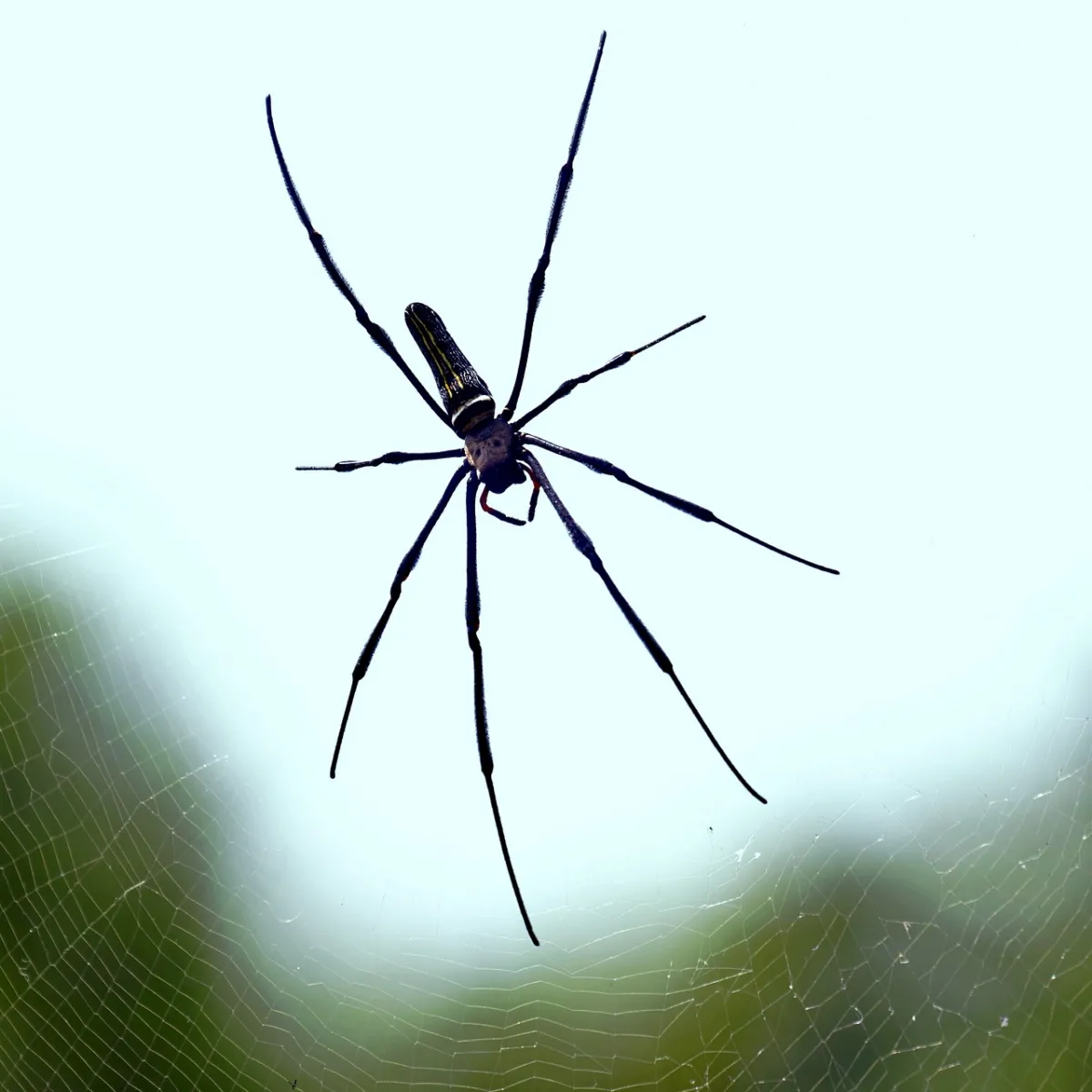
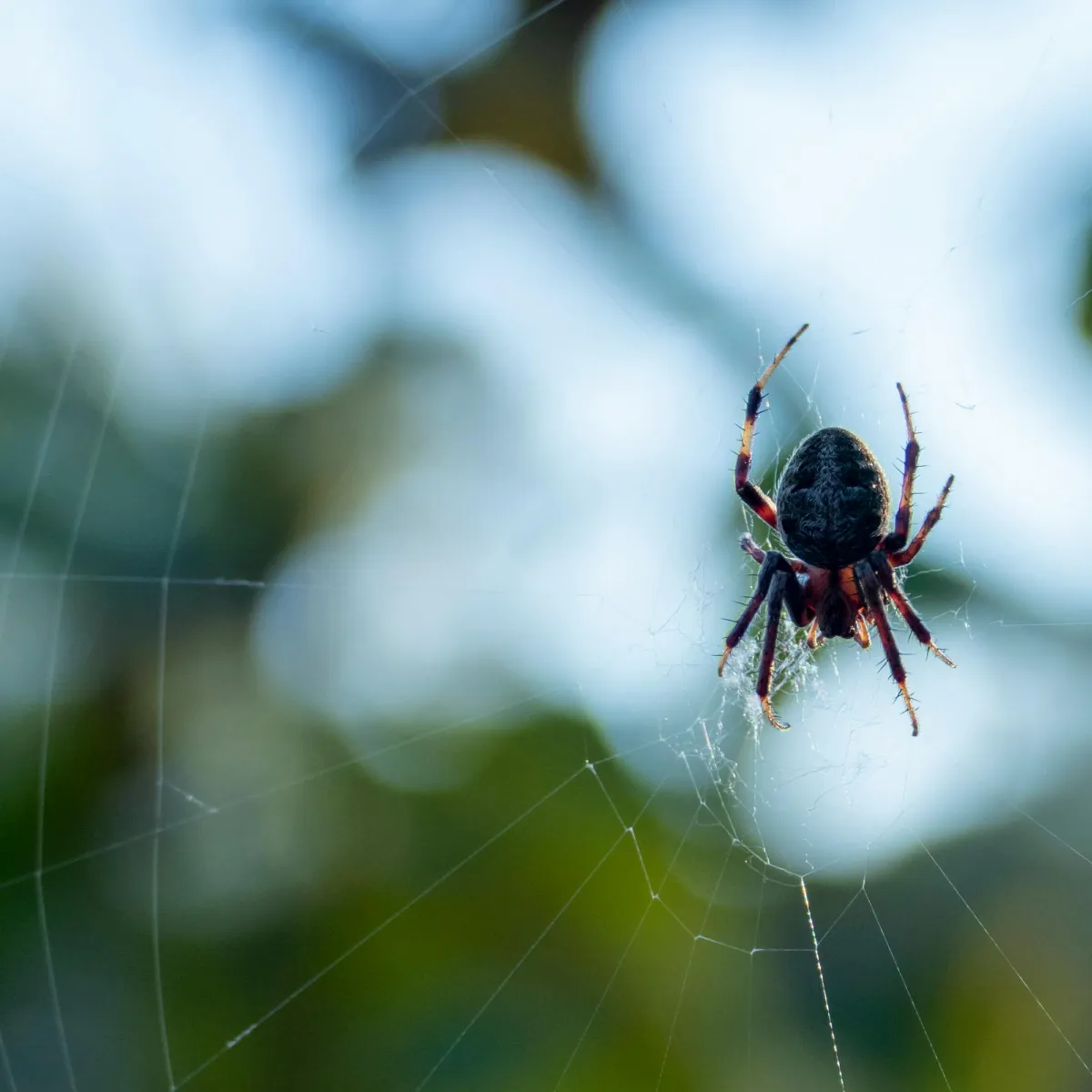
Most people do not think much about spiders until they start seeing them over and over again. One in the garage may not seem like a big deal. But when webs keep coming back around the porch, spiders show up in the bathroom, or you start spotting them in storage corners and near the windows, it quickly becomes something you want handled.
That is a common problem in Scott, AR. With warm weather, humidity, trees, open land, sheds, crawl spaces, and plenty of insects around the property, spiders have no trouble finding places to settle in. Fairway Lawns provides spider control in Scott, AR to help reduce spider problems at the source, not just spray the ones you happen to see.
Spider problems usually build up in the background before they get your attention.
Around Scott, spiders often start outside and work their way closer to the home. They settle under eaves, around porch lights, inside sheds, along the foundation, in garages, around wood piles, and anywhere insects tend to gather. Once they find food and shelter, it does not take much for them to spread into places you use every day.
That is why spider problems can feel sudden. You may go from not noticing much at all to seeing webs across the porch, spiders tucked into the garage corners, or one dropping down near the front door. In reality, they were probably building up around the property before they started showing up where you could not ignore them anymore.
In Scott, the weather helps drive that pattern. Warm months bring more insect activity, and spiders follow the food. Rain can push them into drier covered areas. When temperatures begin to shift, some spiders move closer to the house looking for more stable shelter. So even if the home is clean and well kept, it can still become a place spiders want to use.
DIY sprays usually feel helpful for a day or two, but they rarely fix the full problem. They may kill a visible spider, but they do not do much for the hidden webs, egg sacs, or the cracks and quiet spaces where spiders stay out of sight. That is why the problem often comes right back.
Fairway Lawns takes a more complete approach. We look at where spiders are living, what is attracting them, how they are getting close to the house, and what needs to be treated to make a real difference. That includes treatment, prevention, and practical recommendations that help keep the problem from starting all over again.

Good spider control feels more thorough because it is.
Fairway Lawns uses a spider control process that focuses on where spiders live and why they are sticking around. Instead of only treating visible webs, we look at the bigger picture so the service has a better chance of lasting.
We start by inspecting the parts of the property where spider pressure is usually highest. That may include garages, sheds, porches, eaves, window lines, foundation edges, crawl space entrances, storage areas, and other low-traffic spots.
We look for webs, egg sacs, active spider presence, likely entry points, signs of moisture, and anything else that may be helping spiders stay established. If there is concern about a specific species, that is part of the inspection as well.
Once we understand where the problem is coming from, we apply targeted treatment to the areas where spiders are active and where they are likely to travel or hide. This may include exterior perimeter treatment, crack and crevice applications, web removal, egg sac removal, and focused interior treatments when needed.
A lot of spider pressure begins outside, which is why exterior treatment is such an important part of the process. It helps reduce the spiders gathering around the home before they make their way further inside.
Treatment works better when paired with prevention. After the main problem areas are addressed, we look at what can be changed around the property to make it less inviting to spiders.
That might mean recommending that vegetation be trimmed back, gaps be sealed, clutter be reduced, or moisture-prone areas be addressed. Small changes can make a real difference when they remove the shelter and food conditions spiders rely on.
Spider problems are not always one-and-done, especially on properties with heavy vegetation, outdoor storage, nearby open land, or steady insect activity. Ongoing monitoring helps catch recurring pressure before it becomes more noticeable inside the home again.
Seasonal service plans and follow-up visits can be especially helpful for homeowners who deal with repeated webs, fall spider issues, or problem areas that never seem to stay clear for long.
Not every spider around the property is the same, and that matters when it comes to treatment.
Some spiders are mostly a nuisance. Others make people more uneasy because of how they look, where they hide, or the concern around their bite. Knowing what is common in this part of Arkansas helps make spider pest control more targeted and more useful.
Wolf spiders are the ones that tend to make people jump. They are larger, fast, and often show up darting across the floor, garage, or patio instead of sitting in a web. They are usually brown or gray and blend in well with dirt, leaves, mulch, and outdoor clutter.
These spiders are not known for building large webs. They hunt for insects instead. Around Scott, they are often found near foundations, in garages, around landscape beds, under boards, near sheds, and around wood piles. They are usually considered more of a nuisance than a danger, but their size alone is enough to make most homeowners want them gone.
Wolf spiders are the ones that tend to make people jump. They are larger, fast, and often show up darting across the floor, garage, or patio instead of sitting in a web. They are usually brown or gray and blend in well with dirt, leaves, mulch, and outdoor clutter.
These spiders are not known for building large webs. They hunt for insects instead. Around Scott, they are often found near foundations, in garages, around landscape beds, under boards, near sheds, and around wood piles. They are usually considered more of a nuisance than a danger, but their size alone is enough to make most homeowners want them gone.
Brown recluse spiders are one of the more concerning spiders in Arkansas. They are usually light to medium brown and are often associated with a darker violin-shaped mark on the back, although that detail can be hard to identify clearly.
They prefer dark, still, undisturbed spaces. Closets, boxes, sheds, attics, garages, shoes, stored linens, and crawl spaces can all become hiding places. Brown recluse spiders are not something homeowners want to ignore because their bites can cause serious skin reactions in some cases. When there is concern about brown recluse activity, professional identification and treatment matter.
Brown recluse spiders are one of the more concerning spiders in Arkansas. They are usually light to medium brown and are often associated with a darker violin-shaped mark on the back, although that detail can be hard to identify clearly.
They prefer dark, still, undisturbed spaces. Closets, boxes, sheds, attics, garages, shoes, stored linens, and crawl spaces can all become hiding places. Brown recluse spiders are not something homeowners want to ignore because their bites can cause serious skin reactions in some cases. When there is concern about brown recluse activity, professional identification and treatment matter.
Jumping spiders are small, alert, and quick. They are often spotted on walls, windows, patios, and sunny exterior surfaces. They do not usually build the kind of webs homeowners notice first, so people tend to see the spider itself before they realize it has been around.
They are not considered dangerous, but they can still become annoying when sightings are frequent. Their presence often points to insect activity around windows, doors, and outdoor living spaces.
Cellar spiders have long, delicate legs and are usually found in garages, basements, crawl spaces, storage rooms, and other quiet corners. They build loose, messy webs that can make a space feel neglected even when the rest of the home is tidy.
They are mostly nuisance spiders, but if you keep finding them in the same places, it usually means conditions in those areas are working in their favor, whether that is moisture, clutter, or lack of regular disturbance.
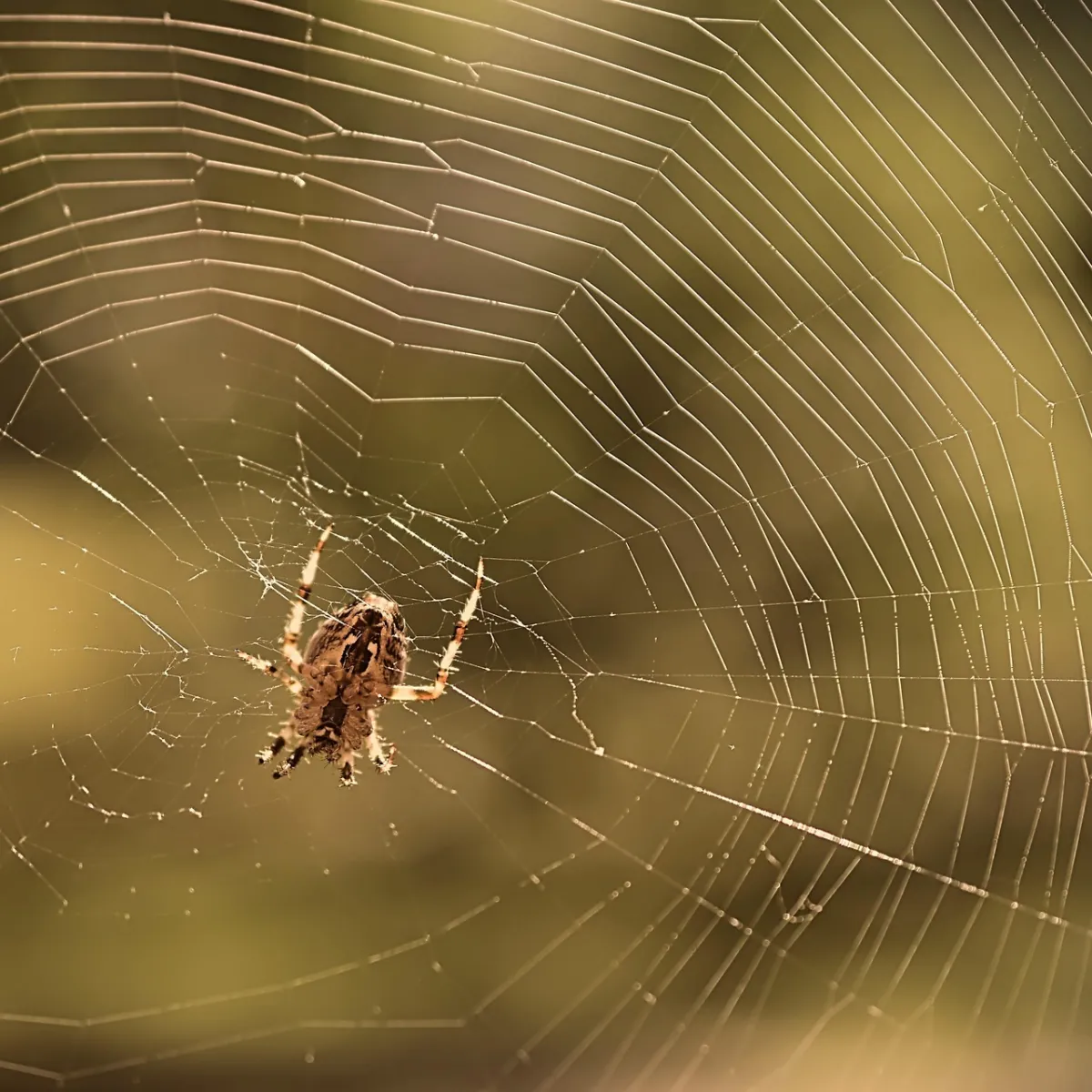
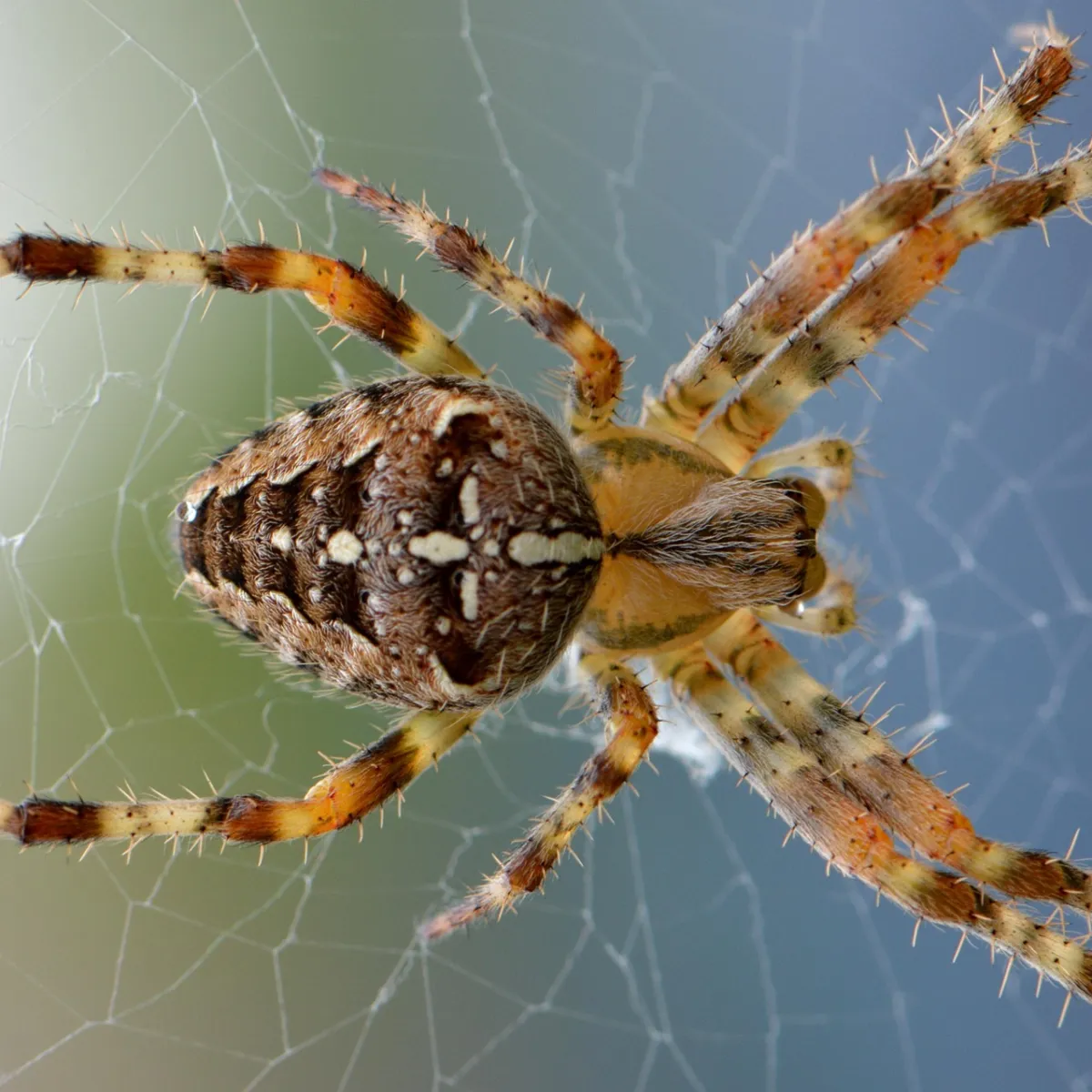
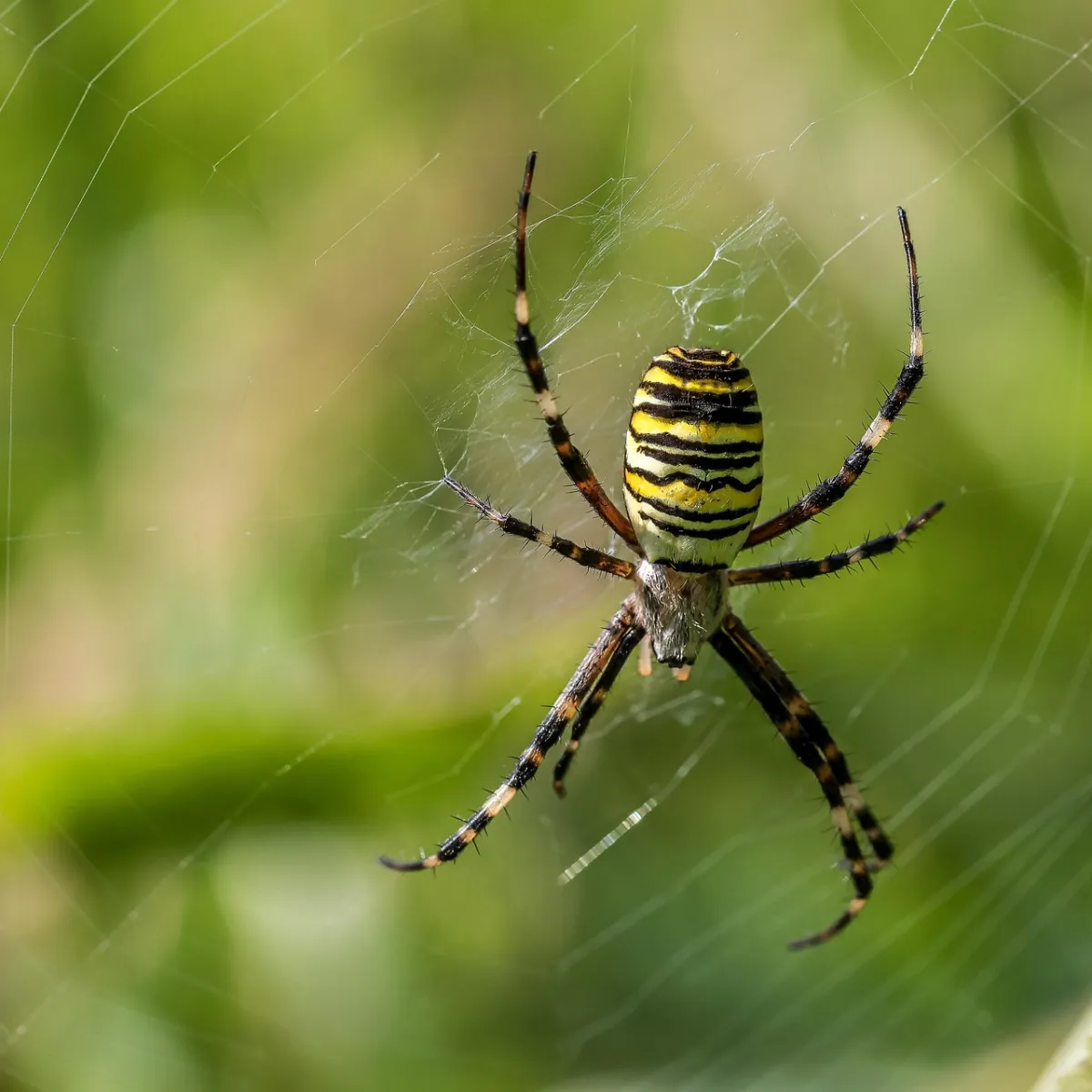
Orb weavers are the spiders that build the neat circular webs many people see stretched between bushes, porch railings, eaves, and outdoor lights. They are mostly outdoor spiders and can actually help reduce some flying insects, but that does not make them welcome when their webs are constantly in the way.
In Scott, they are especially noticeable in warmer months when moths, flies, and other insects are abundant. They are more of an outdoor nuisance than a danger, but they still become a problem when they keep rebuilding close to entryways or outdoor seating areas.
When spiders keep showing up, the property is usually giving them a reason to stay.
A spider problem does not always start with seeing large numbers of spiders. Sometimes it begins with small signs that are easy to dismiss. A few webs around the garage. A spider near the sink every few days. Egg sacs tucked high in a corner. Then, before long, it starts to feel like spiders are everywhere.
Recurring webs are one of the clearest signs. If you keep brushing webs away from the same windows, porch corners, eaves, or storage areas, there is a good chance spiders are well established nearby. The same goes for spotting spiders in basements, garages, attics, closets, or rooms that do not get much traffic.
Egg sacs are another sign people should not ignore. They are often tucked into webs, hidden in corners, or attached to protected surfaces. They may look small, but they can lead to a lot more spiders once they hatch.
You may also notice dead insects collecting near window sills, lights, or corners. Since spiders go where food is, an insect problem often helps feed a spider problem. Shed skins, dusty web buildup, or spider sightings that continue after using store sprays are all signs that the issue is more established than it seems.
Spiders do not wander inside by accident as often as people think.
Spiders usually move toward homes because they are finding something useful there. Most often, that means insects. If a property has plenty of bugs around the porch lights, near windows, in the garage, or around damp areas, spiders are going to notice.
Shelter is another reason. Homes give spiders cover from heavy rain, intense heat, and changing temperatures. Cracks near the foundation, gaps under doors, torn screens, attic vents, garage openings, and utility penetrations all make it easier for them to slip inside.
In Scott, humidity also plays a role. Moist conditions support insect activity, and insects are what keep spiders around. Properties with shade, dense landscaping, standing moisture, cluttered edges, and nearby vegetation can create a very comfortable setup for both bugs and spiders.
Seasonal changes matter too. In late summer and fall, homeowners often notice more spiders because some species become more visible or move closer to the structure. What feels like a sudden invasion is often just a seasonal shift on a property that was already attractive to them.
The places spiders hide are usually the places people do not check until the problem grows.
Spiders are good at staying out of sight. That is part of what makes them frustrating. By the time you notice them regularly, they have usually already settled into several quiet spots around the property.
Common hiding places include garages, attics, crawl spaces, basements, closets, sheds, roof eaves, wood piles, decks, stored boxes, and foundation cracks. Inside the home, they may stay behind furniture, around window frames, in unused corners, near ceiling lines, or in rooms that stay dim and undisturbed.
Outside, spiders often hide under patio furniture, around shutters, behind outdoor décor, near lights, inside dense shrubs, and along fence lines. Garages are especially common because they give spiders darkness, shelter, clutter, and easy access to both the indoors and outdoors.
That is why good spider control is not just about treating the room where a spider was seen. It means figuring out where they are nesting, where they are entering, and what areas are quietly supporting the problem.
Spider pressure changes with the seasons, and that pattern is pretty noticeable in Arkansas.
In spring, spider activity starts to build as insect populations rise. You may notice more webs outdoors, especially around porches, sheds, windows, landscaping, and eaves.
Summer is usually one of the busiest times for spider sightings because food is everywhere. Warm air, humidity, and increased insect movement create ideal conditions for spiders to stay active around homes and outdoor spaces.
Fall is often when homeowners become most aware of the problem. Spiders may move closer to the house as temperatures shift, and some become more visible during seasonal changes. This is when people often start finding them in garages, closets, bathrooms, laundry rooms, and corners they had not thought about in months.
In winter, outdoor pressure usually slows, but indoor spider sightings can continue. Once spiders are tucked into attics, basements, crawl spaces, and storage areas, they may stay there unless those spaces are treated or monitored.
This is one reason store-bought spider sprays are so frustrating.
Most DIY products only deal with the spider that happens to be out in the open. They do not usually reach the egg sacs hidden in the garage corner, the webs under the eaves, or the cracks and clutter where spiders spend most of their time.
That is why homeowners often feel like the product worked for a day or two, then suddenly they are right back where they started. The visible spider is gone, but the rest of the problem is still there.
DIY treatments also do not solve the reason spiders are around in the first place. If insects are still gathering near lights, moisture is still attracting pests, or the same entry points are still open, the home stays attractive to spiders.
A few simple changes can make the property less comfortable for spiders over time.
Keep vegetation trimmed away from the house so spiders and the insects they feed on are not nesting right against the structure. Move wood piles away from the home, keep outdoor clutter down, and try not to let debris build up around the foundation.
Seal small gaps around doors, windows, vents, and utility lines. Replace damaged screens and check weather stripping where spiders might slip through more easily.
Inside, vacuum corners, remove webs quickly, keep storage areas more organized, and avoid letting boxes or unused items pile up in garages, closets, and crawl spaces. The fewer quiet hiding places spiders have, the better.
It also helps to manage moisture. Fix small leaks, improve drainage where needed, and reduce damp conditions in places like the garage, basement, or crawl space. If there are fewer insects and fewer protected hiding areas, spiders have less reason to stay.
Spider treatment should feel careful and sensible, especially around the people and pets who live there.
Fairway Lawns uses targeted spider control treatments applied by licensed technicians who know how to treat active areas without taking a careless approach. We focus on where spiders are actually hiding and traveling rather than overapplying product where it is not needed.
If you have children, pets, or specific concerns about certain parts of the home, that can be discussed before service begins. We can explain the treatment plan, what areas will be addressed, and what to expect afterward.
The goal is to reduce spider pressure while treating the home responsibly. That matters to families who want the problem handled without feeling uncertain about how the service is being done.
Homeowners usually want spider control that feels clear, practical, and worth the call.
Fairway Lawns understands that spider issues are not just about pests. They affect how comfortable you feel in your own space. A garage you do not want to walk into, a porch you keep checking before sitting down, or storage you avoid because you are worried about what is hiding inside can wear on you quickly.
Our team takes the time to look at the property as a whole. We treat the areas where spiders are active, help reduce the places they are likely to return to, and give homeowners a more realistic path to long-term control.
For Scott homeowners, that means service built around how spiders actually behave in this region. Not a rushed spray-and-go visit, but a more thoughtful treatment plan aimed at helping the home feel more comfortable again.
These are the questions people usually ask once spiders become a recurring problem.
If spiders keep showing up around your home, garage, porch, or storage areas, Fairway Lawns can help. We treat the places spiders hide, reduce webs and egg sacs, and help address the conditions that keep the problem going. Schedule your spider control service in Scott, AR and get a plan that feels more practical than another round of DIY sprays.