Bartlett Spider Control
In Bartlett, spider activity often builds around the spaces homeowners use the most but inspect the least. It may start with webs above the patio, spiders around the garage trim, or repeated sightings near storage shelves and backyard furniture. Those early signs usually point to a property that is giving spiders the shelter and insect activity they need to stay active.
Fairway Lawns provides spider control in Bartlett with targeted treatment, web reduction, and prevention-focused service built around the places where spider activity tends to come back first.
Focused service for patios, garages, backyard seating areas, and shaded corners
Bartlett homes often have mature landscaping, fenced yards, mulch beds, porches, and tree cover that create ideal pockets of shade and protection for spiders. Even well-kept properties can deal with recurring spider pressure when insects stay active around lights, shrubs, beds, and protected exterior surfaces.
That is why effective spider control should go beyond knocking down a few visible webs. It should focus on where spiders are nesting, what is feeding the activity, and why the same areas keep becoming active again.
Fairway Lawns treats Bartlett spider problems with service built around how the property is actually used, from garage entries and back patios to fence lines, storage zones, and landscaped yard edges.
Spider Control Process
Spider control works best when it follows a clear plan. Fairway Lawns begins by locating where activity is strongest, then treats the key areas and identifies the property conditions helping it continue.
We inspect for visible webbing, likely harborage zones, moisture issues, entry points, and insect-heavy areas that may be increasing spider pressure.
We treat active spider zones using perimeter applications, crack and crevice treatment, web removal, and spot treatment where needed.
We identify the conditions that may be helping spiders stay active, such as thick landscaping, clutter, insect-attracting lights, and unsealed exterior gaps.
When spider pressure is recurring, continued service helps keep the same parts of the property from becoming active again.
Bartlett Spider Species
Wolf spiders are large, fast-moving spiders that do not rely on a traditional web. They are usually nuisance spiders, but their size makes them one of the most noticeable spiders around the home.
In Bartlett, they often turn up near garage floors, mulch beds, foundation lines, and lower patio edges where insects are active.
House spiders are familiar indoor web-builders that settle in corners, closets, ceilings, and storage spaces. They are not usually dangerous, but repeated webbing can make it feel like the issue never fully clears.
They often stay active indoors year-round, especially in rooms and corners that do not get much disturbance.
Brown recluse spiders are one of the higher-concern spider species in Tennessee because of the possible medical significance of their bite. They usually stay hidden instead of out in the open.
They are commonly associated with stored cardboard, closets, attic items, spare rooms, and quiet garage shelving.
Black widows prefer protected outdoor areas with low disturbance. They are medically significant and should be treated carefully, especially around patios, storage areas, and family-use spaces.
They may hide near stacked materials, storage bins, outdoor furniture frames, utility areas, and protected corners near the home.
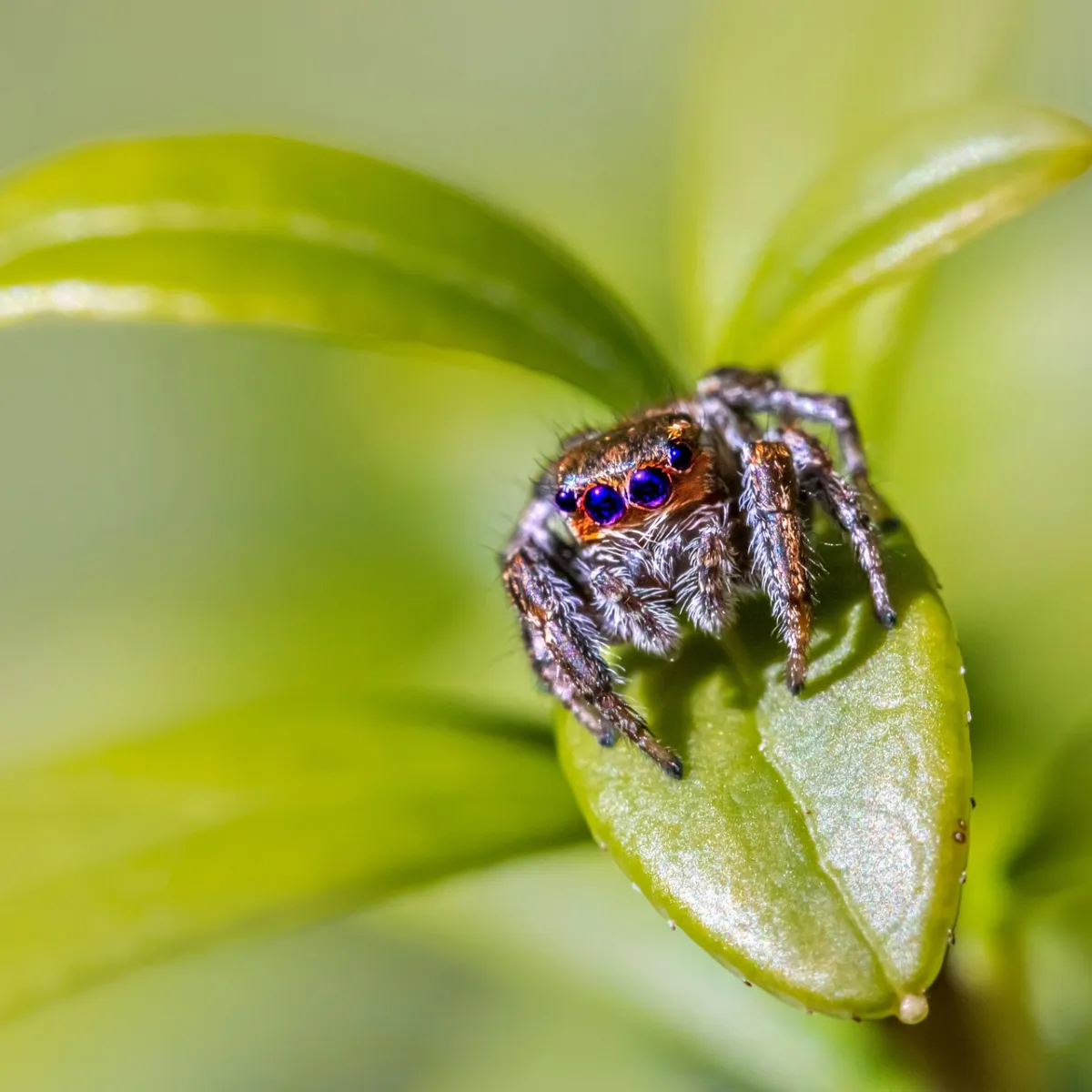
Jumping spiders are small, active spiders often seen on siding, windows, porch posts, and sunny surfaces. They are usually nuisance spiders, but they are visible enough to get noticed quickly.
They are especially common in warm weather and may move inside through small gaps.
Cellar spiders build loose webs in lower-light indoor and semi-indoor spaces. They are not usually dangerous, but they can leave behind heavy webbing in utility and storage areas.
In Bartlett, they are often found in garage corners, utility closets, storage shelves, and quiet ceiling lines.
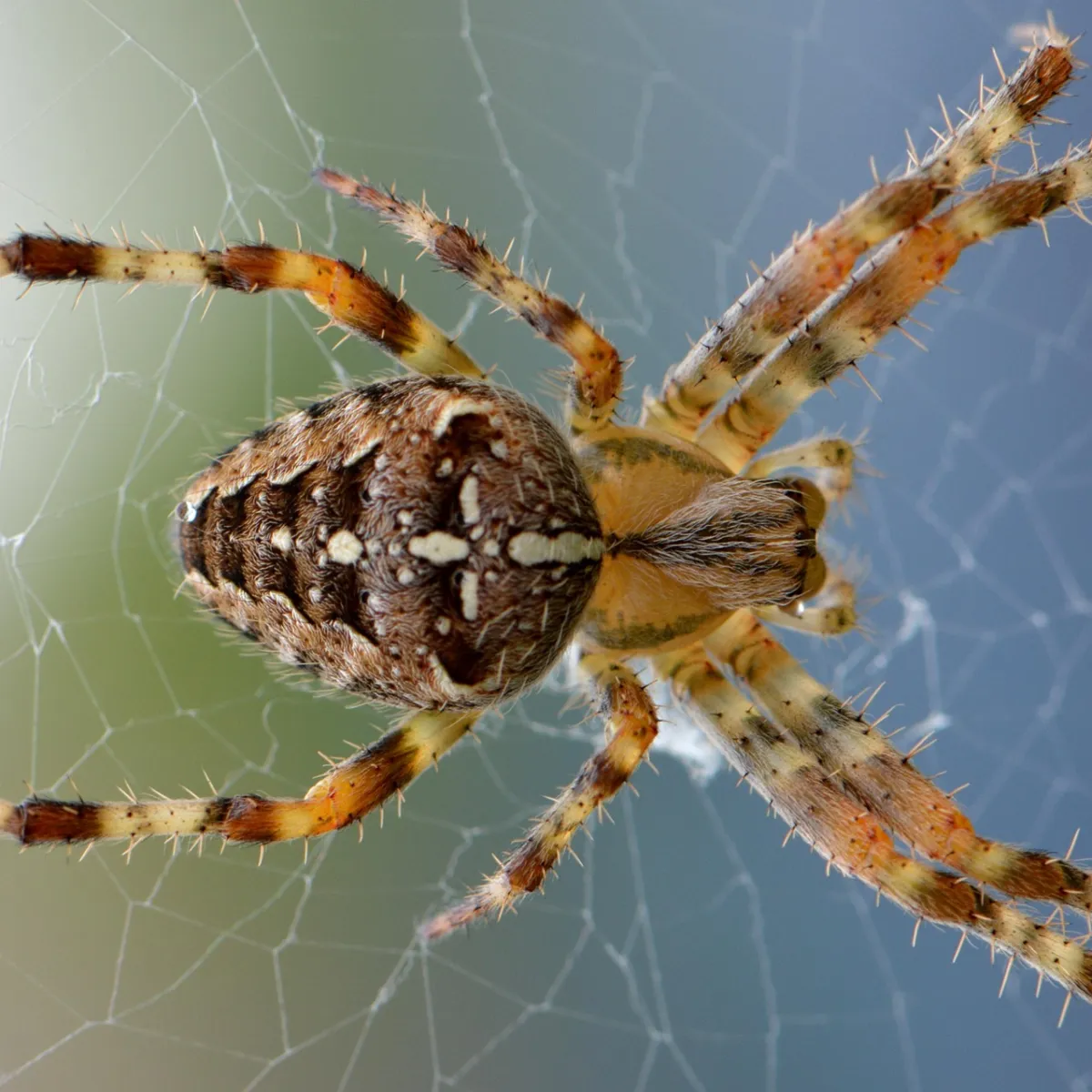
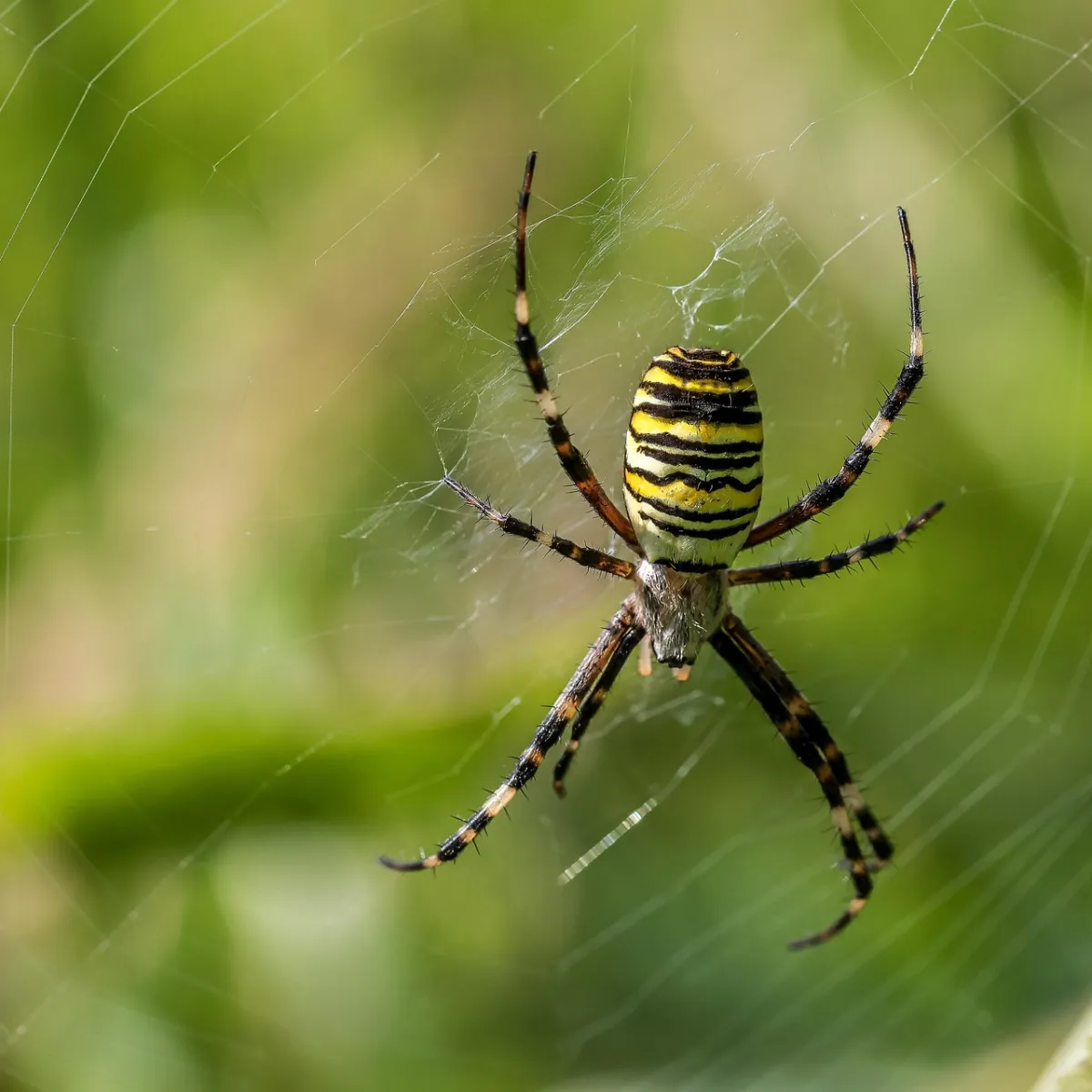
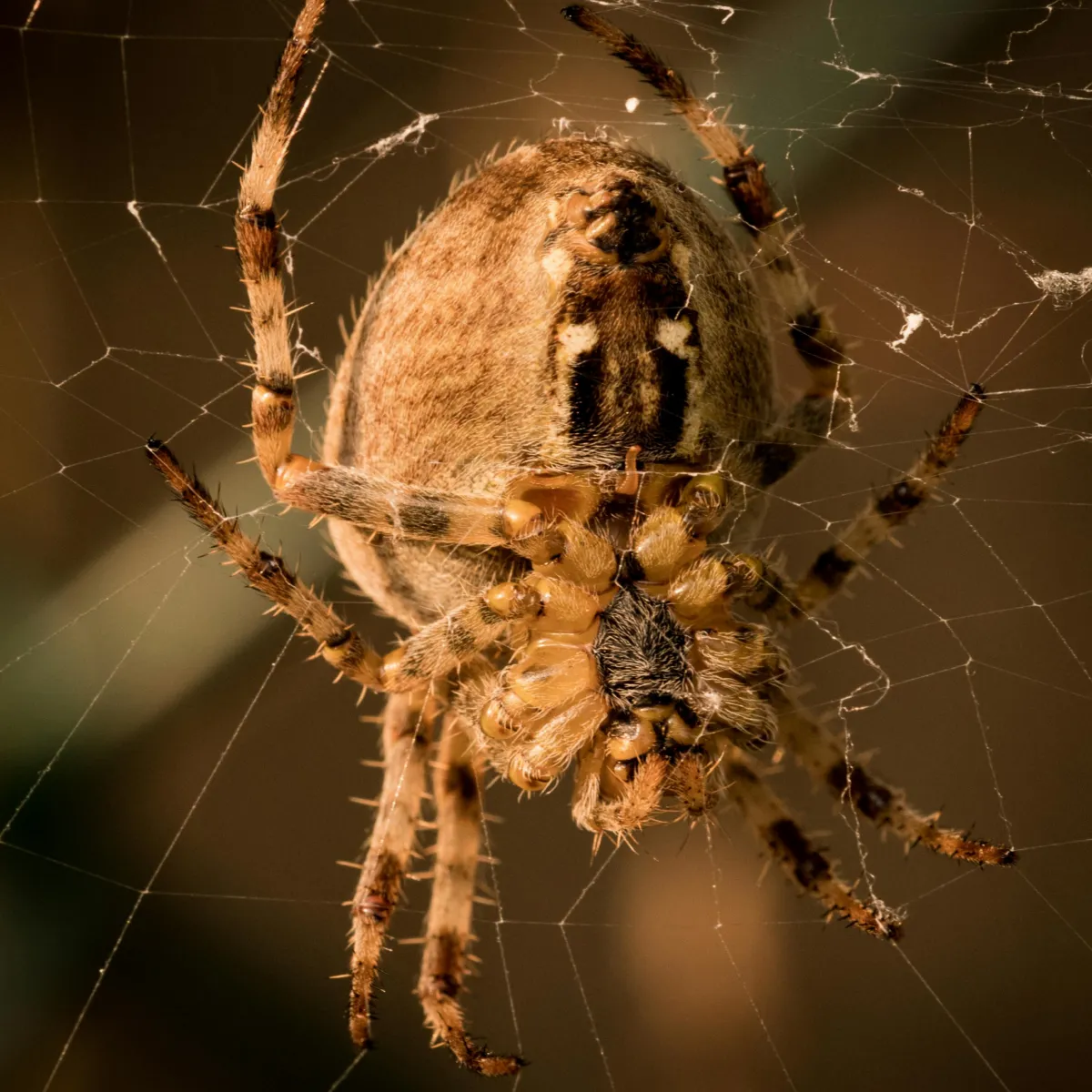
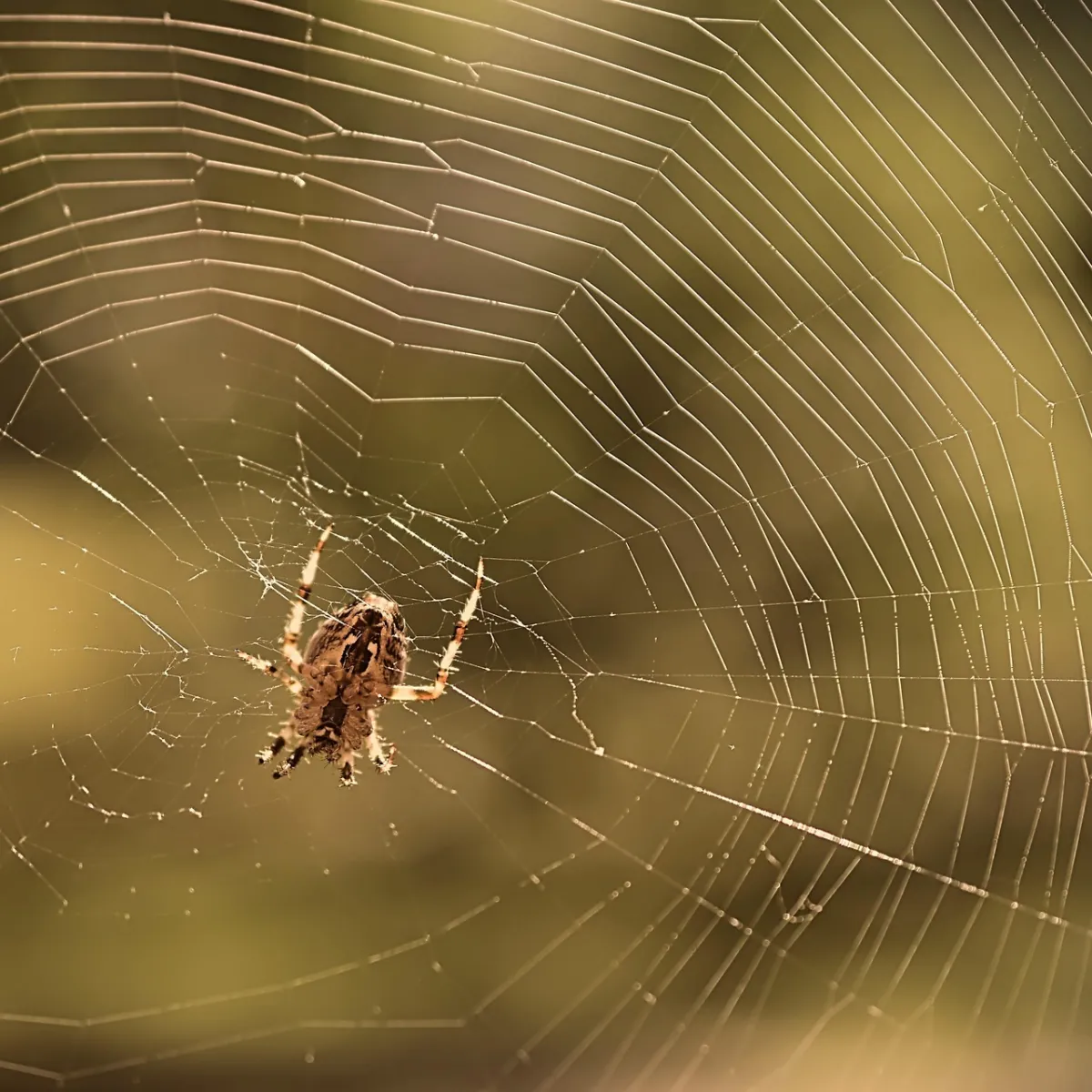
Orb weavers and garden spiders build large outdoor webs across shrubs, porches, fence sections, and walkways. They are mostly nuisance spiders, but repeated webbing can make outdoor spaces harder to enjoy.
They are often especially noticeable in late summer around backyard fences, landscape beds, and outdoor lighting.
Signs of Spider Pressure
Spider issues usually show up through repeated patterns rather than one random sighting. In Bartlett, that might look like new webs around the same patio corner each morning, repeated spider activity in the garage, or webs returning near the same windows and back-door trim.
Other signs can include egg sacs, shed skins, spider droppings, and dead insects trapped in webbing. When those signs keep returning, the issue is usually more established than it first appears.
Why Spiders Settle In?
Spiders stay close to homes because they find food, shelter, and protection there. In Bartlett, mature trees, warm humidity, mulch beds, shrubs, outdoor lighting, and long insect seasons all help support spider activity around residential properties.
Once spiders find quiet cover and steady insect movement, they often stay close to the structure and gradually move farther indoors through gaps and entry points.
Where Spiders Hide Best?
Spiders in Bartlett homes often settle in garages, attic corners, storage bins, shed interiors, patio framing, eaves, shrub beds, crawl spaces, and along the foundation.
Inside, they may stay behind furniture, in utility rooms, along window trim, and in lower-traffic spaces where they can remain undisturbed.
When Spider Activity Peaks
Spider activity in Bartlett usually climbs in spring as insect pressure rises. As warm weather settles in, outdoor webbing becomes more noticeable and sightings increase around patios, garages, and landscape edges.
Summer tends to bring the heaviest spider activity. In fall, more spiders start shifting toward protected spaces, while winter activity can continue in garages, attics, and storage areas.
Why DIY Has Limits?
DIY spider sprays often only address the spiders you happen to see. They usually miss hidden nesting spots, egg sacs, and the exterior insect activity that keeps drawing spiders back.
Professional service works better because it treats the issue more strategically. Fairway Lawns focuses on where the pressure is building and what is helping it stay there.
Helpful Spider Prevention Steps
Sealing cracks, trimming shrubs back from the home, reducing clutter, removing webs quickly, and replacing damaged screens can all help make the property less inviting to spiders.
It also helps to reduce insect activity around patios, windows, garage doors, and exterior lights. The fewer insects spiders find near the structure, the less likely they are to stay active there.
A More Careful Service Approach
Spider control should fit the way a household actually lives. Fairway Lawns uses trained technicians and treatment methods designed to reduce spider activity while giving homeowners practical guidance for everyday use around children and pets.
We also explain what was treated and what to expect afterward so homeowners know how to support the best result.
Why Bartlett Homeowners Choose Fairway?
Bartlett homeowners want their patios, garages, and backyard spaces to feel comfortable, not like every shaded corner is turning into another web-building spot. The mix of mature landscaping, tree cover, and active outdoor living can make spider activity feel stubborn even on tidy properties.
Fairway Lawns provides spider control built around how Bartlett homes are actually laid out and lived in, with service that focuses on real reduction instead of a quick temporary reset.
Spider Questions for Bartlett Homes
If spiders are starting to take over the corners of your Bartlett home or yard, Fairway Lawns can help with service built around the way the activity is actually showing up. Whether the problem is building around your patio, garage, shrub line, or indoor storage areas, our team can inspect the property, treat the right spaces, and recommend a plan that helps keep the issue from taking hold again.