Cordova Fire Ant Control
A Cordova yard can go from comfortable to frustrating fast when fire ants start building. One mound near the back gate, another beside the driveway, or a cluster near the lawn edge may seem manageable at first, but warm conditions can let colony pressure spread farther than homeowners expect.
Fairway Lawns provides fire ant control in Cordova with treatment designed to reduce active mound pressure, address colony activity below the surface, and help restore the yard to normal use.

Designed for open turf, pet areas, side yards, and backyard use
The hardest part about fire ants is that the visible mound rarely tells the whole story. A small mound can still point to a colony that is active below the surface and capable of spreading into nearby lawn sections.
That is why effective fire ant control has to follow the pattern of activity across the property, not just the most noticeable mound. Fairway Lawns treats Cordova fire ant issues with inspection, focused treatment, and recommendations based on how the lawn is actually used.
Fire Ant Treatment Steps
A good fire ant treatment plan follows how the activity is actually spreading across the property. Fairway Lawns uses a step-by-step process that focuses on locating active pressure, treating the right sections, and helping reduce recurring mound problems.
We inspect for active mounds, visible ant movement, and the lawn sections where fire ant pressure is most concentrated.
We determine whether the activity appears isolated or whether there is broader colony pressure across the property.
We treat active mounds and affected turf sections based on how the infestation is behaving and how the yard is used.
We provide recommendations to help reduce future mound activity in the spots most likely to stay active.
Why Fire Ant Activity Matters?
Repeated stings are usually what push homeowners to act. In Cordova, where kids, pets, and guests often use the yard regularly, one active colony can quickly become more than a minor lawn problem.
Professional treatment matters because it is designed to reduce the colony, not just flatten the mound that happens to be visible.
How Fire Ant Problems Start Showing
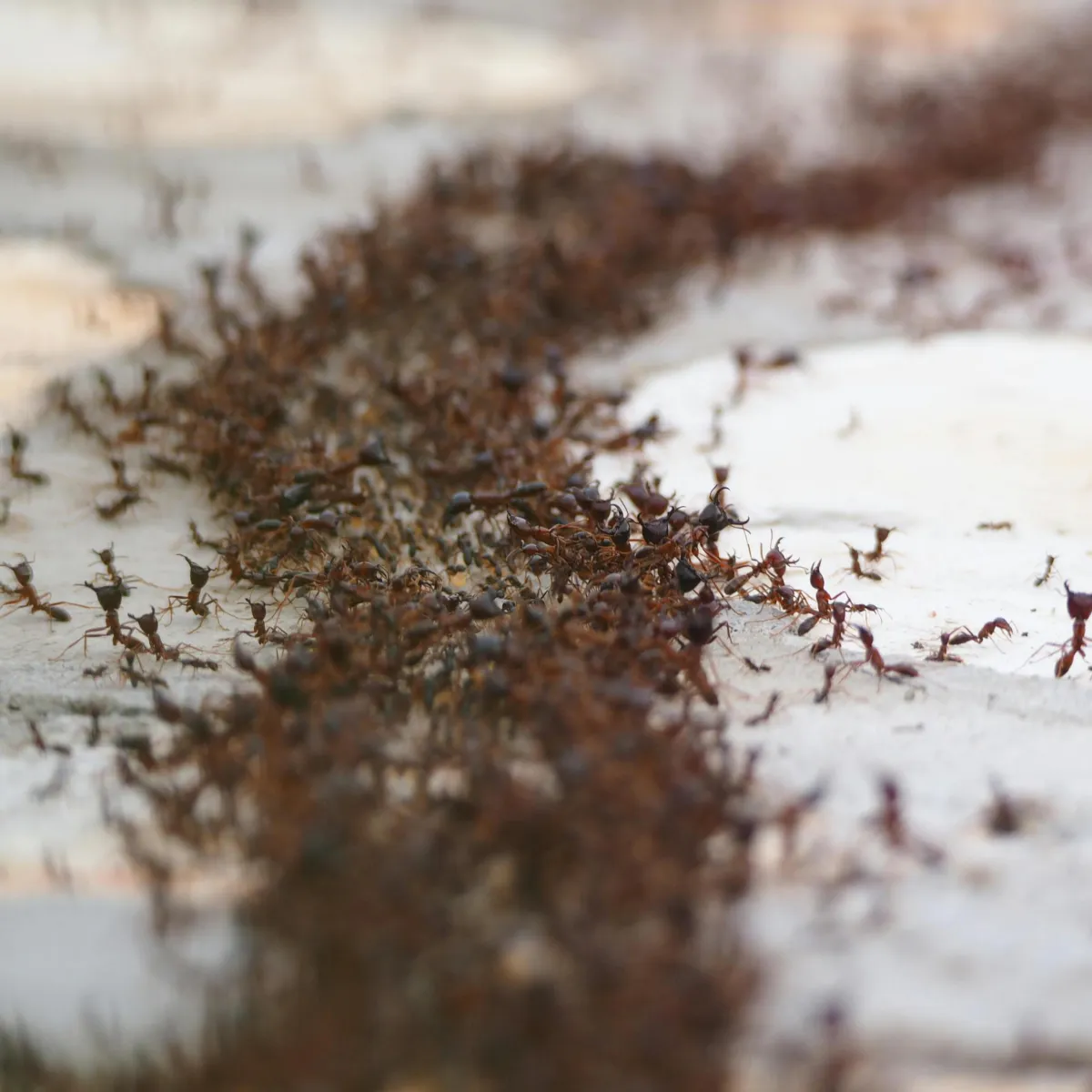
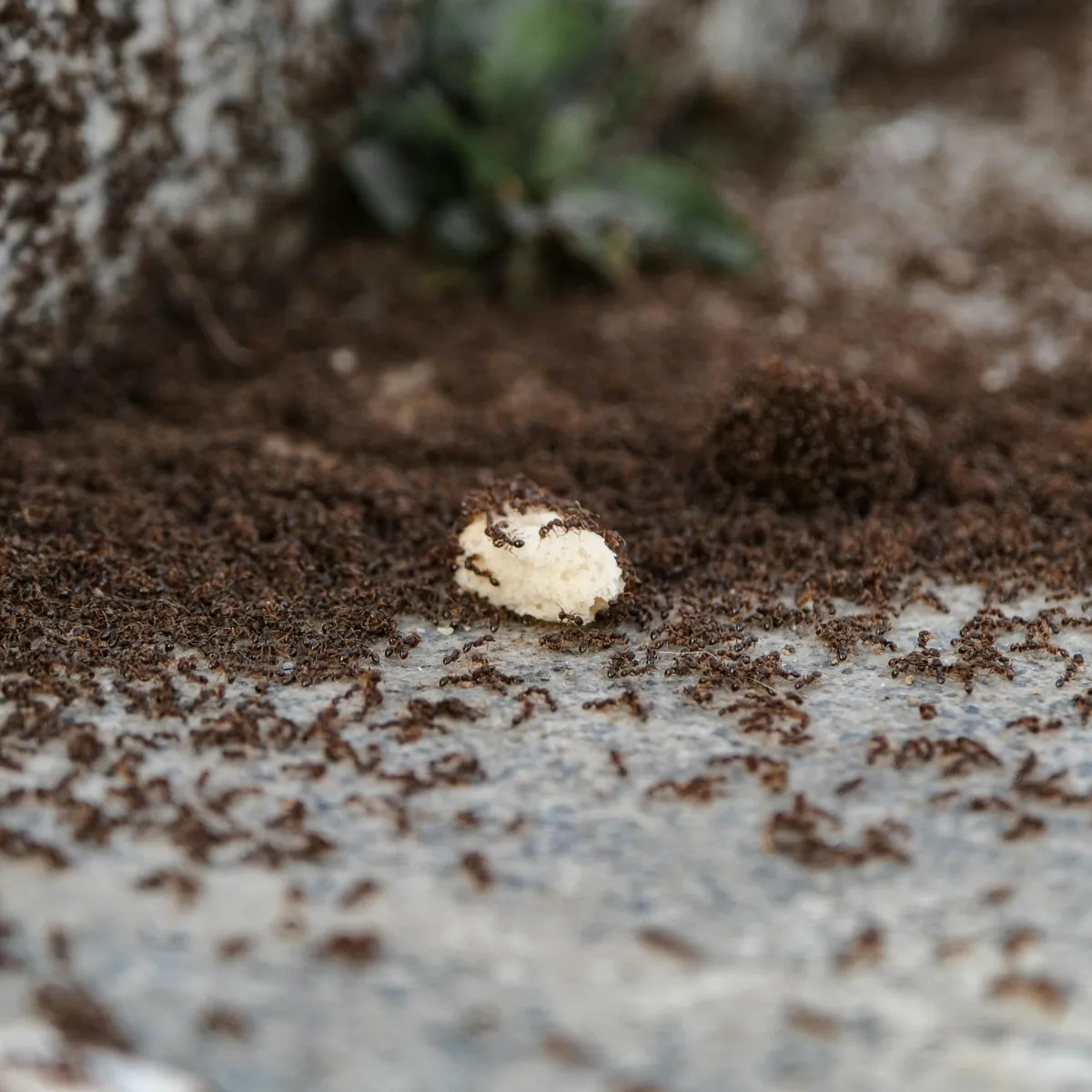
Fresh sandy mounds are often the first sign homeowners notice. Soon after that, the pattern usually gets clearer: ants swarm when disturbed, painful stings happen during lawn use, or new mounds appear in nearby sunny turf.
When those signs keep coming back in the same part of the property, the issue is usually more established than it first looks.
How to Recognize Fire Ants
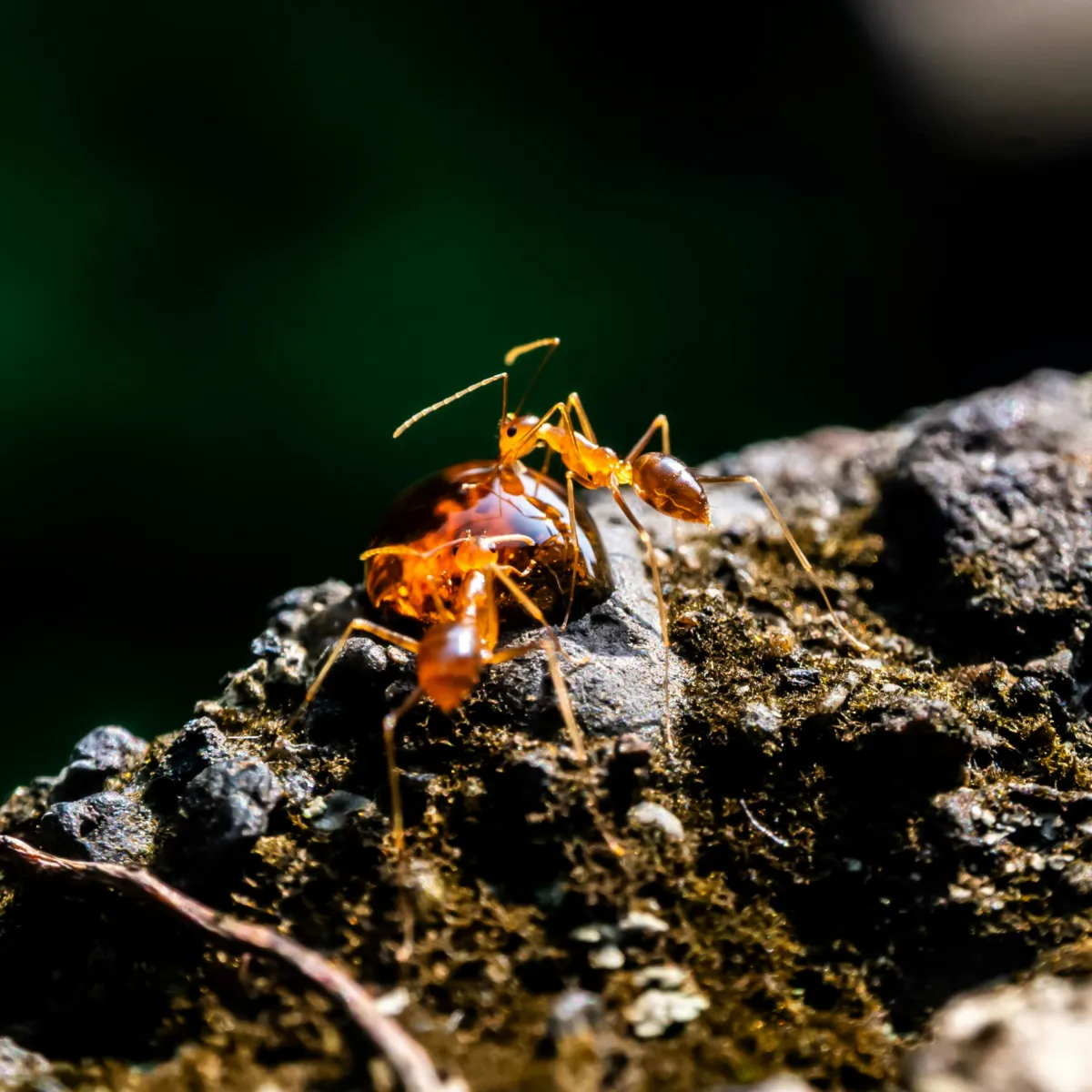
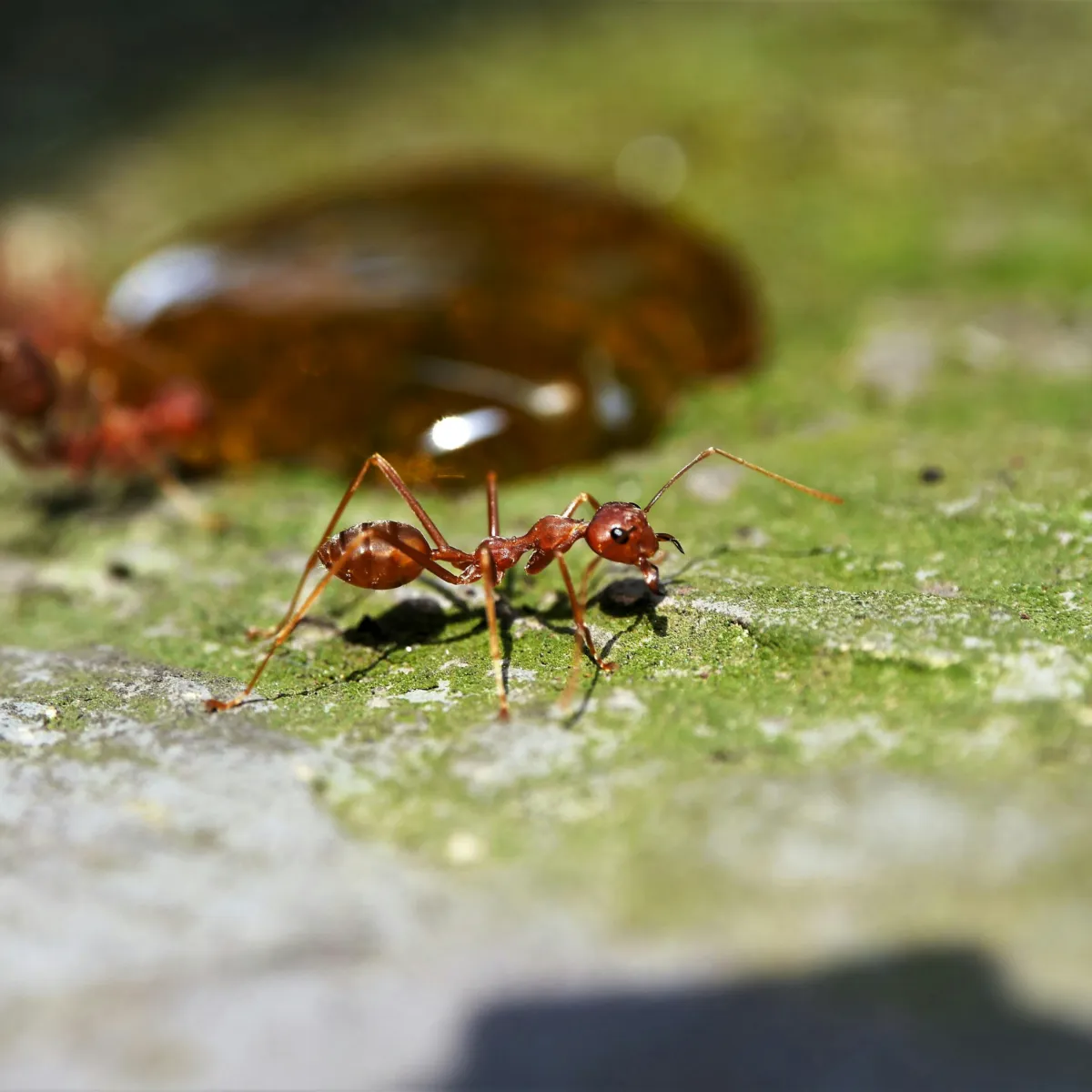
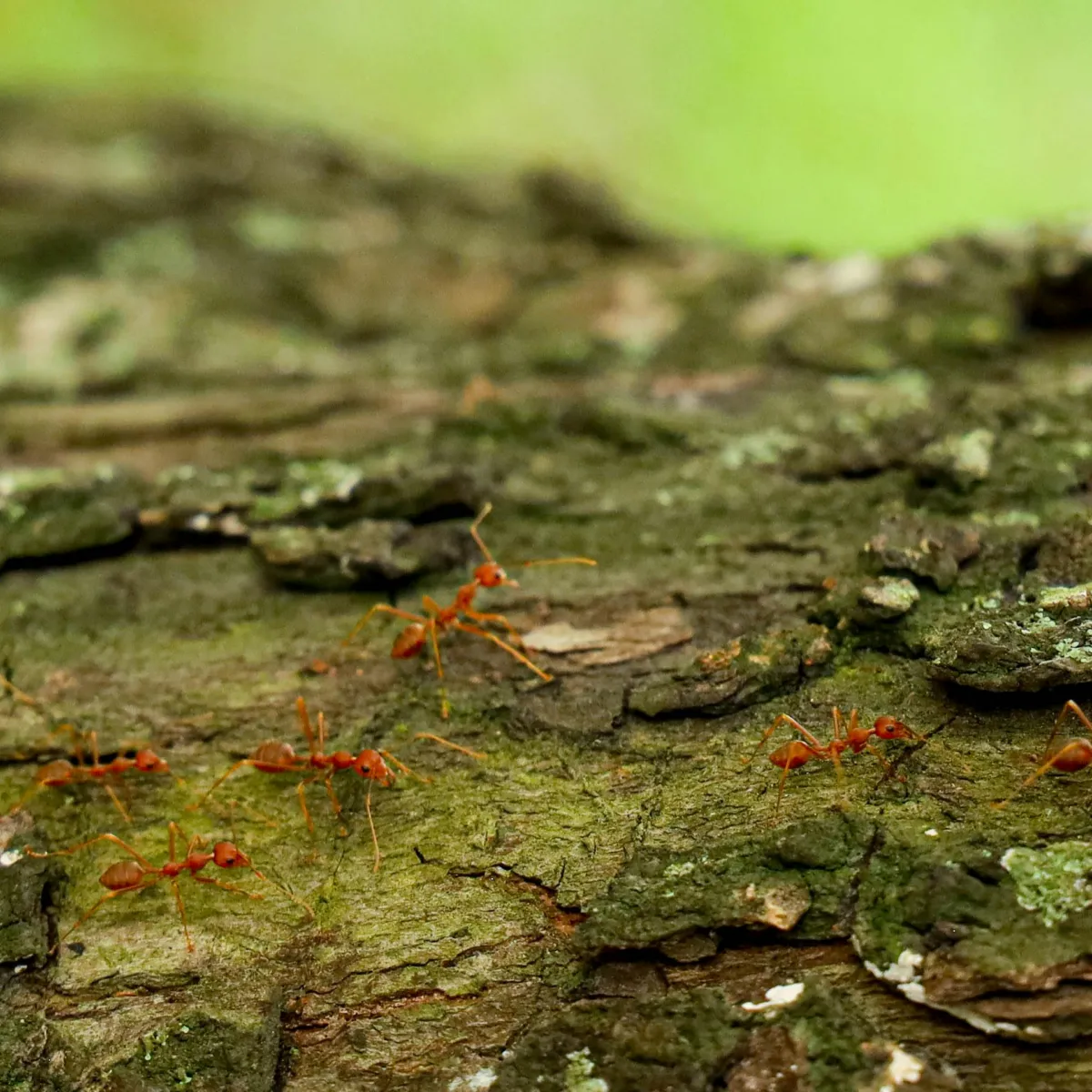
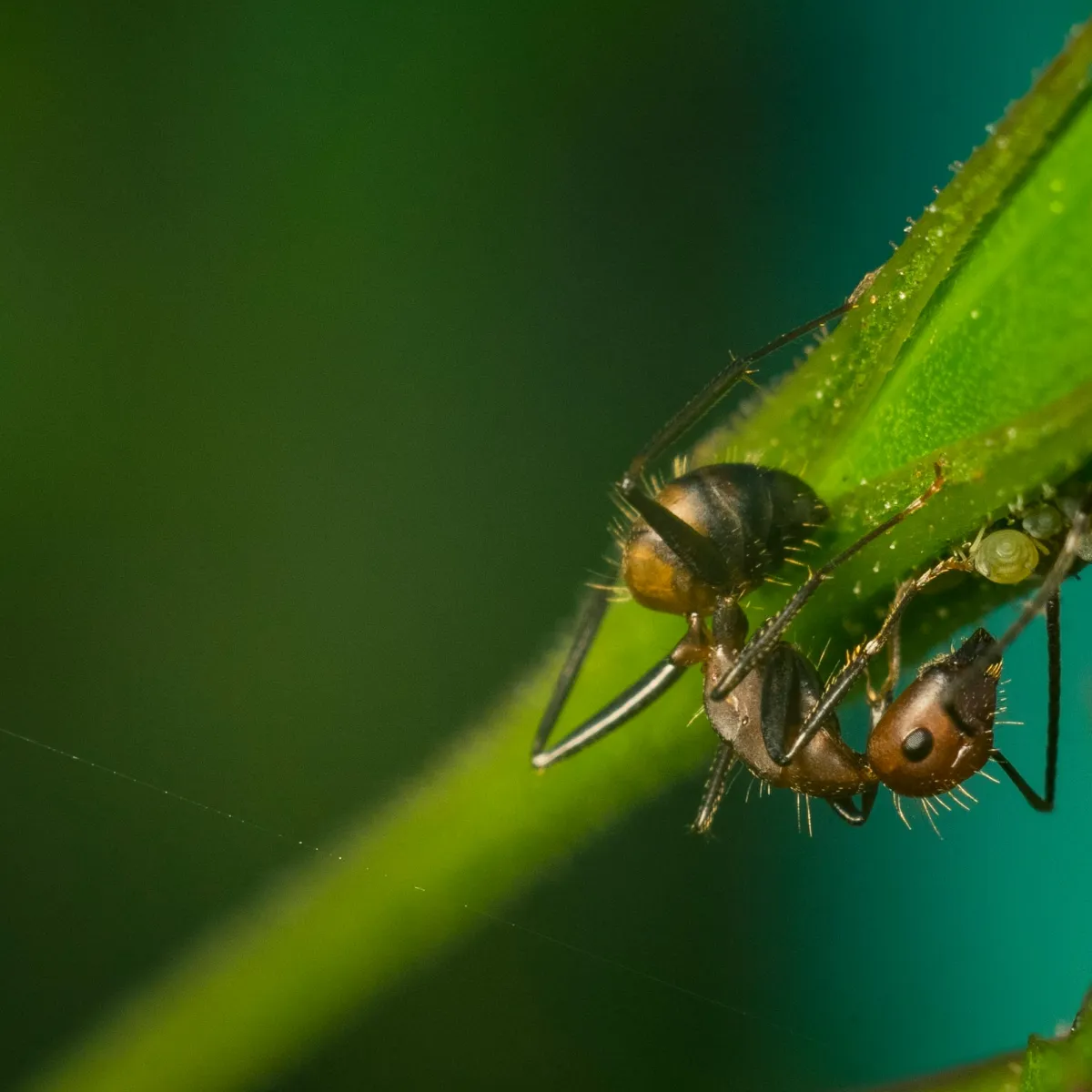
Fire ants are small reddish or reddish-brown ants known for aggressive swarming behavior. Their colonies often build raised mounds in warm lawn sections where the soil stays exposed and workable.
Around Cordova properties, that often means driveway edges, sunny fence lines, side-yard strips, mailbox beds, and thinner turf that heats up fast.
Why Fire Ants Keep Returning?
The mound you see is only the visible part of the issue. Fire ants can remain active underneath and continue pushing new activity into nearby sections of the yard even after one mound seems gone.
That is why quick DIY fixes often disappoint. They may reduce visible pressure briefly, but they frequently leave the larger colony issue behind.
Professional Fire Ant Treatment Options
Depending on the property, fire ant control may involve mound-specific treatment, broader lawn application, bait-based service, or a combined approach. The right option depends on how the colony pressure is spread across the yard.
That is one reason professional treatment often produces more dependable results than store-bought trial and error.
DIY vs Professional Fire Ant Control
DIY products can be inconsistent because success depends on timing, weather, and how actively the ants are foraging. Rain, irrigation, and poor placement can all affect performance.
Professional treatment is more reliable because it starts with inspection and matches the service to the actual level of colony pressure.
Sting Risk Around the Yard
Fire ants can sting repeatedly, and those stings may leave burning pain, irritation, and raised bumps afterward. Some people may react more strongly, which makes active colonies a serious concern around homes.
Children, pets, and anyone spending time near the lawn are usually the most exposed.
Fire Ant Treatment Safety
Fire ant treatment should always be applied according to label directions and followed by clear after-service guidance. In many cases, families and pets may need to avoid treated areas until they are dry or until normal use is recommended.
Fairway Lawns explains what to expect after service so homeowners know how to use the yard safely afterward.
Why Cordova Homeowners Call Fairway?
Cordova yards are built to be used, which makes fire ant issues harder to ignore. A mound near the back gate, patio path, open lawn, or fence edge can quickly turn into something homeowners have to work around every day.
Fairway Lawns focuses on fire ant control that fits how Cordova properties are actually used, with service built around recurring mound pressure and stronger long-term reduction.
Fire Ant Questions from Cordova Homeowners
If fire ants are starting to spread across your Cordova yard, Fairway Lawns can help with treatment built around the actual mound pressure on your property. Whether the issue is showing up near the fence, patio walkway, driveway edge, or open lawn sections, our team can inspect the yard, treat the right areas, and recommend a plan that helps keep the problem from moving farther.