Antioch Fire Ant Control
A few fire ant mounds can change how an Antioch yard feels to use very quickly. One mound near the driveway edge, another in a sunny side yard, or fresh activity close to a backyard path can turn a family-use lawn into something people start trying to avoid.
Fairway Lawns provides fire ant control in Antioch with targeted treatment designed to reduce active mound pressure, address colony activity below the surface, and help restore more comfortable use of the yard.

Built for open turf, wider yards, pet areas, and side-yard exposure
The part homeowners notice first is the mound, but the mound is only the visible part of the issue. The colony underneath may still be active and capable of pushing new activity into nearby turf even if one mound seems smaller or less obvious.
That is why effective fire ant control should follow the broader pattern of activity across the property instead of reacting only to the easiest mound to spot. Fairway Lawns treats Antioch fire ant issues with inspection, focused service, and recommendations based on how the yard is actually used.
How treatment works across the property
A strong fire ant treatment plan should follow the way the activity is actually spreading across the property. Fairway Lawns uses a step-by-step process that focuses on locating active pressure, treating the right sections, and reducing the chance of recurring mound activity.
We inspect for active mounds, visible ant movement, and the sections of lawn where fire ant pressure appears strongest.
We determine whether the issue appears isolated or whether there is broader activity across the property.
We treat active mounds and affected turf sections based on how the infestation is behaving and how the yard is used.
We provide recommendations to help reduce future mound activity in the spots most likely to remain active.
Why Fire Ant Pressure Matters?
Repeated stings are usually what make fire ants impossible to ignore. In Antioch, where backyards, driveways, pet areas, and side yards are all part of daily life, even one active mound can quickly become more than a small nuisance.
Professional treatment matters because it is designed to reduce the colony itself, not just flatten the mound on the surface.
How Fire Ant Problems Start Showing
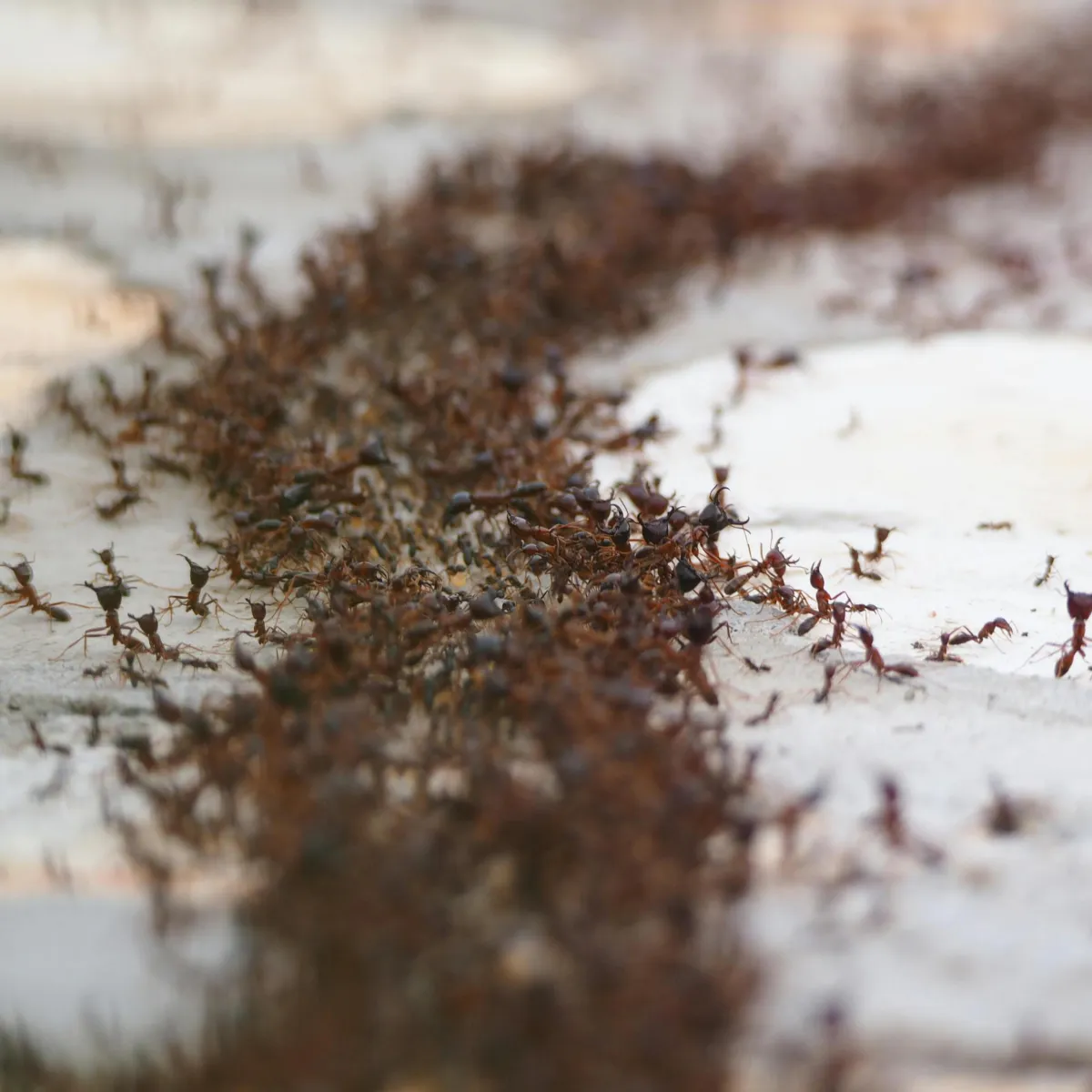
Fresh sandy mounds are often the first clue. After that, the pattern usually becomes easier to recognize: ants swarm when disturbed, stings happen during mowing or yard work, or new mound activity starts appearing in nearby sunny sections of turf.
If that keeps happening in the same broad part of the yard, the issue is usually more established than it first looked.
How to Recognize Fire Ants
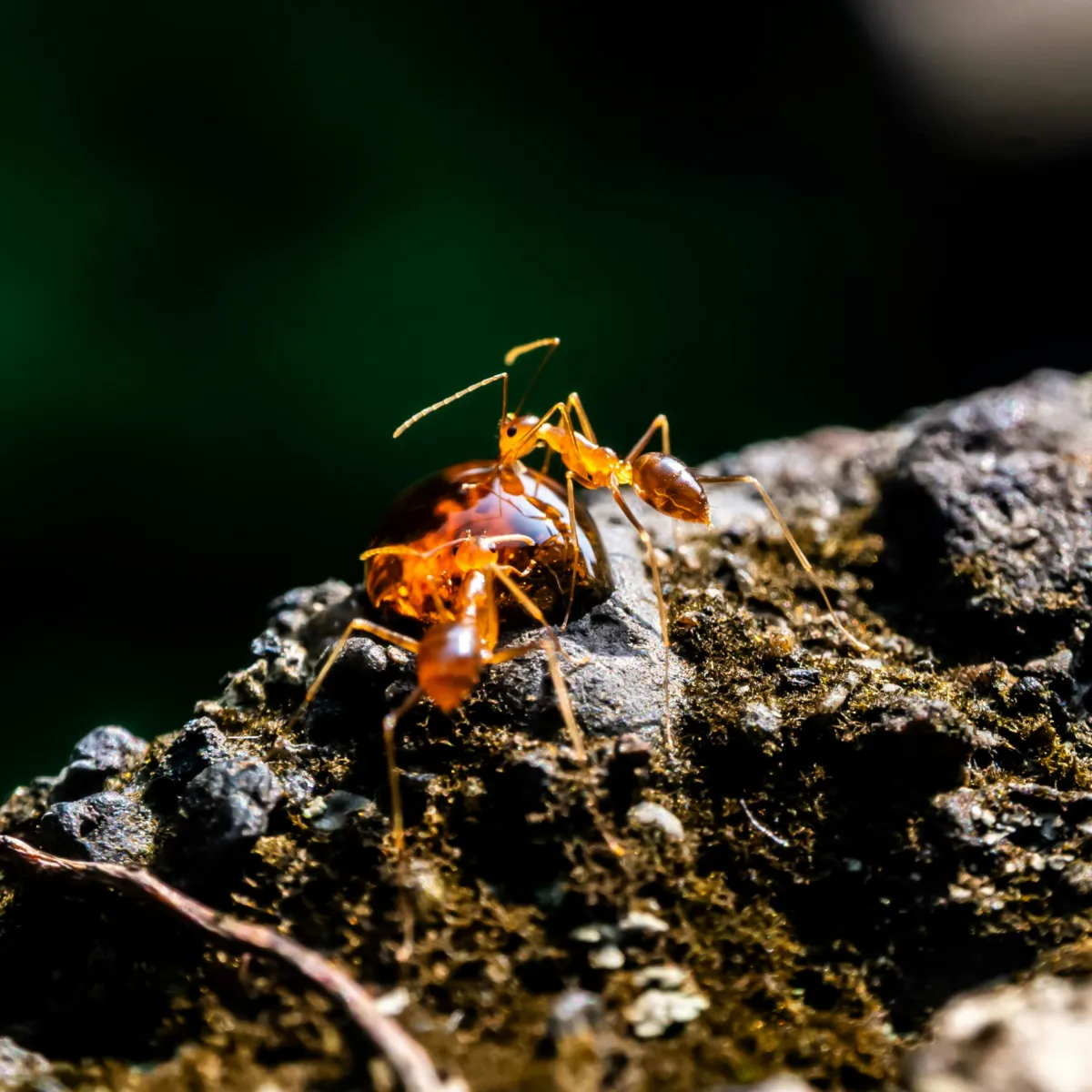
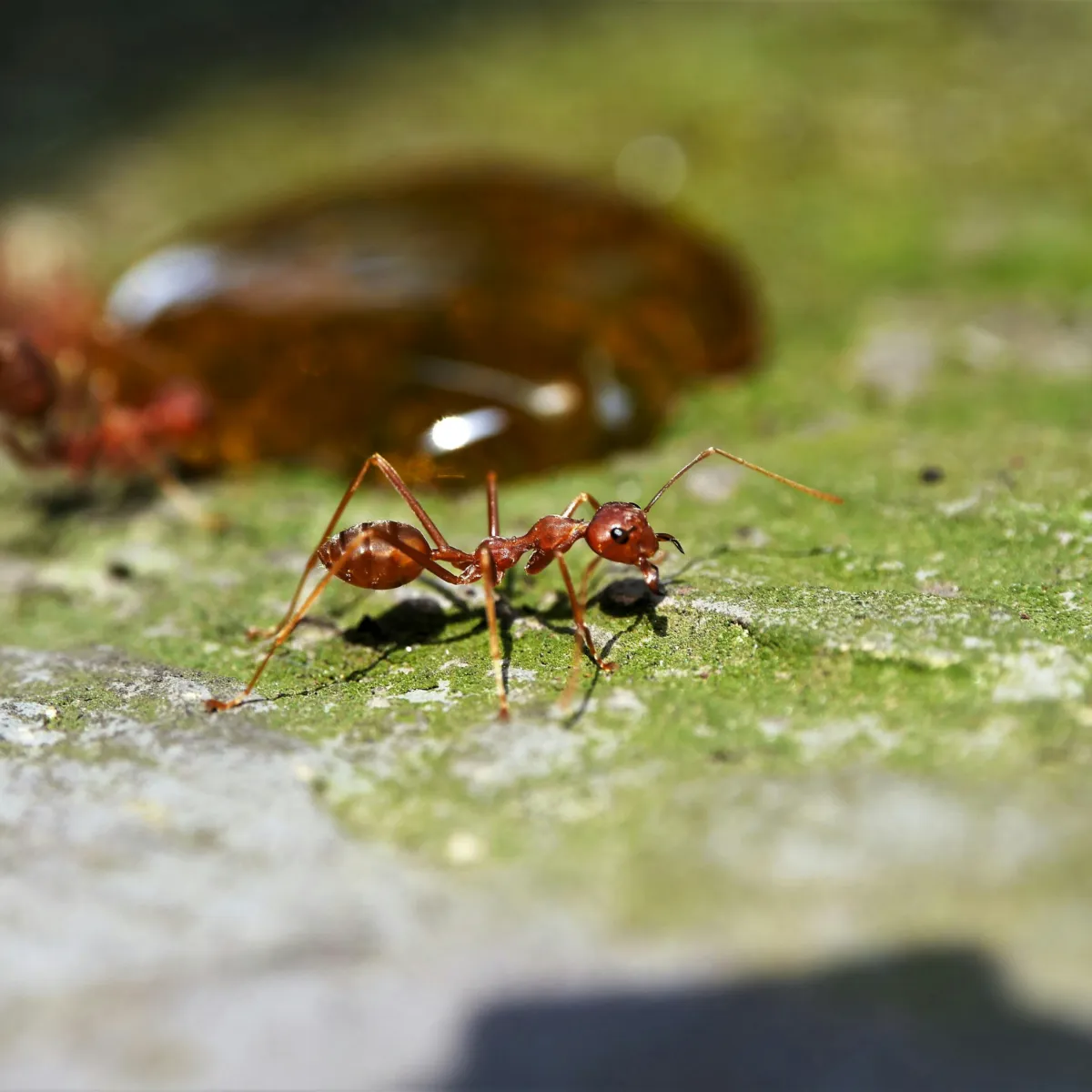
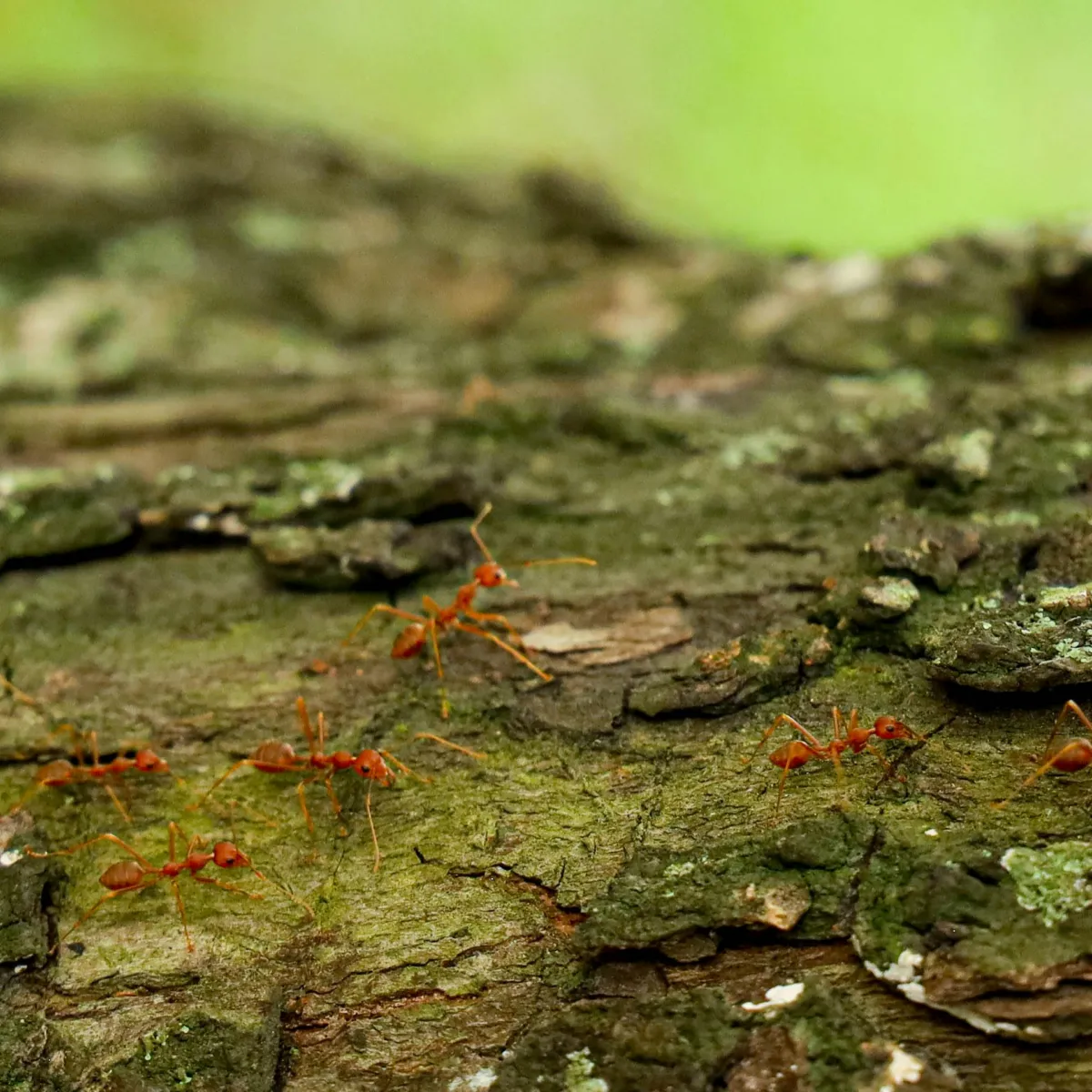
Fire ants are small reddish or reddish-brown ants known for aggressive swarming behavior. Their colonies often build raised mounds in warm, exposed turf where the soil stays workable.
In Antioch, that often means sunny side yards, driveway borders, mailbox areas, fence lines, and thinner lawn sections that heat up quickly.
Why Fire Ant Mounds Keep Coming Back?
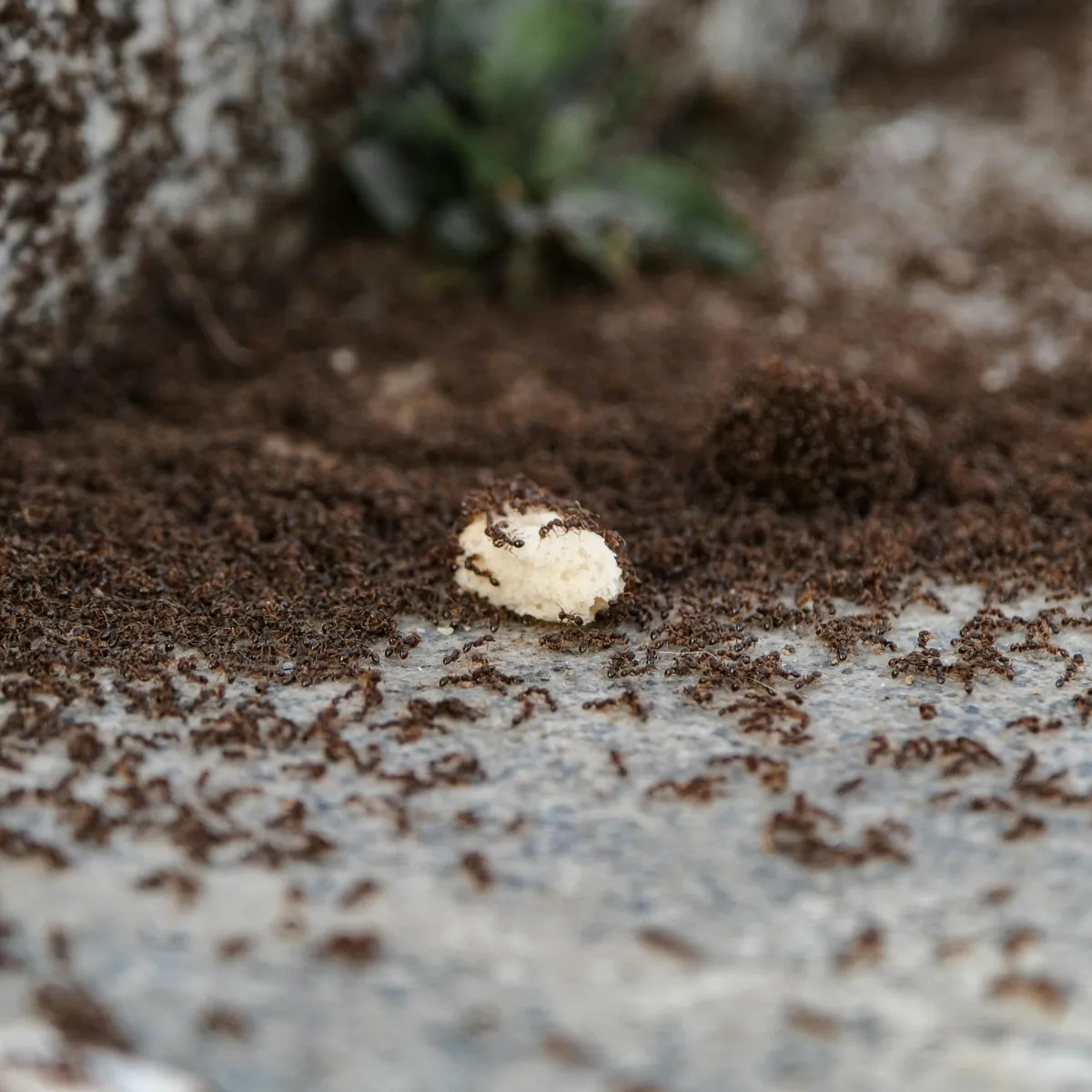
The mound you can see rarely represents the whole colony. Fire ants can remain active below the surface and continue producing new visible activity nearby even after one mound appears quieter or smaller.
That is why quick store-bought treatments often feel inconsistent. They may reduce visible pressure briefly while leaving the broader colony activity behind.
Treatment options based on colony pressure
Depending on the property, fire ant control may involve direct mound treatment, broader lawn application, bait-based service, or a combined approach. The right option depends on how the colony pressure is distributed across the yard.
That is one reason professional treatment often produces more dependable results than trial-and-error store products.
Why store-bought control can fall short?
DIY products can be inconsistent because results depend on timing, weather, and how actively the ants are foraging. Rain, irrigation, and poor placement can all affect performance.
Professional treatment is more reliable because it starts with inspection and matches the service to the actual level of colony pressure.
Why active colonies become a real concern?
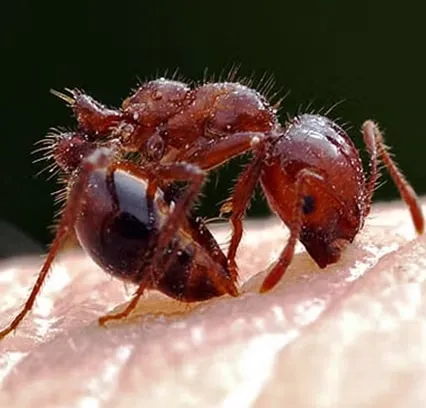
Fire ants can sting repeatedly, and those stings may leave burning pain, irritation, and raised bumps afterward. Some people may react more strongly, which makes active colonies a real concern around homes.
Children, pets, and anyone spending time in the yard regularly are usually the most exposed.
What families and pet owners should know after service
Fire ant treatment should always be applied according to label directions and followed by clear after-service guidance. In many cases, families and pets may need to avoid treated areas until they are dry or until normal use is recommended.
Fairway Lawns explains what to expect after service so homeowners know how to use the yard safely afterward.
Why Antioch Homeowners Call Fairway?
Antioch’s suburban residential layout, broader yard spacing, and evolving neighborhood pattern can make fire ant activity feel easy to miss until it starts interfering with how the yard is actually used. That is especially true in sun-exposed side yards, longer fence runs, and larger turf sections around garage-front homes.
Fairway Lawns focuses on fire ant control that fits how Antioch properties are actually used, with service built around recurring mound pressure and stronger long-term reduction.
Common fire ant questions from Antioch homeowners
If fire ants are starting to spread across your Antioch yard, Fairway Lawns can help with treatment built around the actual mound pressure on your property. Whether the issue is near the fence, driveway edge, sunny lawn strip, or pet-use area, our team can inspect the yard, treat the right areas, and recommend a plan that helps keep the problem from spreading farther.