Smyrna Spider Control
Spider issues in Smyrna often show up where outdoor life meets everyday home life. It might be the patio where people sit in the evening, the garage corner that keeps collecting webbing, or the fence line near the back of the yard that never quite stays clear. On properties built for family use and time outside, those repeated problem spots usually mean spiders have found reliable shelter and a steady source of insect activity.
Fairway Lawns provides spider control in Smyrna with targeted treatment, web removal, and prevention-focused service built around the spaces where spider pressure tends to keep rebuilding.
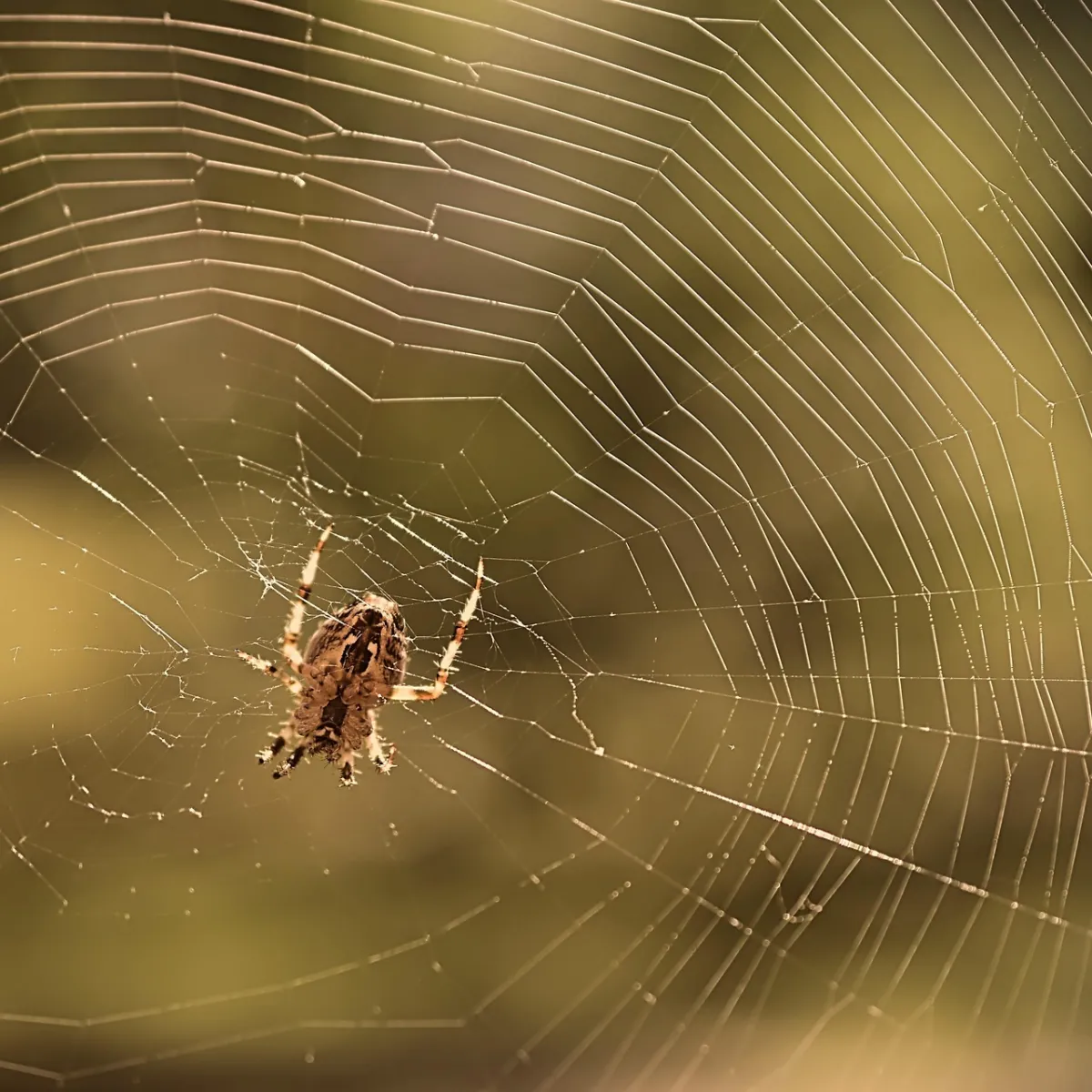
Smyrna homes often have the kind of outdoor setup where spider activity can build quietly before it feels like a real issue. Covered patios, wider lawns, shrubs near the house, privacy fencing, storage spaces, and backyard corners that stay shaded longer than the rest of the yard can all support spider movement. In a town where outdoor recreation, parks, and trails are part of everyday life, patio use and backyard activity tend to make spider webs more noticeable instead of less.
That is why clearing one web rarely solves the bigger problem. Effective spider control means figuring out where the activity is settling, what is drawing spiders back, and why the same corners of the property keep becoming active again.
Fairway Lawns treats Smyrna spider issues with that full property pattern in mind instead of only reacting to the most visible web.
A strong spider treatment plan works best when the service follows the way activity is actually spreading around the property. Fairway Lawns uses a practical process that starts with inspection, moves into focused treatment, and then addresses the conditions helping the issue continue.
We inspect for visible webbing, likely harborage areas, insect-heavy zones, structural gaps, and moisture concerns that may be contributing to spider pressure.
We treat active spider areas using perimeter applications, crack and crevice treatment, spot treatment, and web removal where needed.
We identify what may be helping spiders remain active, including clutter, plant growth close to the structure, insect-attracting lights, and protected exterior corners.
When spider pressure is recurring, follow-up service helps keep the same spaces and structures from becoming active again.
Wolf spiders are large, fast-moving spiders that do not rely on traditional webs. They are mostly nuisance spiders, but their size makes them one of the species homeowners notice fastest.
In Smyrna, they often show up near mulch lines, garage thresholds, lower patio edges, fence corners, and foundation beds where insect movement stays active.
House spiders are familiar indoor web-builders that settle into ceilings, closets, storage areas, and quiet corners. They are not usually dangerous, but recurring webbing can make a room feel like the issue never fully goes away.
They often remain active where indoor spaces stay calm and low traffic.
Brown recluse spiders are one of the higher-concern spider species in Tennessee because of the possible medical significance of their bite. They usually stay hidden rather than moving around in open view.
Boxes, garage shelving, utility closets, attic spaces, spare rooms, and tucked-away corners all make common hiding places.
Black widows prefer protected outdoor spaces with little disturbance. Because they are medically significant, activity around garages, stored materials, porch furniture, utility corners, and backyard fixtures should be handled carefully.
They may hide beneath outdoor furniture, behind stored items, or inside sheltered structural edges.
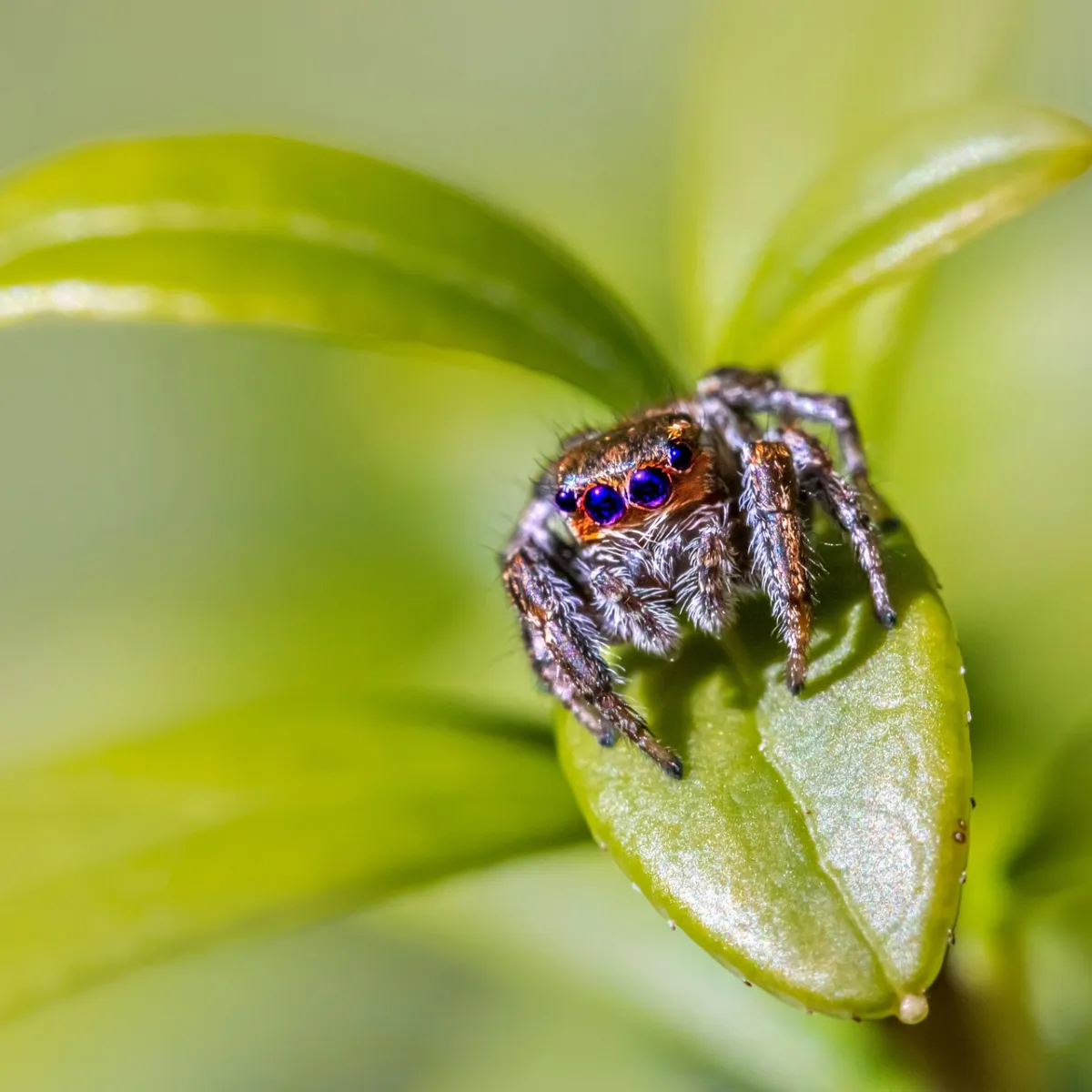
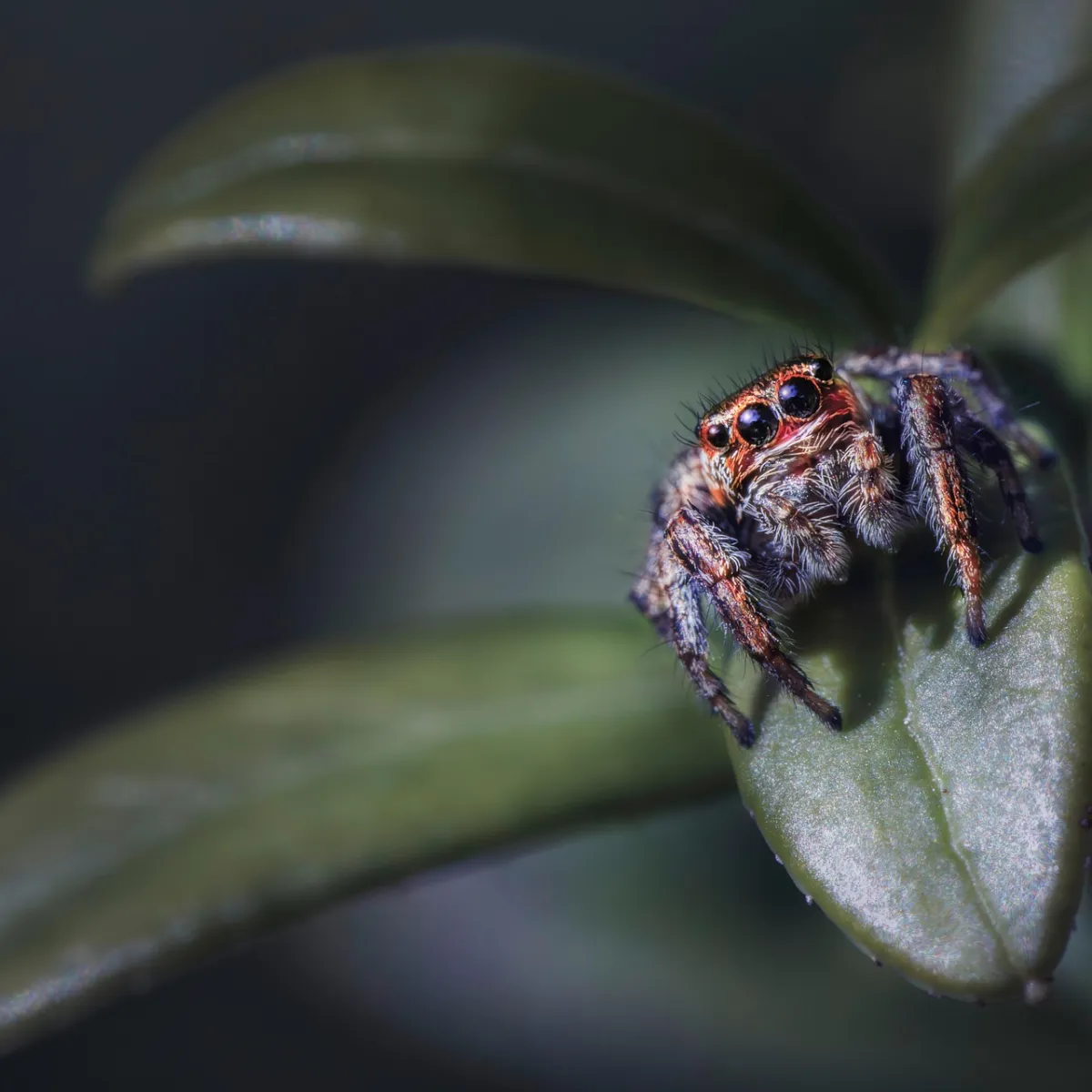
Jumping spiders are small, active, and easy to notice on trim, windows, siding, and sunlit walls. They are nuisance spiders, but their movement makes them stand out quickly.
Warm weather usually brings more visible activity around exterior surfaces and entry points.
Cellar spiders create loose webbing in darker, quieter spaces. They are not usually dangerous, but they can build up quickly in utility rooms, storage areas, garage corners, and shelves.
Low light and low disturbance make those areas more attractive to them.
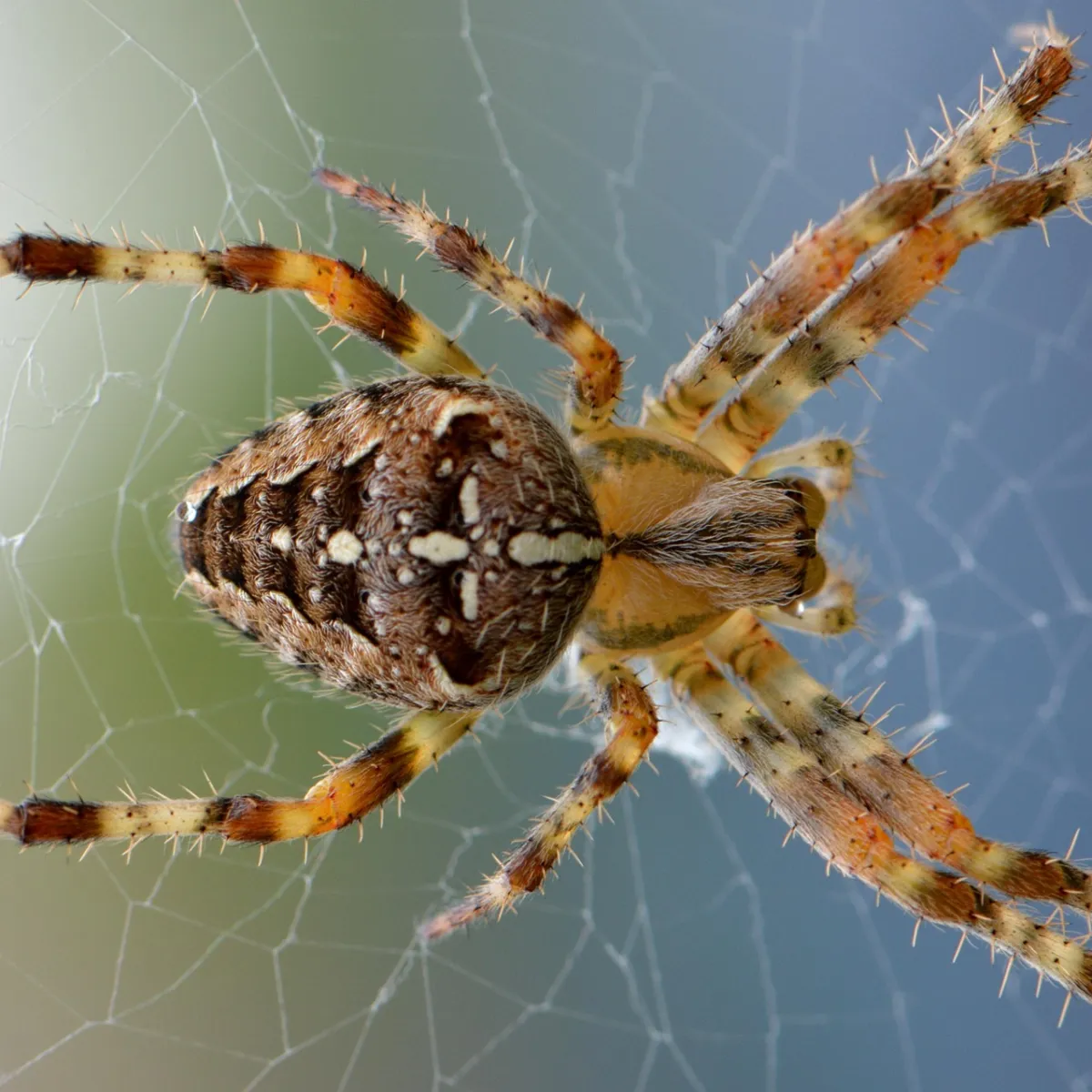
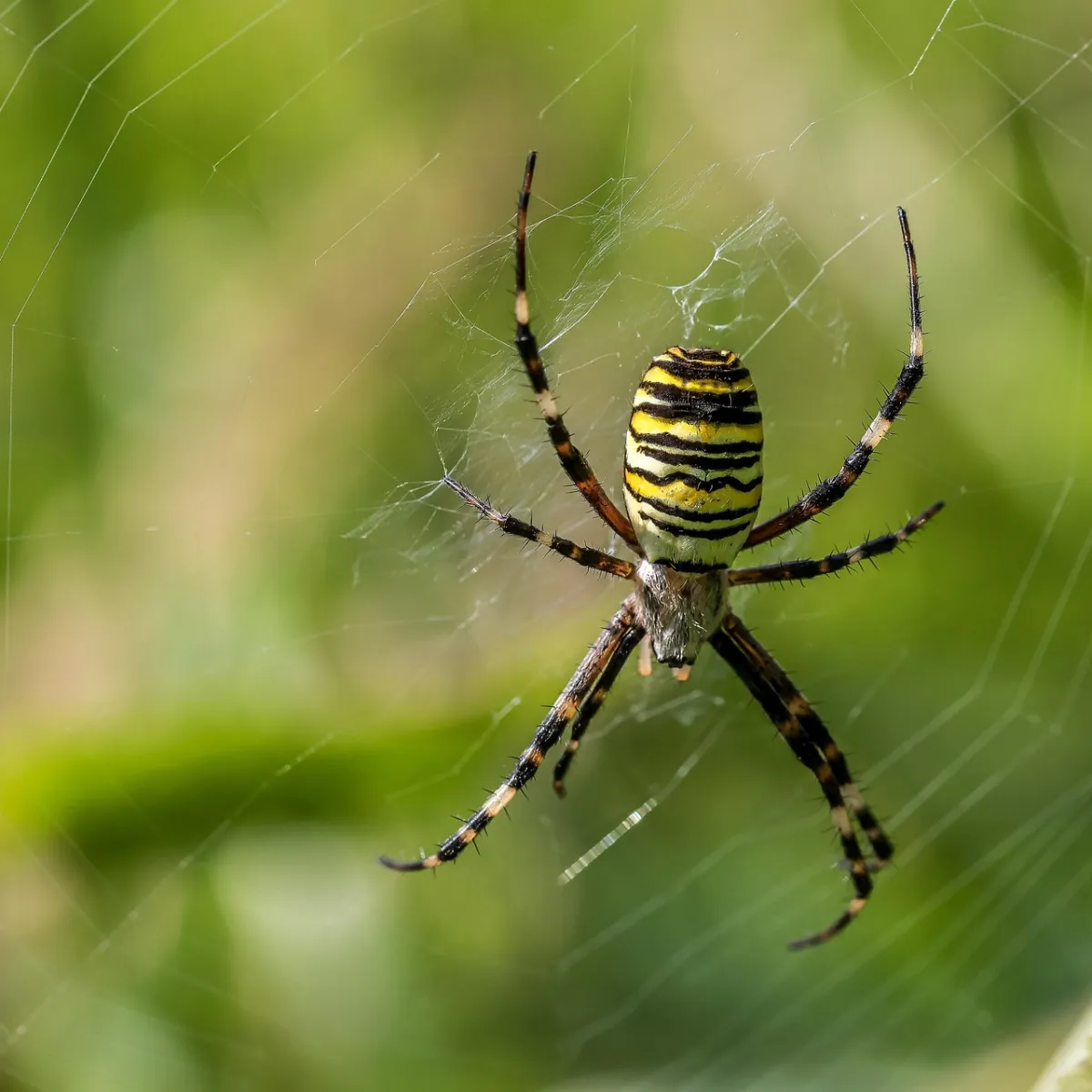
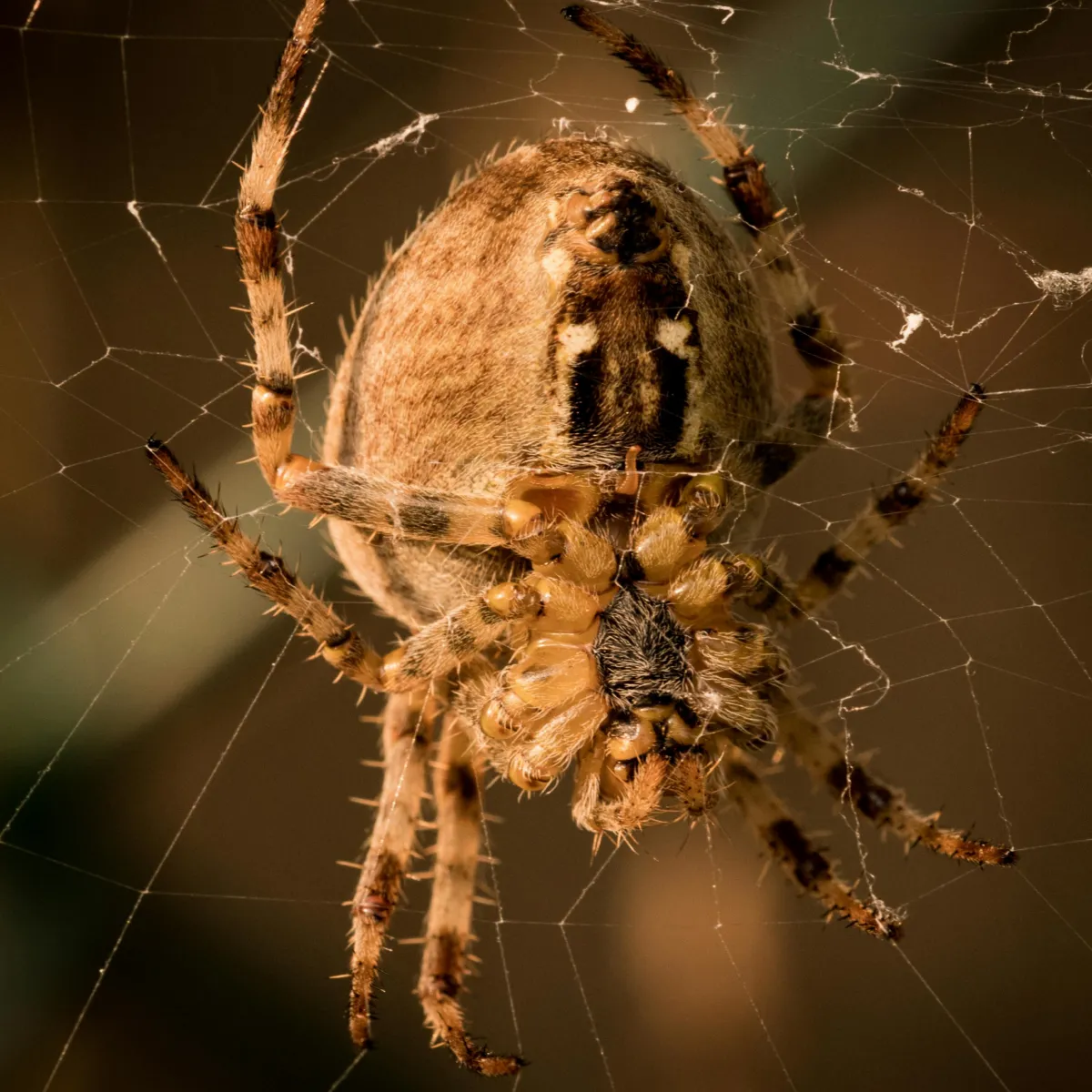
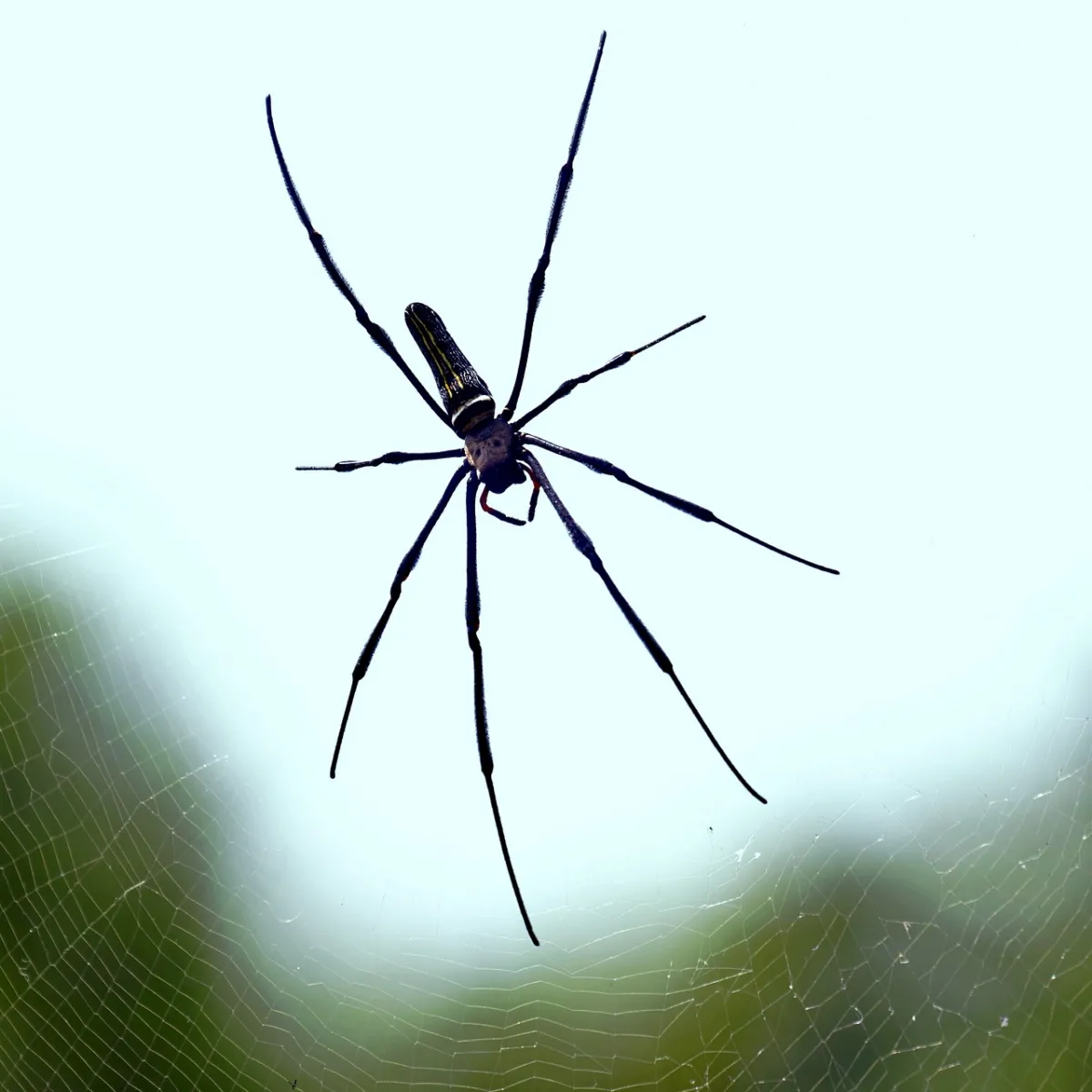
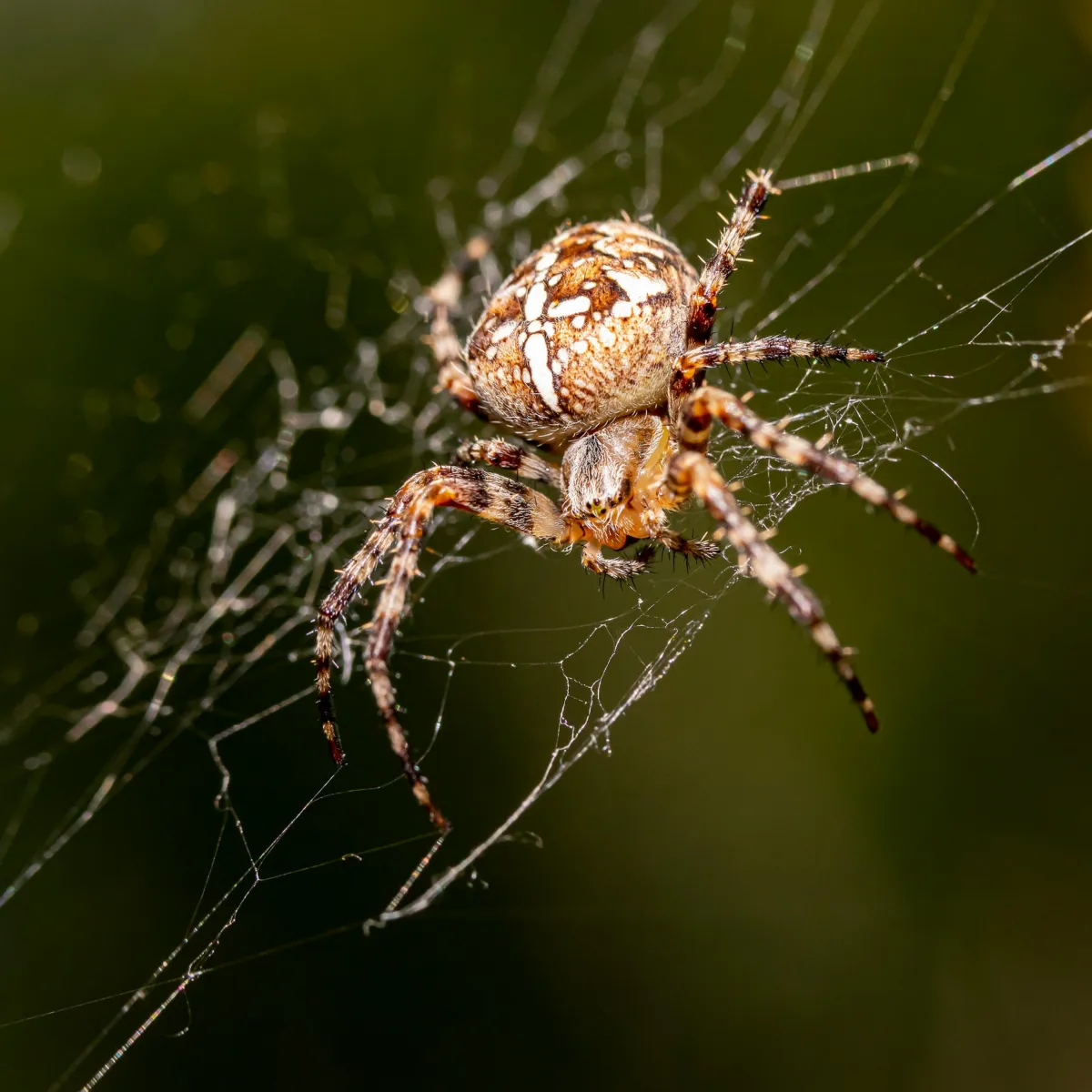
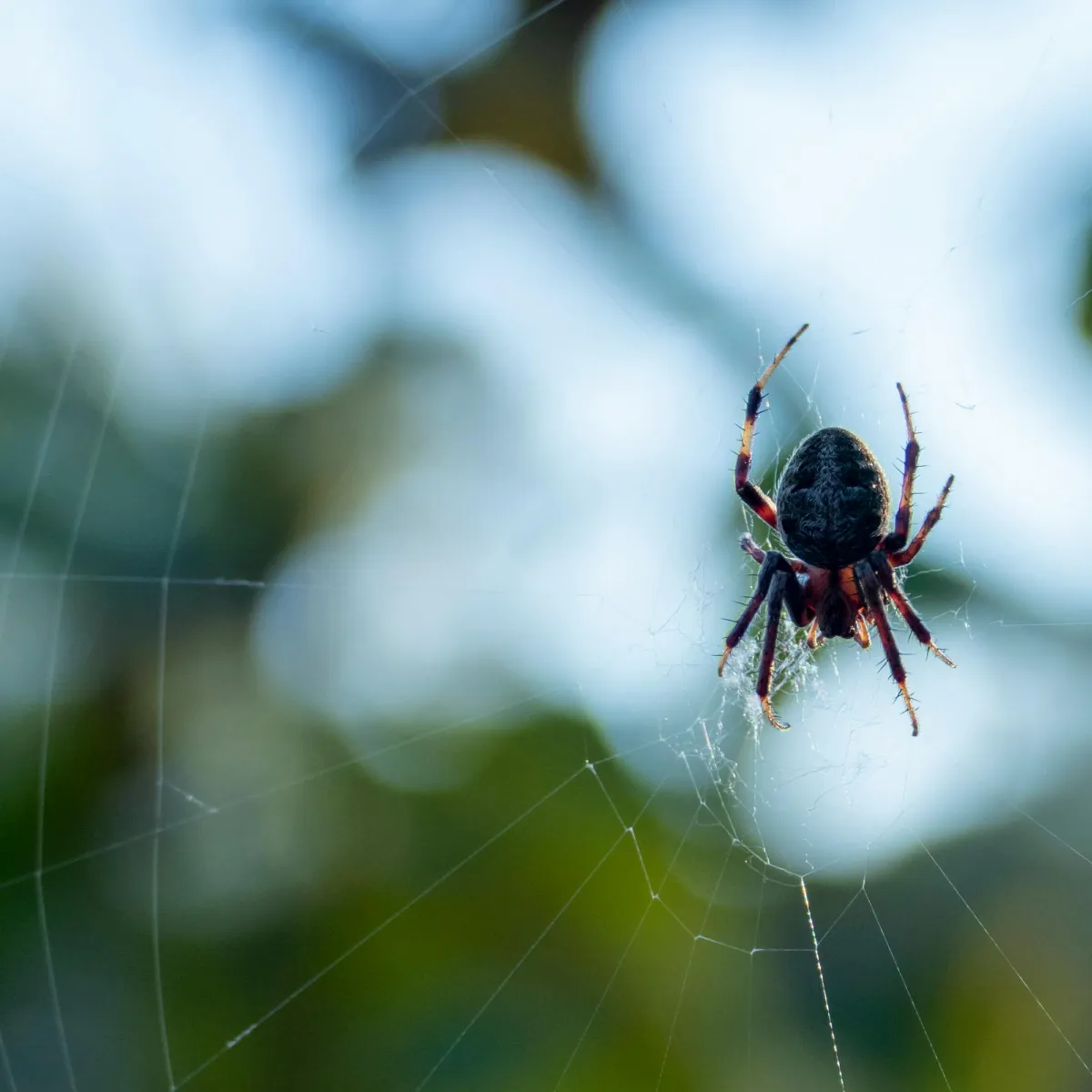
Large webs stretched across shrubs, patio furniture, fences, and backyard paths are often the work of orb weavers or garden spiders. They are mostly nuisance spiders, but they can quickly make outdoor spaces feel less comfortable to use.
They often stand out most in late summer around seating areas and planted borders.
Spider issues usually become obvious through repetition. One garage trim line keeps collecting webbing. The same patio beam becomes active every few days. A fence corner or storage shelf keeps turning into the same problem after cleanup.
Other signs can include egg sacs, shed skins, spider droppings, and dead insects caught in webs. When those patterns keep repeating, the visible spiders are usually only one part of the issue.
Spiders stay near homes when they find dependable cover and a nearby food source. In Smyrna, that can mean porch lights, shrubs close to the house, backyard storage, humid weather, and family-use outdoor spaces that keep insect traffic close to the structure.
Once spiders find that combination, they often remain near the outer edges of the property and gradually spread toward garages, closets, storage rooms, and quieter indoor corners.
Spider activity in Smyrna often builds in garage corners, patio framing, fence joints, storage bins, foundation beds, eaves, attic edges, crawl spaces, and along the lower exterior of the home.
Inside, they often settle in closets, utility areas, ceiling corners, spare rooms, and low-traffic storage spaces.
As insect pressure rises in spring, spider activity usually becomes easier to notice. Summer tends to bring the heaviest webbing around patios, garages, backyard edges, shrubs, and storage areas.
Fall often pushes more spiders toward protected structures. Winter can still leave garage corners, shelves, and quieter indoor ceilings active.
DIY sprays usually deal with what is easy to see, not what is causing the issue to keep returning. Egg sacs, hidden harborage spots, and the insect activity supporting the problem often remain behind.
Professional service works better because it addresses the pattern behind the webbing instead of only reacting to the web itself.
Cutting back clutter, trimming vegetation away from the house, sealing gaps, removing webs quickly, and keeping screens in good shape can all help reduce spider pressure.
It also helps to limit insect activity around porch lights, garage doors, windows, and backyard fixtures. When the food source fades, spider activity usually becomes harder to sustain.
Spider control should fit the way a Smyrna household actually uses the home and yard. Fairway Lawns uses trained technicians and treatment methods designed to reduce activity while still giving homeowners practical guidance for daily life around children and pets.
We also explain what was treated and what to expect afterward so the next steps feel clear.
Smyrna’s outdoor-focused lifestyle makes recurring spider activity harder to ignore. When porches, patios, yard paths, and backyard seating areas are part of everyday use, webs around those spaces quickly become more than a cosmetic issue. The town’s official recreation pages underline just how central outdoor activity is to the community.
Fairway Lawns provides spider control built around the way Smyrna properties are actually used, with service focused on stronger long-term reduction instead of quick cleanup alone.
If spider activity is starting to build around the patio, garage, fence line, or storage areas of your Smyrna home, Fairway Lawns can help with service built around the way the problem is actually showing up. Our team can inspect the property, target the right trouble spots, and recommend a plan that helps keep those same areas from becoming active again.