Spider control built for Nashville homes dealing with seasonal spider movement, recurring webs, and unwanted indoor sightings
Spiders are a common issue around Nashville homes, especially when warm months, steady insect activity, storage areas, garages, and crawl spaces all give them room to settle in. Fairway Lawns already positions its Nashville team around local pest control that helps cut down on repeat problems, and that same local approach makes sense for spider control too.
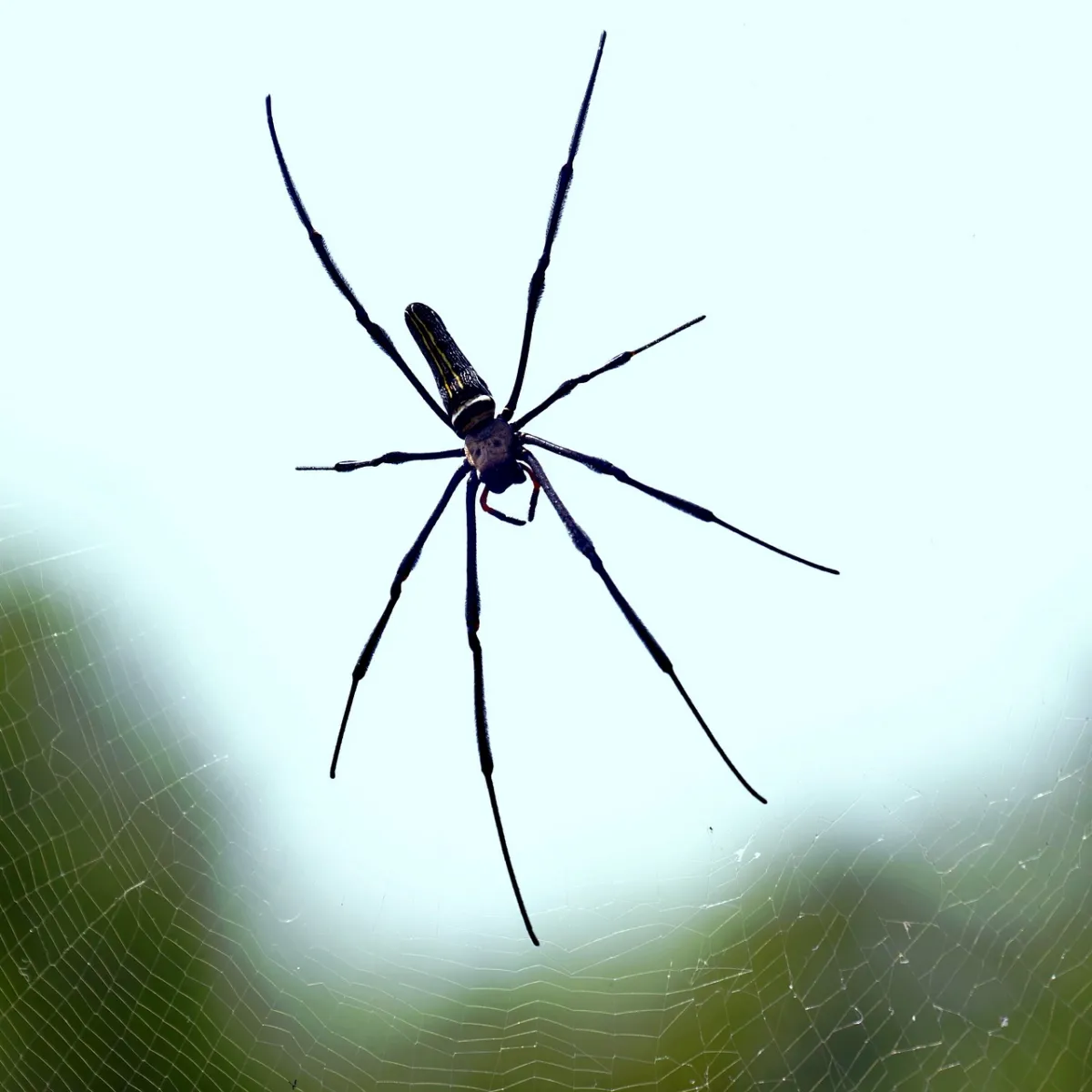
A Better Way to Handle Spider Problems in Nashville
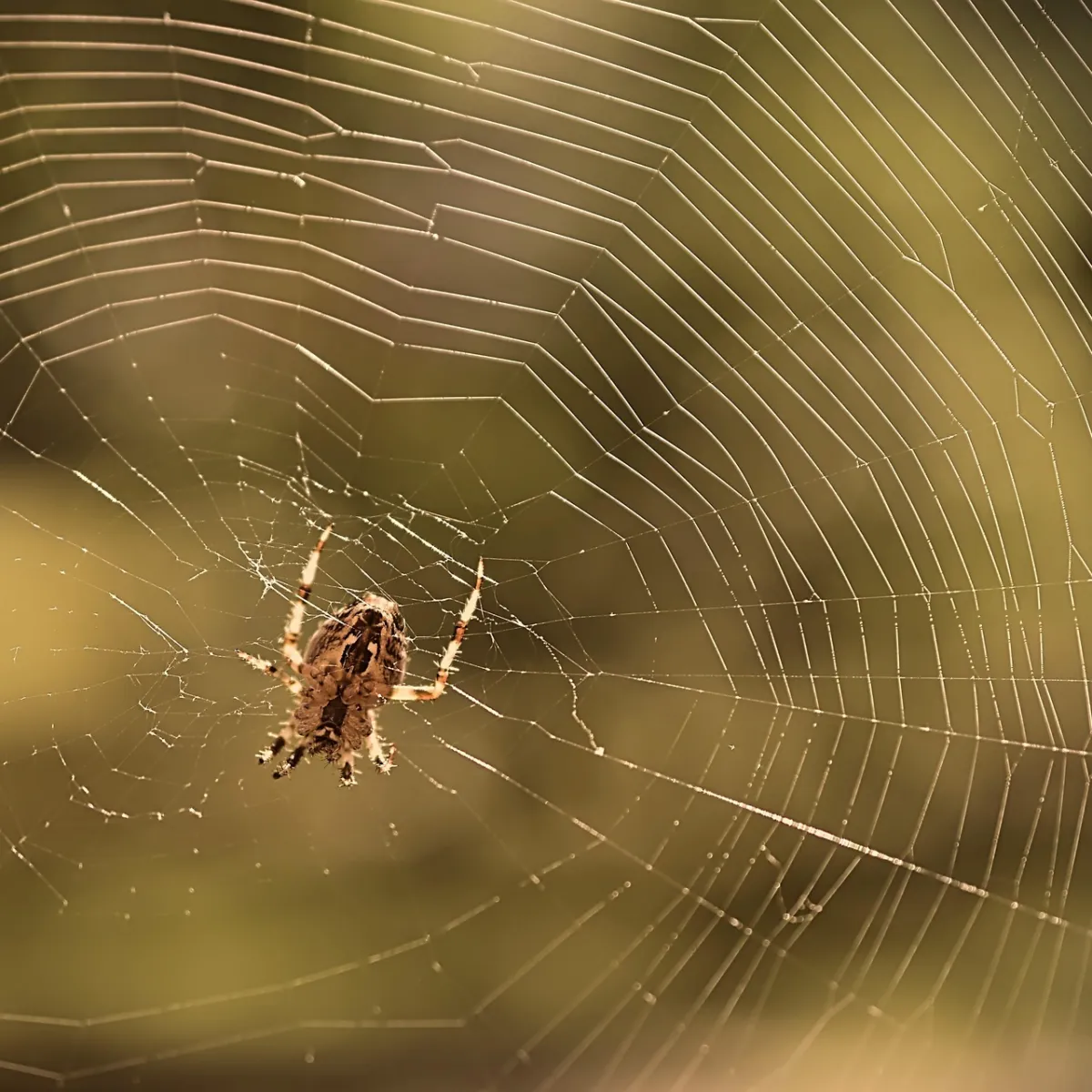
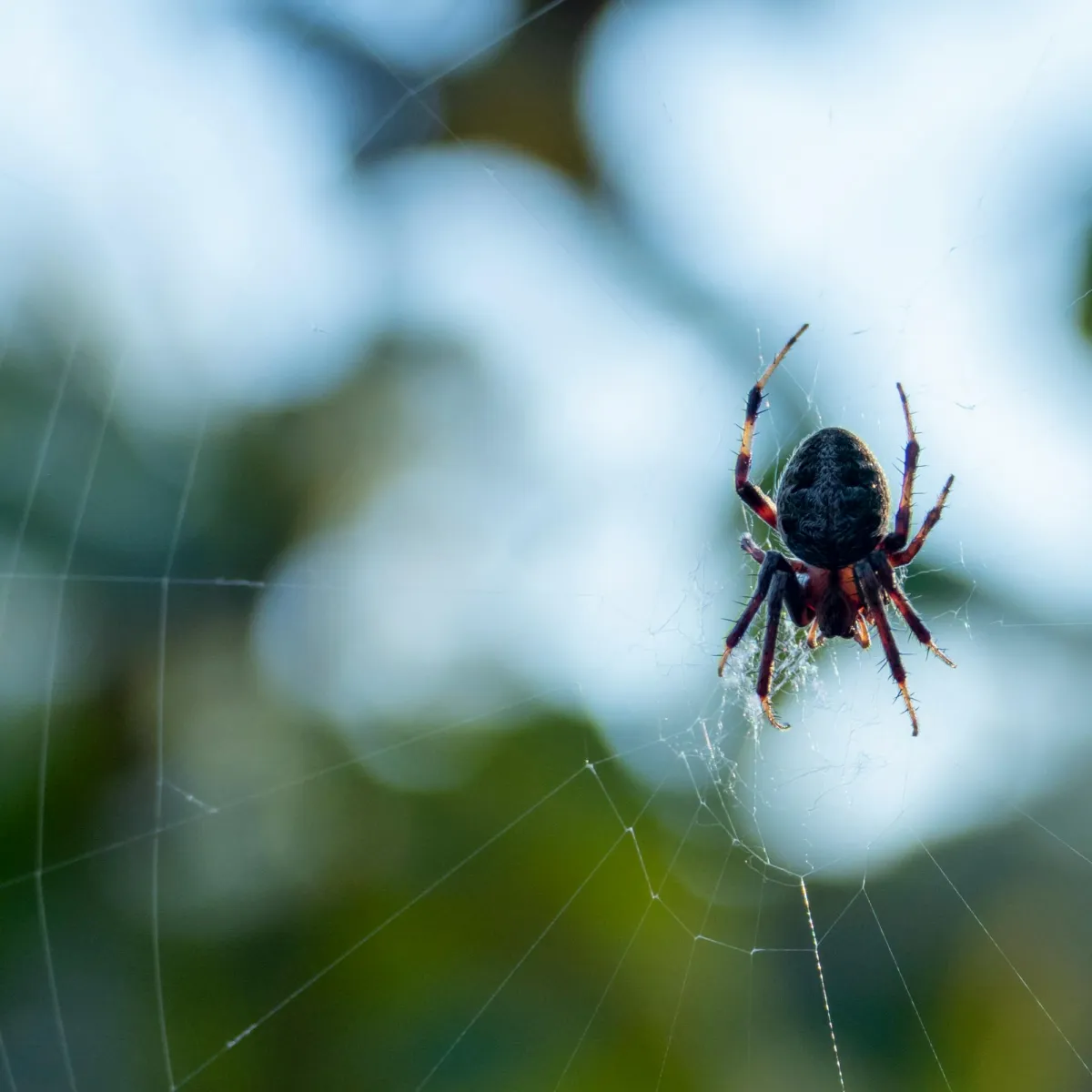
A lot of spider problems begin quietly. Webs show up around porch lights, garage corners, deck framing, or shrubs near the house. Then the pattern shifts. A spider appears in the laundry room, another near stored boxes, then more webbing turns up around windows or ceiling corners. That kind of progression is common because spiders stay close to food sources and protected hiding places before they start getting noticed more often inside.
That is why DIY spider control often feels temporary. Clearing a web or spraying one visible spider does not always touch the egg sacs, hidden corners, or insect activity keeping the problem alive. Fairway Lawns’ broader pest-control approach in Nashville is built around inspections and practical treatment, which fits the kind of spider problems that tend to repeat when the source is left alone.
A stronger result starts with treating the full pattern of activity
Fairway Lawns uses a treatment-first pest-control approach that starts with understanding the problem and then applying the right service to the property. That kind of process works well for spider control because spider problems are usually tied to both current activity and the conditions supporting it.
The first step is identifying where spider activity is strongest, what types of spiders may be present, where webs and egg sacs are building, how much insect activity is nearby, and what entry points or moisture issues may be helping the problem grow.
Treatment may include targeted applications, perimeter treatment, web removal, egg sac removal, crack and crevice attention, and focused service in the areas where spiders are most active.
Prevention may include sealing gaps, trimming vegetation, reducing clutter, improving storage habits, and lowering the insect activity that often attracts spiders in the first place.
Because spider pressure changes through the year, recurring service and follow-up can help keep the same issue from building back up once conditions become favorable again.
Brown recluse spiders are one of the biggest concerns in Tennessee. State health guidance specifically flags brown recluse bites as potentially serious, and these spiders are known for staying hidden in quiet indoor spaces like closets, boxes, basements, attics, and storage-heavy areas. They are usually brown and easy to miss until sightings become more frequent.
Black widows are another Tennessee spider that deserves real caution. Tennessee health guidance notes that black widow bites can be serious, and these spiders tend to favor protected areas such as garages, crawl spaces, sheds, wood piles, and other low-traffic spaces around the home. Their glossy black body and red underside marking make them one of the more recognizable spiders homeowners encounter.
Wolf spiders are common nuisance spiders that tend to alarm people because of their size and speed. They do not rely on the classic corner web the way some spiders do, so homeowners often notice them moving across floors, garage surfaces, patios, basements, or landscape edges. They are usually more startling than dangerous, but they are still a frequent reason homeowners start paying closer attention to spider activity.
House spiders are smaller nuisance spiders that often build webs in corners, storage rooms, closets, utility spaces, and around window frames. They may not pose the same concern as a widow or recluse, but they are often responsible for the steady webbing that makes a home feel like spider activity never fully goes away.
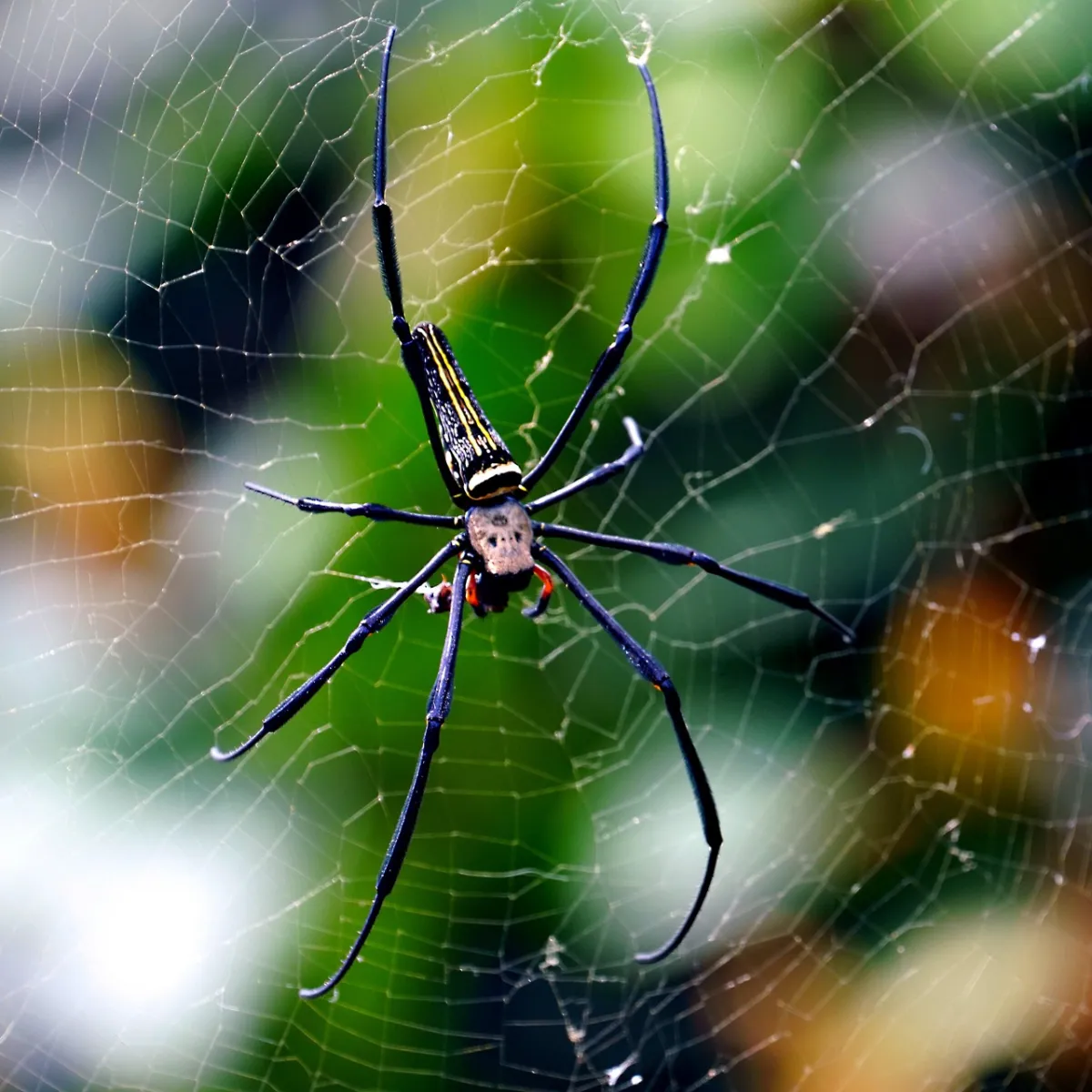
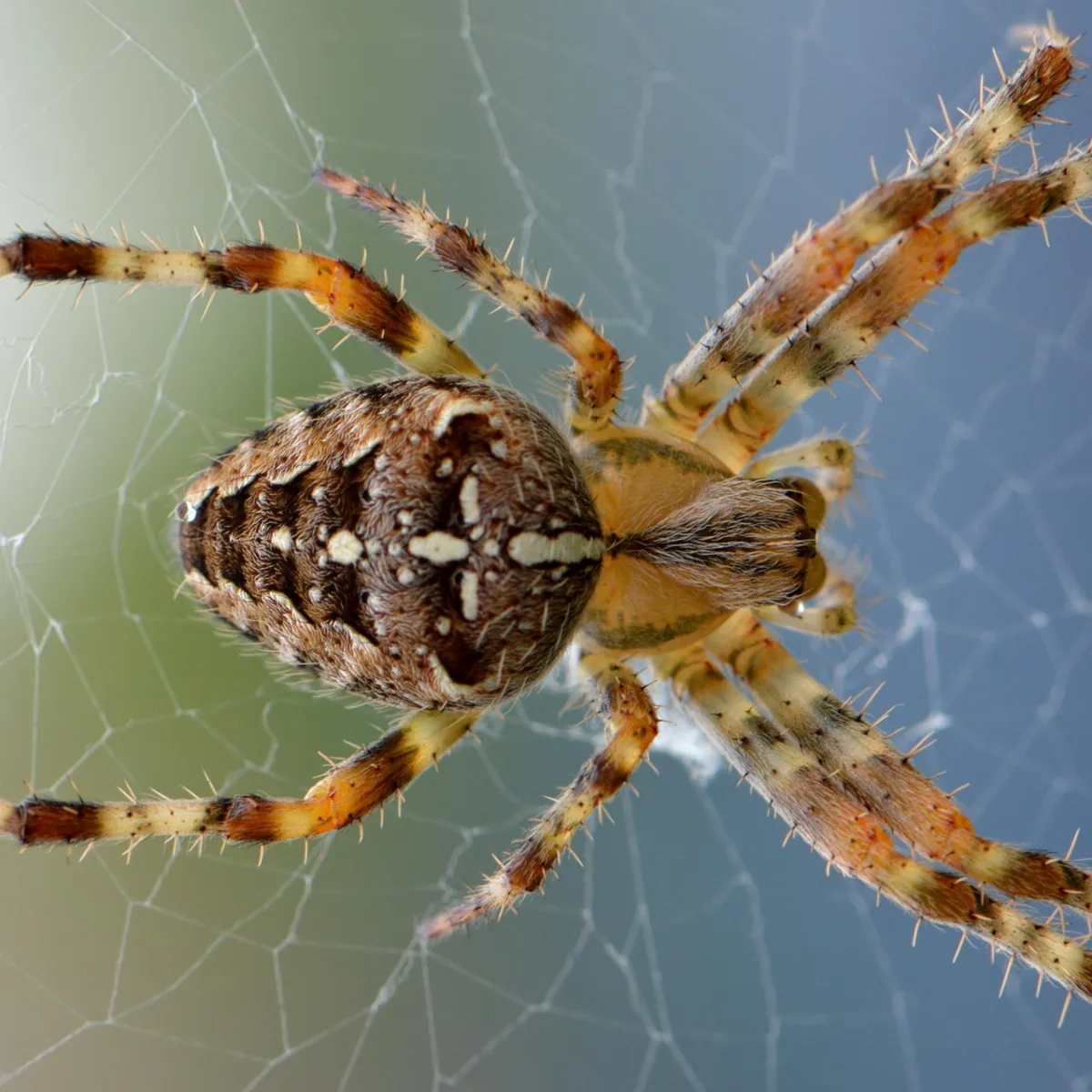
Orb weavers are mostly outdoor spiders known for their large circular webs. They are often found around porches, shrubs, gardens, and exterior lighting where flying insects gather. They are usually not dangerous, but their webs can quickly take over outdoor walkways and gathering spaces.
When webs, egg sacs, and repeated sightings stop feeling random
One spider does not always mean you have a bigger problem, but repeated signs usually do. Homeowners in Nashville may notice webs returning in the same garage corners, porch ceilings, basement edges, storage rooms, window frames, or attic access points. They may also see spiders turning up in the same rooms again and again.
Other signs can include egg sacs, shed skins, dead insects caught in webbing, and spider activity that comes back soon after cleaning. When the same places keep producing webs or sightings, spiders are usually finding both shelter and food nearby.
Spiders usually move closer when the property offers food, cover, and stability
Spiders come toward homes because homes give them what they need. Insects gather around lights, damp areas, landscaping, and windows, which gives spiders food. Homes also provide quiet protected areas like garages, attics, crawl spaces, basements, and closets where spiders can stay undisturbed. Tennessee health guidance also recommends sealing cracks and keeping clutter down for spider prevention, which lines up with the way these pests take advantage of shelter and entry points.
Weather plays a role too. Seasonal shifts and rain can push spiders toward more protected spaces, which is one reason homeowners often feel like spider activity suddenly gets worse during certain parts of the year.
The places spiders like best are usually the ones people disturb the least
In Nashville, spiders may hide in basements, crawl spaces, garages, attics, closets, sheds, roof eaves, wood piles, storage bins, window corners, and under furniture. Outside, they may gather under decks, along foundation edges, near shrubs, and around exterior lights where insects stay active.
They tend to choose places that stay quiet, dark, and out of the way. That is why homeowners often discover the problem first in storage-heavy areas or spaces they do not check every day.
Nashville spider activity tends to shift with the seasons
Spring usually brings more insect activity and more outdoor webbing. Summer keeps spider pressure active around porches, landscaping, garages, and outdoor lights. Fall often brings more movement toward protected parts of the home, while winter can still leave activity in basements, attics, garages, and storage spaces.
The spider you see is usually only part of the problem
DIY spider sprays usually focus on the spider that is already out in the open. They often miss hidden webs, egg sacs, nesting areas, and the insect activity that is keeping spiders nearby. That is why the problem often seems better for a few days and then returns.
Professional spider control works better because it combines inspection, targeted treatment, cleanup, and prevention. Fairway Lawns’ pest-control approach is built around that kind of practical, property-specific service rather than a quick one-step fix.
Small property changes can help reduce future spider activity
Seal cracks around windows, doors, vents, and utility lines. Replace damaged screens and worn weather stripping. Keep basements, garages, and storage areas more organized. Remove webs quickly, trim vegetation away from the house, and avoid keeping firewood directly against the structure. Tennessee health guidance also recommends sealing openings and reducing clutter as part of spider prevention.
It also helps to reduce insect attraction around outdoor lighting and control moisture in shaded corners, basements, crawl spaces, and around the foundation.
Helpful answers for homeowners dealing with spider activity
If spiders keep showing up around your garage, basement, porch, attic, or inside the house, Fairway Lawns can help. Our spider control service in Nashville, TN is designed to reduce active spider pressure, remove webs, and help prevent the same issue from returning. Schedule an inspection and get a treatment plan built around your property.