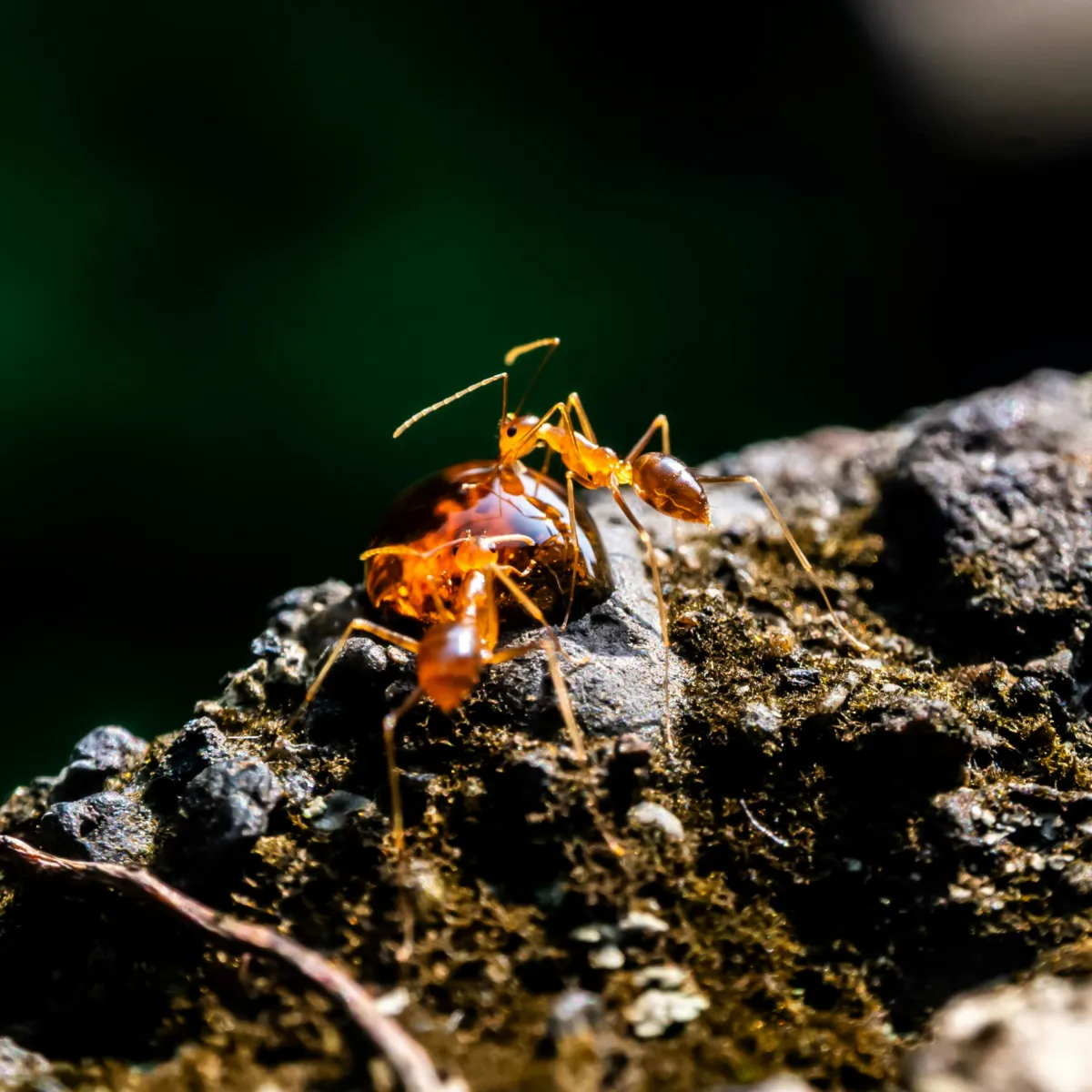
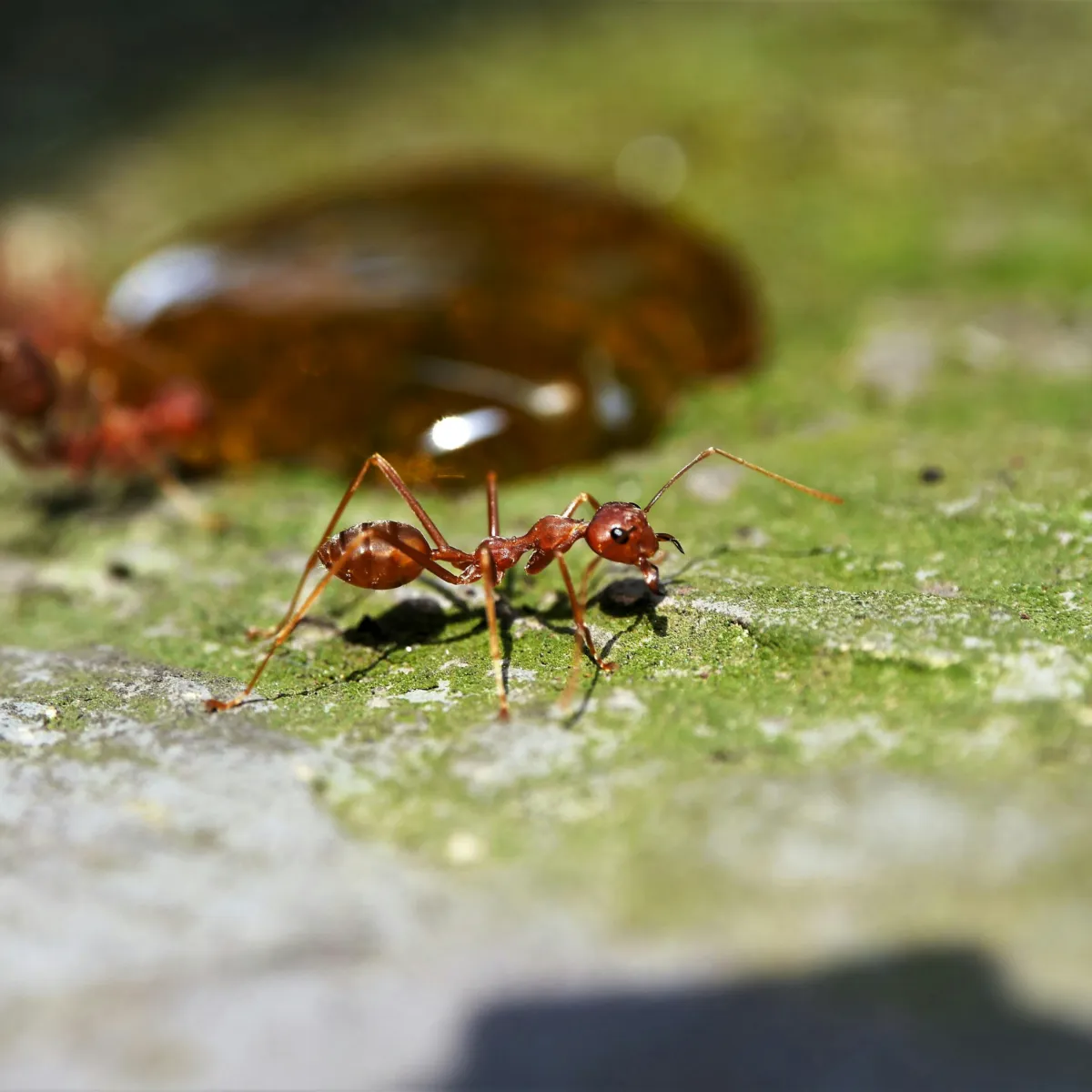
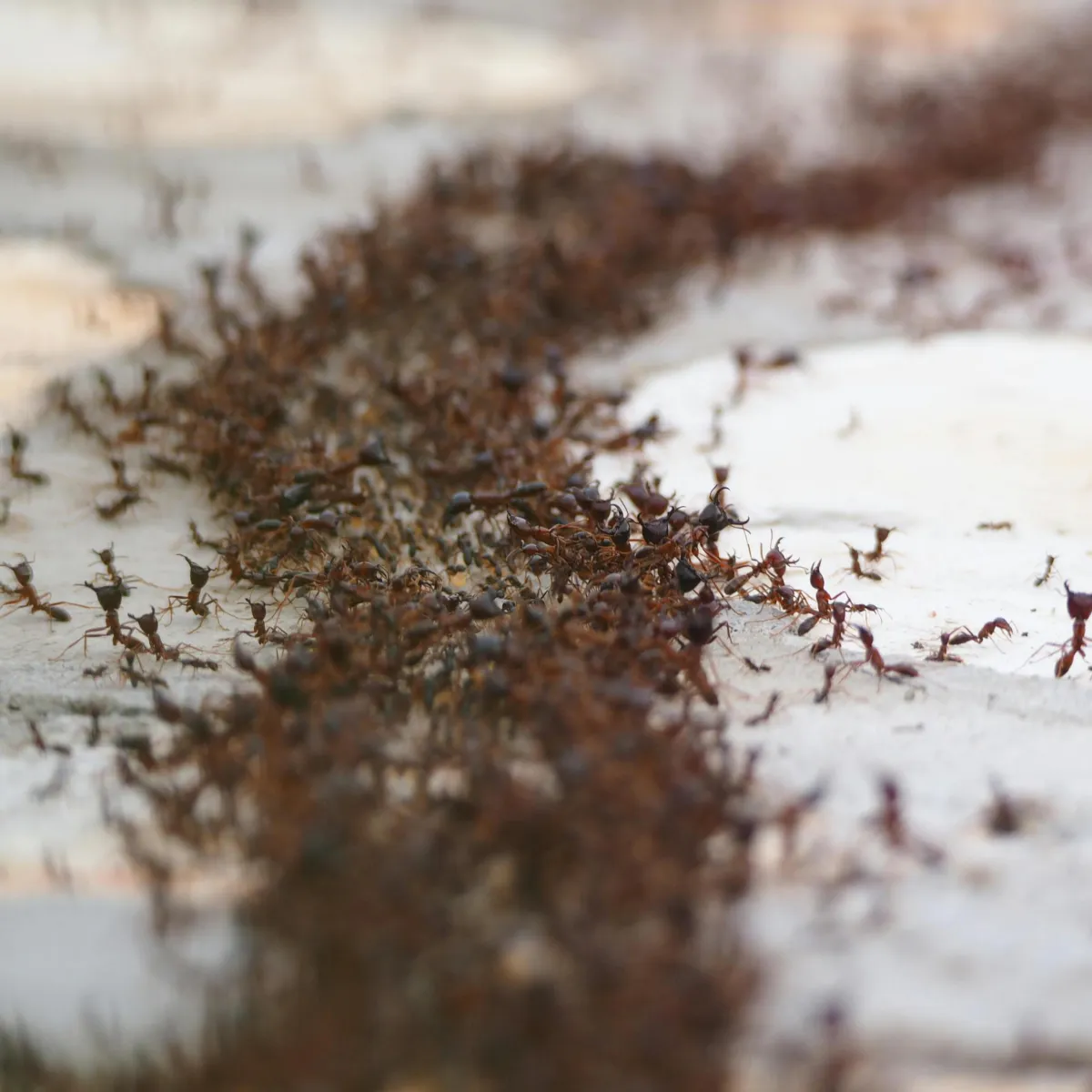
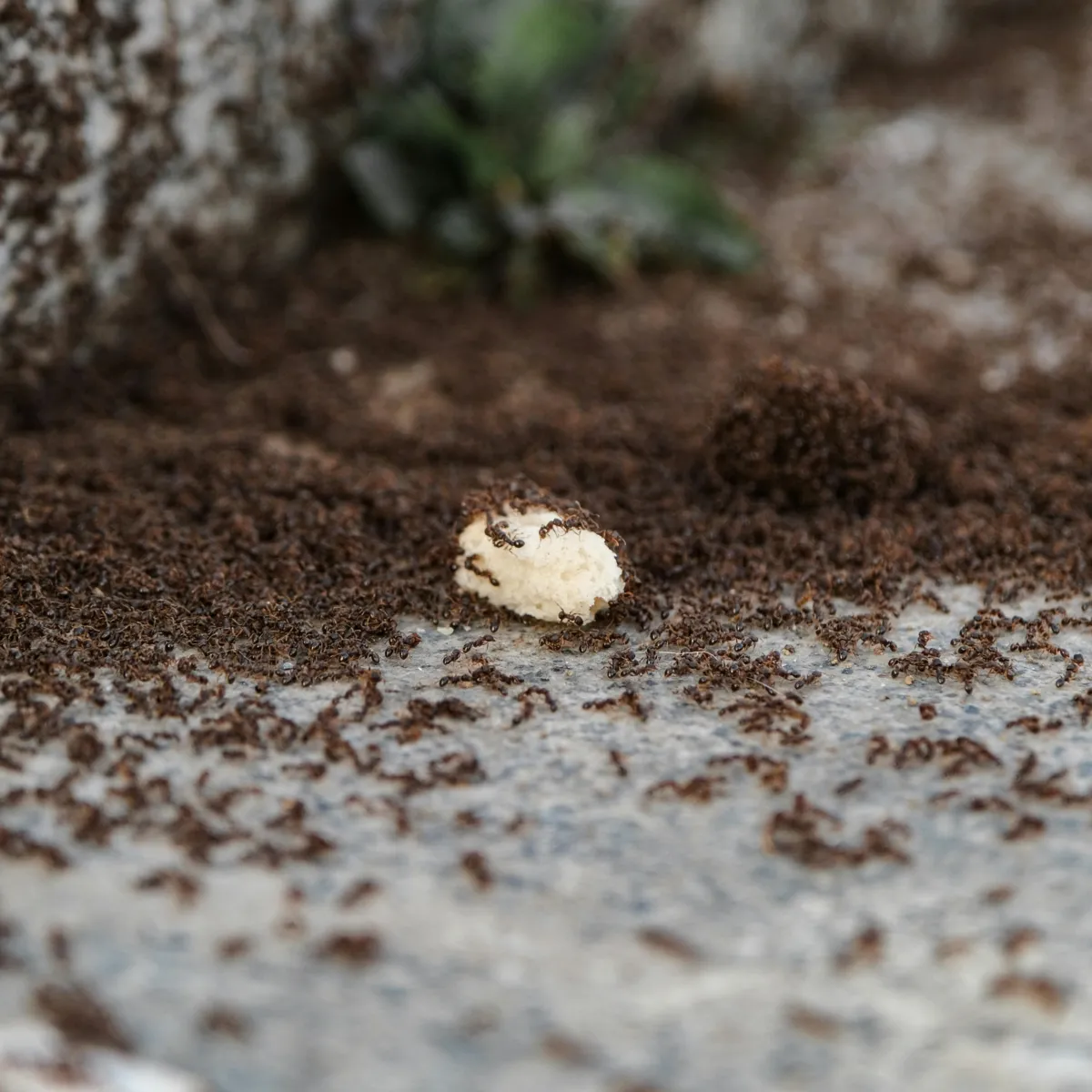
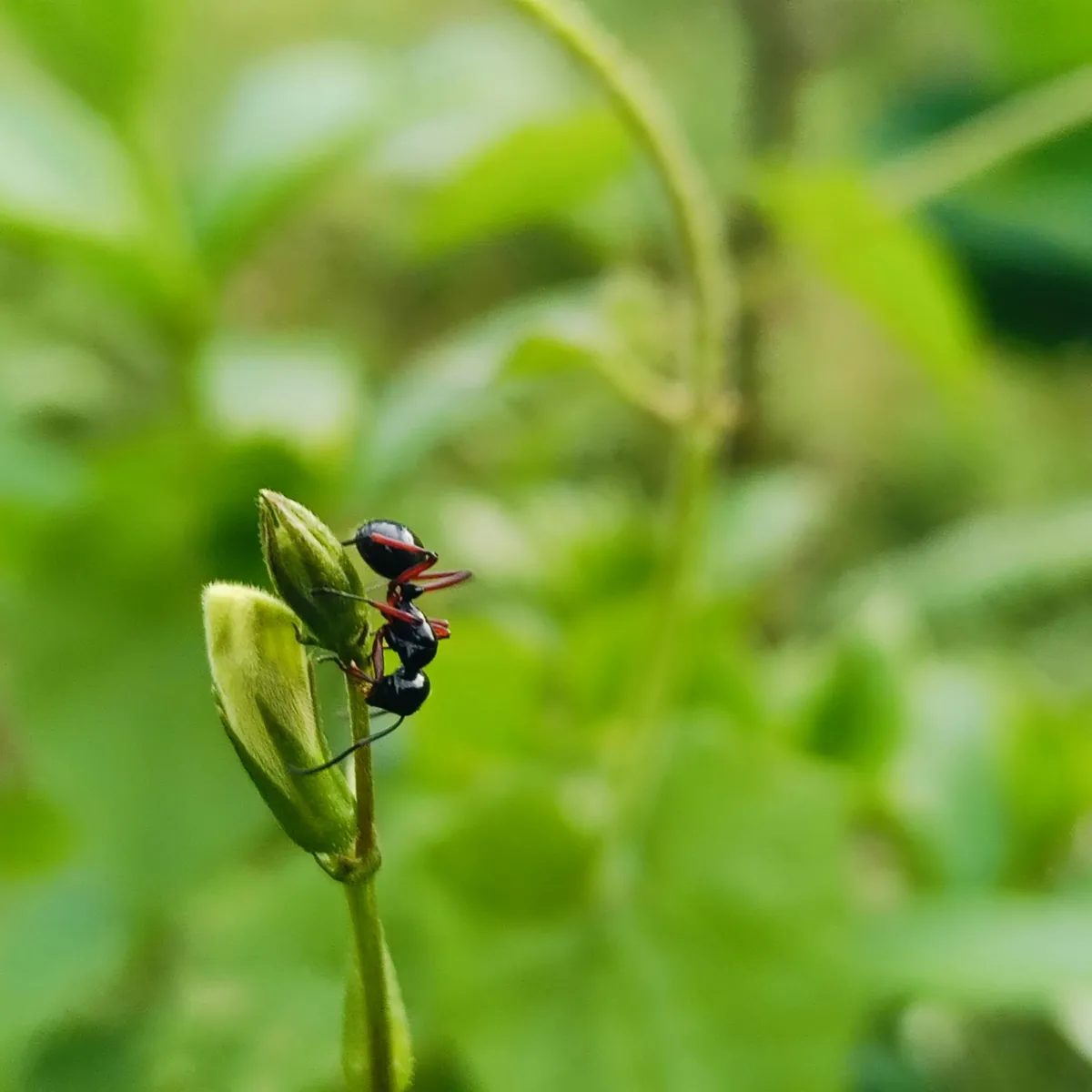
Fire ants hold sway over much of southern Arkansas, but the Bethel Heights area sits in a part of the state where they have never managed to settle for good. The Ozark elevation and the hard Northwest Arkansas winters work against them, so fire ant pressure here is a far cry from what homeowners face down south. The way in that does exist is growth: as roomy pasture gives way to new homes across this part of southern Benton County, the sod, soil, and nursery stock arriving with construction can carry the rare colony onto a property. Fairway Lawns can confirm whether a mound is truly fire ants and treat any verified colony at its source, with our Springdale team serving the Bethel Heights area directly.

A fresh mound on a former pasture lot warrants a second look
Fire ants bring stinging swarms, raised mounds, and real safety worries wherever they establish, yet the Bethel Heights area does not lie in fire ant country the way the southern part of the state does. The USDA imported fire ant quarantine reaches across the lower two-thirds of Arkansas, and Benton County, higher up and colder, sits outside that line. Those hard winters have long stopped fire ants from taking root here. For Bethel Heights residents, the practical message is plain: fire ants are not an everyday concern, but with so much building on former pasture, sod and fill come in from many places, and a stray colony can settle into a new lawn before anyone notices.
Because a mound is only the doorway to a much larger nest below, breaking it apart or flooding it with a store product almost never finishes the colony. When you turn up a mound that resembles fire ant work, the sensible move is to have it identified rather than guess, since plenty of native Benton County ants can pass for the real thing. We inspect the spot, confirm the species, and if it is fire ants, apply targeted treatment built to reach the colony underground while keeping your household and pets in mind. Want a professional set of eyes on it? Request a free inspection, or call to talk it over.
Even a lone colony is worth addressing
Fire ants guard their nest aggressively, boiling out and stinging the instant a mound is jostled. That aggression, together with their venom, makes them a real danger to children and pets in the yard. A single mound generally rests over a much larger colony, and certain nests run on more than one queen, so anything that stops short of the whole colony tends to invite the problem right back. Where fire ants stay this rare, that is all the more reason to put a confirmed colony in professional hands early, clearing it before it can spread and entrench.
What surfaces points to the larger problem beneath
– Loose, sandy mounds in the lawn, frequently with no hole on top
– Mounds that swell fast in the days after a rain
– Small reddish to reddish-brown ants
– A rapid, boiling swarm the second the mound is disturbed
– Stings that burn at first and then itch for days
– Reports of stings from family members or pets out in the yard
– A number of mounds cropping up across the property
Pinning down the species comes first
Fire ants are small, about 1.6 to 5 mm, and run reddish through dark reddish-brown. Their tell is behavioral, a swift and aggressive swarm the moment something disturbs them. They raise loose, sandy mounds across sunny, open ground, often in turf or bare soil. Since Benton County is home to a long roster of native ants that resemble fire ants at a glance, a confirmed identification carries more weight here than it does down south, and it is the smart opening step whenever a doubtful mound turns up.
There is a reason fire ants shrug off a do-it-yourself fix
A fire ant colony can reach a considerable size and stretch well past the visible mound, and nests with several queens are hard to clear. What shows above ground is a sliver of the whole. Most consumer sprays touch only the ants on the surface, leaving the colony beneath whole and ready to rebuild. Weather swings, from downpours to scorching heat, can dull a product and shift how the colony acts, and poking a mound to treat it usually just unleashes a swarm. That is why a targeted, professional treatment aimed straight at the colony is the approach that actually works.
The method follows what the colony looks like
We survey the property and confirm whether fire ants are truly present, then weigh whether the activity is isolated or spread out. From there we use the fitting approach, which might be a direct mound treatment, a broadcast application for scattered activity, a bait the ants carry home, or some mix of these. We spell out what we are doing and the reasoning, and we line up follow-up or monitoring when your yard calls for it.
Different problems take different tools
Depending on what the inspection reveals, treatment may use a mound drench for single colonies, broadcast coverage for activity scattered across the lawn, a two-step method for tough cases, bait the ants carry back to the nest, and follow-up monitoring on active properties. We will point you to the option that fits. Whatever the choice, professional treatment is safer and more thorough than gambling on a store product, because it is built around the infestation in front of us.
A consumer product and a professional treatment are worlds apart
Home and hardware-store remedies usually let you down because they treat only what is visible and never reach the colony’s core. Baits rely on the ants foraging and turn unreliable in the wrong weather. Sprays often fail to seep in deep enough, and disturbing a mound to treat it sharply raises the chance of a sting. A professional assessment and a targeted treatment genuinely settle it, which is why a call beats a gamble, all the more where the ants are so easy to mistake.
Take fire ant stings seriously around kids and pets
A fire ant sting hits with an immediate burn and leaves a red welt or a blister-like pustule that itches for days. For some people, one sting can spark a serious allergic reaction that demands emergency care. Children, pets, and anyone out on the lawn face the most exposure, part of why a confirmed colony deserves prompt handling rather than a wait-and-see approach.
Effective treatment and household safety belong together
Every treatment is carried out by licensed, trained technicians who observe each label direction. We hand you simple re-entry instructions, generally asking that pets and family keep off treated areas until they have dried completely. Before we begin any work, we confirm you know exactly how to keep everyone safe.
Local lawn and pest experience makes the difference
Rooted in Northwest Arkansas as a lawn care and pest control company, we know the turf as well as the pests, and we understand the local ground well enough to separate a real fire ant colony from the many native ants that resemble it. You get a professional inspection, a candid answer, treatment recommendations fitted to your yard, and guidance mindful of family and pets, plus seasonal options if you would like continued monitoring. Backed by our 100% satisfaction guarantee, applicators certified through the Arkansas State Plant Board, a 4.5 out of 5 rating from over 78,000 homeowners, easy scheduling, and a free quote, arriving at a clear answer and a real solution is simple.
Quick answers to the questions residents actually ask
Come upon a mound and unsure what made it? Skip the guesswork, and spare yourself the painful stings. Reach Fairway Lawns by phone or request a free inspection online, and our Springdale team will look the area over, confirm whether fire ants are present, and treat any active colony at the source. We serve the Bethel Heights area of Springdale, in southern Benton County.