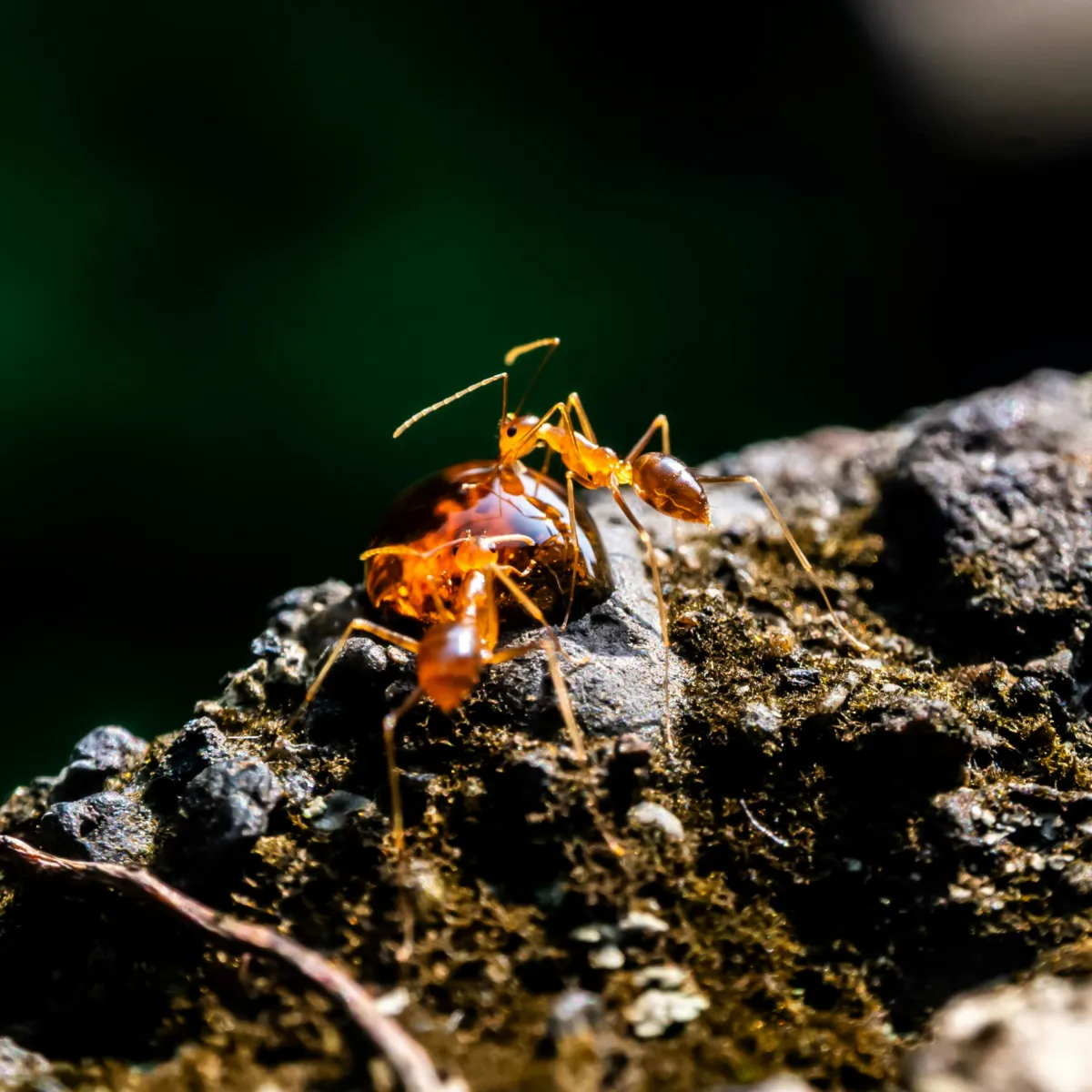
Fire ants command vast stretches of southern Arkansas, yet Cave Springs sits in a zone where they have never taken permanent hold. The Ozark elevation and the genuine cold of Northwest Arkansas winters prevent year-round establishment, so fire ant pressure here differs radically from the southern region. The gap does exist through construction: as Cave Springs expands with new neighborhoods on the limestone terrain, sod and soil arriving from outside can occasionally transport a colony to town. Fairway Lawns can verify whether a mound is fire ants and treat any confirmed colony at its base, operating from our Springdale branch just minutes away.

With fire ants this uncommon, catching one early makes the difference
Fire ants cause painful stings, mound damage, and genuine safety issues wherever they establish, yet Cave Springs does not sit in fire ant territory the way the southern part of the state does. The USDA fire ant quarantine covers the lower two-thirds of Arkansas, but Benton County, where Cave Springs sits, lies beyond that boundary. The frigid Ozark winters have blocked fire ants from rooting here. For Cave Springs residents, the practical takeaway is straightforward: fire ants are not routine, but with brisk building and landscaping, soil and sod arrive from many sources, and an occasional colony can slip into a new yard undetected.
Since the mound sits above a much larger nest below, flattening it or soaking it with a store product rarely kills the colony. When you discover a mound that appears to be fire ant work, the right first step is professional identification rather than assumption, because native ants across Benton County can closely resemble fire ants. We inspect the spot, establish the species, and if fire ants are present, use targeted treatment to reach the underground colony while safeguarding your family and animals. Interested in a professional assessment? Request a free inspection or reach out to discuss.
Even a single colony demands professional action
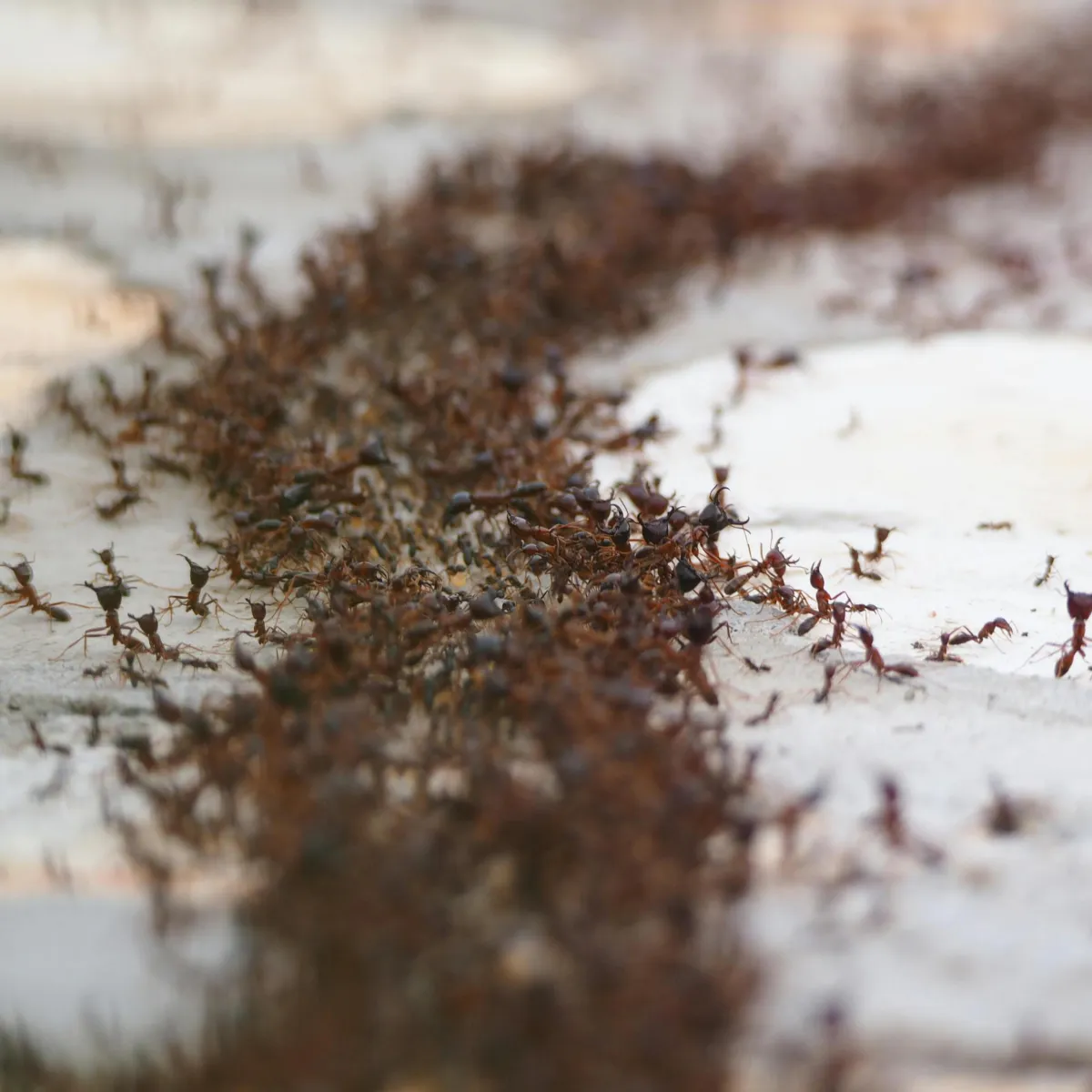
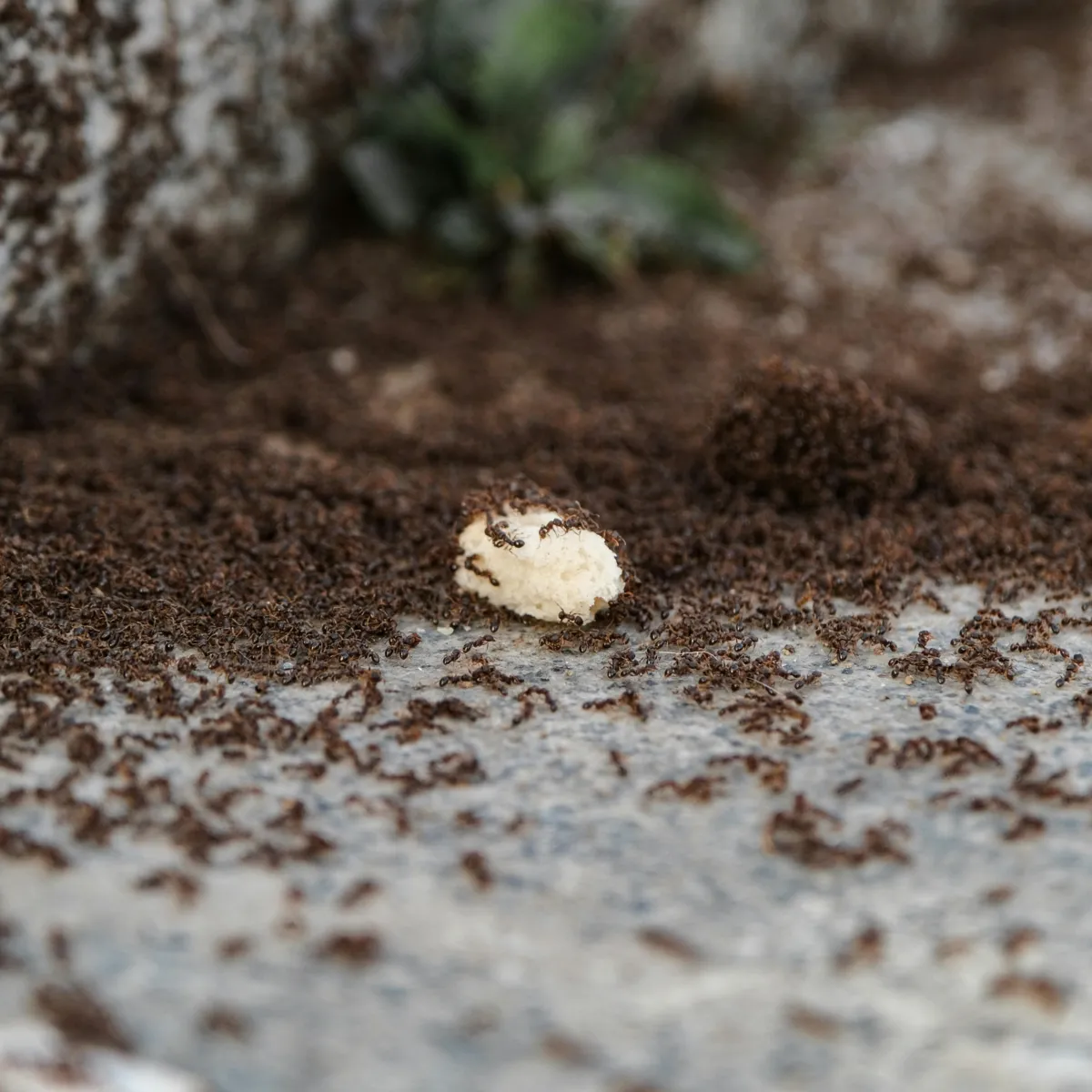
Fire ants guard their nest with intensity, swarming and stinging when a mound is disturbed. This temperament, coupled with their painful venom, creates genuine risk to children and pets in the yard. A single visible mound marks a larger colony beneath, and some colonies support multiple queens, so incomplete treatment typically just brings the trouble roaring back. Where fire ants remain this scarce, swift professional treatment of a confirmed colony is the smart move, eliminate it early before it multiplies and establishes deeper.
The surface manifestation points downward to a larger system
– Loose, sandy mounds in the grass, often without a hole on top
– Mounds that expand rapidly after rain
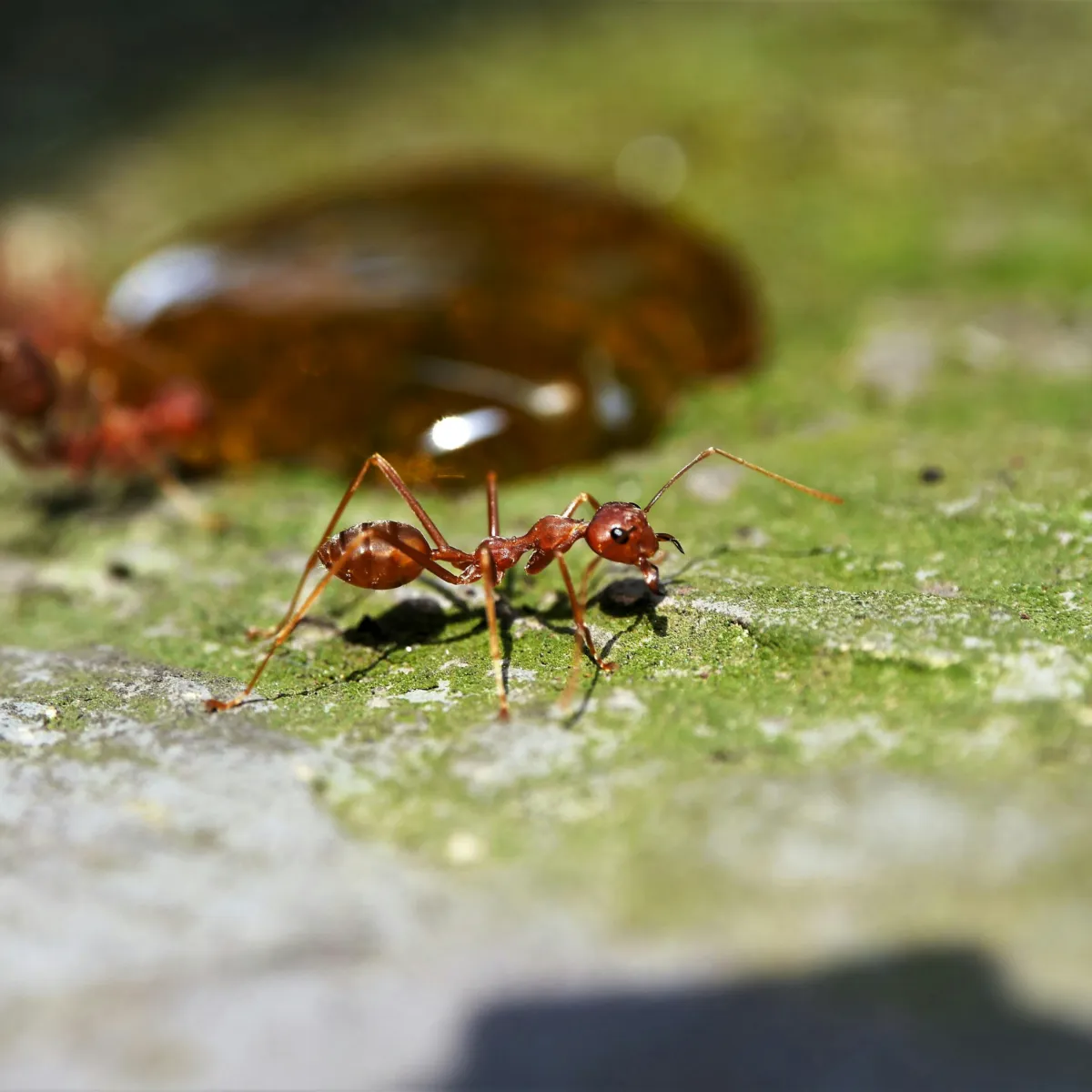
– Tiny reddish to dark reddish-brown ants
– An immediate, forceful swarm when the mound is touched
– Stings that burn acutely then itch for days
– Family members or pets reporting stings near the yard
– Multiple mounds scattered around the property
Identifying the species is the essential first step
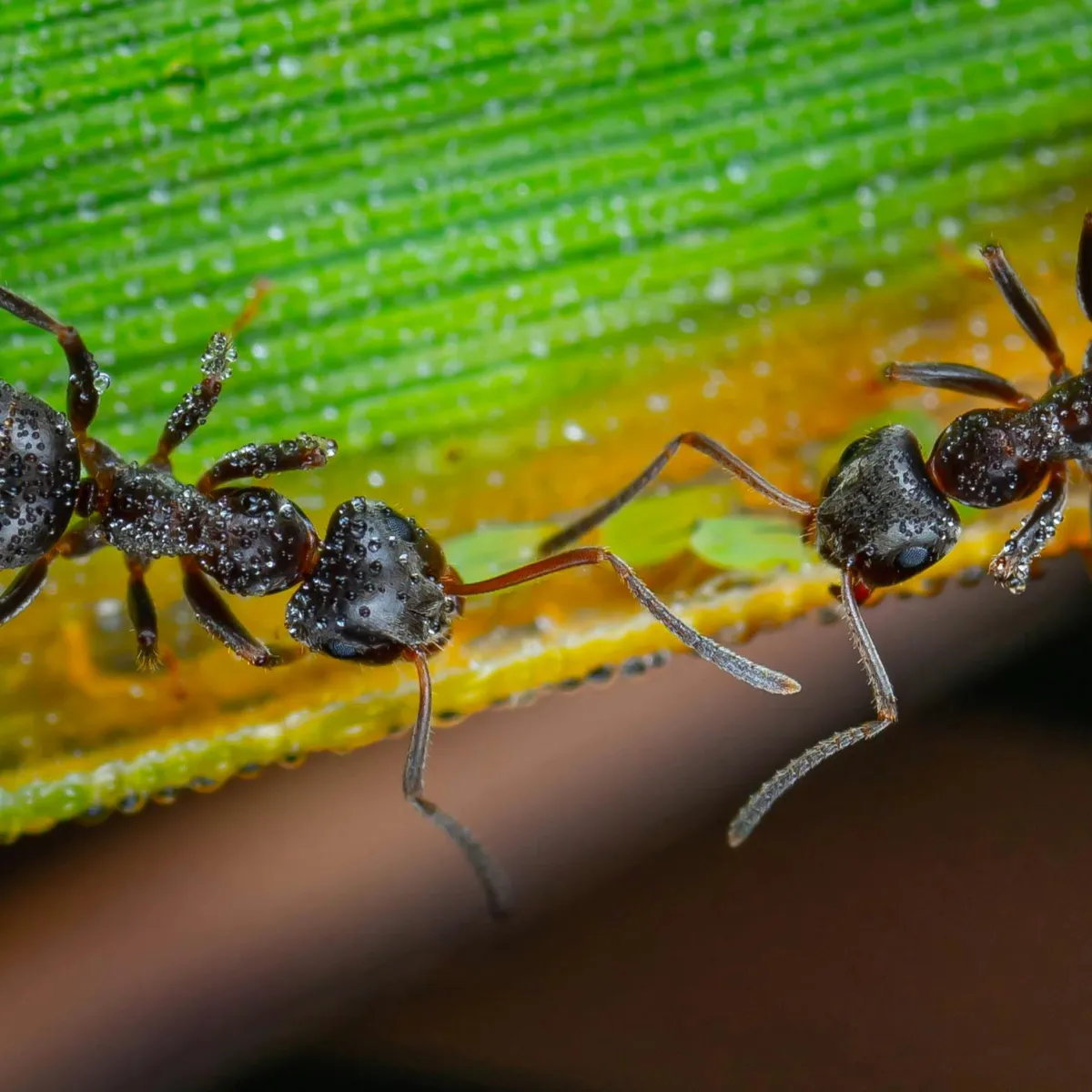
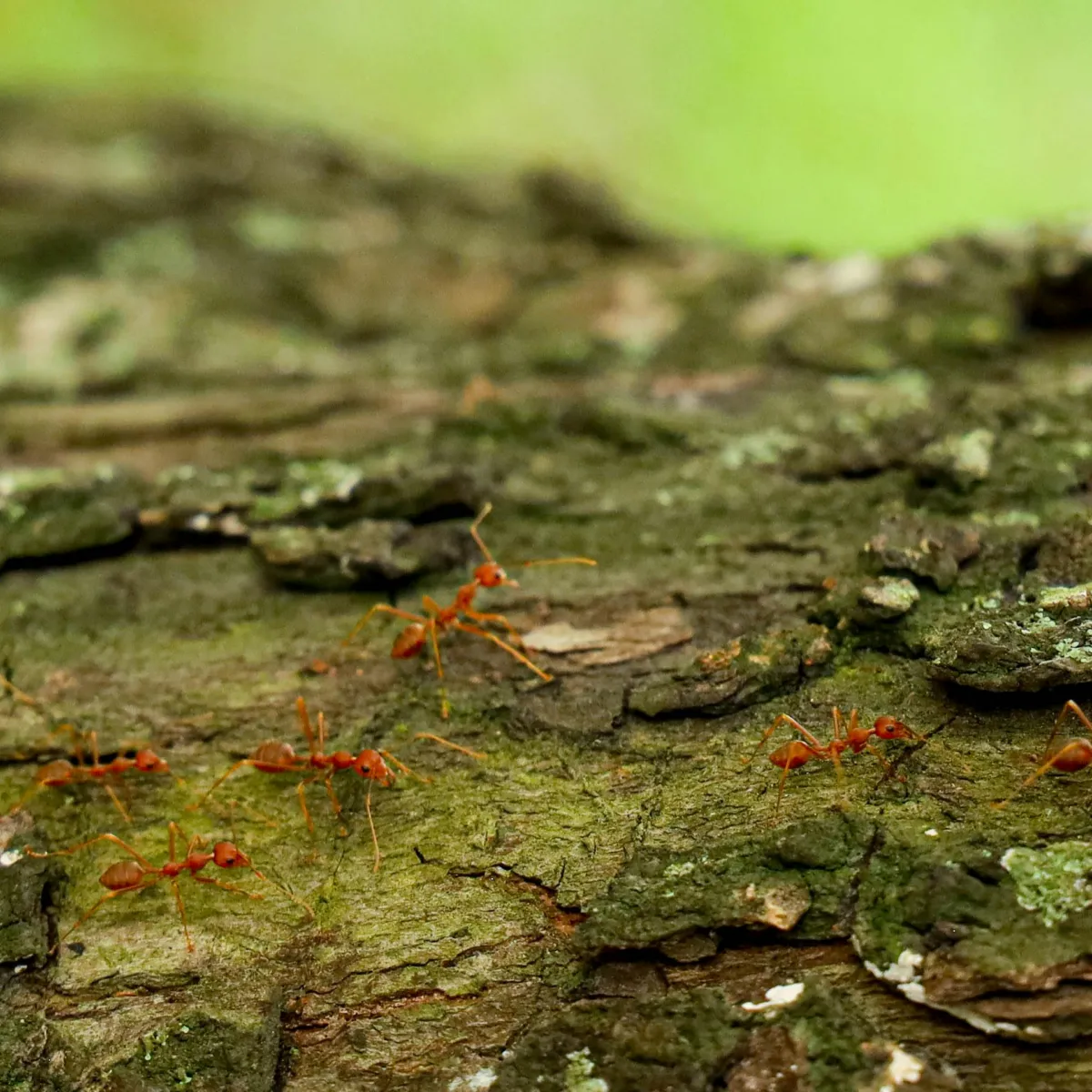
Fire ants range from 1.6 to 5 mm and show reddish to dark reddish-brown color. Their defining characteristic is behavior, instant, violent swarming when disturbed. They construct loose, sandy mounds in open, sunny ground, frequently in bare soil or turf. Because Benton County hosts numerous native ant species that resemble fire ants, accurate identification is more critical here than farther south, and it is your first action whenever a mound seems questionable.
DIY approaches fail because they address only the surface
Fire ant colonies grow to substantial sizes and extend far beyond what appears above ground, and multi-queen colonies are exceptionally difficult to eliminate. The mound is merely the tip. Consumer products kill only surface ants, leaving the underground colony intact and primed to rebuild. Temperature fluctuations and rain alter how products perform and how colonies respond, and disturbing a mound to treat it almost always triggers stinging without ending the colony. A focused, professionally-applied treatment targeting the nest is the approach that delivers actual results.
The right approach hinges on what you find below
We evaluate the property and establish the species, then judge whether activity is isolated or scattered. From there we select the right method, whether that is a mound drench, broadcast coverage, a bait system, or a multi-step approach. We describe our plan and reasoning, and we schedule follow-up visits or monitoring if appropriate.
Different circumstances call for different approaches
Depending on inspection results, treatment might include a mound drench for single colonies, broad application for scattered activity, a systematic two-step method for difficult cases, baits that ants themselves carry, and follow-up monitoring for active zones. We will tell you what matches your scenario. Professional treatment is always safer and more thorough than store-bought options, because we tailor it to the specific infestation.
Store-bought products and professional treatment are fundamentally dissimilar
Consumer and hardware-store approaches consistently disappoint because they hit only surface ants and never reach the colony’s core. Bait treatments depend on ant foraging behavior and falter in adverse weather. Sprays regularly fail to penetrate adequately, and jabbing a mound to apply treatment raises sting risk without solving the problem. Professional assessment and targeted application genuinely eliminate the issue, which is why contacting us beats guessing, especially where the ants are this simple to misidentify.
Fire ant stings require serious consideration when children and animals are around
A sting burns intensely, then itches severely for days, producing a red welt or blister-like bump. In certain people, a solitary sting triggers a grave allergic reaction requiring emergency medical care. Children, outdoor pets, and anyone spending time outside face the greatest exposure, one reason a verified colony warrants fast, professional action.
Effective treatment and safety for the household walk together
Every treatment is executed by licensed, trained technicians who adhere to all label directions. We furnish clear re-entry guidance, typically asking that pets and family remain off treated areas until everything dries completely. We ensure you grasp exactly what precautions to observe before beginning.
Local lawn and pest expertise builds confidence
As a local lawn care and pest control operation, we know the turf and pests equally well, and we have the local awareness to separate a genuine fire ant colony from the numerous native ants that mimic it. You obtain a professional assessment, an honest answer, treatment recommendations fitted to your yard, and family-conscious and pet-conscious guidance, plus seasonal options if monitoring makes sense. Our 100% satisfaction guarantee backs every job, our applicators are certified by the Arkansas State Plant Board, we carry a 4.5 out of 5 rating from over 78,000 regional homeowners, scheduling is straightforward, and you get a free quote, getting results is simple.
Honest answers to common questions aid smart decisions
Discovered a mound and not sure what built it? Avoid the guessing game and prevent the stings altogether. Call Fairway Lawns by phone or book a free inspection online, and our Springdale team will examine the area, verify whether fire ants are the issue, and treat any live colony at its core. We service Cave Springs and the surrounding Benton County region.