Get your lawn back on track with 50% OFF first application!* 50% OFF First Application!* Call Now

Spider Control in Farmington, AR

Farmington sits in the wide valley west of Fayetteville, a place settled back in 1828 where grist mills once turned and farmland still stretches between the growing subdivisions. That blend of old homesteads, working land, and new construction gives spiders no shortage of places to settle, and they take to the historic houses near Main Street as readily as the fresh builds on former fields. When spiders appear inside, Fairway Lawns clears them out, identifies the species, and corrects the conditions that drew them. Our Springdale team serves Farmington and the surrounding Washington County area with licensed pest control and a satisfaction guarantee.

It hints at a food supply already settled close by

One spider on the wall seldom means just one

A spider takes up residence wherever prey comes easily, so a web in the barn or a sighting in the hallway usually signals insects have already gathered nearby. Farmington’s valley setting feeds that pattern. The farmland, creek bottoms, and old outbuildings hold the moisture and insects spiders hunt, while the steady building on former fields turns over the soil and pushes pests toward fresh foundations. That single spider you happen across is a cue worth following up on.

Two Washington County residents call for genuine care: the brown recluse and the black widow. The recluse settles into shadowy, undisturbed places, including attics, barns, closets, and stored boxes, and a bite can slowly grow into a wound that resists healing. The widow gravitates toward woodpiles, rock borders, and the dim undersides of decks and porch furniture, and a bite can land you at the doctor. Sorting these two from the harmless majority is exactly why identification guides our whole approach.

A spray off the store shelf will not put an end to it. It reaches only the spiders in plain sight, abandons the egg sacs to release the next round, and leaves the insects drawing spiders in untouched. Our licensed technicians walk the property, confirm what is present, treat the active areas and the routes inside, and put prevention in place so the relief lasts. Each appointment begins with a walkthrough and a no-nonsense estimate.

Durable results come from treating the entire picture

Our Spider Control Process

Inspection

We nail down the species, follow their way in, locate the webs and harborage, and gauge the moisture and insect activity driving it all.

Treatment

We treat where spiders nest and travel: exterior perimeter applications, web and egg sac removal, crack and crevice work, residual products, and pinpointed indoor treatment where called for.

Prevention

We point out the gaps to seal, recommend cutting clutter and pulling mulch off the foundation, address moisture, and set a schedule with follow-ups.

Monitoring

We keep on it with repeat inspections and seasonal visits, all of it backed by our guarantee. If spiders reappear between services, we come back and treat again.

The species decides the strategy

Spiders Common to Farmington and Washington County

Brown Recluse

This is the spider Farmington homeowners most need to know. At home across Washington County, the recluse slips into dark, undisturbed places: attic insulation, barn and shed corners, storage boxes, wall cavities. Compact and tan with a fiddle-shaped marking, it warrants extra caution because a bite can quietly turn into a wound that mends slowly, a special worry on the valley’s older farm properties.

Black Widow

Lustrous black, bearing the well-known red hourglass on the underside. Widows favor woodpiles, rock borders, and the shaded undersides of decks and outdoor furniture, all common on farmland lots. They stay reclusive and rarely bite, but their venom is potent enough to warrant a doctor’s visit, especially for children and pets.

Wolf Spiders

Sturdy, fast ground hunters that wander inside as the nights grow cold. Their size seems threatening, but they cause no real harm, and they usually appear near doorways, in garages, and along baseboards.

House Spiders

The everyday cobweb weavers behind the strands in ceiling corners and window frames. They cause no harm, though their webs and egg sacs build up quickly when left be.

Cellar Spiders

Thin and pale, suspended in ragged webs across basements and crawl spaces. Harmless on their own, yet a marker of the moisture and insect activity that bring in tougher pests.

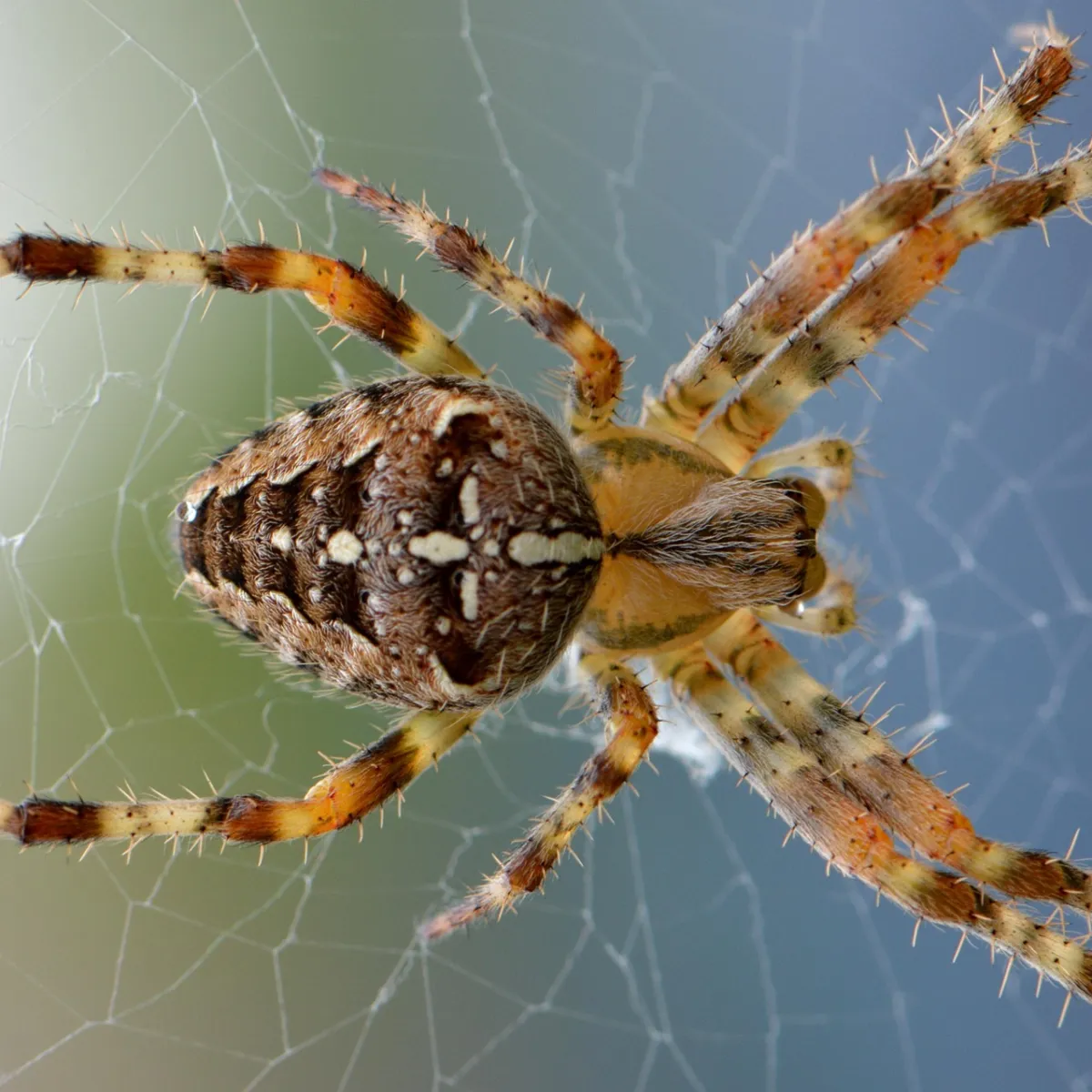
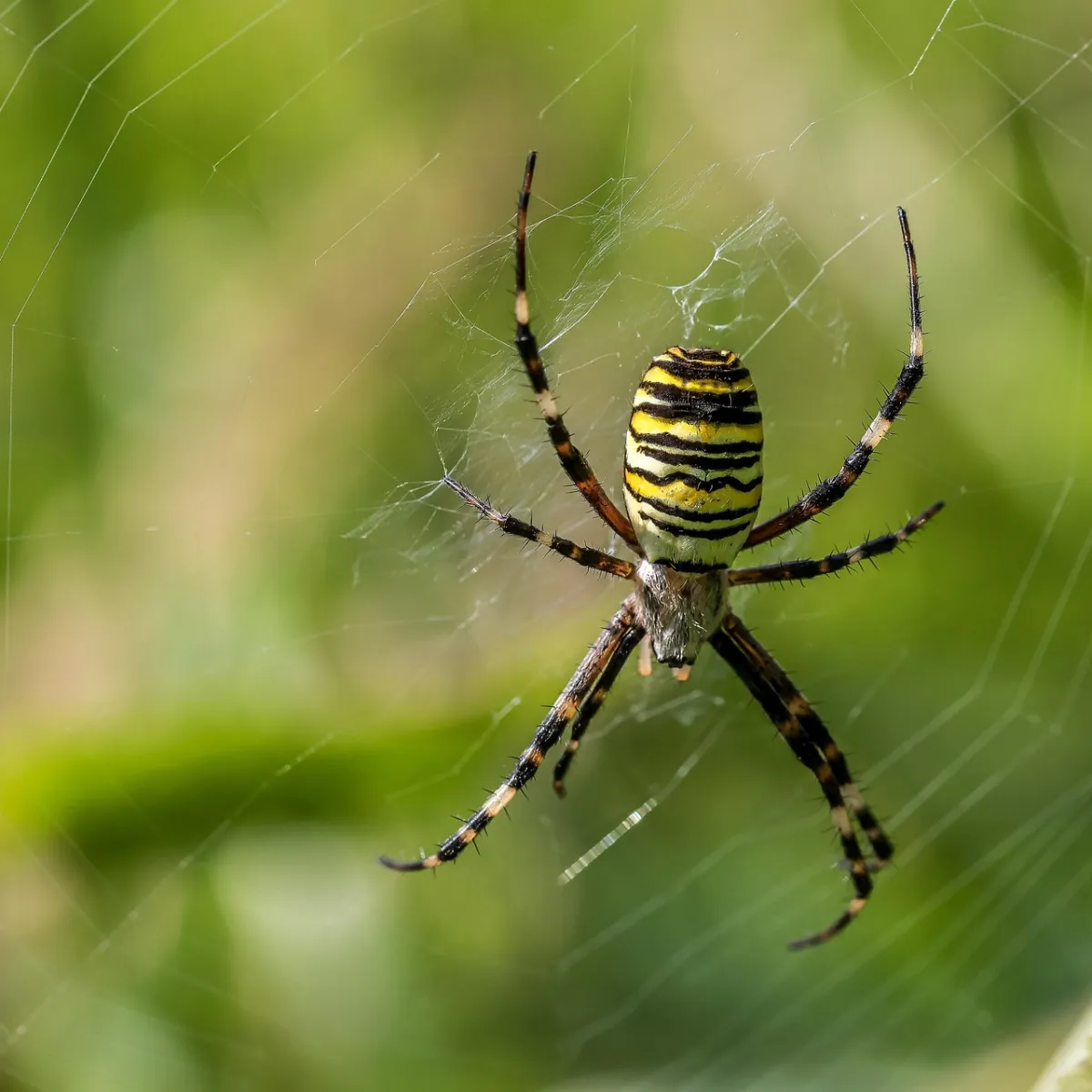
Orb Weavers

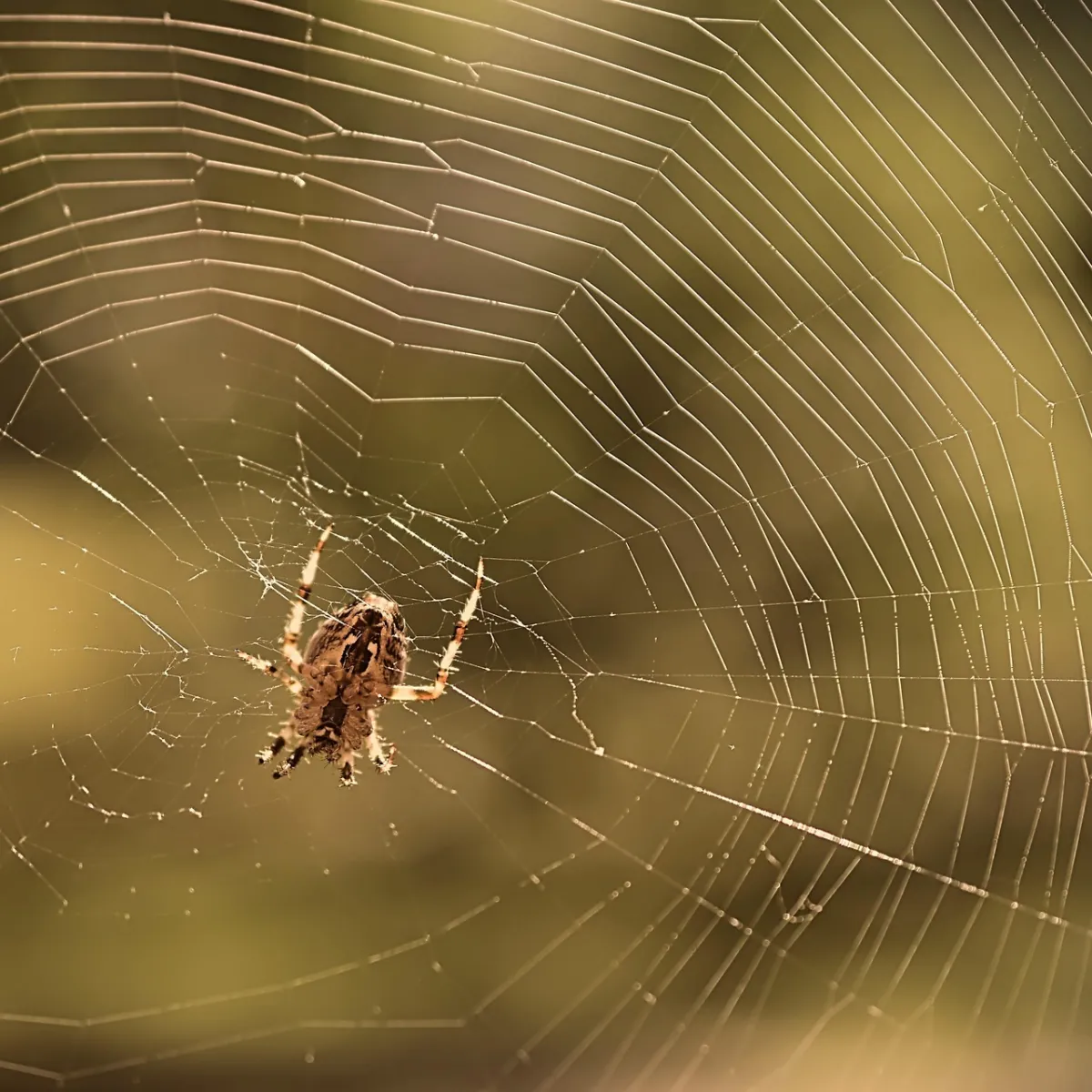
Weavers of the broad, spoked webs that stretch across porches, eaves, and garden beds by late summer. They stay outside and present no danger, though a new web across the walk is a daybreak nuisance.

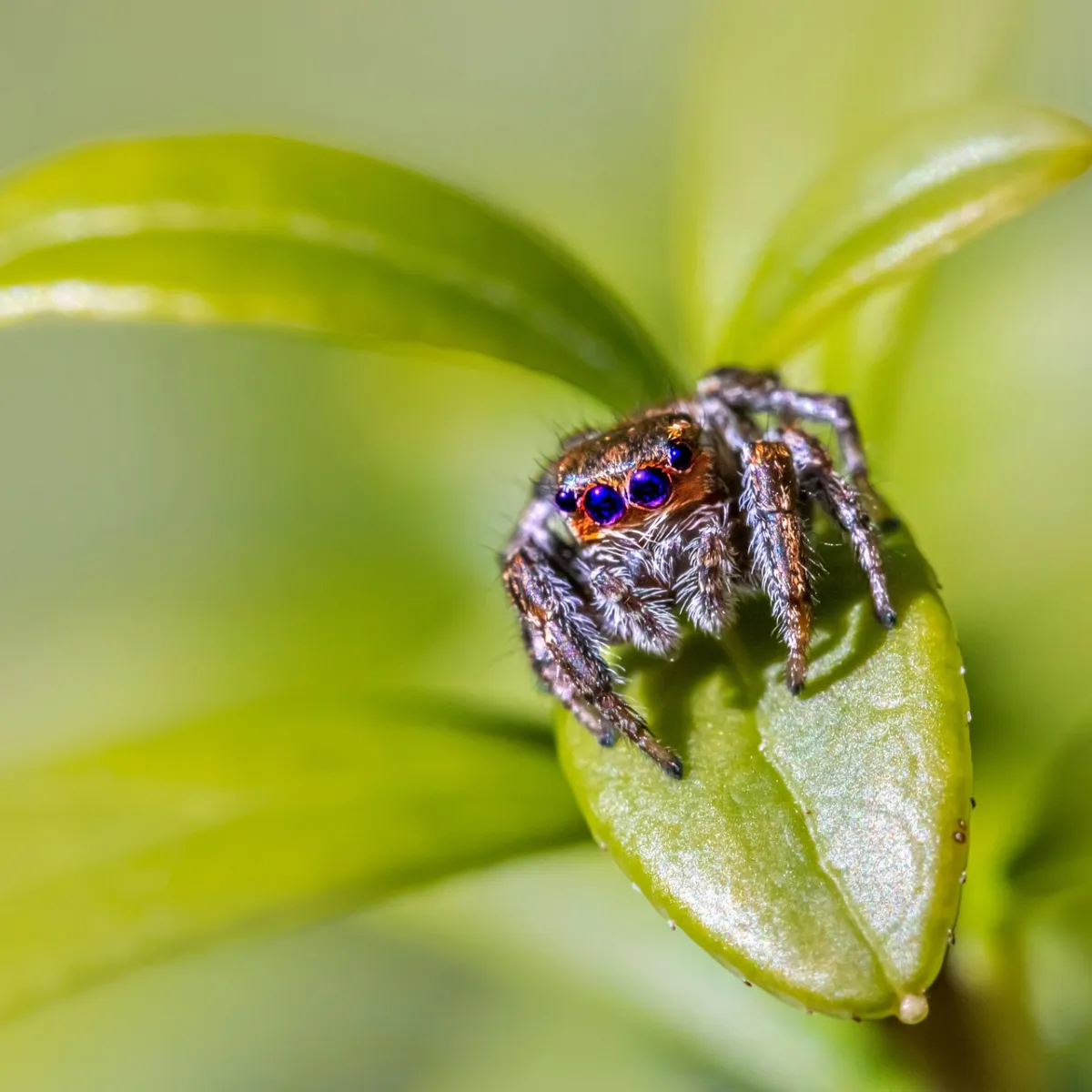
Jumping Spiders

Tiny and sharp-sighted, prone to springing across sunlit siding and window ledges. They do no harm and help keep other insects in check.

The evidence piles up before anyone calls it an infestation

Signs of a Spider Problem

– Fresh webbing in corners, window frames, eaves, and along barn and garage walls
– Spiders showing up indoors more often, particularly as fall sets in
– Round, papery egg sacs fastened within the webbing
– Insect remains piling up in webs and along sills
– Spiders recurring in basements, crawl spaces, attics, and outbuildings
– Activity that rebounds no matter how often you sweep or spray

Spiders come inside for reasons you can correct

Why Spiders Enter Homes?

In Farmington, a few things invite spiders indoors:

– They are tracking the insects that make up their meals
– They seek shelter and steadier warmth as the season shifts
– Damp basements, crawl spaces, and cellars pull them in
– Cool Ozark falls send them inside to overwinter and breed
– Nearby building disturbs the soil and pushes pests toward cover
– Woodpiles, mulch, and shrubs along the foundation offer a simple way in

Spiders claim the quiet, rarely-handled corners of a property

Where Spiders Hide?

– Basements, crawl spaces, cellars, attics, and garages
– Closets, storage rooms, and crowded shelving
– Behind furniture and amid stacked boxes
– Window corners and roof eaves
– Sheds, barns, decks, and woodpiles
– Mulch beds and heavy plantings along the house
– Foundation cracks and gaps around pipes and vents

Spider activity follows the Washington County calendar

Spider Activity Across the Seasons

Spring: As the Farmington valley warms, insects return, spiders start breeding, and the season’s first outdoor webs surface along eaves, decks, and gardens.

Summer: The lively outdoor stretch. Hot, humid days keep insects plentiful and webbing thick around the perimeter.

Fall: The peak stretch for sightings inside the home. The earliest cool nights push spiders indoors to warm and mate, which is when most residents start noticing them.

Winter: Outdoor activity winds down, yet indoor encounters continue in warm garages, basements, and cellars where spiders have settled.

A spray can treats the symptom and skips the cause

Professional Control vs Store-Bought Treatments

Store sprays reach only the spiders in the open, leaving the egg sacs to hatch a fresh batch within days. Spiders tuck into spots those products cannot reach, and a quick spray does nothing about the insects pulling them inside. Professional service covers the full problem through residual treatments, integrated pest management, preventative barriers, and ongoing monitoring, so it does not just regroup a couple of weeks down the road.

A handful of home habits hold spider activity down

Spider Prevention Tips

– Seal cracks and openings around the foundation, doors, and utility lines
– Patch torn screens on windows and doors
– Clear clutter from basements, attics, garages, barns, and closets
– Set woodpiles away from the house and draw mulch back from the foundation
– Trim shrubs and plantings clear of exterior walls
– Vacuum often and pull down webs and egg sacs the moment they appear
– Switch to yellow or LED outdoor bulbs that attract fewer insects
– Keep after leaks and damp areas

Thorough treatment and a safe household belong together

Family and Pet Safe Treatments

Our spider control is carried out by licensed, state-certified applicators trained to be thorough while keeping your household’s safety in view. We apply products carefully and per the label, offer options conscious of family and pets, and go over any simple post-service steps with you.

Local familiarity turns one visit into lasting relief

Why Farmington Homeowners Choose Fairway Lawns?

– Licensed and insured, with applicators certified through the Arkansas State Plant Board
– A Springdale team that knows Farmington, from the historic valley homesteads to the new subdivisions on former farmland
– 100% satisfaction guarantee, with free re-treatment if spiders return between visits
– Rated 4.5 out of 5 across more than 78,000 homeowners in the Southeast
– Seasonal maintenance plans for year-round protection
– Trained technicians, prompt response, and scheduling that suits your week
– No long-term contracts

Direct answers make spider control simple to plan

Spider Control FAQs for Farmington Homeowners

Get Your Free Inspection in Farmington

When webs keep returning or recluse and widow sightings leave you uneasy, we can put it right. Reach Fairway Lawns by phone or book a free inspection online, and our Springdale crew will pin down what is going on, treat it where it starts, and put prevention in place to stop a return. We serve Farmington and the surrounding Washington County area with fast, flexible scheduling.