Get your lawn back on track with 50% OFF first application!* 50% OFF First Application!* Call Now

Northwest Arkansas sits on the leading edge of the fire ant's range

Professional Fire Ant Control in Fayetteville, AR

Fire ants are far more entrenched in southern and central Arkansas than they are up in the Ozarks, where colder winters have long held them back. Even so, the red imported fire ant has been pushing north for years, and isolated colonies have turned up in the Northwest Arkansas region. That makes early identification the name of the game in Fayetteville. Fairway Lawns can confirm what you’re dealing with and treat active colonies at the source, working from our Springdale branch across the Fayetteville area.

A new mound in an Ozark yard is worth identifying before it spreads

Catching fire ants early matters most where they're still uncommon

Fire ants create painful stings, raised mounds, and real safety concerns wherever they take hold, but Fayetteville’s situation is different from much of the state. The USDA imported fire ant quarantine covers the southern two-thirds of Arkansas; Washington County is not part of it, and the area’s harder winters have kept fire ants from establishing the way they have farther south. What that means for homeowners here is simple: fire ants aren’t an everyday problem, but they are spreading northward, and a colony that arrives in a load of sod, soil, or nursery stock can get a foothold before anyone notices.

Because the mound is only the visible piece of a much larger underground colony, knocking it over or hitting it with a store-bought spray rarely solves anything. If you spot what looks like a fire ant mound on your property, the smart move is to have it identified rather than assume. We inspect the area, confirm the species, and apply targeted treatment designed to reach the colony while keeping your family and pets in mind. Want it checked out? Request a free quote, schedule an inspection, or call to confirm availability.


Even one colony is worth taking seriously

Why Fire Ant Control Matters?

Fire ants are territorial and quick to defend the nest, delivering repeated stings the moment a mound is disturbed. A single mound usually signals a far larger colony spreading underground, and once established they can affect how you use the lawn, the health of your turf, and the safety of children and pets. In a region where fire ants are still relatively uncommon, that’s exactly why a confirmed colony is worth professional treatment, because the goal is to address the colony itself rather than just the mound on the surface, before it has a chance to multiply.

Knowing the signs helps you catch a colony early

Signs of a Fire Ant Infestation

– Sandy, loose mounds in the lawn, often with no clear opening on top
– New mounds appearing quickly after rain
– Small reddish-brown ants
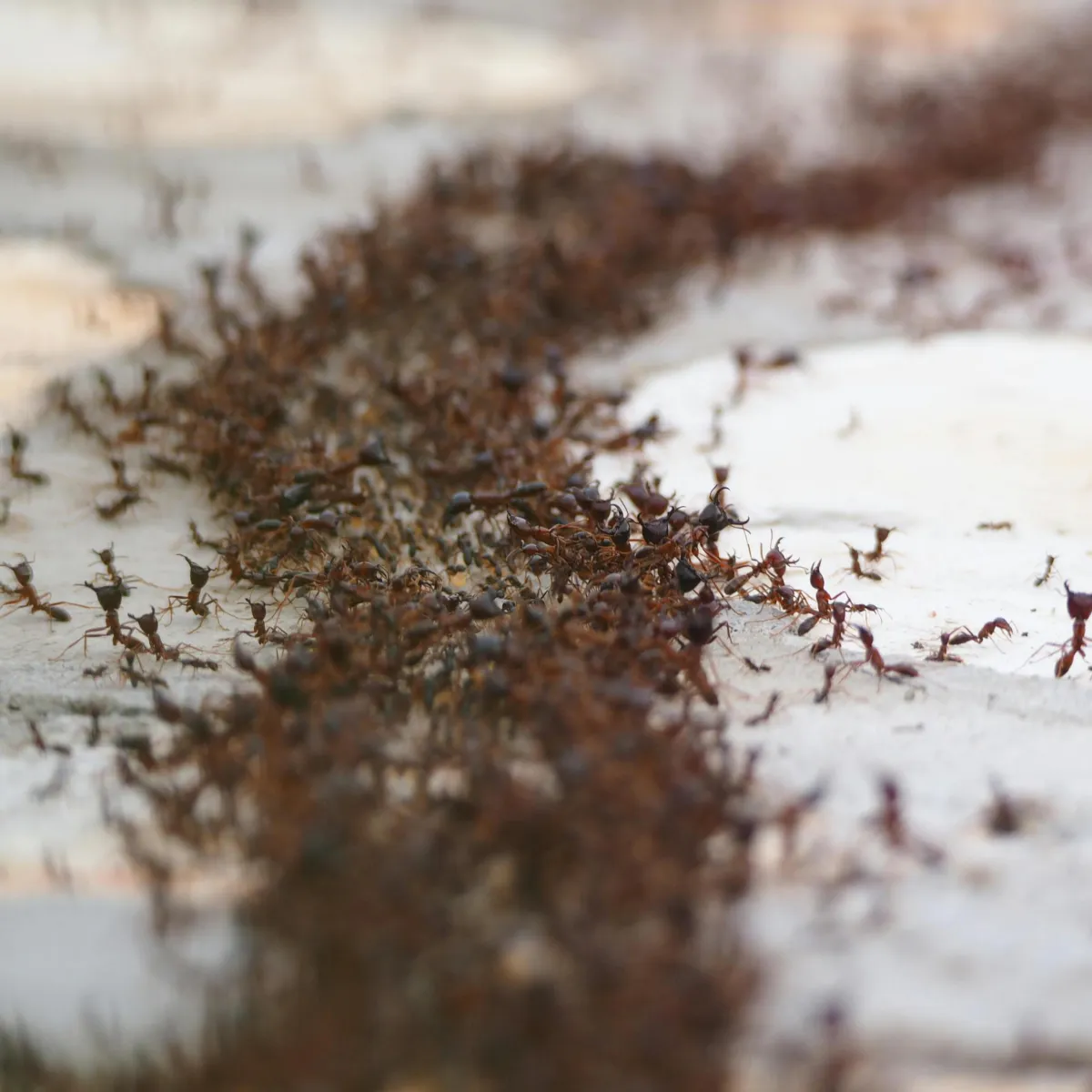
– Aggressive swarming when a mound is disturbed
– Painful stings, or complaints from people and pets using the yard
– More than one mound showing up across the property

Confirming the species is the first real step

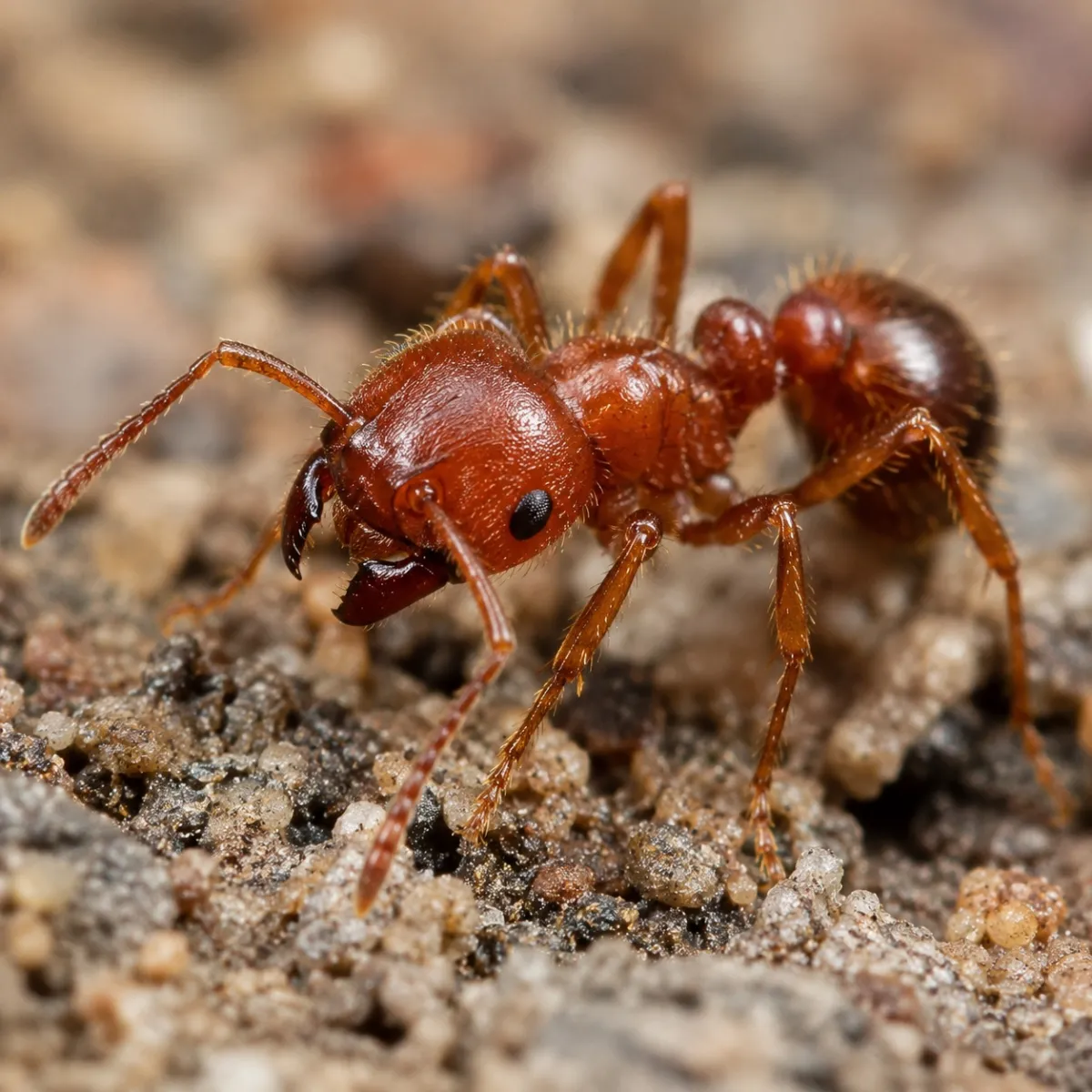
What Do Fire Ants Look Like?

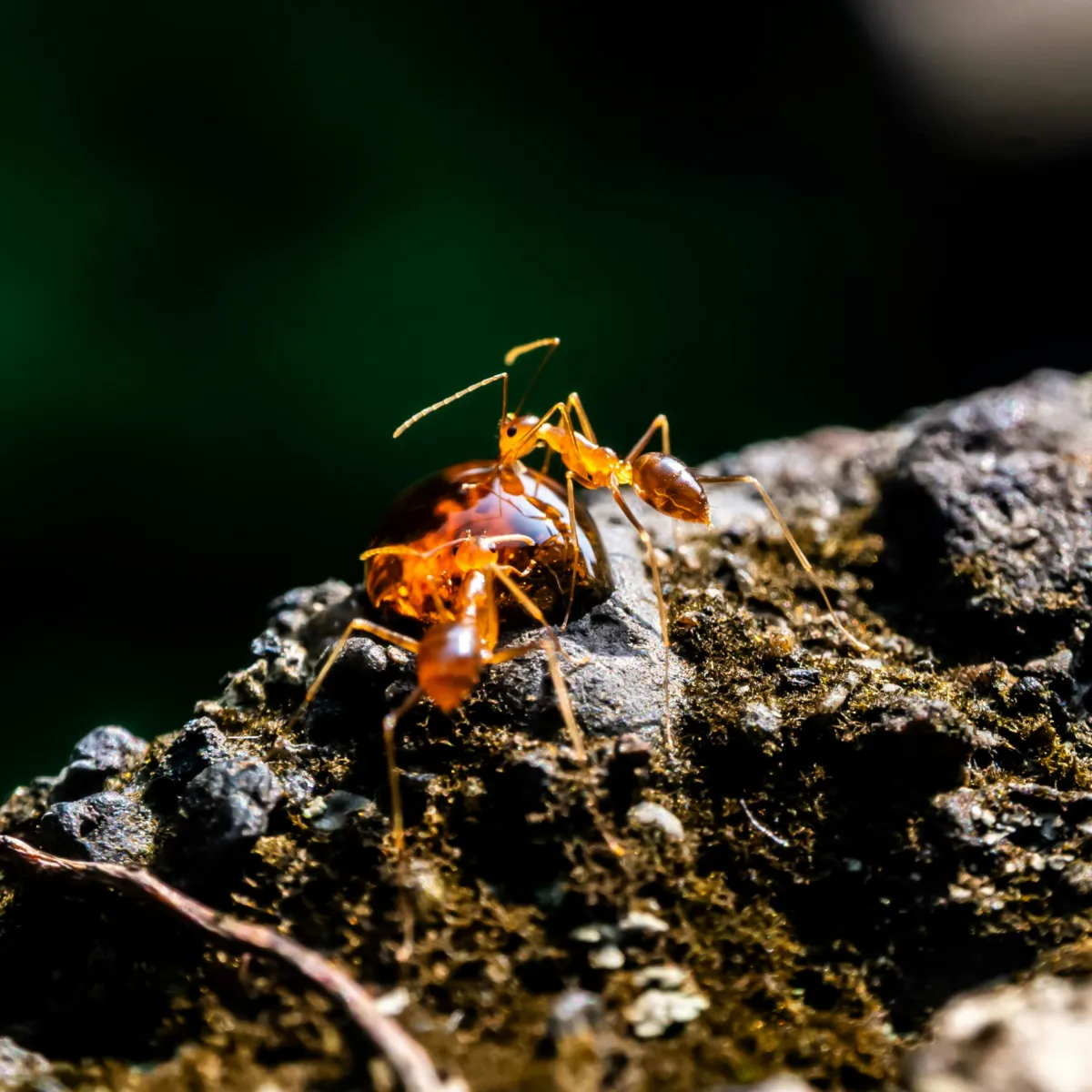
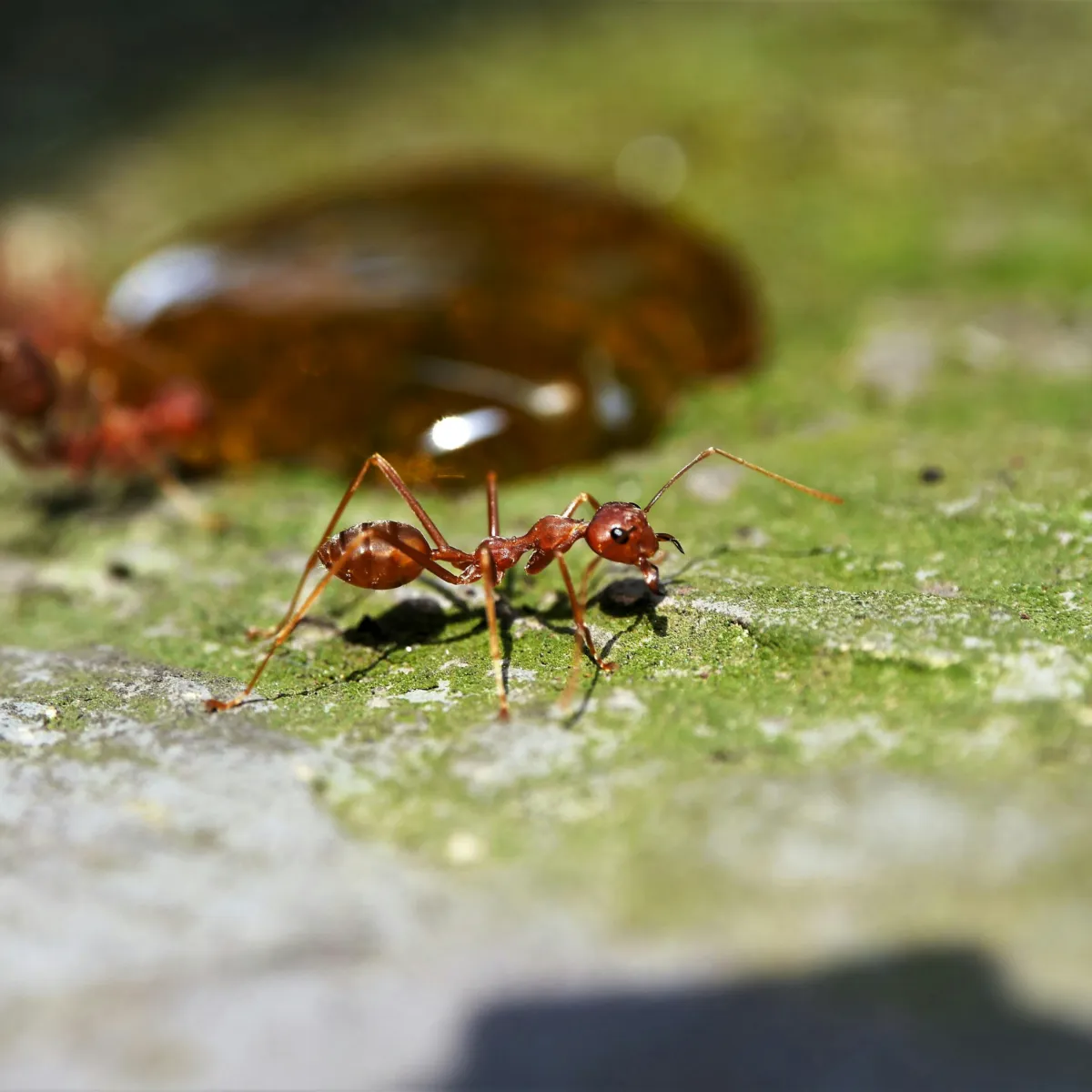
Fire ants are reddish to reddish-brown and small, roughly 1.6 to 5 mm long, with a distinctly aggressive response when disturbed. They prefer sunny, open areas of the lawn and build mounds in turf, fields, and bare soil. Because Northwest Arkansas has plenty of look-alike native ants, identification matters here even more than it does farther south, and it’s worth confirming before assuming you have the red imported fire ant.

There's a reason fire ants are tough to clear on your own

Why Fire Ants Are Difficult to Get Rid Of?

A fire ant colony can be large and reach well beyond the visible mound, and some colonies have multiple queens, which makes them resilient. The mound you see is rarely the whole story. Store-bought sprays usually take out only the ants on top, while rain, watering, and intense heat can change how the colony behaves and weaken the results. Surface-level efforts usually come up short, which is why a targeted, professional approach matters once a colony is confirmed.

Our process targets the colony, not just the mound

How Our Fire Ant Control Service Works

We start by inspecting the lawn and confirming whether you’re actually dealing with fire ants, then assess how severe and widespread the activity is. From there we treat the active mounds and the affected areas of the lawn, work to keep activity from continuing, and follow up or monitor where it makes sense for your property.

Different situations call for different approaches

Professional Fire Ant Treatment Options

Depending on what we find, fire ant control can include broadcast treatment for wider lawn activity, direct mound treatment for individual colonies, a two-step approach where appropriate, bait-based treatment that the ants carry back to the colony, and mound drench treatment for stubborn spots. We’ll walk you through the right approach for your yard. In every case, professional treatment is safer and more thorough than DIY, because it’s matched to the actual situation rather than guesswork.

Store-bought fixes and professional treatment aren't the same

DIY vs Professional Fire Ant Control

DIY sprays often fail to reach the colony, and baits depend on the ants actively foraging, which weather can interrupt. Rain or even morning dew can cut a product’s effectiveness, and disturbing a mound to treat it can raise your risk of stings. Professionals match the treatment to the infestation and target the colony itself, which is what actually produces results that last.

Take fire ant stings seriously around kids and pets

Are Fire Ants Dangerous?

A fire ant can sting again and again, and those stings may leave a burning sensation, red welts, or pustules. For some people, a sting can set off a severe reaction that calls for medical care. Children, pets, and anyone spending time on the lawn are the most exposed, which is part of why a confirmed colony is worth dealing with promptly rather than waiting to see what happens.

Can Fire Ants Damage Your Lawn?

Yes. Fire ant mounds can disrupt turf and leave uneven, hardened patches across the lawn, and the tunneling can affect both how the yard looks and how usable it is. Mounds can also get in the way of mowing, play, and everyday outdoor time, which is reason enough to address them once they appear.

When Are Fire Ants Most Active?

Fire ants prefer warm, sunny weather, so what activity does occur in the Fayetteville area tends to show up through the warmer months. Mounds often become more visible after rain, when colonies push toward the surface. The region’s cold winters are precisely what has kept fire ants from establishing the way they have in southern Arkansas, so the warm season is when it pays to keep an eye out.

Effective treatment and household safety go together

Is Fire Ant Treatment Safe for Families and Pets?

Treatments are carried out by trained, certified technicians who follow all label directions. We give you clear re-entry instructions, and generally pets and family should keep off treated spots until everything has dried. Before we head out, we’ll confirm you know exactly what to do to stay safe.

Local lawn and pest experience makes the difference

Why Homeowners Choose Fairway Lawns for Fire Ant Control?

As a lawn care and pest control company rooted in Northwest Arkansas, we know both the ants and the turf they affect, and we know the local landscape well enough to tell a fire ant colony from the many native ants that look similar. You get a professional inspection, an honest assessment, customized treatment recommendations, and family-conscious and pet-conscious guidance, plus seasonal options if you want ongoing monitoring. Backed by our 100% satisfaction guarantee, applicators certified through the Arkansas State Plant Board, a 4.5 out of 5 rating across more than 78,000 homeowners, easy scheduling, and a free quote, we make it simple to get a straight answer and a real solution.

A few straight answers make fire ant control easier to plan

Fire Ant Control FAQs for Fayetteville Homeowners

Get Your Free Fire Ant Quote Today

Spotted a mound you’re not sure about? Don’t guess, and don’t risk the stings. Call Fairway Lawns or request a free quote online, and our Springdale-based team will inspect the area, confirm whether you’re dealing with fire ants, and treat any active colony at the source. We serve Fayetteville and the surrounding Northwest Arkansas area.